REVIEW · KATHMANDU
Luxury Everest Base Camp Trek – 11 Days
Book on Viator →Operated by Himalayan Trekking · Bookable on Viator
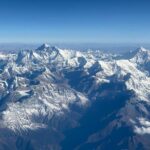
Ever thought Everest could feel organized? This 11-day plan pairs serious Himalayan trekking with helicopter transfers and luxury stays for the days you’re not fighting cold or altitude. You’ll move through iconic Khumbu places like Namche, Tengboche, Dingboche, and then right up to Everest Base Camp, finishing with a sunrise-style hike toward Kala Patthar.
What I like most is the way the trip handles the hard parts on your behalf: you get guide and porters with insurance and daily meals, plus luxury accommodations during the trek. Another strong point is the small size, with a maximum of 15 people, which usually makes the whole experience feel calmer and more controlled when weather turns. The one big consideration is health: the tour information flags an asthma problem and you’ll need a moderate fitness level because you’re going to elevations that can feel rough even when everything is well supported.
In This Review
- Quick Highlights You Can Actually Plan Around
- Luxury Everest Base Camp: What “Comfort” Looks Like on the Trek
- Price and Value: Why $4,070 Can Make Sense for This Package
- From Kathmandu to Thamel: Your First Day Starts Easy
- Helicopter to Lukla and the First Trek to Phakding
- Monjo, Pine Forests, and the Road to Namche Bazaar
- Everest View Point and the Namche Rest Day That Saves Your Trek
- Tengboche: Rhododendron Trails and the Spiritual Stop You’ll Remember
- Dingboche at 4,410m: The Acclimatization Sweet Spot
- Chukhung for Acclimatization: Moving Higher Without Overreaching
- Toward Lobuche and Everest Base Camp: Glacier Moraine and the Big Payoff
- Gorak Shep and the Kala Patthar Morning: Everest at First Light
- Who Should Choose This Luxury EBC Trek (and Who Might Skip It)
- Practical Tips to Make the Luxury Portion Actually Work
- Should You Book This Luxury Everest Base Camp Trek?
- FAQ
- What city do you stay in when you arrive?
- How do you travel to Lukla?
- How many days is the trek?
- What is the maximum group size?
- What trekking supports are included?
- Are meals included during the trek?
- What about meals in Kathmandu?
- Does the price include taxes and fees?
- Is travel insurance included?
- What is the cancellation policy?
Quick Highlights You Can Actually Plan Around
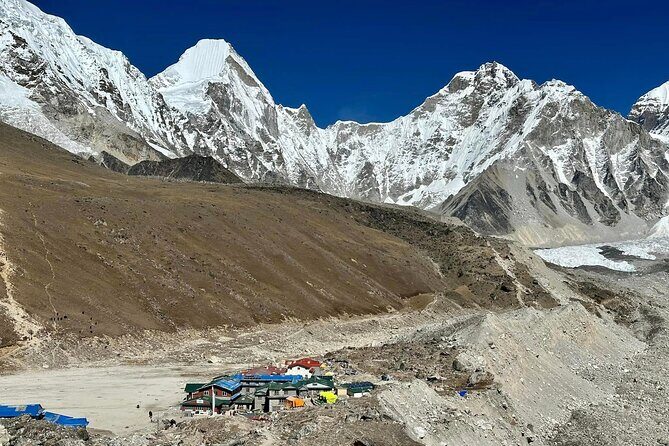
- Helicopter into Lukla so you skip the most nerve-heavy travel day and get straight onto the Khumbu route.
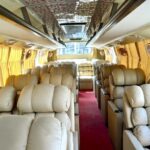
- Luxury accommodation during the trek, aimed at comfort where it matters most: rest, warmth, and recovery between hiking days.
- Small group size (up to 15), which can mean fewer delays and more personal attention.
- Guides and porters are included, with daily wage, insurance, and meals taken care of.
- High-altitude itinerary with built-in acclimatization stops around Namche, Dingboche, and the Chukhung day.
- Kala Patthar morning timing that lines up with early starts (the plan lists 5:15 am as a start time).
Luxury Everest Base Camp: What “Comfort” Looks Like on the Trek
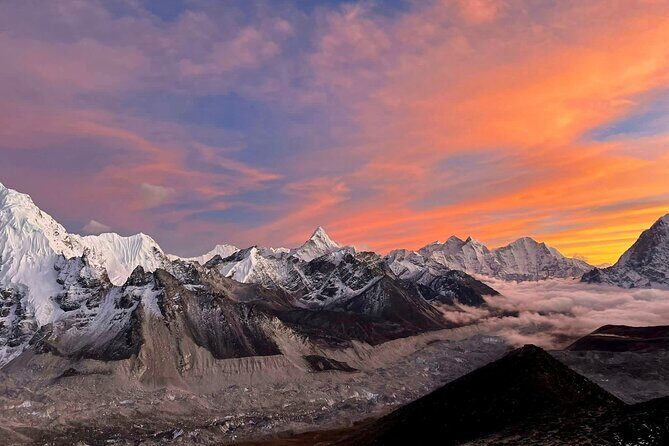
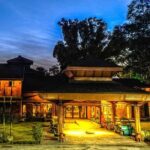
When a trek calls itself luxury, I focus on what’s realistic in the Himalaya. This one is clear about luxury accommodation during the trek, and that matters because Everest-area trekking is mostly a schedule of hiking, then recovering in a cold room, then hiking again. If your rest isn’t good, your energy drains fast, and altitude punishes you for every mistake.
Here, comfort is also built into the crew setup. You travel with a guide and porters included in the package, plus porter daily insurance and meals. That means you’re not juggling logistics on your own when the trail gets slower or the weather messes with plans.
The tour also includes a lot of your on-route food: dinners and lunches are covered on most trekking days, and breakfasts are included for many mornings. You still have personal expenses outside the trek covered by you, but the core “fuel the body” part is handled.
You can also read our reviews of more tours and experiences in Kathmandu
Price and Value: Why $4,070 Can Make Sense for This Package
At $4,070 per person, this is not a budget trek. But it’s also not just “a guide and a route.” Two major cost drivers show up right in the plan: helicopter flights and included mountain logistics.
You get Kathmandu to Lukla by helicopter, and you also get a helicopter return from the end of the trekking stretch (the provided details mention Gorakshep to Kathmandu by helicopter). That kind of transport in Nepal’s high country can swing a trip from stressful to manageable, especially if flights are delayed or you’re trying to keep the trekking sequence intact.
The price also covers:
- all fees and taxes
- luxury accommodation during the trek
- guide and porters (wage, insurance, and meals)
- most trekking meals (breakfasts, lunches, dinners)
And it doesn’t include things that usually blow up trekking budgets later, like travel insurance and international flights. It also leaves room for personal spending in Nepal, like laundry, internet, phone calls, cold drinks, and drinking water.
So here’s the value test I’d use: if you want Everest Base Camp without playing travel roulette for days, and you’re okay paying for helicopter support plus structured comfort, this price can feel fair.
From Kathmandu to Thamel: Your First Day Starts Easy
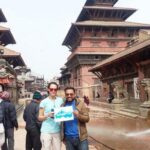
Day 1 is straightforward. Your guide meets you at the airport and takes you to your booked hotel in Thamel. This is a practical choice because Thamel is set up for travelers who need dinner, gear reminders, and a place to sleep normally before trekking starts.
This day is about getting your bearings without stress. You’re not hiking, you’re not changing plans every hour, and you can focus on hydration and an early night because the next day moves quickly.
Helicopter to Lukla and the First Trek to Phakding
Day 2 is one of the biggest “luxury vs. hardcore” differences in this route. Instead of a long overland setup, you transfer from Kathmandu Airport to Lukla by helicopter. That gets you into the Khumbu region faster and reduces the risk of cascading delays from missed connections.
Once you reach Lukla, you meet the trekking crew and start walking toward Phakding. The plan lists this first trekking segment at about 4 hours. Even if 4 hours doesn’t sound huge, this is your first exposure to altitude and trail rhythm, so I’d treat it as a warm-up day, not a cardio challenge.
This is also where the crew setup matters. You’re not figuring out who carries what or how the day is timed once you’re on the trail.
Monjo, Pine Forests, and the Road to Namche Bazaar
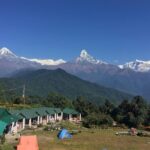
After Phakding, the next push goes through Monjo and heads toward Namche Bazaar. The trail is described as challenging but rewarding, starting with a gentle ascent and passing through pine forests with the sounds of nature doing most of the background work.
This part of the trek is where you usually learn two things fast:
1) your pace will likely be slower than on low-elevation hikes
2) consistency beats speed when the air gets thinner
Namche Bazaar becomes your altitude anchor. It’s a working Sherpa hub with markets and day-to-day life, which makes it a useful place to reset before you go higher.
You can also read our reviews of more hiking tours in Kathmandu
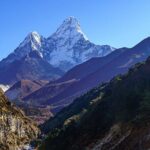
Everest View Point and the Namche Rest Day That Saves Your Trek
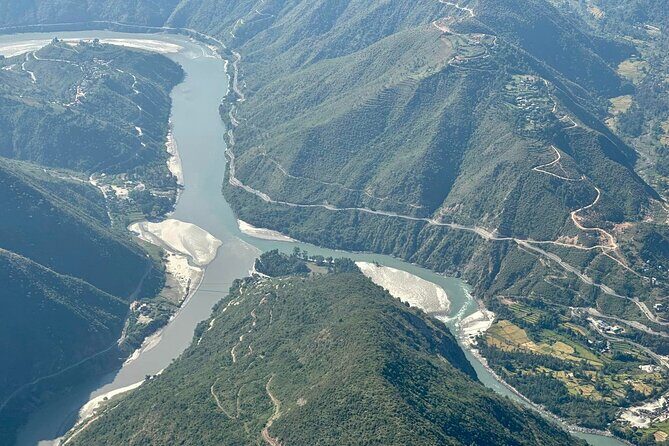
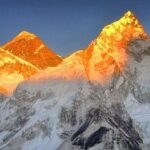
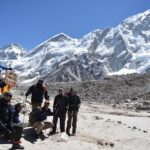
Not every day is about climbing. In the plan, there’s an Everest View Point stop, and then you get a day in Namche Bazaar specifically to let your body adjust.
This matters more than it sounds. Acclimatization isn’t just a “nice idea” on Everest routes; it’s the part that can decide whether the next high days feel controlled or punishing. The trip’s structure reflects that: it gives you a breather day instead of stacking steep efforts back-to-back.
In practical terms, that Namche day is where you can:
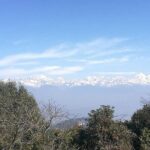
- wander and take in the views without rushing
- eat well and sleep
- keep your activity low while your body catches up
It’s also the day that helps you enjoy the mountain instead of constantly calculating how long you can keep moving.
Tengboche: Rhododendron Trails and the Spiritual Stop You’ll Remember
From Namche, the route turns toward Tengboche. The path is described as moving through dense rhododendron forests. That kind of trail matters because it tends to be visually interesting and a little varied underfoot, which helps when you’re tired of staring at the same kind of mountain step.
Tengboche is also a spiritual and cultural checkpoint in the Everest region. You’re not just trekking across altitude lines; you’re moving through places with monasteries and mountain traditions that shape how people live in the Khumbu.
The trade-off: this day can feel like a mental shift as much as a physical one. You’re going from market-town energy to monastery-region calm.
Dingboche at 4,410m: The Acclimatization Sweet Spot
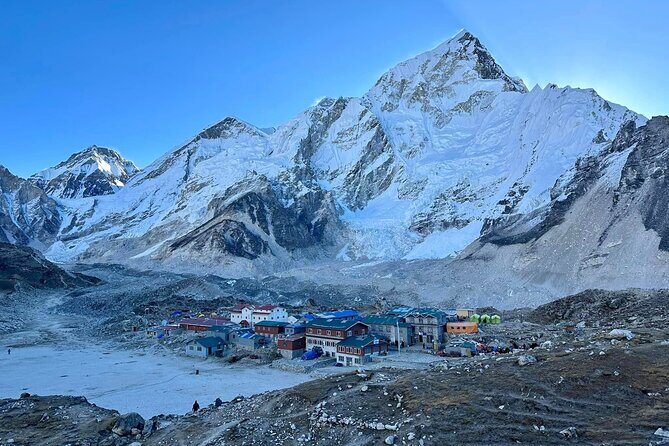
Day 6 centers on Dingboche at an altitude of 4,410 meters. The trek from Tengboche to Dingboche is listed as typically 5–6 hours, so it’s a real hiking day. Dingboche sits in the Imja Valley, and it’s positioned well for acclimatization.
This is the part of the trek where I want you thinking less about the “next landmark” and more about how you feel after each exertion. Even on guided trips, altitude is personal. The plan’s pacing gives you the chance to listen to your own body.
Chukhung for Acclimatization: Moving Higher Without Overreaching
On the following day, the plan includes Chukhung as an acclimatization-focused stop, with Dingboche serving as the base point for that adjustment. The idea is simple: you gain elevation gradually, then you return to a place that supports recovery.
The tour also explicitly frames acclimatization as crucial. That’s not marketing fluff. This is the “learn your limits” zone, and it’s where a good guide and a solid crew system can make a big difference in how safely you progress.
If you’re prone to getting winded, this is where you’ll want to keep your pace controlled and avoid turning acclimatization into a race.
Toward Lobuche and Everest Base Camp: Glacier Moraine and the Big Payoff
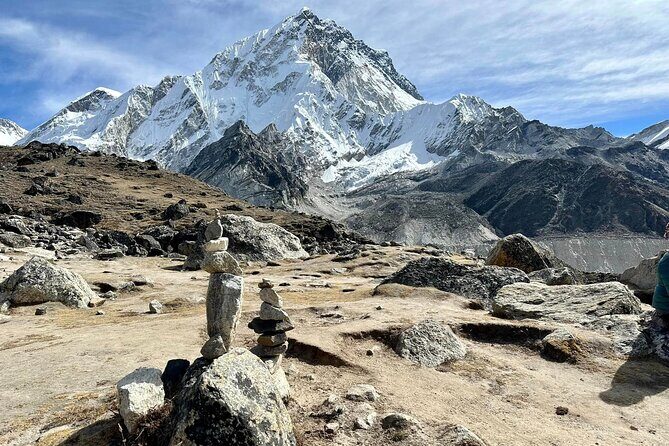
As the route pushes upward, it goes toward Lobuche, with the trail described as passing through the terminal moraine of the Khumbu Glacier. The plan notes that as you ascend, the air becomes crisp and fresh. That crispness often comes with harder effort and colder conditions, even when you feel good early on.
This segment is usually where the scenery becomes sharper and the sense of “Everest is real” grows stronger. You’re getting closer to the high country that surrounds Everest Base Camp.
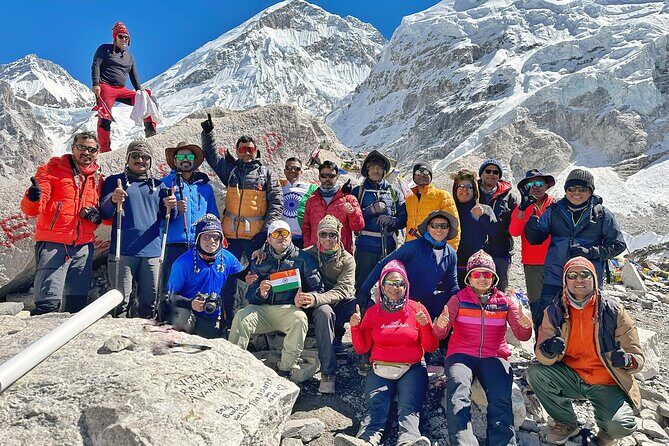
Then you hit the big moment: Everest Base Camp is scheduled as the focus stop (Day 9). This is the day many people picture when they think about Everest, and it’s also the day where weather can make or break comfort. You’ll want to keep layers and hydration in mind, because the excitement doesn’t stop the cold.
Gorak Shep and the Kala Patthar Morning: Everest at First Light
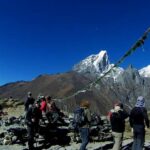
The trek continues to Gorak Shep, described as the last stop on the trek stretch and set at 5,164 meters. That’s a high-elevation base for the final viewpoint push, and it’s why the plan emphasizes early timing.
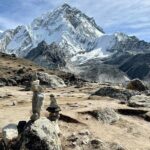
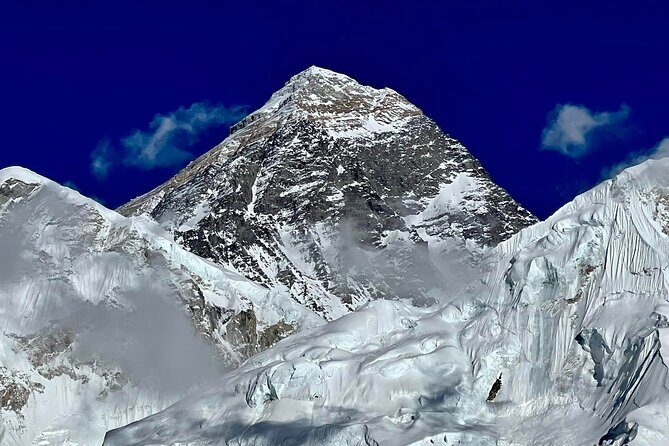
Your late-stage plan includes an early morning hike toward Kala Patthar. Kala Patthar is on the south ridge of Pumori above Gorak Shep, and the plan frames this as a first-light moment. The tour details list a 5:15 am start time, which is a solid clue that you should plan for a very early wake-up.
One detail worth noting: the plan also includes helicopter elements close to the end, including a helicopter landing at Kala Patthar in the provided day notes, while the included list references Gorakshep to Kathmandu by helicopter. In practice, this usually means the route is designed around helicopter support for the final movement back toward Kathmandu, but exact timing points can depend on weather.
Either way, the goal is consistent: you’ll do the hard walking segments first, then use air transport to reduce the long return slog.
Who Should Choose This Luxury EBC Trek (and Who Might Skip It)
This is for you if you want:
- Everest Base Camp with organized logistics and included trekking support
- comfort-focused lodging during the trek
- a guided structure that emphasizes acclimatization days
- a smaller group size (max 15)
You should also be aware of who might find it tough. The tour info flags an asthma problem, and altitude itself is demanding even for hikers who feel fit at sea level. If you have respiratory concerns, talk to a clinician before committing, and consider whether you need a different route with more conservative elevation gain.
Also keep in mind the tour is listed for people with moderate physical fitness. That’s a wide category, but the schedule still includes several days with long climbs and high passes in thin air.
Practical Tips to Make the Luxury Portion Actually Work
Even with included crews and luxury stays, your comfort depends on how you show up physically and mentally.
Here are the practical moves I’d make if you’re heading into this trek:
- Train your legs and lungs before you go, because the plan reaches 5,164 meters at Gorak Shep and pushes even higher for Kala Patthar.
- Treat acclimatization days like part of the climbing, not downtime. The Namche and Dingboche-focused rest structure is there to help you keep going.
- Plan for mornings to feel early. The schedule calls out a 5:15 am start time, and that’s tied to the Kala Patthar moment.
- Keep your packing tight and warm. Cold, wind, and sun are all common problems at these elevations, and you don’t want to be improvising mid-trek.
- If you’re sensitive to altitude, plan to move slowly and steadily. The trip is guided, but your pace still matters.
The luxury part helps with lodging and meal support, but altitude safety is still on your choices each day.
Should You Book This Luxury Everest Base Camp Trek?
If you want the Everest Base Camp experience with less chaos, this package is a strong option. The mix of helicopter transfers, included guide and porter support, and luxury accommodation during the trek is designed for people who would rather spend energy on enjoying the mountain than solving logistics.
I’d especially recommend it if you:
- value comfort between long days
- like small-group trekking (up to 15)
- prefer a route that explicitly builds in acclimatization time
I’d think twice if asthma or respiratory issues are part of your health picture, because the tour information flags that concern and the altitude exposure is real.
FAQ
What city do you stay in when you arrive?
On Day 1, your guide meets you at the airport and transfers you to your booked hotel in Thamel, Kathmandu.
How do you travel to Lukla?
You travel from Kathmandu to Lukla by helicopter.
How many days is the trek?
The duration is listed as approximately 11 days.
What is the maximum group size?
The tour has a maximum of 15 travelers.
What trekking supports are included?
A guide and porters are included, including their daily wage, insurance, and meals.
Are meals included during the trek?
Yes. The package includes breakfast (9), lunch (8), and dinner (8) during the trekking portion.
What about meals in Kathmandu?
Meals in Kathmandu are not included except breakfast and a farewell dinner.
Does the price include taxes and fees?
Yes, the package includes all fees and taxes.
Is travel insurance included?
No, travel insurance is not included.
What is the cancellation policy?
You can cancel for free up to 24 hours in advance for a full refund. If the experience is canceled due to poor weather, you’ll be offered a different date or a full refund.