REVIEW · KATHMANDU
Kathmandu: Women-Led Cooking Class & Momo Making-Local Taste
Book on GetYourGuide →Operated by Relax Getaways Pvt. Ltd · Bookable on GetYourGuide
Cooking momo in Kathmandu beats watching. It’s a hands-on, women-led class that centers on real Nepali techniques, not just recipes. You also get a market/shop visit, so you learn how people actually pick vegetables, spices, and meat before the stove comes on.
I especially like the small group setup (up to 8 people), which makes it easier to ask questions and get corrected on details. My only caution: the dumpling folding can feel tricky at first, and the instructor is focused on getting you the right technique, so go in ready to practice.
In This Review
- Key moments I’d circle before you go
- Kathmandu’s Women-Led Kitchen: A Class That Feels Local
- Market Time in Kathmandu: Buying Spices Like a Home Cook
- The Menu Sets: Dal Bhat and Momo Plus Newari and Tibetan Flavors
- Menu set options at a glance
- Inside the Kitchen: What You’ll Actually Learn to Do
- Momo technique: the part that tests your patience
- Masala Tea and Bara: The Comfort-Food Warmup
- Dal Bhat and Sides: Learning the Most Practical Meal in Nepal
- Chatamari, Thukpa, and the Surprise Value of Trying New Things
- Price and Value in Kathmandu: What $11 Really Buys
- Small Group, English Instruction, and the Real Learning Curve
- Who This Class Fits Best (and Who Might Want a Different Option)
- Practical Tips Before Your Stove Time
- Should You Book This Kathmandu Cooking Class?
- FAQ
- What dishes will I learn in the class?
- Is there a vegetarian option?
- How long is the cooking class?
- What’s included besides cooking instruction?
- Is the instructor speaking English?
- Are photos and video included?
Key moments I’d circle before you go
- Market/shop tour for the ingredients that make Nepali cooking taste like Nepali cooking
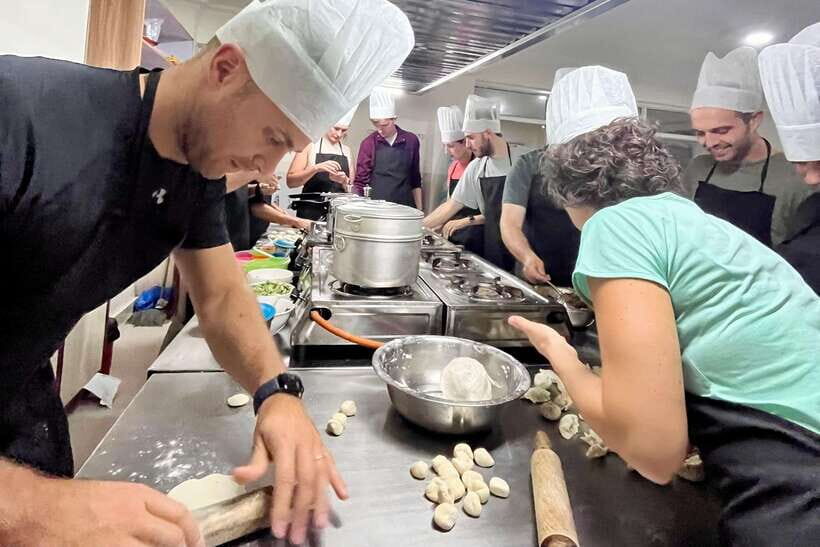
- Momo (dumpling) practice with meat and vegetable options
- Dal bhat—rice with lentil soup and sides—so you learn a daily-staple formula
- Masala tea + bara to start you off with comfort food, not just theory
- Three menu sets that mix Nepali, Newari, and Tibetan-influenced flavors (like thukpa)
- English instruction and a kitchen session designed for a small group
Kathmandu’s Women-Led Kitchen: A Class That Feels Local
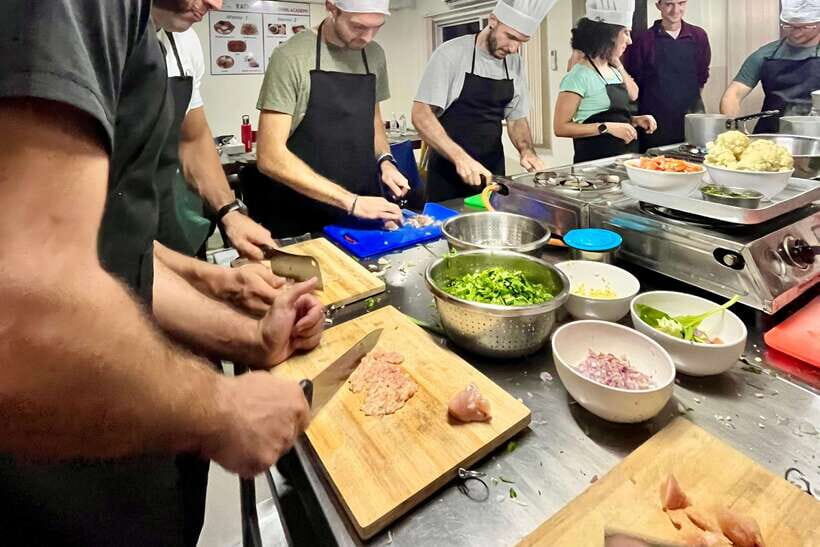
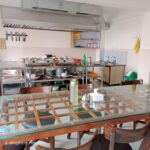
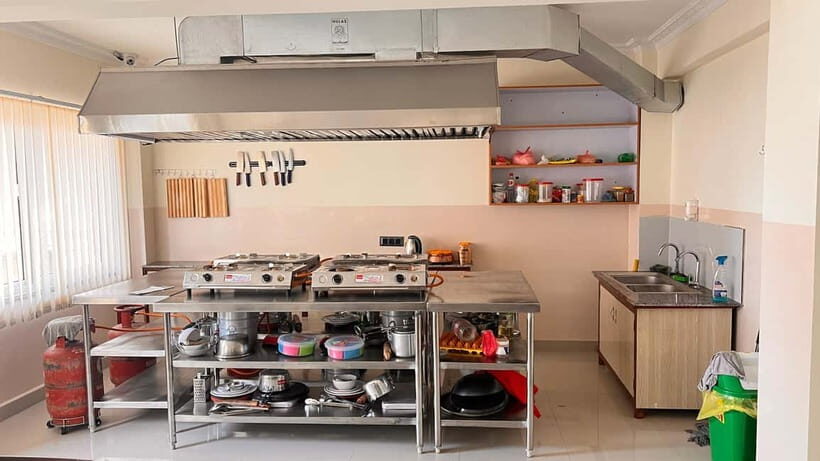
This experience is all about learning Nepali food the way locals do it: with spices, timing, and hands-on work. You step into a modern kitchen, and before you start cooking, you’re already breathing in the smell of warm spice blends and learning the basics behind dishes you’ve probably heard of.
The “women-led” part matters here because the tone tends to be practical and welcoming. You’re not just copying someone else’s food—you’re guided through the why of each step, from ingredient choices to cooking methods.
Two things make this class work well for real-world travelers. First, it’s small-group (limited to 8), so you’re not stuck watching while everyone else gets attention. Second, it’s built around dishes that people actually eat, like dal bhat and momo, not just rare restaurant specialties.
One downside to note: if you’re new to dumpling folding, you might need a few tries. That’s normal, but the instructor will still expect you to learn the technique, not just get a quick win.
You can also read our reviews of more cooking classes in Kathmandu
Market Time in Kathmandu: Buying Spices Like a Home Cook
A big part of the value here is the market/shop visit. You’ll go out to buy key ingredients—vegetables, spices, and meat (when your chosen menu includes it)—so you understand what goes into the final flavors.
This isn’t just shopping time. It’s a shortcut to tasting Nepal later, because you learn what ingredients matter and how they show up in different dishes. Spices are a major theme in Nepali cooking, and being able to point to them while you cook makes the whole meal click.
If you’ve ever eaten Nepali food and wondered why it tastes so specific—this is the answer. Ingredients aren’t interchangeable. The class gives you the context for why a dish tastes the way it does, and you’ll feel that while you’re chopping, mixing, and seasoning.
The Menu Sets: Dal Bhat and Momo Plus Newari and Tibetan Flavors
You’ll be offered three menu sets, each centered on a different mix of Nepal (and nearby influences). You can choose the set that matches your tastes—vegetarian-leaning, meat-forward, or a mix.
Menu set options at a glance
Menu 1: Bara / Dal Bhat / Yomari
- Bara: a traditional lentil pancake made from ground black gram batter, spiced and cooked until crisp and tender
- Dal bhat: steamed rice plus lentil soup, typically served with sides like vegetables, pickles, and curry
- Yomari: a sweet Newari dumpling with rice flour dough and a filling of molasses (chaku) with sesame seeds
Menu 2: Chatamari / Momo / Kheer
- Chatamari: often compared to a Nepali pizza—rice flour crepe topped with ingredients like egg, minced meat, vegetables, and spices
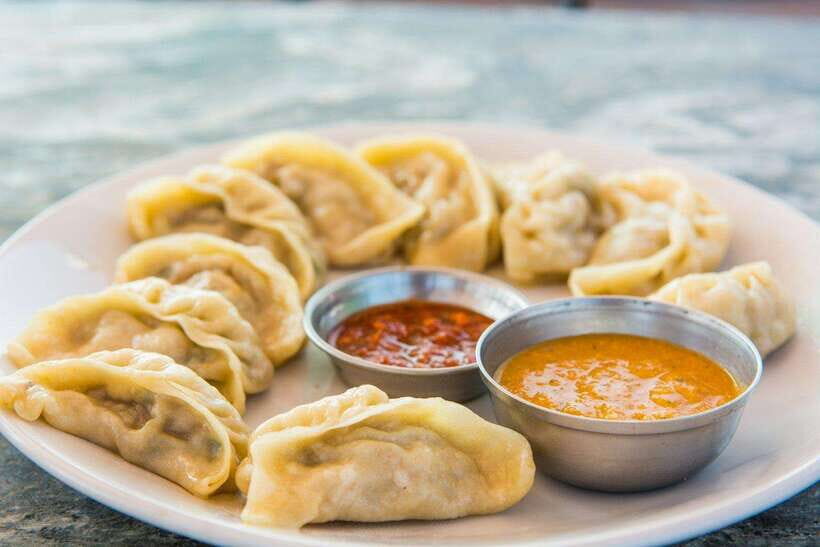
- Momo: dumplings with meat options (chicken, buff, pork) or vegetables, seasoned with spices
- Kheer: a creamy rice pudding with milk, sugar, cardamom, plus nuts and raisins
Menu 3: Aloo Chop / Thukpa / Carrot Halwa
- Aloo chop: deep-fried spiced potato snack made with mashed boiled potatoes
- Thukpa: a Tibetan-Nepali noodle soup with vegetables and optional meat, cooked in a flavorful broth with aromatic spices
- Carrot halwa: sweet dessert from slow-cooked grated carrots with milk, sugar, ghee, cardamom, and nuts/raisins
What I like about these menus is the balance. Even if you think you only want momo, you’ll get a broader sense of Nepal’s comfort food range—from rice-and-lentils to dumplings to sweets like kheer and carrot halwa.
Inside the Kitchen: What You’ll Actually Learn to Do
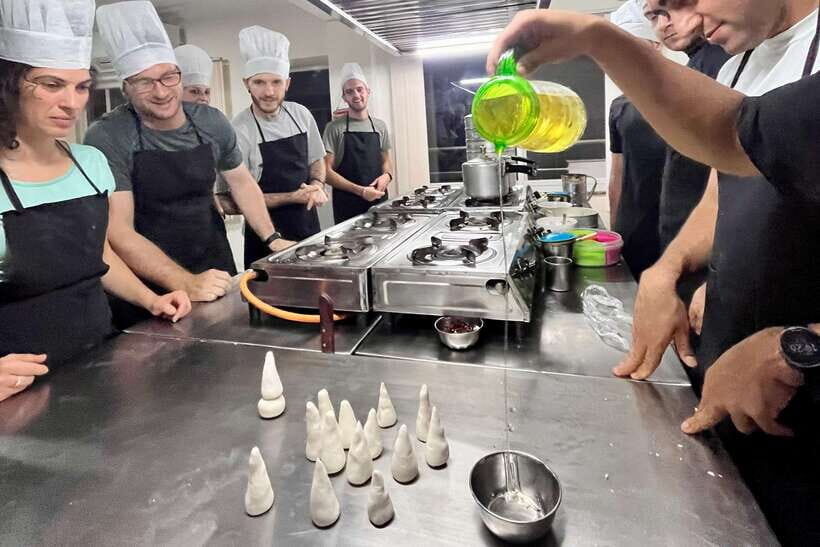
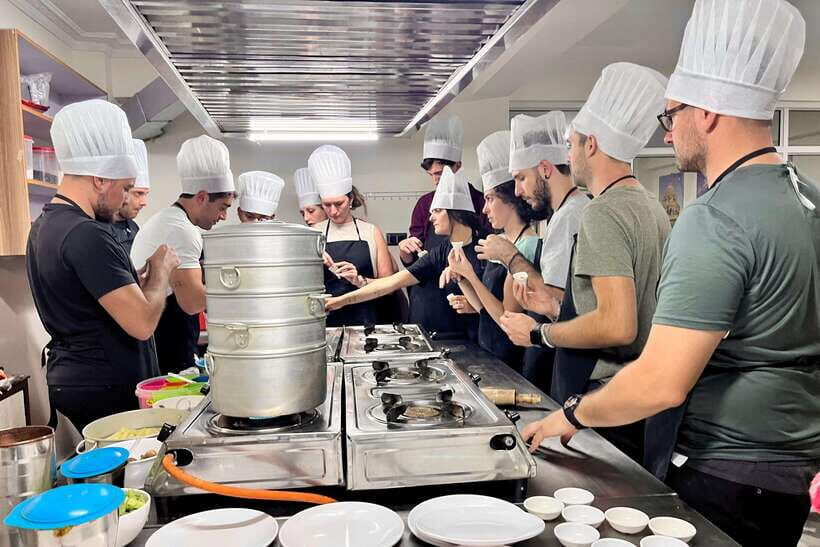
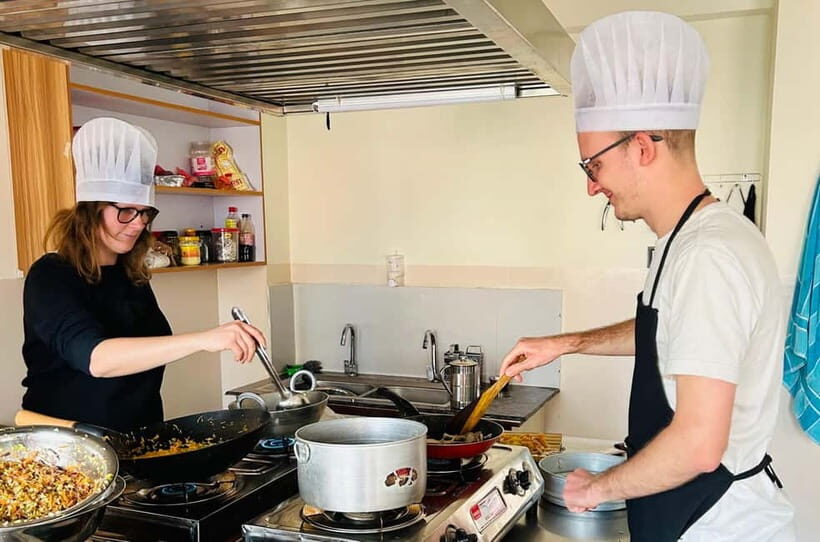
This isn’t a “watch and hope” workshop. You cook. You handle ingredients. You practice the steps, from mixing and seasoning to shaping and cooking the final dishes.
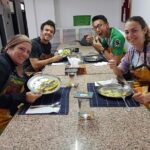
You’ll use the kitchen equipment and accessories provided, and you’ll get step-by-step guidance from a local chef/instructor who teaches in English. The class also includes a tasting session, so the effort turns into a full meal instead of leaving you hungry with only a recipe sheet.
If you’re planning your day, think of this as a 2–3 hour food skill session plus a meal. The timing matters because you’ll be working on several components (especially if your menu includes dumplings and multiple dishes).
You can also read our reviews of more tours and experiences in Kathmandu
Momo technique: the part that tests your patience
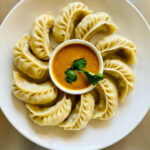
Momo is the signature skill here. The dough gets shaped and filled, then folded into dumplings. Even with guidance, folds take repetition.
That’s the real learning curve: not spice names, but hands-on technique. If your momo doesn’t look perfect the first time, that’s not failure—it’s training. You’ll improve as you go, and you’ll end up with enough to eat what you made.
Masala Tea and Bara: The Comfort-Food Warmup
Nepali meals often begin with flavors that feel grounding, and this class follows that logic. You’ll enjoy Nepali masala tea during the lesson—a black tea with aromatic spices. It’s a small thing, but it changes your whole mindset once you’re smelling those spices while you cook.
You may also start with bara, a lentil pancake that can be topped or flavored in different ways depending on what your menu set includes. Bara is crisp and satisfying, and it works as a snack break without breaking the lesson flow.
This part is also a good reminder that Nepali food isn’t only about big dishes. There are everyday snacks and street-friendly bites woven into daily culture.
Dal Bhat and Sides: Learning the Most Practical Meal in Nepal
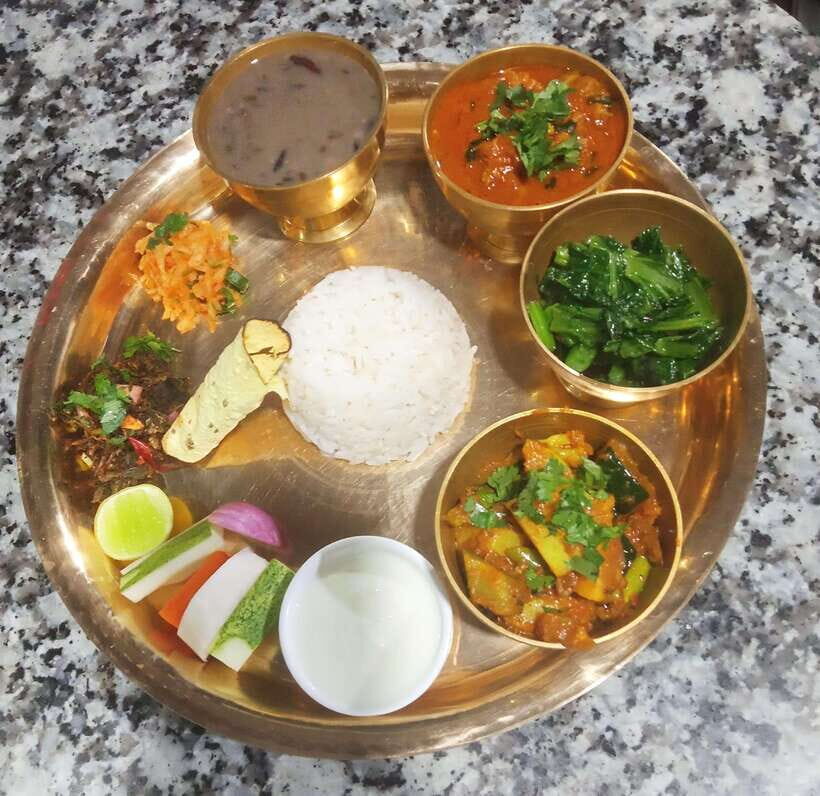
If you choose a menu with dal bhat, you’ll learn the structure of a meal that shows up again and again in Nepal. At its core you’re making rice plus lentil soup, then pairing it with sides like curry and vegetables, plus pickles when included.
The value here is practical. Once you understand the logic of dal bhat, you can recreate that “comfort formula” at home. You won’t just remember ingredients—you’ll understand how the meal is balanced: carbs, protein, and punchy flavors from spices and sides.
Chatamari, Thukpa, and the Surprise Value of Trying New Things
Not every class focuses equally on variety, but this one does. You’ll get exposure to Newari flavors like chatamari and yomari, plus Tibetan-Nepali comfort food like thukpa.
Even if you came to Kathmandu mainly for momo, trying one of these dishes helps you understand what locals mean when they talk about cuisine. Nepali food isn’t one flavor. It’s a set of methods and spice styles that show up across different regional influences.
Price and Value in Kathmandu: What $11 Really Buys
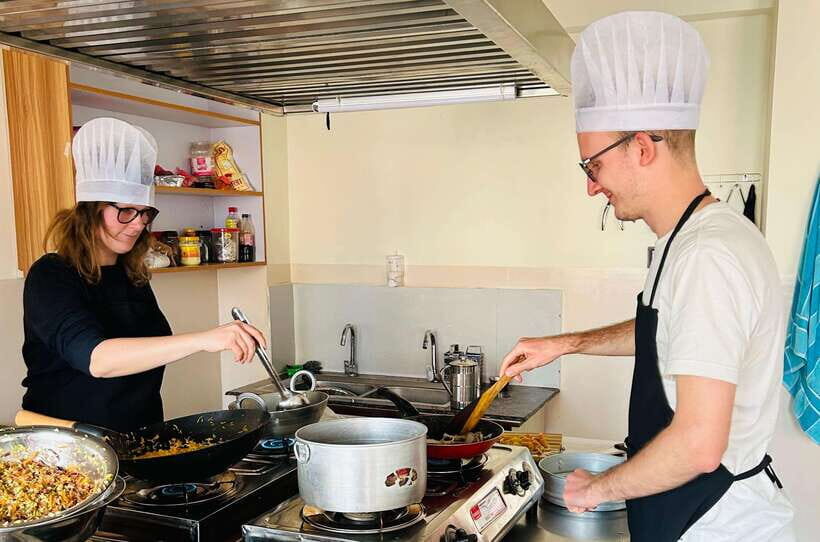
At around $11 per person for 2–3 hours, this is strong value—especially because it’s not just cooking instruction. You also get:
- a market/shop ingredient component
- guided cooking with local chefs
- cooking tools and supplies
- a shared tasting session
- masala tea
What you don’t get is equally important. You won’t have professional photos or video included. If you want them, there may be an extra fee for professional photography/videography.
Also, you should plan to eat. This isn’t a tiny snack class. The whole point is you cook and then enjoy what you made.
Small Group, English Instruction, and the Real Learning Curve
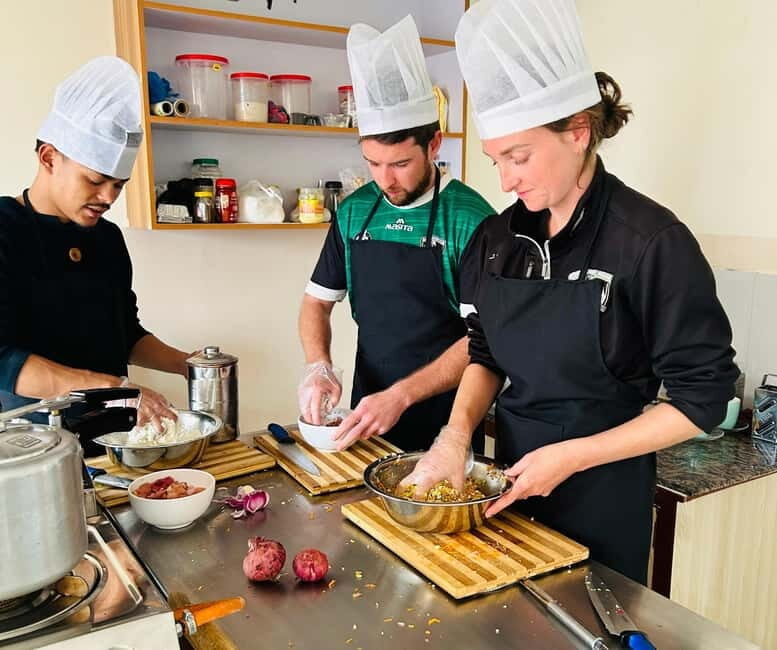
This class is limited to 8 participants, and instruction is in English. That means you can actually ask “why” questions without waiting for a translator or getting rushed off-topic.
It’s also suitable for people aged 8 and above, so it can work for family groups—though younger kids may need patience with tasks like folding and handling hot items.
A quick practical note: the pace is hands-on. If you’re easily frustrated by sticky dough or slow technique, momo folding can feel like a challenge at first. The good news is you’ll be cooking in a structured way, so you won’t be guessing what to do next.
Who This Class Fits Best (and Who Might Want a Different Option)
This is a great fit if you want a genuine food day in Kathmandu that doesn’t depend on luck at a restaurant. If you like learning by doing—chopping, mixing, shaping—this will feel satisfying and memorable.
It’s also ideal if you care about vegetarian and meat options. Your menu set can include vegetable versions (especially for momo), and it’s designed to let you try different styles of dishes.
If you mainly want a sit-down meal with no mess or technique practice, this may feel too hands-on. You’ll be cooking, not just tasting.
Practical Tips Before Your Stove Time
Wear clothes you don’t mind getting kitchen-scented. Spices linger, even when you wash everything afterward.
If momo is on your menu, plan mentally for practice. Your first dumplings might look a bit weird. That’s normal. Keep going until your hands learn the motion.
If you’re choosing a menu set, think about what you want to take home as a skill. For a “daily-life Nepal” meal, dal bhat is hard to beat. For a fun hands-on project, choose momo (and accept the folding practice).
Should You Book This Kathmandu Cooking Class?
Book it if you want a compact, high-value food experience built around real dishes you’ll recognize and can recreate. The market ingredient component makes it feel grounded, and the small group size helps you learn instead of just stand around.
Skip it (or choose a different focus) if you strongly prefer zero technique stress. Dumpling folding takes time, and the instructor will guide you toward correctness.
If you want one food-focused day that teaches you how Nepali meals are built—tea, snacks, rice-and-lentils, dumplings, and dessert—this class is a very practical choice in Kathmandu.
FAQ
What dishes will I learn in the class?
You can choose from three menu sets. Options include bara, dal bhat, yomari, chatamari, momo, kheer, aloo chop, thukpa, and carrot halwa.
Is there a vegetarian option?
Yes. The class includes vegetarian and meat options to try out, including vegetable versions for dishes like momo.
How long is the cooking class?
The class lasts about 2 to 3 hours.
What’s included besides cooking instruction?
The experience includes step-by-step instructions from a local chef, a market/shop tour to buy key ingredients, use of cooking equipment and accessories, Nepali masala tea, and a tasting session of what you prepare.
Is the instructor speaking English?
Yes, the instructor teaches in English.
Are photos and video included?
Photos and video are not included, but professional photography or videography is available for an additional fee.