REVIEW · KATHMANDU
Makalu Base Camp Trek
Book on Viator →Operated by Bodhi Tree Tours Travel and Treks · Bookable on Viator
Quiet mountains beat crowded trails. This Makalu Base Camp Trek takes you deep into Makalu-Barun National Park, where I love the quiet time on the trail and the chance to see big-mountain angles from a less-frequent route. The trade-off: you’ll still earn your views with a hard high-pass push around 4,150–4,170m.
I also like how Bodhi Tree Tours sets this up as a private experience with an English-speaking guide and insured guide/porters, and the names Pujan and David show up in the way the team supports trekkers day after day.
In This Review
- Key things that make this Makalu Base Camp Trek worth your time
- Why Makalu feels different: quiet trails, real nature, fewer crowds
- Getting from Kathmandu to the trail: flights, off-road driving, and your first teahouse night
- The route, day by day: what each stage feels like
- Day 2: Arun River drop and the Seduwa climb
- Day 3: farms, forest, and an easier-feeling day
- Day 4: long uphill through forest and meadows
- Day 5: short ridge hikes to help you acclimatize
- Day 6: the big pass day—Shipton La and Keke La
- Day 7: rhododendron forests and river valleys
- Day 8: gradual ascent with valley views
- Day 9: the base camp push and those glacier-fed views
- Day 10: optional side hikes toward Barun Glacier
- Days 11–13: descending rhythm, then re-earning height
- Day 14: long descent and a final teahouse night
- Day 15: trek out, then drive, then fly
- Passes, altitude, and why you should train before you go
- Food, water, and the tea house reality check
- What’s included vs what you’ll still pay for
- What you should feel good about
- What will cost extra (and why)
- Guides and support: the human factor that matters on rough days
- Packing tips that match this exact style of trek
- Price and Logistics: is $1,750 a fair deal for Makalu Base Camp?
- Should you book this Makalu Base Camp Trek?
- FAQ
- How long is the Makalu Base Camp Trek?
- Where do you meet in Kathmandu, and when does the trip start?
- Are the flights from Kathmandu to Tumlingtar included?
- Is pickup offered in Kathmandu?
- What trekking gear is included or available on request?
- Are meals included during the trek?
- Is bottled water included?
- Are coffee and tea included?
- Do I need a Nepal visa?
- What happens if the trek is canceled due to weather, or if I cancel?
Key things that make this Makalu Base Camp Trek worth your time
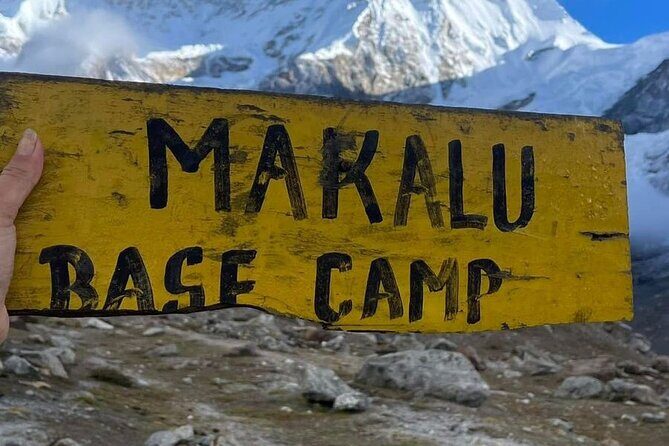
- Makalu-Barun National Park vibes: fewer trekkers, more silence, and a strong sense of wilderness
- Big-mountain angles from an unusual route: views of Makalu plus Everest, Lhotse, and Baruntse from distinctive perspectives
- High passes without Everest-style crowds: Shipton La (4,170m) and Keke La (4,150m) are real work
- A long, gradual immersion in changing Nepal: from forests and farms to alpine valleys and glacial country
- Teahouse-style nights most days: practical lodging that keeps logistics simpler
- Support that’s built for the job: English-speaking guiding and insurance for guide and porters
Why Makalu feels different: quiet trails, real nature, fewer crowds
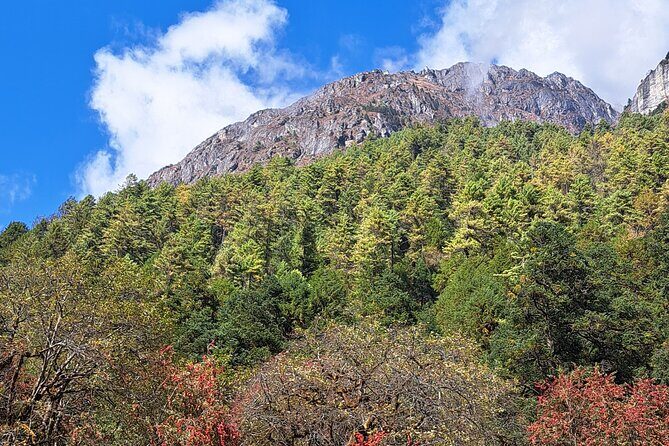
If you’ve done other Nepal treks and want something that still feels raw and unhurried, Makalu Base Camp is a strong choice. This route runs through the heart of Makalu-Barun National Park, so the trail doesn’t feel like a queue of people working through checkpoints. You move through thick forest zones, waterfalls, and rhododendron country, then gradually shift toward colder alpine valleys and glacier terrain.
I like that the hike is framed by the living world around you. The region is known for biodiversity, including mentions of rare red pandas, Himalayan thars, and colorful birds, plus forests tied to medicinal plants. Translation: you’re not only walking toward a peak, you’re walking through an ecosystem that keeps changing day to day.
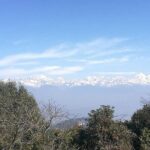
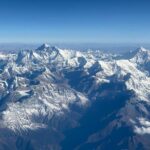
One more reason this trek stands out: the mountain lineup. You’re not limited to one skyline view. Depending on the day and weather, you can catch Makalu (the fifth highest mountain), and also see Everest, Lhotse, and Baruntse from angles that aren’t as over-saturated as the main Everest corridors.
You can also read our reviews of more hiking tours in Kathmandu
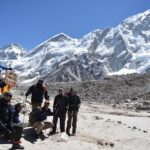
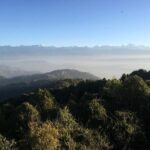
Getting from Kathmandu to the trail: flights, off-road driving, and your first teahouse night
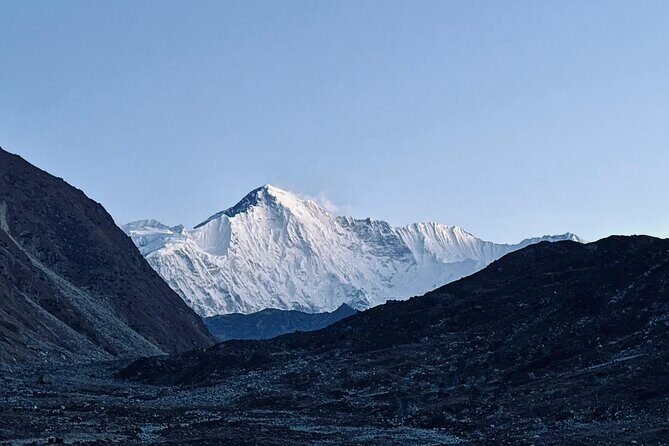
Most trekking trips in Nepal hide the hard part in the first day’s travel. Here, you start with a flight and then a longer off-road drive. Day 1 includes a roughly 45-minute flight (Kathmandu to the Tumlingtar area), plus 4–5 hours of off-road driving to get you into the trekking region, ending with an overnight in a teahouse.
This matters because it changes how you arrive. You’re not starting the trek immediately after a full day of travel; you’re starting it after a structured transit day. That tends to make your first walking day feel more like a warm start instead of pure exhaustion.
Also, I appreciate that the tour offers pickup in Kathmandu and uses a mobile ticket. It’s one less thing to manage while you’re trying to line up gear, cash, and flight timing.
The route, day by day: what each stage feels like
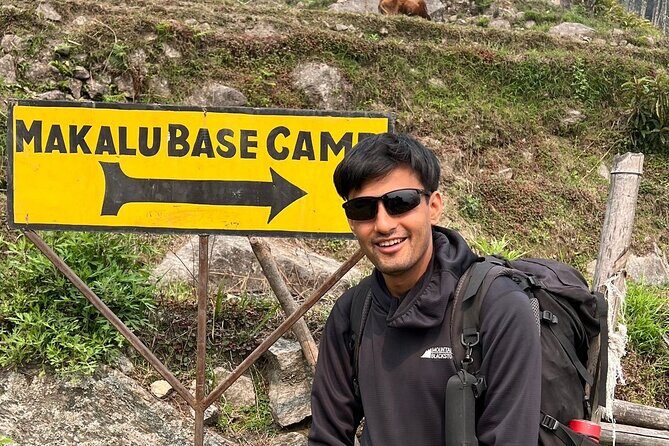
Below is what the walking days add up to, in plain terms. The key theme: you’ll keep dropping into river valleys, climbing out of them, and using short hikes to help your body adjust.
Day 2: Arun River drop and the Seduwa climb
After entering Makalu-Barun National Park, the early itinerary includes a steep descent to the Arun River, then a steep climb onward to Seduwa. You’re looking at 5–6 hours of trekking. Even if the distance isn’t massive, the “down then up” pattern taxes your legs early.
Overnight stays in a teahouse, which helps because your first rhythm is simple: walk, eat, recover, repeat.
Day 3: farms, forest, and an easier-feeling day
Day 3 shifts gears with a gradual walk through farms and forests, about 4–5 hours. This is the kind of day that gives you mental breathing space. You’ll still gain altitude, but you’re less likely to feel like you’re fighting the terrain the whole time.
It’s also a good day for getting used to teahouse life: early meals, layers for changing temperatures, and that steady pace that keeps your breathing calm.
Day 4: long uphill through forest and meadows
Day 4 brings a long uphill—around 6–7 hours—through forest and meadow areas. This is one of those “steady effort” days, where the goal is consistent movement rather than speed.
Overnight is in a more basic lodge/teahouse setting. Expect simpler comfort than the city. Bring the mindset that you’re paying for the trail, not hotel service.
Day 5: short ridge hikes to help you acclimatize
Instead of pushing hard every day, Day 5 includes short hikes toward nearby ridges for acclimatization. You’ll be moving, but in a way designed to help your body adapt to higher altitude.
This is valuable because Makalu Base Camp is not just a straight grind upward. You need your body to adjust, or the “hard days” feel much harder than they should.
Day 6: the big pass day—Shipton La and Keke La
Day 6 is the day you plan your strength around. It crosses Shipton La (4,170m) and Keke La (4,150m). You’re looking at 6–7 hours, and the itinerary flags it as a hard day but beautiful.
Pass days change everything: weather matters more, footing matters more, and your energy management matters most. Even when the trail is manageable, your pace often slows because you’re working at higher elevation.
If you’re someone who tends to sprint early, this is the day to resist that urge. Steady is safer and more comfortable.
Day 7: rhododendron forests and river valleys
Day 7 goes through rhododendron forests and river valleys for about 5–6 hours. This is the kind of day that makes you appreciate why people come back to this region in the first place. The forest creates its own micro-climate, and the walking feels less stark than the higher, colder stretches ahead.
Teahouse overnight keeps you fed and warm enough to sleep without scrambling for solutions.
Day 8: gradual ascent with valley views
Day 8 is a 5–6 hour day with a gradual ascent and valley views. You’ll feel the altitude more than on the lower days, but the pace is still controlled.
This is a good day to focus on breathing, hydration, and layer control, because once you start thinking about base camp, comfort mistakes become harder to fix.
Day 9: the base camp push and those glacier-fed views
Day 9 is the moment you’ve been aiming at: a climb to Makalu Base Camp with incredible Himalayan views, another 6–7 hours. Overnight is in a basic lodge or tented setup.
This is where expectations should match reality. Base camp is dramatic, but it’s not the kind of place where you expect spa comforts. You’re there for views, air, and that sense of arriving somewhere truly remote.
Day 10: optional side hikes toward Barun Glacier
Day 10 gives you a choice: optional side hikes toward Barun Glacier. Overnight continues in a teahouse or tented camp depending on how the program runs that day.
If you’re feeling strong, a side hike can be a great way to expand your day without altering your whole plan. If you’re already cooked from base camp effort, this is the part where you can keep it simple and recover.
Days 11–13: descending rhythm, then re-earning height
After base camp, Day 11 retraces steps down for about 7 hours. Then Days 12 and 13 are back to 6–7 hours and 5–6 hours trekking.
Why does this matter? Because the trek isn’t only about going up. It’s also about learning how to move on tired legs—downhill control, uphill stamina, and staying consistent even when motivation dips.
Day 14: long descent and a final teahouse night
Day 14 is a long descent for 6–7 hours. This is usually when you feel proud and tired at the same time.
Overnight is again in a teahouse, which helps because you’re finishing the trek with familiar routines rather than chaotic last-minute logistics.
Day 15: trek out, then drive, then fly
Day 15 combines a shorter trek (about 4 hours) with 4–5 hours of drive and then a flight option back to Kathmandu. If timing works, you might fly Tumlingtar to Kathmandu the same day or the next morning.
This final day is why it’s smart to pack with flexibility. You’ll want to be ready for early schedules, chilly mornings, and the kind of in-transit waiting that happens in mountain travel.
Passes, altitude, and why you should train before you go
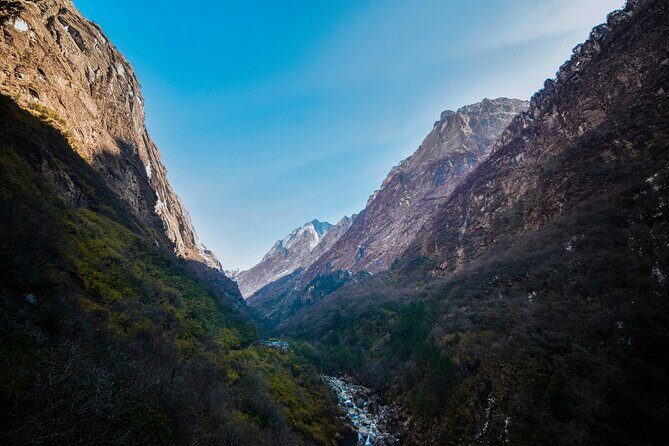
The trek is best for people with moderate physical fitness. The route includes long days and at least one hard high-pass push around the 4,150–4,170m range. That means your legs need both endurance and control.
Before you go, I’d plan on building:
- long walks that don’t spike your breathing too hard
- some uphill practice, even if it’s just stairs or hills
- time on your feet so downhill doesn’t punish you for days afterward
If you’re recovering from an injury, or if your fitness is only “short bursts,” this trek will feel punishing. It’s doable, but only if you respect the pace.
Food, water, and the tea house reality check
This trek uses teahouse-style lodging for most days, so meals are part of the flow. Meals included are breakfast (one item from the menu), lunch (one item), and dinner (one item). The tour data also lists 14 lunches and 15 dinners, with breakfast included as well.
Practical tip: tea houses often offer limited menus, and the included meal may be “one choice.” If you have dietary needs beyond what you can tolerate, you should ask during booking and plan carefully.
Water is a different story. Bottled water isn’t included, and you’ll be able to purchase it along the trail or refill at tea houses. I strongly recommend a refillable water bottle for sustainability and convenience—just don’t assume refills are available everywhere without asking.
Coffee and tea aren’t included either. You can buy them at tea houses as you like, but it’s a separate cost.
What’s included vs what you’ll still pay for
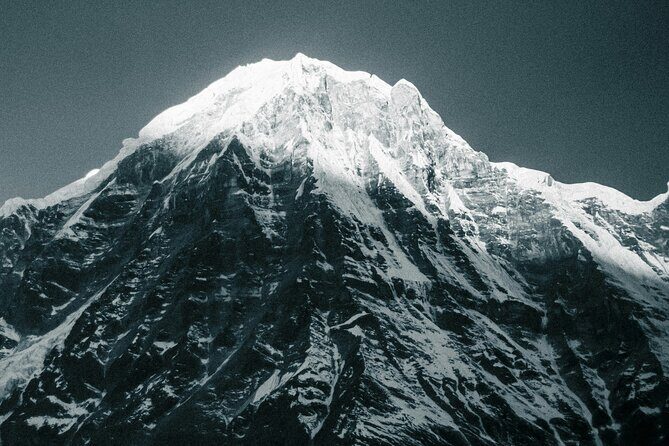
The price is $1,750 per person, and the value mostly comes from how much “moving parts” the package handles. You’re not only paying for guiding; you’re paying for transportation links, daily support, and a structured meal plan.
What you should feel good about
- Two-way flights from Kathmandu to Tumlingtar (public transportation tickets are included)
- An English-speaking guide, plus porters with insurance and daily allowances
- Meals each day in the trek portion (breakfast, lunch, dinner as specified)
- Maps, plus first aid kits
- Park access fees noted as admission ticket free in the trek schedule
- Trek gear on request: sleeping bag, trekking poles, and crampons
- Pickup offered in Kathmandu
- Mobile ticket used for the trip
What will cost extra (and why)
- Visa fee
- Personal insurance
- Alcoholic beverages
- Bottled water, plus coffee/tea if you want it
- Excess baggage porter service, if you need extra help carrying personal gear
- Private transportation if you want it instead of the itinerary’s local transport
A simple budget move: assume you’ll pay for water and hot drinks on top of the package, and bring your own plan for travel insurance.
Guides and support: the human factor that matters on rough days
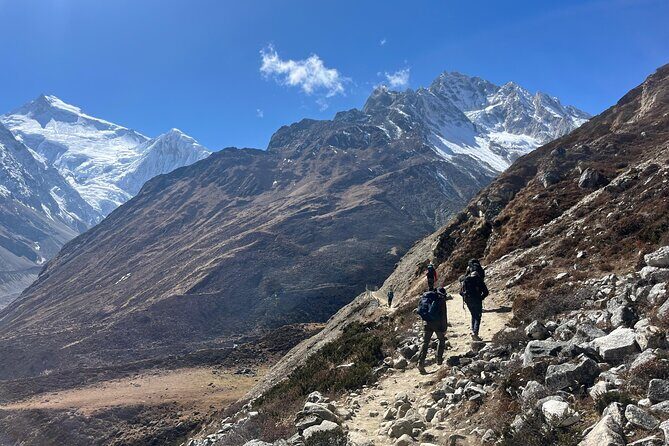
On treks like this, the best days are rarely only about views. They’re about how smoothly the hike runs when your body feels off.
The tour data calls out an English-speaking guide and insured guide/porter support, plus first aid kits. That’s the kind of safety layer you want when the route includes steep sections and high passes.
It also helps that the team has recognizable names tied to good experiences—Raj, Pujan, and David—showing up in how people describe the support and organization.
You’ll also get a private setup, meaning it’s just your group. That typically helps with pace and how quickly you can ask questions or adjust on the trail.
Packing tips that match this exact style of trek
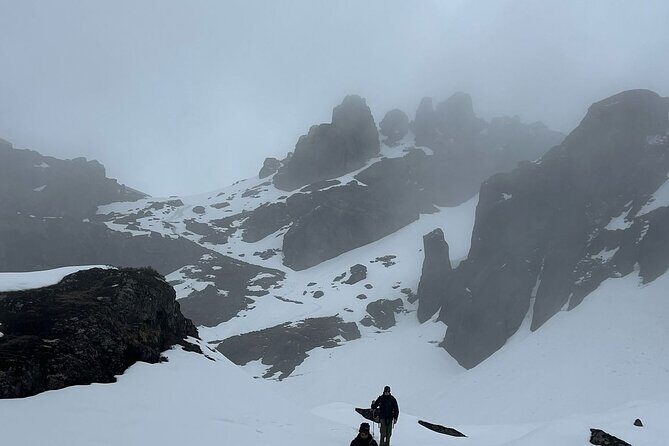
Your included gear helps, but you still need to bring the basics your body relies on. Since sleeping bag and trekking poles can be provided on request (and crampons too), you can travel a bit lighter, but you should still plan for cold and wet conditions at altitude.
Practical packing priorities:
- a refillable water bottle (since bottled water isn’t included)
- layers that handle big temperature swings from morning to afternoon
- traction-ready footwear suited to rocky, pass-day footing
- a small day pack for snacks and layers
If you tend to overpack, ask about the excess baggage porter option, because the trek can feel smoother when your back is lighter.
Price and Logistics: is $1,750 a fair deal for Makalu Base Camp?
At $1,750, you’re paying for a full package that includes flight links (Kathmandu to Tumlingtar round trip), daily guiding and porter operations, most core meals, and key safety/logistics items like maps and first aid kits. For many trekking travelers, that “handled for you” part is the biggest hidden value, because it reduces last-minute stress and planning errors.
The biggest costs you’ll still own are the standard Nepal add-ons: visa fee, personal travel insurance, and daily comforts like bottled water and hot drinks. If you like coffee/tea and want extra bottles, your final total will rise.
So is it worth it? If you want a guided trek where the schedule, meals, and mountain logistics are taken care of, the price feels aligned with that workload. If you’re an ultra-budget independent traveler who wants to source everything line by line, you might compare cheaper options. But with a high-pass trek in a remote national-park region, paying for organization is often the smarter trade.
Should you book this Makalu Base Camp Trek?
I’d recommend booking if you want a remote, quieter Makalu-Barun National Park experience, you’re comfortable with a high-pass day around 4,150–4,170m, and you like having an English-speaking guide smoothing out the daily details.
I’d think twice if you’re aiming for an easy stroll, you’re sensitive to long uphill effort, or you’re not ready for the “cold and basic” parts of remote treks (even with teahouses and included meals).
If you want a route that feels less crowded than the big-name trails, and you’re willing to work for it physically, Makalu Base Camp is a trek that can give you a very distinct kind of satisfaction.
FAQ
How long is the Makalu Base Camp Trek?
The trek is listed as 15 days (approx.).
Where do you meet in Kathmandu, and when does the trip start?
The start meeting point is Tribhuvan Airport, Kathmandu, Nepal, with a start time listed as 12:15 am.
Are the flights from Kathmandu to Tumlingtar included?
Yes. The package includes two-way flight tickets from Kathmandu to Tumlingtar.
Is pickup offered in Kathmandu?
Yes. Pickup is offered.
What trekking gear is included or available on request?
The trip includes sleeping bags, trekking poles, and crampons if you request them.
Are meals included during the trek?
Yes. The package includes breakfast (one item), lunch (one item), and dinner (one item). It also lists 14 lunches and 15 dinners.
Is bottled water included?
No. Bottled water is not included. You can purchase it along the trail or refill at tea houses. A refillable water bottle is recommended.
Are coffee and tea included?
No. Coffee and tea are not included, but you can buy them at tea houses along the trail.
Do I need a Nepal visa?
The visa fee is not included in the package.
What happens if the trek is canceled due to weather, or if I cancel?
This trek requires good weather. If it’s canceled due to poor weather, you’ll be offered a different date or a full refund. Separately, you can cancel up to 24 hours in advance for a full refund.