REVIEW · KATHMANDU
Kathmandu: Full-Day Tour of 5 World Heritage Sites
Book on GetYourGuide →Operated by Snowy Horizon Treks & Expedition (P.) Ltd. · Bookable on GetYourGuide
This is temples, stupas, and ritual life in one long day. You’ll connect Kathmandu’s big 2,000+ year story with the sights that pilgrims come to see, from Hindu holy sites to Buddhist gompas, plus views toward the Himalayas.
I love how the tour strings together UNESCO World Heritage stops without making you bounce around alone, and I also like the way a guide like Uddhab keeps it calm and clear as the crowds and symbolism pile up. Even better, you get pickup options in familiar places like Thamel or the airport.
One thing to plan for: monument entrance fees and food are not included, so you’ll want a little cash and patience for short waits and lines at the most popular spots.
In This Review
- Key things to know before you go
- A full-day circuit through Kathmandu Valley UNESCO sites
- Pickup options: Thamel or Tribhuvan International Airport
- Durbar Square and the Kumari Palace: where Kathmandu’s power shows
- Pashupatinath: the world’s largest Hindu temple, by the Bagmati
- Swayambhunath and Buddhanath: two Buddhist forms, one city
- Swayambhunath: the hilltop feel
- Buddhanath: a big stupa atmosphere
- How the guide makes the day make sense (and saves time)
- Where the Himalayas fit in: Nagarkot-area viewpoints
- What the $65 price gets you (and where you’ll spend extra)
- Time on the ground: a day that moves, but not randomly
- Who this tour suits best
- Should you book this Kathmandu UNESCO day tour?
- FAQ
- FAQ
- What is the duration of the Kathmandu full-day tour?
- Where can I be picked up?
- Where will I be dropped off?
- Is the tour guided?
- How long is the guided portion in Kathmandu?
- What is included in the price?
- What is not included?
- How much does the tour cost?
- Can I cancel for a full refund?
- Is it possible to book without paying immediately?
Key things to know before you go
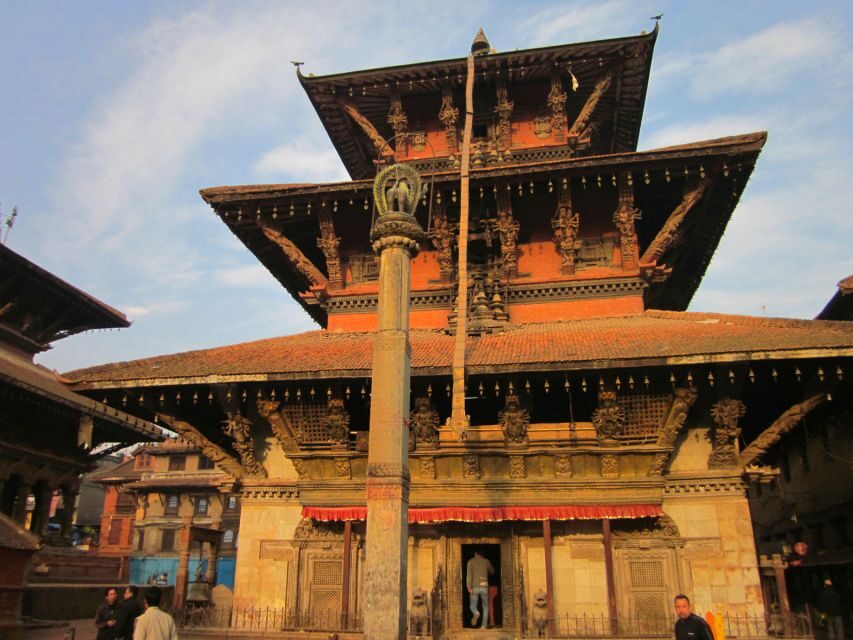
- Five UNESCO sites in Kathmandu Valley with a guided flow that keeps the day from feeling random
- Uddhab’s style: patient explanations that help you understand what you’re looking at
- Hindu + Buddhist holy places in one circuit, so you see how traditions share space in Kathmandu
- Bagmati River rituals at Pashupatinath add a powerful, emotional layer to the day
- Nagarkot-area viewpoints help break up temple time with big mountain sightlines
A full-day circuit through Kathmandu Valley UNESCO sites
Kathmandu is often called the city of temples, but the better way to think about it is this: it’s a living set of beliefs written into stone, wood, and daily practice. At about 1,400 meters in a bowl-shaped valley, Kathmandu sits surrounded by four major peaks—Shivapuri, Phulchowki, Nagarjun, and Chandragiri—so the day has a natural rhythm: sacred sites close up, then wider views later.
This full-day tour is built for “see the key things” travelers who also want context. You’re not just ticking boxes. You’re learning how the city’s settlement history stretches back to very ancient times, and how Kathmandu Valley’s old city culture still shapes daily life now.
The day’s flow centers on UNESCO World Heritage places tied to Hinduism and Buddhism. The description you’ll get highlights Kathmandu Durbar Square, Pashupatinath, Buddhanath, and Swayambhunath—and the tour is framed as covering five UNESCO sites total across the valley.
You can also read our reviews of more historical tours in Kathmandu
Pickup options: Thamel or Tribhuvan International Airport
Your morning starts based on where you’re staying or landing. You get 2 pickup choices: Thamel or Tribhuvan International Airport. That matters more than it sounds, because Kathmandu traffic can be unpredictable, and you don’t want to spend your precious sightseeing hours playing catch-up.
Thamel is the old, tourist-facing core with narrow streets packed with shops and restaurants. If you start here, the transition into the sacred parts of the city can feel smooth—you’re already in the city’s walking world.
Starting at the airport is handy if you’re arriving the same day. You’ll still want to stay realistic about timing, because Kathmandu’s pace can mean slower-than-expected movement on the road.
Drop-off is also flexible, with options back at Tribhuvan International Airport or in Thamel. For many people, that makes this tour a practical bridge between travel days.
Durbar Square and the Kumari Palace: where Kathmandu’s power shows
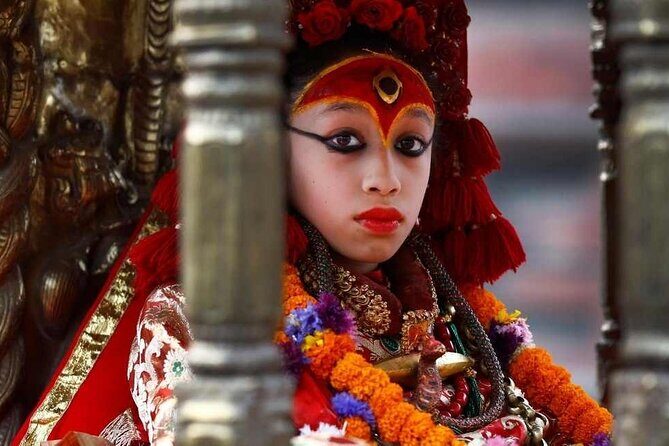
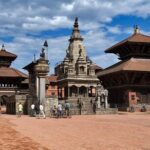
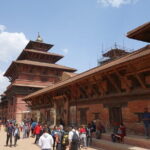
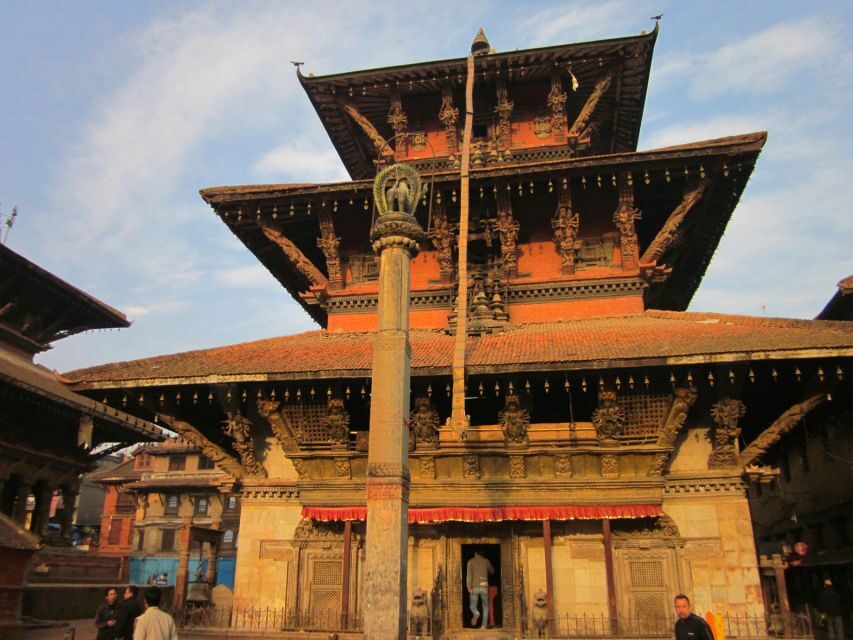
Kathmandu Durbar Square is one of those places where the details do the talking. You’ll see Hindu temples, statues of Hindu deities, and a centerpiece that adds a very specific Kathmandu flavor: the Palace of Kumari, the living goddess.
This is UNESCO territory, but it’s also not a museum. It’s a working spiritual and civic space. So as you walk, watch for how sacred symbols appear alongside everyday life—people moving through courtyards, offerings, and the steady hum of city energy.
What I like about Durbar Square is how visual it is. Even if you don’t know the stories beforehand, you can still read the meaning through form: shrines clustered in a way that reflects devotion, and iconography that points you toward why this place matters.
The only drawback is that Durbar Square can feel busy and a bit overwhelming. You’ll want to keep your expectations simple: don’t try to memorize everything. Focus on getting your bearings first, and let your guide translate what you’re seeing as you go.
Pashupatinath: the world’s largest Hindu temple, by the Bagmati
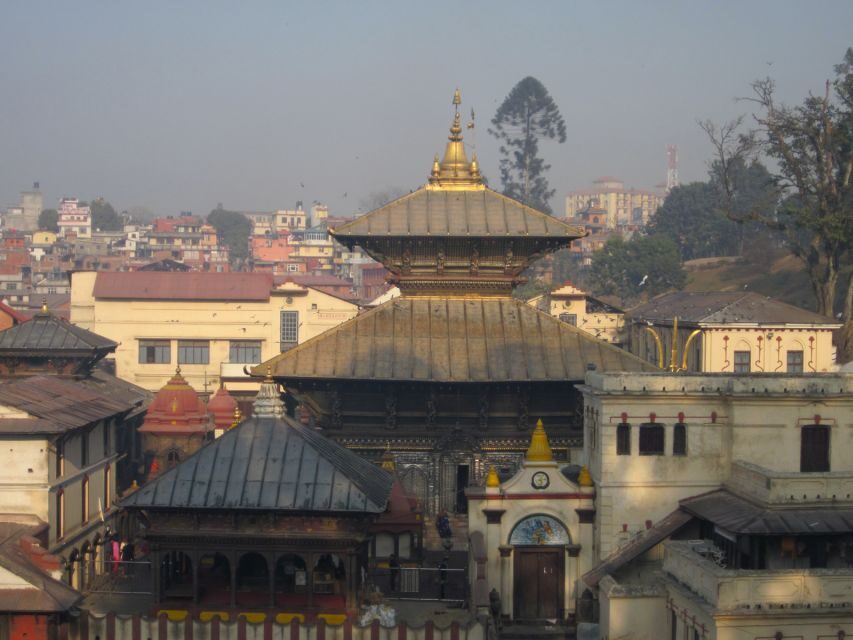
If Durbar Square gives you the temple-craft and civic power of Kathmandu, Pashupatinath gives you ritual life in full focus.
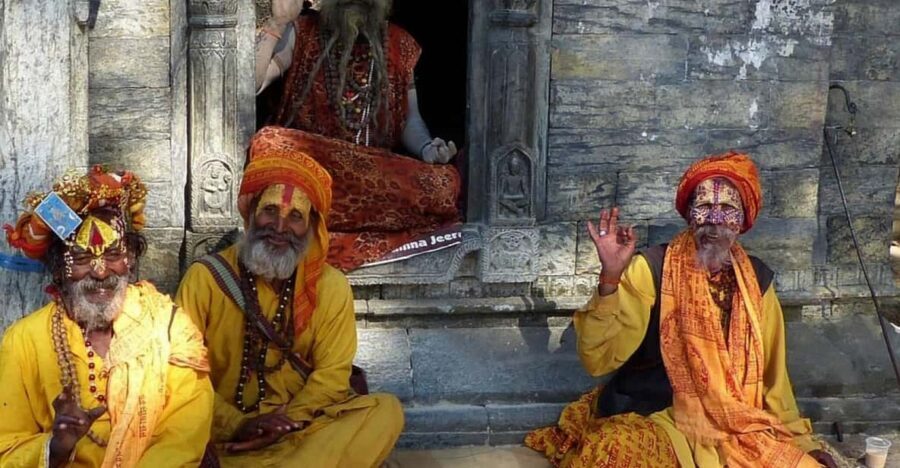
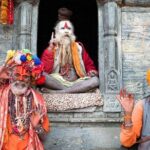
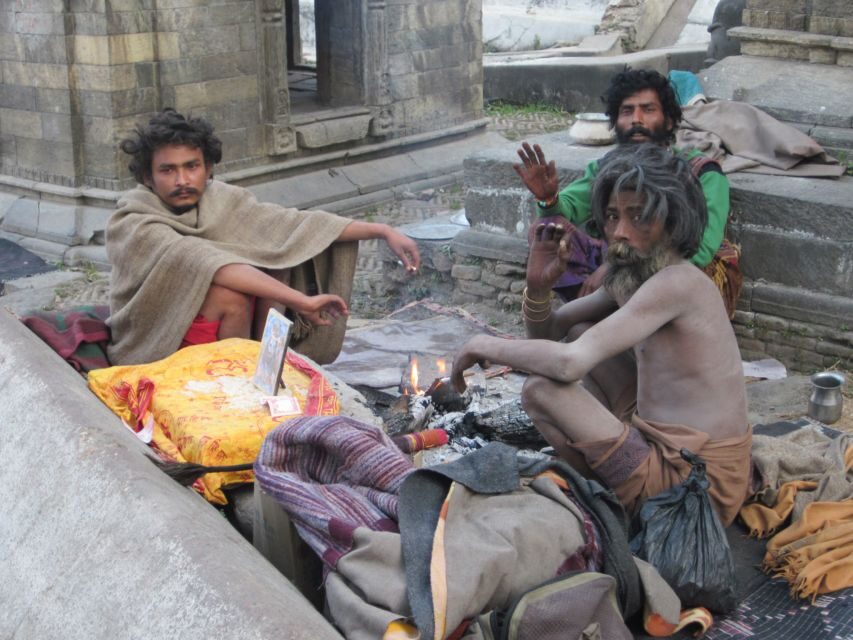
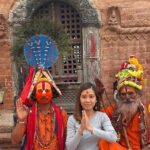
Pashupatinath is described as the world’s largest Hindu temple and one of the most significant for Hindu followers. It’s known for drawing pilgrims and also for the colorful Sadus—holy men whose presence is a visible part of the site’s atmosphere.
One detail that makes this stop uniquely intense is the relationship with the Bagmati River. Many Hindus choose cremation on the riverbanks, so you’re seeing a site where religion isn’t abstract. It’s practiced, witnessed, and woven into the cycle of life and death.
How to handle this respectfully: keep your distance where you’re asked, move calmly, and don’t treat it like a photo set. If you’re sensitive to heavy themes, this is the stop that will feel the most emotional. Still, it’s also one of the best for understanding what makes this city more than a sightseeing destination.
Swayambhunath and Buddhanath: two Buddhist forms, one city
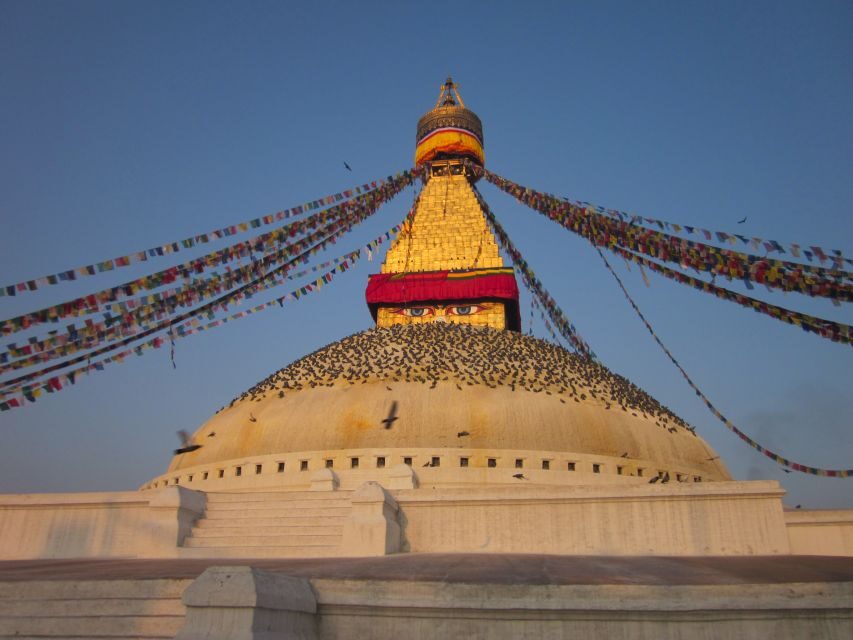
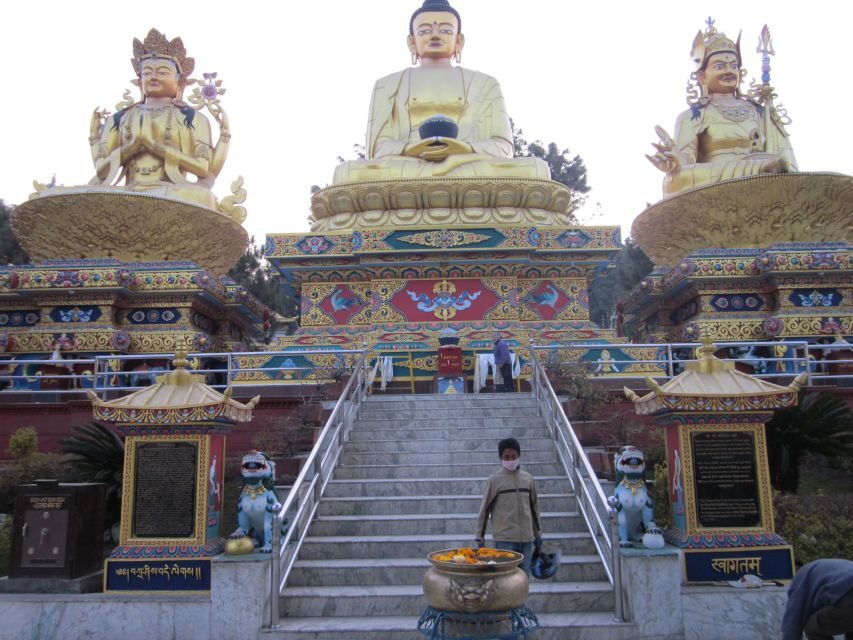
Buddhism is a major thread in Kathmandu, and this tour pairs two of its standout sites: Swayambhunath and Buddhanath—both UNESCO-listed.
You can also read our reviews of more tours and experiences in Kathmandu


Swayambhunath: the hilltop feel
Swayambhunath is a Buddhist gompa with a long-standing reputation, and part of its magic is how it changes your perspective. You get that sense of looking out from a higher vantage and seeing the city shift from temple close-ups to a wider sense of place.
Even without memorizing every term, you’ll grasp what matters quickly: sacred space creates behavior. People move differently around stupas and worship areas—slower, more deliberate, with pauses for prayer.
Buddhanath: a big stupa atmosphere
Buddhanath offers a different mood. The central stupa dominates your attention, and the site feels designed for repetition—people circling, pausing, and returning again and again. That repetition turns your visit from a quick stop into a quiet lesson in how devotion works.
The best way to enjoy both sites is to notice their contrasts. Swayambhunath helps you feel Kathmandu’s vertical dimension (hilltop + city views). Buddhanath helps you feel the horizontal pull of communal practice (ringing devotion around the stupa).
How the guide makes the day make sense (and saves time)
A good guide is the difference between sightseeing and understanding. This tour uses an English-speaking guide, with live guide availability also listed for French, German, and Italian.
The reviews you provided point to one guide by name: Uddhab. The big takeaway is not just friendliness, but patience. That’s important in Kathmandu. You’ll hit moments where you’re staring at a carved doorway or a ritual area and thinking, what am I looking at? A patient guide helps you read the scene instead of wandering with blank questions.
It also helps with pacing. A full day through multiple major sites can easily turn into “stand, walk, repeat” without meaning. With a strong guide, the stops become a story: the city’s age, the valley’s development, and why these particular places became sacred magnets for pilgrims.
Where the Himalayas fit in: Nagarkot-area viewpoints
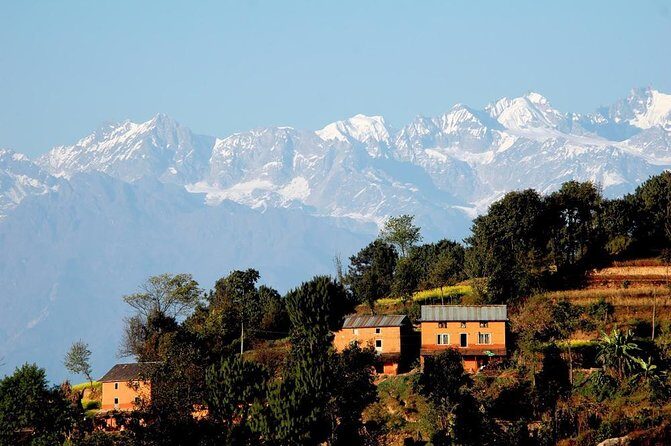
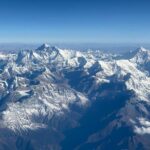
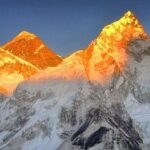
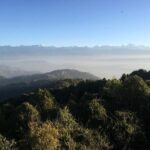
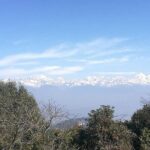
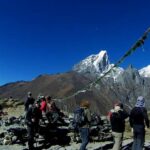
Kathmandu is surrounded by peaks, but seeing mountains in Nepal isn’t always guaranteed. That’s where the Nagarkot area comes in. It’s described as the highest point in the range around the Kathmandu Valley, about 35 kilometers from the city center, and it offers views of the Langtang range.
The description also mentions you might see giants beyond—Annapurna, Manaslu, Cho Oyu, and Shishapangma—depending on conditions. Even if the day isn’t perfectly clear, it’s still valuable. Getting away from the dense temple streets gives your brain a reset.
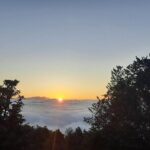
Practical advice: dress like you might feel a chill. At higher points, temperatures can drop quickly compared with the city. If you’re tempted to rush out with shorts and a t-shirt, consider that the best views tend to come when you’re comfortable enough to wait a few minutes.
What the $65 price gets you (and where you’ll spend extra)
The price is $65 per person, for a one-day tour. For Kathmandu, this is decent value when you factor in the guided portion and transportation between stops.
What’s included:
- Transportation
- An English-speaking tour guide
- Taxes and service fees
Not included:
- Accommodation
- Monument entrance fees
- Food and beverages
- Personal expenses
Here’s the value logic: if you tried to do five UNESCO stops on your own, you’d pay for transport anyway—likely more because you’d be coordinating multiple locations and dealing with traffic and timing. You’d also still need explanations for what you’re seeing at sites like Pashupatinath or the Buddhist gompas.
The trade-off is that you must budget for entrance fees and meals. So when comparing price, don’t just compare $65 to “free.” Build the real total in your head: tickets + lunch + any snacks/water. If you keep that simple budget ready, the tour becomes an efficient way to get the most important Kathmandu Valley sites in one day.
Time on the ground: a day that moves, but not randomly
The tour description notes a guided tour time in Kathmandu of 6 hours. That’s a useful chunk, but it won’t feel like a slow museum day. Major UNESCO sites each take time, and you’ll spend some minutes walking between them.
So what should you do during those hours? I’d focus on three things:
- Stay oriented: know what each site is (Hindu temple vs. Buddhist stupa vs. civic square).
- Ask one question at each stop: your guide can explain what you’re seeing without turning the day into a lecture.
- Respect the pace of rituals: at Pashupatinath and the Buddhist sites, people are doing spiritual work. Your role is to observe respectfully and follow guidance.
If you’re prone to rushing, slow down on purpose. Kathmandu rewards patience. Even a short pause can help you notice what matters—offerings, symbols, and how the community moves through sacred space.
Who this tour suits best
This is a great fit if:
- You want a structured day through major Kathmandu Valley UNESCO sites
- You care about cultural context, not just photos
- You prefer local guidance over sorting route details on your own
- You can handle seeing serious religious practices at Pashupatinath
It may be less ideal if:
- You need long, unhurried time at each location
- You dislike emotional or intense scenes related to cremation practices
- You’re on a super tight budget for entrances and meals, since those are extra
Best use case: you’re visiting Kathmandu for a first time, you want the core sites, and you’d like your guide to help you connect the dots across Hindu and Buddhist worlds.
Should you book this Kathmandu UNESCO day tour?
I’d book it if you want one day that meaningfully covers the major UNESCO sites named in the tour description, with practical transportation and an English-speaking guide (and possibly a multilingual guide depending on your language). The guide quality is a real plus, and the Uddhab mention in the feedback signals that explanations are handled well.
I’d pause before booking if you’re not comfortable with the emotional weight of religious cremation practices at Pashupatinath, or if you’re expecting all meals and entrance tickets to be included. But if you plan for those extra costs and go with a respectful mindset, this tour is a smart way to experience Kathmandu’s spiritual core without getting lost in logistics.
FAQ
FAQ
What is the duration of the Kathmandu full-day tour?
The tour runs for 1 day, and the exact starting times are shown when you check availability.
Where can I be picked up?
You have two pickup options: Thamel and Tribhuvan International Airport.
Where will I be dropped off?
You can be dropped off at Tribhuvan International Airport or Thamel.
Is the tour guided?
Yes. It includes an English-speaking tour guide, and the guide is listed as available in French, German, and Italian as well.
How long is the guided portion in Kathmandu?
The guided tour portion in Kathmandu is listed as 6 hours.
What is included in the price?
Transportation, an English-speaking tour guide, and taxes and service fees are included.
What is not included?
Monument entrance fees, food and beverages, accommodation, and personal expenses are not included.
How much does the tour cost?
The price is $65 per person.
Can I cancel for a full refund?
Yes. Free cancellation is available up to 24 hours in advance for a full refund.
Is it possible to book without paying immediately?
Yes. The listing offers reserve now & pay later, where you can reserve and pay nothing today.