REVIEW · KATHMANDU
Manaslu Circuit Trek – 14 days of Himalayan Adventure
Book on Viator →Operated by Wonder Himalaya · Bookable on Viator
One sentence up front: Manaslu delivers big views with fewer crowds. This 14-day trek is built for steady trekkers who want Mt. Manaslu (8,163 m) in their sights, plus classic Himalayan scenery like the Budhi Gandaki River and high-pass terrain near Larkya La. I like that the trip includes an oxi-meter for heart rate and oxygen saturation checks, because that means you’re not left guessing how your body is doing.
Two things I really like: first, you get strong people doing the planning and safety work for you. Guides are described as keeping an eye on everyone in the group, including one named Santosh who’s noted for not letting anyone get left behind. Second, the package handles the heavy paperwork, with conservation and restricted-area permits included along with a trekking guide and support crew.
The main drawback to consider is simple: this is a real mountain trek, and some days will feel long and demanding. If you’re hoping for a gentle walk every day, you might find the higher sections and pass day tough, especially if you’re not used to altitude.
In This Review
- Quick hits before you commit
- Why the Manaslu Circuit feels different (and often less crowded)
- Price and what you actually get for $1,099
- Kathmandu to Maccha Khola: the start that eases you in
- Jagat and the river-forest rhythm: suspension bridges and rhododendron days
- Bihi, Namrung, and Shyala: Tibetan influence, mani walls, and prayer traditions
- Sama Gaon and the acclimatization day you’ll feel glad you have
- Samdo Village and the higher terrain: prayer flags and rocky days
- Crossing Larkya La Pass to Bhimtang: plan for the pass day
- Down to the forests, then the return drive to Kathmandu
- How the included gear and guide support changes your experience
- Who should choose this Manaslu Circuit Trek
- Should you book Wonder Himalaya for the Manaslu Circuit?
- FAQ
- How long is the Manaslu Circuit Trek?
- Where does the trek start?
- Is pickup offered?
- What’s the price per person?
- What permits are included?
- Are meals included?
- Does the trek include trekking equipment?
- Is oxygen or health monitoring included?
- What is not included in the price?
- What’s the cancellation policy?
Quick hits before you commit
- Private group feel on a classic circuit: only your group participates, with pickup offered in Kathmandu.
- Permits are handled for you: Manaslu Conservation Area Permit, Annapurna Conservation Area Permit, and a Restricted Area Permit are included.
- Oxi-meter support: your guide/team checks heart rating and oxygen saturation during the trek.
- Equipment included: down-filled sleeping bag and walking poles are part of the deal.
- High mountain storytelling built into the route: Tibetan-influenced villages, mani walls and chortens, monastery visits, and prayer flags.
- A thoughtful acclimatization day: Sama Gaon includes rest and a hike to Birendra Taal plus time at Labrang Gompa or Kargya Chholing monastery.
Why the Manaslu Circuit feels different (and often less crowded)
The Manaslu Circuit Trek is designed for trekkers who want a Himalayan experience without the “everyone is doing the same thing” feeling. It’s in the Manaslu Conservation Area surrounding Mt. Manaslu, and the route naturally spreads people out across long days of walking. The payoff is that you often get time to actually look—at ridgelines, peaks, prayer flags, and the way villages sit against the mountains.
What also makes this circuit stand apart is the mix of nature plus culture that doesn’t feel like a tourist add-on. You’re in country known for Himalayan tahrs and blue sheep, and the region is also associated with snow leopard habitat. You’re not guaranteed wildlife sightings, but being in that kind of landscape changes the way you walk through it. Even when you don’t see animals, you tend to feel like you’re in a living mountain system rather than a photo stop.
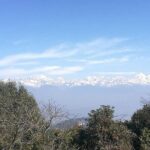
And yes, Mt. Manaslu and surrounding massifs show up often. The trek is framed around big close views—often in a 360-degree sense—so it’s not just one dramatic viewpoint. You get a steady stream of mountain moments rather than one single “wow” day.
You can also read our reviews of more hiking tours in Kathmandu
Price and what you actually get for $1,099
At $1,099 per person for a roughly 14-day Manaslu Circuit, you’re paying for more than “walking in the mountains.” You’re buying: transportation segments, permits, guides, meals, and gear that can otherwise add up fast.
Here’s what’s included that matters:
- Permits and restricted access paperwork: Manaslu Conservation Area Permit, Annapurna Conservation Area Permit, and a Restricted Area Permit. On routes like this, permits are not optional extras, and they’re a big part of why the trek runs legally and smoothly.
- A government-registered trekking guide plus a support crew and porters.
- Oxi-meter to check heart rate and oxygen saturation. This won’t prevent altitude issues, but it can help your team spot trouble earlier.
- Trekking equipment: a down-filled sleeping bag and walking poles.
- Meals: lunch (11), dinner (11), and breakfast (13).
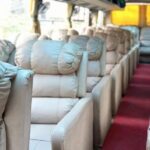
- Transport between cities/towns: public transportation for Kathmandu to Machikhola, Tilche to Besisahar, and Besisahar back to Kathmandu. Pickup is offered.
What you should budget separately:
- Coffee/tea, alcohol, bottled water, and snacks are not included.
- Travel insurance and medical evacuation are not included (and that’s a serious point for a mountain trek).
- Personal expenses and recharging electronic devices cost extra.
- Private transportation would cost more if you add it.
In plain terms: this price looks fair when you compare it to what you’d otherwise pay piecemeal for permits, guide services, and core gear. If you’re the kind of person who can’t stand wasting time negotiating logistics, a package like this can be good value.
Kathmandu to Maccha Khola: the start that eases you in
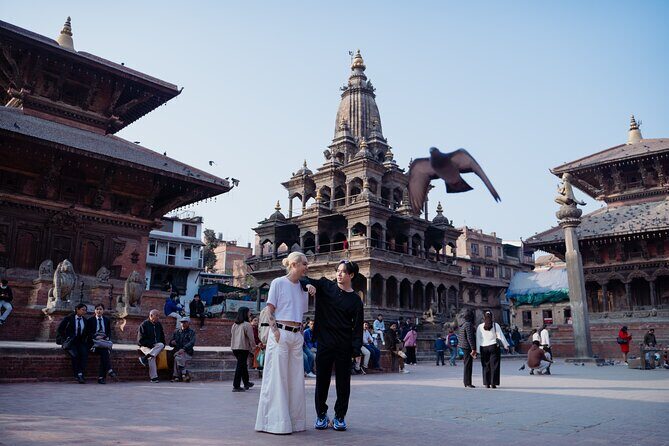
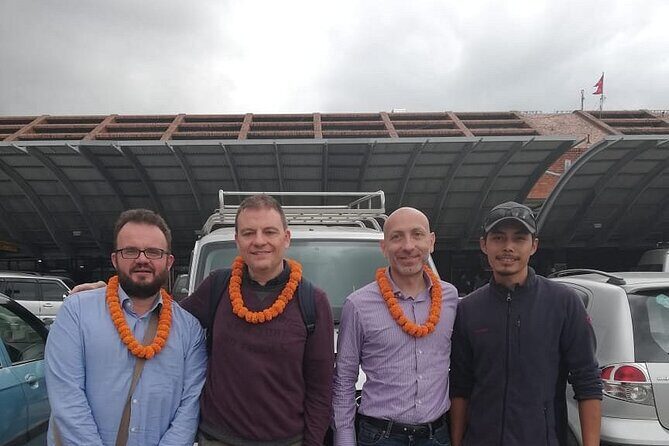
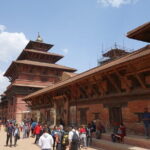
Your trek begins in Kathmandu. You land at Tribhuvan International Airport, and a Wonder Himalaya representative meets you holding your name sign. That matters more than it sounds. Kathmandu is busy, and a calm handoff makes the first hour feel less chaotic.
Day 2 shifts gears from city to trail approach. After an early breakfast, you drive from Kathmandu toward Maccha Khola. Along the road, you get views of the Trishuli and Budhi Gandaki River areas. This is the kind of scenery that trains your eyes for the days ahead: river valleys, steep slopes, and settlement patterns clinging to the terrain.
Why this section is valuable: it sets the tone. You get the sense that the mountains are real and close, before you even step onto the trek path.
Jagat and the river-forest rhythm: suspension bridges and rhododendron days
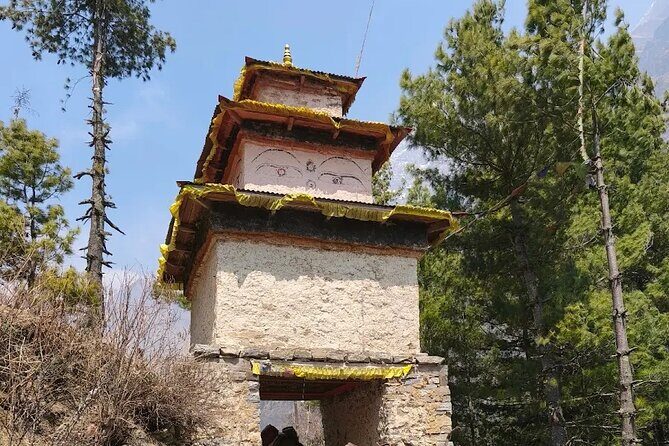
Day 3 begins the official trekking with a walk from Maccha Khola toward Jagat, moving through lush subtropical forests and alongside the Budhi Gandaki River. This is where your body starts learning the rhythm: steady steps, changing light under trees, and river sounds that stay in the background for hours.
On Day 4, the trek continues from Jagat through dense forest with rhododendron. You’ll cross multiple suspension bridges—swaying above rushing streams and rivers.
What to know as you walk those bridges:
- Keep your steps smooth and don’t rush your breathing.
- Hold your pace steady. Bridges can make you feel like you’re moving faster than you are.
- You’ll get those quick bursts of open sightlines between forest sections. Use them. Peak views come later, but the trail “teaches” you how the region opens up.
Potential drawback here: forest days can still be physically demanding if it’s warm and humid. That’s not a reason to skip the trek—it’s a reason to hydrate early and pack light layers.
Bihi, Namrung, and Shyala: Tibetan influence, mani walls, and prayer traditions
By Day 5, you’re trekking from Deng toward Namrung, passing through Bihi Phedi and Bihi—villages where Tibetan influence becomes visible. Even before you reach the big high-mountain zones, the cultural character shifts. That’s part of what makes the Manaslu Circuit feel like a journey instead of a straight line.
On Day 6, you move from Namrung to Shyala. The route climbs through rhododendron and pine forests, and you’ll see traditional Buddhist mani walls and chortens along the way.
This is one of my favorite types of trekking moments: you’re walking and learning without a lecture. Those walls and structures aren’t just decoration. They’re part of how people mark travel, prayers, and spiritual presence in everyday life.
A practical tip for days like this: take a photo, then look up and away from your screen for 30 seconds. The forests and the stonework can both be beautiful, but the bigger win is realizing how the trail threads through a place that’s still lived-in.

Sama Gaon and the acclimatization day you’ll feel glad you have
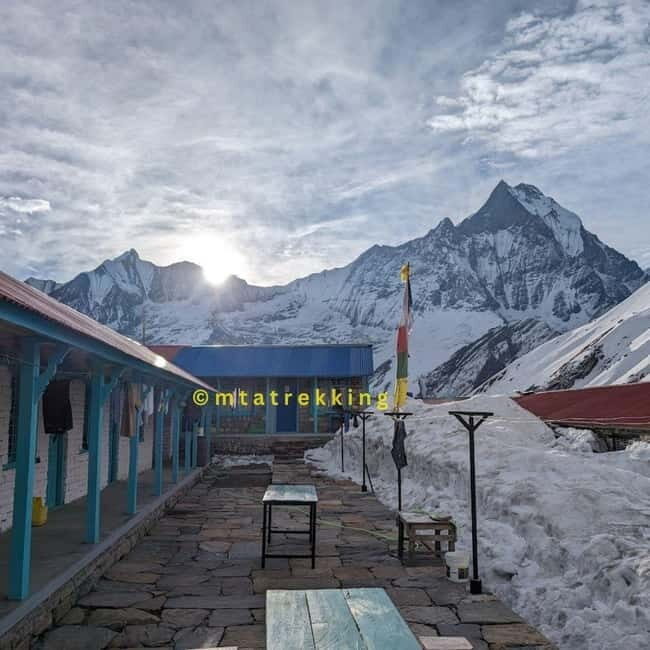
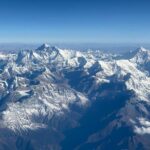
Day 7 leads you to Sama Gaon, walking through alpine forests and open ridges with views of the Manaslu massif. This is the moment you start feeling the trek “open up.” Less tree canopy means more sky, more wind, and more frequent glimpses of the mountains.
Then Day 8 is a rest and acclimatization day. That choice is smart, not optional. Your trek team uses this day to make sure you’re physically and mentally ready to continue.
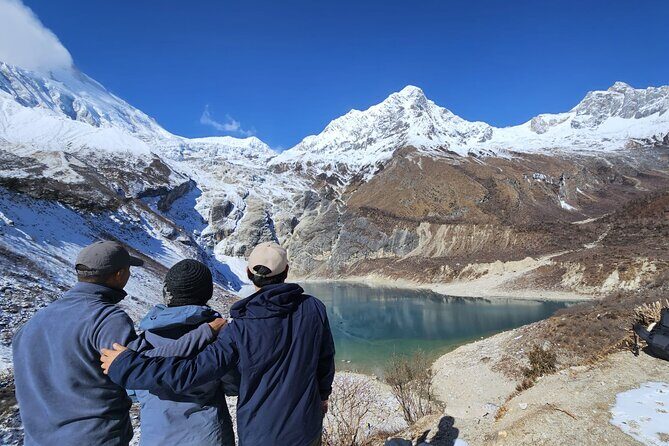
You also get a short-day hike to Birendra Taal Lake, named after the late King Birendra of Nepal. After that, you visit Labrang Gompa or Kargya Chholing monastery for blessing ceremonies run by monks (and the admission is free). It’s a nice contrast: lakes and ceremony on the same travel day, so you recharge without feeling bored.
Why this day matters:
- Acclimatization days tend to make later climbs safer and smoother.
- A monastery visit gives context for the route. When you see prayer flags later, you’re not just recognizing a visual—you understand what it represents.
One consideration: it’s still a trekking region. Even on “rest” days, plan on walking and staying active enough to keep your body loose.
Samdo Village and the higher terrain: prayer flags and rocky days
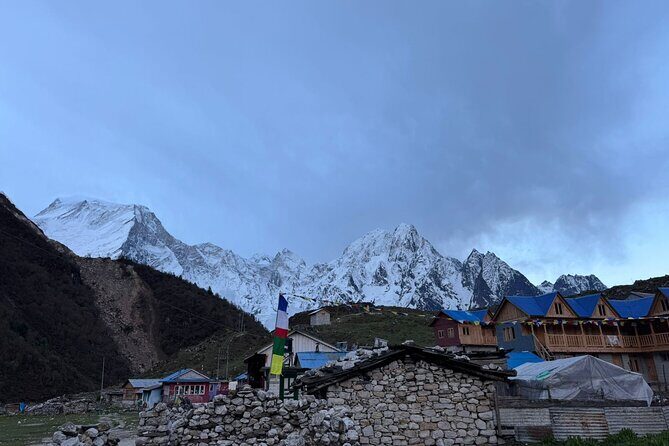
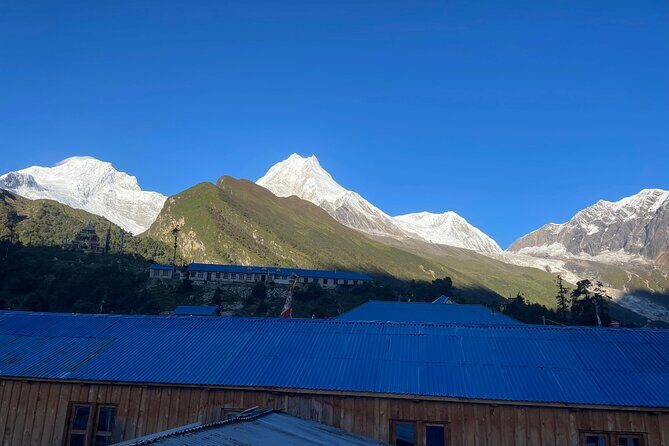
Day 9 moves you from Sama Gaon toward Samdo Village. The trek is described as ascending with majestic Manaslu Peak watching over you. As the route goes higher, the environment typically shifts: fewer trees, more exposed walking, and more wind. Even without focusing on altitude numbers, you’ll feel the difference in the air.
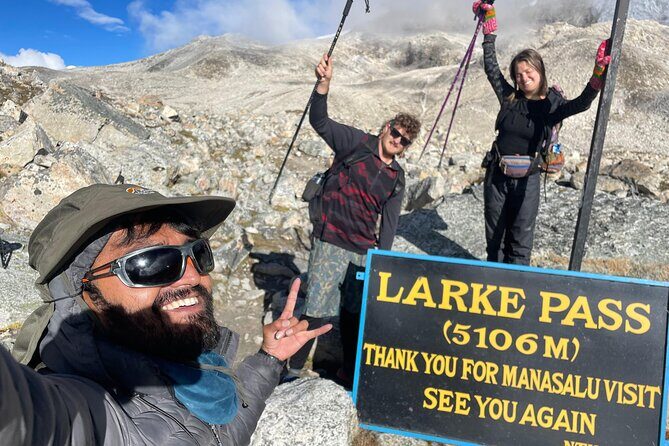
Day 10 pushes you further with a climb into rockier trails. You’ll see tall peaks like Manaslu and nearby mountains, plus prayer flags fluttering along the way.
This is where I recommend you manage expectations:
- Days like this are about steady effort, not speed.
- If you treat every uphill moment like a race, you’ll end up tired and stressed.
- If you treat it like a long conversation between your breath and your legs, you’ll enjoy it more.
Crossing Larkya La Pass to Bhimtang: plan for the pass day
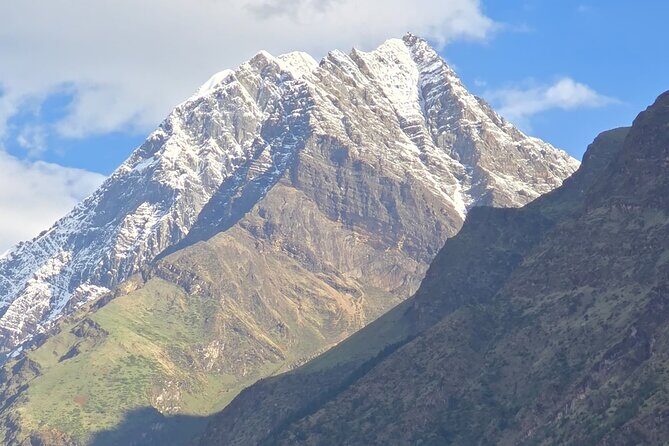
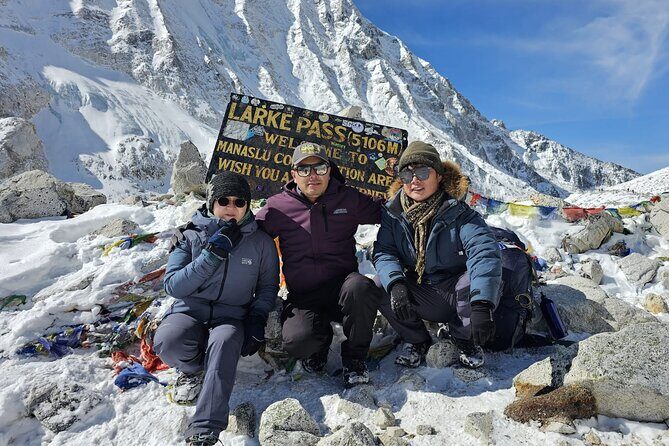
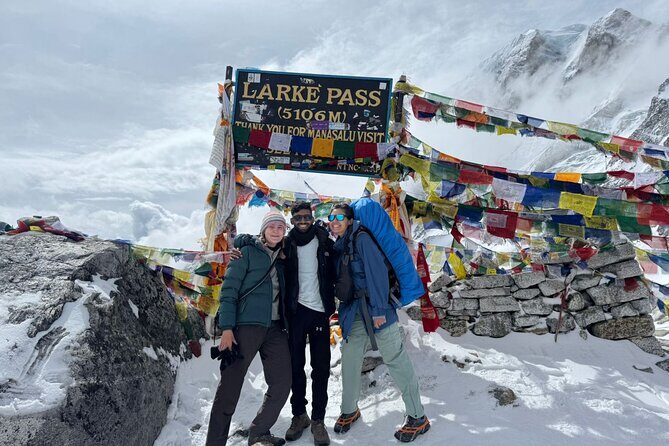
Day 11 is the main “big day” section. You start early, cross Larkya La Pass, and head toward Bhimtang. The plan includes crossing small streams and continuing walking for a few hours before reaching Bhimtang.
Then you also trek downhill for several more hours to finish at Bhimtang, with dinner and a night stop that lets you stare at snow-capped mountains from lower elevation.
This is the day where your team’s support matters. An oxi-meter check and careful pacing can make a noticeable difference in how prepared you feel. Also, guides who stay alert to the group’s pace can prevent small issues from turning into bigger problems.
Practical consideration: bring warm layers you trust. Even when the trail is sunny, pass days can be chilly, and wind can change fast.
Down to the forests, then the return drive to Kathmandu
Day 12 continues from Bhimtang with descent into lower elevations. The walk goes through pine and rhododendron forests, with occasional distant mountain glimpses. That “mixed scenery” feeling is often what makes the long descent satisfying: you still get mountain views, but your body gets a break compared to the higher walk.
Day 13 is a long travel day back to Kathmandu. You start with a drive in a jeep to Besisahar, and you also get to see the scenery from the window during the rough-road ride. It’s not glamorous, but it gives you one last look at the region’s river valleys and settlement patterns.
Day 14 ends with a farewell and transfer to Tribhuvan International Airport in Kathmandu, so you can fly home without having to figure out the logistics yourself.
One value point here: having the transportation parts included means you don’t end your trek feeling stuck. The last days matter as much as the trail.
How the included gear and guide support changes your experience
This trek includes two things that can genuinely improve comfort: a down-filled sleeping bag and walking poles.
Down-filled bags help a lot in cooler nights. Poles reduce strain on knees and help you stay steady on uneven steps. If you’ve ever used rentals that don’t fit your grip or height well, you know why having dependable gear matters.
Then there’s the oxi-meter. It checks heart rating and oxygen saturation. That’s a safety tool, and it also gives you useful feedback in a world where you can’t always tell how altitude is affecting you.
And finally, the guide/team culture. In the feedback I saw, named guide Santosh is praised for waiting for slower trekkers and even going out to look for anyone who might fall behind. That’s the kind of competence you want on a remote high trek, where “small” issues can become big if nobody watches the group.
Who should choose this Manaslu Circuit Trek
This trek is built for you if:
- You have moderate physical fitness and you’re comfortable with multi-day walking.
- You want a mix of nature and Tibetan-influenced culture, not just a summit-chase.
- You like routes where the team handles permits and core logistics, so you can focus on walking, pacing, and enjoying.
You might think twice if:
- You want a low-effort, short-hike vacation.
- You don’t like cold weather or windy pass-day conditions.
- You’re not willing to plan for extra costs like bottled water, snacks, and device recharging.
Also, since it’s a private tour/activity with only your group, it can feel more personal than standard large-group itineraries.
Should you book Wonder Himalaya for the Manaslu Circuit?
I’d lean yes if you’re looking for a practical, well-supported Manaslu Circuit Trek and you want a package that covers the key pieces: permits, guide support, meals, core gear, and the transport between trailheads and Kathmandu.
The strongest reasons to book are the things you can feel during the trek: a guide team that keeps track of everyone (including caring practices highlighted in feedback), an oxi-meter that helps monitor how you’re doing, and the fact that equipment like poles and a down bag are included. At $1,099, that combination is what turns “a trek you must plan yourself” into “a trek you can actually enjoy.”
If you’re considering it, do two things before you go: pack warm layers for cold higher terrain, and plan for what’s not included (especially bottled water, snacks, and travel insurance). Get those right, and this circuit can deliver a satisfying mix of mountain drama, Buddhist culture, and long-walk satisfaction.
FAQ
How long is the Manaslu Circuit Trek?
The trek is listed as 14 days (approx.).
Where does the trek start?
It starts in Kathmandu, Nepal. You arrive at Tribhuvan International Airport, and a representative from Wonder Himalaya meets you.
Is pickup offered?
Yes, pickup is offered.
What’s the price per person?
The price is $1,099.00 per person.
What permits are included?
The package includes Manaslu Conservation Area Permit, Annapurna Conservation Area Permit, and a Restricted Area Permit.
Are meals included?
Yes. Lunch is included (11), dinner is included (11), and breakfast is included (13).
Does the trek include trekking equipment?
Yes. A down-filled sleeping bag and walking poles are included.
Is oxygen or health monitoring included?
Yes. An oxi-meter is included to check heart rating and oxygen saturation.
What is not included in the price?
Not included: coffee and/or tea, alcoholic beverages, private transportation (if you want it), travel insurance and medical evacuation, bottled water, snacks, personal expenses, and electronic device re-charge.
What’s the cancellation policy?
Free cancellation is offered. You can cancel up to 24 hours in advance for a full refund; canceling less than 24 hours before the start time is not refunded.