REVIEW · KATHMANDU
Everest Base Camp Trekking – 2025/2026
Book on Viator →Operated by Alpine Ramble Treks · Bookable on Viator
Everest Base Camp without the stress of guessing. This private guided trek pairs Lukla flights with lodge comfort, included permits (TIMS + national park fees), and a route that gets you up close to Everest and Sherpa life. The big consideration: you’ll be dealing with high-altitude cold, basic mountain lodges, and the real possibility of flight delays tied to weather.
I also like the day-to-day pacing promise: your guide keeps you safe and on route, and you can hike at your own speed without feeling rushed by the group. Plus, the way meals and water are handled is practical—tea-house style lunches, purified water tablets provided, and a clear routine that helps you conserve energy. One drawback to plan for is that the itinerary is weather-dependent around Lukla and you won’t have much control if flights slip.
In This Review
- Key points
- Kathmandu Arrival: how the trip starts before the mountains
- Lukla flight and Phakding: arriving in the real Everest rhythm
- Namche Bazaar: altitude, views, and a village you’ll remember
- Namche to Pangboche: monasteries and the feeling of height
- Pangboche to Lobuche: where “the trail” starts to feel serious
- Gorak Shep and the base camp approach: cold mornings and big payoffs
- The return loop: coming back through Namche and down to Lukla
- What the private guided format really buys you
- Lodges and rooms: what comfort means on the EBC route
- Meals and water: included, but you still need smart choices
- Gear list that actually matches this trek
- Price and value for a 14-day private Everest Base Camp trek
- Best timing for 2025/2026: when the skies are most likely to cooperate
- Responsible tourism: how your behavior shows up in the mountains
- Should you book this Everest Base Camp trek?
- FAQ
- What’s included on the Everest Base Camp trek?
- Are domestic flights to Lukla included?
- What’s not included in the price?
- Is this a technical climb or a trekking hike?
- What fitness level do I need?
- What’s the best time to go for clear conditions?
- What happens if the trek is canceled due to poor weather?
Key points
- Round-trip domestic flights to Lukla keep the trek focused on walking, not logistics
- Private, guided pace means you’re less likely to get overcommitted or lose the route
- Permits included (TIMS + Everest National Park fees), plus water purification tablets
- Lodge-based comfort with twin-sharing rooms during the trek and warm layers available to rent
- Well-defined meal rhythm (breakfast around 7, lunch window 12–1, dinner timing set before ~5)
- Caring guide culture in the Alpine Ramble crew, with praised names like Dil, Sujal, Krishna, Samir, and Sherpa Manish
Kathmandu Arrival: how the trip starts before the mountains
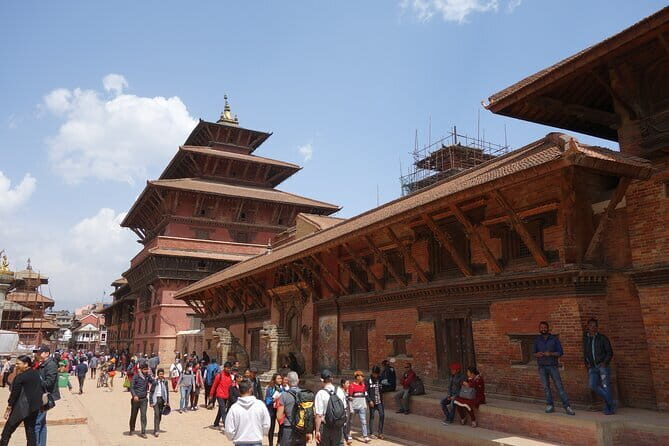
Day 1 is all about settling in. You land in Kathmandu, get met by an airport representative, and transfer to your hotel. In the evening, you’ll be introduced to your trek plan and team. This matters more than it sounds: Kathmandu is where you handle the last details—gear checks, pacing expectations, and planning how you’ll cope with cold later.
Even if you’ve trekked before, I’d treat this day like your “setup day.” Make sure your daypack is ready, keep your passport accessible, and confirm you know where you’ll meet for the airport transfer the next morning. The tour also notes a pickup is offered, which usually saves time and reduces hassle.
You can also read our reviews of more hiking tours in Kathmandu
Lukla flight and Phakding: arriving in the real Everest rhythm
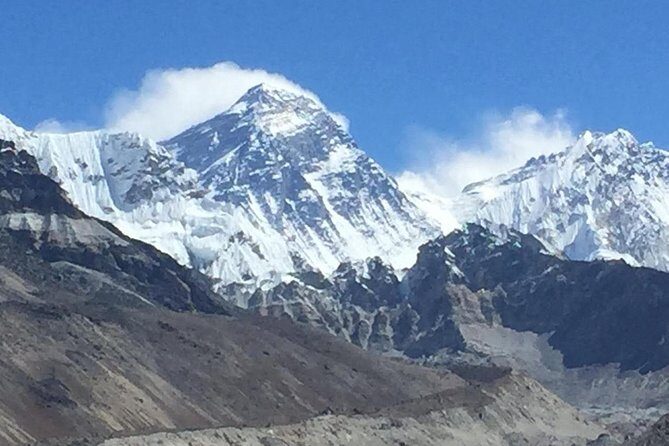
Then comes the jump: fly to Lukla and start trekking to Phakding (2,652 m). The walk time is short here (listed around 3 hours overall for the first trek day), which is exactly what you want after travel. You’re not trying to win a race. You’re trying to get moving, feel your footing, and let your breathing adjust before higher elevations.
Phakding is also a first taste of Sherpa trekking culture—tea houses, village paths, and the kind of trail where you’ll notice the route is built for steady flow. With a guide, you’re less likely to second-guess directions or fall into an overly aggressive pace on day one.
Possible snag: Lukla flights can be weather-sensitive. The itinerary includes “domestic flight from Kathmandu/Manthali to Lukla and return,” and the trip explicitly calls out the chance of delays. If you hate waiting, you’ll want a calm mindset here.
Namche Bazaar: altitude, views, and a village you’ll remember
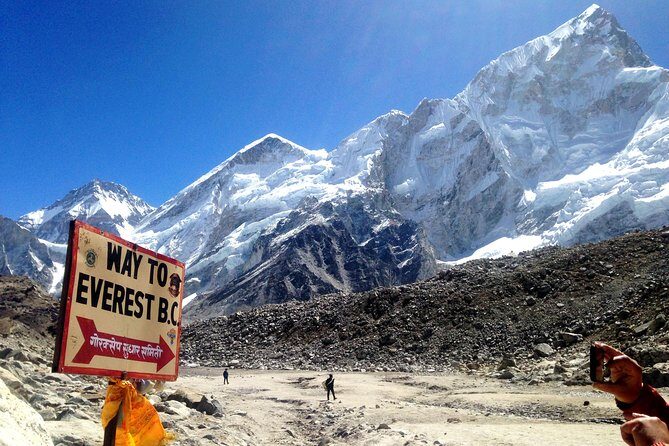
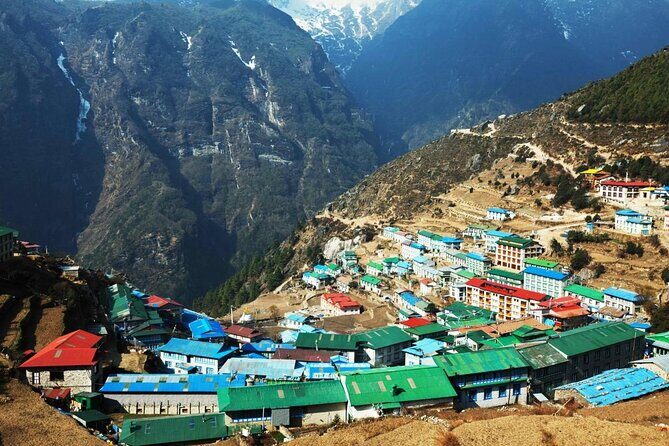
On Day 3, you trek from Phakding to Namche Bazaar, listed at about 10–12 km and roughly 5 hours walking time. Namche is one of the best places on the route for both acclimatization and atmosphere. It’s high enough that the air feels different, but it’s still a town—so you get a village feel rather than only “mountain outpost” vibes.
What I like about the way this trek is structured is that Namche isn’t treated like just a dot on a map. It’s where you’ll likely notice:
- More lodge options and menu variety (still tea house style)
- Sherpa settlements and Buddhist monastery culture
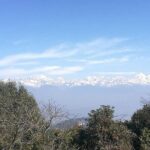
- The emotional lift of seeing big mountains loom closer
Your guide’s job matters here. The trek is meant for moderately fit hikers, and the data emphasizes going at your own pace. That’s not a marketing line—it’s how you avoid altitude trouble caused by going too hard too soon.
Namche to Pangboche: monasteries and the feeling of height
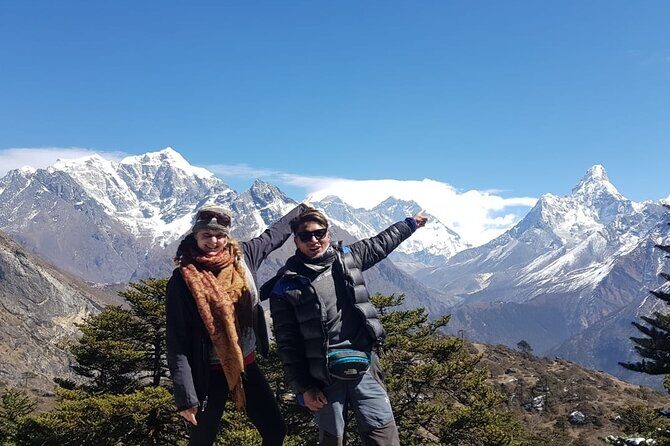
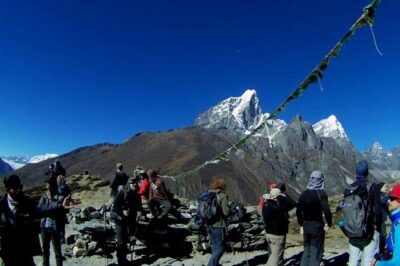
Next, the route goes from Namche to Pangboche (listed about 5 hours). Pangboche is often where trekkers start to feel the “spiritual + high-altitude” combo: villages, monastery life, and views that don’t just impress—they change how you experience the day.
This is also the kind of leg where route knowledge helps. With a guide, you don’t spend energy worrying about where to turn or whether you’re on the right path. You can focus on breathing, footing, and noticing details like how people live and work at altitude.
If you’re moderately fit, you’ll still feel the climb, but the trek is presented as non-technical. You’re not booking crampons or rope skills—just trekking stamina and sensible pace.
Pangboche to Lobuche: where “the trail” starts to feel serious
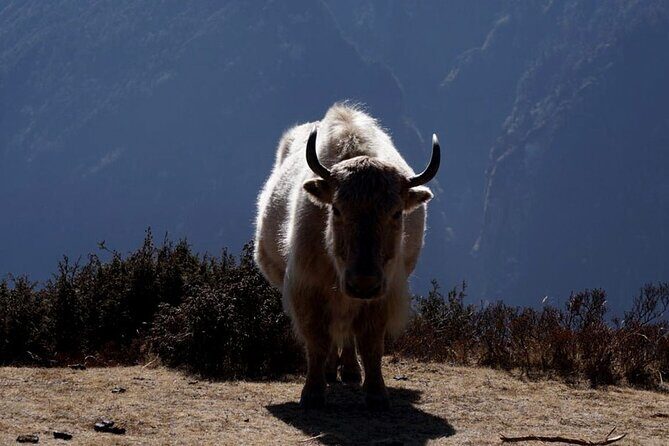
On Day 5, you move from Pangboche to Lobuche, listed around 5 hours. This is where the environment starts tightening up—less flat walking, more exposure to cold winds and the mental grind of sustained effort.
Lobuche sits in a zone that feels more rugged and mountain-focused. That’s great if you like a “get to the good part” feeling. The trade-off is that you’ll likely notice more physical strain, especially if you go out too fast early. Your best tool isn’t motivation—it’s pacing.
This is also where the “private guided trek” format earns its keep. You’re not trying to match someone else’s stride. You’re walking as your body allows, and your guide can adjust how long you stop, when you take breaks, and what pace you keep through the day.
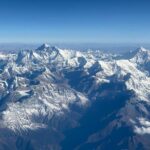
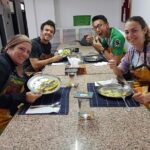
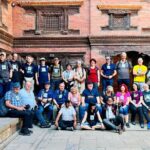
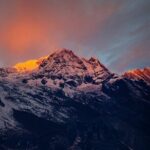
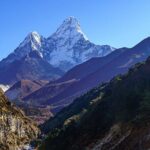
Gorak Shep and the base camp approach: cold mornings and big payoffs
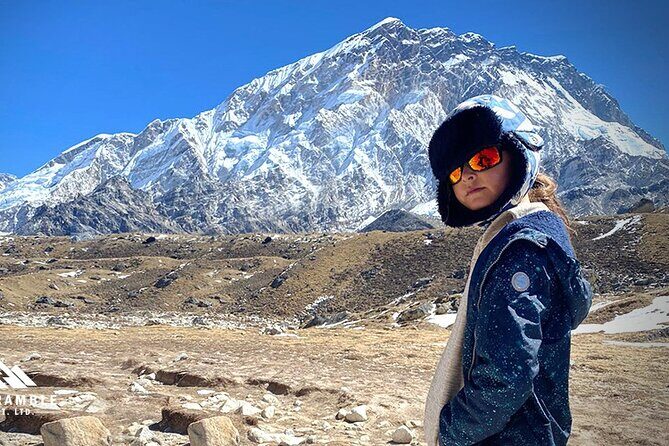
The itinerary’s key high point is the Labuche to Gorakshep / base camp area day (listed around 5 hours). You’ll be hiking into a colder, higher zone where the air feels thinner and every layer matters.
This part of the trek is famous for a reason, but here’s the practical side: you’ll want energy management like a pro. The tour describes a typical daily rhythm:
- Wake up tea around 6:00 am
- Breakfast around 7:00 am
- Start walking after warm-up and stretching
- Lunch around 12:00–1:00 pm (about 40 minutes)
- Arrive at the lodge, rest, then dinner (with ordering set before about 5:00 pm)
- Evening briefing by your guide for the next day
That schedule is built for trekking reality. If you’re the type who forgets to eat until you’re starving, you’ll like having a predictable routine. It reduces wasted time and helps you stay calm when the altitude makes you feel “off.”
The return loop: coming back through Namche and down to Lukla
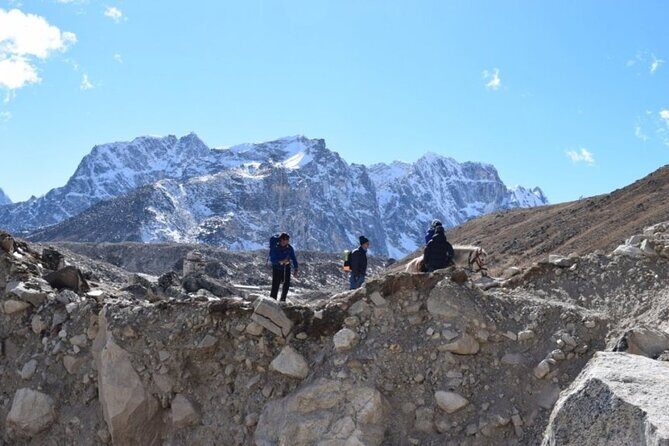
The plan includes a trekking return: Day 7 shows trekking from Pangboche to Namche (about 4 hours). Then later you trek Namche Bazaar to Lukla (listed around 5 hours, on the day marked Day 9 in the outline). Finally, you fly back to Kathmandu and transfer to the hotel.
Returning is not just “going back.” Your body is still adapting, and your mind is still processing what you’ve done. The good news is that down days can feel lighter—but you still need careful footwork on rocky sections.
The biggest practical benefit of returning this way is that you keep the logistics tied to the included flight. You’re not piecing together alternative transport for the last stretch.
What the private guided format really buys you
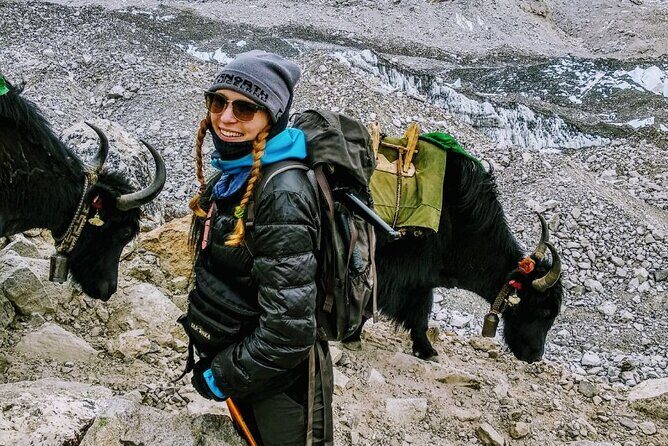
This trek is sold as private, and that matters in two ways.
First, safety and navigation. The tour promises trekking safely and without the risk of getting lost by going with a guide. In the high Himalaya, that means less mental fatigue—because you’re not constantly recalculating where you are.
Second, pacing flexibility. The description says you can go at your own pace without worrying about being too slow (or too fast). That’s a big deal for altitude treks, where “normal fitness” can get overwhelmed by thinner air. The goal is consistent movement, not speed.
The crew angle also looks strong. In past trips with this operator, guides such as Sujal and Krishna were praised for competence and friendliness, while Samir and Sherpa Manish earned standout mentions for care and knowledge. Also, the name Dil comes up as an owner who handled communication well. Use that as a signal: this isn’t just a checklist company.
Lodges and rooms: what comfort means on the EBC route
You’ll stay in trekking lodges, with accommodations during the trek described as basic but clean. Rooms are twin-sharing, and the tour notes a single supplement for solo travelers.
Here’s what to expect:
- Warm blankets, pillows, and comfortable mattresses (not thick)
- Less-than-Kathmandu facilities at altitude
- In some places, you may need to compromise on bathroom setup because space is limited
The tour also mentions that attached bathrooms might be possible in some locations, but you shouldn’t assume full hotel-level comfort every night. If you’re coming from a comfortable travel style, adjust your expectations before you arrive. Cold and dryness are part of the experience; avoiding frustration is a better plan than expecting luxury.
Meals and water: included, but you still need smart choices
Food is included on a full-board basis during the trek: breakfast, lunch, and dinner (plus tea/coffee). You’re also provided water purification tablets.
The tour’s meal routine is clear: lunch typically happens around 12–1 for about 40 minutes, and dinners are ordered before about 5 pm. That means you won’t be wandering around hungry. You’ll also be able to plan your day energy.
Menu variety is a real advantage on Everest routes. The tour data lists options like Sherpa stew, vegetable dishes, soups, dal bhat, noodles, eggs, potatoes, and desserts such as apple pie. Drinks like lemon tea, ginger tea, hot chocolate, milk coffee/tea, and green or black tea are also referenced.
One practical caution: the guidance says meat items aren’t recommended in the Everest region because of hygiene and health concerns. Stick with meals you can tolerate and that don’t wreck your stomach—altitude + stomach issues is a bad combo.
Water-wise, water is available everywhere, but you’ll pay for bottled water if you choose it. Either way, purification tablets are the included method for safe drinking water. You’re also advised to bring a separate proper bottle for hot water use because cold water might not feel tolerable at high altitude.
Gear list that actually matches this trek
This itinerary gives you a workable equipment list and even notes that warm down jackets and sleeping bags are provided for rent if you don’t have your own. That reduces baggage stress and costs.
Still, you’ll want to pack smart. The list includes:
- Sun protection: sunscreen (SPF 40+), sunglasses, sun hat
- Cold control: warm hat, scarf, lightweight gloves, warm gloves
- Trek basics: headlight, face wipes, trekking boots, comfortable socks
- Weather layers: fleece, sweater layers, poncho or rain jacket
- Carrying: day backpack above 30 L, pack cover, thermal bottle
- Optional support: walking pole if you want it
- Health items: first aid kit, and medicine items like Diamox are listed (if you consider altitude medication, you should consult your doctor before using it)
If you follow the tour’s idea of layers and protection, you’ll be better prepared for wind-chill in the higher zones. The goal is not to stay warm all day—it’s to avoid getting chilled during stops.
Price and value for a 14-day private Everest Base Camp trek
The price is listed at $1,339.20 per person (2025/2026), based in Kathmandu with private transportation and a pickup offered. For Everest Base Camp, this cost makes sense if you compare what’s actually included:
Included value points:
- Domestic flights to and from Lukla (a major chunk of trek cost and hassle)
- All trekking lodge accommodation during the trek
- Meals on a full-board basis during trekking days
- Guide support (licensed, English-speaking local guide) and porter capacity (one porter, and porter support details depending on group size)
- Permits: TIMS card + Everest National Park fees
- Water purification tablets
What’s not included:
- Visa fee and Nepal entry visa
- International flights and travel insurance
- Extra accommodation/meals before and after the trek
- Hot showers, Wi-Fi, snacks, and drinks outside the inclusive plan
So the “value question” is really this: are you buying convenience and support, or are you trying to do it as cheaply as possible? If you want an organized, low-stress trek where someone handles permits, guides you on route, and takes flight logistics seriously, this price can feel fair.
If you’re already comfortable arranging permits, flights, and guides on your own, you might find cheaper options. But you’d also be taking on more uncertainty—especially around Lukla weather.
Best timing for 2025/2026: when the skies are most likely to cooperate
The tour lists the best season as dry season in autumn (mid-September to May) and spring (March to May). The big reason: you get better chances for clearer mountain views and colder nights.
The key detail for you isn’t just month—it’s weather stability. Everest routes are weather-driven. Even in the best seasons, the trip explicitly warns about possible delays, especially around Lukla. Plan for extra flexibility and don’t schedule a tight connection right after your return to Kathmandu.
Responsible tourism: how your behavior shows up in the mountains
This trek also flags responsible tourism expectations. You’re asked to respect local people and laws, ask guides for permission before activities in local communities, and keep the area clean by disposing of rubbish properly.
That’s more than “be nice.” On trekking routes like this, your behavior affects how communities perceive visitors, and it affects whether trails remain workable. If you want your trip to feel good long after you leave, follow those rules as if they’re part of the itinerary.
Should you book this Everest Base Camp trek?
You should book it if you want:
- A private guided trek with pacing support
- Included Lukla flights, permits, and full-board meals during the trekking days
- A partner team you can rely on for logistics and daily structure
- A realistic approach to lodge life and altitude travel
Hold off or ask extra questions if:
- You’re extremely sensitive to delays and cold (because Lukla can be weather-dependent and nights get bitter)
- You need hotel-style comfort and attached bathrooms every night (lodges are basic at altitude)
- You want the absolute lowest cost over the most organized experience
If you fit the moderately fit trekking profile and you’re excited by Sherpa village culture plus the Everest payoff, this looks like a solid, well-supported way to do it.
FAQ
What’s included on the Everest Base Camp trek?
The package includes domestic flights to and from Lukla, lodge accommodation during the trek, most meals (full-board with breakfast, lunch, and dinner), permits (TIMS and Everest National Park fees), a licensed English-speaking local guide, water purification tablets, and private transportation with an air-conditioned vehicle.
Are domestic flights to Lukla included?
Yes. Domestic flights from Kathmandu/Manthali to Lukla and the return flight back are included.
What’s not included in the price?
Not included are your visa fee and Nepal entry visa, international flights, travel insurance, extra accommodation/meals before and after the trek, and personal expenses like shopping, Wi-Fi, and hot/cold drinks or alcohol.
Is this a technical climb or a trekking hike?
This is described as a non-technical trek. It does not require climbing skills or technical equipment like ropes, and it’s positioned as doable with basic fitness and stamina.
What fitness level do I need?
You should have a moderate physical fitness level and be able to hike roughly 3–5 hours a day. The route is presented as suitable for moderately fit travelers.
What’s the best time to go for clear conditions?
The tour lists autumn dry season (mid-September to May) and spring (March to May) as the best times, with cold nights and clearer mountain views.
What happens if the trek is canceled due to poor weather?
If it’s canceled due to poor weather, you’ll be offered a different date or a full refund.