REVIEW · KATHMANDU
Manaslu Circuit Trek to the Beauty of 8th Highest Mountain
Book on Viator →Operated by Bold Himalaya Treks and Travels Pvt Ltd · Bookable on Viator
Manaslu Circuit feels big before you even hike. You start with a long ride out of Kathmandu, then move through terraced villages and Tibetan-influenced stops on a route built for acclimatization. The big draw is the sweep from everyday forest trails to big-mountain terrain near Larkya La.
What I like most is the way this trip is run day-to-day. First, the team communication is personal and responsive, with Sobit taking time to understand what you want and mapping a program around you. Second, you get the stuff that usually turns trekking into a headache: permits (including restricted area paperwork and TIMS), a licensed English-speaking guide, and full meals throughout the trek.
The main drawback to plan for is altitude timing on the harder days. You’ll be trekking toward high points, including a pass at 5,160m, so if you’re the type who struggles when your breathing changes, build in patience and pacing from the start.
In This Review
- Key highlights that make this Manaslu Circuit tick
- Manaslu Circuit is a different kind of Nepal trek
- Price and value: what $365.75 covers (and why it matters)
- Getting from Kathmandu to your first trekking day
- Day 2: Machha Khola to Jagat
- Day 3: Jagat to Deng
- Day 4: Deng to Namrung
- Day 5: Namrung to Samagaun (big views start showing up)
- The Samagaun rest day: your acclimatization insurance policy
- Toward Larkya La: Samdo and the approach to Larkya Phedi
- Day 7: Samagaun to Samdo
- Day 8: Samdo to Larkya Phedi (base for the pass)
- Crossing Larkya La (5,160m): the hardest day is also the most memorable
- How to make pass day feel manageable
- Descent and recovery: Bimthang to Tilije, then back to civilization
- Day 10: Bimthang to Tilije
- Day 11: Tilije to Dharapani, then drive to Besisahar and Kathmandu
- Lodges, meals, and what comfort looks like at trekking altitude
- The human side: why guides and porters change everything
- Who this Manaslu Circuit trek is best for
- Should you book this Manaslu Circuit with Bold Himalaya?
- FAQ
- How long is the Manaslu Circuit trek?
- What is the starting point and where does the trek end?
- What does the price include?
- What’s not included?
- Is pickup available?
- Is there a mobile ticket?
- Can you get vegetarian or vegan meals?
- How difficult is the trek?
- Is free cancellation available?
- Is it a private tour?
Key highlights that make this Manaslu Circuit tick
- Sobit’s planning style: slow, attentive communication before you go, then support that doesn’t disappear once you’re in Nepal
- Licensed English-speaking guide plus porter support: you’re not stuck translating logistics by yourself
- Permits handled: Manaslu, Annapurna, restricted area entry, and a TIMS card are included
- Full-board trekking meals: breakfast, lunch, dinner plus seasonal fruit items during the trek
- A real acclimatization day in Samagaun: rest + optional base-camp style exploring nearby
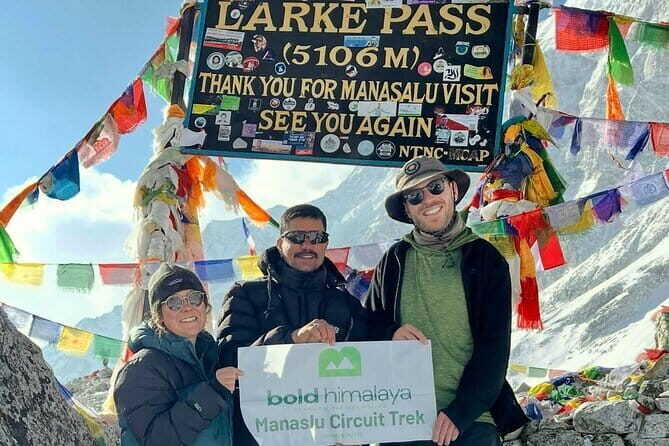
- One serious high pass moment: crossing Larkya La (5,160m) is challenging, but it’s the story people remember
Manaslu Circuit is a different kind of Nepal trek
If your mental picture of Nepal trekking is all rhododendron forests and crowded teahouse trails, Manaslu brings a more focused, remote-feeling rhythm. You pass through settlements with strong Tibetan influence, and the scenery shifts from working farmland to higher alpine terrain as you climb.
You also get a trek that’s built around timing. A key piece is the rest day in Samagaun, which gives your body a chance to catch up before you head toward the Larkya La area. That one choice makes a real difference when you’re dealing with thin air.
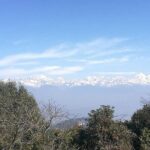
And yes, the mountain payoff matters. Manaslu is the headline, but on clear days you’ll also notice views of the Ganesh Himal region as the trek climbs.
You can also read our reviews of more hiking tours in Kathmandu
Price and value: what $365.75 covers (and why it matters)
At $365.75 per person, the headline cost looks simple. The real question is value: how much of the trek’s complexity is handled for you.
This price includes shared ground transportation (including trek start/end), all the trekking permits you need (including restricted area permits), and a TIMS card. It also includes an experienced licensed English-speaking guide, with meals and lodging during the trekking period covered. On top of that, you get full meals (breakfast, lunch, dinner) during the trek, plus seasonal fruit items.
It’s also not just services. You receive a duffle bag, a t-shirt, and a trip certificate. Not life-changing, but it’s the kind of detail that tells you the operator planned for the whole experience, not just the walking part.
What’s not included is equally important: drinks during the trip, travel insurance, and tips for the trekking crew. So budget for bottled drinks or any coffee/tea extras you want, and make sure your own insurance is in place for trekking.
Getting from Kathmandu to your first trekking day
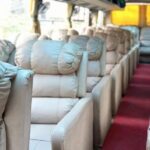
Day 1 is mostly the long move from Kathmandu to Machha Khola by shared vehicle, around 8–9 hours. This is one of those “settle your nervous system” days: you’re going from city altitude and comfort to the start of a slower, grounded trek.
You’ll also get the early visual payoff. The drive runs past countryside views and terraced fields, so even before your first step on the trail, you’re already learning the rhythm of the region.
Then you check into a local lodge in Machha Khola and start fresh.
Day 2: Machha Khola to Jagat
Day 2 moves you about 6–7 hours on a trail that gains and loses elevation through forests, terraced fields, and villages. Jagat is a small village stop, which usually means a more quiet evening and a chance to focus on simple trekking routines: eat early, hydrate steadily, sleep as well as you can.
Practical note: this early segment is where you want to keep your effort controlled. Even if you feel great, don’t try to “bank” energy. Save it for later.
Day 3: Jagat to Deng
This day is another 6–7 hours and leans into forested trekking and mountain views. As you approach Deng, the scenery starts to change—part of what makes Manaslu rewarding is how the terrain evolves as you climb.
The village-to-village style also helps you acclimatize indirectly. You’re not jumping straight into high-altitude terrain; you’re gradually working upward.
Day 4: Deng to Namrung
Namrung is one of those classic stops where you can see the Tibetan-style village feel more clearly. This segment takes roughly 6–7 hours, with traditional settlements plus stronger mountain views as you gain ground.
This is also where you’ll want to pay attention to small discomforts. If your feet or knees are talking to you, start adjusting early: trekking poles if you use them, slower steps on downhill stretches, and steady water intake.
Day 5: Namrung to Samagaun (big views start showing up)
Day 5 is about 5–6 hours and is where the trek starts to feel more “high Himalaya” than hillside. Samagaun sits in the region where you’ll likely see impressive peaks, including Manaslu and Ganesh Himal on the right days.
It’s also a meaningful transition toward the acclimatization zone. In practice, Samagaun is where many trekkers start feeling the altitude more clearly, even before you reach the pass area.
The Samagaun rest day: your acclimatization insurance policy
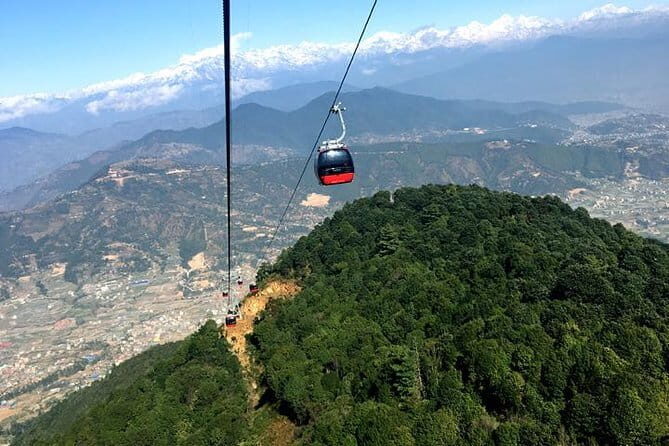
Day 6 is a rest and acclimatization day in Samagaun. It’s listed as about 5 hours of flexible time, and you can use it to explore the area or take a trip toward Manaslu Base Camp.
This is the day that keeps the whole trek from being a single long push. When you’re heading toward Larkya La, giving your body time here is the difference between trekking with steady effort and trekking while your lungs complain.
If you do any optional exploring, keep it slow. Think “moving gently, not proving anything.” You’ll be able to enjoy views without turning this into a second hard day.
Toward Larkya La: Samdo and the approach to Larkya Phedi
Day 7: Samagaun to Samdo
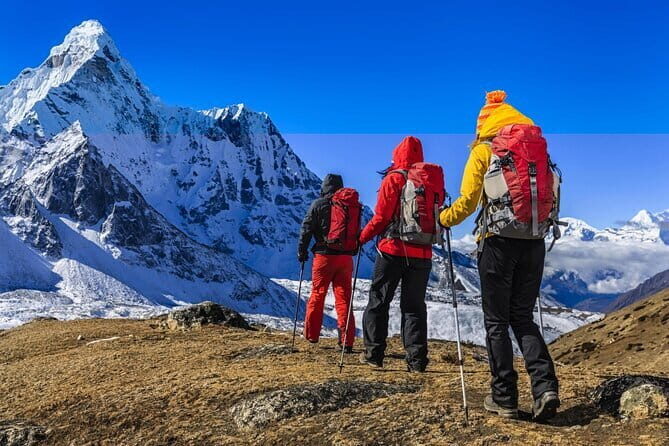
Day 7 takes around 5–6 hours. The trail gradually ascends through alpine meadows, and the scenery opens up toward surrounding peaks.
Samdo is a small village. That’s good news for your sleep and routine, though it can also mean fewer comforts than lower elevations. Pack for the temperature changes you’ll face at altitude.
Day 8: Samdo to Larkya Phedi (base for the pass)
Day 8 is about 4–5 hours and focuses on the climb toward the base area for Larkya La. Larkya Phedi is specifically described as a base point, so this day is less about sightseeing and more about getting yourself in position for the pass crossing.
Keep your timing in mind: the pass day is long, and you’ll want to arrive feeling as ready as possible, not rushed.
Crossing Larkya La (5,160m): the hardest day is also the most memorable
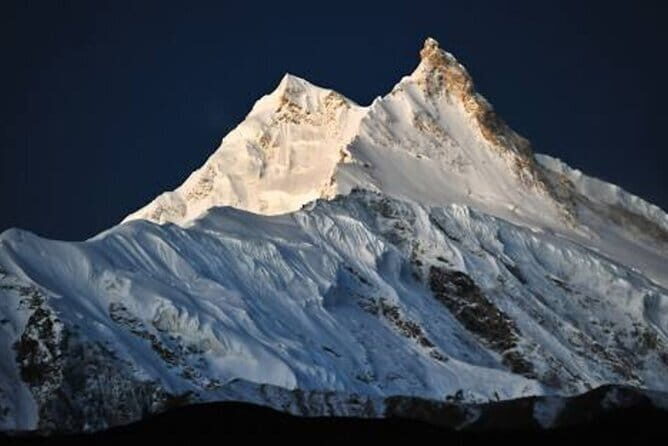
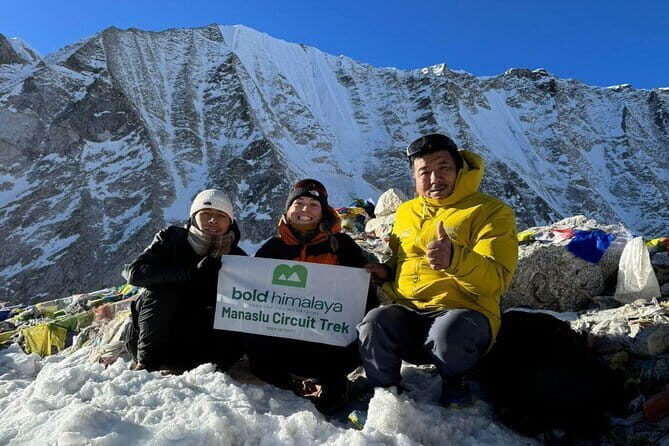
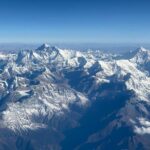
Day 9 is the big one. You cross Larkya La at 5,160 meters on a challenging 8–10 hour trek. This is the moment with the best views—and also the moment where you feel the altitude for real.
You’ll get a sweeping look at surrounding peaks and glaciers. After the pass, you descend to Bimthang, a picturesque village where you can finally settle into a calmer pace.
How to make pass day feel manageable
You can’t fully control altitude, but you can control your rhythm. Use short steps, breathe steadily, and treat any breathlessness as a signal to slow down—not a reason to push harder.
If you’re traveling solo within your group, the guide and porter support becomes even more valuable. The whole crew has a job here: pacing, carrying your bag, and helping you keep the plan moving.
Descent and recovery: Bimthang to Tilije, then back to civilization
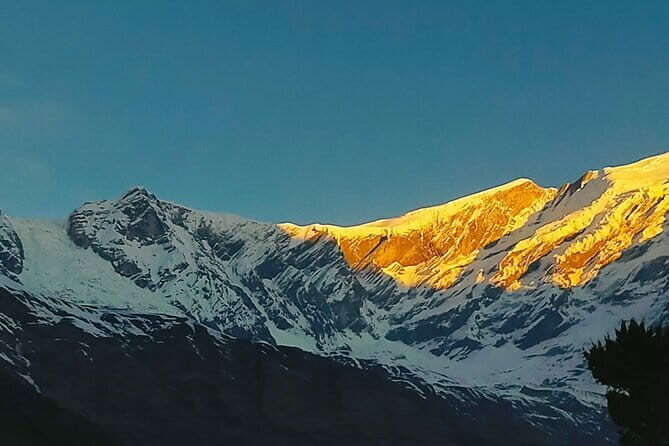
Day 10: Bimthang to Tilije
Day 10 is about 5–6 hours and is a relief after the pass. The trail descends through forests and passes traditional villages, which often means more shade, cooler temperatures, and a more forgiving walking feel.
Tilije is described as a charming village with rich local culture. This is where you’ll get a “we made it” feeling without needing to start packing again immediately.
Day 11: Tilije to Dharapani, then drive to Besisahar and Kathmandu
Day 11 takes you from Tilije to Dharapani, followed by a drive to Besisahar. From Besisahar, you travel back toward Kathmandu. The day is shorter in trekking terms, but it’s not short on mental focus—you still need to manage transfers at the end of a trek.
This is also the day you’ll notice how tired you are. It’s normal. The win is that you don’t have a steep climb to finish off your legs.
Lodges, meals, and what comfort looks like at trekking altitude
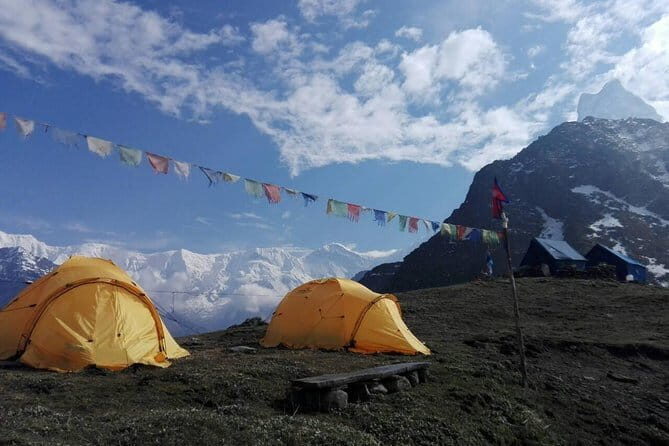
The trek uses standard trekking lodge stays on the Manaslu Base Camp trekking route. That usually means simple rooms and shared dining areas. Don’t expect hotel-level comfort, but you should expect basic functionality.
Food is one of the biggest practical wins here. Full meals are included during trekking: breakfast, lunch, and dinner, with seasonal fruits and nuts mentioned in the meal setup. Vegetarian and vegan meals are available upon request, which is a huge help if you have dietary needs.
One thing to plan for: drinks aren’t included. If you like tea, coffee, or bottled water, budget for it. I’d also pack for the idea that hot drinks can feel extra comforting on cold mornings.
And because you’ll be on the move almost every day, it helps that you don’t have to solve meal logistics yourself. You can focus on walking and letting your schedule do its job.
The human side: why guides and porters change everything
This kind of trek is physical, but it’s also emotional. What I took from the experience stories around Bold Himalaya is that the human support is part of the value, not a bonus.
Sobit stands out for responsive planning before you arrive. Then on the trail, guides like Sirjan and the porter support (like Lokendra) show up as the difference between stress and flow. Lokendra is specifically praised for carrying belongings, which sounds basic until you realize how much lighter your day feels when you’re not managing your own load.
Suren Tamang is also named for teaching about Nepalese culture and landscapes, which matters because a good trek doesn’t just move you through scenery—it teaches you how locals see the places you’re walking through.
English support is mentioned too, and that helps you understand what you’re seeing rather than just passing by.
Who this Manaslu Circuit trek is best for
This trek is positioned for people with moderate physical fitness. That wording matters: you should be able to handle consecutive trekking days with changing elevation, plus one long and challenging pass crossing.
You’ll likely enjoy it most if you:
- Want a well-paced route with an acclimatization day in Samagaun
- Care about cultural stops, not just summit photos
- Prefer an organized trip where permits and meal planning are handled
- Appreciate a guide who can explain what you’re seeing as you walk
If you hate long travel days, note that Day 1 is a long shared ride. If you’re highly sensitive to altitude, take the acclimatization day seriously and listen to your body.
Should you book this Manaslu Circuit with Bold Himalaya?
If your goal is Manaslu Circuit with fewer logistical surprises, I’d lean toward booking. The value is strongest in the “handled for you” pieces: permits (including restricted area entry and TIMS), licensed guide support, full meals, and shared transportation. The route also includes an acclimatization day that’s clearly part of the design, not a vague suggestion.
Before you commit, ask yourself one simple question: can you comfortably spend a long day at altitude on a high pass at 5,160m? If yes, you’re set up for a memorable circuit with Tibetan-influenced villages and big Himalayan views.
If no, consider other trekking styles or shorter routes where the altitude demands are lower.
FAQ
How long is the Manaslu Circuit trek?
It’s listed as about 11 days.
What is the starting point and where does the trek end?
You start in Kathmandu and take a shared vehicle to the first trekking area (Machha Khola). At the end, you drive from the trek area to Besisahar and then return to Kathmandu.
What does the price include?
It includes shared ground transportation per the itinerary (including trek start/end), Manaslu and Annapurna restricted-area permits and a TIMS card, an experienced English-speaking licensed guide (with salary and accommodation), full meals during trekking (breakfast, lunch, dinner), trekking lodge stays, trekking insurance, a duffle bag, t-shirt, and trip certificate, plus some seasonal fruits and nuts. Government taxes and official expenses are also included.
What’s not included?
Drinks during the trip, travel insurance, and tips for the trekking crew members are not included.
Is pickup available?
Pickup is offered.
Is there a mobile ticket?
Yes, mobile ticket is listed as a feature.
Can you get vegetarian or vegan meals?
Yes. Vegetarian and vegan meals are available upon request.
How difficult is the trek?
The trip is meant for travelers with moderate physical fitness. The route includes a challenging high pass crossing of Larkya La at 5,160 meters.
Is free cancellation available?
Yes. You can cancel up to 24 hours in advance for a full refund.
Is it a private tour?
It’s described as a private tour/activity, meaning only your group participates. The provider also mentions group discounts as a feature.