REVIEW · KATHMANDU
Ghorepani Poon Hill Trek
Book on Viator →Operated by Frolic Adventure Pvt. Ltd. · Bookable on Viator
A good sunrise hike starts with timing. The Ghorepani Poon Hill Trek strings together village trails and big Himalayan views on a short schedule that’s friendly for beginners and families.
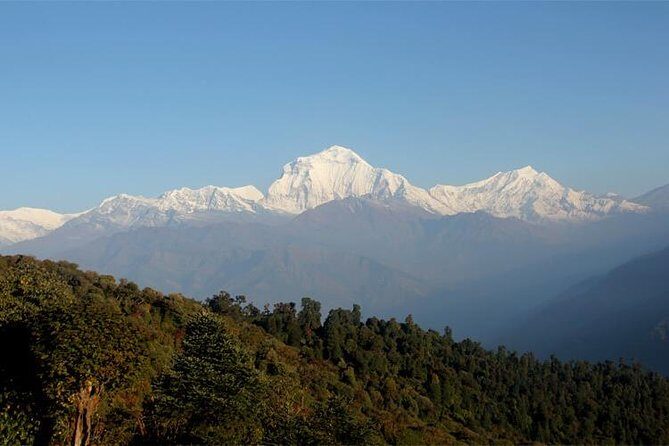
I love that this trip is set up around a proper Poon Hill sunrise moment, with an early hike from your lodge using flashlights and a high chance of seeing Annapurna and Dhaulagiri ranges in the dawn light.
One thing to keep in mind: even though it’s described as beginner-friendly, it’s still a real hike with some uphill walking and long travel days on the road, so comfortable shoes and a steady pace matter.
In This Review
- Quick hits before you go
- Why Poon Hill is the Annapurna starter trek
- What you’re paying for in this $380 package
- Day 1 in practice: Kathmandu to Pokhara on the 7:00 am bus
- Day 2: From Nayapul/Birethanti into Ulleri-style uphill
- Day 3: Ulleri to Ghorepani through pine and rhododendron
- Day 4: Poon Hill sunrise with flashlight starts and huge views
- Day 5: Tadapani morning views and the return transfer to Pokhara
- Guides, group size, and pacing that fits real people
- Where you sleep: Pokhara hotels and mountain lodges
- How the route connects the dots: Nayapul loop via Ghandruk
- Practical tips to make the trek feel easier
- Should you book this Ghorepani Poon Hill Trek?
- FAQ
- How long is the Ghorepani Poon Hill Trek?
- What’s the total cost per person?
- What’s included in the price?
- Is pickup offered?
- What time does the bus leave from Kathmandu?
- Where does the trek start and end?
- How long does it take to hike to Poon Hill for sunrise?
- What’s the group size limit?
- Is there free cancellation?
Quick hits before you go
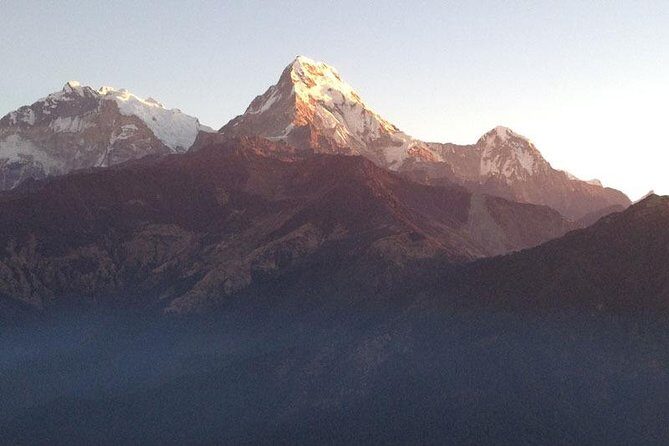
- Sunrise logistics that actually work: an early start from the lodge and a round-trip to Poon Hill that takes about an hour each way.
- Short, satisfying Annapurna circuit: a loop that starts from the Nayapul area and returns to the same place after looping via Ghandruk village.
- Permits and key admin handled: ACAP Permit and TIMS card are included, along with all fees and taxes.
- Comfort built into the schedule: 2 nights in Pokhara hotels plus 3 nights in mountain lodges.
- Small group feel: maximum group size is 16, so things stay manageable.
- Guides get real praise: Rajesh and Saroj come up often for being organized and helpful during the trek.
Why Poon Hill is the Annapurna starter trek
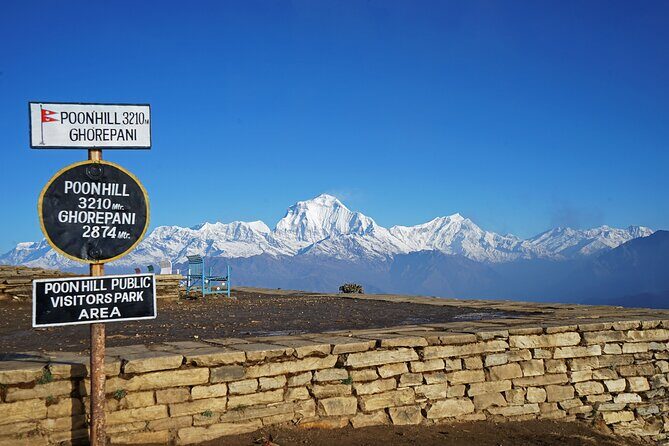
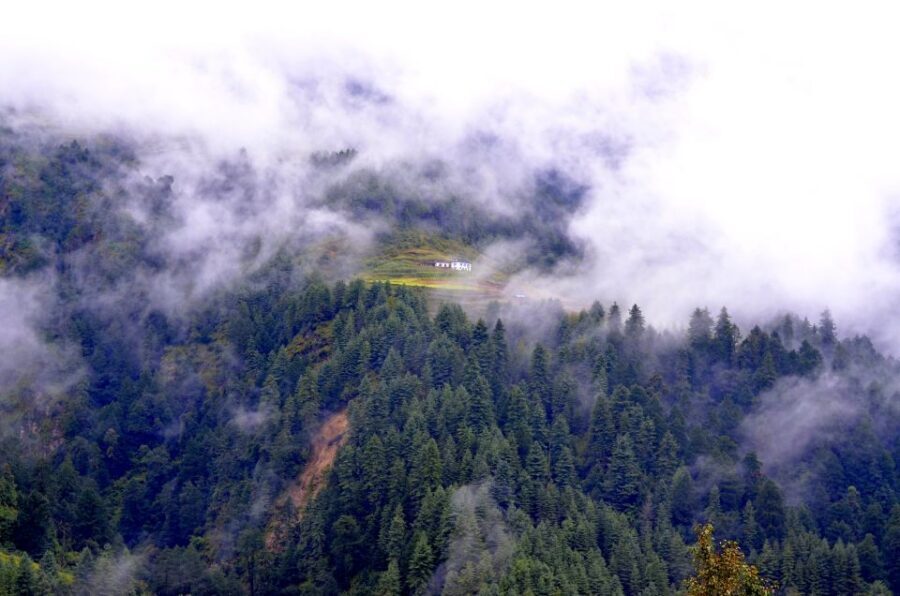
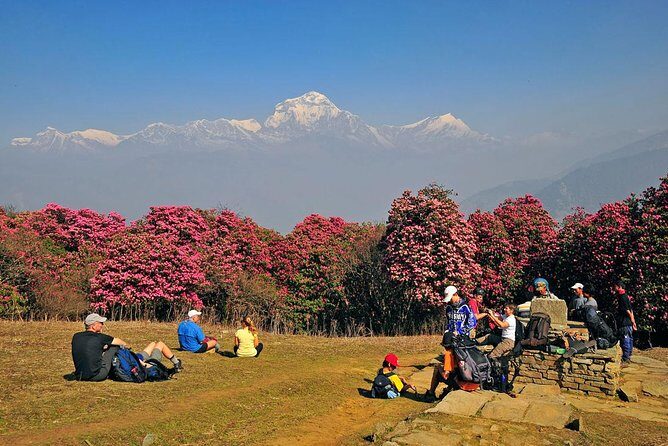
If you want Annapurna views without committing to a weeks-long trek, Poon Hill is one of the best bets in Nepal. This route stays in the lower Annapurna region and focuses on classic scenery: pine and rhododendron forests, small settlements, and that dawn payoff with Himalayan silhouettes.
I also like the “short and memorable” structure. You’re not spending every day climbing in the dark or dealing with complicated logistics, because most of the big effort is concentrated into a few key walking stretches and one early morning highlight.
You’ll also get a strong sense of place. The trek runs through traditional villages, and it connects you to the Annapurna experience beyond just taking photos—because the trails pass by everyday life, not just remote viewpoints.
You can also read our reviews of more hiking tours in Kathmandu
What you’re paying for in this $380 package
At $380 per person, the best way to judge value is what you don’t have to arrange yourself. Here, the price covers a lot of the “moving parts” that usually add up on short treks: permits, transport, and sleeping arrangements.
Your inclusions are clear-cut:
- ACAP Permit and TIMS card
- All fees and taxes
- Private transportation (Pokhara to Birethanti area, and Syauli back to Pokhara)
- Tourist bus from Kathmandu to Pokhara
- 2 nights hotel in Pokhara
- 3 nights lodge accommodation on the trek
- Breakfast included for 4 mornings
That matters because short treks succeed or fail based on details. If you’ve ever tried to self-plan a trek, you know how quickly permits, transport timing, and lodge booking can become stressful. This package takes those headaches out of the equation, so you can focus on pacing and enjoying the trail.
One more practical note: breakfast is included, but other meals aren’t listed as part of the package. That means you should expect to budget for lunches and dinners at the lodges along the way.
Day 1 in practice: Kathmandu to Pokhara on the 7:00 am bus
Day 1 is a travel day that’s long but straightforward. You’ll take a tourist bus from Sorhakhutte (close to Thamel) at 7:00 am, then ride about 200 km to Pokhara—around 7 hours total.
This timing is useful for two reasons. First, it gets you into Pokhara early enough to start relaxing rather than feeling like you only just arrived. Second, it helps you keep the trek days from feeling rushed, since the hiking starts on the next day.
The tradeoff is that you’ll spend a big chunk of the day on the road. If you’re someone who gets motion discomfort on long rides, it’s worth thinking about that before you book—because this is a classic “arrive, sleep, start fresh” travel flow.
Day 2: From Nayapul/Birethanti into Ulleri-style uphill
On Day 2, you transition from city to trail. After breakfast, you take private transport from Pokhara toward the Nayapul area, then you reach Birethanti and begin walking onward.
This part is designed to ease you into the Annapurna trekking rhythm. The walking time is listed at about 6 hours, so you’re not jumping into an ultra-short stroll, but you’re also not doing marathon climbing. The goal is a solid start into the hills and enough time to reach the next lodge area.
Stop-wise, your day centers around Ulleri. Ulleri is a common early step on this kind of route because it positions you well for forest trails later, and it’s far more “trek real” than the road-side segments around Pokhara.
If you’re traveling with family or older adults, this is the day to watch pacing most closely. Start slow, take short breaks, and don’t force speed—your sunrise day will reward you for that kind of planning.
Day 3: Ulleri to Ghorepani through pine and rhododendron
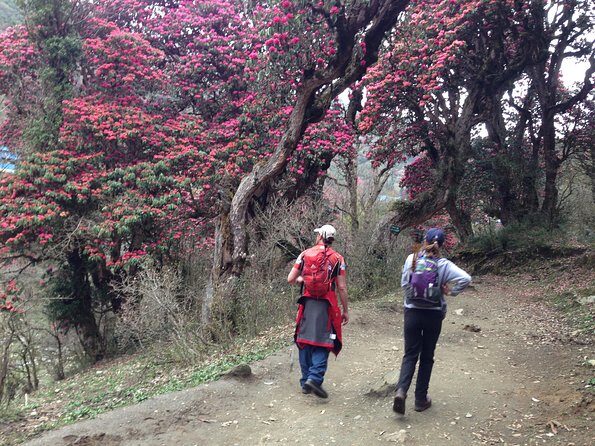
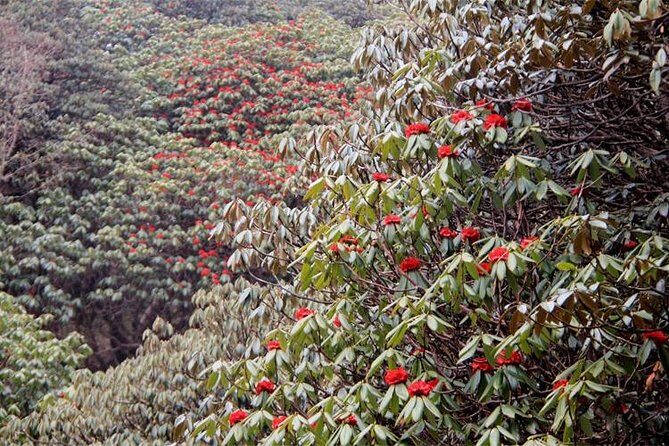
Day 3 is one of the most scenic parts of the trek because the trail moves through forest rather than only village streets. After breakfast, you walk a gradually ascending route and cover about 1.5 hours from Ulleri to Banthanti, then you transition into oak, pine, and rhododendron forests.
The hike time for the day is listed around 5 hours, which keeps it comfortable for people who don’t want to spend the whole day on steep climbs. You’ll still feel the elevation as you go, but the schedule feels designed for steady progress rather than endurance suffering.
Your overnight focus is Ghorepani. This is a key base on the route because it sets you up for the early morning Poon Hill push. In practical terms, Day 3 gives you the “forest walking satisfaction,” then gets you into position for the big viewpoint morning.
If you want the trek to feel easy, this is where you should pay attention to how you dress. Forest trails can shift from warm to cool fast, and layers help you avoid getting sweaty before the next climb segment.

Day 4: Poon Hill sunrise with flashlight starts and huge views
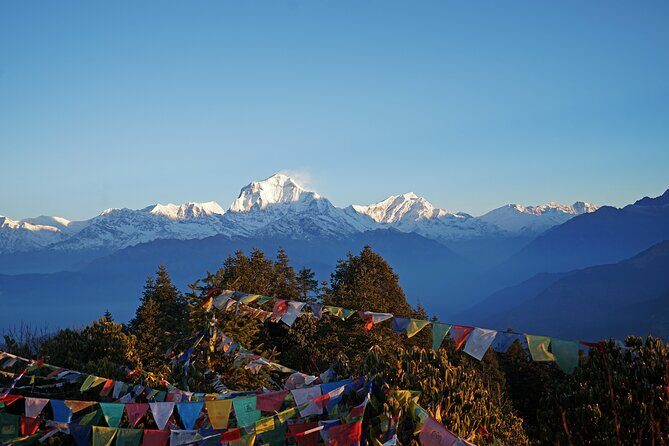
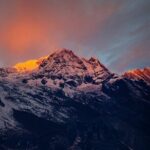
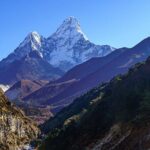
Day 4 is the headline. You’ll hike early morning with a flashlight from your lodge to Poon Hill to catch sunrise and the mountain-view payoff.
The climb to Poon Hill takes about an hour, and then you hike back afterward. That’s a very manageable time commitment for most people, especially because the difficulty of early starts can be fixed with a calm pace and proper warm layers.
What you’re aiming to see is impressive and very specific in this trek:
- Dhaulagiri (8,167m)
- Annapurna I (8,091m)
- Annapurna South (7,219m)
- Plus other big peaks in the broader view, including Fishtail (6,997m)
This is also where the guides matter. In the experiences shared, guides like Rajesh and Saroj are praised for being organized and informative, which helps you get the most from sunrise without scrambling. When someone has done the timing a few hundred times, it shows in how smoothly the early start and viewing plan runs.
The drawback to sunrise treks is obvious but real: you’ll be up early. The upside is that it breaks the day into a rewarding morning first, instead of a slow start that leaves you rushing later.
Day 5: Tadapani morning views and the return transfer to Pokhara
Day 5 starts with another viewpoint moment. You’ll see the sunrise from Tadapani early morning, with views including Annapurna South, Himchuli, Fishtail, and other Annapurna peaks (III and II are mentioned), then have breakfast.
After that, you trek downward through the lower trails toward the area where your transport connects back. The trek duration and exact end point walking time aren’t fully spelled out here, but you do have private transport listed from Syauli back to Pokhara.
This day is a “finish strong” day. The earlier sunrise makes it feel purposeful, but you still want to keep energy for the final walking-to-vehicle transition. If you’re sensitive to long travel segments after a trek, plan to treat Pokhara like your recovery zone once you arrive.
Guides, group size, and pacing that fits real people
This trip runs with a maximum of 16 travelers, which is small enough to feel coordinated but big enough that you’re not on a one-on-one expense structure. In a trek like this, that size matters because it affects how easy it is to manage breaks, group pace, and lodge check-ins.
The guide experience also shows up in the feedback you can use to calibrate expectations. Names like Rajesh and Saroj come up repeatedly, with comments emphasizing helpfulness, organization, and clear communication. That combination matters on Poon Hill days, because the success of sunrise depends on getting people moving at the right time.
Pacing is another key point for your comfort. While the trek is short and often positioned for beginners and families, it’s still described as having uphill hiking and multiple walking days. So if you’re new to trekking, treat this as “learn the rhythm,” not as “easy stroll the whole time.”
Where you sleep: Pokhara hotels and mountain lodges
You’ll do two nights in Pokhara hotels and then three nights in mountain lodges. That matters because the trek doesn’t end up being one long “roughing it” commitment; it stays comfortable enough for short-trip travelers to enjoy the experience without living out of a backpack 24/7.
Lodge nights are part of the charm here. You’ll be in the thick of the trekking route, where there’s a practical social rhythm—people eating breakfast early, gathering gear for sunrise, and comparing notes on how the morning views looked.
One thing to remember: the package mentions 4 breakfasts, which matches the structure of early starts on key days. Dinner and lunch are not listed as included, so build in the expectation that you’ll pay for meals at the lodges.
How the route connects the dots: Nayapul loop via Ghandruk
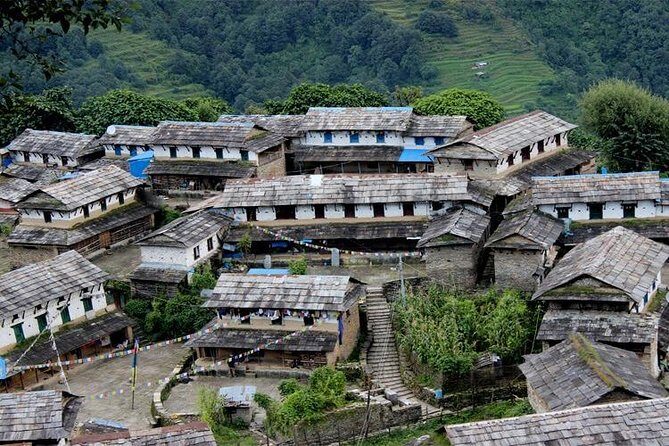
One big-picture reason people like this trek is that it’s built as a circuit. The route starts from the Nayapul area and returns to the same place after looping via Ghandruk village, so you don’t feel like you’re retracing every single step.
In a short trek, a loop design makes the experience feel more complete. You get the sense that you traveled through different village pockets, forest edges, and viewpoints instead of just bouncing back and forth.
You’ll also see major Himalayan names on the viewpoint side of the story. Even if you’re not chasing exact peak identification, knowing that the view targets include Annapurna and Dhaulagiri ranges helps you understand why this route is so popular.
Practical tips to make the trek feel easier
You’ll enjoy this trek more if you remove avoidable friction. Here are the choices that typically make the biggest difference on a short Annapurna hike:
- Dress for cold mornings: sunrise hiking starts very early and the hike is done with flashlights, so warmth and layers help.
- Keep a steady pace on Day 2 and Day 3: the uphill is gradual, but the cumulative effort matters for how you feel later.
- Plan for long travel days around Pokhara: Day 1 is about a full bus ride (around 7 hours), and Day 5 includes sunrise plus a return transfer.
- Budget for meals beyond breakfast: only 4 breakfasts are explicitly included, so carry cash or be prepared to pay at lodges.
If you’re bringing elders or someone new to hiking, these tips are the difference between a trip that feels like a win and one that feels like a grind.
Should you book this Ghorepani Poon Hill Trek?
Book it if you want a short Annapurna trek with real viewpoint payoff. This one focuses on Poon Hill sunrise, includes permits (ACAP + TIMS), and covers transport plus lodging, which is where many DIY attempts lose time and energy.
Don’t book it if you know you hate early starts and long road transfers. Day 4 (Poon Hill with flashlight timing) and Day 5 (Tadapani sunrise) are built around mornings, and Day 1 is a full-length bus ride from Kathmandu.
If you’re choosing between “easy and scenic” versus “long and high-stakes,” this trek sits firmly on the easy-to-moderate side while still giving you big Himalayan names in the sky.
FAQ
How long is the Ghorepani Poon Hill Trek?
The trek is listed as 5 days (approx.), including the Kathmandu-to-Pokhara travel day.
What’s the total cost per person?
The price is $380.00 per person.
What’s included in the price?
It includes ACAP Permit and TIMS card, all fees and taxes, private transport segments (Pokhara to Birethanti area and Syauli to Pokhara), a tourist bus from Kathmandu to Pokhara, 2 nights hotel in Pokhara, 3 nights lodge accommodation in the mountains, and breakfast for 4 mornings.
Is pickup offered?
Yes, pickup is offered, and the guide drops customers at the hotel on the start side described in the meeting point details.
What time does the bus leave from Kathmandu?
The tourist bus leaves at 7:00 am from Sorhakhutte (close to Thamel).
Where does the trek start and end?
It starts at Frolic Adventure Private Limited in Kathmandu, and it ends at Hotel Splendid View, Gaurighat, Lakeside, Baidam, Pokhara.
How long does it take to hike to Poon Hill for sunrise?
The hike to Poon Hill is listed as taking around an hour, then you hike back afterward.
What’s the group size limit?
The maximum group size is 16 travelers.
Is there free cancellation?
Yes. You can cancel up to 24 hours in advance for a full refund, and cancellation within 24 hours is not refunded.