REVIEW · KATHMANDU
Manaslu Trekking
Book on Viator →Operated by World Himalaya Treks & Expeditions · Bookable on Viator
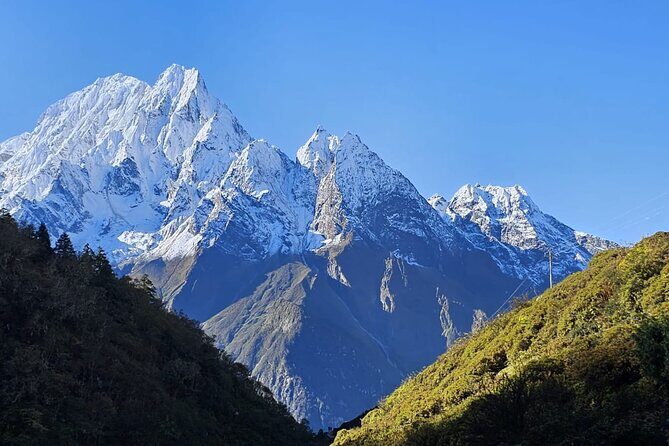
Quiet mountains and a hard high pass. The Manaslu Circuit Trek circles Mount Manaslu (8,163 m) and threads through river valleys, Buddhist villages, and high-altitude hiking with fewer people than the Everest and Annapurna routes. What makes this one interesting is the mix of Kathmandu culture at the front end plus a remote trek that still feels well organized on the ground.
I especially like that you get real logistical coverage: airport pickup/drop, trekking permits and TIMS, and a guide with porters (1 porter for 2 people). I also like the full-board meals during the trek and the comfortable, neat teahouse or lodge nights—because on a trek this long, comfort and consistency matter as much as scenery.
One thing to consider: this is a challenging, multi-day climb (including an ascent toward the Larkya Bhanjyang pass area), so you’ll want solid walking fitness and you should expect cold, tired days more than easy ones.
In This Review
- Key things to know before you go
- Why the Manaslu Circuit feels quieter than the big-name treks
- Price and what $1,900 covers (and what to budget anyway)
- Before the trekking starts: Kathmandu temples and a real briefing
- Trek day 3 to day 5: the Budhi Gandaki valley, hot springs, and stone stair climbs
- Days 6 to 9: Namrung, the Nupri region, and Samagaun monastery views
- Day 10 to Day 11: Samdo approach and the ascent to Larkya Bhanjyang
- Day 12 to Day 13: the panoramic summit moment and the descent to Tilje
- Day 14 to Day 15: Chamje hiking and the drive back to Kathmandu
- Comfort on the trail: teahouses, full-board meals, and porter help that actually matters
- Pacing tips for this specific route (so you don’t sabotage your pass day)
- Who should choose this Manaslu Circuit package
- Should you book Manaslu Circuit Trek with World Himalaya Treks & Expeditions?
- FAQ
- FAQ
- How long is the Manaslu Circuit Trek on this package?
- Where does the experience start and end?
- Does the price include trekking permits and TIMS?
- What’s included for trekking meals and lodging?
- Will I have a guide and porters?
- What is not included in the tour price?
- What fitness level do I need?
Key things to know before you go
- Permits and TIMS included so you can focus on hiking instead of paperwork stress
- Full board on the trek (breakfast, lunch, dinner) helps control your day-to-day budget
- Teahouses/lodges with basic comfort instead of camping for the full route
- Porter support (1 porter for 2 people) makes a big difference on long climbs
- Fewer crowds than the major trek trails keeps the experience more local
- Kathmandu temple circuit included (Pashupatinath, Boudhanath, Swayambhunath) before you start walking
Why the Manaslu Circuit feels quieter than the big-name treks
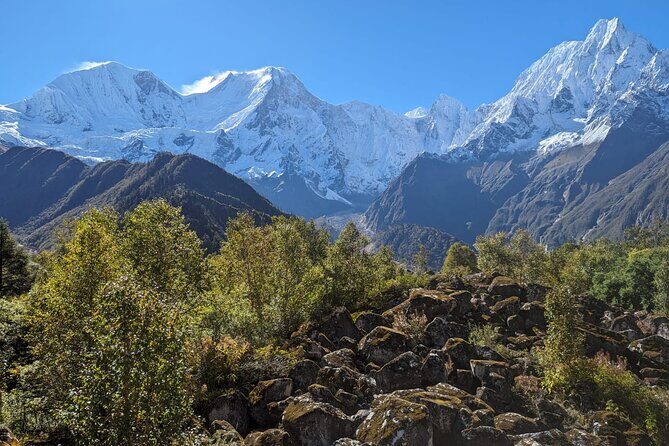
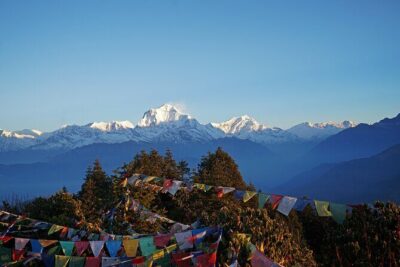
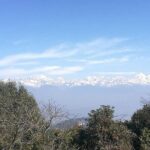
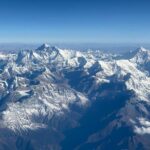
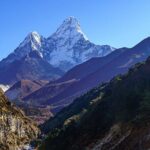
If you’re after Nepal that feels less like a conveyor belt, Manaslu is a smart pick. The trek area is known for being less crowded, and that shows up in how the route feels as you move through villages and up toward the pass. You’re still surrounded by dramatic Himalayan views, but the day-to-day vibe tends to be more human-scale and less commercial.
Another reason people like this trek: it’s a circuit around Manaslu itself, so your hikes gradually change character instead of repeating the same routine. You start in lower river valleys with forests and terraces, then you move into more open, colder zones as the route climbs. That rhythm is a big part of why the trek feels like a journey rather than a single “long day.”
And yes, you get a proper Kathmandu warm-up first. You’ll visit major cultural sites with a guide before your trekking staff and you start the walking days.
You can also read our reviews of more hiking tours in Kathmandu
Price and what $1,900 covers (and what to budget anyway)
At $1,900 per person for about 17 days, this isn’t a cheap trek. But it’s also not just a “route and vibes” price. Based on what’s included, you’re paying for a package that handles many of the items that normally add up on your own.
Here’s what you get for the money, in practical terms:
- Airport pickup and drop in Kathmandu
- Three-star deluxe twin-share lodging in Kathmandu with breakfast (for the pre-trek part)
- Kathmandu sightseeing with a professional city guide and market time
- Trekking permits, national park entry fees, and TIMS card
- Guide and porters plus their expenses and insurance
- Full-board meals during the trek (breakfast, lunch, dinner)
- Teahouse/lodge accommodation during trekking
- A duffel bag and T-shirt, plus a trek medical kit box for the trip
What isn’t covered is also important, because it affects your cash on hand:
- Beverages during the trek and at meals
- Personal expenses (souvenirs, extra snacks, laundry, and similar)
- Tips for guides/porters (tips are accepted in Nepal)
- Travel insurance for you
So how do you decide if it’s good value? If you don’t want to manage permits and logistics yourself, and you want porter support plus full-board meals, this price starts to make sense. If you’re the type who likes to self-arrange everything and cook or buy your own food daily, then you might find it costs more than DIY. For most people, the “less to juggle” part is worth real money.
Before the trekking starts: Kathmandu temples and a real briefing
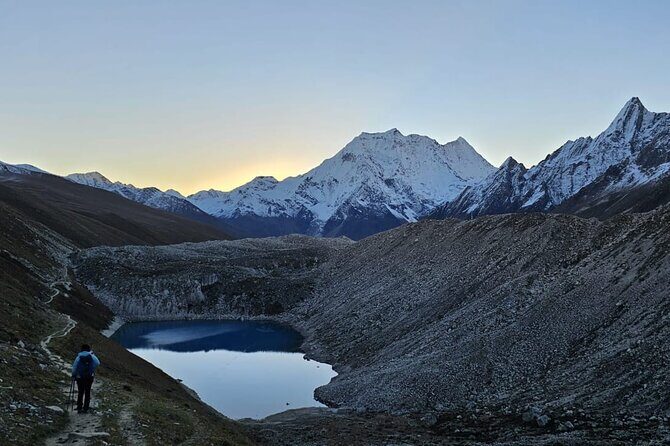
Your trip begins with an arrival day in Kathmandu. After you land at Tribhuvan International Airport, a representative helps you transfer to your hotel. Then you get a welcome dinner with a briefing about the trip—this is where you’ll learn how your trekking days fit together and meet the people involved in your walk.
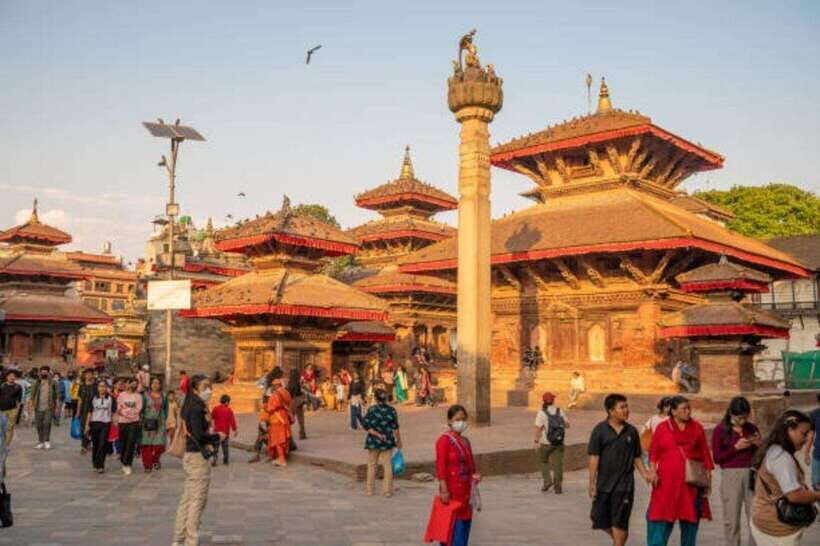
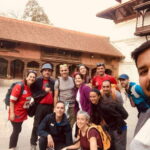
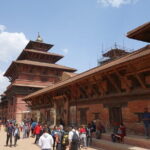
The next day is Kathmandu culture in a structured, guided way. You’ll explore Pashupatinath Temple after breakfast, and you’ll also visit Boudhanath Stupa and Swayambhunath. These stops aren’t just checkboxes. They’re a fast way to get oriented to Nepal’s spiritual landscape—Hindu at Pashupatinath, Buddhist focus at Boudhanath, and that iconic Monkey Temple hilltop complex at Swayambhunath.
One practical bonus: your guide and your trekking staff meet-up happens as part of the schedule. That means you start the trek with faces you recognize, and you’re less likely to feel lost when you transition from city life to trekking routine.
Trek day 3 to day 5: the Budhi Gandaki valley, hot springs, and stone stair climbs
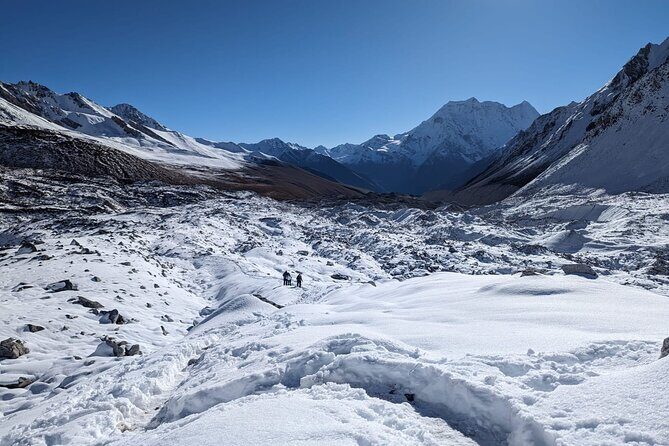
Once trekking begins, you’ll spend several days hiking through river-linked terrain where the trail constantly changes. Day 3 moves from Sal forests and river sounds into more rugged walking with cliff-side sections and waterfalls. You pass through areas like Khursane and reach Labubesi in a Gurung village setting, then continue toward Machha Khola for the night.
Day 4 keeps things varied. You’ll hike through narrow trail sections, cross rivers via suspension bridges, and deal with climbs that include wide, well-crafted staircase segments. You also stop at Tatopani, known in this itinerary for a small hot spring—worth it if your feet feel cooked by the end of the day. The day ends in Jagat, another village base that helps you keep progressing without jumping too far too fast.
Day 5 is about moving upward through changing valley width. You’ll climb toward Salleri, descend to Sirdibas, and then work upstream through places like Philim and Ekle Bhatti. Expect at least one stretch that feels more “gorge hiking” than village stroll: the itinerary notes a steep, uninhabited gorge section. It’s a day where trekking focus helps—keep your pace steady and let the views come when the trail allows.
What I’d watch for here: these early days can feel deceptively busy because the trail is constantly crossing bridges and negotiating ups and downs. You’ll feel better if you walk consistently rather than sprinting the easy sections.
Days 6 to 9: Namrung, the Nupri region, and Samagaun monastery views
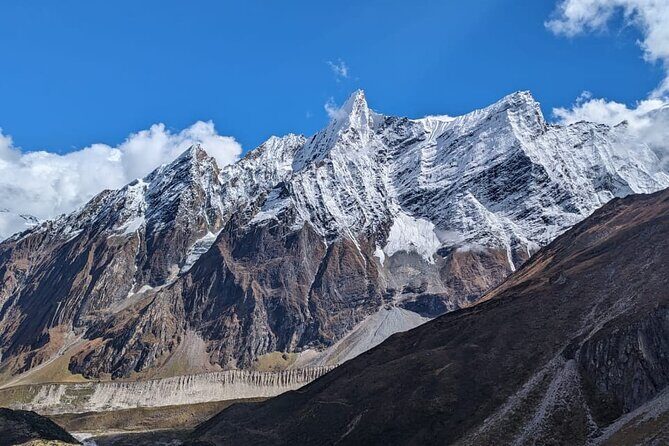
Day 6 introduces a more Buddhist-influenced area. You move through bamboo and rhododendron zones, then shift into the Nupri region. The route includes transitions from forested walking into more open valleys, and it ends with an overnight at Gamp (near the Ghap/Gamp area as described).
By Day 7, you’re heading toward Namrung and then on to Manaslu Base Camp area camping. The itinerary frames this as a trek day that builds through changing vegetation—bamboo and rhododendron forests—and then reaches the higher base-camp zone.
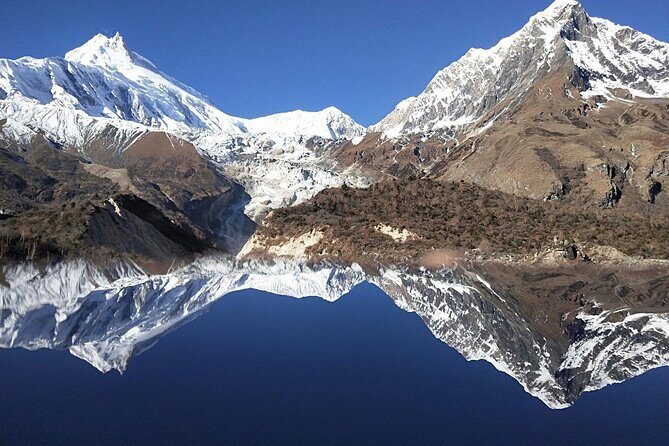
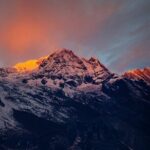
Day 8 brings Samagaun, and this is one of those days where the trek starts rewarding you with big-picture views. You’ll follow the river with views of Peak 29, then arrive at Samagaon with views of Manaslu itself. That is a huge moment in the trek because your walking shifts from “passing scenery” to “the mountain is now the main event.”
Day 9 stays in Samagaun for additional exploration. You’ll visit the monastery and village with strong views. This is also a good day for pacing—take breaks, hydrate, and don’t rush. On a high trekking route, spending time in a village at the right altitude helps your body adjust.

Day 10 to Day 11: Samdo approach and the ascent to Larkya Bhanjyang
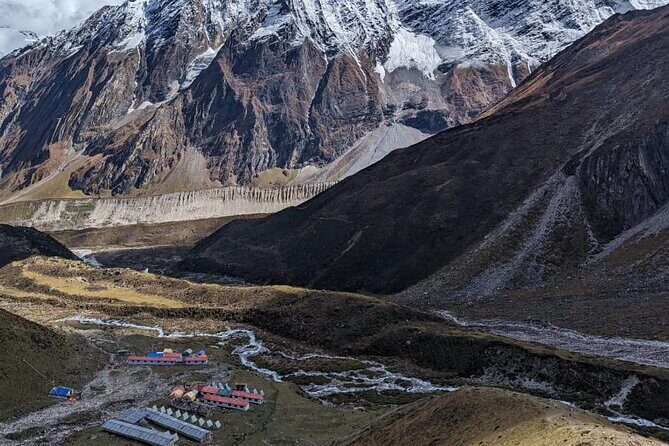
As you move into Days 10 and 11, the trek becomes more about the final push toward the high pass area. Day 10 follows the Budi Gandaki route toward Samdo. This portion tends to feel more exposed as you go, and it’s often where you notice how weather changes faster in the higher zones.
Day 11 starts the ascent toward Larkya Bhanjyang. The itinerary describes climbing through tundra and juniper, which tells you you’re entering a different climate and walking texture than earlier forest days. This is also the day where a steady rhythm helps most. If you try to “win” the climb, you’ll likely pay for it later.
Keep this in mind: even if the route seems straightforward on paper, long climbs on cold air can slow your breathing. Go slow, follow the guide’s pacing, and treat the climb like a marathon section rather than a sprint.
Day 12 to Day 13: the panoramic summit moment and the descent to Tilje
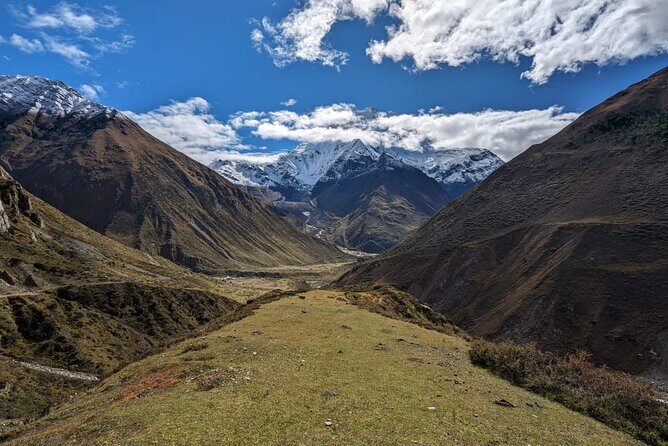
Day 12 is described as reaching the summit with panoramic views, followed by a descent to Bimthang. Even without exact elevation numbers in the plan, you should plan for the pass area to feel like the emotional peak of the trek: the views tend to widen, and the effort feels concentrated.
Then Day 13 shifts focus to a viewpoint of Bhimtang Lake, followed by descent through forests toward Tilje. This is a smart sequence. After the hardest push, you get a calmer day structure, with time to absorb what you climbed for, then settle back into a more wooded walking rhythm.
A practical point for this phase: descents can be tough on knees and shins. If your route uses stone and uneven ground, take short, controlled steps and don’t ignore foot care. Your boots are now part of your survival gear, not just equipment.
Day 14 to Day 15: Chamje hiking and the drive back to Kathmandu
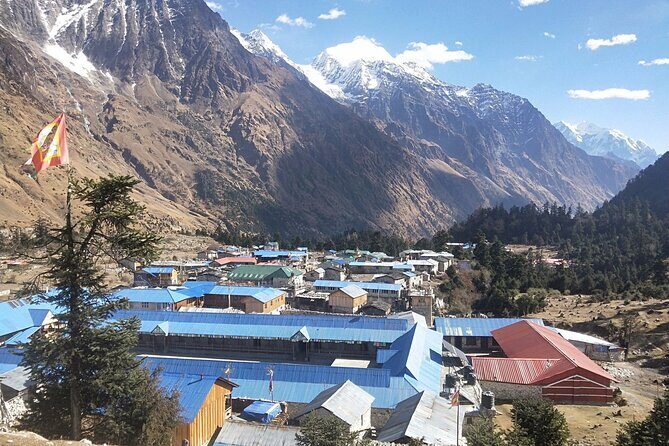
Day 14 brings you to Chamje. The itinerary describes walking through scrub forests to reach Chamje, and then you overnight there. This stage often feels like a “closing act” day—still physical, but emotionally easier because you can sense you’re nearing the end.
Day 15 is the return to Kathmandu by drive through the countryside. After days of hiking, the car ride is a relief for your body. It’s also a chance to eat a normal meal, shower, and reset your mind after the pass effort.
Those last two days in Kathmandu—rest and leisure—matter more than people think. Day 16 gives you a full day to relax or explore Thamel, and Day 17 leaves room for last-minute shopping or other activities before airport transfer.
Comfort on the trail: teahouses, full-board meals, and porter help that actually matters
This trek uses teahouses or mountain lodges during trekking, described as comfortable, neat, and clean. That’s not luxury, but it is a big upgrade over purely camping routes. You’ll also get consistent full-board meals during the trek—breakfast, lunch, and dinner—so you don’t have to hunt for food options daily.
Your porter arrangement is one of the most practical inclusions. You’ll travel with an experienced guide and porters, with the ratio listed as 1 porter for 2 people. Porters also have their expenses and insurance handled, which signals the trek operator has thought about safety and responsibility.
Also included: a medical kit box for the trip. You still need to manage minor issues yourself—water, blisters, and pacing—but it’s reassuring to know there’s basic medical support on hand.
One gear-related note: equipment like trekking boots and jackets is mentioned for porters as required. You should not assume your personal gear is provided. Bring your own trekking boots and warm layers based on your comfort and what you already own.
Pacing tips for this specific route (so you don’t sabotage your pass day)
This itinerary is built around progression: river valleys, village days, then the high pass push. The smart way to handle it is to treat each walking day as preparation for the next one, not as a standalone adventure.
On days with repeated river crossings and stairs (especially the earlier stretch), keep your stride shorter than your ego wants. Save energy for the Larkya Bhanjyang climb, since that’s where tired legs can turn a workable day into a long ordeal.
Also, use the built-in “in-between” time well. Samagaun has an extra day for monastery and village exploration, and that isn’t wasted time. It helps you slow down before moving toward the higher, more exposed sections.
Finally: hydrate and eat like you expect to work tomorrow. With full-board meals included, you’ll have fewer choices to make, but you still need to show up hungry. Cold air can hide thirst, so drink even when you don’t feel like it.
Who should choose this Manaslu Circuit package
This trek fits best if you want:
- A challenging circuit trek with a remote-feeling route
- Cultural stops in Kathmandu before your hiking days
- Organization you can rely on: permits, guides, porters, and meals handled
- A trek length around 17 days with time to settle into high-country walking
It’s also a good match if you have at least moderate physical fitness. The itinerary involves multiple full hiking days with climbs, stairs, gorge sections, and a high pass ascent.
If you’re the type who hates cold weather or struggles with long days on rough trails, you might find this too demanding. The route is not framed as an easy trek, and the high pass segment is real work.
Should you book Manaslu Circuit Trek with World Himalaya Treks & Expeditions?
If you’re leaning toward this trek, I’d book it when you want a well-managed, permit-covered Manaslu Circuit with full-board meals and porter support. The price makes more sense when you compare what it would cost to arrange permits, guide time, porter logistics, and consistent food yourself.
I’d think twice if you plan to travel light and prefer total self-direction, because this package runs on structured days and included services. Also, commit to preparation: good boots, warm layers, and a calm pace are non-negotiable on a pass trek.
FAQ
FAQ
How long is the Manaslu Circuit Trek on this package?
The duration is listed as 17 days (approx.).
Where does the experience start and end?
It starts at the World Himalaya Treks & Expeditions meeting point in Kathmandu and ends back at the same meeting point.
Does the price include trekking permits and TIMS?
Yes. The package includes all necessary trekking permits, national park entry fees, and the TIMS card.
What’s included for trekking meals and lodging?
During the trek, breakfast, lunch, and dinner are included, along with comfortable, neat and clean teahouse or mountain lodge accommodation.
Will I have a guide and porters?
Yes. The package includes an experienced guide and porters, with a porter ratio of 1 porter for 2 people, and porter expenses and insurance are covered.
What is not included in the tour price?
Beverages, personal/natural expenses, tips for guides and porters, and your travel insurance are not included.
What fitness level do I need?
The information provided says you should have a moderate physical fitness level.