REVIEW · KATHMANDU
Poon Hill Trek package
Book on Viator →Operated by Nepal Hiking Adventure Company - Private Day Tours · Bookable on Viator
Sunrise over the Annapurnas starts early. This Poon Hill Trek package strings together easy day hikes, Gurung village culture, and one of Nepal’s most reliable mountain-view moments. You’ll base yourself in Pokhara for a night, then head into the Annapurna region with a guide who keeps the logistics smooth and the pace realistic.
I like two things most: the sunrise mission to Poon Hill (early hike, big payoff) and the way the route touches Gurung settlements like Ghandruk. If you’re traveling with guide Tilak, Bishnu, or Ram, you’ll also notice how often they’re described as responsive, organized, and genuinely helpful on the ground.
One consideration: the trek depends on weather, and the Poon Hill part happens at dawn, so you should be ready for early starts and colder mornings. Also, it’s a group trek (max 8 travelers), so you’ll move with the schedule rather than completely at your own tempo.
In This Review
- Key points before you book
- Why this Poon Hill trek package feels like good value
- Kathmandu to Pokhara: the first day sets your rhythm
- Birethanti and the Ulleri climb: permits plus your first taste of Annapurna
- Rhododendron forest to Ghorepani: the day before Poon Hill
- Poon Hill sunrise plus Ghandruk: two different kinds of wow
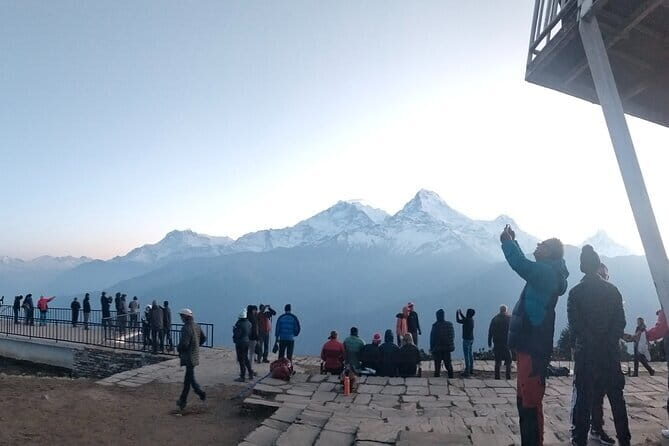
- Sunrise at Poon Hill
- Ghandruk after breakfast
- Ending day: downhill hiking to Syauli Bazzar and back to Birethanti
- Guides make or break short treks (and this one has strong examples)
- Group size and pace: small enough to ask questions
- What’s included, what’s not, and how to budget like a local
- Included
- Not included
- Difficulty level: why this is doable with normal fitness
- What to pack and how to make the mornings easier
- Price and logistics: is $405 a fair deal?
- Should you book this Poon Hill Trek package?
- FAQ
- Where is the meeting point and where does the tour end?
- How long is the trek and when do most hikers start?
- What is the maximum group size?
- How do you travel between Kathmandu and Pokhara?
- Are meals and accommodations included?
- Do you hike to Poon Hill for sunrise?
- Are trekking permits part of the package?
- What happens if the weather is bad or the minimum number of travelers isn’t met?
Key points before you book
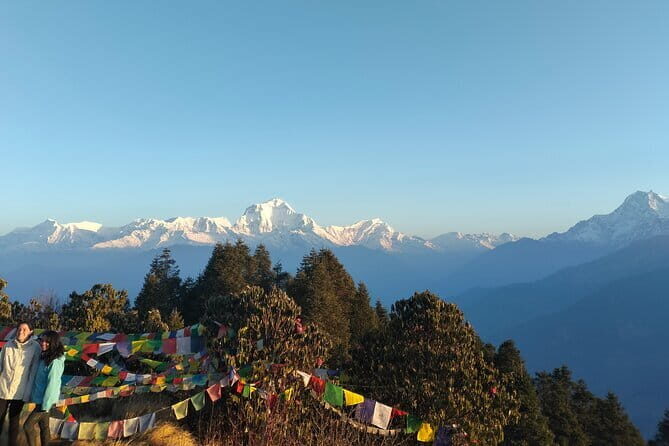
- Poon Hill at sunrise: early morning hike designed around peak visibility.
- Real village days: stops like Ulleri, Ghorepani, and Ghandruk bring local culture into the trek.
- Easy-to-moderate hiking for normal fitness: the package is built for accessible walking rather than technical climbing.
- Full logistics handled: transport Kathmandu to Pokhara plus included guides and accommodations.
- Support that shows up in small ways: guides named Tilak, Bishnu, and Ram are praised for being attentive and informative.
- Small group size (max 8): less chaos, more time for questions on the trail.
Why this Poon Hill trek package feels like good value
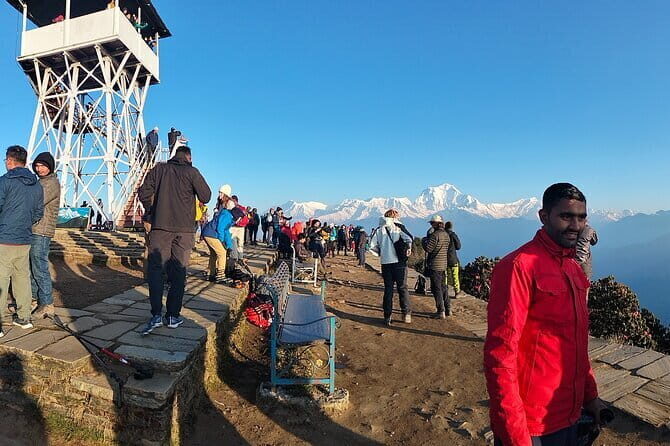
At $405 for a short Nepal trek, what you’re really buying is time saved. You’re getting transport, permits handled through the included fees, a trekking guide, and meals plus accommodations across the trekking days and your Pokhara night. That adds up fast if you try to assemble everything yourself.
I also like that the route is built for the classic Poon Hill payoff without turning into a huge expedition. Expect a steady series of climbs and descents through rhododendron forests, terraced fields, and village trails, with the main payoff at Poon Hill.
And yes, you can still have fun. Short treks in Nepal can feel like a series of “up, pause, photo, down.” This one keeps those moments frequent—especially once you’re moving toward sunrise viewing.
You can also read our reviews of more hiking tours in Kathmandu
Kathmandu to Pokhara: the first day sets your rhythm
Day 1 is all about transition. You meet near Thamel at the Nepal Hiking Adventure Company office, then head to the bus park and ride to Pokhara. The drive takes about 6–8 hours, so plan to treat this as travel day, not sightseeing day.
Why that matters: Pokhara is where you catch your breath before you start hiking. You’ll sleep in Pokhara for one night on a bed-and-breakfast plan, which is a good setup when the next morning involves trekking gear and early movement.
Practical note: the package includes that Pokhara night, so you’re not scrambling for lodging after a long drive. If you’ve ever arrived in a new city hungry, tired, and confused, you’ll appreciate that the plan starts with structure.
Birethanti and the Ulleri climb: permits plus your first taste of Annapurna
On Day 2, you head from Pokhara to Birethanti and check in at the Annapurna conservation area checkpoint. The included fees and taxes cover the basics here, and you’ll trek on with your guide after permit formalities.
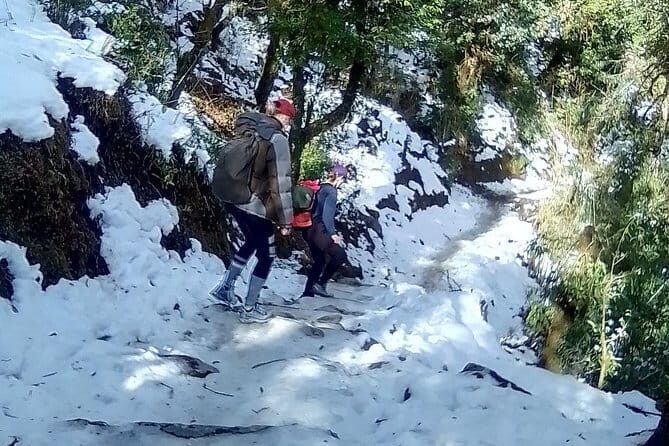
Then comes the real start: the walk toward Ulleri, via Hile. You’ll spend hours climbing and moving uphill, with a short lunch break at Hile before continuing.
What makes this section worthwhile is that it introduces the trek’s style. You’re not just walking through scenery; you’re walking through a working region—small settlements, tea-house stops, and trail life. It’s also a good “warm-up” day. Even if you’re not an athlete, it’s a trek you can usually do with normal fitness if you take breaks and keep your effort steady.
Possible drawback: this is not a flat stroll. If you hate uphill on tired legs, you’ll want to pace yourself early rather than trying to win the climb.
Rhododendron forest to Ghorepani: the day before Poon Hill
Day 3 focuses on the approach. You start after breakfast and hike to Ghorepani through rhododendron forest. This is one of those trekking days where you can feel the environment shift—more forest cover, more quiet trail moments, and a slower build toward the main viewpoint.
When I’m advising someone about Poon Hill, I tell them the success of sunrise starts the day before. Ghorepani gives you a practical place to rest and sleep so you don’t have to rush from farther away at dawn. It also sets up the rhythm: climb, pause, breathe, and repeat.
The package gives you time for this day to be a trek, not a sprint. That matters because your body handles sunrise better when you’ve already spent a day “in trek mode.”
Poon Hill sunrise plus Ghandruk: two different kinds of wow
This is the core of the itinerary.

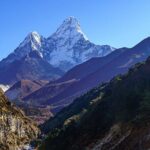
Sunrise at Poon Hill
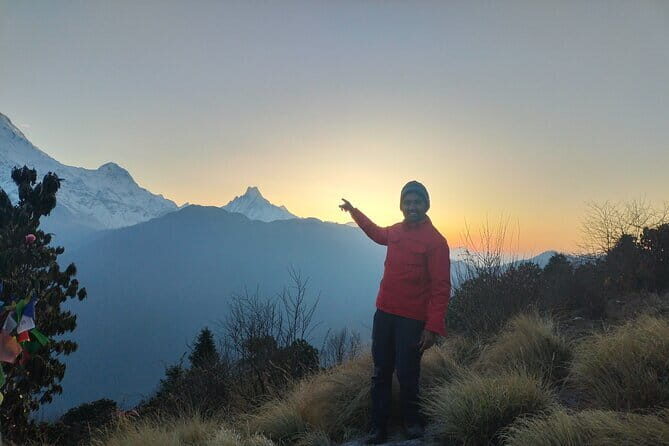
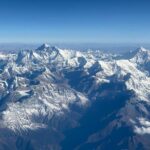
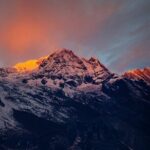
On Day 4 you hike to Poon Hill early for sunrise. You’ll spend time at Poon Hill to explore the mountain views, then return to your accommodation for breakfast.
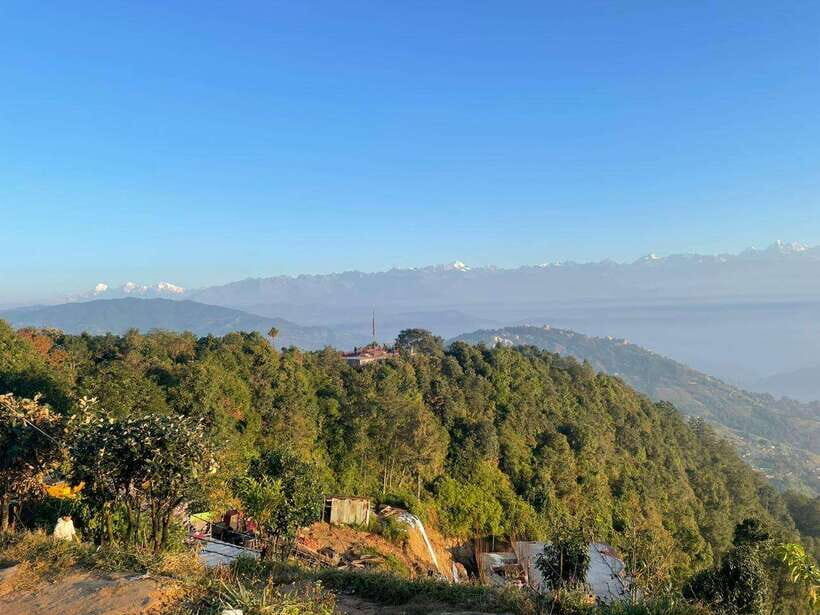
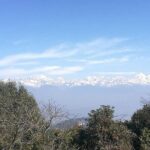
The big reason this works as a short trek: you get the Annapurna and Dhaulagiri mountain ranges panorama without committing to weeks of hiking. Sunrise is a common theme here for a reason—daybreak lighting can make ridgelines look crisp and dramatic, and the sky can change fast enough to keep you watching.
If you’re picky about comfort, keep this in mind: sunrise hikes mean colder mornings and minimal time for lingering. Bring warm layers and be ready to move.
Ghandruk after breakfast
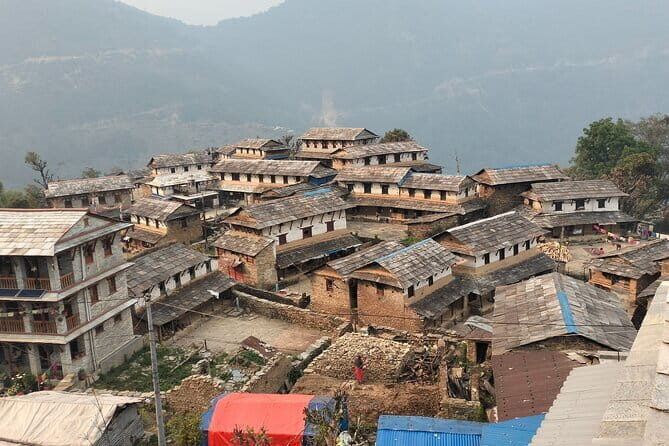
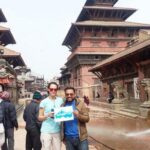
After the Poon Hill morning, the pace shifts. You walk toward Ghandruk, with a lunch break along the way. Ghandruk is a Gurung village area, and that cultural element is the counterweight to all the mountain photography.
What I like about finishing with a village: it turns the day into more than a viewpoint run. You get a feel for how people live in these regions, and the trail connects you to everyday life rather than treating the mountains like a distant postcard.
Ending day: downhill hiking to Syauli Bazzar and back to Birethanti
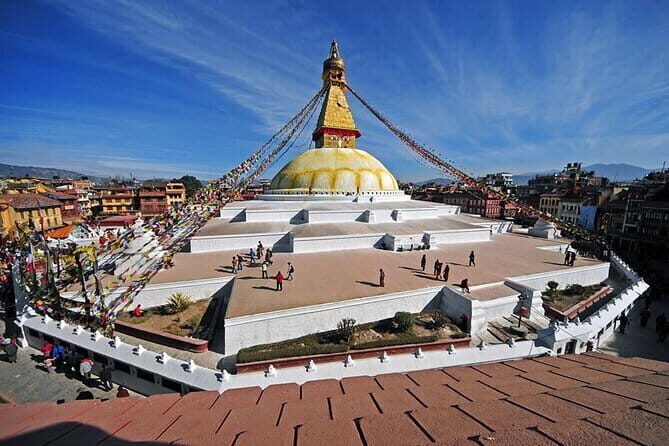
Day 5 brings the return loop. You start from Ghandruk and walk downhill toward Syauli Bazzar, then continue via an easier path until Birethanti. At the end point, you’ll check out your permit process and then drive back to Pokhara.
Why the downhill day is worth paying attention to: downhill can be harder on your knees than uphill is on your heart. This trek keeps the ending on “easy path” style walking, but you’ll still want good shoes and trekking-pole support if you use them.
Once back in Pokhara, your hiking portion is done. That’s useful if your next plan is another sightseeing day or returning to Kathmandu.
Guides make or break short treks (and this one has strong examples)
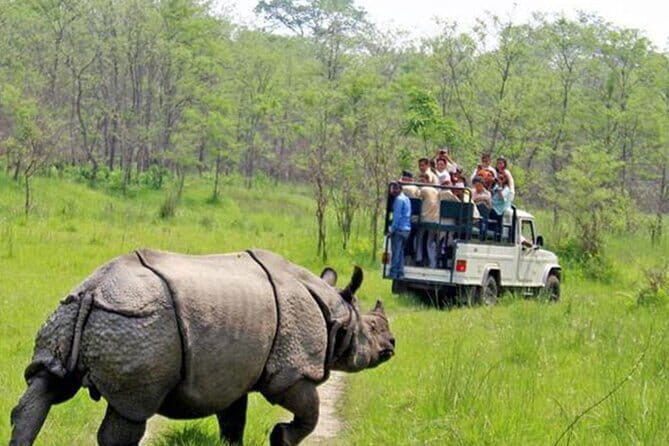
For short treks, the guide is not just logistics. They influence pace, comfort, and how much you understand what you’re seeing.
The names that show up in strong feedback here are Tilak, Bishnu, and Ram. The common thread across the stories: guides respond fast before the trip, show up prepared, and keep helping during the hike rather than treating it like a one-way service job. People also mention feeling safe and well cared for, which matters a lot when you’re hiking early in the day and moving as a group.
Even if you don’t need constant guidance, you’ll likely enjoy the added context—mountain explanations, village pointers, and practical trail advice. On Poon Hill, where you’re watching for changing light, that kind of direction can help you get more out of the limited time.
Group size and pace: small enough to ask questions
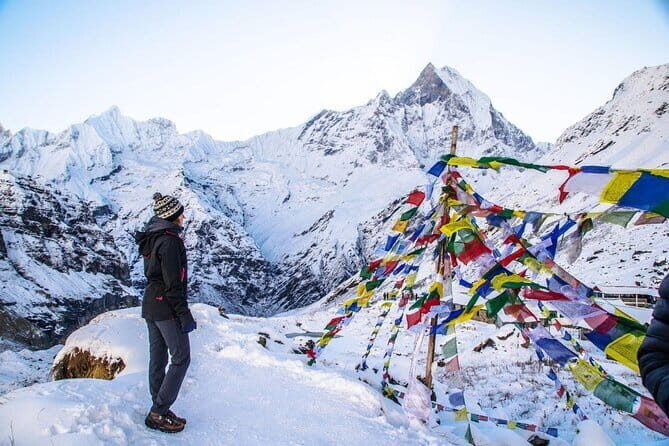
This package caps at 8 travelers, so you’re not stuck in a big herd. That means:
- You’re more likely to get quick answers while moving.
- The guide can keep track of people who are slower or taking extra breaks.
- You can still enjoy the trail without constantly playing catch-up.
The tradeoff: it’s still a group schedule. If you want total freedom to linger for photos for ten extra minutes every stop, you might feel mildly constrained. For most people, though, that’s a fair exchange for smoother logistics and an easier planning burden.
What’s included, what’s not, and how to budget like a local
Here’s the practical breakdown from the package details.
Included
- Transportation to and from the trek start/end points
- Tourist bus ticket from Kathmandu to Pokhara
- Trekking guide
- Accommodations during the trek for 3 nights
- 1 night in Pokhara (bed-and-breakfast)
- Meals: Breakfast (4), Lunch (4), Dinner (3)
- All fees and taxes
- Mobile ticket
Not included
- Drinks and beverages during the trek
- Personal expenses
- Tips for guide/potters (expected)
Budget tip: plan for bottled water, hot drinks, and any extra snacks. Tea-house days are part of the trek experience, and your spending will likely happen there.
Difficulty level: why this is doable with normal fitness
The trek is described as having an easy difficulty level and being accessible to people with normal fitness. In practice, you should expect walking days with uphill and downhill, some early starts, and a steady “move at walking speed” approach.
You’ll likely feel the effort on:
- the climb from Birethanti toward Ulleri
- the pre-dawn push to Poon Hill
- any downhill leg segments on Day 5
So if you can handle regular uphill walking and you’re willing to take breaks, this is usually a good first Himalaya-style trek. If you’re coming from sea level and you hate early mornings, plan your sleep schedule carefully the night before the sunrise day.
What to pack and how to make the mornings easier
The data doesn’t list gear, but I can still help you prep based on what the plan demands: early starts and cool mountain air.
Bring:
- Warm layers for dawn (not just a light jacket)
- Comfortable hiking shoes with solid grip
- A daypack for water and snacks
- A headlamp or small flashlight for pre-sunrise movement
- Any trekking poles you prefer for downhill comfort
If you tend to run cold, treat sunrise morning like a real cold-weather outing. That one decision makes the hike feel shorter.
Price and logistics: is $405 a fair deal?
For $405, you’re getting a structured mini-trek with a guide, multiple meals, accommodations, and major transport segments. The value isn’t just the hike—it’s the fact that you don’t need to coordinate buses, lodging each night, and trekking-day meals.
Where cost fairness shows up:
- You don’t pay separately for the core travel to Pokhara and back.
- You don’t shoulder planning for the permit checkpoint steps; those are wrapped into included fees and the guide’s job.
- Meals and lodging reduce daily decision fatigue.
If you’re a solo traveler or you hate planning, this package style often feels like a relief. If you already know how to self-organize transport and you’re comfortable booking tea-house stays, you could possibly do it cheaper. But most people don’t want that added hassle when they’re chasing sunrise views.
Should you book this Poon Hill Trek package?
I’d book it if you want the Poon Hill sunrise and classic Annapurna views in a short format, plus the chance to walk through Gurung village areas like Ghandruk. The included guide support, meals, and Pokhara stay make it a low-stress way to handle logistics.
Skip it or ask more questions first if you strongly dislike early mornings, or if you’re traveling in a tight weather window and can’t be flexible. Since the experience requires good weather, your best results come when you can accept that the mountains sometimes set the timetable.
If you book, do one simple thing: pack for cold dawn, and take your time on the first climbing days. You’ll arrive at Poon Hill ready to enjoy the view instead of just surviving the start.
FAQ
Where is the meeting point and where does the tour end?
You meet near Thamel at the Nepal Hiking Adventure Company office in Kathmandu. The trek ends at Pokhara Lakeside.
How long is the trek and when do most hikers start?
The duration is about 5 days. The plan includes a Kathmandu to Pokhara travel day, then several trekking days, with an early morning hike to Poon Hill for sunrise on Day 4.
What is the maximum group size?
The tour has a maximum of 8 travelers.
How do you travel between Kathmandu and Pokhara?
You take a tourist bus from Kathmandu to Pokhara, with the drive taking about 6–8 hours.
Are meals and accommodations included?
Yes. You get 3 nights of accommodations during the trek, 1 night in Pokhara on a bed-and-breakfast plan, plus breakfast (4), lunch (4), and dinner (3).
Do you hike to Poon Hill for sunrise?
Yes. On the early morning of Day 4, you hike to Poon Hill for sunrise and spend time exploring the views before returning.
Are trekking permits part of the package?
The itinerary includes permit check steps at the conservation area checkpoint in Birethanti, and all fees and taxes are listed as included.
What happens if the weather is bad or the minimum number of travelers isn’t met?
The experience requires good weather. If it’s canceled due to poor weather, you’ll be offered a different date or a full refund. If the minimum number of travelers isn’t met, you’ll also be offered a different experience/date or a full refund.