REVIEW · KATHMANDU
Private 8 – Day Langtang Trekking
Book on Viator →Operated by Nepal Alternative Treks & Expeditions Pvt. Ltd. · Bookable on Viator
Langtang feels close to Kathmandu, but not easy. I like how this is a private, fully supported trek with a guide and porters doing the heavy lifting, plus daily oxygen saturation checks to keep you safer as you gain altitude. The price also bundles the core costs that usually add up fast, but the main drawback is simple: you need decent weather, and the trek includes both longer walking days and a couple of tougher stretches.
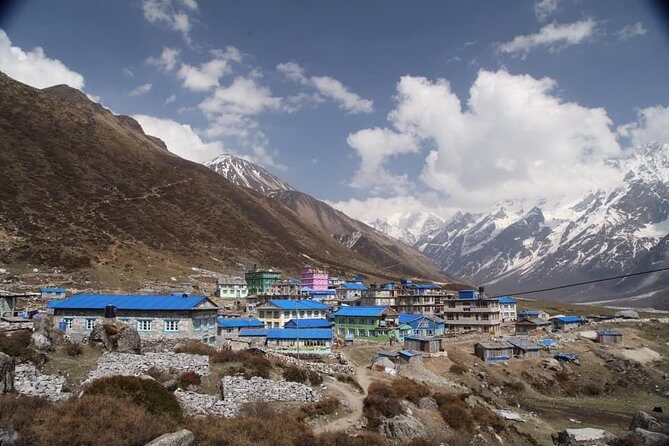
I also appreciate the mix of scenery and people. You walk through subtropical forest, bamboo, and rhododendron, then shift into Tamang and older Tibetan-influenced village life, with prayer flags and stone-walled homes along the way. The team behind the trek has a strong track record with guides and porters such as Dhan, Amar, Tek, Ritika, Kumar, and Laxman, plus hardworking porters like Ajay, Sanjay, and Ram, and that shows in how smooth the experience feels when the route gets real.
In This Review
- Key things that make this Langtang trek worth your time
- Langtang Trekking: what you’re really buying with this 8 days
- Price and what’s actually included (and what you should budget)
- Day 1: the 7:15am start and the drive to Syafrubensi
- From subtropical forest to Lama Hotel and Bamboo
- Day 3: steeper going to Langtang Village
- Day 4: toward Kyanjin Gompa with prayer flags and stone walls
- Day 5: Kyanjin village, the Gompa, and the optional hike to Kyanjin Ri
- Day 6: retracing back toward Lama Hotel through rhododendron
- Day 7: down to Syafrubensi and the last long descent day
- Day 8: return to Kathmandu by bus and the terraced-field view
- The guide and porter setup: where the private part really matters
- What kind of trekker should choose this?
- Should you book Private 8 – Day Langtang Trekking?
- FAQ
- How long is the Langtang trek?
- Where does the trek start and what time?
- Is this trek private?
- What’s included in the price?
- What does the trek include for meals?
- What is not included?
Key things that make this Langtang trek worth your time
- Private group, private pace: only your group participates, so you are not stuck with random hiking speeds.
- Oxygen saturation checks every day: a practical safety touch for altitude.
- Permits and Langtang National Park fees included: TIMS and park entry are covered in the package.
- Food and lodging during the trek are handled: lodge stays plus meals reduce decision fatigue on the trail.
- Kyanjin Gompa as the finish point: you end in the oldest monastery area in the valley.
- Optional hike to Kyanjin Ri (4,884m): a real viewpoint payoff day, if weather and energy cooperate.
Langtang Trekking: what you’re really buying with this 8 days
This trek is built for people who want the classic Langtang Valley experience without turning the trip into a logistics project. The focus is on walking from the Kathmandu region into Langtang National Park, reaching Kyanjin Gompa, and having at least one day where you can push up toward Kyanjin Ri for panorama views.
The big value is that your trip is tightly packaged. You get the overland transport, lodge accommodation on the trekking days, and the paperwork side (TIMS and the national park fee) that often trips up independent planning. You also get practical safety and trail support: oxygen saturation checks each day, an emergency rescue evacuation assistance option, and daily running of the trek by a government-authorized guide plus porters.
And because it’s private, the “feel” matters. Instead of constantly adjusting to other people’s pace, you can settle into a rhythm that fits your group. That matters on a route that starts easy-ish and then gets more demanding as you climb toward Langtang and the Kyanjin area.
You can also read our reviews of more private tours in Kathmandu
Price and what’s actually included (and what you should budget)
The listed price is $584.22 per person, which is meaningful to compare against what you’d otherwise pay in Nepal for a supported trek. Here’s why the cost feels more reasonable than it looks:
You do not just pay for walking days. The package includes:
- Guide and porters, with their expenses covered
- Lodge accommodation during the trek
- Meals: 7 breakfasts, 8 lunches, 7 dinners
- Permits: Langtang National Park fee and TIMS
- Support items: a trekking map, an oxygen saturation check every day, a duffle bag, and a completion certificate
- Safety and coverage elements: public liability insurance and assistance for emergency rescue evacuation
What you still need to plan for:
- Hotel and meals in Kathmandu (these are not included)
- Travel insurance (not included)
- Small but real extras like tea/coffee and boiled water, plus alcohol and laundry
- Tips for the guide and porters (not included)
If you want a clean, predictable spend for the days on the trail, this format helps. If you want to fully control every decision and eat entirely independently, you might find the inclusions less useful—but most people booking a supported private trek are trying to reduce effort, not add more.
Day 1: the 7:15am start and the drive to Syafrubensi
Your day starts early, with a 7:15am start at the meeting point in Kathmandu (Nepal Alternative Treks & Expeditions Pvt. Ltd., Raniban Marg area). The program then puts you on an overland ride toward Syafrubensi, and you spend about 6 hours traveling.
This matters more than it sounds. By the time you hit the start point, your day is already halfway into “trek mode.” The advantage is that you’re not wasting vacation days on airport-style transfers. The tradeoff is that you should treat Day 1 like a long travel day, not an easy warm-up.
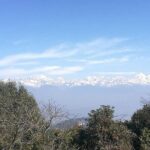
As the drive rolls out of Kathmandu, you get views of hills and green forest. That’s a nice emotional warm-up because the next days shift quickly into wooded trekking and village walking.
From subtropical forest to Lama Hotel and Bamboo
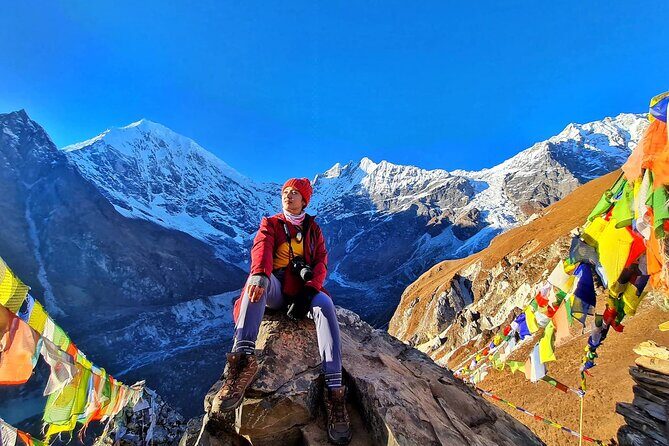
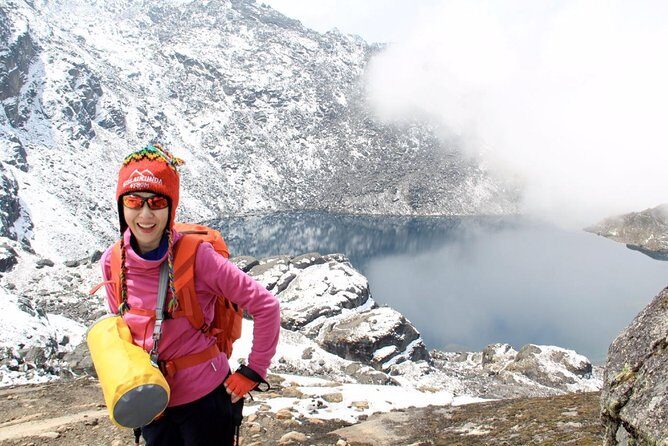
After breakfast, you begin trekking into the Langtang National Park zone. Early on, you’re moving through dense subtropical forest, and the route eventually reaches Bamboo, a familiar stop for trekkers on this region.
This type of walking is one of Langtang’s best features. Forest trails can feel cooler and more sheltered than you’d expect, and they create a steady rhythm: step, breathe, look up at the trees, repeat. If you’ve ever had a trekking route where the first day is all sharp climbs with no variation, this one tends to be more gradual in feel during the early stages.
One small consideration: forest trails can also mean damp ground, especially if weather turns. The package includes oxygen checks and a guide, but it does not change trail conditions. Your comfort will still depend on your footwear and basic trekking habits.
Day 3: steeper going to Langtang Village
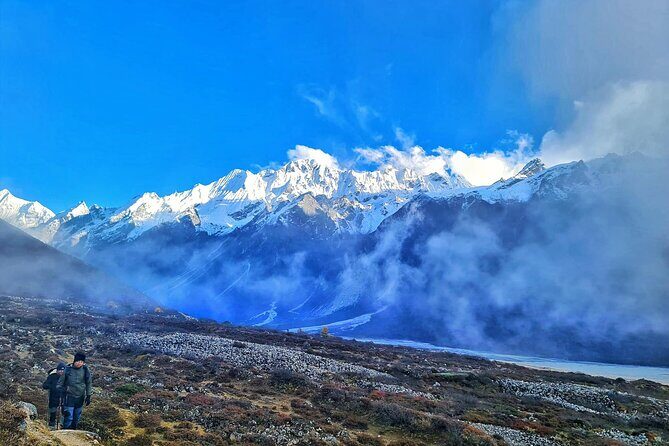
From Lama Hotel, the trek pushes toward Langtang Village. Today starts with a slightly steep segment and gradually becomes tougher. The trail continues through thick forest, then transitions toward the settlement core where life is more visible.
This is the day where many people start to feel the altitude and the effort. Even if you’re fit, that “gradually tougher” description is the kind that gets ignored—until you hit it. Plan for steady pacing, short pauses, and water intake.
The cultural payoff is also growing here. Langtang is not just a scenic corridor. You’re moving through areas tied to Tamang and older Tibetan ethnic settlement traditions, so the village sections start to feel like the heart of the trek, not just a stopover.
You can also read our reviews of more hiking tours in Kathmandu
Day 4: toward Kyanjin Gompa with prayer flags and stone walls
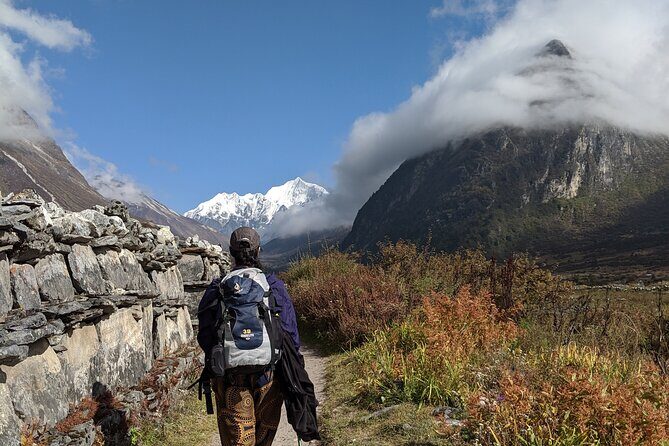
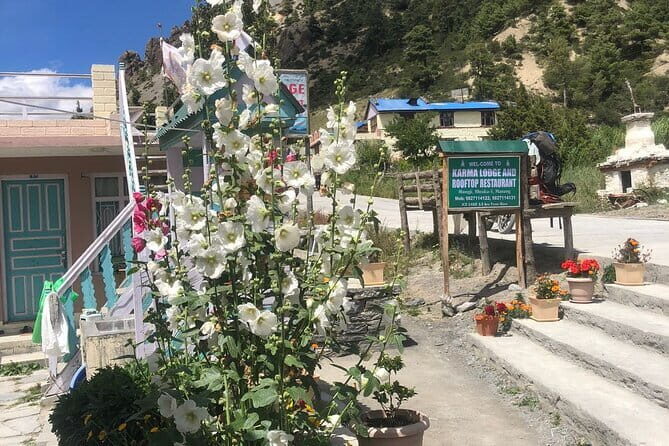
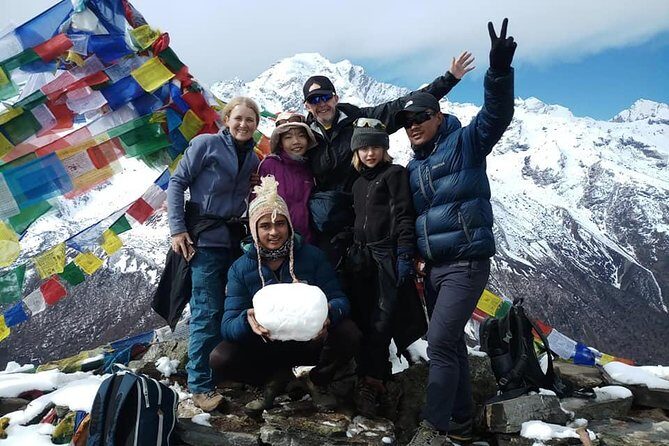
The next big shift is heading toward Kyanjin and the monastery area. After breakfast in Langtang Village, you trek through a smaller village with stone walls and prayer flags as you ascend.
Then you reach Kyanjin Gompa, described as the oldest monastery in the valley. This is one of those places where the setting does half the storytelling. Monastery areas tend to be quiet, and the views help you understand why trekkers make a point of reaching this specific end zone instead of turning around earlier.
The walking time listed for the day is relatively short compared to earlier days, but don’t treat that as a free pass. Shorter trekking hours can still mean a steeper climb, and you’ll likely feel it in your legs.
Day 5: Kyanjin village, the Gompa, and the optional hike to Kyanjin Ri
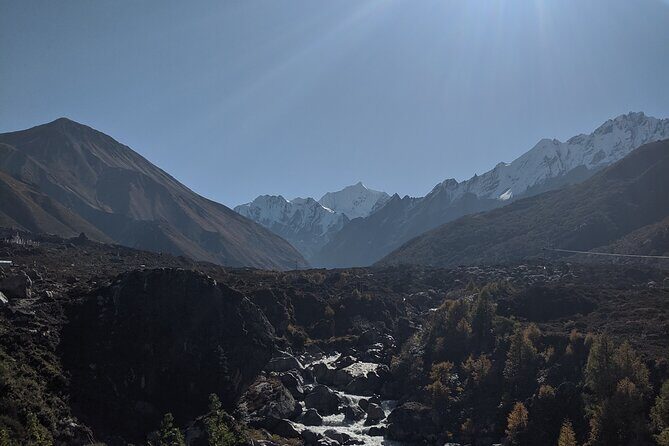
Day 5 is set up as an exploration day. You get time in Kyanjin village and the surrounding Langtang area, including time to visit the Kyanjin Gompa again from a more relaxed perspective.
Then you have an optional hike to Kyanjin Ri (4,884m). This is your “views day” option, assuming the weather cooperates. At that height, you’re not just gaining altitude—you’re also stepping into harsher conditions. If you feel even mildly unwell, the smart move is to scale back and keep the day safe.
What I like about building the optional summit hike into this schedule is that it gives you control. You are not forced into a single high-stakes plan each day. You can choose your effort based on how your breathing and energy are behaving.
Day 6: retracing back toward Lama Hotel through rhododendron
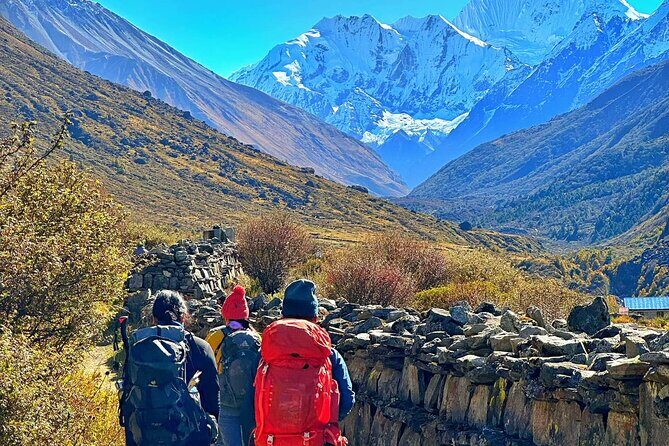
After breakfast, you start the return route and head back toward Lama Hotel. The trail takes you down through rhododendron forests, and the day is described as easier than earlier segments.
Retracing can sound boring, but here it often works better than you expect. The first time through, you’re focused on forward motion. On the way back, you can slow down and actually look at details you missed: the way settlements sit on terraces, small prayer flag groupings, and how the forest changes as light shifts.
Also, easier days are not only about comfort. They help you recover without losing the momentum of a multi-day trek. This day can be the difference between finishing strong versus feeling wrecked on the last day.
Day 7: down to Syafrubensi and the last long descent day
You leave the Langtang region behind and trek back down to Syafrubensi. After breakfast, you start with descent through dense forests and spend around 5 hours on the trail.
A descent day is where technique matters. Going down uses different muscles than going up, and it can stress your knees if you rush. Your guide will set a safe pace, but you’ll still want trekking poles if you use them at home, because they help on steep, uneven sections.
Mentally, Day 7 is also where you start appreciating the route’s structure. The earlier days felt like climbing into the valley. This day feels like closing the loop.
Day 8: return to Kathmandu by bus and the terraced-field view
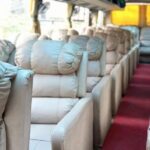
After breakfast, you board the bus and drive back toward Kathmandu. The ride is about 6 hours, and the route includes views of terraced fields and small settlements. The trek ends back at the meeting point in Kathmandu.
The practical angle here is timing. After an 8-day trekking schedule, you want to know where your day ends: not at some remote drop-off, but back where you can access Kathmandu easily. This itinerary keeps that final piece handled.
Also, keep expectations realistic. By Day 8 you are not just traveling—you are transitioning. Eat lightly if you feel off, stretch your legs, and plan an easy evening rather than stacking intense sightseeing on the same day.
The guide and porter setup: where the private part really matters
This is a private trek, so you should expect your guide and porters to shape the experience. The company includes one government-authorized trekking guide and porters, and their expenses are covered.
From the names associated with their team (Dhan, Amar, Tek, Ritika, Kumar, Laxman for guides; Ajay, Sanjay, Ram for porters), a clear pattern emerges: people emphasize professional communication and attentive care. That aligns with what matters most on a trek like this—clear explanations, calm decision-making when weather or trail conditions shift, and genuine support when altitude fatigue shows up.
And the oxygen saturation checks each day are more than a checkbox. On a route with an optional 4,884m hike, having someone tracking how your body is handling altitude can add peace of mind, even if you’re experienced.
What kind of trekker should choose this?
This works best for you if:
- You want a supported trek with permits, park fees, meals, and lodge stays handled
- You prefer private guiding so your group can move at a comfortable pace
- You like cultural stops as much as scenery—prayer flags, village walking, and ending at Kyanjin Gompa are central
- You want the option to hike to Kyanjin Ri if conditions allow
It may be less ideal if:
- You’re chasing a fast, summit-heavy itinerary every day
- You dislike long travel days from Kathmandu at the start and finish
- You don’t want to budget for non-included items like boiled water, tea/coffee, and tips
Should you book Private 8 – Day Langtang Trekking?
If you want Langtang with fewer headaches, I’d say it’s a strong choice. The value is in how much is handled for you: transport to Syafrubensi, lodge accommodation, most meals, TIMS and park fees, daily oxygen checks, and emergency evacuation assistance.
My advice: book it if your group is excited by a valley trek that mixes forest walking with village culture and finishes at Kyanjin Gompa. Book it even more confidently if your priorities include safety support and clean logistics.
The only real “wait and see” factor is weather. Because this is a trekking route that depends on conditions, your best prep is to stay flexible, pack smart, and trust your guide if they adjust the plan for comfort and safety.
FAQ
How long is the Langtang trek?
It’s an 8-day trek (approximately).
Where does the trek start and what time?
The start is at Nepal Alternative Treks & Expeditions Pvt. Ltd. in Kathmandu, and the start time is 7:15am.
Is this trek private?
Yes. It’s a private tour/activity, so only your group participates.
What’s included in the price?
Included are overland transportation, a government authorized trekking guide and porters, lodge accommodation during the trek, a trekking map, daily oxygen saturation check, duffle bag, trekking completion certificate, Langtang National Park fee and necessary permits (TIMS), assistance for emergency rescue evacuation, government tax and service charge, public liability insurance, plus meals (7 breakfasts, 8 lunches, 7 dinners).
What does the trek include for meals?
Meals are included during the trek: 7 breakfasts, 8 lunches, and 7 dinners.
What is not included?
Hotel accommodation and meals in Kathmandu, travel insurance, tea/coffee, boiled water, alcoholic drinks, laundry, phone bill, bar bill, and tips for guide and porters are not included.