REVIEW · KATHMANDU
Rafting in Nepal: Trishuli, Bhotekoshi & Other River Rafting
Book on Viator →Operated by Shepherd Holidays · Bookable on Viator
Two rivers, one big Nepal rafting day. That’s what makes this trip fun: Trishuli gives you class II–III rafting that works for beginners, while Bhote Koshi turns things up with class III–V rapids just a few hours from Kathmandu.
I really like the hotel pickup and drop-off, which keeps the day from turning into a transport puzzle. I also like that you get a proper safety briefing with trained guides before you hit the water.
One thing to think about: transport time can vary a lot, especially if you choose public or tourist buses and road conditions are tough.
In This Review
- Key highlights you’ll feel on day one
- Trishuli vs Bhote Koshi: pick your rapids level
- Getting from Kathmandu to the put-in: buses, time, and comfort
- Trishuli rafting from Charaudi: calm confidence and class II–III fun
- Bhote Koshi rafting to Sukute: when class III–V is the point
- Gear, lunch, and the safety briefing: why the “small stuff” matters
- Group size and timing: what the max 15 changes
- Price and value: what $90 covers (and what it doesn’t)
- Who this rafting day suits best
- Should you book this Kathmandu rafting day?
- FAQ
- How long is the rafting day from Kathmandu?
- What rapids level is Trishuli suitable for?
- How intense are the rapids on Bhote Koshi?
- What’s included in the price?
- What should I bring or plan for?
- What if the weather is poor?
Key highlights you’ll feel on day one
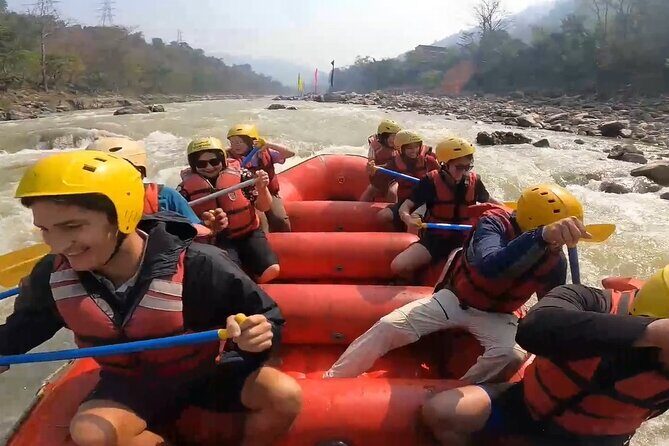
- Trishuli is beginner-friendly with class II–III rapids and a river that runs in many seasons
- Bhote Koshi is the adrenaline option with class III–V rapids through dramatic stretches of water
- Comfort-focused logistics: hotel pickup/drop, plus a typical Nepali lunch included
- You’re capped at small group size (maximum 15 travelers), which usually makes the day feel smoother
- Personal belongings are handled carefully, so you’re not constantly worrying about your stuff
Trishuli vs Bhote Koshi: pick your rapids level
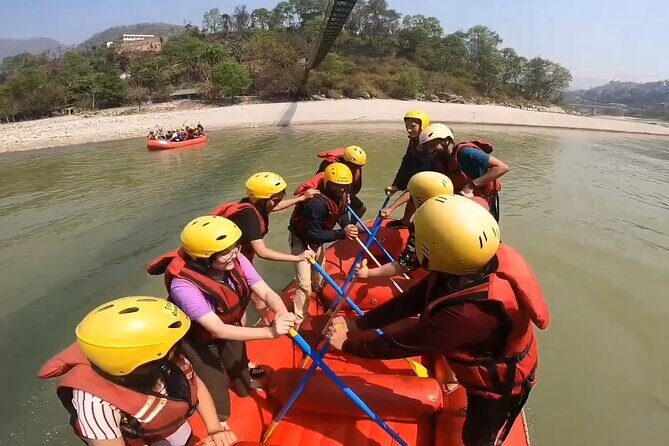
This is a Kathmandu-area rafting day built around two well-known rivers. The key decision is simple: do you want a confident, friendly intro on Trishuli, or do you want more action on Bhote Koshi?
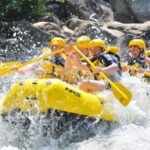
On Trishuli, you’ll be on a relatively warm-water river with rapids rated class II to III. That’s the sweet spot for first-timers who want whitewater thrills without feeling like they’re jumping straight into the deep end. The river is also popular because the flow typically allows rafting in most seasons.
On Bhote Koshi, the experience is more intense. Rapids run class III up through class V, and the ride is described as winding through narrower stretches and passing more dramatic sections of river. If you already have rafting under your belt and you want your day to feel bigger, this is the one to choose.
If you’re booking and you’re unsure, use your instincts like this: Trishuli is for building confidence. Bhote Koshi is for chasing big adrenaline.
You can also read our reviews of more tours and experiences in Kathmandu.
Getting from Kathmandu to the put-in: buses, time, and comfort
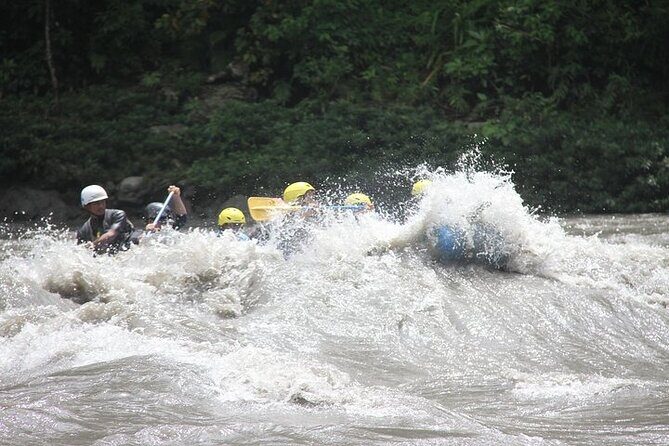
The day starts with pickup from your hotel in Kathmandu and includes return transport from the ending point back to your starting area. Transportation is either private (if you choose it) or a public/tourist bus option.
Here’s the practical part: driving time can swing. Some days it’s roughly a couple of hours each way. On other days, it can feel much longer—especially when public buses are overcrowded or road conditions are rough. One experience described a morning trip taking over five hours before arriving. Another described a trip closer to about two and a half hours.
So, what should you do with that? If you’re sensitive to long rides or you want the most comfortable day, private transport is worth considering. If you don’t mind the ride and you want to save money, public/tourist transport can work—but be mentally prepared for the day to stretch.
Also, this is a day trip with a 6 to 12 hour total window. That range isn’t just marketing. It’s your hint that the schedule depends on the road and on where you’re starting from.
Trishuli rafting from Charaudi: calm confidence and class II–III fun
If you book the Trishuli option, the trip begins with a scenic drive to Charaudi. After you arrive, you’ll get a safety briefing from experienced guides. That briefing matters more than most people expect. It’s where you learn how to sit, brace, and follow instructions once the raft is moving fast.
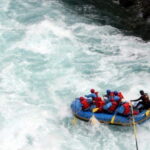
Then you step into the river section with manageable rapids—class II and III—surrounded by Nepal’s hills and valleys. The vibe here is important. This isn’t the type of rafting that feels like constant panic. It’s more like a mix of excitement and control, with enough action to feel real whitewater but not so much that it overwhelms beginners.
One detail that stands out from real-world accounts: the water can look crystal clear, and the scenery around the river is genuinely impressive. If you’re the type who likes seeing what’s around you as much as feeling the splash, Trishuli fits that style.
Typical pace-wise, you should plan for a couple of hours on the water within a longer full-day schedule. One account described getting on the water for around two-plus hours, which is a useful reality check against overly optimistic expectations.
Bhote Koshi rafting to Sukute: when class III–V is the point
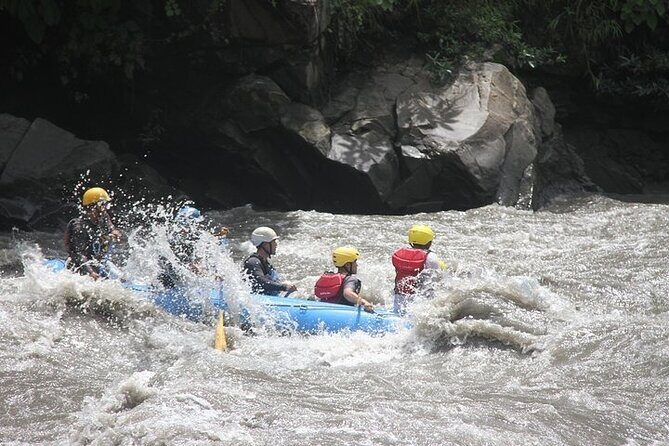
For Bhote Koshi, your drive takes you to Sukute. Once you arrive, it’s another safety briefing with guides, and then you jump into rapids rated class III to V.
This is the difference-maker: Bhote Koshi is described as for adrenaline seekers and more experienced rafters. The rapids are stronger and the river sections feel more intense. The route is also described as moving through narrow-gorge-style terrain, which tends to make the ride feel tighter and faster.
If your goal is bragging rights, Bhote Koshi is the direction. If your goal is confidence and a relaxed intro, Trishuli is the safer bet.
Also, your time on the river will still be a chunk of the day, not the entire day. Expect a full schedule including driving, briefings, and getting back to Kathmandu, which is where the total 6 to 12 hour window comes from.
Gear, lunch, and the safety briefing: why the “small stuff” matters
This trip includes the gear you need and includes a thorough safety briefing before rafting. That’s not a throwaway line. In rafting, the briefing is the difference between you feeling like you’re reacting and you feeling like you’re participating.
Guides being well-trained is also part of the value. Even on class II–III, you still want people who can keep the raft organized and help you get the rhythm right.
Then there’s the break in the middle of the adventure: lunch, described as a typical Nepali meal. Real-day feedback called the lunch lovely. That might sound basic, but a good meal keeps a rafting day from turning into a grumpy slog—especially when you’ve already had a long drive.
One more practical detail: personal belongings are handled with care. So you can usually enjoy the water without worrying that your essentials are going to get tossed around.



Group size and timing: what the max 15 changes
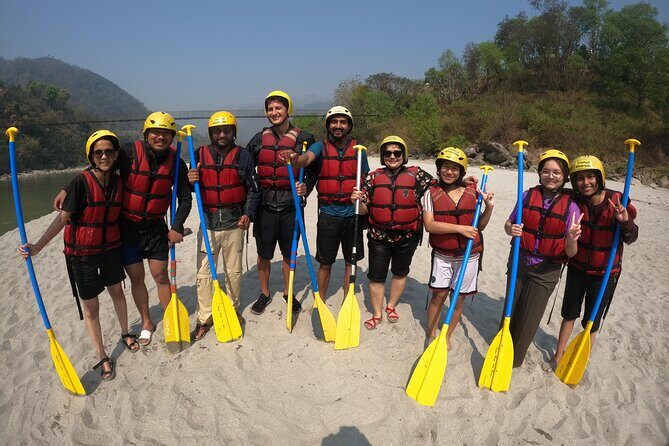
This activity caps at up to 15 travelers. That isn’t a gimmick. Smaller groups often mean less chaos at key moments: getting outfitted, listening to the briefing, and getting on/off the raft.
Timing is still a factor, though. The rafting portion is described as about three hours for each river option, while some real-world timing experiences suggested around two-plus hours on the water. That difference is normal in the real world. River conditions, logistics, and the exact schedule for pickup and return transport can shift how long you’re actively rafting.
Bottom line: treat the day as a full adventure outing, not a quick half-hour thrill. The fun comes from the whole package: drive, briefing, water time, then the ride back.
Price and value: what $90 covers (and what it doesn’t)
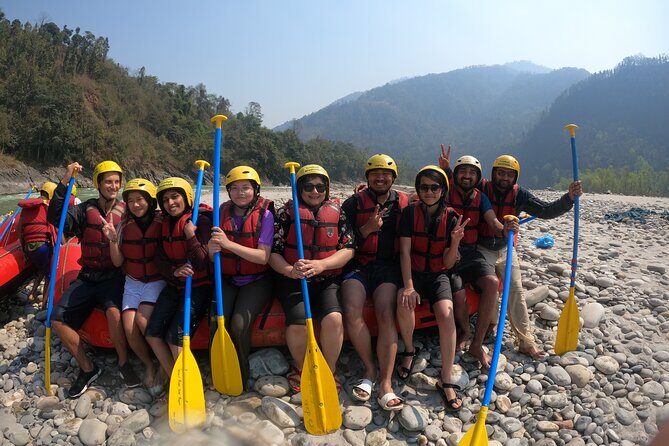
At $90 per person, the price feels reasonable when you look at what’s included. You’re not just paying for rafting on the river. Your ticket includes:
- Hotel pickup and drop-off
- Transportation to the put-in point (private or public/tourist bus)
- Rafting expenses
- Lunch (typical Nepali lunch)
- Return transportation from the ending point back to the starting point
That’s why the cost works better than it looks. In many rafting setups, you still have to figure out separate transport, pay extra for equipment, and deal with food on top. Here, those core costs are folded in.
What’s not included is just as important:
- Travel insurance (you should plan for your own coverage)
- Accommodation
- Any personal expenses like extra food or shopping
If you’re already staying in Kathmandu and you want one organized, all-in day that includes the main logistics, this price can make sense.
Who this rafting day suits best
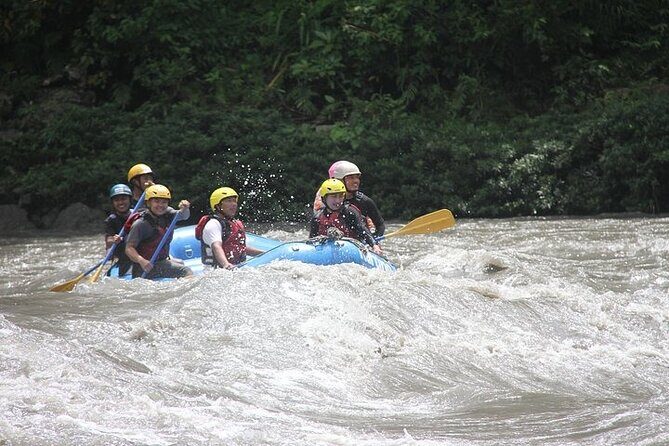
This experience fits travelers with moderate physical fitness. It’s also aimed at people who want adventure without committing to a multi-day trip deep into the Nepali wilderness.
Choose Trishuli if you:
- Want beginner-friendly whitewater (class II–III)
- Like the idea of warm-ish water and a confidence-building day
- Prefer scenery-focused rafting with manageable rapids
Choose Bhote Koshi if you:
- Already have some rafting experience or you’re comfortable with higher intensity
- Want class III–V rapids and a more serious thrill level
And if you hate long bus rides, think carefully about your transport choice. The river may be the highlight, but the road can also decide how you feel by the end of the day.
Should you book this Kathmandu rafting day?
If you want an organized rafting day with a clear focus—Trishuli for easier thrills or Bhote Koshi for harder rapids—this is a solid match. The included hotel pickup, guide-led safety briefing, rafting costs, and lunch are exactly the kind of value that makes a day trip feel “worth it.”
I’d book it if:
- You like the idea of a small group day (max 15)
- You want whitewater close to Kathmandu
- You’re okay with a full day schedule and possible road delays
I’d hesitate if:
- You strongly dislike long, uncomfortable transport, and you’re leaning toward public/tourist buses
- You’re hoping for a totally predictable timing experience regardless of road conditions
FAQ
How long is the rafting day from Kathmandu?
The rafting experience runs about 6 to 12 hours total, depending on the schedule. You’ll be on the river for a few hours, while the rest of the time includes driving, safety briefing, and getting back.
What rapids level is Trishuli suitable for?
Trishuli rafting is described as class II and III rapids, suitable for beginners, with rafting possible in most seasons.
How intense are the rapids on Bhote Koshi?
Bhote Koshi is described as class III to V rapids, designed for adrenaline seekers and experienced rafters.
What’s included in the price?
Pickup and drop-off at your hotel, transportation to and from the rafting area (private or public/tourist bus), rafting expenses, lunch, and return transportation back to your starting point are included.
What should I bring or plan for?
This activity includes the safety briefing and the rafting gear you need, and lunch is provided. You should plan for personal expenses that are not included, and travel insurance is also not included.
What if the weather is poor?
This experience requires good weather. If it’s canceled due to poor weather, you’ll be offered a different date or a full refund. You can also cancel for a full refund up to 24 hours in advance.