REVIEW · KATHMANDU
From Kathmandu: Dhulikhel – Namobuddha Spiritual Guided Hike
Book on GetYourGuide →Operated by Enticing Himalayas Travels Private Limited · Bookable on GetYourGuide
A monastery visit plus real uphill walking. This day hike combines a scenic drive out of Kathmandu Valley with a guided climb to Namobuddha Monastery, then optional monk-led meditation in a calm setting. I like the strong guiding—people mention guides such as Sudhir and Razz bring history and traditions into focus—and I also like the variety of the route, from terraced fields and village paths to hilltop views. The main consideration is physical: you climb about 1,000 steps to reach the monastery, and there’s no elevator.
You’ll start with hotel pickup in Kathmandu (plan to wait in the lobby about 10 minutes early), then ride to Dhulikhel for a warm-up walk before reaching Namobuddha. It’s not a long trip on paper—1 day—but it’s a full, satisfying one: monastery time, photo stops, and a lunch break with views, followed by the descent and the ride back.
In This Review
- Key highlights
- From Kathmandu to Dhulikhel: the day starts with views and an easy pace
- The walk up: what 1,000 steps and the route really mean
- Namobuddha Monastery: culture, stupa views, and time to breathe
- Optional meditation: when it fits best and what to expect
- Lunch with a view: plan for what’s included (and what isn’t)
- Guides and drivers: why the people here change the whole day
- Price and logistics: is $91 per person worth it?
- Who should book this day hike (and who should skip it)
- Should you book the Dhulikhel to Namobuddha guided hike?
- FAQ
- How long is the Dhulikhel to Namobuddha day hike?
- Where do you get picked up in Kathmandu?
- What language will the guide speak?
- Is food included?
- How many steps are involved to reach the monastery?
- Is this tour suitable for wheelchair users or mobility impairments?
- Is meditation included, or is it optional?
- What should I bring, and do I need an ID?
- Is there free cancellation?
Key highlights
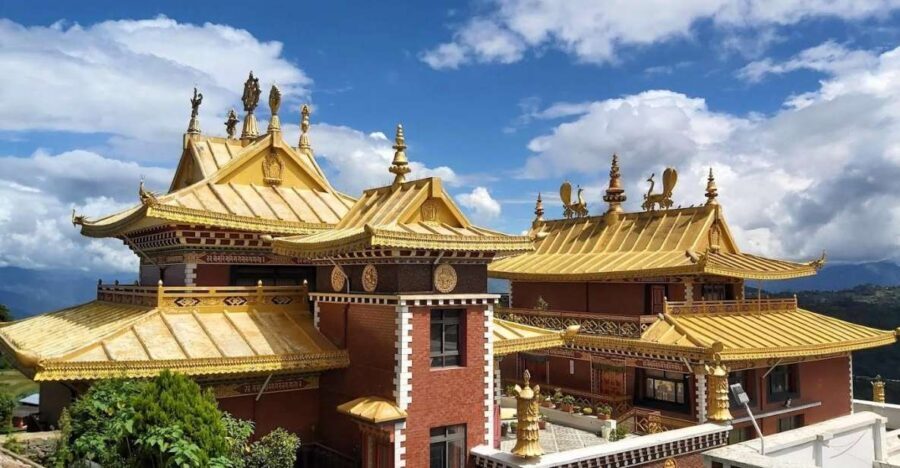
- Namobuddha’s hilltop setting: sacred atmosphere once you reach the monastery area
- Guides that explain what you’re seeing: Sudhir, Razz, and Pranav-style expertise comes up often
- Optional meditation with monks for a quieter, more reflective ending
- A step-focused climb: about 1,000 steps with no elevator access
- Plenty of photo and free time built into the monastery portion
- Good value with transport and a licensed guide included, while food remains your call
From Kathmandu to Dhulikhel: the day starts with views and an easy pace
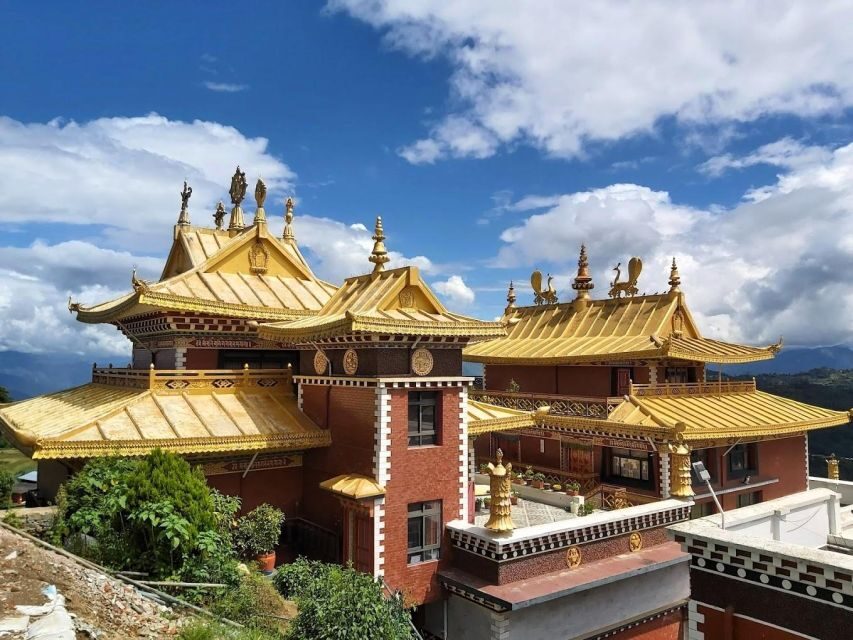
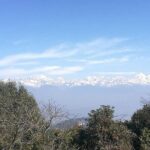
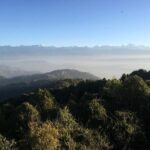
Kathmandu to Dhulikhel begins with a hotel pickup, then a scenic drive out of the city. Dhulikhel is a classic starting point because you get that early sense of open air and wide angles—before you lace up your shoes. The walk from Dhulikhel to Namobuddha’s approach is planned as a manageable segment (about 1.5 hours), which matters if you’re trying to pace yourself for what comes later.
This is also where you’ll feel the benefit of having a licensed guide. A good guide doesn’t just point out places; they help you connect them. You’ll likely hear context about Buddhist culture and what you’re about to experience at Namobuddha, so the monastery visit doesn’t feel random or like a photo stop only.
You can also read our reviews of more guided tours in Kathmandu
The walk up: what 1,000 steps and the route really mean
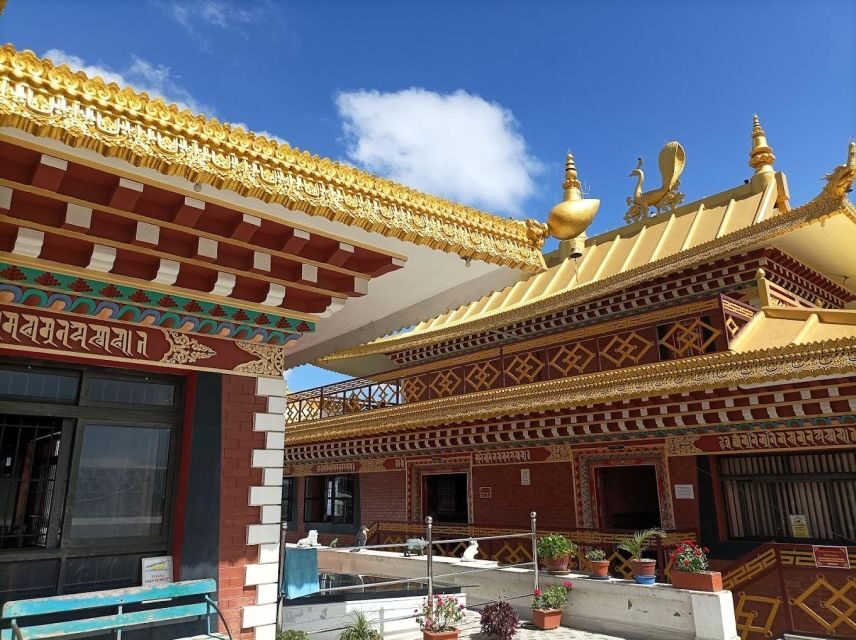
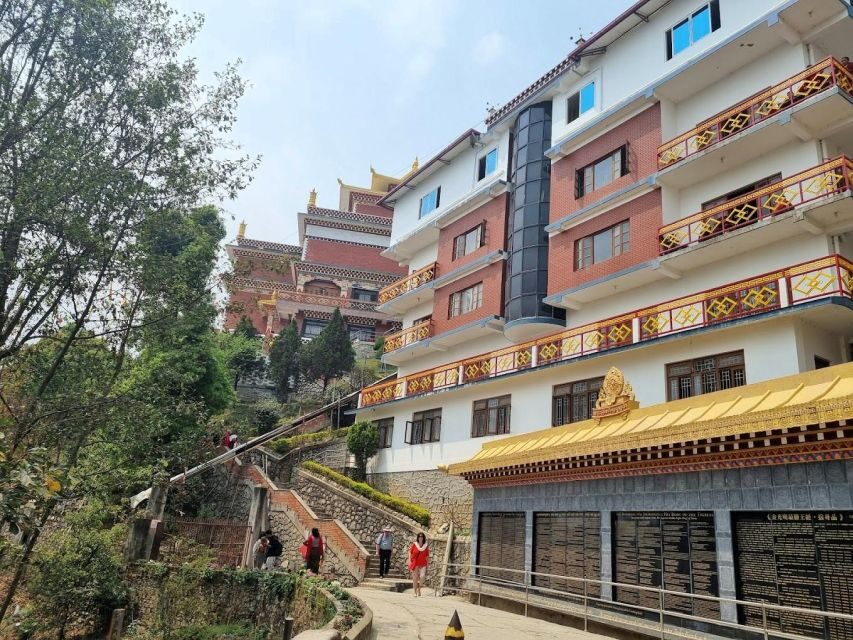
The big physical reality here is the climb. The monastery sits above the hill, and you’ll climb around 1,000 steps to reach the top. There’s no elevator, so you should assume this is a hike-first experience, not a stroll.
Now for the “how hard is it” question. Reviews describe the overall trek as easy enough for many people, and one person mentioned a track around 14 km. Another mentioned about 8.7 km covered in roughly 2.5 hours for part of the walk, with the last section more on a street while still offering surrounding views. Translation: the distance can vary with the exact route and pacing, but the key constant is the stairs.
My practical advice:
- Wear shoes with grip you trust. Steps plus uneven paths can turn a normal day into a shaky one.
- Bring clothes that handle sun and shade, since the route mixes exposed areas and quieter paths through greenery.
- Start slow. Save your legs for the monastery steps, not the first hour.
And if you’re sensitive to steep stairs, you should treat that 1,000-step note as a hard requirement, not a suggestion.
Namobuddha Monastery: culture, stupa views, and time to breathe
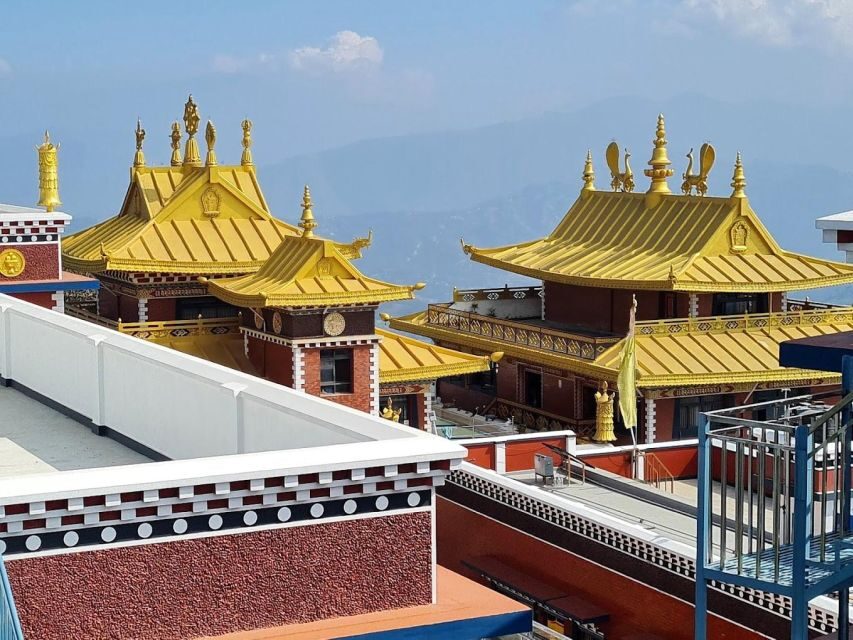
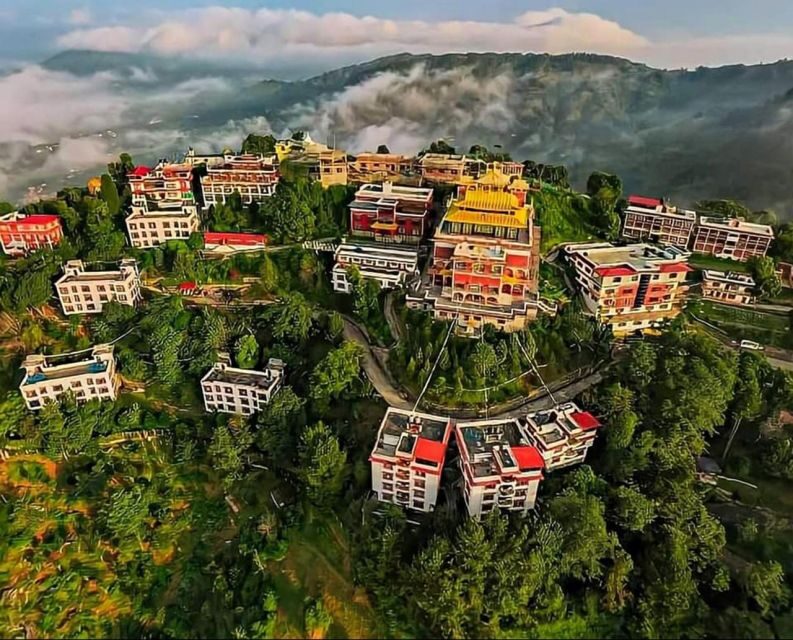
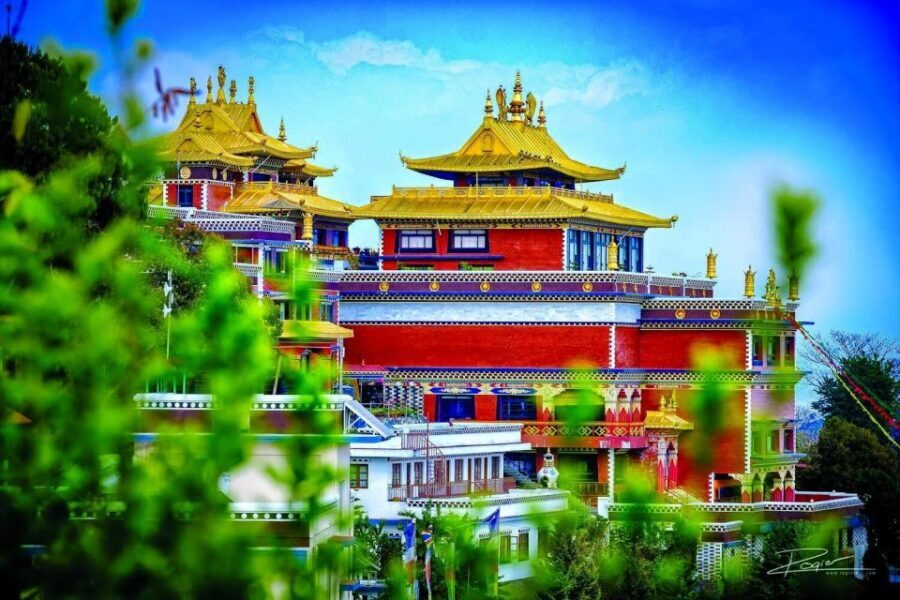
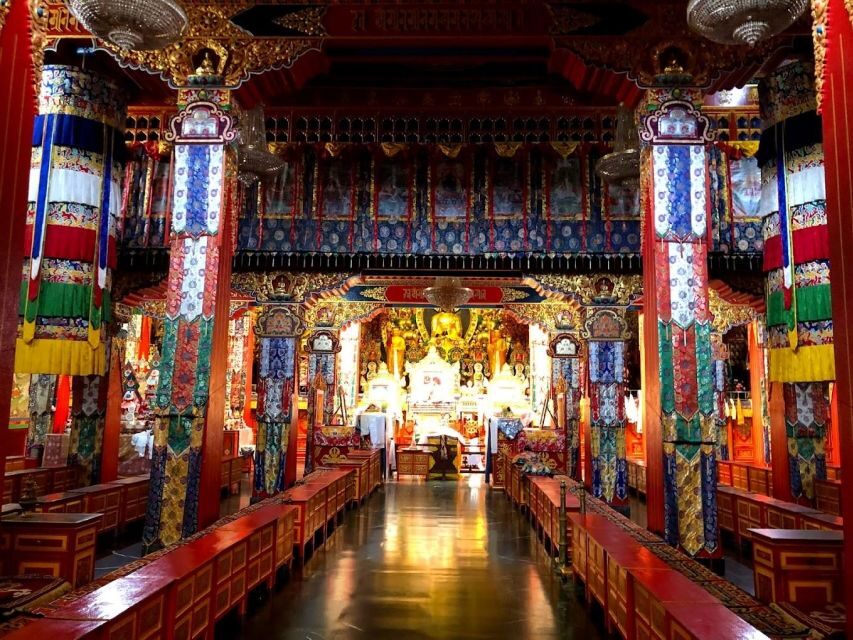
Reaching Namobuddha is where the day shifts from exercise to atmosphere. The monastery complex is described as a sacred hilltop space with impressive artistry and architecture, and your guide should walk you through the meaning behind what you see. You’ll get time for a guided tour plus free time for sightseeing and photos, which is a smart setup. It lets you switch between learning mode and just being there.
One particularly praised detail is the presence of an older stupa nearby. Even when the main monastery area is newer than you might expect, the old stupa area feels more untouched and ceremonial to people who visit. That contrast is valuable: it keeps the visit from feeling like only modern tourist infrastructure.
You should also expect that Namobuddha can feel busy at times. That’s not a deal-breaker, but it affects your pacing for photos. Going with a guide who knows when to pause and where to stand can make a big difference.
Optional meditation: when it fits best and what to expect
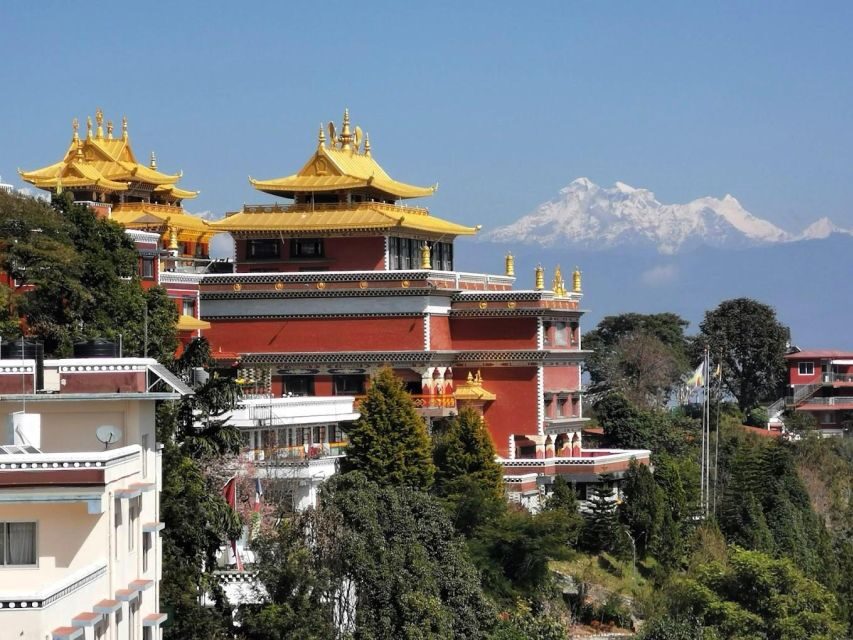
The meditation option is one of the more meaningful add-ons. If you choose it, you’ll sit in the serene ambiance around Namobuddha, with guidance led by seasoned monks (when available). This isn’t described as a long, theatrical performance. It’s more like a quiet reset that turns a day of hiking into a calmer, slower experience.
Timing matters because meditation is best when you’re not rushing off to the next photo. If you’re planning to take your time with views and guided explanations first, consider leaving enough buffer so you can join the meditation without feeling like you’re squeezing it in.
Also, respect the setting. Even if you’re curious and excited, keep your pace and volume down. You’re stepping into someone’s spiritual routine, not just a sightseeing program.
Lunch with a view: plan for what’s included (and what isn’t)
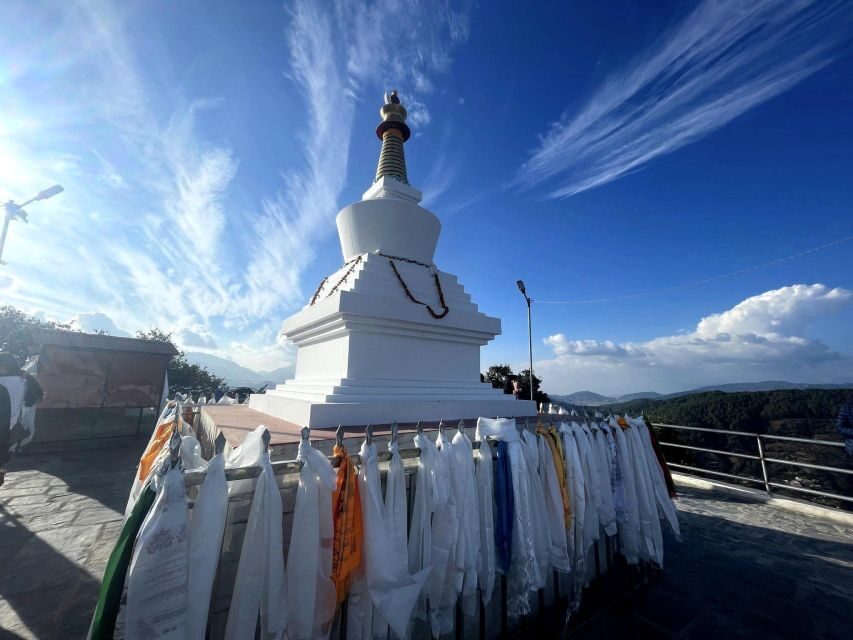
Lunch is part of the day, but you should be clear on what you’re paying for. The activity includes a bottle of water, transport, pickup/drop-off, and a licensed guide. Food is listed as not included, so you’ll likely have a break for eating rather than a guaranteed boxed lunch.
In the monastery area, there are cafés mentioned nearby. One review notes an outside café directly across from the monastery area, and another mentions a café in the direction of a place referred to as tigers den. That’s useful practical info because it means you’re not stuck searching for food after the climb.
What to do:
- Bring a few snacks if you’re the type who gets hungry quickly on stairs.
- Use the lunch break to hydrate and cool down before the descent.
- If you want local flavors, ask your guide where they recommend eating that day.
The value of the lunch break is simple: it turns the middle of the program into a proper recovery window.
You can also read our reviews of more hiking tours in Kathmandu
Guides and drivers: why the people here change the whole day
This tour stands or falls on the guide quality, and the names coming up are strong. People describe guides like Sudhir and Razz as friendly, educated, and genuinely engaged—often tailoring the pace so you can spend more time where you care most. Another guide name you’ll see is Pranav, praised for sharing culture and life in Nepal, plus explaining what you’re seeing in a way that sticks.
Good guiding also helps with the parts that aren’t written on a schedule. For example, when you’re at a monastery, small details—like new information plaques or nearby structures—can help you understand what you’re looking at. A guide who’s alert to those moments can make your visit feel more connected and less like a checklist.
Drivers matter too. A professional, calm driver makes the ride back to Kathmandu feel smooth, which matters because your legs may feel it later. You’ll want that safe, comfortable return after a long day of walking.
Price and logistics: is $91 per person worth it?
At $91 per person, you’re paying for more than just the hike. You get hotel pickup/drop-off in Kathmandu, transportation to Dhulikhel and back, a bottle of water, and a licensed tour guide. You also get help skipping the ticket line.
That’s the core value: you’re not organizing transport and logistics yourself while also trying to navigate a day with a lot of walking. It’s especially helpful if you don’t want to manage routes, timing, and explanations on your own.
What you still need to plan:
- Your own meals and personal expenses.
- Your physical readiness for stairs.
- Your documentation: passport or ID card (a copy is accepted).
So the price makes sense if you want a guided, structured day with transport done for you. If you’re the kind of traveler who loves building your own route and self-guiding, you might find cheaper options. But for many people, the guide + transport combination is exactly what keeps the day enjoyable.
Who should book this day hike (and who should skip it)
This fits best if you want:
- a one-day break from Kathmandu that still feels cultural and meaningful
- guided explanations of Buddhist sites, not just sightseeing
- a moderate hiking day with an important stair climb
It’s also a good option if you like a mix of exercise and reflection, especially because meditation is an optional part of the visit.
Who should skip:
- people with mobility impairments or anyone who needs wheelchair access
- anyone who cannot manage steep stairs, since there’s no elevator and about 1,000 steps are required
If you’re healthy and sure-footed, you’ll likely find the hike manageable with the guide setting the pace and regular stops.
Should you book the Dhulikhel to Namobuddha guided hike?
Book it if you want a structured, guided day that connects walking with monastery culture. The strongest reasons are the guiding quality (people specifically praise guides like Sudhir, Razz, and Pranav) and the chance to add meditation for a calmer finish. Also, the included transport and pickup remove the big headaches that can otherwise ruin a day like this.
Don’t book if stair climbing is a problem for you. That 1,000-step requirement isn’t the kind of thing you want to gamble on.
If you go, prepare for a real effort, not a casual stroll. Bring shoes you trust, accept that you’ll walk and climb all day, and give yourself time to sit quietly at Namobuddha—because that’s where the day starts to feel different.
FAQ
How long is the Dhulikhel to Namobuddha day hike?
The experience is scheduled for 1 day, from pickup in Kathmandu to return back to Kathmandu at the end.
Where do you get picked up in Kathmandu?
Pickup is included, and you should wait in your hotel lobby about 10 minutes before your scheduled pickup time.
What language will the guide speak?
The licensed tour guide can speak Chinese, English, and Hindi.
Is food included?
Food is not included. You will have time for a lunch break during the day, but you’ll need to buy your own meal.
How many steps are involved to reach the monastery?
You will climb approximately 1,000 steps to reach the monastery. There is no elevator.
Is this tour suitable for wheelchair users or mobility impairments?
No. It is not suitable for people with mobility impairments or wheelchair users.
Is meditation included, or is it optional?
Meditation is optional. If you choose it, it’s led by seasoned monks.
What should I bring, and do I need an ID?
Bring comfortable shoes and clothes. You should also bring a passport or ID card; a copy is accepted.
Is there free cancellation?
Yes. You can cancel up to 24 hours in advance for a full refund.