REVIEW · KATHMANDU
Kathmandu City in One Day with Bodhnath Stupa
Book on Viator →Operated by Mosaic Adventure · Bookable on Viator
In This Review
- Kathmandu in one long circle
- Key highlights worth planning around
- Price and logistics: what $95 buys you
- The morning start: why 9:00 am works
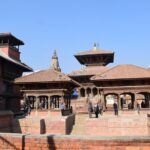
- Patan (Lalitpur) Old Durbar Square: the calm opener
- Krishna Temple in Patan: small stop, big payoff
- Pashupatinath Temple: Hindu faith and the cremation context
- Bodhnath Stupa: where Buddhist practice becomes visible
- Swayambhunath Monkey Temple: views plus a lively hill
- The guide factor: what Keshar Jung Thapa brings to the day
- Earthquake damage note: what to expect at the sites
- Group size, pacing, and how not to burn out
- Getting good value from a one-day Kathmandu plan
- Should you book this Kathmandu City in One Day with Bodhnath Stupa?
- FAQ
- What time does the tour start?
- How long is the tour?
- Is hotel pickup and drop-off included?
- Is admission included for the stops?
- Is food included?
- How many people are in the group?
- Are there any site disruptions due to past earthquakes?
Kathmandu in one long circle
If you only have a day, this route makes Kathmandu feel logical fast. You’ll get big cultural contrast in one 7–8 hour loop, from Hindu Pashupatinath to Buddhist Bodhnath and the hilltop Swayambhunath monkey temple. I like that the itinerary is timed so you see the top sites without rushing past them, and I especially like the way the guide Keshar Jung Thapa helps you make sense of what you’re looking at.
Two other things I really like: the hotel pickup and drop-off (so you’re not wrestling with taxis on day one), and the small group size (maximum 12) that gives the day a personal feel. One possible drawback: it’s a long day with several religious sites, and you’ll need to plan for time on foot and stairs, plus you’ll buy food and drinks on your own.
If you want a first-pass Kathmandu day that mixes faiths, teaches you as you go, and gets you back to your hotel without stress, this is a strong choice.
Key highlights worth planning around
- Patan Durbar Square first: a fast start in Lalitpur (with free admission time)
- Pashupatinath Temple: Hindu temple complex tied to the cremation tradition
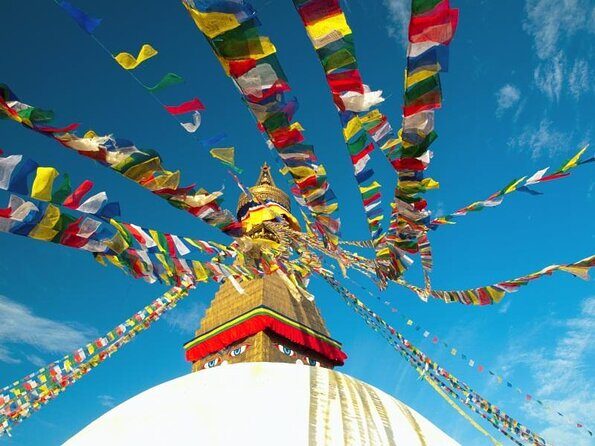
- Bodhnath Stupa: one of the top Buddhist worship centers in Kathmandu
- Swayambhunath viewpoint: hilltop views plus the Monkey Temple vibe
- Guided explanations by Keshar Jung Thapa: lots of on-the-spot answers
You can also read our reviews of more city tours in Kathmandu
Price and logistics: what $95 buys you
$95 per person is fair when you zoom out. The tour includes hotel/port pickup and drop-off, taxes and handling charges, and a professional local guide. That matters in Kathmandu, where your day can get eaten by transport decisions if you’re DIY.
You also get a mobile ticket, which is one less thing to worry about. The group is kept small, capped at 12, so you’re not standing shoulder-to-shoulder while you try to hear explanations or take photos.
Food and drinks are not included. That’s pretty common on cultural city tours, but it changes how you should plan your schedule: you’ll want snacks or a meal strategy built into the day rather than assuming there’s a lunch stop included.
The morning start: why 9:00 am works
The tour begins at 9:00 am. That’s early enough to beat the worst of the midday heat and crowds at major temple areas, but not so early that you’re dragging yourself out of bed.
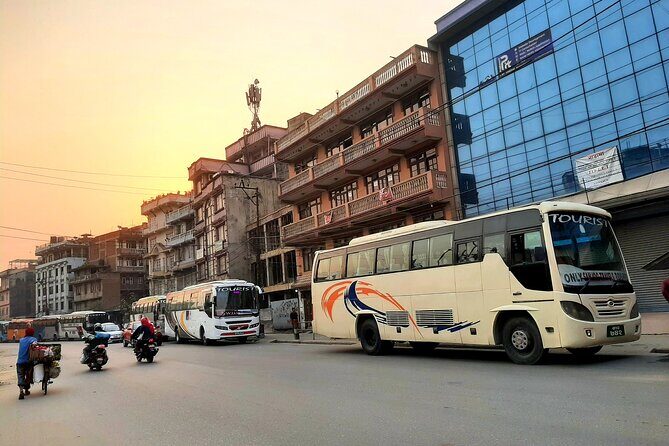
Pickup is part of the deal, so you’ll likely start from your hotel and move as a group. On a route like this—temples, stupa sites, and a second city (Patan)—group transport saves time and reduces stress. It also keeps the day moving, since the guide can coordinate arrival windows and answer questions while you travel.
A quick reality check: this is a long day. Even with smooth coordination, you should expect the day to feel full. Build in patience, water, and a flexible mindset for changing temple areas and crowds.
Patan (Lalitpur) Old Durbar Square: the calm opener
The day starts in Patan (Lalitpur) at the Old Durbar Square area. You get about 40 minutes, and admission for that portion is listed as free. This is a good way to begin because Patan has its own architectural personality compared with Kathmandu city core.
Why that matters: when you start with a second city, you automatically pick up the idea that Kathmandu Valley is more than one place. You’re not just ticking boxes; you’re seeing how different cultural centers sit close together and still feel distinct.
Time is short, so don’t expect a slow museum pace. Use the 40 minutes for orientation: look at the patterns, take a few establishing photos, and get ready to compare what you see later in Kathmandu.
Krishna Temple in Patan: small stop, big payoff
Next up is the Krishna Temple, with about 15 minutes on the clock and admission included. This is a quick hit rather than a long sit-down visit.
That short timing can work in your favor. In 15 minutes, you can focus on what you came for—religious symbolism, temple details, and the reason the site is considered one of the older temples in the Patan area. If you’re the type who likes to “zoom in” on details, this is a nice breather between longer temple complexes.
The main consideration here is attention span. If you’re tired, a quick stop can feel rushed. If you’re focused and ready to look closely, it’s a good use of time.
You can also read our reviews of more tours and experiences in Kathmandu
Pashupatinath Temple: Hindu faith and the cremation context
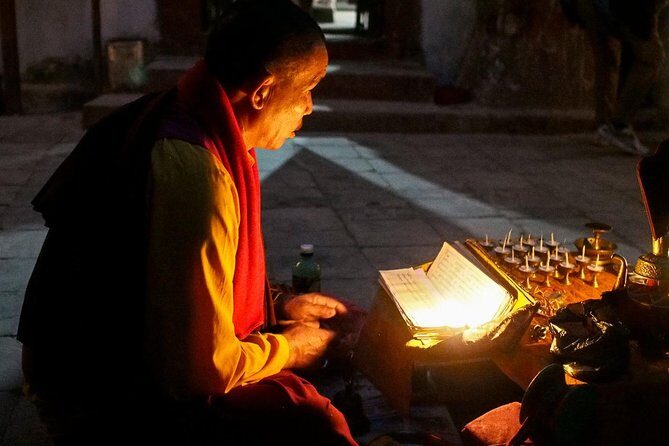
The schedule then moves to Pashupatinath Temple. You’re there for about 40 minutes, and admission is included. Pashupatinath is also described as the Hindu temple complex known as a crematorium.
That cremation context is not something you gloss over. When you visit, you’re stepping into a place where religion is not a museum topic—it’s active. A good guide helps you understand the symbolism and the routines of the site, so you’re not just staring at buildings without grasping why they matter.
This stop is often one of the most intense on the itinerary simply because it’s so real. If you’re sensitive to religious ceremonies or the atmosphere of a working sacred site, keep that in mind. The flip side is that it’s exactly the kind of place that turns a “city tour” into an education.
Bodhnath Stupa: where Buddhist practice becomes visible
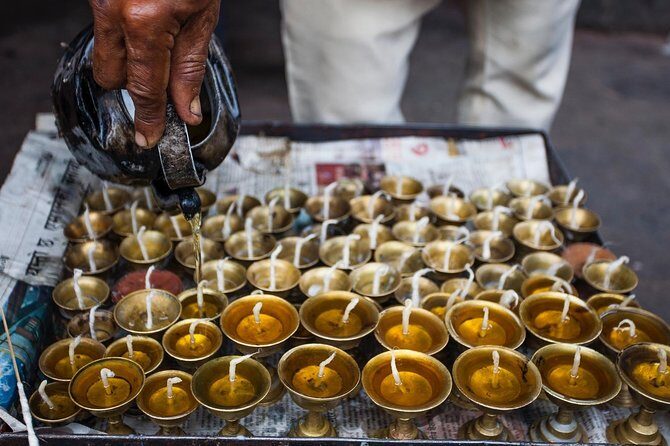
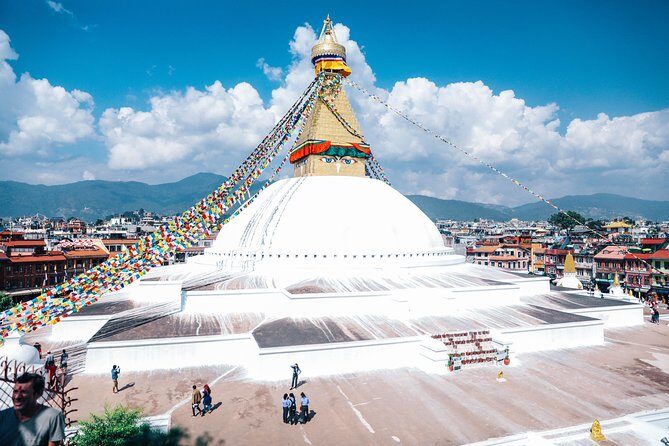
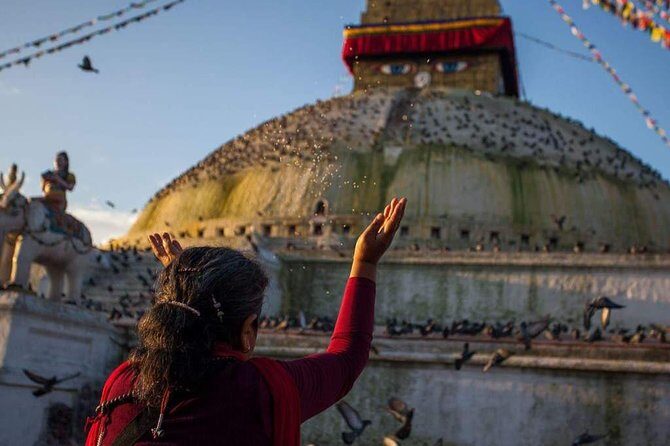
After Pashupatinath, you’ll head to Boudhanath (Bodhnath Stupa), with about 30 minutes. It’s described as the biggest Buddhist stupa in Kathmandu, and admission is included.
This is where the day’s emotional tone often shifts. At a stupa, the key experience is repetition—worship rhythms, respectful movement around the site, and the way people treat the stupa as something alive in their daily lives. The stupa is colorful and visually strong, so even a shorter visit still gives you a clear impression.
The practical challenge is crowd flow. Even with 30 minutes, you can miss what you came for if you only rush to take photos. Give yourself a moment to stand back and observe how people approach, where they pause, and how the space feels for worship.
Swayambhunath Monkey Temple: views plus a lively hill
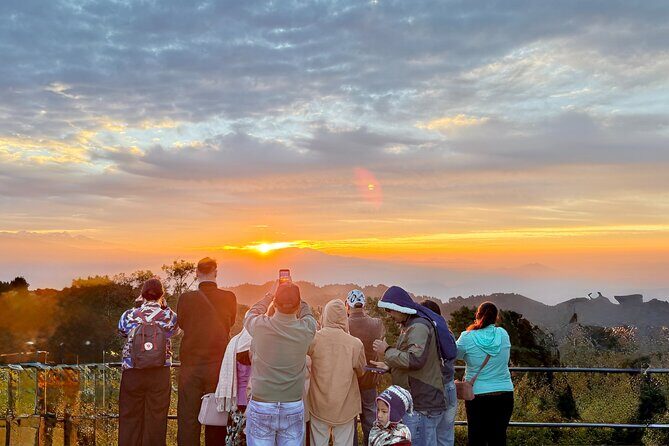
The next stop is Swayambhunath, also called the Monkey Temple, with about 40 minutes and admission included. This one comes with an added reason to show up: the viewpoint over the Kathmandu Valley is part of the appeal.
Expect a hilltop experience—stairs, changing angles for photos, and a site that mixes religion with an almost playful animal presence. The “Monkey Temple” nickname is common for a reason, and the energy on site can be different from the flat temple complexes earlier in the day.
If your legs feel it, don’t panic. With a guide and a paced group schedule, you’ll have time to slow down when you need to. Also, plan your photos early in your 40 minutes so you’re not rushing when you’re most tired.
The guide factor: what Keshar Jung Thapa brings to the day
A city day tour is only as good as the person explaining what you see. This one has a professional local guide, and the name Keshar Jung Thapa comes up often for a reason.
What stands out in how he works: you get explanations that feel tied to everyday life, plus thoughtful answers about both Buddhism and Hinduism. The best kind of guide is the one who can take your confusion and turn it into clarity without making you feel dumb. That’s the vibe the day seems built around.
Also, with a group capped at 12, you’re more likely to actually get your questions answered rather than watching the guide talk into a wall of people. If you like a back-and-forth style—questions, quick context, and practical meaning—this format fits.
Earthquake damage note: what to expect at the sites
The tour information includes a note that some of the sites visited have significant damage from the earthquakes in April and May 2015.
In real life, that can mean repairs, work areas, or places that don’t look like the “perfect postcard” version you might imagine. It doesn’t have to ruin the day. If anything, it helps you see heritage as living and resilient, not just decorative.
Keep your expectations flexible. If you notice scarring or reconstruction, treat it as part of the story you’re learning rather than a disappointment.
Group size, pacing, and how not to burn out
This is a small group tour, maximum 12 travelers. That’s a sweet spot: small enough for decent interaction, big enough that the day still runs smoothly with a driver and timed stops.
The pacing is structured by short visits: 15 minutes here, 30 minutes there, then 40 minutes at the larger anchor sites. That means you’ll experience a lot more than you’ll slow-savor. If you want quiet time to sit and think, you might need to do that during the transitions rather than at every stop.
My practical advice: wear comfortable walking shoes and keep your stamina in check. Also, plan how you’ll handle food since it’s not included. You can have a great day and still feel good if you make that part of your plan instead of leaving it to luck.
Getting good value from a one-day Kathmandu plan
A one-day city tour needs two things: smart route planning and meaningful interpretation. This itinerary hits both.
You cover key Hindu and Buddhist sites in one loop: Pashupatinath for Hindu tradition and cremation context, Bodhnath Stupa for Buddhist worship, and Swayambhunath for views and the monkey temple atmosphere. Then you add Patan’s Old Durbar Square and a historic Krishna Temple so the day doesn’t feel like only one neighborhood.
The value case for $95 is strongest if you’re:
- new to Kathmandu and want the must-see mix fast
- the type who likes learning while walking through active places of worship
- tired of figuring out transport and entry tickets on your own
If you already know these sites and want a slow, independent pace, you might prefer a self-guided day. But if you’re passing through and want a structured, guided day with pickup and a small group, this is built for you.
Should you book this Kathmandu City in One Day with Bodhnath Stupa?
Book it if your goal is to see a balanced mix of Hindu and Buddhist landmarks in one day, with hotel pickup, a small group, and a guide who explains what you’re seeing—especially if Keshar Jung Thapa’s teaching style is a priority for you.
Don’t book it if you want a long, slow, sit-down sightseeing day with meals included. This is a packed circuit with no food included and multiple religious sites in one stretch. Also, if the idea of visiting a working cremation-related complex feels uncomfortable, you may prefer a different itinerary.
If you’re flexible, curious, and ready for a full day that mixes viewpoints, worship sites, and Patan’s heritage, this tour is a solid way to get your bearings and leave Kathmandu with more understanding than photos alone.
FAQ
What time does the tour start?
The tour starts at 9:00 am.
How long is the tour?
It runs about 7 to 8 hours.
Is hotel pickup and drop-off included?
Yes. Hotel/port pickup and drop-off are included.
Is admission included for the stops?
Admission is listed as included for several sites, while Patan Old Durbar Square is listed as free.
Is food included?
No. Food and drinks are not included.
How many people are in the group?
The tour has a maximum of 12 travelers.
Are there any site disruptions due to past earthquakes?
The tour notes that some of the sites visited have significant damage due to the 2015 earthquakes (April and May).