REVIEW · KATHMANDU
Sacred Pashupatinath: Aarati,Cremation Rites & Boudha Stupa
Book on GetYourGuide →Operated by Enticing Himalayas Travels Private Limited · Bookable on GetYourGuide
One sentence can change your view of Kathmandu. This guided day tour pairs the calm Boudhanath Stupa kora with the powerful Pashupatinath Temple rituals on the Bagmati River. I love how your local guide explains what you’re seeing (from stupa symbolism to Hindu ceremony steps), and I love that you get guided positioning for the most intense moments instead of standing there confused.
The main drawback to consider is emotional intensity: watching Hindu cremation rites is deeply moving and, for some people, hard to process. Also, this experience isn’t a fit if you have respiratory issues because you’ll be outdoors near active ritual areas.
In This Review
- Key things that make this tour worth your time
- Boudhanath Stupa kora: the calm start that sets the tone
- A small consideration at Boudhanath
- Pashupatinath Temple on the Bagmati River: when worship feels real
- What you should know before you go
- Aarati ceremony: how the evening changes the mood
- A respectful viewing tip
- Markets and local life: the stops that turn sites into stories
- What to budget for
- Price and value: why $11 can still make sense here
- Transport reality check
- The guide makes or breaks it: what to look for
- Who should book (and who should skip)
- Should you book Sacred Pashupatinath: Aarati, Cremation Rites & Boudha Stupa?
- FAQ
- What’s the duration of the Kathmandu spiritual day tour?
- Is hotel pickup included?
- Where do I meet the guide?
- Are entry fees included for Boudhanath and Pashupatinath?
- What languages are the guides available in?
- What should I bring and what’s required for entry?
- What’s not allowed during the visit?
Key things that make this tour worth your time
- Boudhanath kora flow: walk the sacred circuit around the stupa and feel the rhythm of daily practice
- A guide who translates ceremony meaning: you’re not just looking, you’re understanding what the rituals signal
- Pashupatinath on the Bagmati River: temples plus open-air cremation rites in a living religious setting
- Aarati ceremony viewing with instruction: your guide helps you find a good place and follows the steps so it lands
- Add-on market time near both sites: you’ll have chances to browse local shops and arts-and-crafts areas
- Small-group or private options: more space to ask questions and move at a sane pace
Boudhanath Stupa kora: the calm start that sets the tone
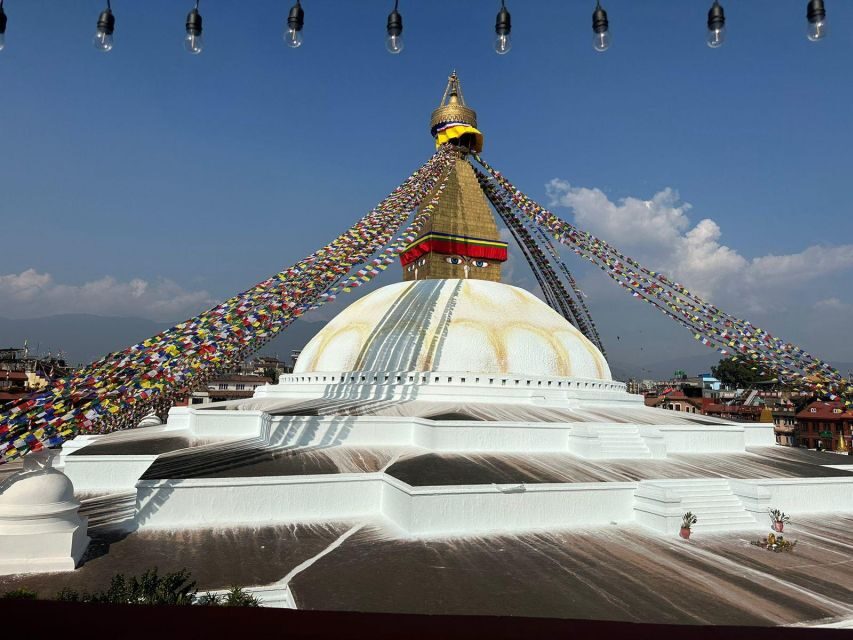
I like how this tour doesn’t throw you straight into intensity. You begin at Boudhanath Stupa, one of the biggest and most recognizable Buddhist stupas in Nepal, and a central place for Tibetan Buddhism. The scale alone is impressive: the white dome and golden spire dominate the skyline, and the whole area feels designed for slow attention.
If you’ve ever seen photos of prayer flags and prayer wheels but wondered how people actually use the space, this is your answer. The stupa area is built for repetition and focus. With a guide, you’ll walk the kora—the sacred circumambulation—so you’re moving with local custom instead of treating it like a quick photo stop. That small shift matters. You start noticing details: the patterns of prayer wheels, the constant flow of pilgrims, and the way people pause to look up, not just around.
You’ll also have time to explore the surrounding monastery courtyards and nearby shops selling religious artifacts. One review mentioned grabbing a tea while watching the stupa shift in light—exactly the kind of quiet moment that makes these places stick in your memory. Even if you skip that café time, just taking a few slow minutes near the base of the stupa helps you switch gears for what comes next.
Photo and walk time are included here, so expect an unhurried pace. You’ll stop for photos, do a guided visit, and then have breathing space to reflect before you head to Pashupatinath. If you like your sightseeing with explanations, this first half is the groundwork: you learn how spiritual meaning shows up in objects, layout, and daily routine.
You can also read our reviews of more tours and experiences in Kathmandu.

A small consideration at Boudhanath
This section is peaceful, but it’s still a busy religious site. You’ll want to manage your expectations: you’re not getting a museum-like experience where everything is quiet and curated. It’s active—so stay alert, keep your pace respectful, and don’t assume you’ll always have a perfectly clear shot.
Pashupatinath Temple on the Bagmati River: when worship feels real
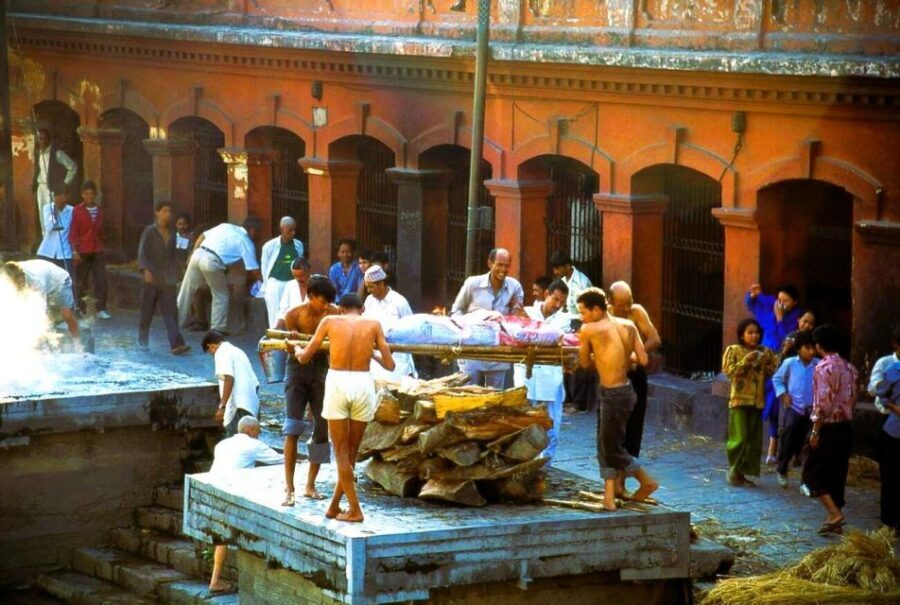
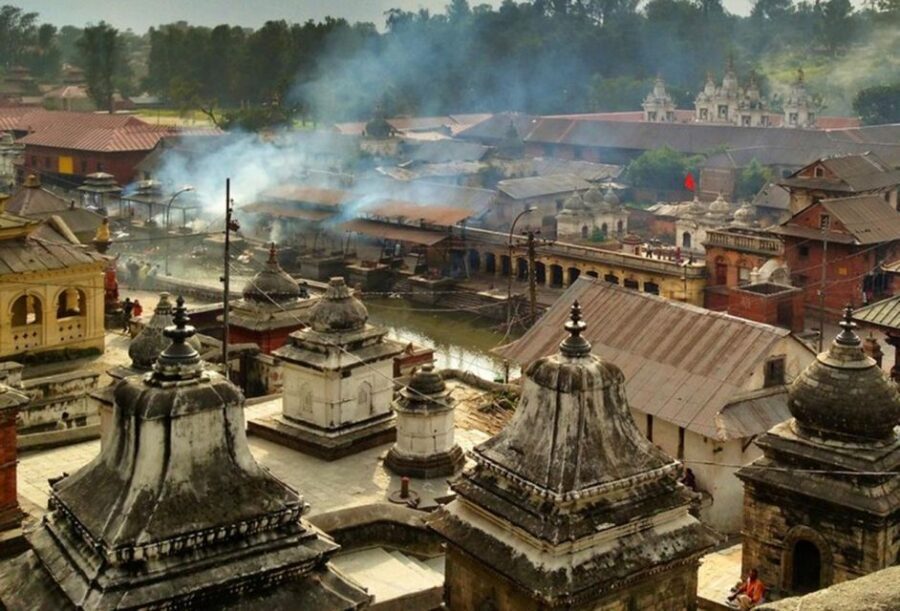
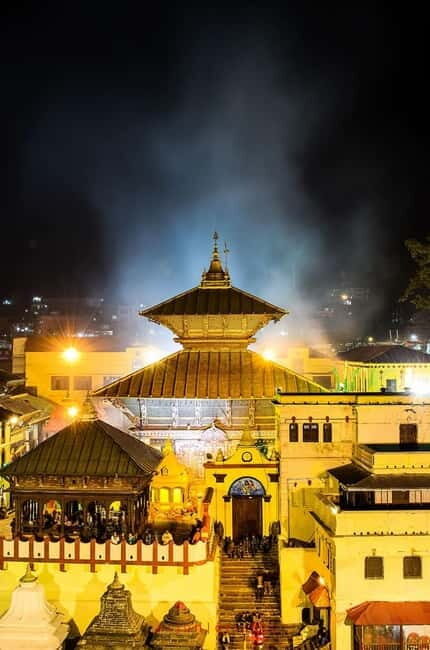
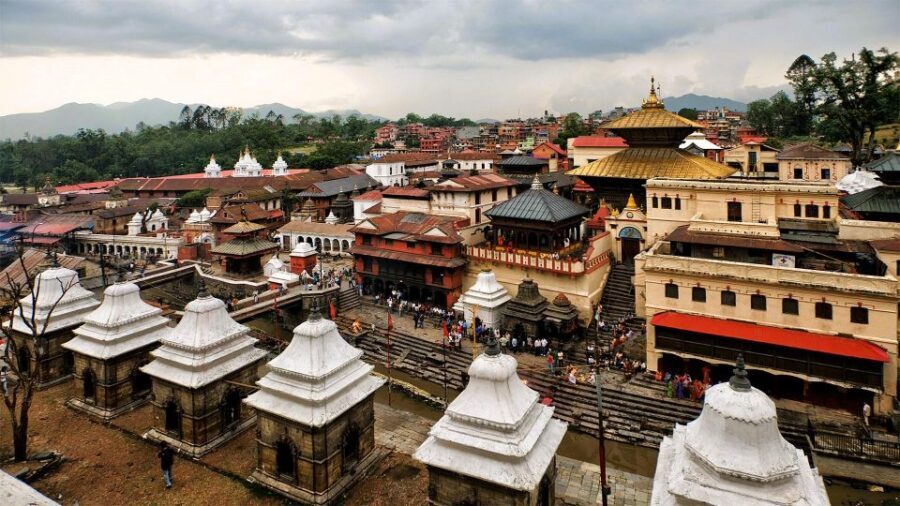
Then the tour moves to Pashupatinath Temple, the holiest Hindu shrine in Nepal and one of the most important Shiva temples in the world. It’s a UNESCO World Heritage Site, and it’s also a working religious landscape—temple life plus river life, all connected.
Outside the main sanctum, you’ll tour the complex with your guide. This matters because non-Hindus aren’t permitted inside the main sanctum, so the value comes from what you can see and understand around it: architecture, outer shrines, and the statues that give the temple its character. A good guide helps you not just look, but read the place. You start recognizing what’s symbolic and why certain spaces draw worshippers.
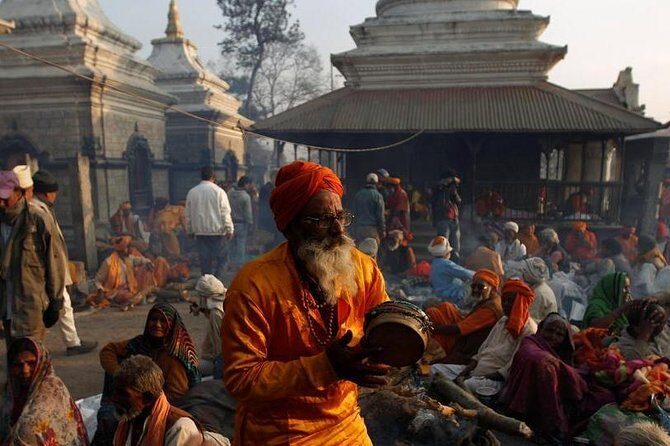
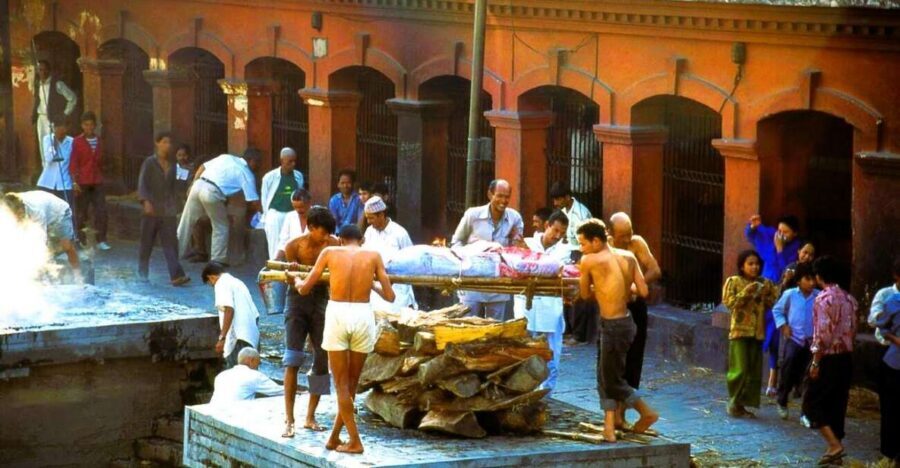
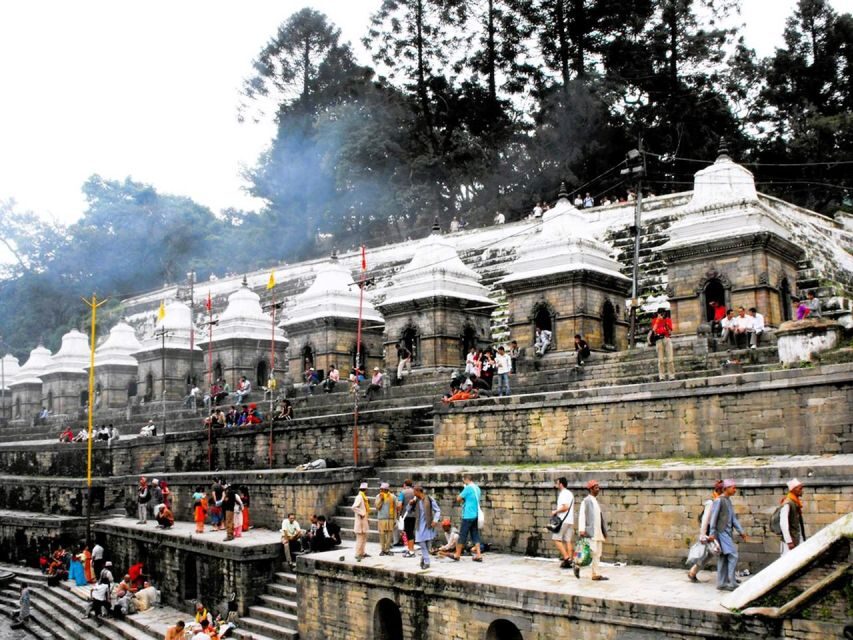
Now for the part that makes this tour famous: the open-air cremation rituals along the Bagmati River ghats. You’ll witness ceremonies close enough to feel the reality of Hindu beliefs about life, death, and transformation. This is not a spectacle you’re meant to treat like dark entertainment. The ritual is a public expression of transition, and your guide explains the symbolic steps—especially the role of the sacred fire and the river’s importance in cleansing and release.
In one case, a guide made space so the group could watch with respect, which is exactly what you should hope for on this kind of visit: respectful distance, no disruptive filming, and no rushing the emotional moment.
What you should know before you go
The experience is emotionally intense. One review called the Aarati ceremony hard to watch—dark, emotional, and not for people who need their sightseeing “light.” That’s fair warning. If you’re someone who gets rattled by death rites, consider whether you want this level of intensity.
Also, this is an outdoor river-side setting. If you have respiratory issues, this tour is not suitable for you.
Aarati ceremony: how the evening changes the mood
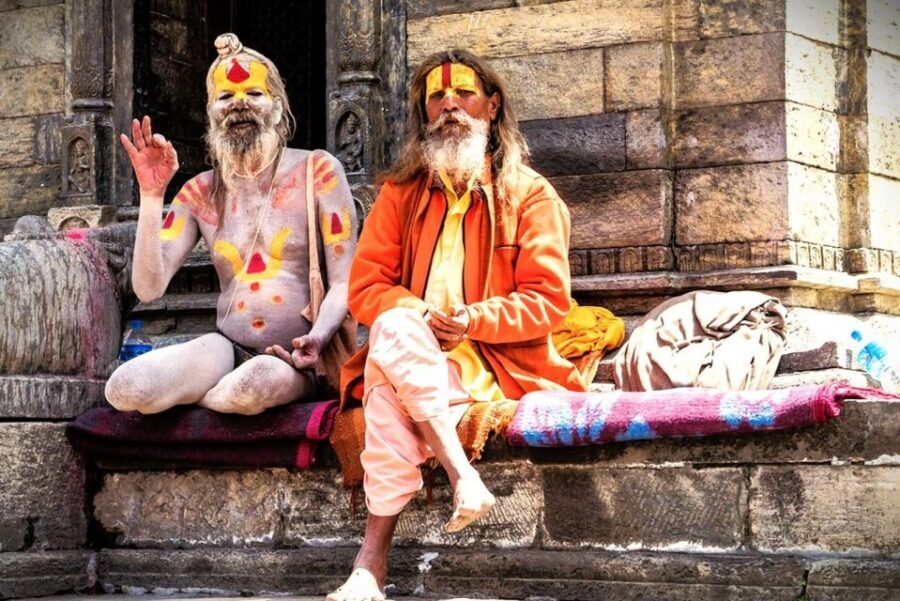
This tour includes Arati as part of the Pashupatinath experience. The key idea here is timing. As the sun lowers, the temple atmosphere shifts: chants and bells start to carry farther, and conch shells add another layer of sound. That’s when the spiritual tone becomes hard to describe in words, because it’s sensory—sound, movement, and the crowd’s focus all line up.
I like that your guide doesn’t just point and say look. They walk you through what’s happening step by step, so you can follow the ritual instead of watching as if you missed the context. Multiple guides are praised for this exact approach—clear explanations, good English, and making sure you have a suitable place to see the ceremony.
One review specifically highlighted how a guide ensured a nice viewing spot for the Aarati and explained each step, which is important. At a site like Pashupatinath, better positioning isn’t about comfort—it’s about not missing the meaningful parts.




A respectful viewing tip
Keep your behavior calm and slow. Don’t talk over the chants. Don’t try to crowd closer than needed. If your guide says wait here, trust it. You’re witnessing devotion, not a show.
Markets and local life: the stops that turn sites into stories
Between the major spiritual landmarks, you’ll spend time in the surrounding areas—this is where the tour feels Kathmandu, not just Nepal in a brochure.
Near Boudhanath, there’s local market time, plus chances to browse spiritual artifacts and shop for optional purchases if you want souvenirs or religious items. The goal isn’t shopping pressure; it’s context. Seeing what people actually buy and carry to a sacred site helps you understand the everyday side of faith.
At Pashupatinath, you also get free time and shopping, including a stop at an arts-and-crafts market area. That’s useful because it gives your brain a place to reset after intense rituals. Even a quick walk through stalls can shift your mood from heavy to practical.
One reviewer even mentioned watching artists work on Dalai Lama Thangka paintings—the kind of small, unexpected cultural detail that can happen when you spend time around the right communities.
What to budget for
Entry fees aren’t included. You’ll want to plan for them separately:
- Pashupati Temple entry fee: NRs 1000
- Boudha Stupa entry fee: NRs 400
Food and drinks also aren’t included, and personal expenses will be on you. In other words, the tour price covers your guided experience and the structure; it doesn’t cover the full day’s real costs on-site.
Price and value: why $11 can still make sense here
At about $11 per person, this tour price is low for what you’re getting: two UNESCO-listed holy sites, guided interpretation, and guided support through the most sensitive part of the visit. The value isn’t in luxury—it’s in access and context.
Here’s where that value comes from:
- You get a guide at both locations, which helps you understand what you’re seeing.
- You’re set up to witness the cremation rituals and Aarati as part of a guided flow rather than figuring it out alone.
- You skip the ticket line, which matters at major sites where queues can waste time.
- Optional hotel pickup can reduce friction if you don’t want to manage transport at each stop.
What might surprise you is the added spend. Once you include the two entry fees (NRs 1000 + NRs 400) and factor in snacks, you’ll likely spend more than the tour price itself. But even then, you’re paying for guidance through spaces that can be confusing without help.
Transport reality check
Pickup is optional. If you choose it, your guide meets you and stays with you through the tour and Aarati ceremony. If you don’t choose pickup, you’ll manage transportation yourself or arrange it through the agency at a reasonable rate.
That’s a simple decision:
- If you want stress-free logistics, choose pickup.
- If you’re comfortable with Kathmandu navigation and timing, you can save time and money.
The guide makes or breaks it: what to look for
This tour lives or dies on interpretation. Sites like these aren’t only visual; they’re spiritual systems with their own rules and symbols. The reviews you provided consistently point to the same theme: guides who explain clearly and answer questions make the experience feel meaningful instead of just intense.
Names that come up strongly include Razz, Pranav, Karma, Anish, and Sudhir. What people praise isn’t just friendliness—it’s the practical, step-by-step explanations and strong English. One review highlighted a guide’s ability to explain the entire ceremony and help the group understand each step of the Aarati.
So when you book, think about what you want from a guide:
- Do you want context for symbols and rituals?
- Do you want help finding the right place to watch ceremonies?
- Do you prefer a calm, respectful approach?
If yes, you’re in the right kind of experience.
Who should book (and who should skip)
This tour is best if you want:
- Spiritual Kathmandu in one day: Boudhanath plus Pashupatinath without racing
- A guided understanding of rituals and symbols
- A willingness to handle emotional, real-world ceremonies
- Small-group or private comfort, so you can ask questions and move smoothly
It’s not for you if:
- You have respiratory issues
- You’re traveling with children under 12
- You want a light, casual sightseeing day
- You’re uncomfortable with death rites and the emotional reality of open-air cremations
There’s also a practical code to follow:
- Don’t bring luggage or large bags
- Drones are not allowed
- Alcohol and drugs are not allowed
- Nudity is not allowed
And bring the basics:
- A passport or ID card (a copy is accepted)
Should you book Sacred Pashupatinath: Aarati, Cremation Rites & Boudha Stupa?
Book it if your ideal Kathmandu day includes both sacred calm and real spiritual intensity. The pairing of Boudhanath’s peaceful kora with Pashupatinath’s living Hindu rituals is exactly the kind of combination that makes Kathmandu feel different from other travel destinations.
Don’t book if you want a gentle overview, or if you know you won’t handle the cremation rites emotionally. This isn’t a sanitized, distant look at culture. It’s a close encounter with belief and tradition, explained by a guide, and it can stay with you.
If you’re okay with that—and you appreciate guidance, clear explanations, and respectful access—this is one of the most powerful ways to spend a short time in the Kathmandu Valley.
FAQ
What’s the duration of the Kathmandu spiritual day tour?
The duration is listed as 2 to 5 hours, depending on the selected time slot.
Is hotel pickup included?
Hotel pickup and drop-off are optional. If you select pickup, the guide will meet you at your hotel and accompany you through the tour and Aarati.
Where do I meet the guide?
The guide will meet you at the ticket counter of Pashupatinath Temple.
Are entry fees included for Boudhanath and Pashupatinath?
No. Entry fees are not included. Pashupati is NRs 1000 and Boudha Stupa is NRs 400.
What languages are the guides available in?
The tour guide is available in English, Chinese, Hindi, and Russian.
What should I bring and what’s required for entry?
Bring your passport or ID card (a copy is accepted).
What’s not allowed during the visit?
You can’t bring luggage or large bags, and drones are not allowed. Alcohol and drugs are prohibited, and nudity is not allowed.