REVIEW · KATHMANDU
Everest base camp Helicopter Tour
Book on Viator →Operated by Exciting Nepal Treks and Expedition · Bookable on Viator
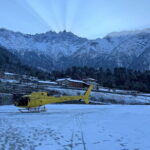
Karma starts early when you look at Everest. This half-day Everest Base Camp helicopter tour from Kathmandu is built for maximum views in minimum time, with a tight route that links Lukla, Kala Patthar, and the base-camp area. I especially like the small-group setup (it can be as small as five in the helicopter) and the way the schedule protects your time for window-seat photos. The one real trade-off: it’s weather-dependent, so fog or storms can change the plan.
What I like most is the mix of big-altitude viewpoints plus a real cultural thread. You get guided commentary on Sherpa life and Buddhist customs, and you also get that breakfast break at the Everest View area to reset before the main flying happens. If you’re bigger than average, the other consideration is the stated total weight limit: 243 lbs per passenger.
In This Review
- Key moments at a glance
- Why a helicopter plan gets you Everest Base Camp time fast
- Getting from Kathmandu: the early start and private transfers
- Kathmandu to Lukla: the jump-off point at 2,845 meters
- Lukla to Kala Patthar (5,550 m): where the views become the point
- Sherpa villages and optional monasteries: culture above the clouds
- Everest View Point breakfast: a calm break with timing built in
- Base-camp area flying and shuttle time: how the plan compresses the experience
- Price and what you’re really buying at $1,700
- Who should book this, and who should think twice
- A simple checklist to make your helicopter day smoother
- Should you book the Everest Base Camp helicopter tour from Kathmandu?
- FAQ
- What time does the tour start?
- How long is the experience?
- Do they pick you up and drop you off in Kathmandu?
- What flight route and altitude points are included?
- Is breakfast included?
- What extra fees should I budget for?
- What is the passenger weight limit?
- What happens if weather is bad?
Key moments at a glance
- 6:15 am start in Kathmandu with hotel pickup and drop-off to keep the day efficient
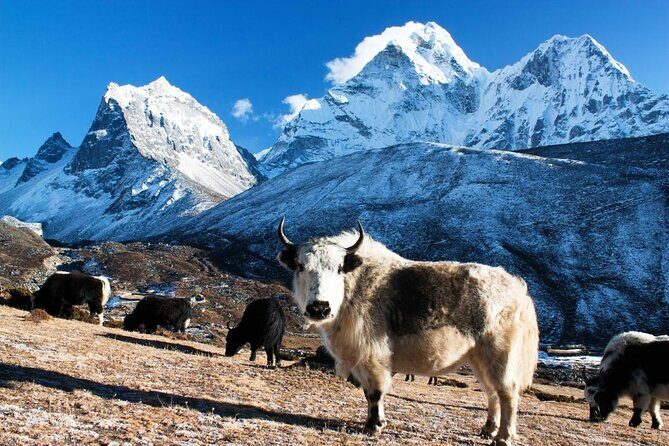
- Lukla (2,845 m) to Kala Patthar (5,550 m) by helicopter for fast altitude drama
- Sherpa villages and monasteries during the flight segments (monasteries can be optional)
- A dedicated photo window at Kala Patthar, plus fly-bys that help you aim for window seats
- Breakfast at the Everest View Hotel (time is built in; costs aren’t fully included)
Why a helicopter plan gets you Everest Base Camp time fast
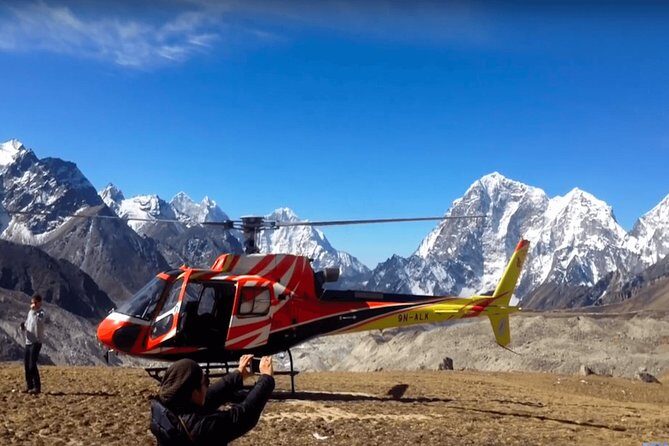
If your Nepal days are crowded, this kind of tour makes a lot of sense. You’re not trying to grind through days of hiking and elevation gains. Instead, the route compresses the classic Everest experience—Lukla region flying, Kala Patthar viewpoints, and the base-camp area—into roughly 5 hours 30 minutes total time.
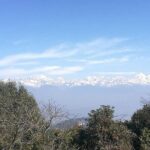
The core idea is simple: big distances in the Khumbu region get handled by air. Your flight time is listed as about 4 hours 30 minutes, which means you spend most of the tour with clear sight lines up at the Himalayas rather than sitting on buses or walking long stretches. For many people, that’s the difference between seeing Everest and only talking about seeing Everest.
Also, the plan is designed for photography. The schedule includes time built into key points and even uses the helicopter’s positioning for window-seat photo opportunities—meaning you’re not constantly switching gears with a clipboard of logistics.
You can also read our reviews of more tours and experiences in Kathmandu
Getting from Kathmandu: the early start and private transfers
This tour begins at 6:15 am. They pick you up from your hotel and handle the round-trip transfer in an air-conditioned vehicle, using private transportation rather than a public bus shuffle.
For value, I like private transfers on tours like this because early morning in Kathmandu can be chaotic. The smoother your start, the less likely you are to lose minutes to traffic or confusion. Add in the fact that this is a weather-driven experience, and arriving calm matters.
You’ll also see a couple of practical signals that this is meant to be easy to run:
- Mobile ticket (less paper hassle)
- Near public transportation (so access isn’t a problem if you need to meet elsewhere)
One more point: the group size is capped. You’ll have a maximum of 10 people per booking, and the experience is also described as having a maximum of 5 travelers for this activity. That matters because Everest-area flights aren’t the place to feel like you’re herded.
Kathmandu to Lukla: the jump-off point at 2,845 meters
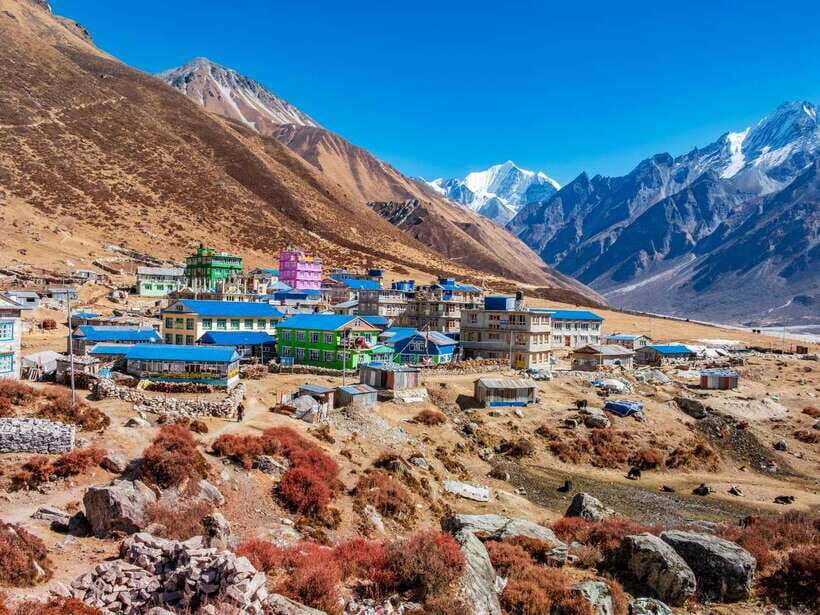
The tour’s first major flight hop is Kathmandu to Lukla (2,845 meters), scheduled for about 45 minutes. Lukla is often where Everest itineraries start in earnest, and even if you’re not hiking, reaching this gateway town quickly gives you that immediate Khumbu feeling.
What’s smart here is the pacing. You’re not rushed straight from your hotel bed into the highest elevation. You get a first aircraft segment that sets the stage, and that gives you time to orient yourself before the tour climbs higher.
Even better, it keeps the day compact. If you’ve got limited time in Nepal, the 45-minute segment is a practical way to buy perspective fast—especially when the alternative might be a full day of travel just to reach the same region.
Lukla to Kala Patthar (5,550 m): where the views become the point
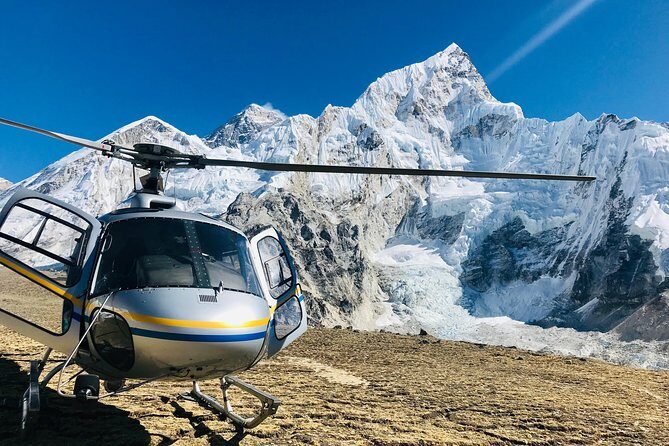
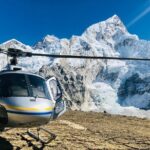
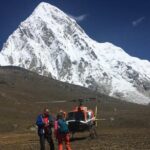
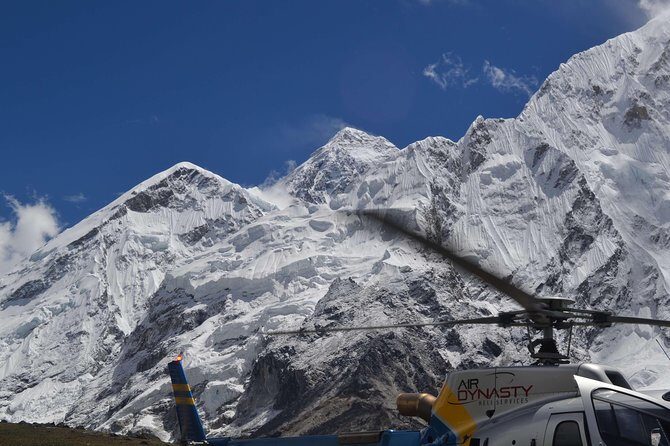
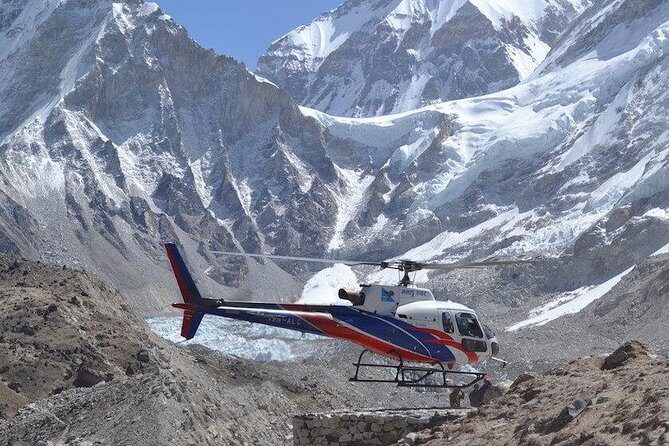
The next big step is Lukla to Kala Patthar (5,550 meters) by helicopter, roughly 15–20 minutes. That’s short, but at this altitude, short is enough. This is the segment where Everest becomes less of an idea and more of a presence.
Kala Patthar is the tour’s “wow” destination, and your schedule reflects that. The plan includes time to stop there and focus on photos. In the experience you’re reading about, there’s an emphasis on photo time being sufficient—meaning you’re not treated like a camera on a conveyor belt.
One practical thing to plan for: it’s high. Even with helicopter travel, you’ll want warm layers, gloves if you’re prone to cold, and a way to protect your phone or camera from wind. The helicopter experience is fast, so you might not get a long chance to warm up between segments.
Sherpa villages and optional monasteries: culture above the clouds
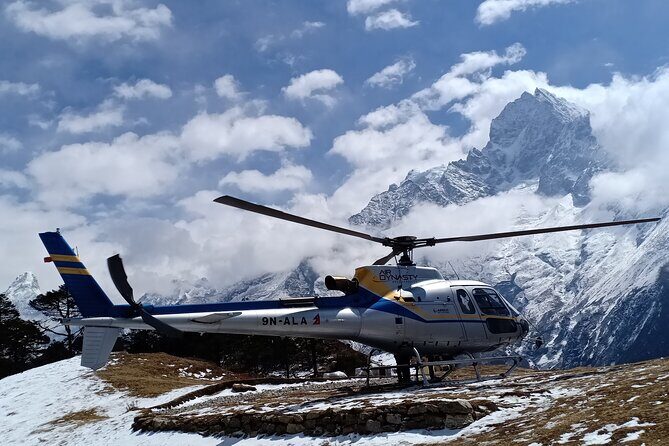
Not every Everest-focused tour includes cultural context. This one does. During the flight segments, you’re guided through the story of the Sherpa people of Everest, including Buddhist culture and colorful customs.
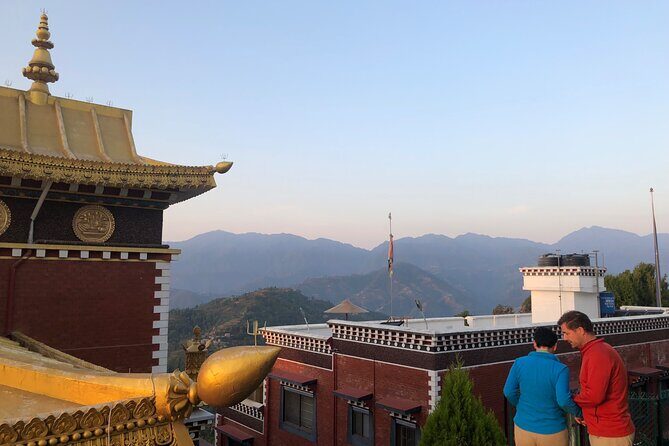
There’s also a mention of flying high and stopping in Sherpa villages, with interesting old monasteries as an optional element. Even if you only catch a quick look, it changes the meaning of the trip. Everest isn’t only peaks—it’s people, faith, and community traditions that have shaped how this region functions.
The value here is that the tour doesn’t treat the mountains like a theme park. It gives you a lens for what you’re seeing, so you can connect a village, a monastery, and the climb-route geography into one coherent picture.

Everest View Point breakfast: a calm break with timing built in
The itinerary includes a stop at the Everest View Point area for breakfast at the hotel commonly referred to as Everest View Hotel, with 30–50 minutes allocated.
Here’s the key detail for planning: the tour info says Breakfast isn’t included, yet it also schedules breakfast time. So treat this as a built-in break in your day—then budget for your meal separately once you’re at the stop. The good news is that the time window is generous enough that you can actually eat without panicking, and it works as a reset before the main altitude viewpoints.
This stop is also a practical advantage. You’re about to spend time aiming cameras at the top of the world, and hunger is distracting. A proper break helps you stay focused and enjoy the views instead of thinking about where your next snack is coming from.
Base-camp area flying and shuttle time: how the plan compresses the experience
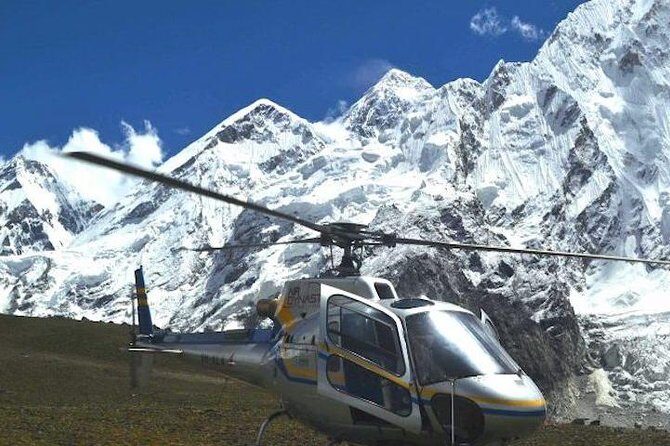
The tour’s route connects the air segments with ground time around the Everest base-camp area. The info indicates that there’s a shuttle from Phiriche into the area associated with Everest Base Camp and Kalapatthar, and that you may have helicopter fly-bys twice to help you get a window seat for photos.
This is where helicopter tours can either feel like a “drive-by” or a real highlight. The difference is how your time is structured. Here, the plan explicitly protects photo opportunity and uses fly-bys to make your views more forgiving. If cloud cover shifts or the light isn’t perfect, at least you get multiple attempts from strong angles.
A good rule of thumb for helicopter days: keep your expectations grounded. You’re getting access to the base-camp region and related viewpoints, but you’re not replacing a trek that spends hours hiking from place to place. Instead, it’s an intense sampling—like tasting the whole Everest story in one half-day, then leaving you wanting a deeper follow-up trip.
Price and what you’re really buying at $1,700
At $1,700 per person, this tour sits in the premium tier. I’d never pretend it’s cheap. But it is easy to rationalize if you’re comparing it to what it takes to reach the same viewpoints by trekking, especially if your Nepal time is tight.
Here’s what you’re paying for, based on what’s included:
- Hotel pickup and drop-off
- Round-trip private transfer
- Air-conditioned vehicle
- Private transportation
- A tight schedule that uses flying time efficiently
Now the costs that can add up on top:
- Airport tax: $8 per person
- National park fee: $43 per person
- Breakfast isn’t included
- The stop at Everest View Point notes an admission ticket not included
So the real value test is this: you’re buying access to helicopter segments and viewpoint timing that would be difficult to replicate independently. If you’re comfortable paying for convenience, it’s a straightforward choice. If you’d rather spend money slowly over multiple days, you might find better value in a trek that lets you stretch costs across longer stays.
One more thing: advance planning. The average booking lead time listed here is 46 days. That’s a sign you should reserve early, especially if you’re targeting a clear-weather window.
Who should book this, and who should think twice
This tour fits best if:
- You want Everest Base Camp access without long hiking
- You have limited time in Nepal and still want a high-impact day
- You care about aerial views and window-seat photography
- You like guided context about Sherpa culture and Buddhist traditions
Think twice if:
- You’re sensitive to cold at altitude. Even quick stops can feel sharp at 5,550 meters
- You need a slow-paced experience with lots of time on the ground. This is a compression itinerary.
- You’re near the weight limit of 243 lbs per passenger
- You’re traveling with expectations that every day will have perfect visibility. Weather matters here, and the plan depends on conditions.
If you’ve been dreaming about Everest but climbing is off the table, this is a good way to make that dream visible—without forcing you into weeks of training and trekking logistics.
A simple checklist to make your helicopter day smoother
You’ll enjoy the tour more if you show up prepared for fast altitude changes and quick stops. Here’s what I’d pack with this itinerary in mind:
- Warm layers for high-altitude air, plus a hat or gloves if you run cold
- Sunglasses and sunscreen (high-altitude sun can be intense)
- A protective phone/camera setup for wind during helicopter segments
- A small snack plan, since breakfast costs may be separate even though breakfast time is scheduled
- A flexible mindset about timing if visibility shifts (because this experience is weather-dependent)
Should you book the Everest Base Camp helicopter tour from Kathmandu?
I’d book it if you’re chasing views and efficiency more than you’re chasing a slow trek. The route design—Kathmandu to Lukla, onward to Kala Patthar, plus base-camp area access with shuttle support and photo-friendly fly-bys—fits travelers who want the Everest story in one half-day.
I would hesitate if your priority is cost savings or if you need long, unhurried time on foot. This is a premium photo-and-view experience. When weather cooperates, it can feel like you’re watching Everest unfold in fast-forward—especially with a smaller group in the helicopter and enough time at the key viewpoints.
If your schedule is tight and your heart is set on seeing Everest from above and from the Kala Patthar area, this is one of the most practical ways to do it.
FAQ
What time does the tour start?
The start time is 6:15 am.
How long is the experience?
It’s listed as about 5 hours 30 minutes total, with about 4 hours 30 minutes of flight time.
Do they pick you up and drop you off in Kathmandu?
Yes. The tour includes hotel pickup and drop-off, plus round-trip private transfer.
What flight route and altitude points are included?
You fly from Kathmandu to Lukla (2,845 meters), then onward to Kala Patthar (5,550 meters), with additional ground/shuttle movement connected to the Everest Base Camp and Kalapatthar area.
Is breakfast included?
Breakfast is not included. The schedule does include time for breakfast at the Everest View Hotel area.
What extra fees should I budget for?
Airport tax is listed as $8 per person, and the national park fee is listed as $43 per person.
What is the passenger weight limit?
The total weight per passenger is listed as 243 lbs.
What happens if weather is bad?
This experience requires good weather. If it’s canceled due to poor weather, you’ll be offered a different date or a full refund. You can also cancel up to 24 hours in advance for a full refund.