REVIEW · KATHMANDU
Langtang Valley Trek
Book on Viator →Operated by Nepal High Trek & Expedition Pvt. Ltd · Bookable on Viator
Permits, peaks, and calm planning. This Langtang Valley trek feels like a solid Himalayan intro because a government-licensed guide runs the whole 7 days and the Langtang National Park permit and TIMS are handled for you. One thing to think about: it’s called moderate, but it still means long walking days, plus early starts and a full return day to Kathmandu.
I like how the route mixes forest trails, river valleys, and real village stops instead of a stiff, only-up-and-only-down grind. You’ll get a short steep push toward Kyanjin Gompa, then a downhill rhythm that makes the last days feel more like relief than punishment.
A practical bonus: your trek includes private accommodation for the nights on the trail, plus breakfast, lunch, dinner, and warming drinks each day. The only real drawback is that the price is for the trek package, not for extra comfort add-ons like a porter or a private jeep—those cost extra if you want them.
In This Review
- Key Things I’d Focus on Before You Go
- Langtang Valley Trek: A Practical Himalayan Intro
- Price and Value: What $555 Really Buys
- Getting to the Trail: Kathmandu Pickup and Early Starts
- Day-by-Day Walk: River Gorges to Kyanjin Gompa
- Day 1: Drive to Syabrubensi and get your trail legs
- Day 2: Into Langtang National Park from the river crossing
- Day 3: Lama Hotel upstream, then cooler gorge paths to Langtang village
- Day 4: The climb-out day to Kyanjin Gompa
- Day 5: Valley time around Kyanjin Gompa, then back down to Lama Hotel
- Day 6: Final valley walking to Syabrubensi
- Day 7: Drive back to Kathmandu and finish the circuit
- Meals, Hot Drinks, and the Comfort Factor That Matters
- Guides, Permits, and Why the Trek Feels Managed
- Who This Trek Is For (and Who Should Reconsider)
- Should You Book the Langtang Valley Trek?
- FAQ
- How long is the Langtang Valley Trek?
- What does the $555 per person price include?
- Are permits for Langtang National Park and TIMS included?
- What time does the tour start, and do you offer pickup?
- Is a porter included, or can I add one?
- Do I need travel insurance, and is cancellation free?
- Is this a private tour, and are service animals allowed?
Key Things I’d Focus on Before You Go
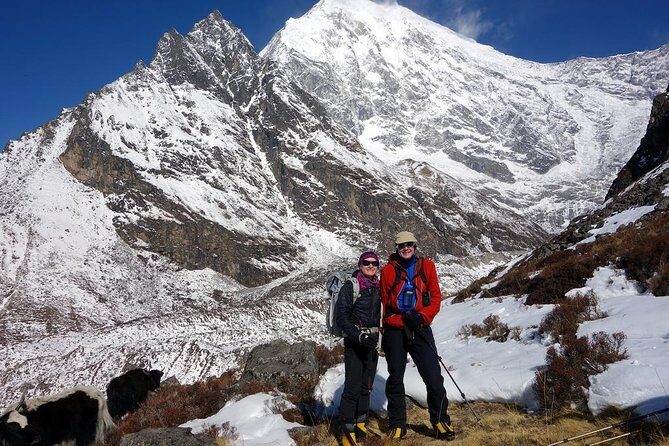
- Government-licensed guide for 7 days: you’re not guessing trail logistics on your own
- Permits handled: Langtang National Park permit plus TIMS card included
- Meals and warmth built in: breakfast, lunch, dinner, plus 3 hot drinks daily
- Private rooms on trek nights: six nights of private accommodation during the walk
- Kyanjin Gompa is the big payoff: a memorable destination after days of valley hiking
Langtang Valley Trek: A Practical Himalayan Intro
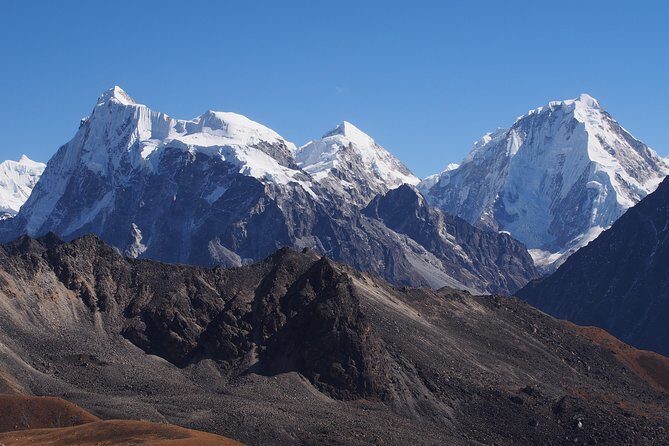
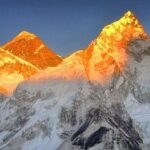
Langtang Valley is one of those Himalayan treks that stays within reach for people who want real mountains without jumping into the toughest altitude challenges. The terrain is described as moderate with gradual progression, and the route runs at generally lower altitudes compared to some more extreme treks. That combination matters because it helps you focus on the walking, the scenery, and the local culture—rather than fighting the body.
What makes this experience especially appealing is the mix. You’re not just hiking from point A to point B. You’re moving through forested sections, crossing bridges over the Langtang River area, passing farm zones, and reaching villages like Langtang itself. Then, after days of valley trekking, you push up toward Kyanjin Gompa, which becomes the emotional high point for a lot of trekkers.
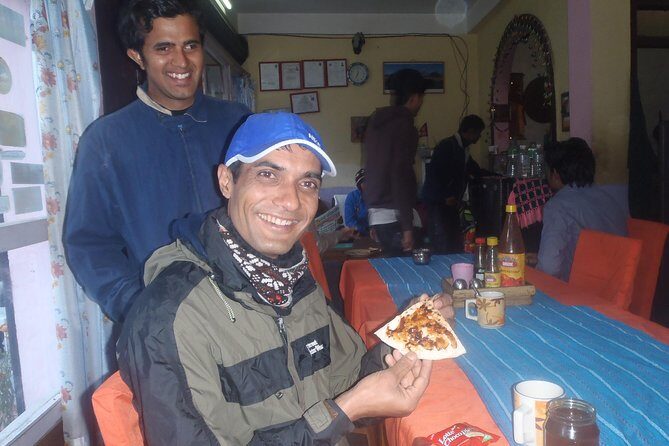
There’s also a human side. In the feedback tied to this trek, guides like Buddhi and Laku are repeatedly described as friendly, calm under pressure, and able to explain local history and traditions in a way that feels useful—not like a classroom lecture. Names like Nabin (and porter Tenjin) show up too, with a theme of planning and attentive support. That’s exactly what you want on a trek: someone who can manage the details so you can enjoy the day.
You can also read our reviews of more hiking tours in Kathmandu
Price and Value: What $555 Really Buys
At $555 per person, this trek is priced as a guided, permit-included package with meals and private trek-night accommodation. That means you’re paying for more than transport and a map. You’re paying for the heavy-lift pieces that can slow down or derail a plan if you try to DIY.
Here’s what the price covers, in plain terms:
- A licensed mountain guide for 7 days
- Langtang National Park permit & TIMS card
- Both-way transportation by local sharing jeep
- 6 nights of private accommodation during the trek
- Food: breakfast (7), lunch (7), dinner (7)
- Daily comfort boosts: 3 hot beverage cups per day plus seasonal fruits
- A medical kit bag
That bundle is why the trek is good value for first-timers. Permits, route flow, and day-to-day meals can turn into a headache fast if you’re doing it on your own—especially in a place where timing and paperwork matter.
What’s not included is also important:
- Travel insurance
- Hotel in Kathmandu (city)
- Tips for trekking crews
- Porter cost and private jeep option (listed as $190 per booking)
If you carry a heavy bag, the porter option can be worth thinking about. If you’re a lighter packer and you’re comfortable hiking with your own gear, you may not need it. Either way, you’ll want to budget for trekking-specific personal costs beyond the base package.
Getting to the Trail: Kathmandu Pickup and Early Starts
Your day begins early. The start time listed is 6:45 am, and you’ll have an included pickup. From Kathmandu, the plan is an overland drive north toward the Langtang area, with the first major arrival being Syabrubensi.
Day 1 is a long travel day by design. You’re looking at about eight hours driving for the route segment, plus the full day’s timing as you reach Syabrubesi and settle for the first night. This matters because your energy management starts immediately. If you’re prone to feeling cramped or stiff after sitting, bring a way to keep warm and hydrated, and plan an easy evening once you arrive.
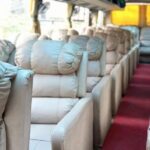
Transportation is listed as local sharing jeep both ways. That generally keeps costs down, but it also means you’ll move as part of the group schedule. The trek itself is private in the sense that it’s described as private activity—only your group participates—but you’re still sharing the road ride.
You’ll also get a mobile ticket. It’s a small thing, but it’s one less hassle to sort out once you’re already in Nepal.
Day-by-Day Walk: River Gorges to Kyanjin Gompa
This trek is built around walking days that steadily move you up the valley, then back down in a looping pattern. The big dramatic moment is Kyanjin Gompa, but the best part is how the valley changes under your feet.
Day 1: Drive to Syabrubensi and get your trail legs
You head out from your Kathmandu base early, ride north through mountain country, and then reach Syabrubensi. The idea is simple: use the road time to set the stage, then start the hiking rhythm the next morning.
A likely advantage of this pacing: you don’t cram an intense first-day hike before your body is ready. You’ll still feel travel fatigue, but the trek begins in a more controlled way.
Day 2: Into Langtang National Park from the river crossing
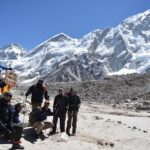
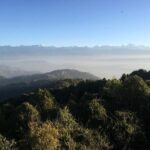
Today your walking begins from Syabrubensi. You’ll cross a bridge over the Langtang River, then climb uphill into farm areas and enter a dense forest zone. The park portion of the route is where the trek starts to feel like a real “valley journey,” not just a road-to-hike transfer.
This is also where you’ll start noticing how quickly temperature and air feel change under trees and near river areas. A warm layer helps in these sections, even when the day seems mild at the start.
Day 3: Lama Hotel upstream, then cooler gorge paths to Langtang village
From the area of Lama Hotel, you’ll walk upstream alongside the river in forested terrain and a gorge route. Then the trail heads toward a cooler stretch around Ghodetabla, continuing on to Langtang village for overnight.
What I like about this day is the shift in feel. River-following trails often keep you moving with steady footing. You’re not thrown into extreme altitude strain early, so you can settle into your pace.
Day 4: The climb-out day to Kyanjin Gompa
Today is the push toward the trek’s main destination: Kyanjin Gompa. The walking includes a short but steep climb leaving the forested section, reaching a ridge, and then continuing on toward the gompa.
If you’re new to trekking, this is the day to pay attention to pacing. The description suggests a steep moment, which is exactly where people either go too fast too soon or settle into a steady rhythm. I’d aim for steady breaths and consistent steps, not speed.
Kyanjin Gompa is also where the cultural payoff tends to be strongest, since a gompa isn’t just a landmark—it’s part of village life and spiritual geography.
Day 5: Valley time around Kyanjin Gompa, then back down to Lama Hotel
You spend time around Kyanjin, then the route begins a downhill return to Lama Hotel for overnight. This creates a satisfying loop: up to the highlight, then the relief of a descent.
Even if you don’t hike to every possible viewpoint (no extra details are provided here), you still get the big-picture feeling of having reached your destination and now earning the return day.
Day 6: Final valley walking to Syabrubensi
From Lama Hotel, you walk again through forested areas with a downhill section and cross a bridge before reaching Syabrubensi for your last overnight.
By now, your body usually knows the routine. The descent can still feel in your knees and feet, so it’s smart to protect your legs. Good trekking shoes matter more here than they do in city life.
Day 7: Drive back to Kathmandu and finish the circuit
Your last day is mainly a drive back to Kathmandu. You’ll start early and complete the overland journey, wrapping up after a full trekking week in the Langtang area.
This final day is why you should take the early portion of the week seriously. You want to arrive back in Kathmandu feeling tired in a good way—ready for a shower, not completely wrecked.
Meals, Hot Drinks, and the Comfort Factor That Matters
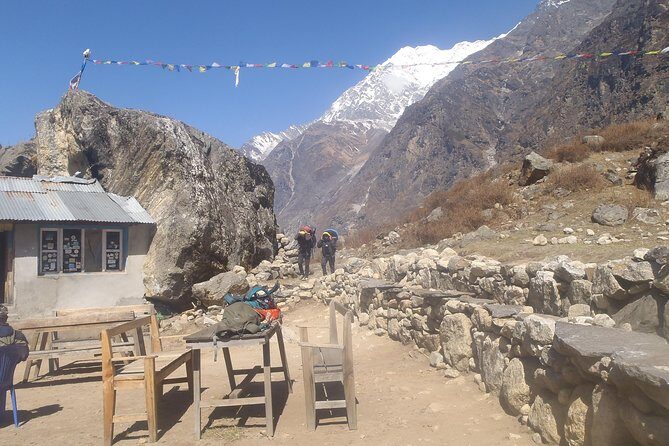
One of the smartest parts of this trek package is that your daily energy plan is handled. You get:
- Breakfast, lunch, dinner (listed for 7 days)
- 3 cups of hot beverage per day
- Seasonal fruits during the trek
For me, that’s more than “nice extras.” Trekking success is often about preventing small problems from becoming big problems. A hot drink helps you warm up after cold air shifts. Fruit is a simple boost that can keep you from feeling flat mid-walk.
You also get private accommodation for six nights during the trek. That means you’re not sleeping in mixed or crowded spaces every night, which can be a major quality-of-life factor on a week that includes early mornings and full days of walking.
Finally, there’s a medical kit bag included. It’s not a replacement for travel insurance, but it does add practical reassurance when you’re far from pharmacies.
Guides, Permits, and Why the Trek Feels Managed
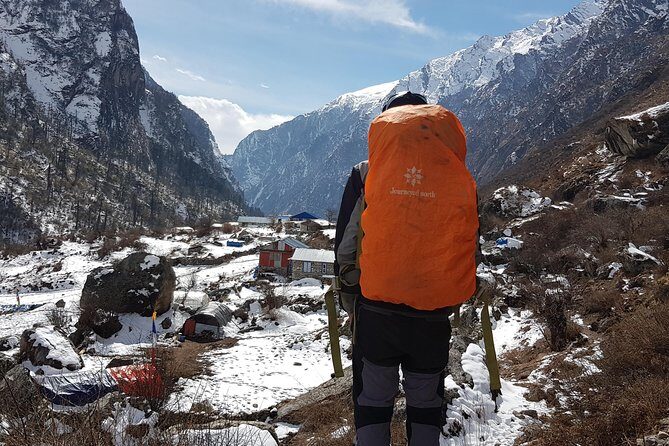
In a place like Nepal, the best trekking companies reduce friction. This one is built around a government license holder mountain guide for the full trek duration, plus the paperwork items: Langtang National Park permit and TIMS.
In the feedback connected to this trek, certain guides are repeatedly praised for keeping things running smoothly. Names like Buddhi, Laku, Pawan, and Nabin show up, with themes such as:
- Friendly, calm communication
- Handling logistics without drama
- Explaining local history and traditions in a way that feels human
- Adaptability on the ground
- Efficient support paired with porters like Tenjin
That combination matters because Langtang Valley isn’t a “just follow a trail” experience. The days are long enough that you want someone who can manage timing, comfort breaks, and route flow, so you don’t spend mental energy on tiny uncertainties.
Who This Trek Is For (and Who Should Reconsider)
This trek is a good match if:
- You want a beginner-friendly Himalayan trek with a manageable difficulty level
- You prefer gradual terrain and a route that stays relatively lower than tougher altitude treks
- You want a blend of mountain scenery and culture, including villages and the gompa destination
- You like the idea of being taken care of on permits, meals, and day-by-day logistics
You might reconsider if:
- You expect a short or low-effort walk. This is still seven days of trekking in a mountain environment.
- You hate early mornings and long travel days. Day 1 and Day 7 involve Kathmandu-area road time.
- You don’t want to carry personal gear. The package doesn’t include porter cost by default, though a porter/private jeep option is offered at $190 per booking.
If you fall on the edge physically, you can also think strategically: use the porter option if you’re worried about weight, and keep your packing simple so the daily walk stays comfortable.
Should You Book the Langtang Valley Trek?
If you want a guided Himalayan trekking week that feels structured and beginner-attentive, I’d say this one is worth serious consideration. The value is strong because it bundles guide time, permits, transport, private trek-night accommodation, and full meals with hot drinks. That lets you spend your effort where it matters: enjoying the walk and the changing valley scenery.
A practical note: this trek is commonly booked in advance (the average is 57 days), so if your dates are flexible, you can often grab better availability by planning sooner rather than later.
If you’re comfortable with moderate daily hiking and you don’t mind a long travel day into the mountains, book it. If your ideal trek is short, luxury-heavy, or stress-free in a non-hiking way, you may want a different style of Himalayan trip.
FAQ
How long is the Langtang Valley Trek?
The trek runs for about 7 days.
What does the $555 per person price include?
The package includes a 7-day government-licensed mountain guide, Langtang National Park permit & TIMS, both-way local sharing jeep transport, 6 nights of private accommodation during the trek, breakfast/lunch/dinner for 7 days, 3 cups of hot beverage per day, seasonal fruits, and a medical kit bag.
Are permits for Langtang National Park and TIMS included?
Yes. The Langtang National Park permit and TIMS card are included.
What time does the tour start, and do you offer pickup?
The start time is 6:45 am, and pickup is offered.
Is a porter included, or can I add one?
Porter cost is not included. A porter cost and private jeep option is listed at $190 per booking.
Do I need travel insurance, and is cancellation free?
Travel insurance is not included, and free cancellation is available up to 24 hours in advance for a full refund.
Is this a private tour, and are service animals allowed?
Yes, it’s described as private (only your group participates). Service animals are allowed.