REVIEW · KATHMANDU
Spiritual Nepal: Expert insight into Multifaith Journey
Book on GetYourGuide →Operated by Intrepid Urban Adventures - Asia · Bookable on GetYourGuide
Prayer wheels and funeral smoke in one walk. This multifaith Kathmandu tour connects Boudhanath and Pashupatinath, putting you near real daily practices across Buddhism and Hinduism. I love the chance to join locals as you rotate the prayer wheels and do the Kora, and I also like how the Arati lights at Pashupatinath help you understand what people mean by devotion. A possible snag: with city traffic, the pace can feel tight, so come ready with a couple of focused questions.
The tour runs as a small, guided group (up to 12), with an English-speaking Nepali guide. Recent bookings tied guide names like Rozit, Bini, Subash, and Bidhya to strong service and clear explanations, which matters on a route this crowded and emotionally intense.
In This Review
- Key things that make this spiritual walk work
- A 4-hour Kathmandu route built for real practice, not just photos
- Boudhanath Stupa: rotating prayer wheels and doing the Kora the local way
- What could feel awkward at Boudhanath?
- Pashupatinath Temple: sadhus, alms, and why this place is so emotional
- Dress code and behavior at Pashupatinath
- The Bagmati River moments: Aarati lights and cremation ceremonies
- Palm reading and alms: optional, cultural, and worth budgeting
- Price and value: is $150 fair for 4 hours?
- Who this tour is best for (and who should think twice)
- Small-group attention is the difference-maker
- Should you book Spiritual Nepal in Kathmandu?
- FAQ
- What sites does this tour visit?
- How long is the tour?
- Where does the tour start?
- Are food and drinks included?
- Is palm reading included?
- What should I wear?
Key things that make this spiritual walk work
- UNESCO contrast in one outing: Boudhanath’s Buddhist stupa energy, then Hindu Pashupatinath on the Bagmati River
- Prayer wheels + Kora with locals: you’re not just looking at monuments; you’re doing a common ritual alongside people
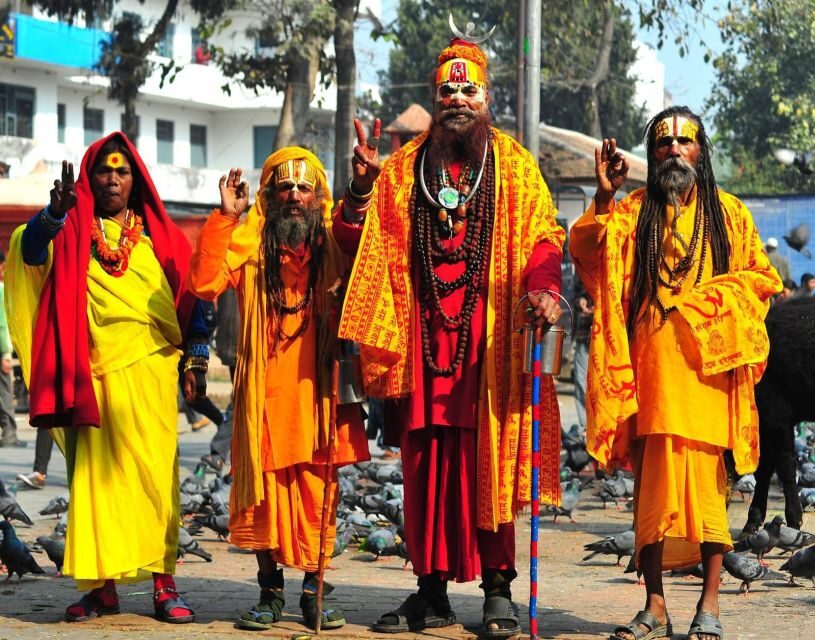
- Sadhu life glimpses: you see how sadhus move through daily space and you’re given a respectful way to interact
- Arati at Pashupatinath: the light-offering ritual helps you connect faith with sight and sound
- Cremation ceremonies by the river: a solemn, close-up moment you should emotionally prepare for
- Optional palm reading and offerings: supported by your guide if you want the cultural experience and the stories it can trigger
A 4-hour Kathmandu route built for real practice, not just photos
This is the kind of tour that makes you slow down without forcing you to be religious. You’ll move through two UNESCO Heritage sites that represent very different religious rhythms, yet both are lived-in spaces for locals.
The format is also practical. You start at Hotel Marshyangdi, then you go to Boudhanath first, and after that you connect to Pashupatinath. Total time on the ground is about 4 hours, and the walking is manageable (around 2 km total), though you’ll still need to tolerate crowds and standing.
One detail I appreciate: the tour is described as carbon neutral and operated by a B Corp certified company. That doesn’t change what you’ll see, but it does signal the operator is thinking about impact and responsibility, not only checklists.
And yes, this is child-friendly—children under 6 can join free—so it tends to be run with a sensible pace for mixed ages.
You can also read our reviews of more tours and experiences in Kathmandu.

Boudhanath Stupa: rotating prayer wheels and doing the Kora the local way
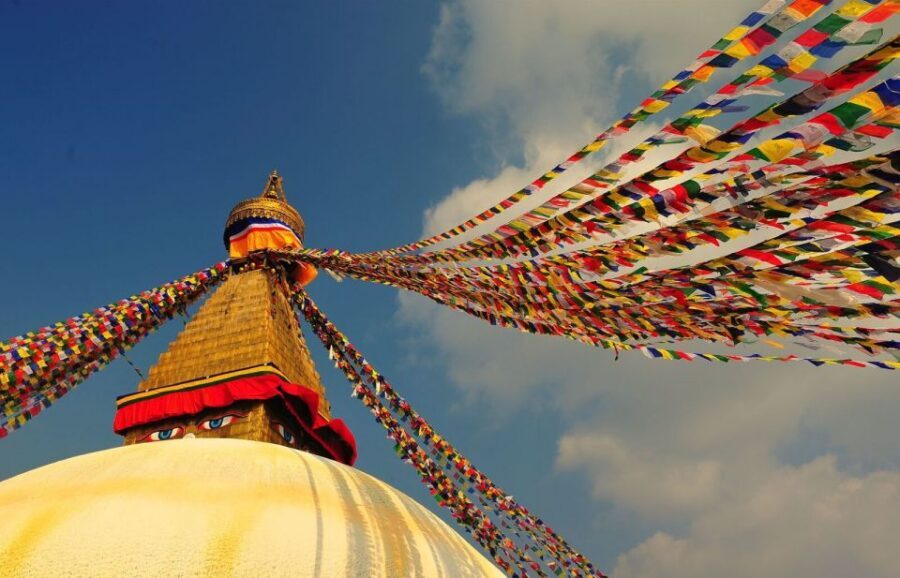
Boudhanath is the bigger-than-life kind of place: a massive white stupa that pulls people in from all directions. Here, your guide brings you into the ritual instead of keeping it at a distance.
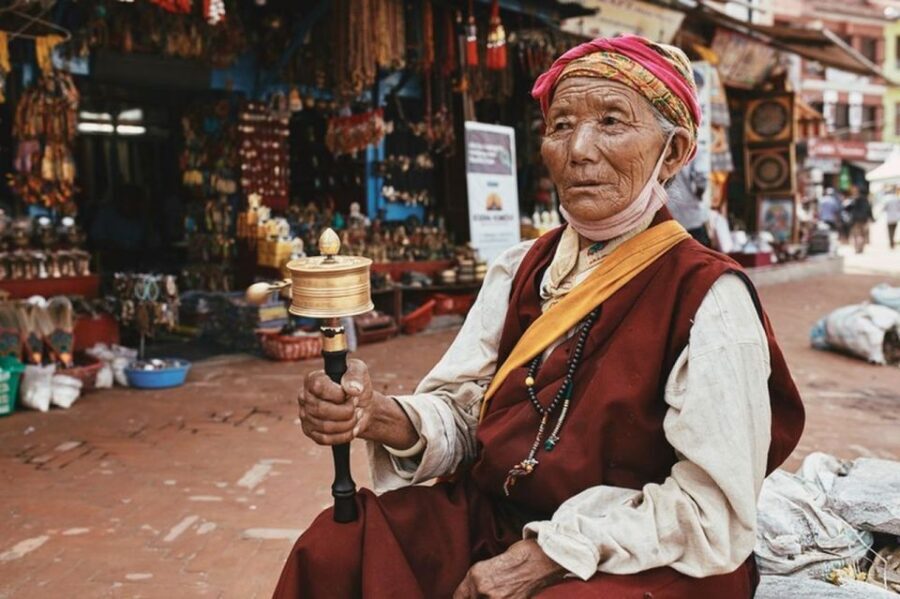
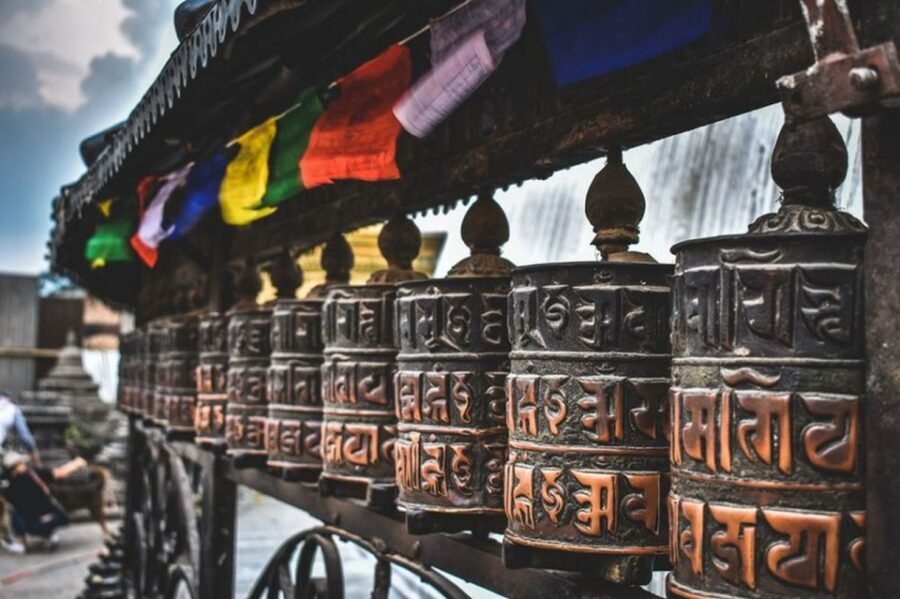
You’ll spend about 2 hours at Boudhanath, starting with time to take in the scale and layout. Then the action begins: you’ll rotate prayer wheels alongside local Buddhists. That simple motion matters. It turns your visit from watching into participating in a belief-based habit people repeat every day.
Next comes the Kora, the circular path around the stupa. The idea is straightforward: walk the route as locals do, observe what they observe, and keep pace with the flow. You’ll likely notice how practiced it is—people move with a kind of quiet focus.
Two things to keep in mind so you get the best experience:
- Bring a respectful mindset. Boudhanath is not a theme park. People come here for devotion, not entertainment.
- Dress matters. You’ll be expected to dress conservatively in religious spaces, with shoulders and knees covered. For men that often means long trousers; for women it’s usually a long skirt or a sarong.
If you’re the type who likes a deeper cultural connection, your guide may also offer options around offerings like butter lamps. Just know those are optional and have separate costs.
What could feel awkward at Boudhanath?
Crowds can be intense, especially around ritual moments. If you’re prone to getting lost in your own head, treat this like a guided lesson: keep close to your guide and follow the group’s movement. It will save you stress.
Pashupatinath Temple: sadhus, alms, and why this place is so emotional
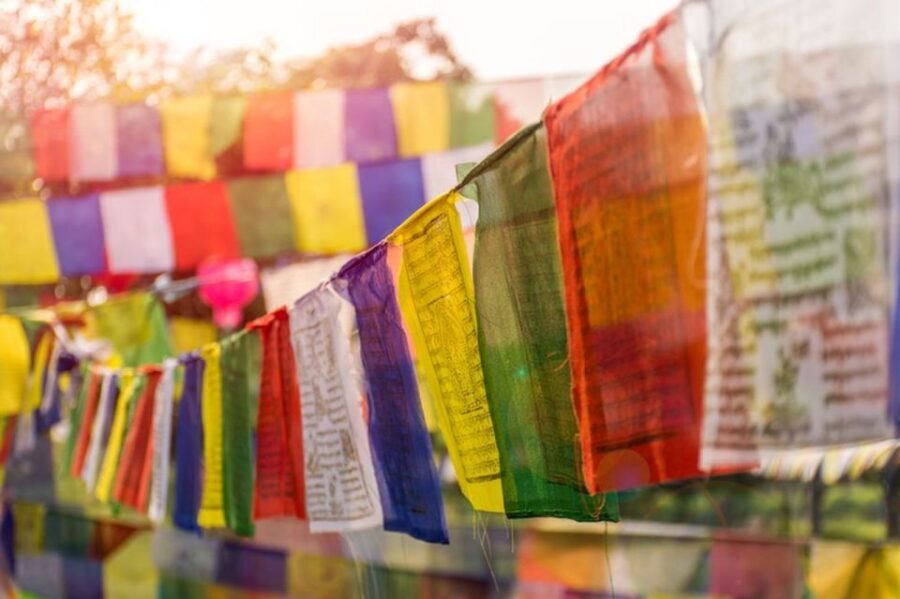
After Boudhanath, you connect to Pashupatinath. Depending on the day, it’s about a 15-minute walk or a short drive. Either way, you’ll feel the shift quickly. Boudhanath is loud with calm. Pashupatinath is intense in a different way.
You’ll have about 2 hours here at Pashupatinath Temple, the largest Hindu pilgrimage site in Nepal. This isn’t just sightseeing. This is a working religious landscape, especially because of the river rituals.
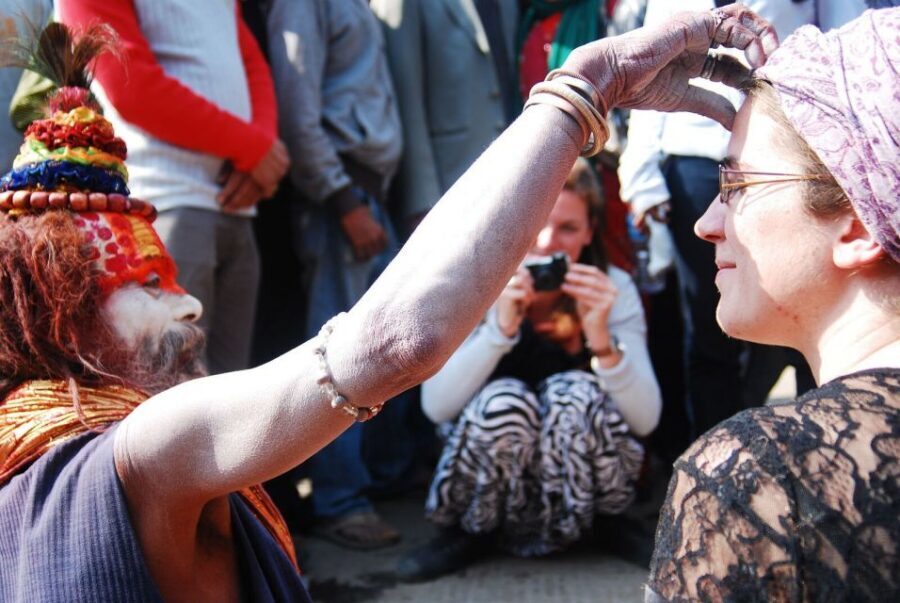
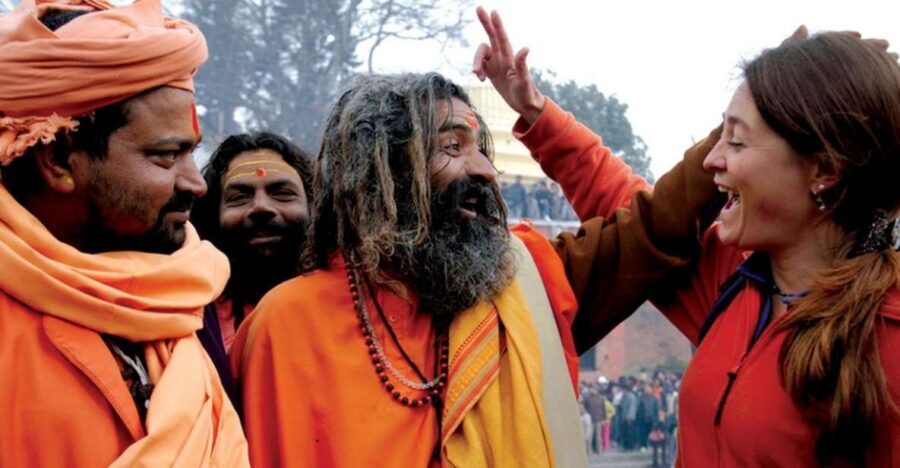
A key part of your visit is getting a glimpse of sadhus. Your guide helps you understand who they are and how their lives relate to the faith. If you want to go further, the tour includes the option to offer alms and learn the stories tied to that interaction.
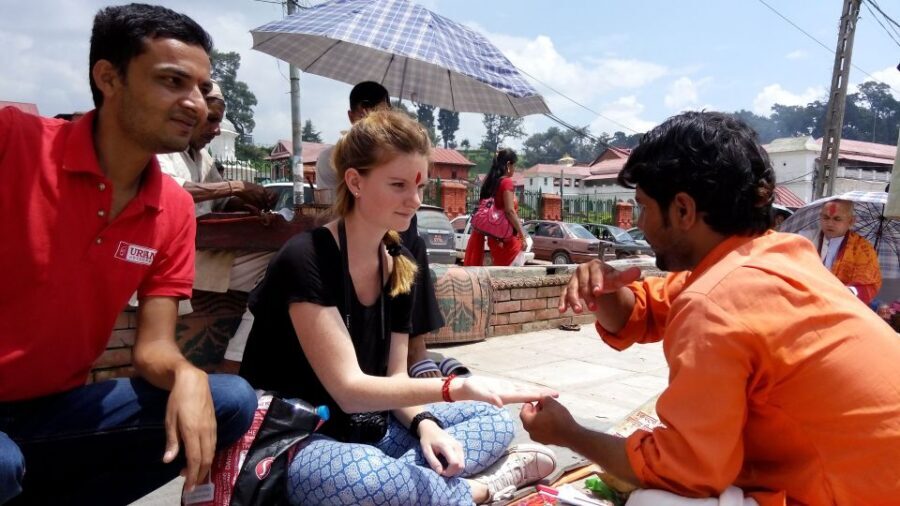
There’s also an optional palm reading with a local reader. If you choose it, expect it to be an extra cost (the range given is about $7.5 to $9 per person). This part can be fun even if you’re not into superstition. It’s also an example of how religion, folklore, and daily hope mix together in real life.
Dress code and behavior at Pashupatinath
At Pashupatinath, the conservative clothing guidelines are even more important. You’ll want to arrive ready, not improvising on the street.
And emotionally: you are there for a solemn reason. The tour includes viewing cremations along the Bagmati River. This can hit hard. If you’re sensitive to death-related rituals, set expectations before you go, and decide in advance how long you’ll want to stay near that area.

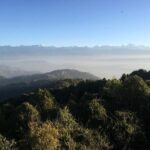



The Bagmati River moments: Aarati lights and cremation ceremonies
The Bagmati River is the heart of what makes Pashupatinath feel alive. You’ll be watching daily ritual—especially Aarati, where lights are offered as part of devotional practice. Even if you don’t understand every detail of the theology, the structure is visible: people gather, the offering happens, and devotion becomes action.
Then there’s the cremation ceremony side of the experience. The tour explicitly mentions witnessing cremations on the river banks. This is not a spectacle meant for tourists. It’s a real ritual tied to beliefs about passing and transition.
Here’s the practical advice that will keep the experience meaningful instead of overwhelming:
- Stay near your guide. This is a crowded area and the group helps you move at the right moments.
- Don’t rush your emotions. If you feel heavy afterward, that’s normal.
- If you want photos, keep it respectful and follow your guide’s lead. Some moments are better absorbed than recorded.
Palm reading and alms: optional, cultural, and worth budgeting
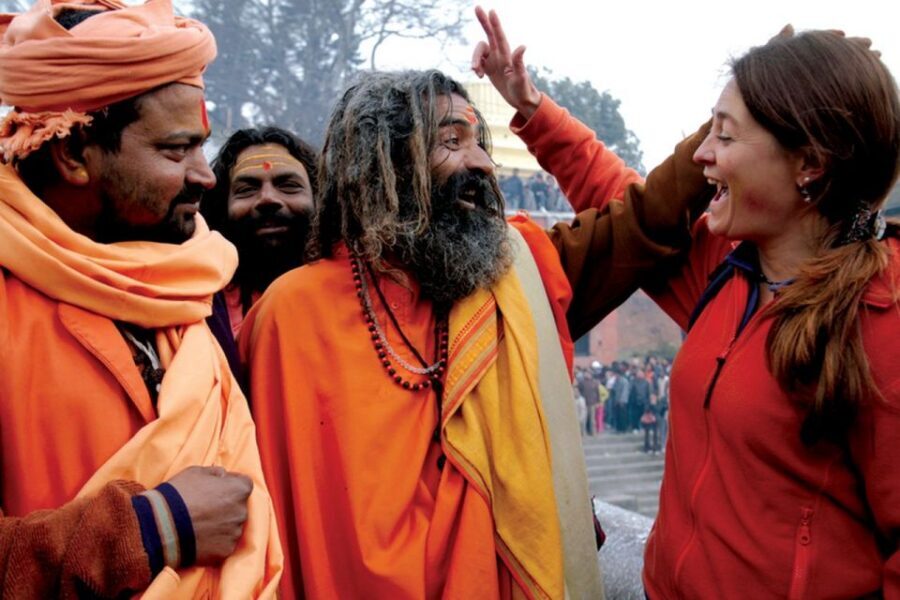
This tour gives you options for interactions that can turn a big cultural site into something personal. But it’s also clear about what costs extra.
Food and drinks are not included, and neither are the optional offerings—like alms to sadhus/monks or the palm reader’s fee.
Based on the info provided:
- Offering butter lamps at Boudhanath is an optional add-on.
- A palm reading is typically around $7.5 to $9 per person.
- Costs of about $7.5 are mentioned for things like taking pictures or interacting with sadhus, and your guide may help with negotiation.
I like that your guide is positioned to assist here. Without that help, it’s easy for visitors to feel awkward or get talked into something they didn’t intend to buy. With support, you can choose what feels respectful and then move on.
One more thing: if you do participate, do it with a mindset of contribution, not extraction. Offering something (or paying for a reading) is part of how these religious economies work, and your choice can help support the people involved.
Price and value: is $150 fair for 4 hours?
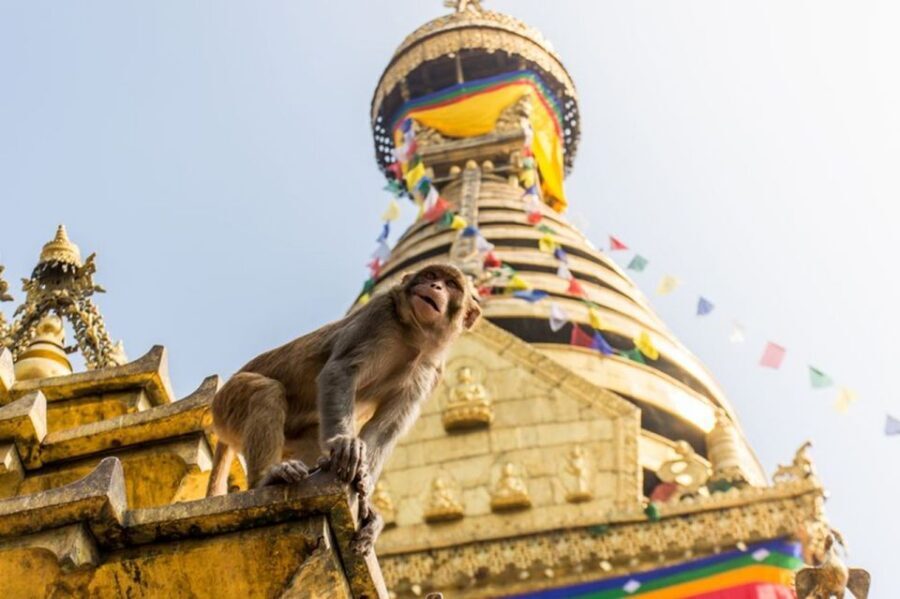
At $150 per person for 4 hours, you’re paying for access plus guidance on a route that’s hard to do smoothly on your own.
Here’s what’s included:
- An English-speaking Nepali guide
- Entrance fees to Boudhanath and Pashupatinath
- Transportation costs from the meeting point to Boudhanath and from Pashupatinath back to the endpoint (with Hotel Marshyangdi as the start)
What’s not included:
- Food and drinks
- Optional alms/offerings and palm reading fees
So the real value question becomes: are you buying time, clarity, and correct cultural pacing? On this route, yes. Two UNESCO sites plus ritual moments plus navigating crowds takes planning. The small group size (around 12 people) keeps the guide’s attention focused enough to ask questions and get context.
A note on timing: one booking described the day as a bit rushed due to traffic, though they still managed to cover everything. That’s worth planning for. If you’re strict about a tight schedule afterward, keep some buffer.
If you’re budgeting, also plan for modest extras if you want them: palm reading and offerings are the two most likely add-ons, and they’re optional.
Who this tour is best for (and who should think twice)
This tour fits best if you:
- want to understand how Buddhism and Hinduism coexist in everyday Kathmandu life
- like guided interpretation when the cultural context is the point, not the background
- appreciate small group pacing, not a big bus swarm
- can handle solemn moments without needing them turned into a lighthearted story
You might think twice if you:
- get emotionally overwhelmed by cremation ceremonies
- strongly prefer quiet sightseeing without crowds or rituals
- need lots of personal space to feel comfortable
Also, check your health routine and expectations. One low-rating feedback point flagged a guide’s coughing without covering their mouth. That’s not something you can predict, but it’s a real reminder: if you’re sensitive to germs, consider a mask and plan to be outdoors as much as possible.
Small-group attention is the difference-maker
The tour’s structure—small group, English guide, and active ritual participation—keeps it from turning into two long temple standstills.
You’re not just told what to do. You’re given cues for how to behave, where to stand, and when to move. That matters at both sites, especially at Pashupatinath where crowds can move fast and the spiritual areas are crowded and layered.
Even the route transition gets handled. You won’t have to solve logistics while also trying to understand what you’re seeing.
If you’re hoping for a tour that gives you confidence to ask questions, this is one of the better formats. You’ll likely leave with a clearer sense of why these sites are so central to Nepalese life.
Should you book Spiritual Nepal in Kathmandu?
Book it if you want a guided, respectful route that connects two UNESCO sites through lived religious practice—prayer wheels, ritual walking, sadhus, Aarati, and the Bagmati River ceremonies.
Skip it or choose carefully if you’re very sensitive to death-related rituals, hate crowd navigation, or expect a relaxed pace with lots of free time. This is more structured than that.
If you do book, prep smart:
- dress conservatively before you arrive
- bring a small amount of cash for optional offerings/palm reading
- come with a few focused questions for your guide
- give yourself a buffer afterward in case the day runs a little fast or compressed
FAQ
What sites does this tour visit?
You’ll visit Boudhanath and Pashupatinath, both recognized UNESCO Heritage sights.
How long is the tour?
The tour lasts 4 hours.
Where does the tour start?
It starts at Hotel Marshyangdi.
Are food and drinks included?
No. Food and drinks are not included.
Is palm reading included?
No. A future read by a local palm reader is optional and has an extra cost.
What should I wear?
Dress standards are conservative. Plan to cover shoulders and knees. For men, long trousers are often needed, and for women a long skirt or sarong is recommended.