REVIEW · KATHMANDU
12-Day Nepal Adventure Trek with Jungle Safari
Book on Viator →Operated by Outfitter Himalaya Holidays P. Ltd · Bookable on Viator
Two weeks of temples, trails, and tiger-country. This 12-day Nepal adventure is built for travelers who want Kathmandu culture, an Annapurna Poon Hill trek, and a full shift into wildlife in Chitwan, all without managing permits and logistics alone. I especially like that you get a local guide throughout, plus included transport between Kathmandu–Pokhara–Chitwan, so your days have structure and your evenings aren’t a scramble.
The second thing I like: the trek is paced for real humans. You’ll get some steep moments, but the plan balances climbs with easier trekking days and village scenery like rhododendron, oak forests, and rural trails. One thing to consider is that accommodation is often basic (clean, but not fancy), and you’ll also want to budget extra for sightseeing entrance fees in Kathmandu and drinks during the trip.
In This Review
- Key things that make this trip work (and feel worth it)
- Kathmandu temple day: Swayambhu, Durbar Square, Boudhanath, Pashupatinath
- The road to Pokhara: river views and a reset day
- Annapurna intro trek starts: Nayapul to Tikhedhunga
- To Ulleri and onward: the climb that sets the pace (and the breathing rhythm)
- Poon Hill day: sunrise views and the “worth it” climb
- Ghandruk: easier walking through forests and village life
- Last trek day: rice fields, villages, and Syauli Bazaar into Pokhara
- Chitwan National Park: jungle lodge, Tharu village tour, then real wildlife time
- Bird watching and back to Kathmandu: finish with a quieter note
- Price and logistics: what $950 covers (and what it doesn’t)
- Guides, pacing, and the “moderate fitness” reality
- Where this tour fits best (and who should think twice)
- Should you book this 12-day Nepal Adventure Trek with Jungle Safari?
- FAQ
- FAQ
- Where does the tour start and what time do I need to be there?
- What’s included in the price?
- What’s the main trek highlight in this itinerary?
- Are meals included every day?
- Is the Nepal visa fee included?
- Are travel insurance and international flights included?
- Do I need to pay entrance fees in Kathmandu?
- Is a trekking porter included?
- How big is the group?
- What is the cancellation policy?
Key things that make this trip work (and feel worth it)
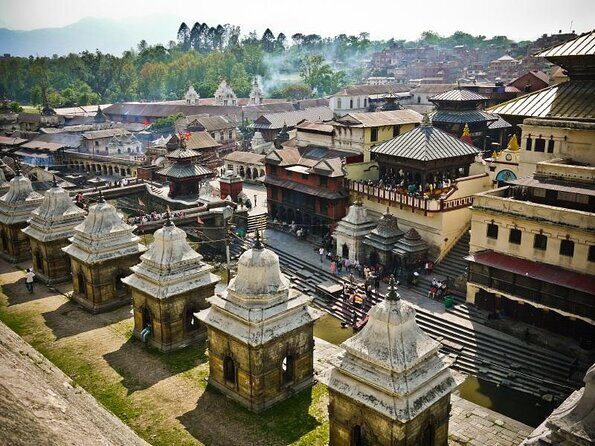
- Local guide support on the hard parts: help staying on track, especially during steep climbs.
- Permits handled for the trek: TIMS and trekking permits are included.
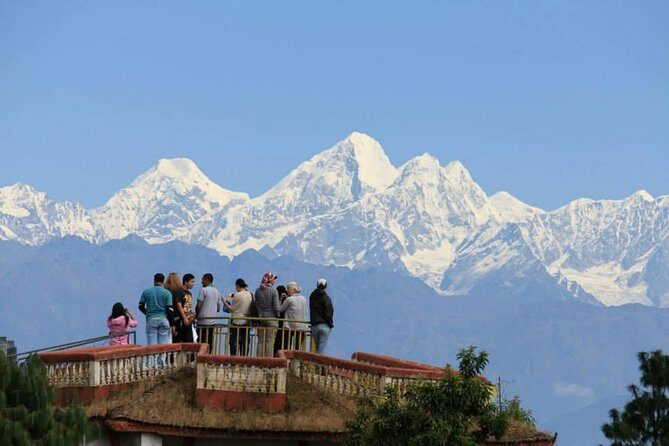
- A classic Poon Hill sunrise payoff: early morning mountain views over multiple major peaks.
- Chitwan is more than a drive-by: jungle walking, safari time, and Tharu culture.
- Small group size: capped at 14 travelers, which usually means less waiting and easier coordination.
Kathmandu temple day: Swayambhu, Durbar Square, Boudhanath, Pashupatinath
Day 1 is all about getting settled. You’re met at Tribhuvan Airport and transferred to your hotel, which matters because Kathmandu can burn time fast if you’re doing it on your own after a long flight.
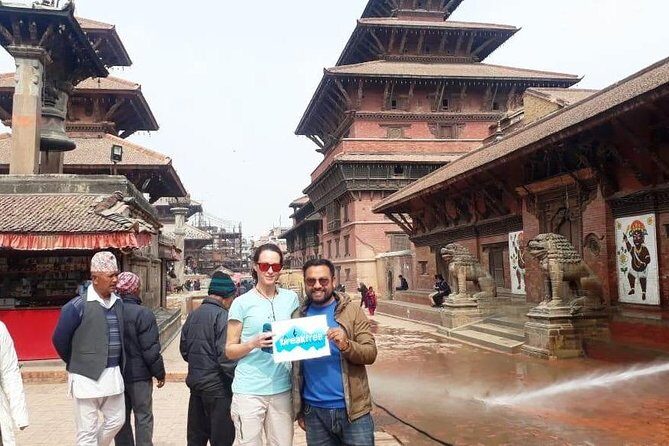
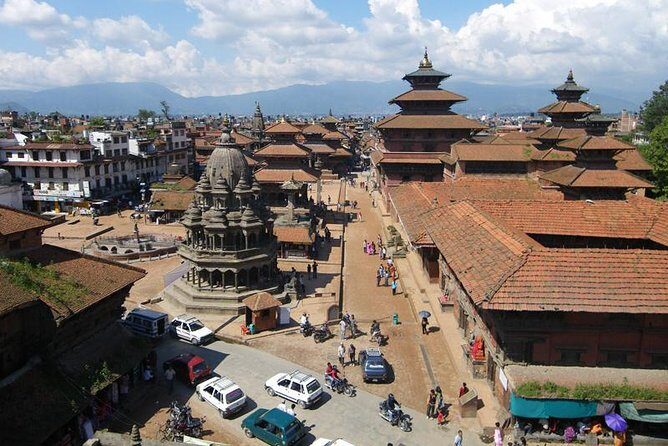
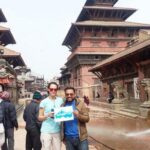
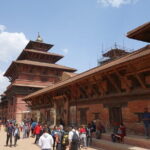
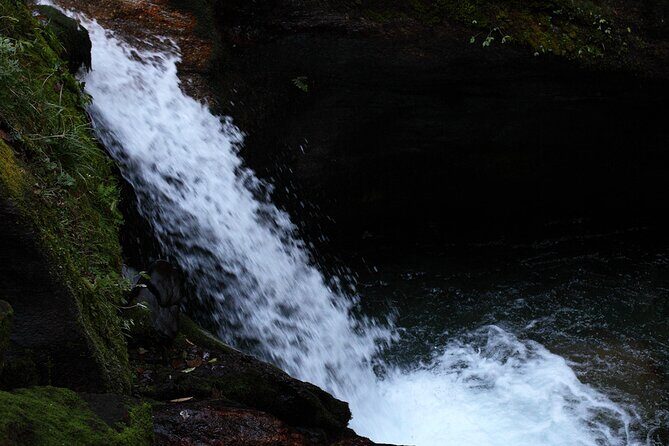
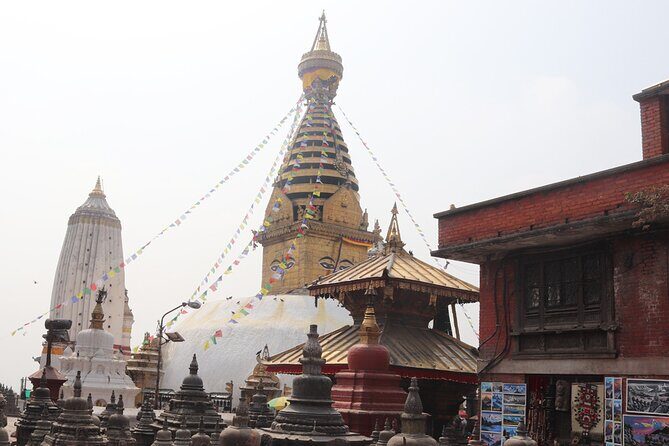
Then Day 2 is temple hopping in a smart order: Swayambhunath (Monkey Temple), Kathmandu Durbar Square, Boudhanath Stupa, and Pashupatinath Temple. This isn’t random. It’s a way to see very different kinds of Nepalese religious life in one go: hilltop views at Swayambhu, the heritage center feel of Durbar Square, the monumental calm of Boudhanath, and the cremation-ghat atmosphere at Pashupatinath.
Practical note: all the Day-2 sightseeing entrance fees aren’t included. The tour lists about $25 per person for Swayambhunath and the other Day-2 sites, so plan for that early. Also, expect crowds at the big stops—bring water and keep your phone charged.
You can also read our reviews of more hiking tours in Kathmandu
The road to Pokhara: river views and a reset day
On Day 3 you drive from Kathmandu to Pokhara (about 6 hours). The route follows the Trisuli and Marsyangdi River valleys, which is one of the easiest ways to shift gears from big-city temples to mountain travel mode.
This day is valuable because it’s not a full-on hiking day. You’re traveling, eating, and getting your body ready for trekking. If you tend to cramp during long drives, bring a small water bottle and stretch breaks where you can.
Annapurna intro trek starts: Nayapul to Tikhedhunga
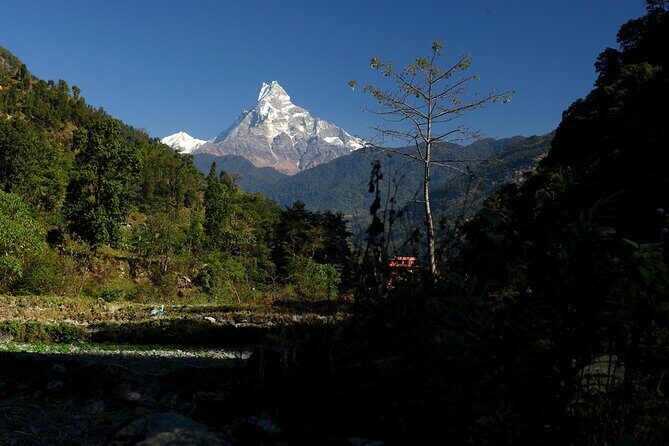
Day 4 is your first trekking day, and it’s a gentle on-ramp with one big theme: legs wake up, slowly then suddenly. You drive from Pokhara area to Nayapul (around 1.5 hours) and then begin trekking toward Tikhedhunga (listed around 1577m) via Birethanti.
What I like about a first day like this: you’re not dropped into technical hiking. It’s real walking through village trails, and it gives you time to learn how you like to trek—your pace, your shoe comfort, your hydration rhythm. What you should watch for: day-4 effort often feels fine until the late-afternoon stiffness kicks in. Pack for sore knees and ankles, not just for views.
To Ulleri and onward: the climb that sets the pace (and the breathing rhythm)
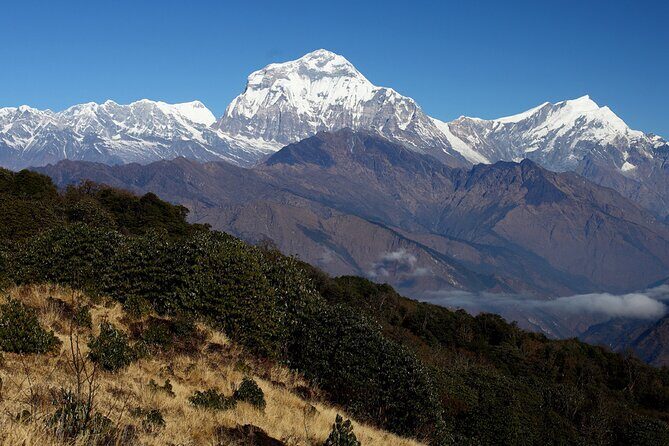
Day 5 takes you from lodge breakfast into a trek that initially climbs steeply, then eases into a gentler rhythm. The plan mentions steep ascent for about the first two hours, then passing through Ulleri (2070m) and Banthanti villages.
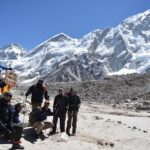
This is where trekking “feels like trekking.” You’ll likely notice your breathing change on the uphill sections. Here’s where a good guide matters. In this tour, the guide team is known for keeping people moving even when fitness isn’t perfect. One traveler noted being accommodated with porter support when they were slower, which is a useful detail if you’re worried about pacing yourself.
The payoff on these days is that the trail gradually starts to open up to wide mountain views. The itinerary text cuts off mid-sentence, but the point holds: you’re moving into a zone where scenery is a constant reward, not a rare bonus.
Poon Hill day: sunrise views and the “worth it” climb
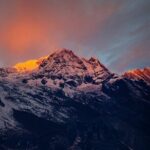
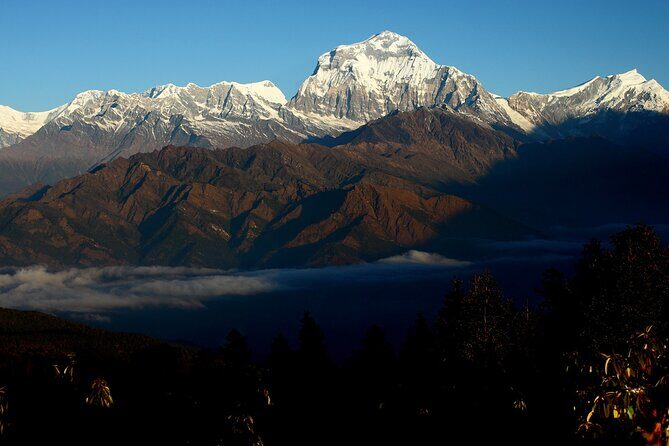
Day 6 is the trek highlight day for most people: you hike to Poon Hill (3232m) for early views. The plan lists a sunrise-style experience, which is why this day often feels like the turning point in a trek.
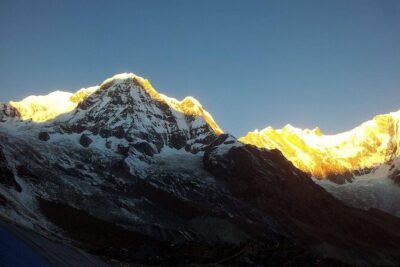
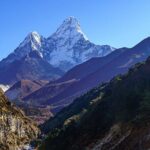
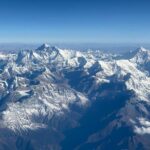
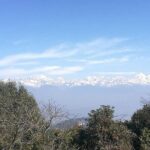
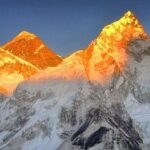
What you should expect is real altitude effort plus early timing. You climb, then the reward is a view over major peaks, including Dhaulagiri, Tukuche Peak, Nilgiri, Varaha Shikhar, Annapurna I, and Annapurna South. That’s a serious peak lineup for a trek that’s still marketed as moderate-ish.
A practical heads-up from real-world experience on this kind of itinerary: one traveler described an intense elevation gain day and warned about a big stair climb—about 3000 stairs in one stretch. Even if your day doesn’t match that exactly, treat stair-heavy sections as normal. Bring layers (mornings can feel chilly), and plan to move steadily, not fast.
You can also read our reviews of more tours and experiences in Kathmandu
Ghandruk: easier walking through forests and village life
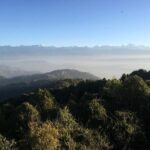
Day 7 shifts gears. After breakfast at the lodge, you trek toward Ghandruk with an easier pattern: descending gently through rhododendron, oak, and other dense forests, plus lots of bird sounds along the way (the itinerary explicitly mentions bird calls).
This day is great if you want your brain to stop grinding on effort and start noticing details. Walking through forests slows you down in a good way. You’ll also see more of everyday village life as the trek moves between viewpoints and settlements.
The main drawback? Even “easy trekking” can mean uneven footing. Take your time on downhill stretches and keep an eye on the soles of your shoes.
Last trek day: rice fields, villages, and Syauli Bazaar into Pokhara
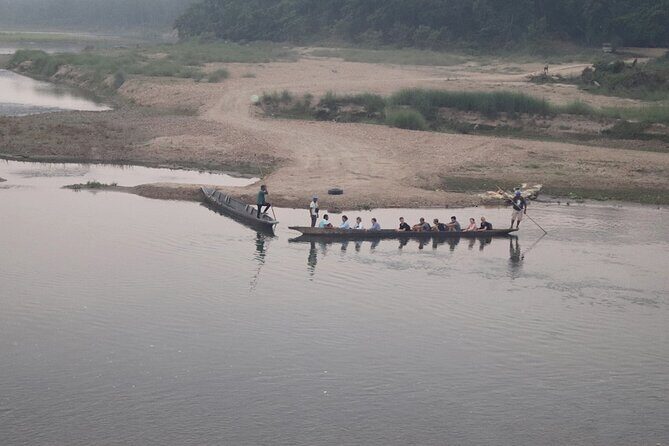
Day 8 is your final hiking day. It’s described as easy, descending gently through rice fields and local villages to Syauli bazaar before continuing to Pokhara (the itinerary shows about 6 hours total for the day including the transition).
This is the day I’d call the emotional landing. After days of trekking, you get that slow-motion feeling: the trail is still walking, but you’re not pushing for altitude. It’s also a reminder that your trek isn’t only about “the top.” It’s about moving through how people actually live here—farms, paths, and small settlement rhythms.
Chitwan National Park: jungle lodge, Tharu village tour, then real wildlife time
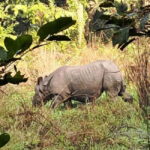
On Day 9 you drive from Pokhara area to Chitwan (about 6 hours). Once you check into the jungle lodge, you start with a wildlife Tharu village tour.
This is a nice contrast to the mountain days. Instead of steep trails, you switch to flat ground and thicker air. Chitwan also brings a different kind of pacing: you spend time waiting, listening, and then suddenly something moves. That slow-and-sudden rhythm is part of the value of a proper safari day.
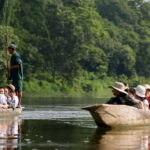
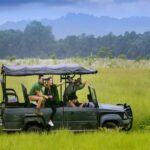
Day 10 is where it gets busy: a full-day set of jungle activities, including jungle walking and a jungle safari across streams and into the jungles, plus a Tharu cultural stick dance. That dance piece matters because it connects the landscape to the people living alongside it, not just wildlife sightings.
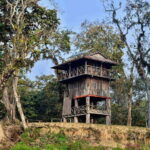
One practical note: don’t expect a luxury hotel vibe here. The trekking lodges are described as basic but clean, and Chitwan jungle lodges tend to follow that same reality. Clean matters. Comfort is simpler. Pack for function.
Bird watching and back to Kathmandu: finish with a quieter note
Day 11 starts with a bird watching tour in the morning, then you drive back to Kathmandu and check into your hotel.
Bird watching is a good final activity because it gives you something calmer after trekking and safari days. You’re still out in nature, but you’re not fighting uphill terrain. Then the drive back to Kathmandu resets you for your last night in the city.
Day 12 wraps up with the end of the package and your departure plans. It’s the kind of trip where you leave tired in a satisfying way—legs worked, eyes fed.
Price and logistics: what $950 covers (and what it doesn’t)
At $950 per person, this tour is priced like a mid-pack package: not the cheapest way to travel Nepal, but also not the kind where you’re paying for luxury add-ons. For that money, you get:
- 11 nights of accommodation
- Airport transfers
- Local guide throughout
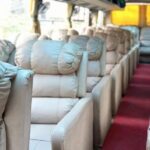
- Transport by tourist bus between major hubs
- Trekking permit + TIMS permit
- Meals included: 11 breakfasts, 7 lunches, 6 dinners
That’s where the value lives. Permits, guide time, and transportation eat budget fast if you try to DIY it. Also, having a guide helps with pacing and the practical stuff you don’t want to think about during a trek.
What’s not included is just as important:
- Nepal entry visa fee
- Travel insurance
- Meals not listed
- Drinks and sweets (including chocolates are called out as extra)
- International airfare
- Tips for guide/driver/porters
- Entrance fees in Kathmandu Day-2: about $25 per person
- Trekking porter isn’t included if you want one
So if you’re trying to keep the trip cost down, your biggest controllables are entrances, tips, and how much you spend on extra food and drinks. If you’re okay with a simple setup and want everything organized, the package price starts to look fair.
Guides, pacing, and the “moderate fitness” reality
The tour is set for moderate physical fitness. That usually means you can handle several hours of walking with some steep parts, not that every day is flat.
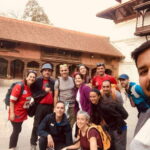
From the experience notes, the guide team is a standout. People specifically praised guides like Raj and Amrit for staying attentive and supportive. One common theme: encouragement on difficult uphill sections, and real adjustments when someone is slower—like having a porter assigned to help.
That doesn’t remove the work. But it changes how it feels. Trekking in Nepal is rarely about being a machine. It’s about steady movement, smart breaks, and not ignoring pain signals.
Where this tour fits best (and who should think twice)
This tour is a great match if you want a full Nepal sampler in about two weeks: Kathmandu culture, Annapurna views from Poon Hill, then Chitwan safari time and Tharu cultural elements.
You’ll probably enjoy it most if:
- you like structured days (not endless planning)
- you want a moderate trek without going full hardcore
- you’re happy with basic but clean lodging and plan around that
- you want wildlife time that includes both a safari and jungle walking, not just a single vehicle stop
You might think twice if:
- you need a very cushy hotel standard for every night
- you hate early mornings (Poon Hill-style timing is part of the plan)
- you’re extremely sensitive to stairs and steep segments (this route includes some demanding uphill sections)
Should you book this 12-day Nepal Adventure Trek with Jungle Safari?
If you want a Nepal trip that checks three big boxes—culture in Kathmandu, trek views in the Annapurna region, and real nature time in Chitwan—this is a strong, cost-conscious way to do it. The included guide, transport, permits, and most meals remove a lot of friction.
My booking advice comes down to two questions:
1) Are you okay with basic lodging and extra costs for Kathmandu entrance fees and drinks?
2) Are you comfortable with a moderate trek that includes steep stairs and early sunrise time?
If your answers are yes, you’ll likely love how the days connect: temple morning, mountain trek rhythm, then jungle soundscapes. It’s not a quiet, sit-and-watch vacation. It’s an active Nepal story with a guide to keep it running smoothly.
FAQ
FAQ
Where does the tour start and what time do I need to be there?
The tour start is at Tribhuvan Airport, Kathmandu, with a start time of 6:15 am.
What’s included in the price?
Included are 11 nights of accommodation, airport transfers, a local guide throughout, tourist bus transport between Kathmandu–Pokhara–Chitwan–Kathmandu, trekking permits (TIMS and trekking permit), plus meals (11 breakfasts, 7 lunches, 6 dinners).
What’s the main trek highlight in this itinerary?
The itinerary includes trekking to Ghorepani and Poon Hill (3232m), with sunrise views over peaks such as Dhaulagiri and Annapurna I, among others.
Are meals included every day?
Breakfast is included for 11 days, and lunch and dinner are included for the days listed in the package (lunch 7 times, dinner 6 times). Meals not stated in the itinerary are not included.
Is the Nepal visa fee included?
No. The Nepal entry visa fee is not included.
Are travel insurance and international flights included?
No. Travel insurance and international airfare to and from Nepal are not included.
Do I need to pay entrance fees in Kathmandu?
Yes. The itinerary notes entrance fees for Swayambhunath and all Day-2 sightseeing places, listed at $25 per person, are not included.
Is a trekking porter included?
A trekking porter is not included if you need one.
How big is the group?
The tour has a maximum of 14 travelers.
What is the cancellation policy?
You can cancel up to 3 days in advance of the experience for a full refund. If you cancel less than 3 days before the start time, the amount paid is not refunded.