REVIEW · KATHMANDU
2 Days Ghorepani Poonhill Trek from Pokhara
Book on Viator →Operated by Happy Mountain Nepal · Bookable on Viator
Short treks in Nepal can be weirdly satisfying. This 2 days Ghorepani Poonhill Trek from Pokhara is one of the best ways to get big Annapurna-area views without committing to a long itinerary. The payoff is the famous Poon Hill sunrise, plus a real taste of village life on the Annapurna trails.
What I like most is how the trip is set up to reduce stress. You get 4W transportation from Pokhara to Banthanti, then a guide who keeps the logistics simple and the walk on track. Even with an early wake-up, the day feels structured rather than chaotic.
One thing to plan for: the itinerary moves early. You’ll start at 7:45 am, and you’ll do a short uphill hike to Poon Hill around sunrise (about an hour). If your body doesn’t love early starts or uphill at altitude-adjacent elevations, bring extra layers and don’t pretend the climb will be easy.
In This Review
- Key Things You’ll Notice on This Trek
- Why Poon Hill Sunrise Still Wins for a 2-Day Trip
- From Pokhara to Banthanti: The 4W Drive That Makes This Work
- Day 1 to Ghorepani: Settling In at the Start of the Scenic Stretch
- Day 2: Poon Hill Sunrise and the Big-Peak View List
- What Your $220 Covers (and Why Permits Are a Big Deal)
- Santosh the Guide Factor: Why the Human Touch Matters
- Timing, Group Style, and Who This Trek Suits Best
- Packing Tips for a Cold Sunrise and a Two-Day Rhythm
- Should You Book This 2 Days Ghorepani Poonhill Trek?
- FAQ
- What is the duration of the Ghorepani Poonhill Trek from Pokhara?
- What time does the tour start?
- Do you get picked up from Pokhara?
- Is transportation included?
- Are meals included?
- What permits are included in the price?
Key Things You’ll Notice on This Trek
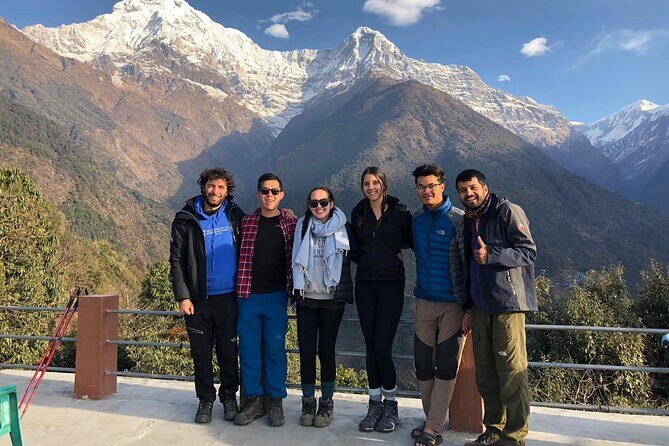
- Sunrise at Poon Hill: The walk is short, but the views are the main event.
- Pokhara to Banthanti by 4W drive: ~3.5–4 hours of road time saves energy.
- Permits included: ACAP and TIMS are covered in the package price.
- Tea house pacing: You’re not racing all day; you’re moving smart across two days.
- Guide energy matters: Your experience hinges on a clear, confident guide—often praised with names like Santosh.
Why Poon Hill Sunrise Still Wins for a 2-Day Trip
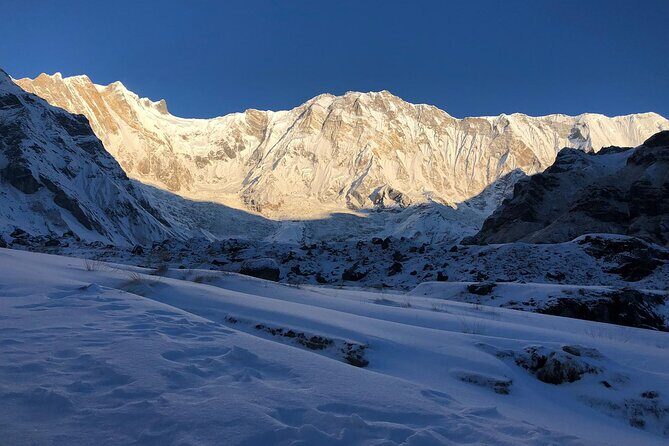
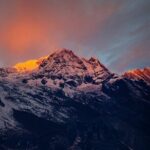
Poon Hill is popular for a reason: it’s one of those Nepal viewpoints where a short effort can produce a wide, dramatic panorama. On this trek, sunrise is the headline. You’ll wake up early, hike up from your tea house (about an hour uphill), and then stand in the cold-ish dawn air waiting for the light to click into place across the mountains.
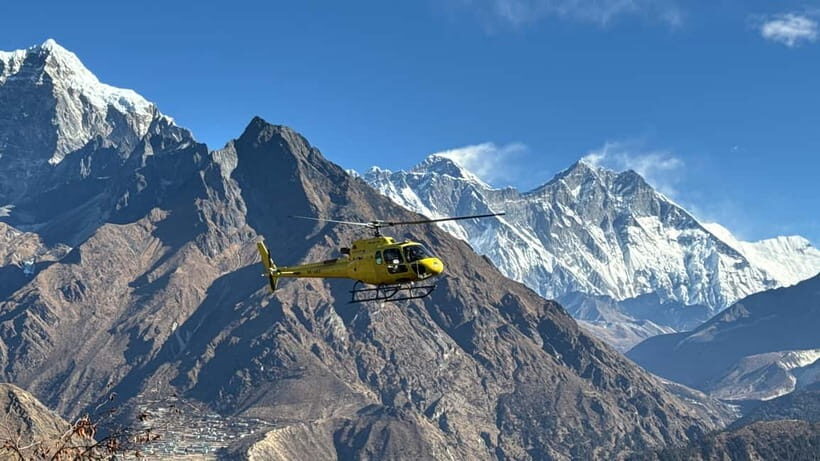
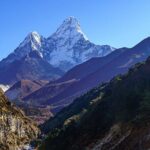
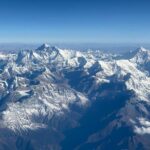
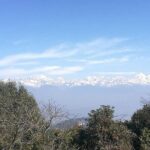
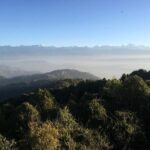
From Poon Hill, the sights you’re aiming for include the Annapurna range, the Dhaulagiri range, and Manaslu, plus more peaks on clear mornings. That matters because it turns a short trek into something that feels like a real mountain moment, not just a hike between villages.
Practical tip: sunrise treks reward preparation. Bring a warm layer even if Pokhara is mild. Expect early darkness, chilly air, and a “slow-but-steady” pace. If you go in thinking you’ll be warm and relaxed right away, you’ll be disappointed. If you plan for cold and a bit of uphill effort, it feels worth it fast.
You can also read our reviews of more hiking tours in Kathmandu
From Pokhara to Banthanti: The 4W Drive That Makes This Work
This trek is short, so the schedule is tight. The good news is that the package builds in a both-way 4W transportation from Pokhara to Banthanti and back again. The drive from Pokhara to Banthanti is listed at about 3.5 to 4 hours.
Why that matters: it reduces the “getting there” friction that usually ruins short itineraries. Instead of turning Day 1 into a grind of road time and long setup walks, you move directly toward the trekking starting point. It’s also a practical move for beginners—less scrambling at the start means more energy for the trekking parts.
What you should keep in mind: road time can be bumpy. Plan to be comfortable in layers, and if you’re prone to motion sickness, consider bringing your usual remedy. Once you’re set down at Banthanti, you’re ready to continue the trek toward Ghorepani, the base area for your overnight.
Day 1 to Ghorepani: Settling In at the Start of the Scenic Stretch
Day 1 begins with breakfast in the morning and a pickup from your hotel in Pokhara. Then it’s the scenic drive to Banthanti (about 3.5–4 hours by 4W), followed by the trek toward Ghorepani.
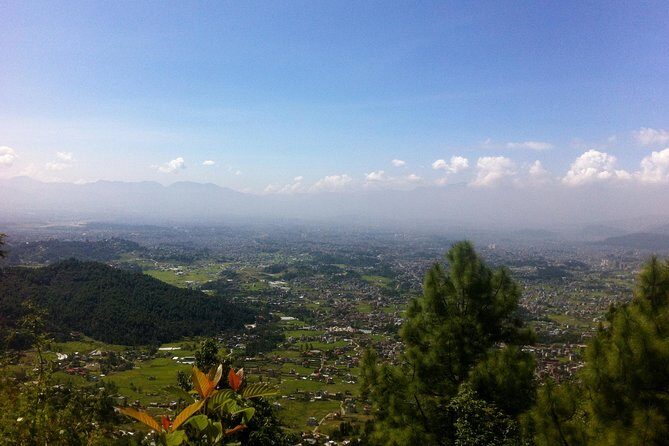
Even though the itinerary summary keeps some trail details brief, Ghorepani is the key stop for two reasons. First, it puts you in the right position for Poon Hill at sunrise the next morning. Second, this whole area is known for the kind of walking you want on a short trek: village views, terraced slopes, and stretches through rhododendron forests.
Here’s what you can expect day-to-day on a trek like this: you’re not looking at one giant, exhausting push. You’re moving through a working landscape where people live with the hills. That’s the cultural side of the Annapurna region—often associated with Gurung and Magar communities—where the trail passes homes, small farms, and tea house clusters.
Possible drawback on Day 1: after a long drive, your body might feel less “ready” for walking. If you’re coming from the city, do a gentle warm-up when you start moving. Hydrate early. And don’t overpack your day bag—once you’ve got your essentials, extra weight becomes annoying fast.
Day 2: Poon Hill Sunrise and the Big-Peak View List
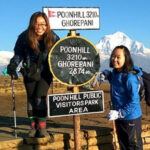
Day 2 starts early for sunrise. The plan is straightforward: wake up, then hike from the tea house to Poon Hill for the dawn viewpoint. The uphill hike is listed at about 1 hour.
When the light starts to change, the mountains do that classic trick where they look sharper and more layered. The view list on this trek includes the Annapurna range, the Dhaulagiri range, and Manaslu—plus additional peaks when visibility is good. For a 2-day trek, that’s a seriously packed reward.
After sunrise viewing, you’ll return and continue onward to Pokhara as the day wraps up. The itinerary notes a total day duration of about 7 hours, which usually means you’ll be moving at a comfortable but efficient pace—short breaks, less wandering, and no long detours.
Two practical notes for this morning hike:
- Wear something warm for the top. Sunrise feels dramatic, but the air can be sharp.
- Pace matters more than speed. The hike is short, but you still want steady breathing so you can enjoy the view instead of focusing on your legs.
What Your $220 Covers (and Why Permits Are a Big Deal)
At $220 per person, this trek is priced as a short-package with a lot included. It’s not just “a guide and a hike.” Your package includes the permits and essentials that can be annoying to sort out yourself.
Included items cover:
- Breakfast, lunch, and dinner
- Professional English-speaking trek guide
- ACAP permit and TIMS permit
- 4W transportation both ways between Pokhara and Banthanti
- All taxes and service charge
Not included:
- Personal expenses
- Hard and soft drinks
- Tip/gratitude
So is it good value? For many first-timers, yes—because the big-ticket friction points are handled. Permits like ACAP and TIMS are not optional paperwork trivia; they’re part of operating legally in the conservation area and for managing trekking access. When those are included, you reduce guesswork and last-minute stress.
Also, meals included matter more than people expect. Tea house hiking often means paying as you go for lunch or dinner, and that can add up quickly. Here, you already have those meals built into the cost.
If you’re the type who hates planning, the package structure helps a lot. If you love total freedom and budget backpacking, this might feel a bit “organized.” But for a 2-day trek, organization is a feature.
You can also read our reviews of more tours and experiences in Kathmandu

Santosh the Guide Factor: Why the Human Touch Matters
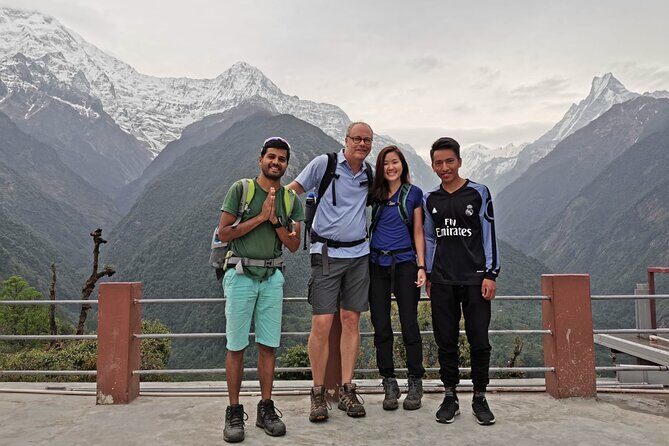
A 2-day trek lives or dies on the guide. The walking is short, so you won’t benefit much from a guide only when things go wrong. Instead, your guide’s value shows up in small things: timing, explanations, and how smoothly the itinerary runs.
In client feedback, the guide Santosh is repeatedly praised for being brilliant, knowledgeable about the mountains, and for giving lots of useful information during the trip. People also mention that organization felt smooth, with a clear plan from start to finish.
Even if you don’t care about geology or mountaintop trivia, a good guide improves the experience because you spend less time wondering and more time watching the mountains. On a sunrise trek, that’s huge. The best moment is the moment you actually see the peaks—not the moment you’re trying to figure out where everyone is going.
Timing, Group Style, and Who This Trek Suits Best
This is listed as a private tour/activity, and it says only your group will participate. That usually means you won’t be shuffled around like a cattle car with strangers changing the pace. It can be a good fit if you want your own rhythm, photos taken without wrestling for space, and fewer “wait for the slowest person” moments.
Start time is listed at 7:45 am, and the day structure includes an early sunrise push on Day 2. You’ll need moderate physical fitness level. The uphill to Poon Hill is about an hour, which is doable for many people, but “doable” depends on how you handle cold mornings and uneven trail footing.
This trek is ideal if you want:
- A short Annapurna taste without a multi-day commitment
- Beginner-friendly walking that still feels like a real mountain trek
- Sunrise views that don’t require a week of vacation
It’s less ideal if you:
- Want a laid-back start time (this is early)
- Struggle with uphill even for an hour
- Expect zero coordination and fully independent logistics (this tour is guided and timed)
Packing Tips for a Cold Sunrise and a Two-Day Rhythm
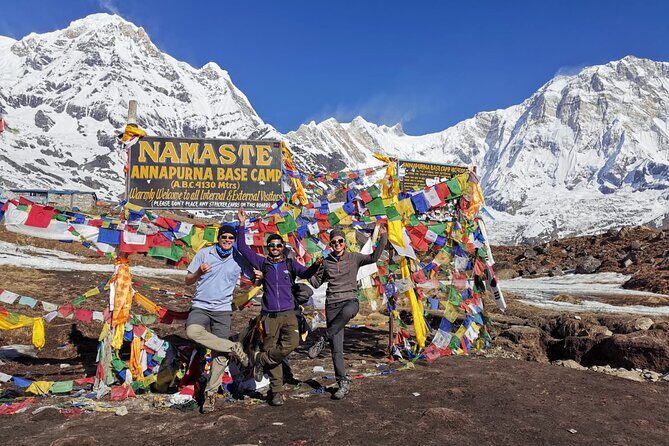
Because sunrise is a key part of this trip, pack like you’re hiking in colder air than you expect. You’ll likely feel it most during the early morning hike to Poon Hill.
Bring:
- Warm layers for dawn (a light thermal layer plus a warmer outer layer)
- Comfortable hiking shoes with decent grip
- A small day bag for water, snacks, and layers
- A rain layer if conditions shift (mountain weather changes fast)
Keep it simple. Two days doesn’t require a big kit. Also, remember drinks aren’t included, so if you have a preferred water bottle setup, use it.
A small humorous truth: on sunrise treks, you’ll take photos for a while and then realize your hands are cold. Warm gloves beat dramatic heroics every time.
Should You Book This 2 Days Ghorepani Poonhill Trek?
Book it if you want maximum Himalayan view payoff in minimal time, and you like the idea of having permits, permits timing, meals, and transport handled. At $220, the value is strongest when you’re a first-timer who’d rather spend energy on the mountains than paperwork and logistics. The guide support—often highlighted with names like Santosh—is a real advantage for a short itinerary.
Skip it or consider alternatives if you hate early mornings, you don’t like uphill climbs at dawn, or you want a more flexible route with no schedule. This trek is built around sunrise, and that drives the whole feel of the trip.
If that all sounds like your vibe, this is a smart, efficient way to get the Annapurna region’s big views without turning the trip into a long slog.
FAQ
What is the duration of the Ghorepani Poonhill Trek from Pokhara?
The trek is listed as 2 days (approx.), with Day 1 focused on getting to Ghorepani and Day 2 centered on sunrise at Poon Hill and returning toward Pokhara.
What time does the tour start?
The start time is listed as 7:45 am.
Do you get picked up from Pokhara?
Yes. The itinerary notes pickup from your hotel in Pokhara, followed by transportation to Banthanti.
Is transportation included?
Yes. The package includes both way 4W transportation between Pokhara and Banthanti to Pokhara.
Are meals included?
Yes. The trek includes breakfast, lunch, and dinner.
What permits are included in the price?
The package includes ACAP (Annapurna Conservation Area Project) Permit and TIMS Permit.