REVIEW · KATHMANDU
Unforgettable Everest Base Camp Trek with Third Rock Adventures! 🌄 I recently completed an incredible journey to Everest Base Camp with Third Rock Adventures, and I can’t recommend them enough! From starRead more
Book on Viator →Operated by Third Rock Adventures · Bookable on Viator
Every day in the Khumbu has a big payoff. This 14-day Everest Base Camp trek strings together Lukla’s flight-in start and classic Sherpa villages with the kind of altitude views that make you slow down and stare. I really like the way the trip balances logistics and comfort, including clean tea house nights and all meals with tea/coffee during the trek.
Two standouts for me: the big-hitters like reaching Everest Base Camp and hiking Kala Patthar for sunrise views, and the support system built around safety and staying flexible. The itinerary also includes a government-licensed English-speaking guide, porter help (2 trekkers to 1 porter), and even a pulse oximeter plus key meds carried by the guide. One drawback to think about up front: this is moderate to difficult hiking at high altitude, and mountain weather can affect flight timing—so you’ll want a calm, flexible attitude.
In This Review
- Key highlights at a glance
- Kathmandu Preparation: Thamel time, gear checks, and a real briefing
- The Lukla Flight and Phakding Day: Where the trek actually begins
- Suspension Bridges and Namche Acclimatization: the altitude strategy that saves trips
- Tengboche to Dingboche: forests, monastery views, and Sherpa settlements
- Lobuche and Gorak Shep: getting to Base Camp means big hiking days
- Kala Patthar at 5,550m: the sunrise payoff and the 360-degree reality
- The descent back to Namche and Lukla: keep moving, keep your rhythm
- Back to Kathmandu: flights, Ason Market, and a calmer end
- Price and logistics: what you’re paying for (and what to plan for)
- Safety, guide support, and why flexibility matters on Everest routes
- Who should book this Everest Base Camp trek?
- Should you book Third Rock Adventures for Everest Base Camp?
- FAQ
- How long is the Everest Base Camp trek?
- What city do I start and end in?
- Are meals included during the trek?
- Are flights to and from Lukla included?
- Is there porter support, and how does luggage work?
- Does the tour provide trekking sleeping gear?
- Is the Nepal visa fee included?
- Can I cancel for a full refund?
Key highlights at a glance
- Lukla flight to start fast, then straight into the Sherpa trail rhythm
- Acclimatization built in, especially around Namche
- Tengboche monastery stop, with close-up mountain views
- Everest Base Camp + Khumbu Icefall viewpoints, with a long day payoff
- Kala Patthar at 5,550m for sunrise and 360-degree views
- Small group size (max 12) with guide and porter coverage
Kathmandu Preparation: Thamel time, gear checks, and a real briefing
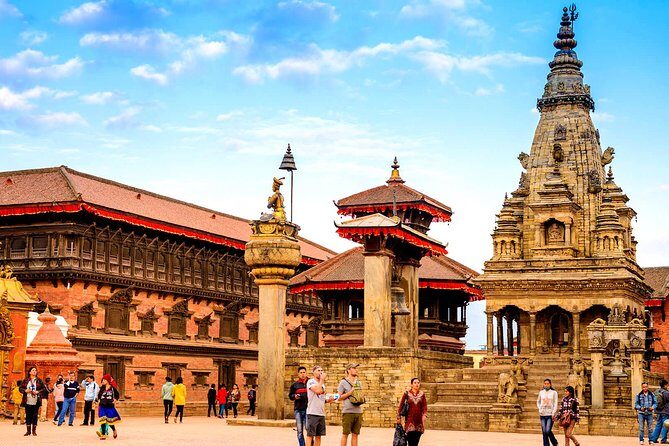
Day 1 is your buffer, and I’m glad it exists. You arrive in Kathmandu, get picked up, and transfer to a 3-star deluxe hotel with breakfast. Then you meet your trek leader and team for a briefing, which matters because Everest trekking is equal parts effort and smart decisions at altitude.
You’ll also use the day to get your legs sorted and your pack squared away. The trek is long, so this is where you want to confirm what you’ll carry versus what you can leave with the porter. Kathmandu also gives you a chance to pick up small essentials in Thamel—things like snacks, basic supplies, or last-minute convenience items.
One practical note: the trek includes down jacket and sleeping bag to use during the trek (returned after completion). Still, you’ll likely want to bring your personal trekking gear and equipment yourself, since it’s listed as a personal expense item. If you’re trying to travel light, pack with that in mind.
You can also read our reviews of more hiking tours in Kathmandu
The Lukla Flight and Phakding Day: Where the trek actually begins
On Day 2, you fly to Lukla and meet your crew right after landing. That jump from Kathmandu into the high Himalaya is part of the magic. Then you start hiking through Chauri Kharka village, follow the Dudh Koshi River, and reach Phakding, a Sherpa village in the valley.
Phakding is a good “wake-up” day because you’re walking into the Khumbu without going straight into the hardest altitude work. You’ll also get early exposure to the sacred map of the region through route landmarks. For example, the trek passes Khumbila, described as a sacred uncle in local tradition (and yes, it’s named in that way in the route description). Moments like that are why this trek is more than a workout.
Where to be careful: the first day of trekking is when people forget that they’re already at elevation. Take it slow, drink water, and don’t treat the start like a warm-up jog.
Suspension Bridges and Namche Acclimatization: the altitude strategy that saves trips
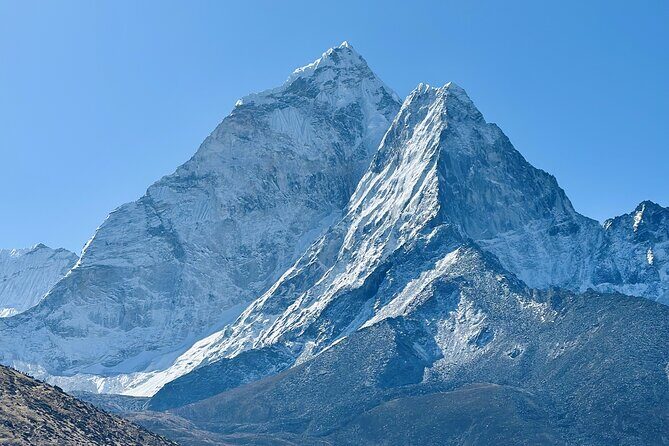
Day 3 is known for crossing suspension bridges, including the famous Hillary Bridge. You’ll cross the Dudh Koshi River, stop for lunch at Jorsale in Sagarmatha National Park, then climb toward Namche Bazaar.
Namche Bazaar isn’t just a place to sleep—it’s your altitude checkpoint and a trading hub. On Day 4, you acclimatize here, which is one of the smartest parts of the overall pacing. You can explore bakeries, shops, and the Saturday Market vibe in Namche, but the main job is getting your body ready for higher altitudes ahead.
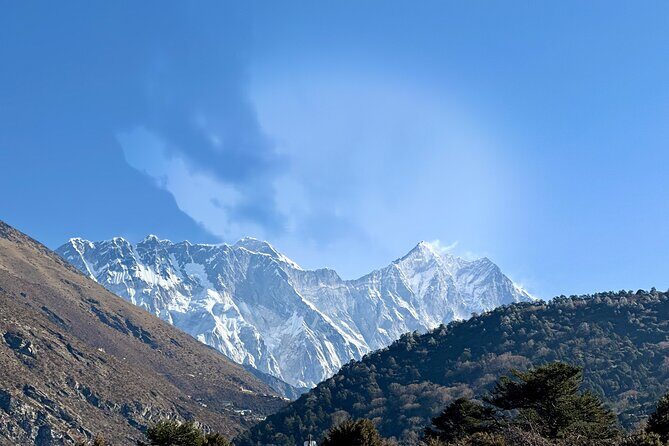
Day 4 also includes a sunrise hike for views of Everest, Ama Dablam, and Lhotse, inside Sagarmatha National Park. That’s the kind of hike that doesn’t feel like “extra exercise” once you’re there, because the reward is worth the early start.
How this helps you: acclimatization isn’t just a checklist item. It reduces the odds that you’ll spend your next days fighting altitude instead of enjoying the route. And because the trek is graded moderate to difficult, those built-in acclimatization hours are part of why this is doable.
Tengboche to Dingboche: forests, monastery views, and Sherpa settlements
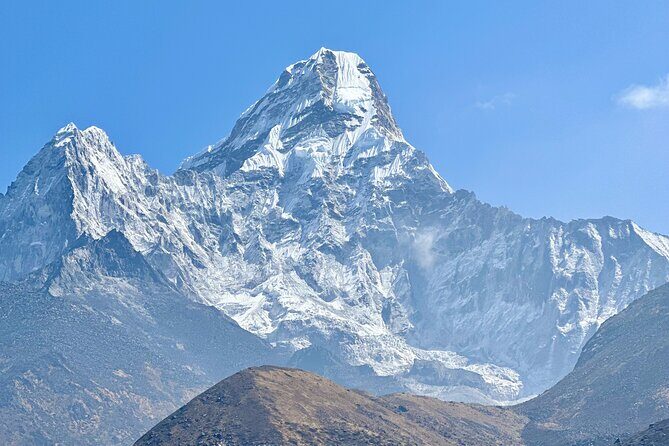
Day 5 brings a change in scenery and a change in effort. You hike through rhododendron and juniper forests with mountain views, then reach Tengboche. Tengboche is home to the region’s largest monastery, and you’ll have a chance to visit it. There are also close-up views of Ama Dablam here, which is exactly the sort of peak that makes you realize why people come back to the Khumbu.
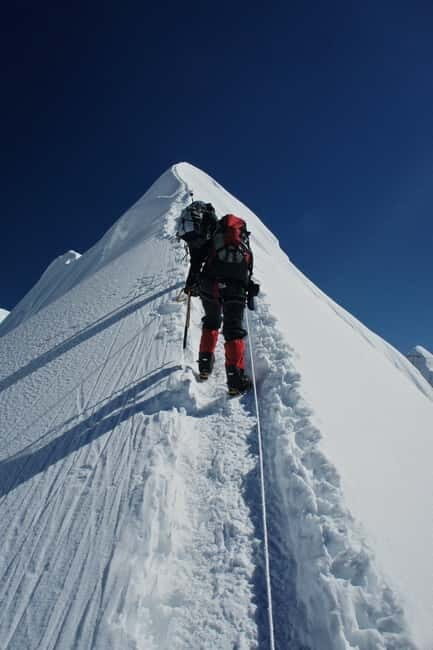
Day 6 continues the climb. You cross the Imja Khola, pass through Pangboche (described as the highest permanent Sherpa settlement), then continue to Dingboche with views of Island Peak and Ama Dablam. Dingboche is another key altitude town, and the itinerary includes an overnight there.
Then Day 7 adds another acclimatization hike: Nagarjun Hill (5,100m). This is a panoramic workout, with views including Makalu, Lhotse, Ama Dablam, and Island Peak, plus a close view of the Imja Glacier. The afternoon is left flexible for rest or exploring Dingboche.
This is the pattern that makes the trek feel intelligent instead of just aggressive: you gain altitude, you pause to adjust, you gain again. If you’re prone to altitude issues, this pacing gives you more chances to stabilize.
Lobuche and Gorak Shep: getting to Base Camp means big hiking days
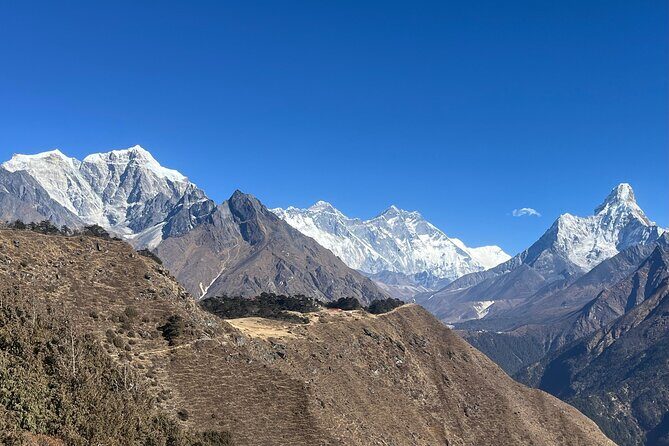
Day 8 is a longer high-altitude push. You hike about 8 km over rugged terrain to Lobuche with sweeping views of Lobuche, Pumori, and Nuptse. You also stop at Thukla Pass to honor Everest climbers at memorial stupas, then continue toward the Nepal–Tibet border area.
That memorial stop is worth respecting. It’s a reminder that this trek happens in a region where mountaineering stories carry weight.
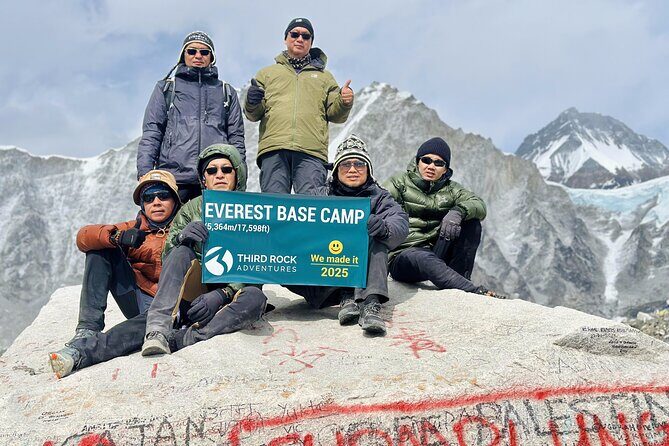
Day 9 is the classic Everest Base Camp day. You trek from Lobuche to Gorak Shep, then hike alongside the Khumbu Glacier to reach Everest Base Camp. You’ll take in views of the Khumbu Icefall and surrounding peaks before heading back to Gorak Shep for the night.
Two things matter here:
- The distance is one thing, but the altitude is the real opponent.
- Sunrise and weather can change how the glacier views look, so don’t expect the same “perfect” panorama every hour.
If you’re the kind of person who gets annoyed by slow walking, this is your moment to switch gears. This day rewards patience.
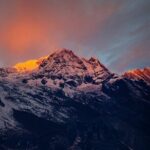
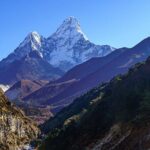
Kala Patthar at 5,550m: the sunrise payoff and the 360-degree reality
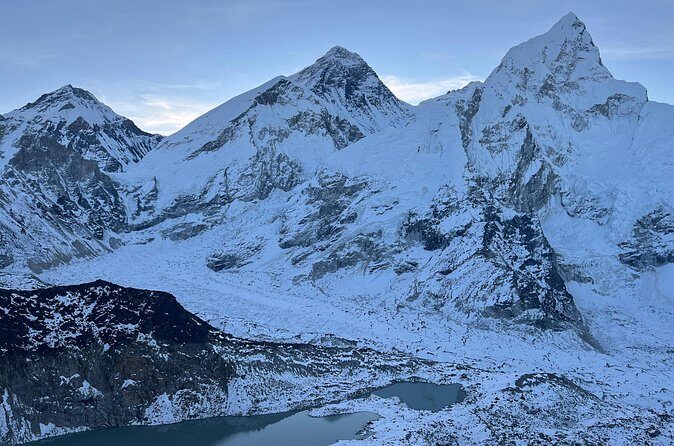
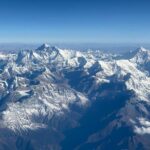
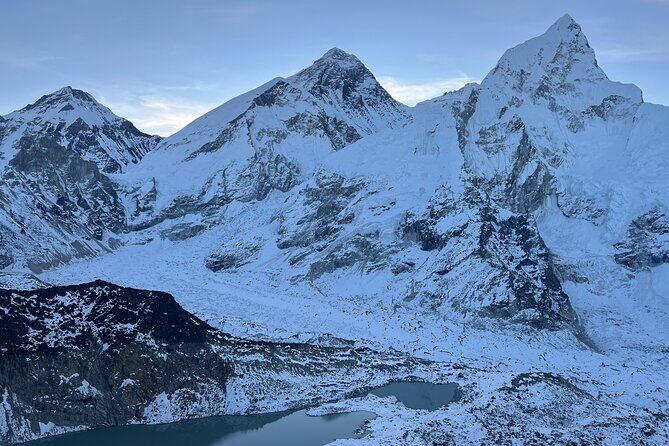
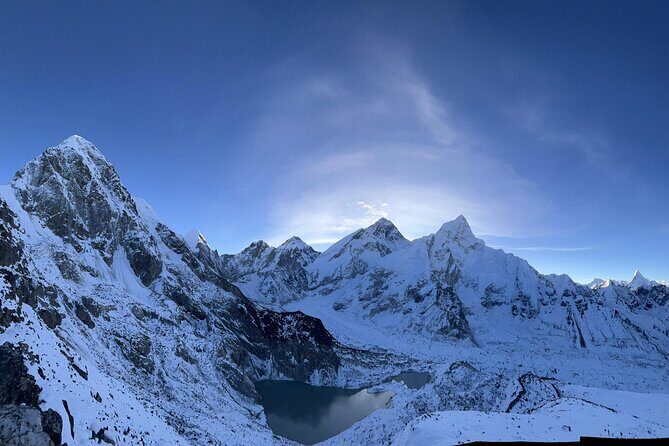
Day 10 starts early: after breakfast you hike to Kala Patthar, the highest point of the trek (5,550m). From there you get 360-degree views of Everest, Lhotse, Nuptse, and Pumori, plus the memorable moment of sunrise lighting up Everest’s peak.
This is the day that many people talk about because it’s visual in a very specific way: light hitting the rock and ice changes how Everest looks minute to minute. Even if you’ve seen photos, sunrise at Kala Patthar tends to hit differently because you’re standing in the same place where big expedition teams plan their next moves.
Afterward, you return to Gorak Shep and descend toward Pheriche. Descending is still work, but it’s a relief for your altitude stress. Your legs will feel it, though—so treat descent like part of the training, not like a victory lap.
The descent back to Namche and Lukla: keep moving, keep your rhythm
Day 11 is a longer downhill day: you descend from Pheriche through scenic trails, passing Tengboche along the way, then take a short climb in the afternoon to arrive back at Namche Bazaar. You reflect on the journey, enjoy the village atmosphere, and rest.
Day 12 continues the descent from Namche through local villages, crossing the Hillary Suspension Bridge again, then reaching Lukla in the afternoon. You get to celebrate completing your Everest adventure and enjoy your final night in Lukla.
This is where the trek feels like a full loop, not a one-way hike. The bridge crossings also give you something valuable: you get to see the same structures at a different point in the journey, when your body has moved from “climb mode” to “finish mode.”
Also remember: the descent is still at altitude for part of the route. Don’t rush just because you’re tired.
Back to Kathmandu: flights, Ason Market, and a calmer end
Day 13 takes you from Lukla to Kathmandu by scenic flight, then transfer to your hotel. You have time to rest and explore. The itinerary includes a stop at Ason Market for spices, tea, and decorative items, plus free evening time that may include a fare-well dinner.
Day 14 is your final day. You transfer to the airport about three hours before your scheduled flight, so nothing feels rushed.
This ending matters more than people think. After high-altitude days, Kathmandu’s slower pace can feel like a gear shift in a good way. It’s also when you’ll start noticing what you gained: not just photos, but a new understanding of how your body works when it’s truly challenged.
Price and logistics: what you’re paying for (and what to plan for)
At $1,799 per person for 14 days, this trek is priced like a serious package, not a “barebones trail” deal. The value comes from what’s bundled:
Included that helps your budget and sanity:
- Private airport pickup and drop-off by vehicle
- Two nights in Kathmandu in a 3-star deluxe hotel with breakfast
- Tea house accommodation on the trek with meals: breakfast, lunch, dinner, plus tea/coffee
- All ground transport by sharing vehicle from Kathmandu to Manthali and back (as scheduled)
- Domestic flights (Ramechhap/Kathmandu to Lukla and back)
- A government-licensed, English-speaking trained guide, plus porter service (2 trekkers: 1 porter)
- Sagarmatha National Park entry fee and community fee
- Safety gear: first aid kit, pulse oximeter, and essential medicines carried by the guide
- Down jacket and sleeping bag included during the trek (returned after)
Not included, so you should budget these:
- Nepal visa fee, plus international flights and travel/medical insurance
- Extra Kathmandu nights if your timing requires it
- Tips for guide, porter, and driver (tipping is expected)
- Personal expenses (listed as $10 per person) like phone/internet/laundry/snacks/battery recharge
- Extra personal trekking expenses (listed as $10 per person), including bottled or boiled water and hot showers
- Personal gear and equipment (listed as $10 per person)
- Excess baggage fees beyond the 15 kg allowance
- Optional helicopter flight cost if needed: $1,200 per person
One more value note: the trek includes staff costs (food, accommodation, salary, flight, insurance, equipment). That often translates into fewer awkward surprises on the ground.
Safety, guide support, and why flexibility matters on Everest routes
Everest trekking lives or dies by day-to-day decisions. Weather in the mountains can be unpredictable, and flight schedules can wobble. The tour is set up with a guided approach and a team that can adjust plans when conditions demand it.
I also like that the safety kit is not just a prop. The guide carries a pulse oximeter and medicines including paracetamol and Diamox (listed in the included essentials). That doesn’t erase altitude risk, but it does mean the team is prepared to respond when symptoms show up.
The human factor also comes through in guide names that have been praised in past experiences with this operator. Guides such as Gnawang, Deepak, and Dawa have been highlighted for support and for handling altitude-related plan changes. Porters have been praised too, including Somdey, which tells me the trek often succeeds because the whole team works.
Group size matters as well: this is limited to max 12 travelers, which usually makes it easier for a guide to notice when someone is struggling and to manage pacing without turning the group into a stampede.
Who should book this Everest Base Camp trek?
This trek is a great fit if:
- You have moderate to difficult hiking fitness and want a real challenge
- You prefer a guided structure with meals, accommodations, and porters handled
- You want the full classic experience: Sherpa villages, Everest Base Camp, and Kala Patthar sunrise
- You like the idea of acclimatization stops built into the schedule rather than “winging it”
It might not be ideal if:
- You know you struggle with altitude and you want a very gentle route (this one is still graded moderate to difficult)
- You’re very sensitive to flight timing changes in mountain conditions, since domestic flights can be affected
- You don’t want to handle basic personal costs like water, tips, and small extras
Seasons matter too. The best time listed here is spring and autumn when skies are clearer.
Should you book Third Rock Adventures for Everest Base Camp?
If your goal is the classic Everest Base Camp experience with a team that’s built for altitude days, this package makes a lot of sense. The biggest reasons: meals and tea/coffee are included during the trek, accommodations are arranged in tea houses, porter support reduces heavy carrying, and the guide carries medical basics plus a pulse oximeter. You also get the key visual payoff day: Kala Patthar at 5,550m for sunrise-style views.
My advice: before you book, check your hiking fitness for a 14-day mountain rhythm and plan a realistic budget for personal expenses and tips. If you can stay flexible about weather and accept that altitude is part of the deal, you’ll get a trek that feels purposeful, not chaotic.
FAQ
How long is the Everest Base Camp trek?
It’s scheduled for 14 days (approximately).
What city do I start and end in?
You start in Kathmandu and return to Kathmandu after the trek (including a Lukla to Kathmandu flight).
Are meals included during the trek?
Yes. The trek price includes all meals (breakfast, lunch, and dinner) with a cup of tea/coffee during the trek.
Are flights to and from Lukla included?
Yes. Domestic flights are included (Ramechhap/Kathmandu to Lukla and Lukla to Ramechhap/Kathmandu).
Is there porter support, and how does luggage work?
Yes. Porter service is included to carry your main luggage during the trek, with a ratio of 2 trekkers to 1 porter.
Does the tour provide trekking sleeping gear?
Yes. A down jacket and sleeping bag are provided and are returned after the trek.
Is the Nepal visa fee included?
No. The Nepal visa fee is not included.
Can I cancel for a full refund?
Yes. You can cancel up to 24 hours in advance for a full refund. If you cancel less than 24 hours before the experience starts, the amount paid is not refunded.