REVIEW · KATHMANDU
12 Days Annapurna Base Camp Trek
Book on Viator →Operated by Everest High Pass Adventures · Bookable on Viator
One more early morning, and it pays off. This 12-day Annapurna Base Camp trek mixes classic Himalayan views with real village stops and cozy teahouses at moderate altitude, topping out at 4,130 meters. I like how the route threads through rhododendron forests, terraced fields, and Gurung and Magar communities instead of feeling like a checklist. Annapurna Base Camp is the payoff, with big-peak scenery and a sunset moment that’s hard to forget.
I also like the planning rhythm: you ease in around Kathmandu and Pokhara first, then you build up altitude step-by-step with view days like Poon Hill. In particular, the early climb for sunrise is the kind of simple, high-return move that makes the trek feel worth every sore leg. The small practical touches matter, too, like a guide briefing in Kathmandu so you’re not guessing about permits and the trail ahead.
One consideration: this trek reaches real altitude, and even though it’s described as moderate, you’ll still want to take the schedule seriously. If you’re prone to feeling winded or you don’t enjoy long days of uphill and downhill, be honest with yourself before committing to the full plan.
In This Review
- Key things I’d highlight before you go
- Kathmandu Valley first: permits, briefing, and a practical start
- Pokhara as your launchpad: choose road or fly, then reset
- Ulleri to Ghorepani: stone steps, Magar villages, and forest walking
- Poon Hill sunrise: the early payoff with big-name peaks
- Chhomrong and Annapurna: village stops plus the gorge-and-forest contrast
- The road to Base Camp: Deurali, MBC, meadows, then the big moment
- Jhinu Danda hot springs: your reward after the steep work
- Back to Pokhara and Kathmandu: celebrate, recover, and close the loop
- Price and logistics: is $1,200 actually good value?
- The guide factor: when service feels personal, the trek feels easier
- Fitness and altitude: treat moderate as serious
- Should you book this Annapurna Base Camp trek?
- FAQ
- How long is the Annapurna Base Camp trek?
- What’s the highest altitude on this trek?
- Where does the trip start and end?
- Do you get pickup in Kathmandu?
- How do you get to Pokhara on Day 2?
- Is sunrise included in the trek plan?
- Are meals included in the price?
- Is there a hot springs stop?
- What’s included in the $1,200 price, and what’s not?
- What’s the cancellation policy if weather is poor?
Key things I’d highlight before you go
- Private trek feel: only your group participates, so your pace and needs get more attention.
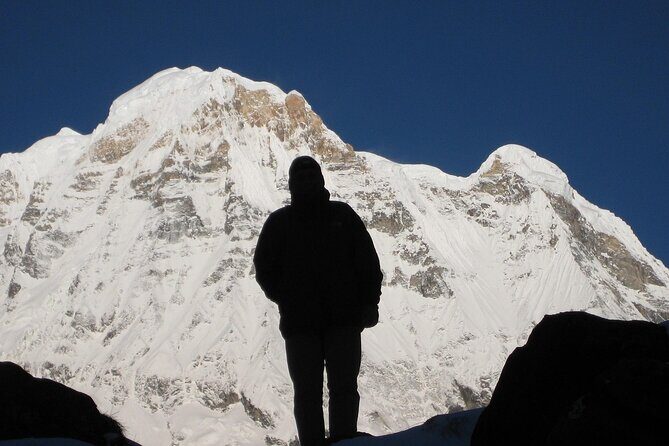
- Sunrise planning done for you: Poon Hill early morning and Annapurna-range sunrise are scheduled moments, not random luck.
- Ulleri’s 3,000+ stone steps: you’ll earn the views, and your calves will know it.
- Teahouse stays with culture on the way: Gurung and Magar villages break up the walking with daily-life scenes.
- Hot springs at the end: Jhinu Danda delivers a natural river-side soak after steep descent.
Kathmandu Valley first: permits, briefing, and a practical start
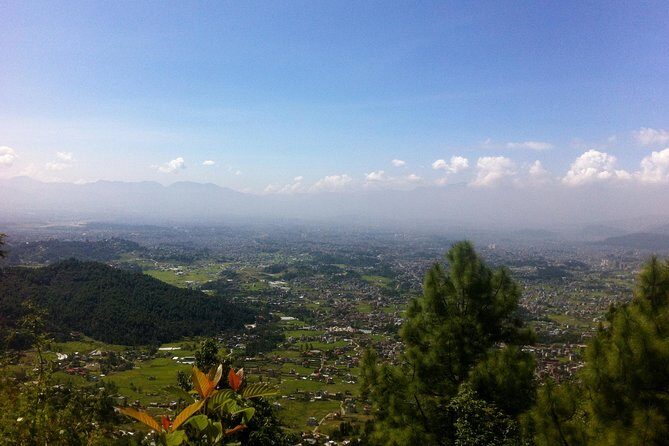
Your trip begins in Kathmandu, with pickup offered and a transfer into the Thamel area. This matters more than it sounds. Thamel is where you can quickly grab water filters, extra layers, or anything you realize you forgot before heading out. On arrival, you meet your guide for a trek briefing and help preparing permits, so you start the mountains leg with fewer unknowns and less last-minute stress.
Day 1 also gives you time to recover from travel. Even a short night in Kathmandu can reset you before the next step: getting to Pokhara, your main launch point for the Annapurna region.
You can also read our reviews of more hiking tours in Kathmandu
Pokhara as your launchpad: choose road or fly, then reset
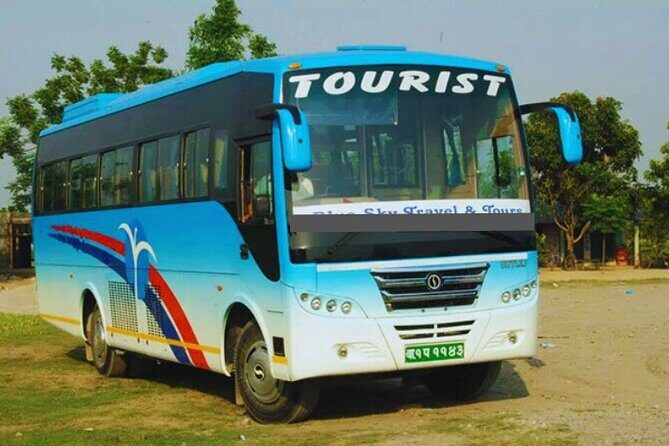
Day 2 is all about moving to Pokhara, the calm city by Phewa Lake with those famous Annapurna-range views. You get a choice: a 6–8 hour overland drive or a short 25-minute flight. If you get motion sickness or you’d rather save energy for the trail, the flight option is the easy win. If you enjoy seeing more of Nepal from the window and don’t mind the time, the drive can feel like part of the journey.
Either way, Pokhara is where you shift from city mode to trek mode. You’re not rushing straight onto a steep trail that same day. That buffer helps you go into Day 3 with more patience for uphill work.
Ulleri to Ghorepani: stone steps, Magar villages, and forest walking
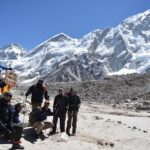
On Day 3, the trek starts from Nayapul, then you head toward Birethanti and Tikhedhunga along a gentle path before the big sting: over 3,000 stone steps to reach Ulleri village. This is the moment where trekking fitness becomes real. It’s not technical, but it is relentless. If you tend to sprint early on hikes, you’ll want to switch to steady, controlled effort right here.
Day 4 continues uphill through dense rhododendron and oak forests, with waterfalls and Magar villages along the way. Then you reach Ghorepani, a popular village that’s known for cool alpine atmosphere. This stretch is valuable because it teaches you the trek’s rhythm: consistent walking, changing vegetation, and a gradual shift from warmer valley feel toward cooler mountain air.
Practical note: your body may feel fine at the start, then notice the altitude more later in the day. Keep your pace conversational, even when the views get tempting.
Poon Hill sunrise: the early payoff with big-name peaks
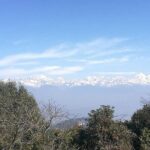
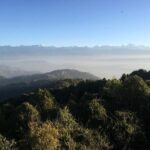
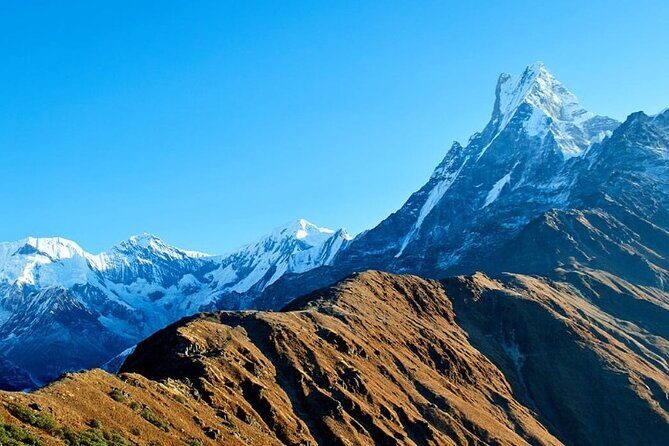
Day 5 is built around a classic move: wake early and hike to Poon Hill for sunrise. From there, you get a spectacular view over Dhaulagiri, Annapurna, and Machapuchare. If you’ve never done an early-morning mountain sunrise trek, here’s the deal: it’s tough to pull yourself out of bed, but the timing is exactly what makes it special.
After sunrise, you come back down to Ghorepani for breakfast, then continue trekking through forested trails. The plan keeps you moving while the light is right, which helps you avoid feeling stuck in one place too long.
This day is also a mental reset. Once you’ve seen those peaks in the morning, the rest of the trek stops being theoretical. It becomes real.
Chhomrong and Annapurna: village stops plus the gorge-and-forest contrast
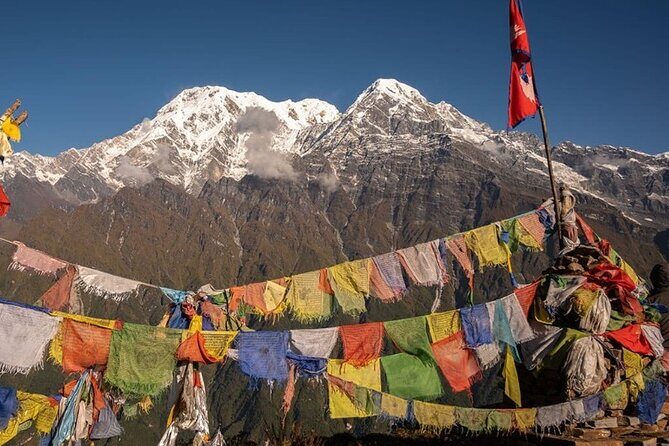
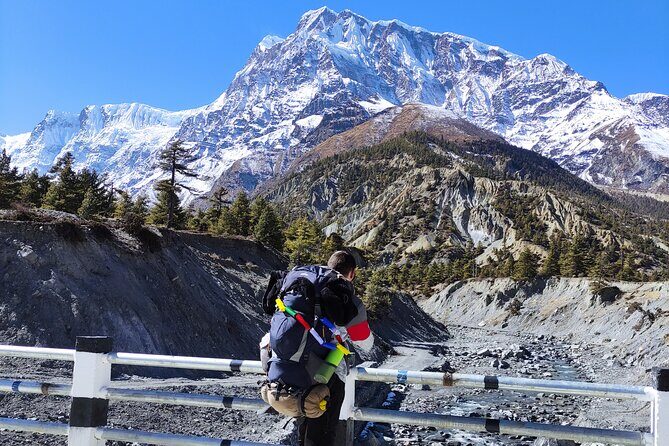
Day 6 takes you toward Chhomrong, a large, scenic Gurung village with stunning views of Annapurna South and the sacred Annapurna region. The route works in contrasts: you descend steeply to a stream, then climb again through terraced farmland and forests. This kind of up-down is common on this trek, and it’s why the schedule feels “moderate” rather than effortless.
Day 7 continues through bamboo forests and quieter terrain. You start with a descent to the river and a climb back up to Sinuwa, then pass through bamboo and Dovan before reaching Himalaya in a quiet gorge. That shift is important. The scenery isn’t just about height; it’s also about atmosphere—bamboo corridors, narrower valleys, and that feeling of the trail narrowing around you.
If you love villages as much as mountains, this is where the trip delivers. You’re not only looking up; you’re walking through communities where daily life continues while your view keeps expanding.

The road to Base Camp: Deurali, MBC, meadows, then the big moment
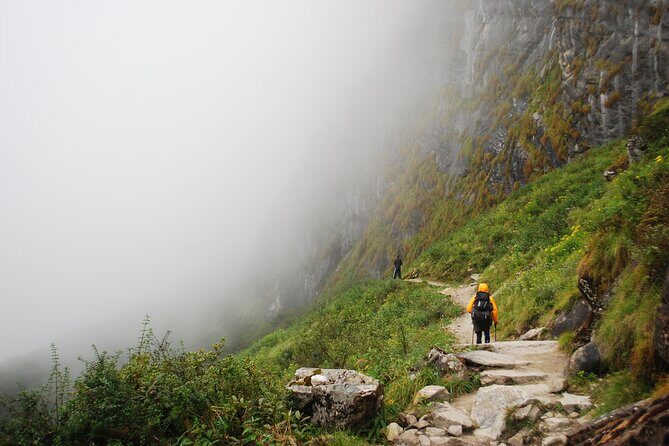
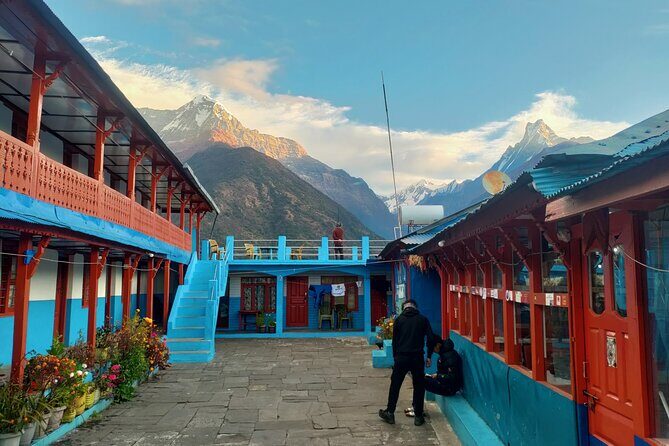
Day 8 is the day you work toward Annapurna Base Camp itself. You ascend past Deurali and MBC, and the trail changes as the forest gives way to open alpine meadows. That’s the biggest clue that you’re approaching the base-camp zone: vegetation loosens up, the air tends to feel sharper, and the terrain often feels more exposed even when you’re still walking in daylight.
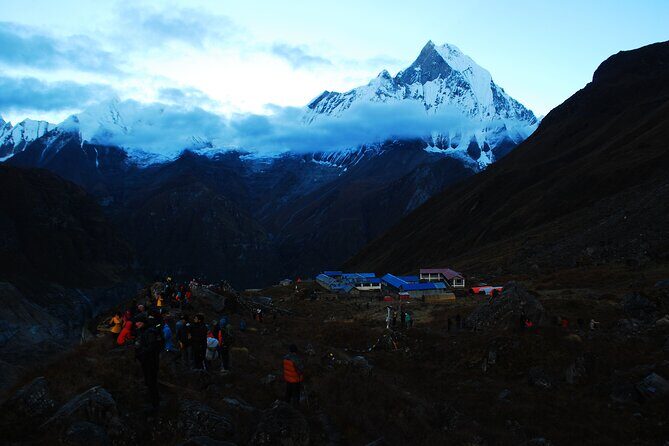
When you arrive at Annapurna Base Camp, you’re surrounded by towering peaks. Sunset is the special moment here, and it’s not just a photo stop. The light shift makes the whole area feel different—sharper shadows, softer colors, and that sense that the mountains are bigger than your imagination allowed.
Day 9 brings another early sunrise over the Annapurna range, then a long descent back down through the same key points: MBC, Deurali, and Dovan, heading toward Bamboo. The descent is easier on paper than the ascent, but it can still be a long day. Give your knees a break with slow steps and frequent rest stops.
Jhinu Danda hot springs: your reward after the steep work
By Day 10, you reach Jhinu Danda after trekking uphill to Chhomrong and then descending steeply to the hot springs area. In the afternoon, you get time to relax in the natural hot springs by the riverside. This is the most “human” payoff in the whole trek. After days of walking, it feels like your body finally gets permission to stop fighting gravity.
Even if the soak isn’t perfect for sore legs, it’s still a useful recovery tool. It also makes the end-of-trek transition feel real instead of sudden.
Back to Pokhara and Kathmandu: celebrate, recover, and close the loop
Day 11 returns you toward Pokhara. You take a short trek to Siwai or Nayapul, then drive back to Pokhara. This short walking day can be mentally easier than the earlier route, because you’re not chasing new altitude. Then you celebrate with a lakeside dinner, and you can add a massage or just plain relax and reflect on what you finished.
Day 12 ends in Kathmandu by flight or drive. If your schedule allows, you can add an extra night in the city before heading to the international airport. That buffer matters if you want sleep and hot showers without rushing straight into travel stress.
Price and logistics: is $1,200 actually good value?
At $1,200 per person for 12 days, the value depends on what you personally prioritize: guided planning, meals, and fees vs. DIY flexibility. Here’s what you get in the included package:
- Meals included throughout the trek
- WiFi on board during transport segments
- Admission/government/entrance fees covered
- Excess baggage listed as included
- Pickup offered
Not included:
- Public transportation
- Airport or departure tax
What this usually means in real trekking terms: your biggest costs that often add friction—permits and certain fees—are handled, and your food is covered. That can be a real savings if you’d otherwise budget for it separately or spend time organizing it on your own.
What you should still check before you pay: what’s included for gear support beyond meals and fees. The data here doesn’t spell out porter or equipment details, so if you need specific help (walking poles, extra layers, or luggage handling), ask directly so expectations match reality.
Also note this is a private tour/activity. That often helps with pacing and attention, especially on a route with early mornings and long descent days.
The guide factor: when service feels personal, the trek feels easier
The name that shows up in feedback about Everest High Pass Adventures is Mandip Ji, praised for calm presence, mountain knowledge, and being consistently helpful and caring. Even when I keep expectations practical, that kind of guide approach makes a difference on a trek: it helps when the trail feels endless, when weather shifts, or when you need clear advice about pacing.
You can also expect a responsive, professional service culture. One of the standout themes in the feedback I saw is quick handling of questions and a focus on care—exactly what you want when you’re dealing with permits, altitude worries, and early wake-ups.
Fitness and altitude: treat moderate as serious
The trek is described as moderate with a requirement of moderate physical fitness and it reaches 4,130 meters. Even if you’re fit, you’ll likely feel it in two ways:
- breath gets a bit less efficient as you go higher
- downhill days can be rough on legs even when the route feels easier than the ascent
The good news is the route structure helps. You’re not jumping straight to the highest section. The schedule includes forest-to-meadow changes, repeated passes through key stops, and recovery moments like breakfast after sunrise and the hot springs after steep descent.
If you train for a trek like this, aim for steady hikes and comfortable time-on-your-feet sessions, not just short bursts of speed. Your goal is to keep your effort smooth, so you don’t burn out early on uphill days like Ulleri’s stone steps.
Should you book this Annapurna Base Camp trek?
I’d recommend booking if you want a guided, structured Annapurna Base Camp journey with high-return scenery moments: Poon Hill sunrise, a full Annapurna-range sunrise day, and that base-camp sunset. It also fits if you value teahouse life and village walking more than only chasing summit views.
I’d hesitate if you dislike early mornings, you know you struggle at altitude even when the schedule is moderate, or you want a totally flexible, DIY-style trek with no fixed plan. This route is set up like a real trek program, and the payoff depends on following the rhythm.
If that rhythm sounds like your kind of adventure, this one is a solid choice—especially with a private feel, guided support, meals included, and a clear end-of-trip recovery moment at Jhinu Danda.
FAQ
How long is the Annapurna Base Camp trek?
It’s scheduled for 12 days (approx.).
What’s the highest altitude on this trek?
The experience reaches an altitude of 4,130 meters.
Where does the trip start and end?
It starts in Kathmandu at the meeting point listed for Kathmandu, and it ends back at the same meeting point.
Do you get pickup in Kathmandu?
Yes, pickup is offered.
How do you get to Pokhara on Day 2?
You can choose a 6–8 hour overland drive or a quick 25-minute flight.
Is sunrise included in the trek plan?
Yes. There’s an early hike to Poon Hill for sunrise, and there’s also an early sunrise over the Annapurna range on the base-camp area descent day.
Are meals included in the price?
Yes. Meals are included.
Is there a hot springs stop?
Yes. On Day 10, there’s time to soak in natural hot springs at Jhinu Danda by the riverside.
What’s included in the $1,200 price, and what’s not?
Included: meals, WiFi on board, admission/government/entrance fees, and excess baggage. Not included: public transportation and airport/departure tax.
What’s the cancellation policy if weather is poor?
You can cancel for a full refund up to 24 hours in advance. The experience requires good weather; if it’s canceled due to poor weather, you’ll be offered a different date or a full refund.