REVIEW · KATHMANDU
Upper Mustang Trekking
Book on Viator →Operated by Everest Trekking Routes Pvt. Ltd. · Bookable on Viator
A walled Tibetan city is the payoff.
Upper Mustang trekking in Nepal is built for people who want real distance: dusty valleys, working villages, and Buddhist monasteries in a high-desert world that still feels remote. Two things I’d highlight right away are the chance to explore Lo Manthang (the walled center of the region) and the way the plan mixes long walking days with clear culture stops, from gompas to palace and king’s areas. One thing to keep in mind: this is not a stroll. You’ll need solid fitness for climbs, descents, and long days that can feel extra work when wind picks up.
You start with Kathmandu city time, then you move fast into trekking mode. The trip also includes a government-licensed guide and a porter arrangement (1 porter for every 2 people), plus most meals and overnight stays already handled. That means less decision-making for you, more time to focus on the walk and the sights.
In This Review
- Key Highlights That Make This Trek Worth It
- Upper Mustang Trekking: What You’ll Feel on the Trail
- Permits and the Passport Step That Changes Everything
- Kathmandu to Pokhara to Jomsom: The Route That Sets the Pace
- Kagbeni, Chhusang, and Syangboche: Getting Acclimated the Right Way
- Lo Manthang: The Walled City Days You Came For
- Dhakmar and Ghami: Monasteries Plus Everyday Village Life
- The Return Legs: Chhusang, Kagbeni, and Jomsom
- Pokhara Back to Kathmandu: Closing the Loop
- Lodging, Meals, and Daily Comfort (Without Guesswork)
- Guide, Porter, and Group Style That Keeps Things Smooth
- Price and Value: What $2,400 Really Covers
- Who Should Book Upper Mustang Trekking, and Who Should Rethink It
- Should You Book This Trek?
- FAQ
- Where does the tour start and end?
- How long is the trekking experience?
- What permits do I need, and are they included?
- What’s included for meals?
- How do you get to the trekking area and back?
- Can I cancel for a full refund?
Key Highlights That Make This Trek Worth It
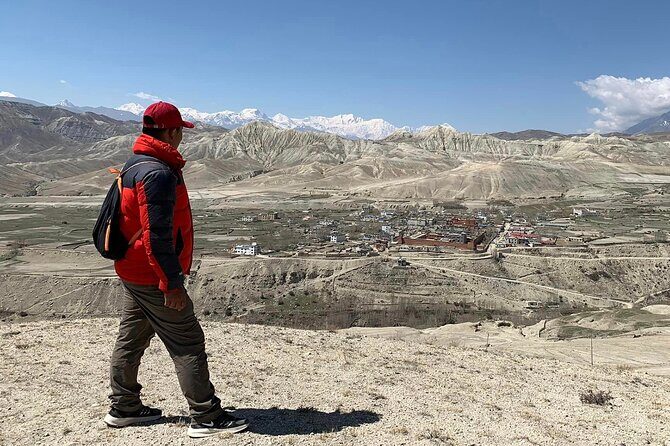
- Lo Manthang inside a walled world: monastery visits plus palace/king areas make the cultural stops feel concentrated and meaningful.
- Restricted-area access via the special permit: you’re not just hiking “near” the region; you get entry into the controlled Upper Mustang zone.
- A flight-based approach that reduces day-one altitude stress: you fly to Jomsom (about 2,715 m) before trekking starts.
- Village-to-village trekking with real routine: apple gardens, farms, monasteries, and small settlements along the way.
- Good pacing for a mixed terrain route: flatter stretches, big climb days, then clear downhill return legs toward Kagbeni and Jomsom.
- Low-crowd feel and “different world” energy: remote trails, less traffic than the big-name routes, and strong sense of place.
Upper Mustang Trekking: What You’ll Feel on the Trail
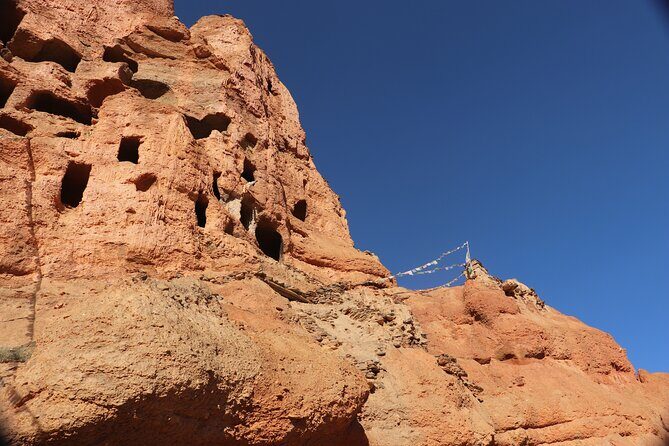
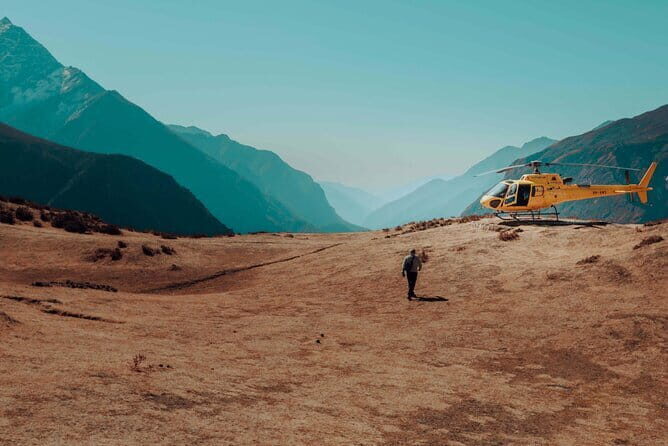
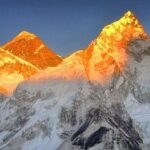
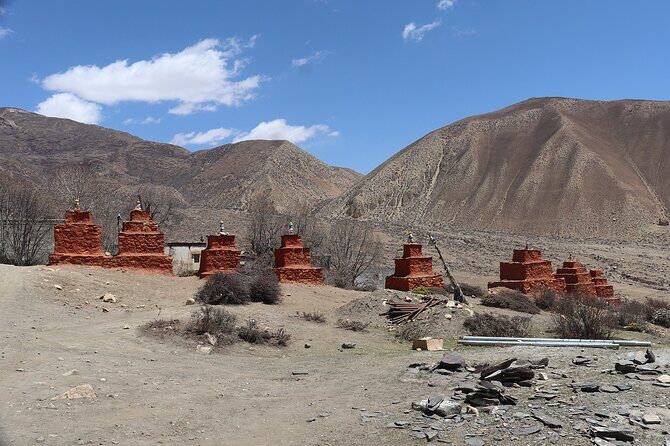
Upper Mustang has a mood. It’s dry, often windy, and full of stone villages that look like they were built to last through hard winters. The trek gives you a steady rhythm: walk, rest at a lodge/tea house, eat, then do it again—while the scenery keeps changing from gorge-like valley stretches to higher views near monastery towns.
If you’re coming from Kathmandu, the contrast is dramatic. The city is busy and green by comparison; Mustang turns into a high-desert world where prayer flags and monastery architecture become your visual compass. And because you’re going into a controlled area, you’ll get that sense that you’re entering a place with rules and a living culture, not just a scenic corridor.
One practical note: the route is often described as not being an extreme high-mountain climb. Still, “not extreme” doesn’t mean easy. You’ll be hiking through sustained uphill and then, later, long downhill legs that can be tough on knees.
You can also read our reviews of more hiking tours in Kathmandu
Permits and the Passport Step That Changes Everything
This trek matters partly because it isn’t “free to enter.” You’ll need two types of permits handled through the program:
- ACAP (Annapurna Conservation Area Project) permit included
- Special Upper Mustang permit costing USD 500 per person for 10 days
In the Kathmandu phase, you can arrange the special permit with your original passport (and your existing Nepal visa). The process takes a day, so plan for that as part of your trip rhythm. The upside is big: the special permit is what allows you to access the restricted Upper Mustang zone beyond the normal entry points.
Why you should care: permits don’t just unlock access on paper. They help keep the trek feeling legible and organized once you’re on the ground. You’re moving through a region that has management, checkpoints, and a clear structure for visitors. That structure is a big reason the experience feels grounded instead of chaotic.
Kathmandu to Pokhara to Jomsom: The Route That Sets the Pace
The first part of the trip is designed to get you into the trekking area quickly, without forcing you to spend extra days climbing from Kathmandu.
Kathmandu (Day 1–2):
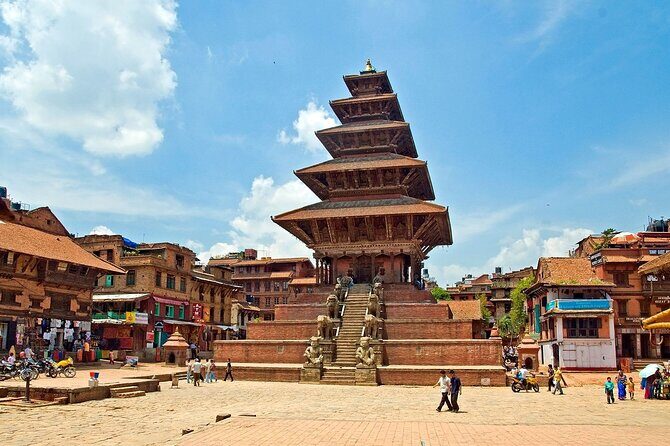
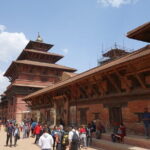
You arrive at Tribhuvan International Airport and get met by representatives of Everest Trekking Routes Pvt. Ltd. You’ll transfer to a hotel for the night. After that, you can do sightseeing in the Kathmandu Valley if you want, and you’ll handle the Upper Mustang special permit process tied to your passport.
Kathmandu to Pokhara (Day 3):
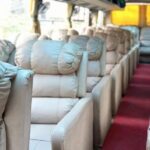
You take a tourist bus departure at 7:00 AM. This is a long overland day, with a breakfast stop roughly after a couple hours on the highway. For me, this is a good use of time: you’ll start meeting other trekkers and get into the slow-travel mindset before the real hiking begins.
Pokhara to Jomsom (Day 4):
Next, you switch gears with a domestic flight to Jomsom (about 2,715 meters). Then you trek onward to Kagbeni in roughly 4–5 hours.
That flight step is valuable. It reduces the early “getting to altitude” hassle and helps you start the trek closer to the walking zone. It also means fewer days spent in transit and more days actually on the trail.
Kagbeni, Chhusang, and Syangboche: Getting Acclimated the Right Way
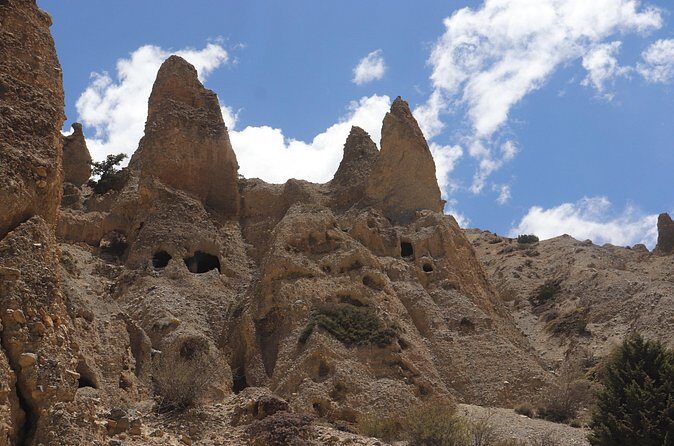
The walking days start right after you reach Kagbeni, and the route quickly gives you variety.
Jomsom to Kagbeni (Day 4):
Expect excellent Himalayan views along the popular route in the lower Mustang area. You’ll be walking into a valley scene that feels stark and ancient at the same time.
Kagbeni to Chhusang (Day 5):
This day is about descending and moving deeper into the restricted-area experience. Kagbeni acts as the key entry gate for the controlled Upper Mustang zone, and you’ll spend time on checking/processing before you continue.
Practical consideration: processing takes time, so don’t treat this as a day that will be perfectly clockwork. A relaxed attitude helps.
Chhusang to Somare, then toward Syangboche (Day 6):
You’ll get stretches that are solidly flat with some step-ups, and then you’ll face your biggest climb until Syangboche. The walking time is roughly 5–6 hours. This is the day where you’ll notice your hiking legs and your breathing settle into a rhythm.
Syangboche climb and high views (Day 7):
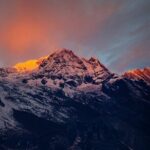
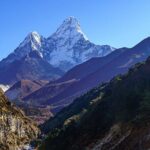
You climb up to Syangboche again (mostly uphill), with lunch and rest built in. The payoff is wide views of big peaks—like Dhaulagiri (8,167 m) and Annapurna (8,097 m)—when weather is clear.
If you’re trying to plan photo time: morning weather tends to be more cooperative. Still, clouds can move fast, so I’d treat views as a gift, not a guarantee.
Lo Manthang: The Walled City Days You Came For
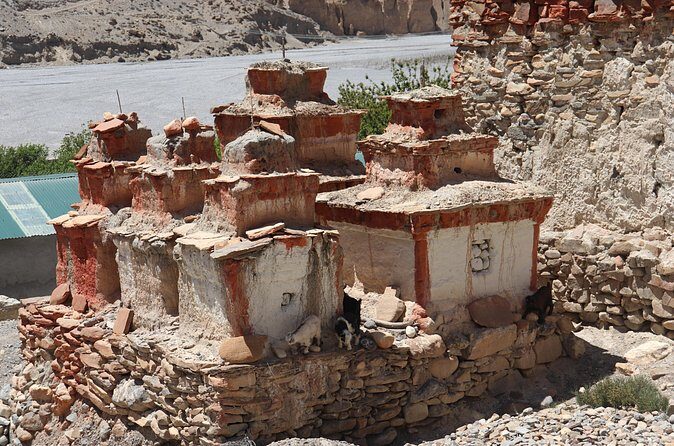
Lo Manthang is the headline. It’s why people put this trek higher on the list than other Mustang routes.
Ghiling, Tsarang, and the road to Lo Manthang (Day 8):
If conditions are clear, you’ll see different angles of the valley and mountain wall. The route passes by Ghiling village and old monastery areas, then continues toward Tsarang. Tsarang is described as the biggest village in the area, and it’s a useful waypoint because it feels like more than just a stop—you’re moving into a denser cultural zone.
Trek to Lo-Manthang (Day 9):
This is a 5–6 hour day to reach Lo-Manthang City. Along the way, you cross rivers and bridges, and you’ll walk through a quieter-feeling stretch that makes the final arrival more dramatic.
Explore Lo-Manthang (Day 10):
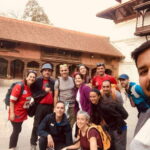
This is your culture day. After breakfast, you visit the monastery and king’s palace areas. The city is described as part of the Himalayan kingdom world, and the places you see are decorated with colorful village elements and historic architecture.
What I like about this arrangement: it doesn’t just dump you in the city and leave you to wander. You get a set of structured visits that connect the stones, prayer spaces, and palace areas into one story.
Dhakmar and Ghami: Monasteries Plus Everyday Village Life
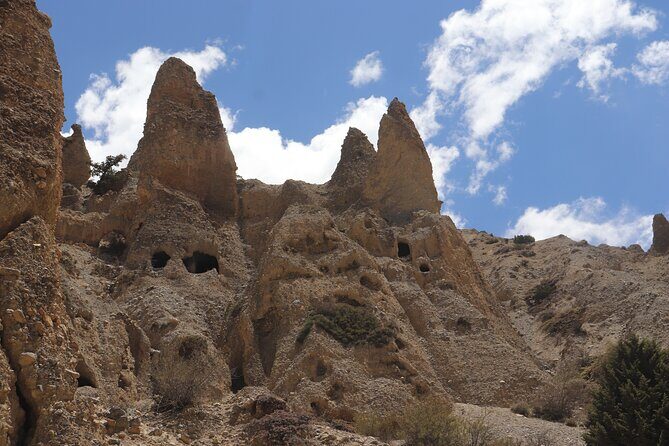
After Lo Manthang, you keep trekking through Upper Mustang’s smaller centers, where life is less about “sights” and more about living.
Lo-Manthang to Dhakmar (Day 11):
You begin with breakfast at the lodge and head to Dhakmar. The early part goes uphill to Gompa areas, and you’ll see how monasteries anchor community life. The scenery is again tied to history—these stops aren’t random.
Dhakmar to Ghami (Day 12):
This day heads through the Upper Mustang valley toward Ghami, described as a major village with a monastery. There’s also mention of farm products by a foreigner and apple gardens. This matters because it shows you Mustang isn’t frozen in time; people are farming, adjusting, and making a living here.
The Return Legs: Chhusang, Kagbeni, and Jomsom
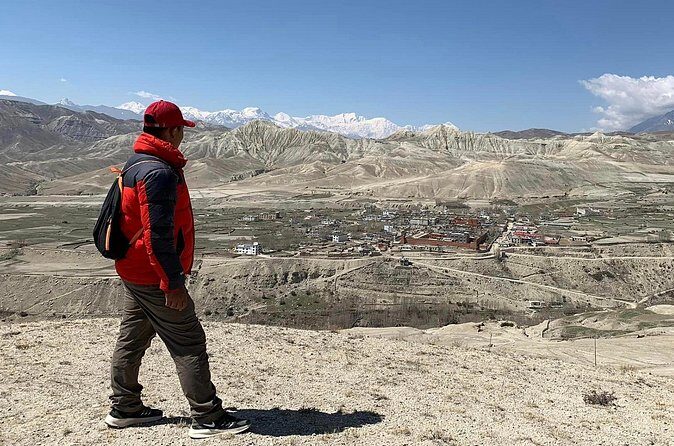
The return days are where you earn your legs back.
Syangboche to Chhusang downhill (Day 13):
You get a big downhill day, passing small villages such as Samar, Bhena, and Chele. You’ll drop about 1,000 meters to the Kaligandaki River region. Wind can pick up as you move through the Kaligandaki valley boundary zone, so it’s a day to be ready for that change.
Chhusang to Kagbeni with wind timing (Day 14):
You leave a little early to beat the wind. The program notes that after 12:00 PM there can be very strong winds until Kagbeni. That’s not a small detail. In windy high-desert terrain, timing can decide whether your walk feels tolerable or tiring.
Trek to Jomsom (Day 15):
This is described as an easy and short hike to Jomsom. You’ll check your flight schedule for the next day and then have time to explore the city and buy items like apple brandy and other products made from apples.
This is also where I’d reset. Your schedule can hinge on flight conditions, so having time built in helps keep the day calm.
Jomsom to Pokhara (Day 16):
You fly to Pokhara in about 25 minutes, then transfer to the hotel. You’ll also leave your backpack as arranged so you’re not hauling extra weight around.
Pokhara Back to Kathmandu: Closing the Loop
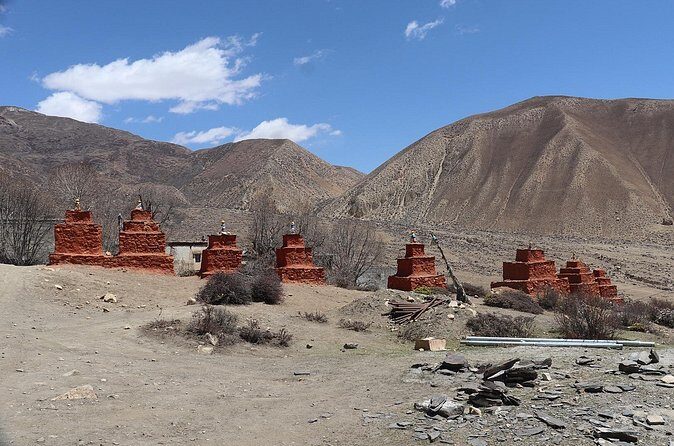
Pokhara to Kathmandu (Day 17):
You take a tourist bus drive of about 7 hours back to Kathmandu. This is mostly about transition—grabbing a shower, recovering, and getting ready for a final departure day.
Final drop-off (Day 18):
You’ll be dropped at TIA for your flight home.
Lodging, Meals, and Daily Comfort (Without Guesswork)
During the trek, you stay in lodge/tea houses, and the included meals are planned to keep you fueled.
Included meals cover:
- 16 lunches and dinners
- 17 breakfasts
It’s not just the quantity that matters; it’s that the schedule is handled. In remote areas, choosing where to eat can become a daily stressor. Here, that worry is reduced.
On accommodations before and after the trek:
- Kathmandu: 3 nights in 3-star accommodation with breakfast
- Pokhara: 2 nights in accommodation with breakfast
During the trek itself, expect simple, functional lodges rather than luxury. That’s typical for this region and altitude. The value is that you’re not spending time hunting for beds; your walking days flow into predictable nights.
Guide, Porter, and Group Style That Keeps Things Smooth
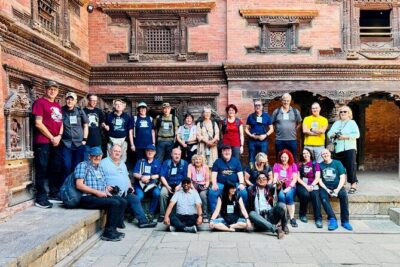
This is a private tour/activity, meaning only your group participates. That tends to reduce friction. It also helps if you want your pace to feel stable rather than forced into a larger pack.
You get:
- A government license holder guide
- Porters: 1 porter for every 2 people
Why this matters: in a trek like this, the weight factor is real. Even if the hiking effort is your own, having your load carried can keep your energy for climbs and knee-friendliness on downhills.
Price and Value: What $2,400 Really Covers
At USD $2,400 per person, this trek is not cheap. But when you break down what’s included, you can see why the price lands where it does.
You’re getting bundled coverage for:
- Hotels in Kathmandu and Pokhara (with breakfasts)
- Private transport for pickup and transfers, plus Kathmandu–Pokhara by tourist bus and back
- Domestic flights (Pokhara ↔ Jomsom)
- All trekking accommodations in lodge/tea houses
- Meals: 16 lunches/dinners and 17 breakfasts
- Guiding and porter support
- Government taxes/service charges
- Permits: ACAP plus the special Upper Mustang permit at USD 500 per person for 10 days
That last line is a big value anchor. The special permit alone has a clear, specified cost. When you combine that with flights, lodging, and the guide/porter setup, the price becomes easier to justify—especially if you’d otherwise have to arrange permits, transport, and logistics separately.
Not included costs are mainly personal expenses and tips for guide/porters/driver, plus any extra hotel nights if your timing changes.
Who Should Book Upper Mustang Trekking, and Who Should Rethink It
This is a strong match if you want:
- A remote-feeling trek with cultural focus
- Access to Lo Manthang and monastery/palace areas
- A trek that’s demanding but not positioned as a technical high-altitude climbing mission
- A well-run logistics package with meals, sleeping places, and permits handled
You should rethink it if:
- You don’t have a strong physical fitness level
- You struggle with longer hiking days, wind exposure, and knee-stress during downhill returns
- You want a fully flexible schedule with no permit-based timing constraints
Should You Book This Trek?
If your idea of a great trip includes hard terrain, older culture, and the feeling of walking into a place with its own rules, then this one is a smart bet. The biggest reasons to book are straightforward: Lo Manthang access, structured monastery and palace visits, and a plan that reduces the chaos factor by handling permits, flights, transport, and most meals.
If you’re fit, patient with wind and timing, and happy to trade convenience for a more remote route, Upper Mustang delivers. If not, pick an easier region first—then come back when your hiking legs and expectations are lined up.
FAQ
Where does the tour start and end?
The experience starts with pickup in Kathmandu after arrival at Tribhuvan International Airport (TIA), and it ends with a drop-off at TIA for your final departure.
How long is the trekking experience?
It runs for about 18 days (approx.).
What permits do I need, and are they included?
The program includes the ACAP (Annapurna Conservation Area Project) permit and the Special Upper Mustang Permit, which is listed as USD 500 per person for 10 days.
What’s included for meals?
The package includes 16 lunches and dinners and 17 breakfasts. Trekking lodges/tea houses also provide the included accommodations during the trek.
How do you get to the trekking area and back?
You travel by tourist bus between Kathmandu and Pokhara, then take a domestic flight between Pokhara and Jomsom. After trekking finishes, you fly back to Pokhara and then return to Kathmandu by tourist bus.
Can I cancel for a full refund?
Yes. You can cancel up to 6 days in advance for a full refund, but you must cancel at least 6 full days before the experience start time.