REVIEW · KATHMANDU
10 Days Annapurna Base Camp Trek from Kathmandu
Book on Viator →Operated by CAN Travels · Bookable on Viator
Snow-capped mornings start right on day one. This 10-day Annapurna Base Camp trek from Kathmandu strings together bus rides, village trails, and high-alpine viewpoints, so your days build toward that big mountain payoff without feeling like a logistics puzzle. You’ll also get a real private guide experience with the route paced for steady progress.
What I like most is the way the trip handles the hard parts for you: government-licensed English-speaking guidance plus the paperwork so you’re not trying to figure permits out after a long day of travel. Second, I really value the support package around the trek, including hotel nights in Pokhara with breakfast and the guided emergency first-aid kit mindset in the background.
One consideration: the base trek days include plenty of ups and downs and even avalanche-prone sections along the way, so you should show up with moderate fitness and realistic expectations. And budget-wise, you’re responsible for food and drinks on the trail, plus optional tips.
In This Review
- Key highlights you’ll care about
- The real appeal of Annapurna Base Camp in 10 days
- Kathmandu to Pokhara: the pre-trek reset you’ll actually use
- Day 2: Ghandruk via Sauli Bazar—views early, effort upfront
- Day 3: Chhomrong—Gurung village life and that classic Annapurna route
- Day 4: Bamboo—steep descents, climbs, and the trail rhythm
- Day 5: Deurali—bamboo and rhododendron country
- Day 6: The Annapurna Base Camp approach—high alpine forests and safety awareness
- Day 7: Back down from Base Camp to Bamboo—what goes down matters
- Day 8: Bamboo to Jhinu Danda—stone steps, Kuldi Ghar, and payoff views
- Day 9: The easier day to Pokhara via Siwai—trekking plus vehicle comfort
- Day 10: Back to Kathmandu—rivers, hills, and finishing well
- Price and value: what your $490 actually covers
- Guides, safety, and how the trip handles real trail days
- Who should book this trek (and who might want a different plan)
- Should you book CAN Travels for this Annapurna Base Camp plan?
- FAQ
- What is the duration of the Annapurna Base Camp trek?
- What is included in the tour price?
- Is the trekking guide English speaking and licensed?
- How do meals work during the trek?
- Is this tour private or shared with other groups?
- Where is the trek routed from and to?
- Is there free cancellation?
Key highlights you’ll care about
- Kathmandu–Pokhara round-trip by tourist bus keeps the start and finish simpler than fly-and-transfer chaos
- 2 nights in Pokhara (2-star label) with breakfast gives you a real reset before and after hiking
- English-speaking, government-licensed guide who also manages permits and daily decisions
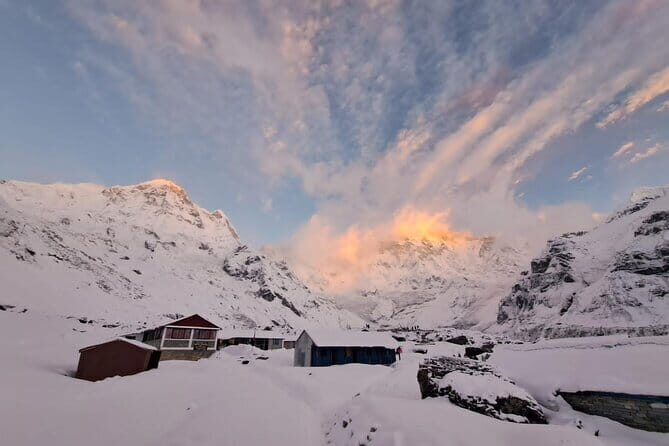
- Village-to-alpine route through Sauli Bazar, Ghandruk, Chhomrong, Bamboo, Deurali, and back again
- Avalanche-prone passes handled with a guide’s local experience on the ABC approach
- Flexible feel from private tour setup, with some groups getting extra breaks like hot springs
The real appeal of Annapurna Base Camp in 10 days
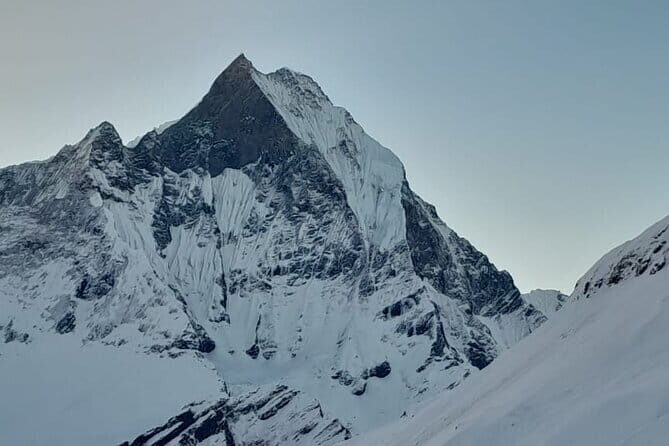
Annapurna Base Camp is famous for a reason, but the best part of this plan is how it’s structured for momentum. You don’t just “show up and hope.” You move Kathmandu to Pokhara, hike through iconic villages, reach Base Camp, then work your way down with a route that alternates views and practical down-days.
This is also a good length if you want the Annapurna story without turning your life into a training montage. Each hiking day clocks in at a handful of hours, and the final stretch mixes trekking with transport so you’re not exhausted on travel day.
The other quiet win: it’s built as a private tour for your group. That matters when you care about pace, photo stops, bathroom timing, or simply asking one more question in clear English.
You can also read our reviews of more hiking tours in Kathmandu
Kathmandu to Pokhara: the pre-trek reset you’ll actually use
Day one is mostly about getting into position. You’re picked up and then taken to the bus station for a tourist bus ride that takes about seven hours to Pokhara. It’s a long sit, but it’s straightforward, and you’re saving energy for the hiking days that matter.
Once you arrive, the schedule gives you space to rest. You’re also getting two nights of hotel stay in Pokhara with breakfast, which is a bigger deal than it sounds. On trek, small things—sleep quality, a proper meal, a dry-ish place to change—can decide whether you’re cheerful or cranky by day three.
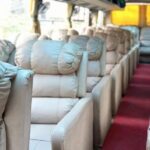
If you’re wondering about comfort, your transfer is described as a luxury sofa seat tourist bus, and that’s usually a big help for long stretches of road.
Day 2: Ghandruk via Sauli Bazar—views early, effort upfront
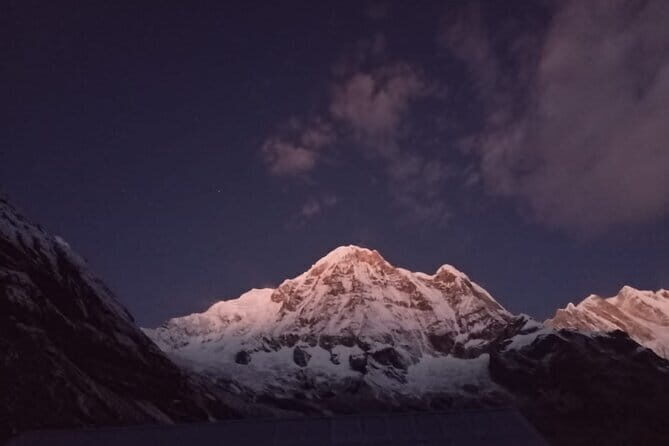
From Pokhara you drive to Nayapul, then start walking toward Ghandruk via Sauli Bazar. The walk is described as about five to seven hours with a steep hill trail. That means this isn’t a warm-up stroll. It’s more like a gentle warning shot: you’ll feel the altitude and exertion, but you’re also walking into one of the classic Annapurna village settings.
Why Ghandruk works so well on day two: you get mountain scenery and an authentic village feel before your body gets too tired of being in “nature mode.” This is the kind of day where you notice bridges, stone steps, and the steady rhythm of other hikers—then you realize your guide is managing the pace so nobody turns today into a sprint.
Day 3: Chhomrong—Gurung village life and that classic Annapurna route
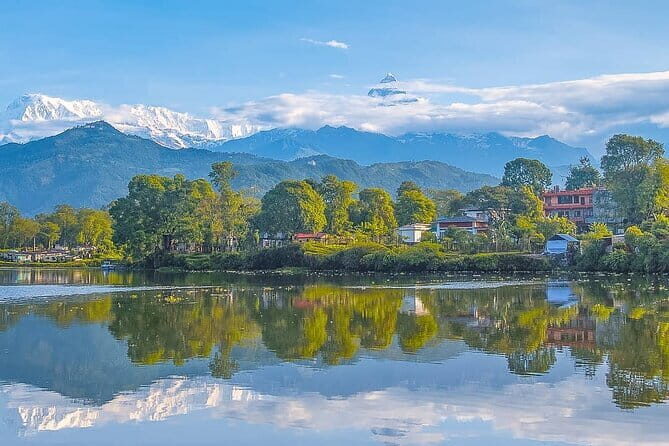
Leaving Ghandruk, you trek toward Chhomrong through a route described as ascending and descending along Kumrong danda. Expect about six hours, and the big draw is the combination of terrain and culture.
Chhomrong is described as a place with typical Gurung people lifestyle and natural attractions. Translation for you: this is where the trek starts to feel grounded in people and place, not just scenery. The trail keeps changing, too—so you’re not staring at the same view for six hours straight. That variety helps when your legs start to vote “no more hills.”
Day 4: Bamboo—steep descents, climbs, and the trail rhythm
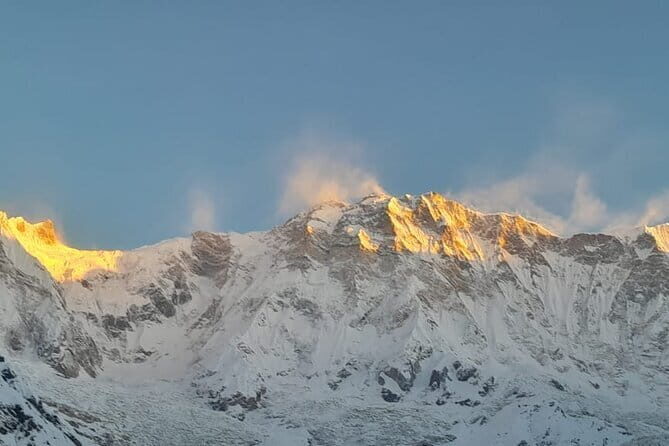
Day four takes you from Chhomrong down toward Chhomrong Khola, then up again after crossing the stream. The day is described as multiple uphill and downhill sections, about six hours total.
Eventually you reach Bamboo, and this is where the trek begins to feel more forest-and-trail focused. When you’re tired, forests and shade can be a lifesaver, and the route description hints at that shift in scenery that you’ll notice again later.
Practical note: days like this are where trekking poles earn their keep. If you use them, you’ll likely feel steadier on the descents. If you don’t, just plan for slower footwork and more time at your own rhythm.

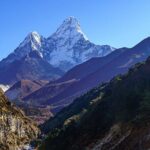
Day 5: Deurali—bamboo and rhododendron country
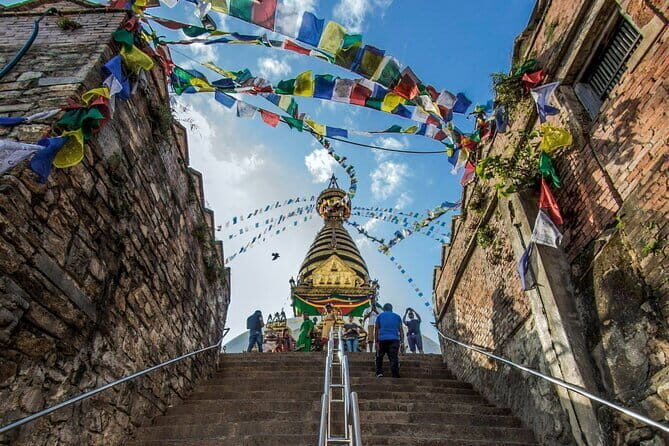
From Bamboo you head to Deurali, following a trail described as short and beautiful through bamboo and rhododendron forests. Expect about seven hours.
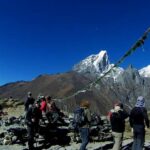
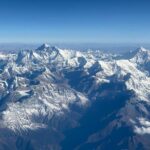
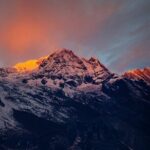
This is the day where you start noticing the “alpine season” effect: the landscape changes, temperatures often feel different, and snow-capped peaks start showing up in the bigger picture. The description also says majestic peaks welcome you on the way, which lines up with what most people want from this stage—more direct mountain presence without losing the comfort of trekking through livable terrain.
Day 6: The Annapurna Base Camp approach—high alpine forests and safety awareness
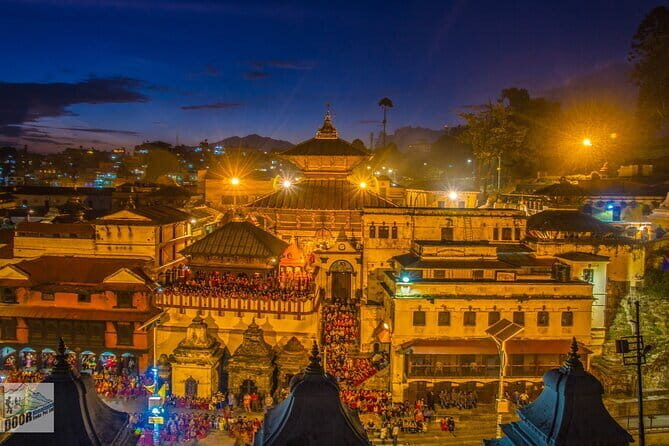
Day six is your big push: Deurali to Annapurna Base Camp, about seven hours. The route passes through high alpine forests with strong Himalayan views, and it’s also described as going through several spots known for avalanches.
Here’s the takeaway for you: this is not the day to ignore your guide’s instructions. Even if the views are incredible (and they should be), the safer move is listening, staying with your group, and moving with purpose.
If you’ve got a guide who knows the valley rhythms and trail behavior—like the local experts with English skills mentioned in the experience feedback—this day can feel less stressful. Guides can also help keep the group’s pacing steady so nobody gets pulled too far ahead and then struggles.
Day 7: Back down from Base Camp to Bamboo—what goes down matters
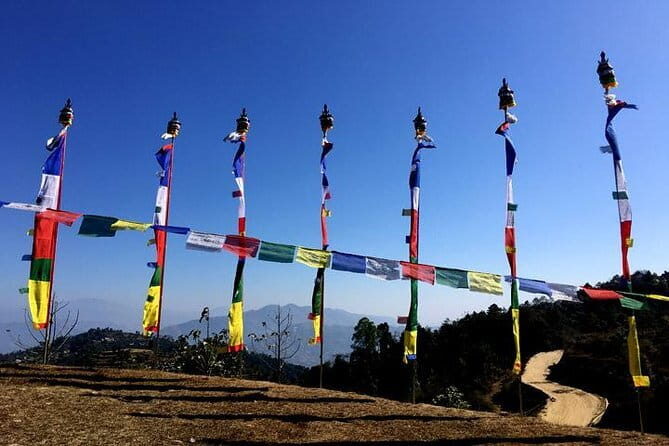
After spending time with the mountains, day seven returns to Bamboo following the same path. It’s about six hours, and the drop is described as around 1,700m.
This is where your legs will remember they’re real legs. Even with a guide and a route that’s familiar after day six, descending changes how your knees feel and how your feet handle long step-downs.
The upside: it’s a solid “recovery by working” day. You’re moving, but you’re not starting from zero. The constant is the trail, and the constant is what you came for—mountain atmosphere right up close.
Day 8: Bamboo to Jhinu Danda—stone steps, Kuldi Ghar, and payoff views
Day eight keeps the trek moving, about six hours, and the route description gets detailed: steep ascent to Kuldi Ghar, trekking from Bamboo to Sinuwa, then stone steps to Lower Chomrong, followed by another climb described as up a thousand steps.
That’s a long sentence for a long day, so plan for it in your body. When the trail turns into step count mode, your best strategy is small steps and steady breathing. It’s less about speed and more about consistency.
Then you reach Jhinu Danda, and this is where many trekkers look forward to a “reset” break. One of the strongest mentions from experience feedback is the possibility of hot springs on the last day—not something every trek guarantees, but a nice option if your guide builds it in around your schedule.
Day 9: The easier day to Pokhara via Siwai—trekking plus vehicle comfort
Day nine is described as one of the easiest days. You start trekking to Siwai, then take a shared jeep or bus to Nayapul, and finish with a private car/jeep to Pokhara. Total time is about seven hours.
This structure matters. After the step-heavy day before, the mix of shorter hiking and transport can feel like a gift. It also helps you end the trek with your energy intact rather than spending the final travel day feeling wrecked.
In practical terms, this is the day to slow down and enjoy the transition. You’re moving from “deep trekking mode” toward “civilization mode,” and you’ll likely appreciate the ability to sit, hydrate, and regroup.
Day 10: Back to Kathmandu—rivers, hills, and finishing well
On the final day, you follow the highway through rivers, hills, and small Nepalese settlements. The bus ride takes about seven hours to drop you in the Kathmandu Valley near the tourist bus park.
It’s a straight run, not a scenic hike day. But that’s the point: you’re finishing cleanly, and you get closure without adding extra climbing.
If you’re the kind of person who likes to end trips with a smooth landing, this day fits. If you love walking every last mile, you might wish it had more on-foot time. Still, the overall pacing is balanced, and you’re likely ready for the ride by then.
Price and value: what your $490 actually covers
At $490 per person, the value is mainly in what’s included that most people hate to organize themselves.
You’re covered for:
- Hotel pick up and drop off
- Kathmandu to Pokhara to Kathmandu transfers by tourist bus
- 2 nights in Pokhara (2-star label) with breakfast
- Government-licensed English-speaking trekking guide
- Trekking permit and official documents
- Transfers to trailheads and back (Pokhara to Nayapul / Siwai to transport links)
- Private tour setup for your group
- A normal first aid kit with the guide
- Guide’s food, accommodation, and expenses
Not included:
- Food and drinks during the trek (purchase as you go)
- Gratuities (optional)
So the smart way to think about the price is: you’re paying for logistics, documents, and professional on-the-ground decision-making. That’s why this can work even for first-timers—people often stumble when they have to manage permits, local transportation timing, and daily pacing all at once.
One more thing I appreciate: mobile ticket is mentioned, and that usually cuts down on last-minute hassle.
Guides, safety, and how the trip handles real trail days
Names from experience feedback come through clearly: guides like Krishna, Biru, Milan, Amrit, Deepak, and Prakash get praised for being helpful, attentive, and good at keeping things organized day by day. One organizer name that pops up is Sham, tied to smooth planning and good management.
What you should take from that, even if you don’t know which guide you’ll get: the trip is set up for knowledgeable local leadership plus clear English communication. That combination matters on a trek where trail conditions can shift and where you need quick clarity—especially on higher sections like the route toward Base Camp.
Also, the trek includes multiple up-and-down days and specifically mentions avalanche-known areas on the approach. That doesn’t mean panic. It means you’ll benefit from staying with your guide and not treating those segments like a casual stroll.
Who should book this trek (and who might want a different plan)
This trek fits best if you want:
- A 10-day Annapurna Base Camp trek with a clear structure
- A mix of village culture and mountain scenery
- Guidance that includes permits and daily management
- A pace geared for moderate fitness, not extreme ultramarathon hiking
It may not be the best fit if you:
- Want a fully self-guided itinerary (this is private, but still guided)
- Hate long transfers and multi-stage travel days
- Are not comfortable with steep steps and repeated climbs
If you’re traveling with a group, the mention of group discounts is worth asking about. If you’re solo or a couple, the private tour nature means you’re not being forced into a big herd situation.
Should you book CAN Travels for this Annapurna Base Camp plan?
I’d consider booking this if you want a well-run, guide-supported route that takes care of the paperwork and travel links from Kathmandu to Pokhara and back. The combination of licensed English guidance, permit handling, and a schedule that mixes harder hiking days with more manageable travel rhythm is a strong fit for many first-time and returning trekkers.
Before you say yes, do two quick checks:
- Confirm your exact pickup timing since the tour start time is listed at 11:15 am while the first day also mentions early pickup.
- Budget for food and drinks, and keep some cash for optional tips.
If those boxes work for you, this is a solid way to reach Annapurna Base Camp without turning your trip into a project.
FAQ
What is the duration of the Annapurna Base Camp trek?
The trek is listed as 10 days approximately, starting and ending with transfers between Kathmandu and Pokhara.
What is included in the tour price?
Included items are hotel pick up and drop off, Kathmandu–Pokhara–Kathmandu transfers by tourist bus, 2 nights in Pokhara with breakfast, a government-licensed English-speaking trekking guide, permits and official documents, and trekking-area transfers. It also includes an emergency first aid kit with the guide, plus guide food and accommodation.
Is the trekking guide English speaking and licensed?
Yes. The tour includes an English speaking trekking guide who is described as government-licensed.
How do meals work during the trek?
Food and drinks are not included. You’ll be able to purchase meals along the way.
Is this tour private or shared with other groups?
It is described as a private tour/activity, meaning only your group participates.
Where is the trek routed from and to?
The plan starts in Kathmandu, travels to Pokhara, then reaches trail entry points by vehicle, and returns to Pokhara and then Kathmandu for the finish.
Is there free cancellation?
Yes. The experience lists free cancellation with a full refund if you cancel at least 24 hours in advance of the experience start time.