REVIEW · KATHMANDU
Kathmandu to Langtang Valley 7-Day Trek
Book on Viator →Operated by Cordial Trek Pvt. Ltd. · Bookable on Viator
Langtang rewards you fast, then keeps paying off. This 7-day trek from Kathmandu takes you into Langtang National Park and up to Kyanjin Ri (4,773m) for big mountain panoramas. I like the way the trip is paced for real humans, with clear day-by-day trekking blocks and overnight stops at mountain guesthouses. I also like that key items such as national park permits and a TIMS card are handled for you, so you’re not scrambling when you’re cold and tired.
One consideration: meals are not included, so your “real cost” depends on how you eat each day, especially during the higher, colder days.
In This Review
- Key highlights you’ll actually feel on the trail
- Entering Langtang Valley: why this trek works for most hikers
- Price and value: what you’re paying for (and what you aren’t)
- Day 1 from Kathmandu to Syapru Besi: the travel day that sets your pace
- Day 2 Syapru Besi to Lama Hotel: waterfalls and first-forest trekking
- Day 3 Lama Hotel to Langtang Village: rhododendron and pine in motion
- Day 4 Langtang Village to Kyanjin Gompa: monastery views at a calmer tempo
- Day 5 Kyanjin Gompa to Kyanjin Ri and back: the 4,773m goal day
- Day 6 Lama Hotel to Syapru Besi: finishing strong with forest miles
- Day 7 Syapru Besi to Kathmandu: the bus day that ends the loop
- What you’ll see (and what you can reasonably expect)
- How fit do you need to be for this 7-day plan?
- Guides and team support: what strong organization looks like
- Who should book this trek?
- Should you book the Kathmandu to Langtang Valley 7-Day Trek?
- FAQ
- Where does the trek start and end?
- How long is the Kathmandu to Langtang Valley trek?
- What are the main trekking days and approximate hike times?
- What is the highest point on the trek?
- Are permits included in the price?
- What about meals and drinks?
- Is lodging included?
- Do I get pickup and drop in Kathmandu?
- When does the trek run?
- What is the cancellation policy?
Key highlights you’ll actually feel on the trail
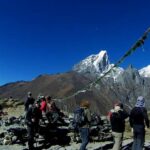
- Kyanjin Ri views at 4,773m: a short-but-steep payoff day with panoramas that include multiple named peaks
- Permits handled: Langtang National Park permit + TIMS card are included
- Mountain guesthouses nightly: simple stays that match the rhythm of trekking days
- A route built for first-timers: moderate fitness level is stated as the expectation
- English-speaking guide support (often): past groups have highlighted guides such as Raj Tamang and Pratip
Entering Langtang Valley: why this trek works for most hikers
Langtang Valley sits about 80 kilometers north of Kathmandu, right in the Rasuwa district and inside Langtang National Park, which borders China’s Tibet Autonomous Region. Translation: you’re walking a trail that feels remote, while still being organized enough for a seven-day plan.
What makes this trek compelling is the variety of scenery across just a few days. Early on, you’re surrounded by forest trails where rhododendrons and pines show up on the walk. Later, you push into higher terrain where the mountains and glaciers become the main event. The route also keeps you moving steadily rather than forcing big jumps between days.
And the animal-and-bird story here isn’t just brochure copy. The park is home to things like Himalayan black bear, Himalayan tahr, and red panda, plus more than 250 bird species. You probably won’t see everything on cue, but it’s the kind of place where you feel like nature is close—especially on quieter stretches.
You can also read our reviews of more hiking tours in Kathmandu
Price and value: what you’re paying for (and what you aren’t)
The price is $300 per person for a roughly 7-day trek. On paper, that looks simple. In practice, the value comes from what’s included versus what you must plan for.
Included items that matter:
- Hotel pickup and drop in Kathmandu
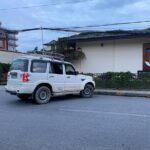
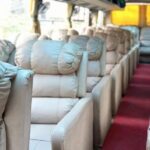
- Sharing jeep/bus between Kathmandu and Syapru Besi
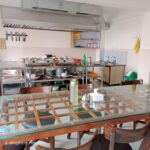
- Mountain guesthouse lodging each trek night
- National Park permit and TIMS card
- The trek is run as a private tour for your group only
Not included:
- Meals
- Guide gratuity (optional)
Meals can add up, but not always in a scary way. Many hikers budget for breakfast and dinner at guesthouses and grab lunch along the trail. If you want to keep costs predictable, plan to carry a few snacks (you’ll appreciate them when your lunch timing is delayed by weather or trail conditions).
So is $300 “cheap”? Not really the point. The smarter question is: does this price cover the hard logistics—transport, lodging, and required permits—so you can focus on walking and acclimatizing? Based on what’s included, yes, it aims to do that.
Also worth knowing: the trip mentions group discounts and a mobile ticket. That’s useful because it can lower costs for small groups and reduce paper hassle.
Day 1 from Kathmandu to Syapru Besi: the travel day that sets your pace
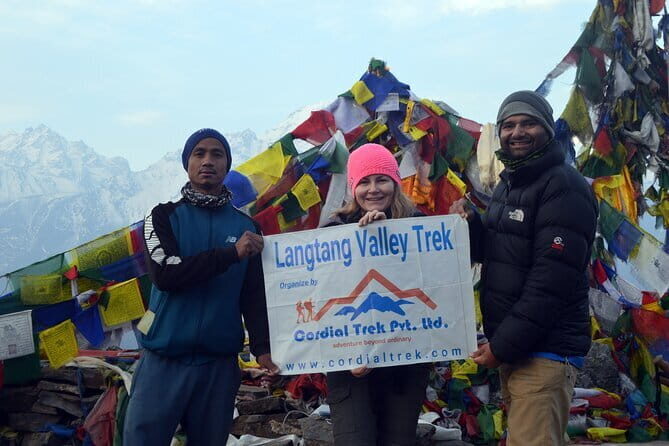
Your morning starts early—pickup and meeting time is 6:45am. From Kathmandu, you’re driven toward the local bus station in Balaju, then you take a 6–7 hour ride to Syapru Besi. It’s a long sit, but that’s the trade for reaching trailhead life quickly.
Syapru Besi is where the trek truly begins. It’s also a helpful first step mentally. You’re not climbing yet, but you’re shifting from city time to mountain time. The day is built to get you to the start without wasting the whole trip stuck in buses.
Practical tip: treat day one like it’s part of your acclimatization routine. Hydrate, keep moving when the vehicle stops, and don’t celebrate with a huge meal right before you fall into bed.
Day 2 Syapru Besi to Lama Hotel: waterfalls and first-forest trekking
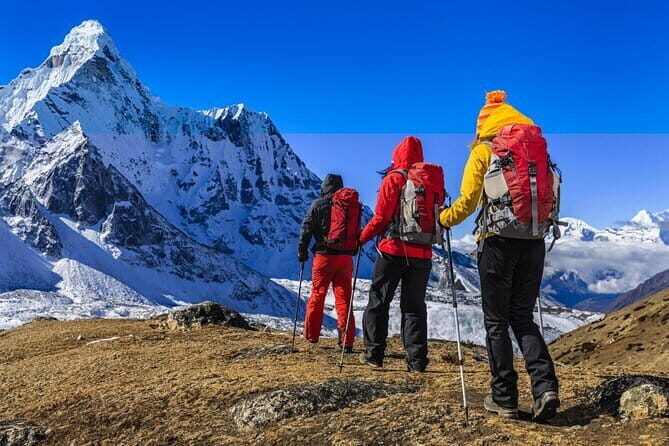
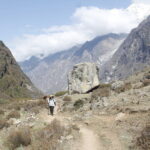
Day two is a 5–6 hour hike from Syapru Besi to Lama Hotel inside Langtang National Park. This is your “get your legs working” day, and it’s also where the forest feels real.
You’re walking through scenic sections that can include waterfalls and village scenery. The trail is described as featuring traditional villages along the way. That matters because it gives your hike texture: you’re not staring at the ground for hours, and you’re not just passing by nature—you’re passing by life too.
Lama Hotel is where you sleep. Guesthouse nights make the trek feel manageable because you’re not planning camp logistics. Still, don’t treat it like a hotel vacation. Mountain guesthouses are simple by design. You’ll want warm layers ready.
A small drawback: if you arrive late and it’s cold, you’ll be tempted to rush. Try not to. Eat, settle in, and let your body cool down gradually.
Day 3 Lama Hotel to Langtang Village: rhododendron and pine in motion
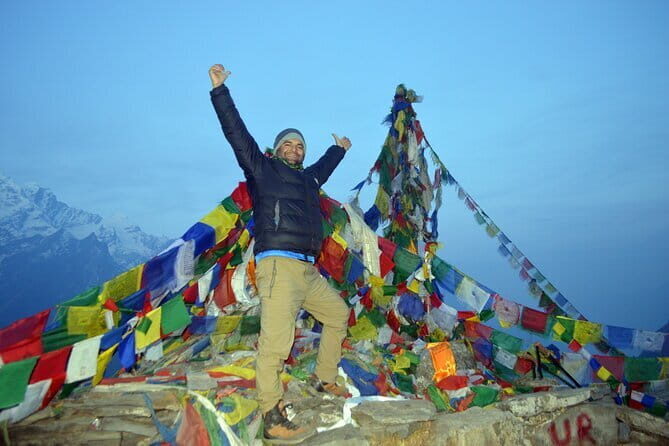
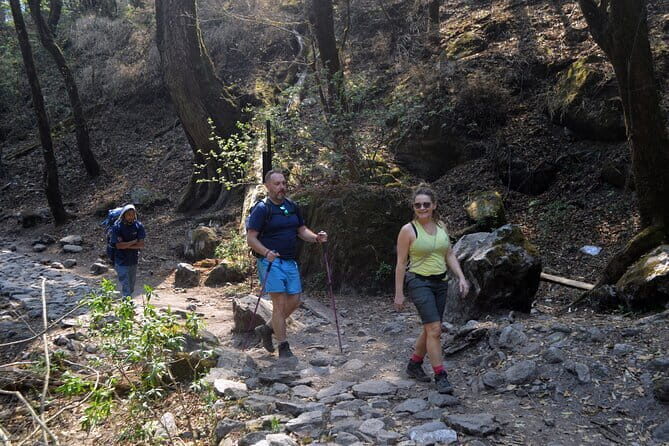
Day three is another solid hike, 6–7 hours from Lama Hotel to Langtang Village. This stretch is known for dense forests of rhododendrons and pine trees, so expect more of that green corridor feel before the peaks dominate.
This is a good day to focus on rhythm. Rhododendron season timing can affect what you see, and the trek is described as running all year except the monsoon season. If you go outside monsoon months, you’re more likely to enjoy clear trail views and better overall walking conditions.
Also, this is where your guide’s job gets important. Past experiences with this operator have highlighted guides such as Raj Tamang and Pratip, praised for being caring, motivating, and organized. On a trek, that translates to practical support: pacing decisions, comfort checks, and helping you stay calm when the trail gets steeper than you expected.
You can also read our reviews of more tours and experiences in Kathmandu
Day 4 Langtang Village to Kyanjin Gompa: monastery views at a calmer tempo
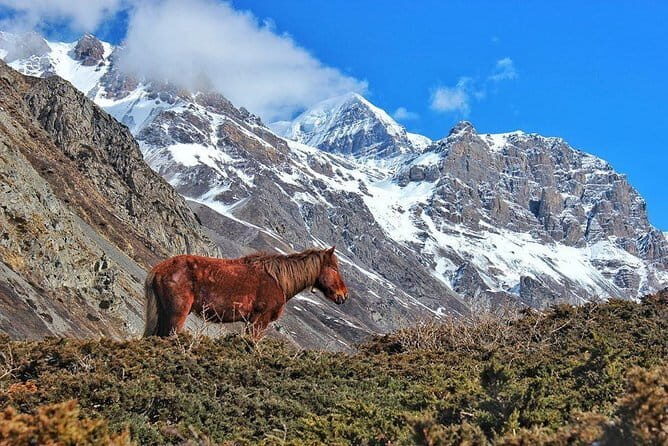
Day four is a lighter-feeling move, 3–4 hours from Langtang Village to Kyanjin Gompa. The goal here is a historic monastery setting, described as one of the oldest monasteries in the region.
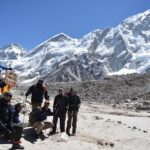
Kyanjin Gompa is the kind of place where you feel the shift in the trek. The walk is shorter, but your attention expands. Panoramic mountain views are part of what you get here, and that’s exactly why many hikers like this stop. You’re not only moving forward—you’re arriving at a place that gives you a mental reset.
Even if the weather is partly cloudy, the Gompa area tends to make the day feel meaningful. Mountain monasteries are often built at points that serve the community. Here, that also means the viewpoint angle is working for you.
Tip for this day: bring a layer you’re comfortable wearing while standing still. It’s easy to get warm while hiking and then regret it when you stop for photos and waiting for the best light.
Day 5 Kyanjin Gompa to Kyanjin Ri and back: the 4,773m goal day
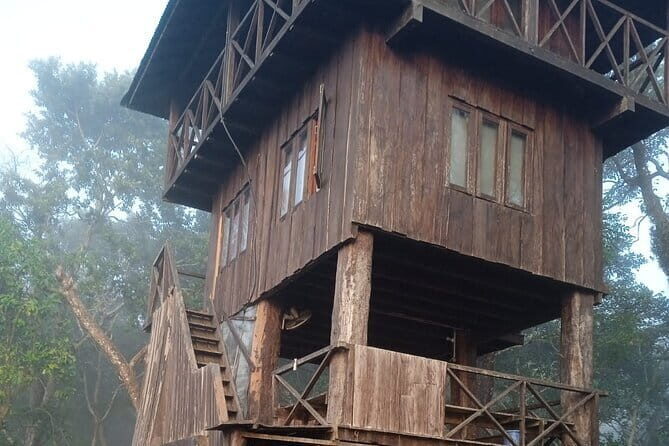
If you want one day that justifies the whole trek, it’s day five. You do a 3–4 hour round trip from Kyanjin Gompa to Kyanjin Ri (4,773m), then hike back down to Lama Hotel.
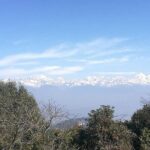
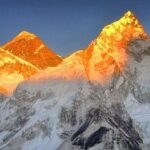
This is where the mountain details start getting specific. The trek description calls out panoramic views including Mt. Langtang Ri, Mt. Dorje Lakpa, and Mt. Langtang Lirung. Seeing named peaks helps because it gives you something to anchor your photos to, instead of just shooting a sea of white.
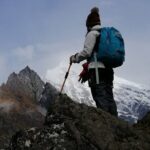
Altitude is the main consideration. Even though the trip is only seven days, you should take breathing seriously. Go slow on the ascent and accept that you might not feel great at the top for long. The reward is the view, not a personal competition.
From the practical side, the praised guide support shows up here most. Groups have specifically mentioned reaching Kyanjin Ri near the target elevation and having a guide who knows how to keep things organized. That’s not just comfort. It’s safety and pacing.
Then you descend to Lama Hotel for the night—so you’re back to “walk, eat, recover” mode.
Day 6 Lama Hotel to Syapru Besi: finishing strong with forest miles
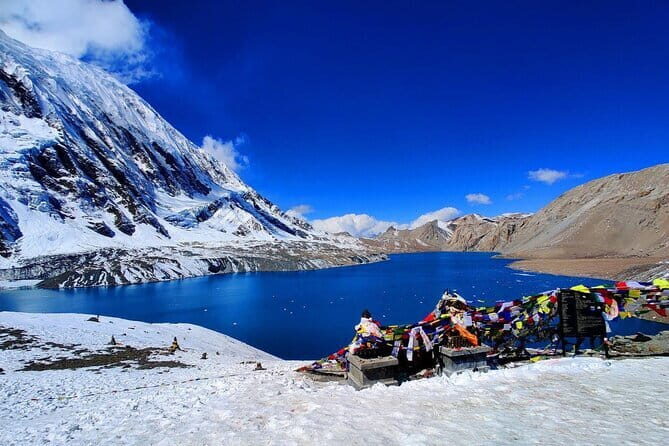
Day six is the return leg, a 5–6 hour hike from Lama Hotel back to Syapru Besi. This is another forest-heavy day, but it feels different because you’re already familiar with the rhythm.
A trek like this is often remembered by how you finish, not just how you start. If day two and three tested your stamina, day six tests your consistency. The good news: you already know what to expect, and you’ve had time to adapt to your daily routine.
Plan to be a little gentler on yourself here. Your legs might feel fine, but fatigue can sneak in. Keep hydration going and eat enough. Since meals aren’t included, you’ll want to make sure you don’t accidentally under-fuel.
Day 7 Syapru Besi to Kathmandu: the bus day that ends the loop
Day seven is 7–8 hours back from Syapru Besi to Kathmandu by bus/sharing jeep, with escort back to your hotel. This is a long ride after a full trekking week, so your main job is recovery.
Think of it as the final step in your acclimatization cycle. You’re still moving, and your body is still adjusting. You don’t need to do anything heroic after you arrive—just get clean, hydrated, and warm.
What you’ll see (and what you can reasonably expect)
Even without guaranteeing animal sightings, the setting is built for nature lovers. The park includes a mix of flora: deciduous oak and maple, evergreens like pine, and multiple rhododendron types. You’re also in a region where wildlife like yak and Himalayan tahr live (with snow leopard and red panda also listed for the park).
Bird life is also a strong point, with more than 250 species noted. That’s a reminder that you should look up sometimes. On forest trail days, birdsong can guide you even when you don’t see much else.
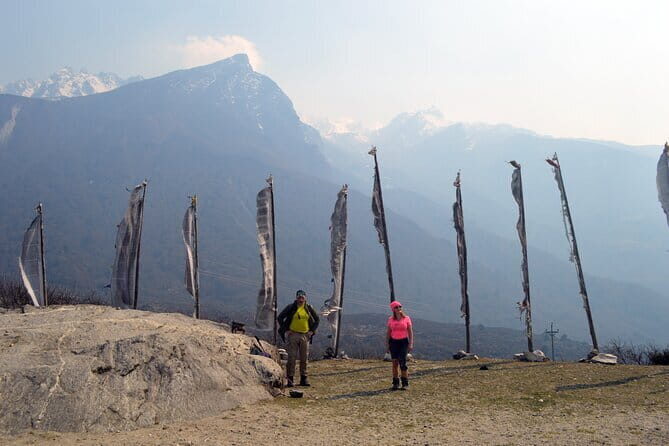
And the scenery is described as having wildflowers and rhododendrons in the foreground while Langtang Mountains and glaciers fill the background. That combination tends to make people slow down for photos, which is fine. Just remember the goal is to keep your pace consistent.
How fit do you need to be for this 7-day plan?
The trip states you should have moderate physical fitness. What that means on the trail is: you’re doing multiple days of 3–7 hour hikes, with day five and day three being on the longer side.
Don’t overthink it, but do prepare:
- Expect uneven trail surfaces and changing temperatures.
- Plan for early mornings and steady walking rather than sprinting.
- On the high point day, prioritize slow movement over speed.
Also, since you’ll be sleeping in mountain guesthouses, your legs will need downtime. This trek includes lodging, so you won’t spend your evening building camp. That’s a big deal for first-timers.
Guides and team support: what strong organization looks like
Across the experiences shared, a repeated theme is that the trek is run with strong communication and a caring guide approach. Specific names that came up include Raj Tamang and Pratip, plus porter team members such as Dup and others mentioned alongside them. The point for you: this operator appears to emphasize teamwork between guides and porters.
In real-world terms, that usually shows up as:
- Clear instructions so you don’t waste time figuring things out
- Motivating pacing when you’re tired
- Help with staying comfortable and informed
One small but telling detail from experiences: support for last-minute mishaps, like forgotten items being returned. That kind of follow-through usually means the company’s organization is functioning beyond just the hiking part.
Who should book this trek?
This is a great fit if you want:
- A 7-day trek that doesn’t require you to manage permits or lodging
- A route inside Langtang National Park with rhododendron forest days and a high viewpoint goal
- A trek designed for people with moderate fitness, including those with little prior trekking experience
It’s not the best match if you:
- Hate early starts (6:45am meeting is a thing here)
- Want meals included in the price
- Are looking for a truly easy walk with no altitude payoff
If you’re unsure, start by checking your comfort with multi-hour hikes on consecutive days.
Should you book the Kathmandu to Langtang Valley 7-Day Trek?
I’d book this trek if your goal is a well-managed Langtang experience with permits and guesthouse stays handled, plus a clear summit-style day at Kyanjin Ri. The total package is built for value because it reduces the big planning headaches: transport in and out, the required TIMS and park permit, and a realistic daily schedule.
I’d think twice if food cost control matters a lot to you, since meals aren’t included. Also, if you’re very sensitive to altitude, you’ll want to be extra conservative on day five and listen to your guide’s pace guidance.
If you’re ready for a rewarding mountain hike with real forest-to-views progression, this one makes a lot of sense.
FAQ
Where does the trek start and end?
It starts in Kathmandu with hotel pickup, then you travel to Syapru Besi to begin the trek. It ends with a bus/sharing jeep ride back to Kathmandu and escort to your hotel.
How long is the Kathmandu to Langtang Valley trek?
It’s listed as about 7 days, with trekking days in the middle and travel days at the start and end.
What are the main trekking days and approximate hike times?
The hikes are described as roughly 5–6 hours (Syapru Besi to Lama Hotel), 6–7 hours (Lama Hotel to Langtang Village), 3–4 hours (Langtang Village to Kyanjin Gompa), 3–4 hours round trip plus descent on day five (to Kyanjin Ri and back), and 5–6 hours (Lama Hotel to Syapru Besi).
What is the highest point on the trek?
The highest point listed is Kyanjin Ri at 4,773 meters.
Are permits included in the price?
Yes. The national park permit and TIMS card are included.
What about meals and drinks?
Meals are not included. You’ll need to plan for food during the trek days.
Is lodging included?
Yes. Mountain guesthouse lodging is included.
Do I get pickup and drop in Kathmandu?
Yes. Hotel pick up and drop are included.
When does the trek run?
It is available all year long except for monsoon seasons.
What is the cancellation policy?
Free cancellation is available up to 24 hours in advance for a full refund. If you cancel less than 24 hours before the start time, the amount paid is not refunded.