REVIEW · KATHMANDU
10 Days Annapurna Circuit Trek
Book on Viator →Operated by Himalayan Trekking · Bookable on Viator
Expect big mountains and bigger days. This 10-day Annapurna Circuit pulls you from Kathmandu to the Annapurna massif, over Thorong La (5,416m), and down through the dramatic Kali Gandaki Gorge, ending with a flight to Pokhara.
What I like most is the practical support: you travel with a guide, plus porters set up at a ratio of 1 porter for every 2 people. I also really appreciate the way comfort is built in on the logistics side—a sleeping bag is included, and meals are covered (10 lunches and dinners, plus 11 breakfasts). Based on past guests’ feedback, the guides—like Babo/Babu and Resham—tend to be warm and responsive, including when altitude becomes an issue.
The main consideration is simple: this is not a walk in the park. The itinerary takes you high, with altitude stress most likely around the pass day and the lead-up to it (you’ll be moving toward Thorung Phedi), so plan for a steady pace and listen hard to your guide.
In This Review
- Key Highlights You’ll Care About
- Price and Logistics: What Your $1,430 Buys (and Why That Matters)
- Setting Off From Kathmandu: Manakamana Temple and the Road to Besishar (Day 1)
- To Chame Through Forest and River Valleys (Days 2–3)
- Pine Forests and Big Close-Up Peaks (Day 4)
- Manang Village and Gangapurna Lake: The Culture Break Before the Hard Stuff (Day 5)
- Marshyangdi Valley to Gunsang and Yak-Kharka (Day 6)
- Jorsang Khola to Thorung Phedi: Narrow Paths and Tough Footing (Day 7)
- Thorong La Pass and Muktinath: The 5,416m Moment (Day 8)
- Kali Gandaki Descent to Jomsom, Then a Flight to Pokhara (Days 9–10)
- Guides, Organization, and the Human Side of the Circuit
- Tough Spots to Plan For: Fitness, Altitude, and Your Packing Reality
- Should You Book This 10-Day Annapurna Circuit?
- FAQ
- Where does this trek start and what time?
- How long is the Annapurna Circuit trek?
- What is the highest point on this trek?
- How does the trek end?
- Is the flight included, or do I need to arrange it?
- What meals are included?
- Do I get a guide and porter support?
- Is a sleeping bag included?
- What’s not included in the price?
- Is there a group size limit?
Key Highlights You’ll Care About
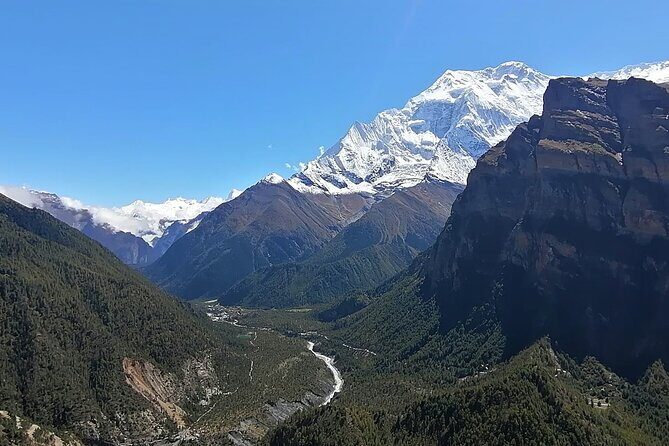
- Thorong La at 5,416m is the signature moment, with views toward the Dhaulagiri range from the pass area.
- Meals and sleeping bag included make it easier to pack light and focus on trekking instead of shopping.
- Small group cap (max 15 travelers) helps keep the experience less crowded on the trail.
- Manang day + Gangapurna Lake adds culture and a real mountain-village feel before the long high-altitude push.
- Jomsom to Pokhara flight included saves your legs and still gives sweeping gorge views.
Price and Logistics: What Your $1,430 Buys (and Why That Matters)
At $1,430 per person, this trek isn’t cheap on the surface. But the value is in what’s bundled: private transportation, a guide, porters (1 for 2 people), your sleeping bag, most meals, and a domestic flight (Jomsom to Pokhara).
If you’ve priced a DIY version, you’ll usually end up piecing together guides, permits/fees, transport from Kathmandu, and a flight later. Here, those moving parts are handled in advance, which can save you both money and decision fatigue—especially if you want your first big trek to feel organized rather than chaotic.
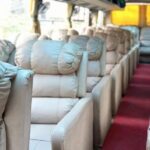
One catch to keep in mind: you still have costs not included, like bottled water and alcohol, plus the tour doesn’t list air-conditioned vehicle use. So budget for water and keep your expectations realistic about comfort during travel days.
You can also read our reviews of more hiking tours in Kathmandu
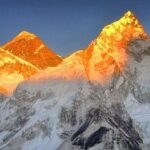
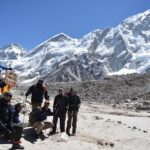
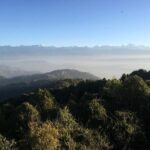
Setting Off From Kathmandu: Manakamana Temple and the Road to Besishar (Day 1)
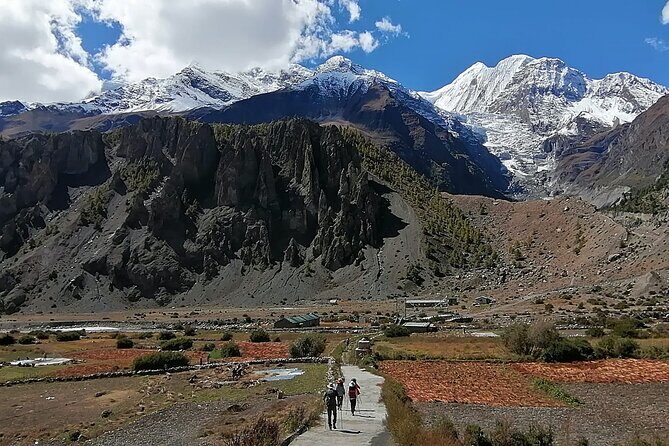
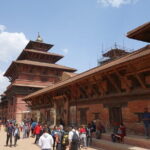
Your day starts early. You’ll be picked up around 7:15 am from Himalayan Trekking and Tours in Kathmandu, then transferred by road for about 7 hours (185 km) to Besisahar.
Once you’re in the region, the day includes Manakamana Temple as a stop. It’s a good way to break up the long drive with something meaningful before you’re fully in trekking mode.
The practical side of Day 1 is that it sets your rhythm. You’re fresh enough to enjoy the switch from city travel to mountain-country travel, but you’re also not tricked into thinking this is an easy start—there’s a lot of time on the road.
To Chame Through Forest and River Valleys (Days 2–3)
By Day 2, the trail is already doing its job. You climb to Tyanja (2,360m) and continue through forest toward Kopar (2,590m). As you reach Chame, the headquarters of Manang district, the views open up—especially for Annapurna II.
What makes this day valuable is the mix. You get some climbing grind, then you earn panorama rewards. It’s the kind of day that builds confidence: you learn how the trail feels at altitude and how your body responds after a road transfer.
Day 3 keeps the intensity up. You start through deep forest in a steep, narrow valley, then cross rivers on a long bridge around 2,910m, and later cross another bridge around 3,040m. As you go, the Paungda Danda rock face becomes a big visual anchor.
If you tend to get impatient on steep paths, this is where your technique matters. Short steps and steady breathing usually beat pushing tempo. And with a guide and porter setup in place, you can focus on moving rather than managing everything yourself.
Pine Forests and Big Close-Up Peaks (Day 4)
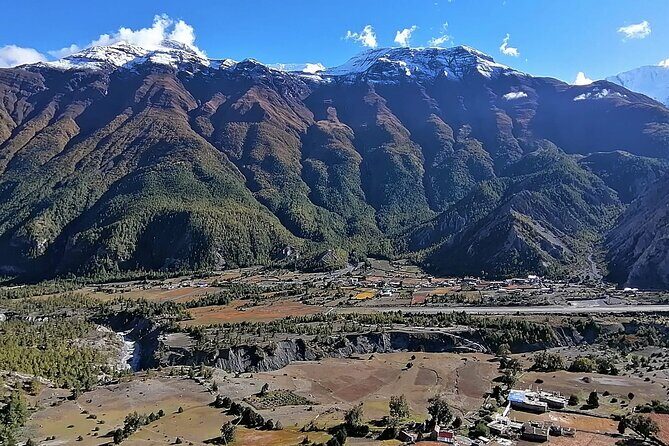
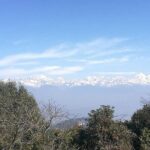
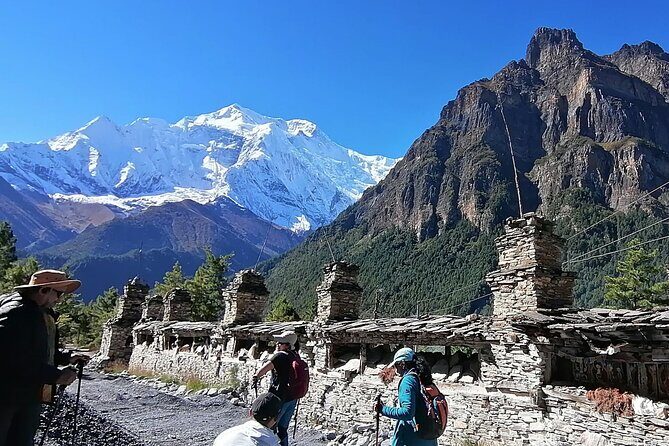
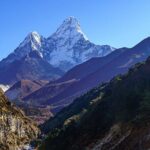
Day 4 feels like a shift from “getting there” to “looking around.” You walk past pine forests, and as the trail climbs toward the Manang area, you’re treated to close-up views of several major peaks: Gangapurna, Annapurna II and III, Tilicho, Chulu east, and Pisang peak.
This is a great day for two reasons. First, the scenery isn’t a single distant postcard view—you get the sense of peaks lining up at your level. Second, you’re moving into the Manang region, where the trek becomes more than just scenery; it becomes a mountain-living corridor.
The trade-off is energy. Days like this often tempt you to stop often for photos, and that’s fine—just don’t let it wreck your pace. Your best photos usually happen when you’re also still feeling strong enough to keep the day enjoyable.
Manang Village and Gangapurna Lake: The Culture Break Before the Hard Stuff (Day 5)
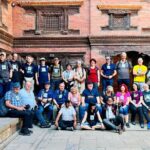
Day 5 slows down in the best way. You explore Manang village, interact with local life, and visit Gangapurna Lake. The “real experience” angle here is the point: the circuit stops feeling like a checklist and starts feeling like you’re passing through living mountain communities.
This day also helps you mentally. After a few days of trekking focus, you get a chance to absorb place—how people live, what the village looks like day-to-day, and how the mountain shapes daily routines.
If you like trekkers who return home with more than just altitude stories, this is the day that delivers it. And because it comes before the push toward higher camps, it can act like an emotional reset before the route sharpens.
Marshyangdi Valley to Gunsang and Yak-Kharka (Day 6)
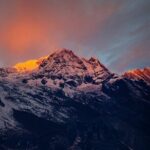
Leaving Manang behind, Day 6 begins the high-altitude build. The route climbs toward the Marshyangdi valley, with strenuous ascends that take you to Gunsang village and then Yak-Kharka. You arrive at Ledar before sunset.
This is one of those “you’ll feel it tomorrow” days. Even if you’re not at the highest point yet, your body is being trained for the rhythm: consistent uphill effort, careful pacing, and enough time to recover before the next stage.
You’ll likely appreciate that you’re not traveling alone through all this. With a guide guiding and a porter ratio already built in, you can keep your focus on the trail and not on logistics.
Jorsang Khola to Thorung Phedi: Narrow Paths and Tough Footing (Day 7)
Day 7 is about getting into position. You walk along the east bank of the Jorsang Khola, then hike toward Thorung Phedi for an overnight stay.
The route is described as tough: narrow paths with unstable slopes. Translation: keep your footing sharp. If you’re the type who tries to “power through” difficult sections, try the opposite. Slow down when the path gets sketchy, because this is the day where balance matters more than speed.
Thorung Phedi is also a mental marker. You’re now close enough that the next day’s pass feels real, not theoretical. This is where you’ll want to treat rest and preparation seriously so you don’t start Day 8 already tired.
Thorong La Pass and Muktinath: The 5,416m Moment (Day 8)
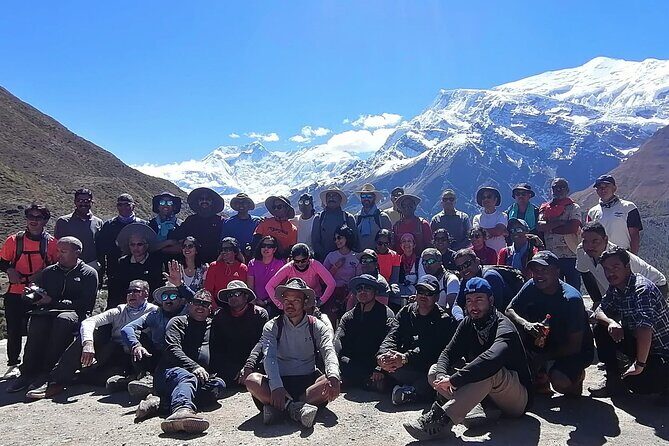
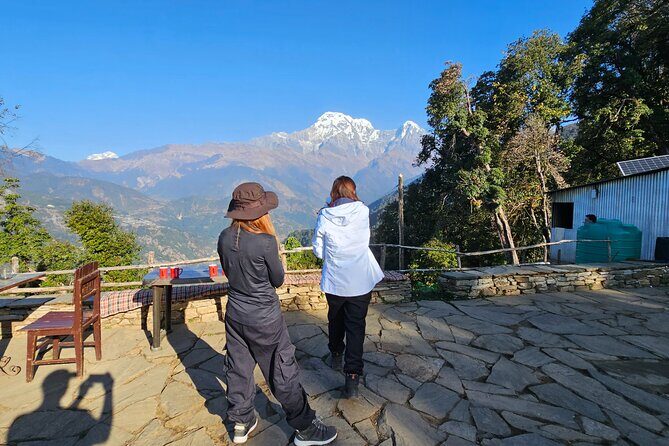
Day 8 is the headline. You gear up for the hike to Thorong La (5,416m), the highest point of the trek. From the elevated venue, you can spot the Dhaulagiri range.
This pass day is the moment where the circuit stops being about exertion and becomes about perspective. The higher you go, the more you understand why people come back to Nepal—because the scale isn’t something you can fake with a good camera.
After the pass, the itinerary includes Muktinath Temple. It’s described as a holy and powerful temple in the Mustang region, and it’s typically part of what makes the day feel like more than just hiking. Note: the information provided says admission tickets here are not included, so plan for small additional costs.
If you’ve had any altitude trouble previously, this is the day to be extra conservative. The goal is to arrive feeling okay, not to win a race to the top.
Kali Gandaki Descent to Jomsom, Then a Flight to Pokhara (Days 9–10)
After Thorong La, Day 9 is a major change: you descend through the Kali Gandaki Valley via arid landscapes. The trail crosses Jharkot and Khingar, which are typical Tibetan villages, then follows the valley floor for much of the way until reaching Jomsom.
This is a classic circuit rhythm: the hardest climbing day is followed by big visual rewards. Descent can feel easier, but it can also be rough on your knees and hips. Keep your steps controlled and don’t let “downhill speed” turn into clumsy form.
Day 10 switches from trekking to transport. After breakfast, you catch the morning flight to Pokhara. The flight is described as spectacular, with views over the Kali Gandaki Gorge and great looks at the Dhaulagiri and Annapurna ranges. Then you get free time around Pokhara city, including boating at Fewa Lake.
This is a smart finish for value and fatigue management. You get a memorable aerial view without spending another full day walking. It’s also a comfortable way to end the trek if you want to rest well and still see the region.
Guides, Organization, and the Human Side of the Circuit
The big confidence boost with this trek is the team. In past feedback, guides like Babo/Babu and Resham were described as warm, knowledgeable, and flexible. There’s also a recurring theme of helpful porter support—Rojit is named as a friendly, supportive porter in one account.
What that means for you in practical terms: when the trek gets harder than your imagination, you’ll have people who know how to respond. One review points out that when altitude became a problem, the guides stepped in at the first signs of trouble. That’s not a promise of miracles, but it is exactly what you want from a guide: early, calm, and focused help.
The tour is set up for a maximum of 15 travelers, which usually helps the experience feel more personal than a factory trek. And since private transportation and organized meals are included, you’re less likely to spend your energy on fixing problems that should never happen.
Tough Spots to Plan For: Fitness, Altitude, and Your Packing Reality
This circuit is for travelers with moderate physical fitness, but “moderate” doesn’t mean casual. You’re gaining altitude over multiple days, reaching the high point at Thorong La, and moving on narrow and sometimes unstable sections like the lead-in toward Thorung Phedi.
Altitude is the obvious risk. The best approach is to take the climbs steadily and trust the pace your guide sets. If altitude hits you, you don’t want a hero moment; you want smart decisions early, which is why having a responsive guide matters.
Then there’s packing reality. Bottled water is not included, and alcohol isn’t included either. So plan to carry what you need for hydration, and remember that trekking days can make even small comfort items feel important.
One more note: tickets for some items are included, but others are not. For example, the details provided say admission isn’t included for Thorong La and Muktinath Temple, so treat that as a small extra line item.
Should You Book This 10-Day Annapurna Circuit?
You should book if you want a classic Annapurna Circuit with clear structure, real mountain-village time, and support that keeps the logistics from eating your energy. The value is strongest if you appreciate bundled essentials: sleeping bag, meals, guide and porter support, and the flight out of the region.
Skip it if you want an ultra-light DIY style trek with zero organization—or if you’re not comfortable with the altitude and the pass-day intensity. This route is rewarding, but it demands respect. If you’re ready to move steadily, keep your footing on tricky paths, and let your guide manage the rhythm, this is the kind of trek that can stay in your memory longer than the soreness fades.
FAQ
Where does this trek start and what time?
It starts in Kathmandu with pickup around 7:15 am from Himalayan Trekking and Tours. The itinerary begins with a road transfer to Besisahar.
How long is the Annapurna Circuit trek?
The duration is listed as about 10 days.
What is the highest point on this trek?
The highest point is Thorong La at 5,416m.
How does the trek end?
After breakfast on Day 10, you take a morning flight to Pokhara, then have free time in and around the city.
Is the flight included, or do I need to arrange it?
The domestic flight (Jomsom to Pokhara) is included.
What meals are included?
The tour includes breakfast (11), lunch (10), and dinner (10). Coffee and/or tea are also included.
Do I get a guide and porter support?
Yes. A guide is included, and porters are included with a ratio of 1 porter assigned for 2 people.
Is a sleeping bag included?
Yes. A sleeping bag is included.
What’s not included in the price?
Bottled water and alcoholic beverages are not included. Air-conditioned vehicle is also listed as not included.
Is there a group size limit?
Yes. The maximum is 15 travelers.