REVIEW · KATHMANDU
Bhaktapur Sightseeing & Dhulikhel, Namo Buddha, Panauti Tour
Book on Viator →Operated by Shepherd Holidays · Bookable on Viator
A day of temples and mountain views starts in Kathmandu. This tour strings together UNESCO Bhaktapur Durbar Square, scenic Dhulikhel, sacred Namobuddha, and river-honored Panauti, all in one efficient sweep. I especially like the focused pacing at each site and the fact that you get real, practical guidance on what to look for. The main thing to consider: Bhaktapur entry fees are extra, so your final cost depends on how you budget for tickets.
I also like how the route balances old stone with wide-open views. Bhaktapur and Panauti give you carved wood, medieval temple layouts, and Newari details, while Dhulikhel and Namobuddha give you that big-sky feeling with Himalayan peaks in sight. A single drawback is timing: Dhulikhel and Panauti are shorter stops, so if you love to linger, you’ll need to use your time well.
In This Review
- Key things to know before you go
- A route that strings Newari temples to Himalayan views
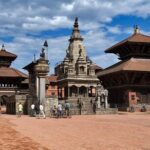
- Bhaktapur Durbar Square: the UNESCO core with real Newari detail
- Dhulikhel’s Himalayan panoramas in about 30 minutes
- Namobuddha: sacred pilgrimage space with calm mountain views
- Panauti and the rivers: temples, woodwork, and history you can feel
- Sanga’s Kailashnath Mahadev Statue: big-scale Hindu art on the way back
- Price and logistics: what you’re really paying for
- What makes the guide-and-driver setup worth it
- Who this tour suits best
- Should you book the Bhaktapur–Dhulikhel–Namobuddha–Panauti circuit?
- FAQ
- Is pickup included?
- How long is the tour?
- What does the $75 per person price include?
- What entry fees should I expect?
- Are the Dhulikhel and Namobuddha stops paid?
- Is this a group tour or private?
- What happens if the weather is bad?
Key things to know before you go
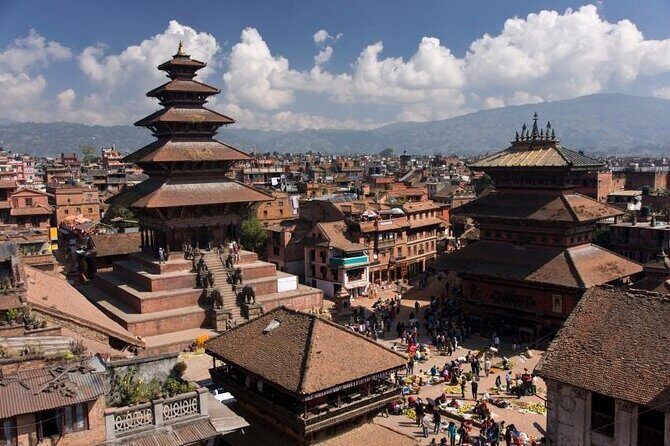
- UNESCO Bhaktapur Durbar Square is the cultural anchor, with medieval Newari architecture and temple courtyards
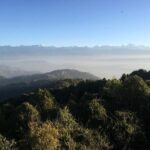
- Himalaya panoramas from Dhulikhel can include Langtang, Ganesh Himal, and Gaurishankar (weather dependent)
- Namobuddha is calm and scenic, with mountain views from slightly elevated ground and a 2-hour window
- Panauti brings historic temples plus intricate woodwork, plus the confluence of three sacred rivers
- Sanga’s Kailashnath Mahadev Statue is an optional photo/quick-look stop on the way back
- Driver care matters on rainy days, and the experience is set up for safe, steady sightseeing
A route that strings Newari temples to Himalayan views
This is a one-day circuit built for variety. You start with the dense, detailed world of Bhaktapur, then switch to viewpoint time in Dhulikhel, followed by quiet pilgrimage atmosphere at Namobuddha. The last major stop is Panauti, where history shows up in temples, carvings, and the way locals talk about sacred rivers.
The timing also makes sense for most people. The total experience runs about 5 to 8 hours, and the big blocks are Bhaktapur (about 3 hours) and Namobuddha (about 2 hours). Dhulikhel is shorter (about 30 minutes), and Panauti is about 1 hour, so you’ll feel the rhythm without getting stuck in one place all day.
Since it’s a private tour, you’re not sharing the day with a bunch of strangers. That matters here because roads, weather, and entry lines can change the schedule quickly. You’ll also get pickup from your hotel, which is a real time-saver in Kathmandu.
You can also read our reviews of more tours and experiences in Kathmandu.
Bhaktapur Durbar Square: the UNESCO core with real Newari detail
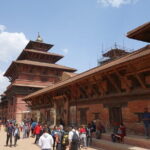
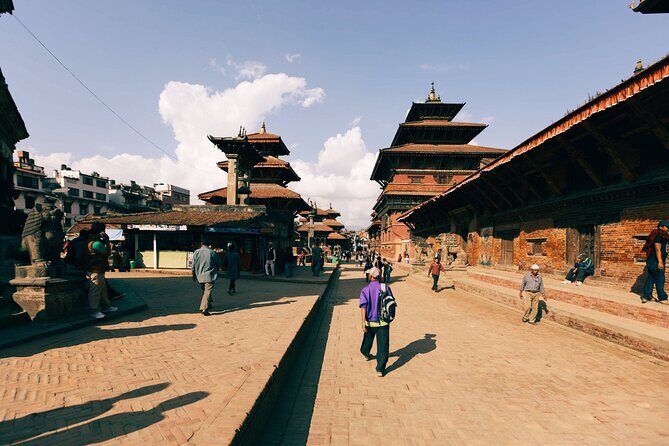
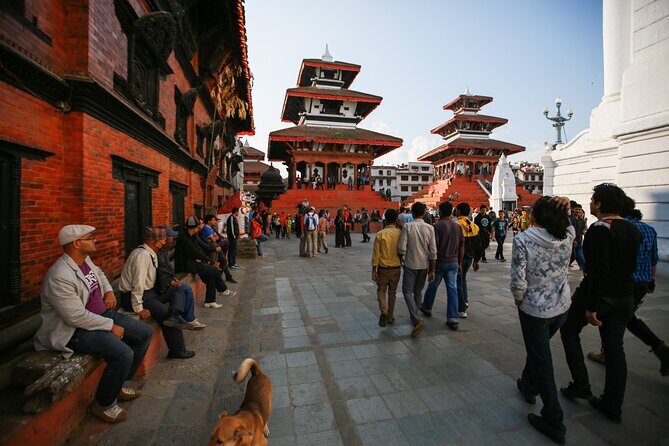
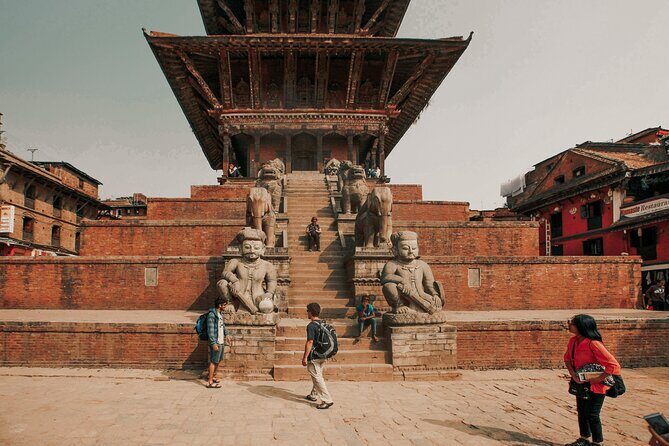
Bhaktapur Durbar Square is the kind of place where you notice things in layers. You’re walking through medieval Newari space: courtyards, temples, and that distinctive stone-and-wood feel that comes from centuries of local building traditions. This is a UNESCO World Heritage Site, so the layout is the point, not just one single monument.
Plan on about 3 hours here. That’s long enough to slow down and actually read the architecture. If you’ve only seen Nepalese sights through quick photo stops, this is the day that changes that. You’ll spend time moving through the square and taking in the temple forms and the way the complex is organized around open space.
One important practical note: Bhaktapur entry fees are not included. The price depends on your category—foreigners pay NPR 1800, while SAARC and Chinese visitors pay NPR 500. In other words, the advertised tour price is only part of the budget. If you’re comparing value with other Kathmandu Valley half-day options, include this fee in your math.
What I like most is that Bhaktapur gives you the most “Nepal you-can-see” moment early in the day. When the afternoon feels rushed or weather changes, you’ll still have a strong anchor already checked off.
Dhulikhel’s Himalayan panoramas in about 30 minutes
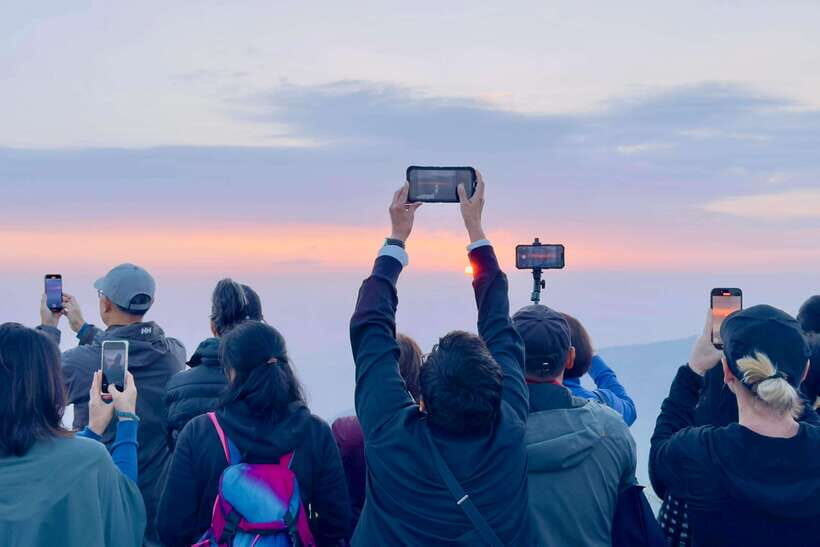
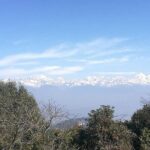
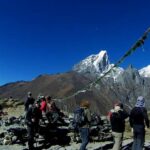
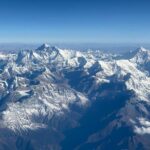
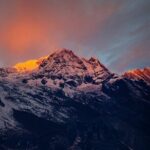
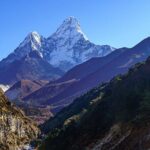
Dhulikhel is your view break. It’s about 30 kilometers southeast of Kathmandu, and it’s known for panoramic looks toward the Himalayas. The peaks you may see include Langtang, Ganesh Himal, and Gaurishankar, depending on cloud cover and visibility.
You only get about 30 minutes here, so approach it like a professional: arrive ready to look, not to chat. Bring your eyes close to the horizon line. This is one of those places where a quick turn of your head can make the entire view change, especially when the light breaks through.
Dhulikhel is also described as having traditional Newari heritage, so it’s not only a scenery stop. Even with the short time, the point is to connect viewpoint energy with cultural context. Think of it as a palate cleanser between the heavy stone details of Bhaktapur and the serene religious atmosphere of Namobuddha.
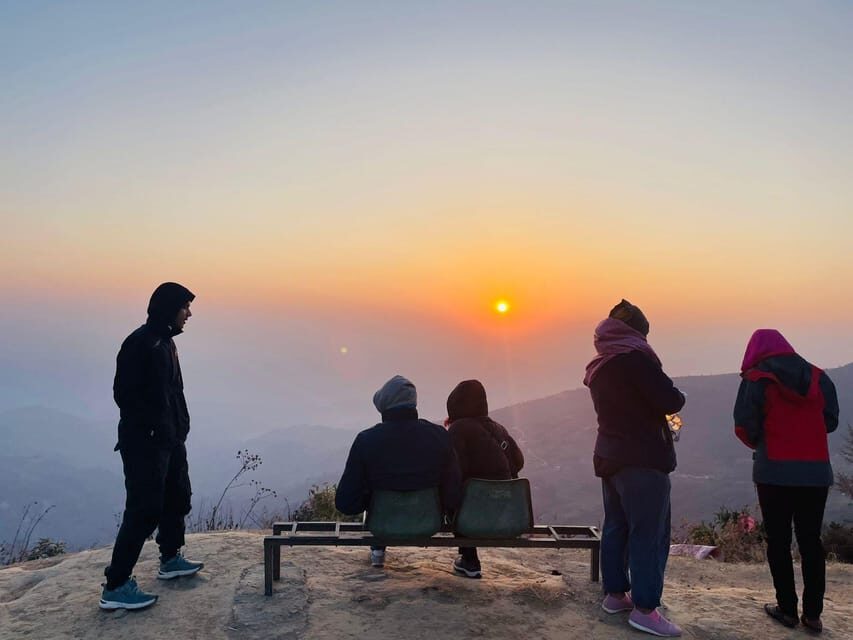
If you’re the type who loves sunrise and sunset photos, this stop may feel brief. Still, for a single-day loop, it’s a smart use of time and a good way to get your Himalayan fix without turning the day into a long travel slog.
Namobuddha: sacred pilgrimage space with calm mountain views
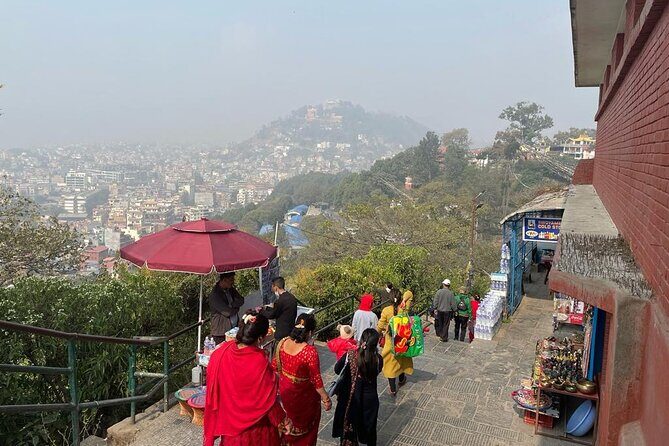
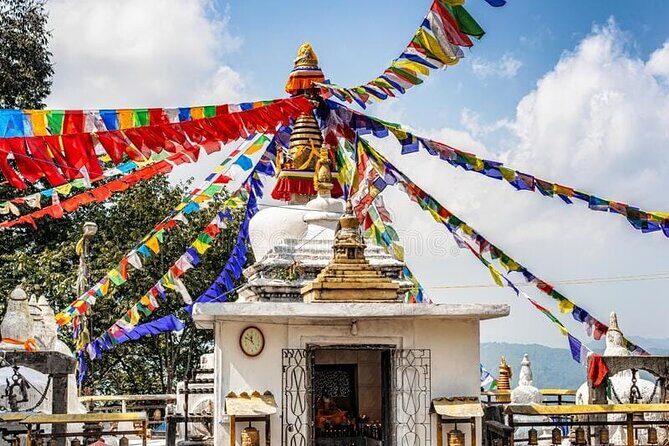
Namobuddha is where the day slows down. This pilgrimage site is about 28 kilometers from Bhaktapur Durbar Square and sits on slightly elevated ground, which helps with the views. You get around 2 hours here, and the atmosphere is described as serene, with a sense that legend and landscape meet in one quiet spot.
This stop is admission free, which makes it easy to enjoy without feeling like you have to rush to “get your money’s worth.” Use the time to watch what people do. In pilgrimage places like this, the real experience often isn’t just what you photograph—it’s the rhythm of prayer, the way people move through space, and how the setting frames the mountains.
You’ll also get that “mountain backdrop” feeling again. The views here aren’t just distant peaks; they’re tied to the site’s position on the land. That’s one reason the 2-hour length works: it gives you time for changing light and for stepping back from the crowds that sometimes gather in major Kathmandu-area sites.
If you’re traveling with anyone who prefers quieter moments over busy markets or crowded squares, Namobuddha is usually the emotional highlight. Even when the rest of the day feels culturally intense, this stop tends to feel like exhale time.
Panauti and the rivers: temples, woodwork, and history you can feel
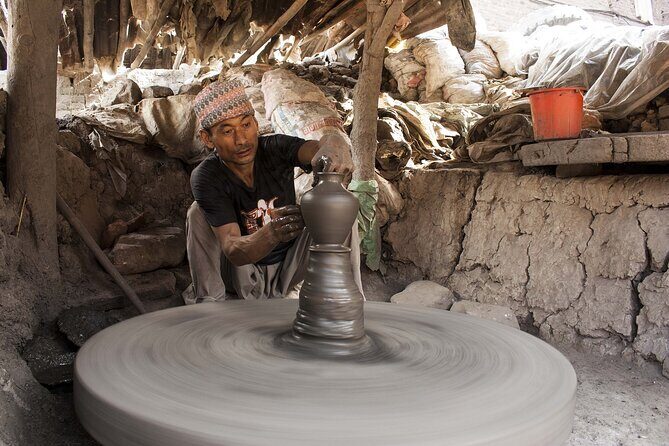
Panauti is a historic town believed to be over 800 years old. It’s known for ancient temples and intricate woodwork, and it also sits where three rivers meet. Locals consider that confluence spiritually important, which gives the town a different kind of meaning than a typical sightseeing stop.
You’ll spend about 1 hour here. It’s not enough time to become a town expert, but it is enough time to understand the basics: the temples’ age, the craftsmanship in the wood details, and the sense of place created by the river meeting point. If you have a good guide, this short window can still feel complete because you’ll know what you’re looking at.
Like Namobuddha, Panauti has no entry fee included by default, so there is a separate admission cost (listed as $2.25 per person). That’s small, but it’s another line item you should plan for if you’re calculating a true per-person total.
Panauti is also a nice end-of-day fit. After Bhaktapur and Namobuddha, you’ll likely have some fatigue building in your legs. Panauti offers a slower sort of discovery than, say, a big temple crawl, and it’s easier to focus on a few key scenes instead of trying to cover everything.


Sanga’s Kailashnath Mahadev Statue: big-scale Hindu art on the way back
On the return route, you pass by a major landmark in Sanga: the Kailashnath Mahadev Statue. It’s described as the second tallest Shiva statue in the world and currently the fifth tallest Hindu deity statue. The location is Sanga in the Kavrepalanchok District, about 20 km from Kathmandu.
This is an optional moment. If you want a closer look or a photo, you can ask for a stop. Even without getting out of the car, the statue is the kind of thing that changes how you think about Nepal’s religious scale. It’s not a “temple courtyard” stop; it’s a landmark statement.
If your day already included big architecture and lots of stone textures, this serves as a contrast. It also helps break up the drive back toward Kathmandu with one memorable roadside stop.
One caution: because this is optional and tied to your day’s pace, don’t assume you’ll have long time here. Treat it as a quick add-on, especially if you’re traveling at a time when roads or traffic can stretch the schedule.
Price and logistics: what you’re really paying for
At $75 per person, this tour sits in the budget-friendly to midrange category for private sightseeing with multiple stops. The biggest value is that your transport and staff time are included: private transportation, the salary of the guide and driver, and government taxes and back-office fees.
Here’s the practical part: your real total cost depends on entrances. Bhaktapur Durbar Square has a foreign entry fee of NPR 1800 (or NPR 500 for SAARC and Chinese visitors), and Panauti has an entrance fee listed at $2.25 per person. Food and drinks are not included, so you’ll still want to plan lunch or snacks on your own.
So is $75 a good deal? For most people, yes—because the tour bundles four meaningful cultural stops plus scenic viewpoints, and it does it with pickup and a private format. You’re not paying extra for transportation logistics, and you’re not doing the driving or routing work yourself.
Also, the tour uses a mobile ticket, which can make it easier to manage on the day. If you like things to run cleanly—meeting times, staff coordination, and tickets handled—you’ll probably appreciate that.
Duration is listed as 5 to 8 hours, which gives flexibility if weather slows things down. That brings me to the biggest weather-related point: this experience requires good weather. If it’s canceled due to poor conditions, you’ll be offered a different date or a full refund.
What makes the guide-and-driver setup worth it
The most consistently praised aspect in this kind of Nepal day is how smoothly it runs. In this case, the driver is noted for being careful, and the guide is described as attentive, especially when rain hits hard.
That matters more than people expect. In places like Bhaktapur and along the roads between Kathmandu, Dhulikhel, Namobuddha, and Panauti, weather can make driving slower and sidewalks slipperier. When the staff handles that calmly, the whole day feels safer and less stressful.
A good guide also changes the stops. With the right explanations, Bhaktapur’s courtyards and temples stop being just pretty architecture. You start understanding why the space is laid out the way it is, what to look for, and how the Newari cultural thread connects across the day.
If you’re traveling on limited time and want the day to feel organized rather than chaotic, this staff setup is a big part of the value.
Who this tour suits best
This day works well if you want a single route that mixes culture with views. It’s a strong choice for first-time visitors to the Kathmandu Valley who want UNESCO architecture (Bhaktapur), a Himalayan viewpoint (Dhulikhel), a calm spiritual stop (Namobuddha), and a historic town feel (Panauti).
It’s also a good fit if you’re not trying to build a full travel day around trekking or long hikes. Everyone in your group can move at a normal sightseeing pace, and the stops are time-boxed in a way that keeps the day from spiraling.
If you hate rushing, you’ll want to handle expectations. Dhulikhel and Panauti are shorter. But if you’re okay with a “taste and see” approach—and using your guided time wisely—you’ll probably enjoy how it all connects.
Should you book the Bhaktapur–Dhulikhel–Namobuddha–Panauti circuit?
I’d book it if your priorities are: one UNESCO site with plenty of time, a Himalayan viewpoint without a long detour, and a calmer religious stop before ending in a historic town. The private format and included driver/guide work make it easier than DIY day planning, especially when Kathmandu traffic and timing aren’t your favorite.
I wouldn’t book it if you want only free sites and you don’t want to plan for extra entry fees. Bhaktapur’s ticket fee is the big one, and it can change your final budget. Also, if you’re traveling when weather is unpredictable, keep in mind the tour needs good conditions and may shift or be refunded.
FAQ
Is pickup included?
Yes. Pickup is offered from your hotel.
How long is the tour?
The duration is about 5 to 8 hours.
What does the $75 per person price include?
It includes private transportation, the guide and driver salaries, and government taxes and back-office fees.
What entry fees should I expect?
Bhaktapur Durbar Square entry fees are not included (NPR 1800 for foreigners, NPR 500 for SAARC & Chinese). Panauti also has a separate entrance fee listed at $2.25 per person.
Are the Dhulikhel and Namobuddha stops paid?
Both Dhulikhel and Namobuddha are listed as admission free.
Is this a group tour or private?
It’s private. Only your group participates.
What happens if the weather is bad?
The tour requires good weather. If it’s canceled due to poor weather, you’ll be offered a different date or a full refund.