REVIEW · KATHMANDU
12 Days Everest Base Camp Trek
Book on Viator →Operated by Himalayan Scenery Treks and Expedition - Private Day Tours · Bookable on Viator
Lukla turns adventure into real work. This trek’s special because you fly straight into the Khumbu, then spend the next days learning how to move at altitude with a high-altitude trained guide, before aiming for the big view from Kala Patthar. I also like how the route keeps you grounded in the river valleys and Sherpa villages you’ll actually pass through, not just chase numbers. One drawback to plan for: you’ll reach about 5,545m, so even with acclimatization days, you need realistic expectations if you’re not used to steep climbs.
I loved the practical support built into the trip. With three meals a day, twin-sharing lodge rooms, and a porter shared between two trekkers, the logistics are tight enough that you can focus on breathing and walking (not hunting for what’s next). You also get a first-aid kit and an oximeter for checking pulse and oxygen saturation at higher altitude, which adds real peace of mind.
In This Review
- Key highlights worth planning for
- Flying Into Lukla: What the First Day Feels Like
- Dudhkoshi River Days and Namche Acclimatization That Actually Make Sense
- Tengboche, Rhododendrons, and Dingboche: Recovery Days With Purpose
- Heading for Lobuche and Gorakshep: Where the Trail Gets Tougher
- Everest Base Camp and Kala Patthar: Two Different Kinds of Awe
- The Return Trek: Namche, Lukla, and Your Last Views
- Value and Inclusions: Is This Price Really Fair?
- Who Should Book This Trek (and Who Should Pause)
- Practical tips to make the trek feel easier
- Should you book this 12 Days Everest Base Camp Trek?
- FAQ
- What is the duration of the Everest Base Camp trek?
- Where does the trek start and how do you get there?
- What’s included in the trek price?
- Are meals and lodging provided?
- Do I need my own travel insurance?
- What permits are covered?
- What is the cancellation policy?
Key highlights worth planning for
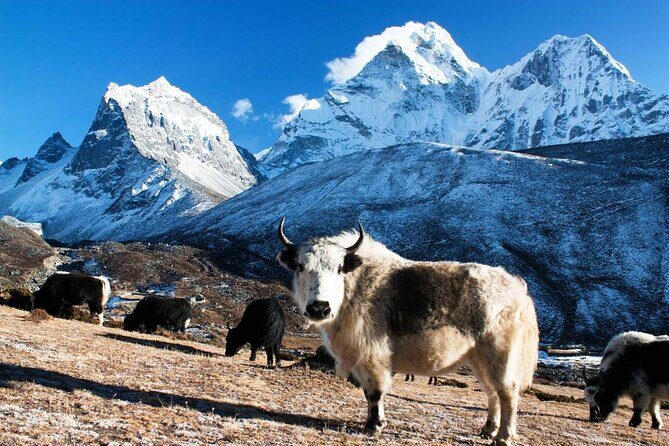
- Lukla flight into the Khumbu: a short flight that quickly sets the tone for the trek.
- Acclimatization with structure: rest days and hikes timed to help you adjust.
- Everest Base Camp plus Kala Patthar sunrise: two separate “wow” moments on consecutive plans.
- Sherpa village rhythm: warm hospitality and everyday mountain life along the trail.
- Group size capped at 20: easier coordination, especially on busy trail segments.
Flying Into Lukla: What the First Day Feels Like
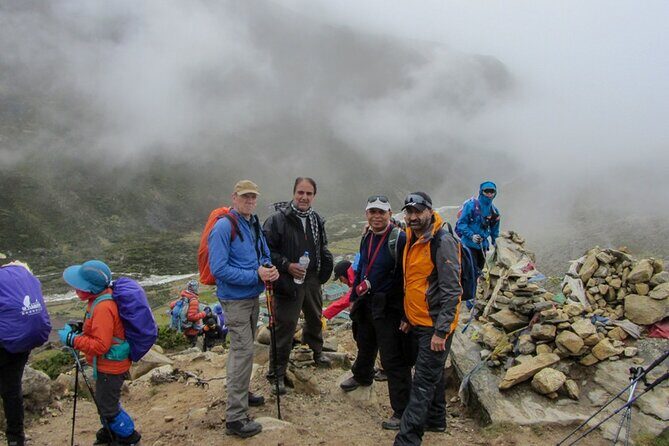
Your adventure starts with an almost cinematic setup: a flight from Kathmandu into Lukla’s Tenzing-Hillary Airport. The flight is about 45 minutes, and it’s long enough to get a solid sense of what’s coming, but short enough that you’re not stuck waiting around forever.
Then you begin your trek by descending into Phakding. This first day is about rhythm. You’re not yet grinding at peak effort, but you’ll start building the habit: short pauses, steady steps, and drinking enough water that you don’t feel like a raisin by lunch.
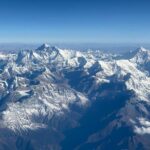
Practical reality: the flight is part of the deal. It’s also why this trek feels approachable compared to long, multi-day approaches from lower elevations. If you’re someone who gets anxious about heights, I’d still be ready for the fact that the airplane windows won’t let you forget you’re above the clouds.
You can also read our reviews of more hiking tours in Kathmandu
Dudhkoshi River Days and Namche Acclimatization That Actually Make Sense
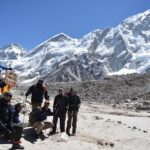
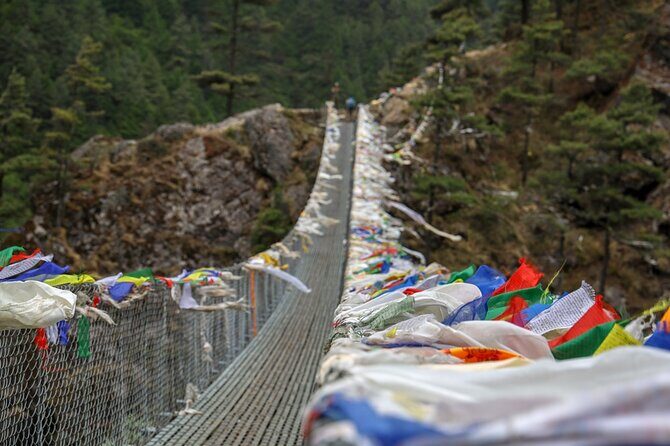
After Phakding, the next big move is to Namche Bazaar, and you’ll earn it. The trek runs around 7 hours, often along the Dudhkoshi (Milk River), with plenty of ups and downs. You’re also threading through suspension-bridge country, so you get that classic Khumbu feel fast: wide valley views, river crossings, and the constant sense that the mountains are getting louder.
Namche is more than a stop for snacks. It’s your acclimatization pivot. You’ll spend the next day adjusting with a hike toward Everest View Hotel via Syangboche airstrip. This is one of those “you can’t skip it and still call it Everest Base Camp” days. It’s set up for your body to learn altitude gradually, even if your brain wants to sprint ahead.
If you can handle early starts, keep your eyes open for wildlife too. The Danphe, Nepal’s national symbol and an endangered bird, is something you’ll want to watch for along the way—small moment, but it feels special when it happens.
The main downside of this section is the schedule itself: you’ll have a long day (Namche) and then another day that’s more about adjusting than conquering. If you like to measure progress in summits, accept that acclimatization will feel like you’re slowing down—because you are. It’s still smart.
Tengboche, Rhododendrons, and Dingboche: Recovery Days With Purpose
From Namche, you move toward Tyangboche. This day starts with a steep climb before turning into a somewhat moderate trek for a while, with around 5 hours on your feet. It’s a good “middle intensity” day, so you get momentum without jumping straight into the highest effort yet.
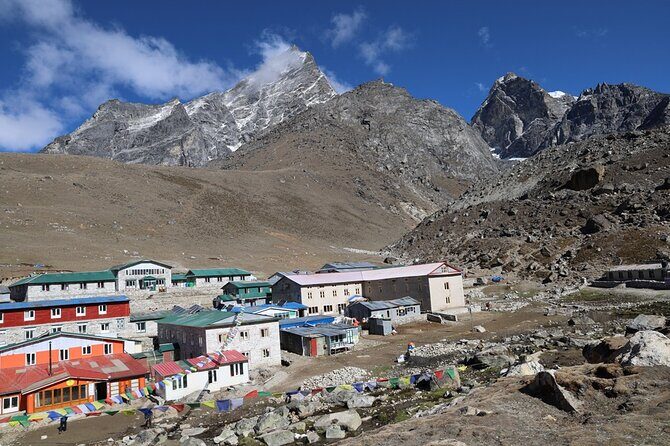
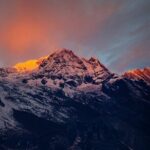
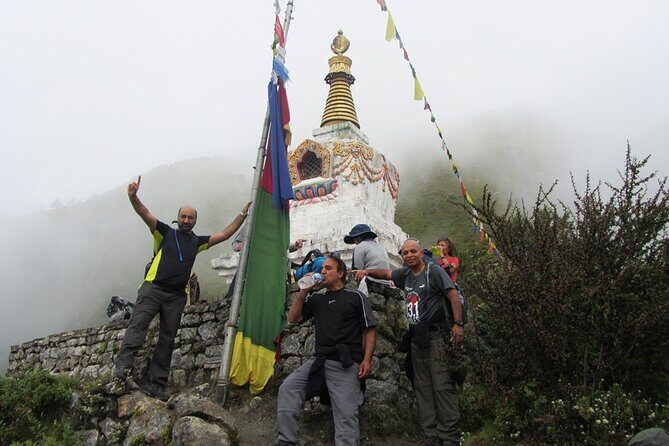
Then comes the part that makes the route feel both serious and human: time in the Tengboche area and then on to Dingboche. The plan includes a sunrise idea around the monastery in the Tengboche area. Waking up early can be uncomfortable at first, but it’s also where many people feel the emotional payoff of the Himalaya: cold air, early light, and that moment when the mountains stop being background and start being your whole focus.
Your movement afterward trends downhill through scenery—this route specifically mentions a rhododendron forest on the way down. It’s one of the ways the trek breaks the “always rocky and always steep” mood.
By Day 6, you’re down in Dingboche and given a chance to acclimatize again. The hike is shorter and geared toward learning your altitude response. You’ll take an easier day and hike to a nearby hill called Nagarjuna to help your body adjust while still moving.
What I like about this part of the schedule is that it’s not random. It’s built so you don’t just show up at Base Camp and hope your lungs cooperate.
Heading for Lobuche and Gorakshep: Where the Trail Gets Tougher
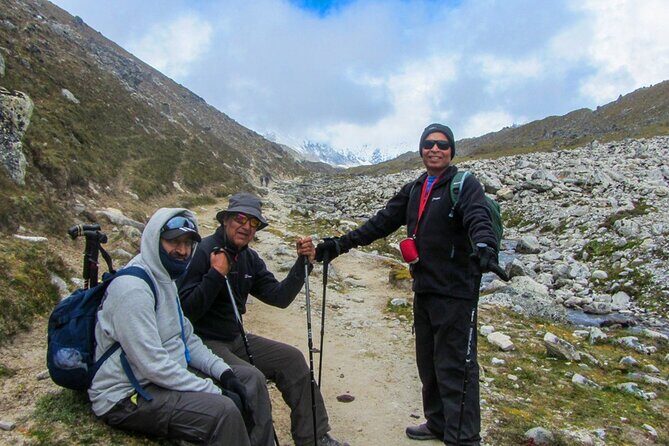
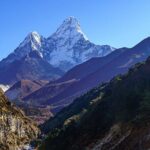
Once you’re through Dingboche acclimatization, the trek starts pushing forward more. You head toward Lobuche through a wide valley under Cholatse and Tawache peaks, with around 6 hours. This is a day where the walking feels more exposed and less “village and valley calm.” You’ll feel the altitude in the body more clearly now, even if you’ve been careful.
Day 8 is the big turning point. You leave Lobuche and head toward Gorakshep, with a rocky ascent along the Khumbu glacier and a pass by the International Pyramid Labo. This isn’t a gentle stroll. Expect rougher ground and the kind of effort that makes you count steps instead of clouds.
You’ll reach Gorakshep in about 3 hours. From there, you continue toward Everest Base Camp. The route notes that you’ll follow aside the glacier and walk two more hours on a trail that includes rocky up-and-down sections before arriving. The Base Camp part is your payoff day, but it’s still physically real—plan for tired legs even when you’re excited.
One thing I’d keep in mind: you’re going to Base Camp and still have to function the next day. That means you shouldn’t treat this like a “party after” moment. Celebrate, take photos, drink water, then respect the walk back into recovery mode.
Everest Base Camp and Kala Patthar: Two Different Kinds of Awe
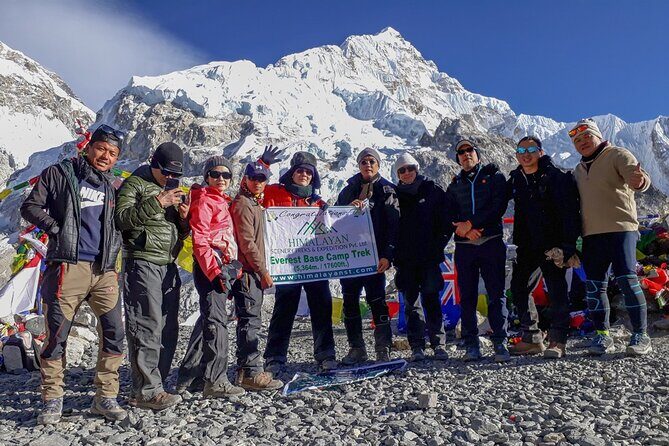
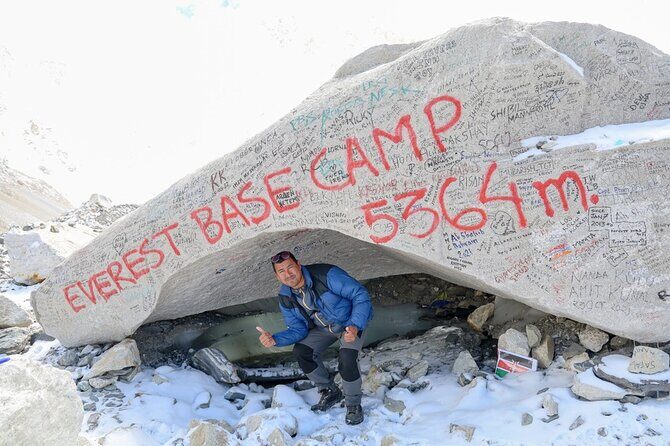
Everest Base Camp is not just a location. It’s the feeling of being that close to something you’ve only ever seen from pictures. When you finally reach the area (after that glacier-adjacent walk), you’re surrounded by the stories of exploration and the constant movement of porters, guides, and trekkers making their own hard-earned journeys.
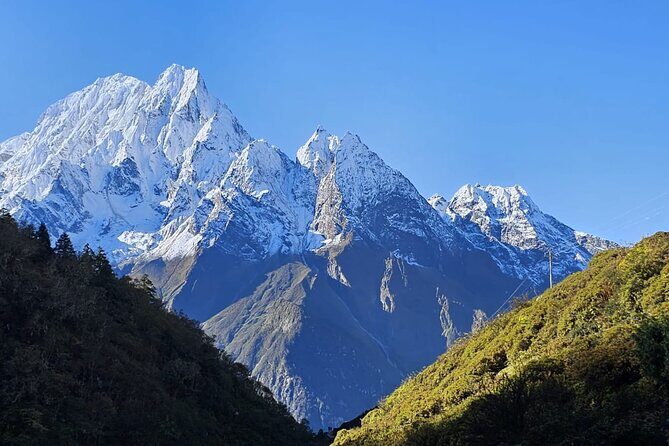
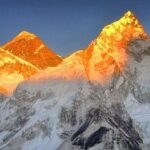
Then you top it off with Kala Patthar. This is usually the hardest-feeling day because it’s early and because the viewpoint hike is described as steep and rocky. You’ll wake up super early, hike up to watch the sunrise, and spend time looking out over Mount Everest.
If you want the simplest way to think about this: Base Camp is the goal you can touch. Kala Patthar is the goal you look at while your legs wonder why you signed up.
A practical consideration: this is where you need to listen to the guide and to your body. The trek company includes an oximeter for checking pulse and oxygen saturation at higher altitude, which supports smarter decisions. If you feel off, you don’t win anything by pushing hard just to prove a point.

The Return Trek: Namche, Lukla, and Your Last Views
Coming back is its own kind of mental game. Day 10 starts with a heavy breakfast and then a trek toward Namche Bazaar. Even though the plan calls it a long walk, it’s described as comparatively easier because elevation drops as you go. That matters more than people expect. Your legs still work, but your body stops fighting altitude as hard.
Day 11 takes you back toward Lukla with a descent through forests and remote villages. The route notes multiple bridges and streams, plus crossing familiar terrain in reverse. It’s often emotional in a quiet way: you’re moving through places that were new a few days ago, except now you understand the effort behind them.
Then Day 12 is the payoff for your patience: a return flight from Lukla back to Kathmandu and a drive to your hotel. You’ll have the rest of the day free. This is the day to do what you actually want after 12 days of walking—eat, shower, check messages, and look at your photos until the battery dies.
Value and Inclusions: Is This Price Really Fair?
At $605 per person, this is priced like a serious, guided adventure rather than a shoestring DIY trek. The value comes from what’s baked in:
- Domestic flights (Kathmandu–Lukla–Kathmandu): this is a major cost and a major time-saver.
- Guide and support: you get a government licensed, high-altitude trained guide and a porter (listed as 1 porter for every 2 trekkers).
- Meals and lodging: three meals a day plus the “best available” twin-sharing rooms during the trek.
- Permits: Sagarmatha National Park entry and the TIMS card fee are included.
- Tools for safer trekking: first aid kit and an oximeter, plus walkie-talkies for group trekkers.
- Gear starter kit: trekking map, trekking hat, duffel bag, and trekking pole are included (but personal trekking gear is not).
What you’ll still pay for (because it’s not included) is typical and worth budgeting: snacks, drinks, personal expenses, and tips/gratuities. Also, plan on personal travel insurance, because the provided insurance coverage is for staff accident insurance—not your own medical costs.
If you want an honest judge of value: this price looks fair if you’d otherwise have to piece together flights, permits, guide services, and meals. It looks less fair only if you already have most of those things handled.
Who Should Book This Trek (and Who Should Pause)
This trek is designed for people with moderate physical fitness. It’s also marketed as friendly for seniors and beginners, but altitude is not a friendly thing. Even if the schedule includes acclimatization days, the trek still reaches extreme elevations and includes steep, rocky segments.
This fits best if you:
- want a classic Everest Base Camp route with built-in acclimatization
- prefer a guide who can manage pacing and high-altitude safety tools
- like knowing meals and lodge basics are handled
It might not be the best fit if you:
- have trouble walking for long periods at a steady pace
- expect a totally easy itinerary day after day
- don’t want to wake up super early for major viewpoints
One more practical point: the group max is 20 travelers. That’s large enough to meet people, small enough that you’re not fighting for trail space constantly.
Practical tips to make the trek feel easier
You can’t control altitude, but you can control your habits.
- Start training early and practice walking with a pack. Even a short, consistent routine helps your legs and lungs.
- Bring extra cash for snacks and drinks. They’re not included, and you’ll want small comforts on colder, long days.
- Take early starts seriously. The sunrise plans around Tengboche and Kala Patthar are major moments, but they work only if you’re ready before your body fully wakes up.
- Use the guide’s guidance on pace. People who enjoy this trek tend to be the ones who accept “steady, not speedy.”
Should you book this 12 Days Everest Base Camp Trek?
If your dream is Everest Base Camp plus the Kala Patthar sunrise viewpoint, this itinerary hits the main targets with practical support. I especially like the way it balances harder days with acclimatization—Namche, then Dingboche—so you’re not just grinding uphill and hoping.
Book it if you want a guided, organized trek with meals, lodge rooms, permits, and the logistical backbone taken care of. Skip it only if you know you can’t handle altitude and steep days, even with a careful pace.
If you do book, do one thing early: prepare your body for long walks. Everest is waiting, but your legs need to show up first.
FAQ
What is the duration of the Everest Base Camp trek?
The trek runs for 12 days (approximately).
Where does the trek start and how do you get there?
The meeting point is Tribhuvan Airport in Kathmandu. You fly domestically from Kathmandu to Lukla and back at the start and end of the trek.
What’s included in the trek price?
Included are airport pickup and drop-off by vehicle (domestic), domestic flights (Kathmandu–Lukla–Kathmandu), three meals a day during the trek, twin-sharing lodge accommodation, a government licensed high-altitude trained guide, a porter (1 for 2 trekkers), permits (Sagarmatha National Park and TIMS card fee), and a first aid kit plus an oximeter, among other items like a trekking map and trekking gear basics (hat, duffel bag, trekking pole).
Are meals and lodging provided?
Yes. You get breakfast, lunch, and dinner during the trek, plus best available twin-sharing room accommodations in lodges.
Do I need my own travel insurance?
Personal travel insurance is not included, so you should arrange your own.
What permits are covered?
The package includes entry permit for Sagarmatha National Park and the TIMS card fee.
What is the cancellation policy?
Free cancellation is offered up to 24 hours in advance for a full refund. If you cancel less than 24 hours before the experience starts, the amount paid is not refunded.