REVIEW · KATHMANDU
Annapurna Base Camp Trek – 11 Days
Book on Viator →Operated by Base Camp Adventure Pvt. Ltd. · Bookable on Viator
This trek is famous for a reason. You’ll mix big-mountain scenery with village walks, forests, and a couple of memorable breaks like Jhinu Danda hot springs. The whole trip is designed for steady days, with support that makes the logistics feel less scary.
I especially love that the package includes practical trekking gear (down jacket, sleeping bag, and a duffel bag) plus the basics for safety and communication like a licensed English-speaking guide and first-aid support. I also like that you get an oxymeter check (pulse and oxygen saturation), which is a simple detail that can help you stay calm as altitude creeps up.
The main drawback to plan around is that it depends on weather and road conditions, and the trek requires a moderate fitness level for repeated uphill walking and lots of stone steps.
In This Review
- Key things that make this Annapurna Base Camp trek worth your time
- From Kathmandu to the Annapurna foothills: the setup matters
- Day-by-day: what you’ll actually do and what to watch for
- Day 1: Ride to Pokhara and reset your body
- Day 2: Nayapul to the first suspension bridge crossing and beyond
- Day 3: Rhododendron forest walking and village steps
- Day 4: Poon Hill sunrise—Annapurna and Dhaulagiri in early light
- Day 5: Forest to Jhinu Danda hot springs break
- Day 6: Rhododendron + orchids/ferns, then the climb toward Sinuwa
- Day 7: Deurali and Machhapuchhre Base Camp area views
- Day 8: Back down through moraines and along the Modi Khola corridor
- Day 9: Stone stairs to Upper Chhomrong and a second Jhinu Danda hot-spring reset
- Day 10: Trek out to Nayapul and drive back to Pokhara
- Day 11: Pokhara back to Kathmandu and the trip closes
- Comfort and safety support: what’s included, and why it matters
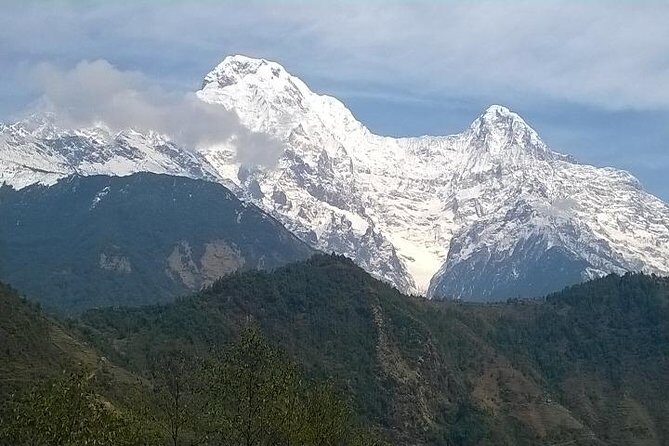
- The route’s real character: forests, hot springs, and sunrise payoff
- Price and value: what you’re paying for at $986 per person
- Who this trek suits best (and who should think twice)
- Final verdict: should you book this Annapurna Base Camp trek?
- FAQ
- How long is the Annapurna Base Camp trek package?
- What is the price per person?
- Where does the trek start and end?
- What time does it start?
- What’s included in the trekking gear?
- Is there a guide and are trekking permits handled?
- What kind of lodging will you use during the trek?
- Are meals included?
- Is oxygen or health monitoring included?
- What do I need to pay for that’s not included?
Key things that make this Annapurna Base Camp trek worth your time
- Gear included: down jacket, sleeping bag, and a duffel bag so you travel lighter
- Licensed English-speaking guide during the trek, not just a quick handoff
- Oxygen and pulse checks with an oxymeter to support your own pacing
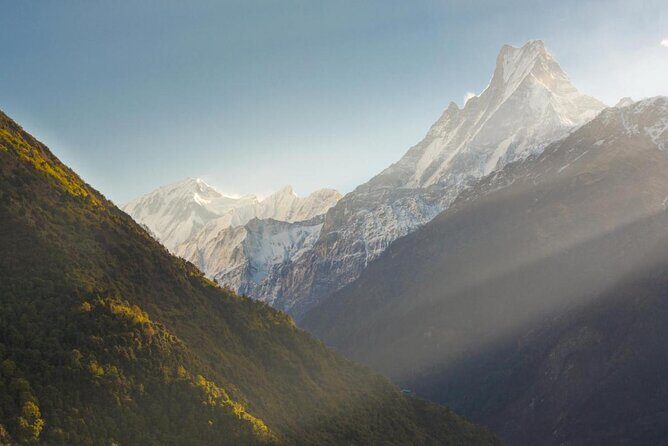
- Classic sights at the right moments: Poon Hill sunrise and hot springs at Jhinu Danda
- Comfort-focused logistics: guest houses with mostly twin sharing and included meals
- Support for the long days: first-aid kits and a team handling food, lodging, and transport
From Kathmandu to the Annapurna foothills: the setup matters
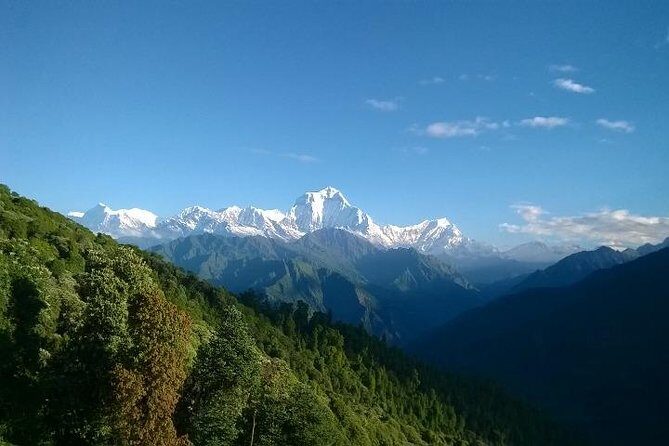
Most people remember the big views on an Annapurna Base Camp trek. I think the smarter part is how the trip sets you up for those views without turning the start into chaos.
You begin in Kathmandu with an early start (6:15 am) and then transfer by surface route to Pokhara. On the drive toward Pokhara you get countryside scenery: rivers, terraced farms, and villages rolling by along the Prithvi Highway. It’s not just travel time—it’s your first preview that this trek won’t feel like a theme park. Nepal is right there in front of you, slow enough to notice the rhythm of daily life.
Then comes the start of the walking part. After reaching the trailhead area near Nayapul, you cross suspension bridges and enter a world where the path is the itinerary. That matters because it’s usually on days like this—when you’re trying to get into a steady walking pace—that a good guide and organized support makes a big difference.
This trip is also private, meaning it’s only your group. If you like moving as a unit rather than being swept into a crowd, that helps.
You can also read our reviews of more hiking tours in Kathmandu
Day-by-day: what you’ll actually do and what to watch for
Day 1: Ride to Pokhara and reset your body
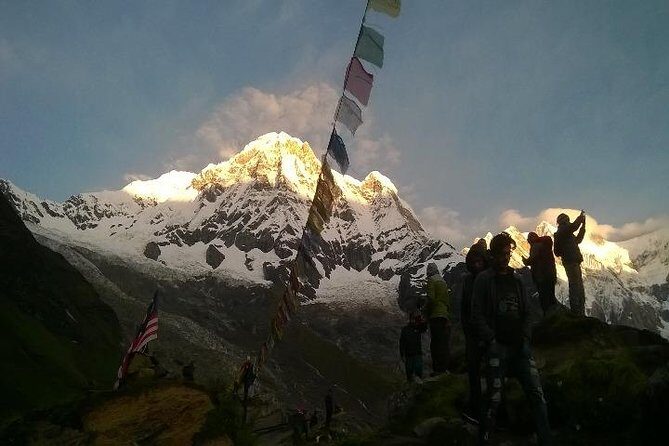
After breakfast in Kathmandu, you’ll drive toward Pokhara via the Prithvi Highway. This day is about two things: acclimating to the journey and getting your legs ready for trekking.
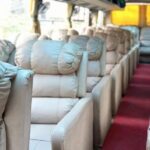
You’re in a tourist bus, so you’re not wrestling with local transport. But don’t treat it like vacation couch time. I’d use this day to do a quick gear check: water bottle, lip balm, headlamp (if you have one), and anything you’ll need early tomorrow.
Day 2: Nayapul to the first suspension bridge crossing and beyond
You drive from Pokhara to Nayapul (about a two-hour stretch), then start trekking by crossing a suspension bridge over the Modi River. You head toward Birethanti and then onward to Birethanti-area villages.
This is the day to get your “trek rhythm.” The early bridges and dirt-and-stone walking teach your knees what they’ll be doing for the next 10 days. If your pace feels too fast, I’d slow down immediately—most discomfort comes from going out too hard, not from the mountains themselves.
Day 3: Rhododendron forest walking and village steps
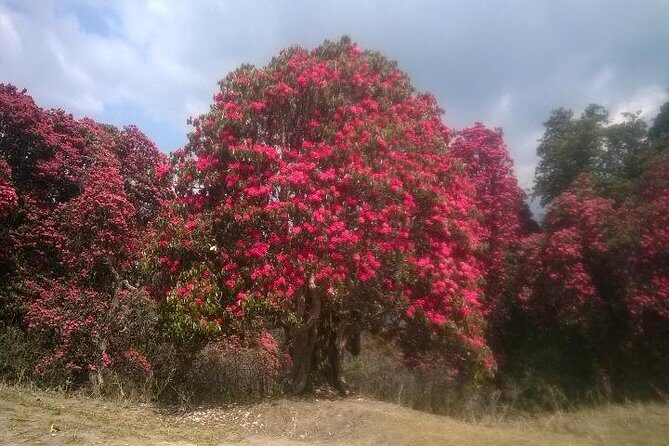
Today’s trail goes through thick forests of rhododendron. You also pass villages like Banthanti and Nangethanti as you move toward Ghorepani.
Then there are uphill stone stairs. This is a classic Annapurna routine: short climbs, lots of steps, and frequent pauses where you can look back at the route behind you. If you’re new to trekking, the best strategy is patience. Don’t “race” the stairs. Let your breathing set the pace and count progress in how steady you feel, not how fast you arrive.

Day 4: Poon Hill sunrise—Annapurna and Dhaulagiri in early light
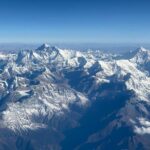
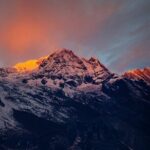
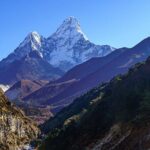
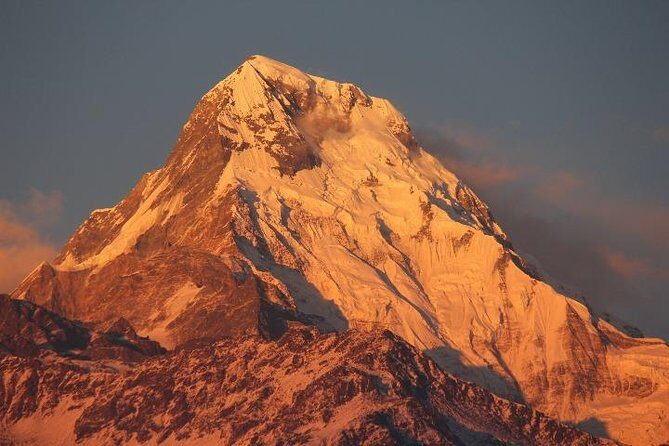
One of the highlights comes early. You’ll make an early morning ascent to Poon Hill for sunrise over the Annapurna and Dhaulagiri ranges, with peaks like Nilgiri (around 7,061m) and Lamjung Himal (around 6,983m) in view.
This is a payoff day. The sunrise moment is why many people choose the Annapurna Base Camp trek in the first place, because it gives you a dramatic, high-energy start to the longer mountain walk.
Practical tip: sunrise treks mean cold hands. Even with included gear, wear what keeps you warm around camp. You’ll want to be comfortable enough to actually enjoy the view, not just endure it.
Day 5: Forest to Jhinu Danda hot springs break
You’ll ascend and then go downhill along a forested trail. You cross another suspension bridge over Kimrong Khola, then reach Jhinu Danda and the hot springs.
This stop is more than a nice extra. A soak can genuinely help your body handle later walking days. If you’re prone to blisters, this is also a good day to check your feet after hiking and before settling in.
Then you continue onward after the hot spring rest. Even if you’re tempted to take it slow, remember that your “real” recovery still happens overnight—hydration and sleep matter.
Day 6: Rhododendron + orchids/ferns, then the climb toward Sinuwa
Today is described as an easy walk through rhododendron forest decorated with orchids and ferns. You’ll descend stone stairs, cross Chhomrong Khola, then ascend toward Sinuwa, continuing through more stony sections.
This day is a good example of why Annapurna treks feel like variety, not just altitude. Some days you get a simple rhythm through forests, other days you get a step-heavy climb. On Day 6, you’re building endurance without constantly feeling like you’re fighting the terrain.
If you want one “don’t get lazy” habit here, it’s drinking water even when the hike feels easy. Easy days can tempt you to under-hydrate, and that can catch up later.
Day 7: Deurali and Machhapuchhre Base Camp area views
You ascend to Deurali and then walk along stone stairs to reach a scenic area with snow-capped views, continuing toward Machhapuchhre Base Camp (3,700m).
There’s a shift when you move into higher, more exposed terrain. The air can feel thinner, and your pace may need to slow. The route here also involves moraines, which can mean uneven ground. Go steady. The goal is to arrive feeling like you still have energy, not like you survived.
If you’re the type who hates stopping for photos, this is where you’ll learn the value of short breaks. Your views are part of your oxygen plan—stop, breathe, look, then go.
Day 8: Back down through moraines and along the Modi Khola corridor
You start by descending to Machhapuchhre Base Camp through the moraine route. Then you follow trails of Modi Khola through forests of rhododendron and fir.
This is a “route management” day. After the higher push, going back down can feel almost too easy. It’s not. Descents still stress your knees, and forest trail can lull you into going faster than you should.
I like that the trip includes structured guidance for this part, because it helps you keep your energy for the longer endgame toward Annapurna Base Camp.
Day 9: Stone stairs to Upper Chhomrong and a second Jhinu Danda hot-spring reset
Today starts with an ascent through an amusing forest to Sinuwa. Then you go down to Chhomrong Khola, climb up via stone stairs to upper Chhomrong, and descend toward Jhinu Danda.
The hot springs return here. That’s a smart scheduling choice. If you’re feeling any accumulated soreness, this second warm-water stop can make the final push toward the trek’s end feel more manageable.
This day is also where good pacing pays off. Upper Chhomrong-type walking is step-work—slow is smooth, smooth is fast.
Day 10: Trek out to Nayapul and drive back to Pokhara
After an amazing trek, you descend to Nayapul following the Modi Khola trails and enjoy the changing scenery along the way. Then you drive back to Pokhara by tourist bus.
Evenings in Pokhara are your time to reset: shower if available, re-check blisters or friction spots, and eat something warm that feels like real food after days of trekking meals.
If you’re traveling with friends, this is a great night to compare notes. You’ll notice how much difference pacing made for everyone.
Day 11: Pokhara back to Kathmandu and the trip closes
Early in the morning you leave Pokhara for Kathmandu on a tourist bus. You’ll pass greenery and villages along the highway route and arrive in the capital.
This last day is about clean closure. You end back at the meeting point, and then you’re free to keep exploring Nepal—or just sleep like a champion.
Comfort and safety support: what’s included, and why it matters
This package includes a lot of the items that often cause last-minute scrambling.
Gear included (down jacket, sleeping bag, duffel bag) is a big value in practical terms. You’re not trying to source cold-weather sleep gear in Kathmandu at the last minute, and you’re not taking a closet’s worth of clothes up a mountain. You still need personal trekking equipment, but the biggest bulk is handled for you.
Accommodation is mainly in guest houses with twin sharing during the trek. That’s typical for trekking in Nepal and usually means simple, warm-enough rooms, not luxury hotels. If you’re picky about privacy, twin sharing can feel like a compromise—worth knowing upfront.
Meals are included: breakfast (10), lunch (9), dinner (8). That structure matters because your energy doesn’t come from hope. You’re not hunting food options every day. It also gives your guide and the crew a predictable routine.
For safety, the tour provides an oxymeter to check pulse and oxygen saturation, plus first aid medical kits. Altitude can be emotional as much as physical, and having a simple monitoring tool helps you stay grounded in what your body is doing.
Finally, permits and entry fees are handled. Trekking in Nepal isn’t just hiking on a random trail. You want the paperwork managed properly so you can focus on the path.
The route’s real character: forests, hot springs, and sunrise payoff
A lot of trekking routes are famous for one thing. This one is famous for the stack of memorable moments.
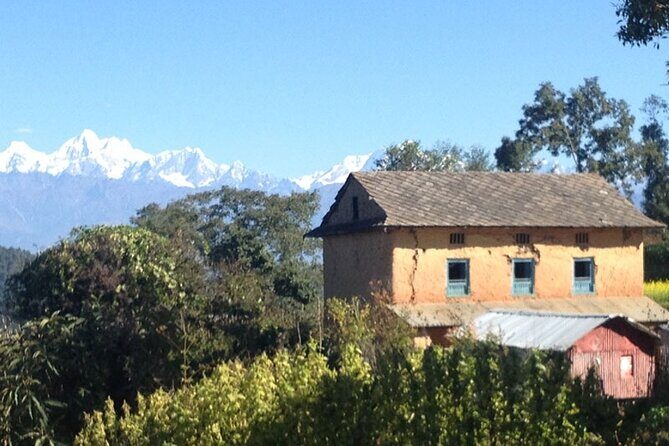
You get forests that include rhododendron, and on some days orchids and ferns. You also get repeated village walking sections, so you’re not just moving through wilderness. The suspension bridges over rivers like the Modi and Kimrong Khola add little dramatic moments that break up the steady climb.
Then there’s the hot spring routine at Jhinu Danda. It appears once as a mid-trek recovery point and again later as a second reset. That’s the kind of scheduling detail that can make the difference between finishing feeling strong versus finishing sore.
And Poon Hill sunrise on Day 4 is a visual payoff that’s earned through early effort. The view references major ranges—Annapurna, Dhaulagiri—and specific named peaks like Nilgiri and Lamjung Himal. It’s the kind of moment that makes people understand why this trek became a classic.
Price and value: what you’re paying for at $986 per person
At $986 per person for an approximately 11-day Annapurna Base Camp trek, you’re paying for more than hiking.
What you’re really funding:
- Transport from Kathmandu to Pokhara and back by surface route
- Trekking permits and entry fees
- A licensed English-speaking guide during the trek
- Accommodation in guest houses (mainly twin sharing)
- Meals across most trek days (breakfast/lunch/dinner counts are included)
- Gear: down jacket, sleeping bag, duffel bag
- Medical and monitoring support, including oxymeter checks and first aid kits
- Staff costs (food, lodging, insurance, transportation, and salaries for trekking staff)
If you tried to piece this together alone, the cost often shows up in scattered ways: guide fees, permits, gear rental or purchase, and the daily logistics of food and lodging. Here, the package keeps those moving parts in one system.
So the question isn’t just the dollar amount. It’s whether you want to manage logistics while also managing your oxygen levels and sore legs. This package reduces the “admin stress” quite a bit.
Who this trek suits best (and who should think twice)
This trek is best for you if:
- You have moderate physical fitness and can handle daily uphill and stone stairs
- You want an organized, supported experience with permits, meals, and guest house stays handled
- You’d like big views plus classic stops like Poon Hill sunrise and Jhinu Danda hot springs
Think twice if:
- You need lots of privacy (twin sharing guest houses are part of the plan)
- You’re very sensitive to cold early mornings (you’ll get gear, but sunrise starts can still feel chilly)
- You’re easily stressed by weather changes, because the trek depends on good weather and may be rescheduled
One more note from the reviews: many people praised guides and teams by name. Guides like Dhakal Saroj, Mansing, Prakash, Shiva, and Naba were mentioned in past experiences, along with porters Kul and Nishan. That suggests the company places real effort on staffing—but your actual guide depends on your departure.
Final verdict: should you book this Annapurna Base Camp trek?
I’d book this trek if you want a classic Annapurna Base Camp experience with sensible support and less logistical hassle. The value is strongest if you appreciate included gear, a licensed English-speaking guide, and built-in meal planning—because those details protect your time and energy.
I’d hesitate only if you know you want guaranteed privacy or you’re not comfortable with the pace of repeated steps and early starts. If that sounds like you, it may be better to compare alternative itineraries or confirm how sleeping arrangements are handled.
If you do book it, plan to pack smart, move slower than your excitement, and treat Jhinu Danda hot springs as part of your recovery plan, not just a fun stop.
FAQ
How long is the Annapurna Base Camp trek package?
The trek is listed as 11 days (approx.).
What is the price per person?
The price is $986.00 per person.
Where does the trek start and end?
It starts in Kathmandu, Nepal (meeting point in Kathmandu) and ends back at the same meeting point.
What time does it start?
Start time is listed as 6:15 am.
What’s included in the trekking gear?
Included gear is a down jacket, sleeping bag, and a duffel bag.
Is there a guide and are trekking permits handled?
Yes. A local government licensed English-speaking trekking guide is included, and all necessary trekking permits and entry fees are included.
What kind of lodging will you use during the trek?
You’ll stay in guest houses during the trek, mainly in twin sharing.
Are meals included?
Yes. Breakfast is included 10 times, lunch 9 times, and dinner 8 times.
Is oxygen or health monitoring included?
An oxymeter is included to check your pulse and oxygen saturation and heart rate.
What do I need to pay for that’s not included?
Not included are alcoholic and other drinks, laundry, your travel insurance, personal trekking equipment, international airfare and airport departure tax, and tips for trekking staff.