REVIEW · KATHMANDU
12 Days Everest Base Camp Trekking
Book on Viator →Operated by Blissful Himalayas · Bookable on Viator
There are few treks that start with an airplane hop. This Everest Base Camp plan uses an early flight to Lukla, then builds altitude step by step with a long-running Nepal operator behind it.
I like how the package includes the big moving parts: a licensed English-speaking guide (including meals, insurance, and equipment support) plus all trekking meals in teahouses. I also like that you get a basic first aid kit with a pulse oximeter, so altitude monitoring isn’t just wishful thinking.
One drawback to plan for: the trek demands moderate fitness, and the itinerary depends on weather and flight schedules, so you’ll want to stay flexible (and budget for what’s not included like insurance, visa, tips, and personal expenses).
In This Review
- Key highlights you’ll feel on the trail
- First steps: Kathmandu to Lukla and getting your bearings fast
- To Namche Bazaar: suspension bridges, gradual climbs, real Khumbu rhythm
- Acclimatization day in Namche: the option to hike for views
- Sagarmatha National Park day: big peak views plus forest walking
- Dingboche and the altitude reality check: why this day is worth your energy
- Khumbu Glacier day: rocky terrain and glacial moraine scenery
- Lobuche to Gorak Shep to Everest Base Camp: the classic EBC arc
- Kala Patthar sunrise: where patience turns into the sharpest view
- Heading down from the high country: careful steps and knee-friendly thinking
- Back to Kathmandu: flights, rest, and a farewell dinner
- Price and value: what you’re really paying for at $1,399
- Who this Everest Base Camp trek fits best
- Should you book Blissful Himalayas for Everest Base Camp?
- FAQ
- What does the tour price include?
- Are international flights and travel insurance included?
- What permits are covered for the trek?
- Is there a guide and how is the group set up?
- What about altitude and medical support?
- Can I cancel for a full refund?
Key highlights you’ll feel on the trail
- Lukla first, Kathmandu later: you’ll trade city time for early mountain time with a Kathmandu-to-Lukla flight.
- Permits handled: Sagarmatha National Park permit and the TIMS card are included.
- Altitude support that’s practical: you travel with a first aid kit plus a pulse oximeter for oxygen level monitoring.
- Acclimatization built in: Namche and Dingboche get dedicated days so you don’t just “climb and hope.”
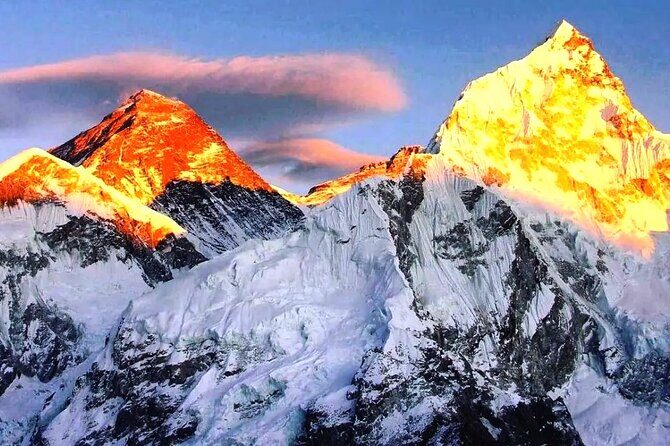
- Kala Patthar sunrise payoff: an early hike for big Everest views over Lhotse and neighboring peaks.
- Private-group format: it’s a private activity, so it’s you and your group, with a guide (and sometimes just a small party, like two people plus guide).
First steps: Kathmandu to Lukla and getting your bearings fast
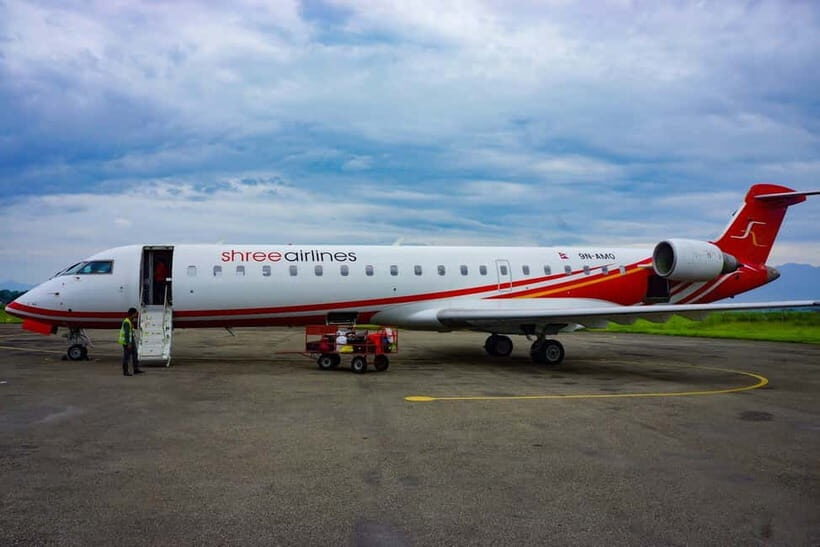
If you only have one shot at doing Everest Base Camp, the start matters. This trek begins in Kathmandu with hotel pickup and a ride to the airport so you can catch an early domestic flight to Lukla, at about 2,800m / 9,184ft. That flight is one of the most time-saving ways to reach the Khumbu—without it, your trek would be longer and more exhausting before the altitude even ramps up.
Once you land, you start moving immediately, beginning with the classic first leg toward Phakding (often the easiest way to “wake up” your legs at altitude). This first day is long but not technical, and it sets the tone: you’re not trying to win a race. You’re training your body to walk steadily while the air feels thinner.
You’ll also notice how the trek is designed around “small wins.” Meals are planned, teahouses are arranged, and you’re not left guessing where you’ll sleep. That matters on EBC-style routes, where weather and altitude can make decision-making feel stressful.
You can also read our reviews of more hiking tours in Kathmandu
To Namche Bazaar: suspension bridges, gradual climbs, real Khumbu rhythm
Day 2 turns your legs toward Namche Bazaar, the main hub of the Khumbu region. The route generally includes several suspension bridges and a gradual ascent along the way. That bridge-and-climb pattern is a good thing early on: it’s steady, scenic, and it teaches you pacing without demanding a huge push.
You’ll love how quickly the scenery changes once you’re moving deeper into the Khumbu. The trail stops feeling like “a path” and starts feeling like a corridor of mountain villages and prayer flags—still walkable, but clearly high-country.
From a practical standpoint, Namche is where you start to feel the “trek lifestyle” fully. You’ll see more trekkers, more gear, and more restaurants than in the smaller villages. This is also where the trek becomes about managing altitude, not just distance.
Acclimatization day in Namche: the option to hike for views
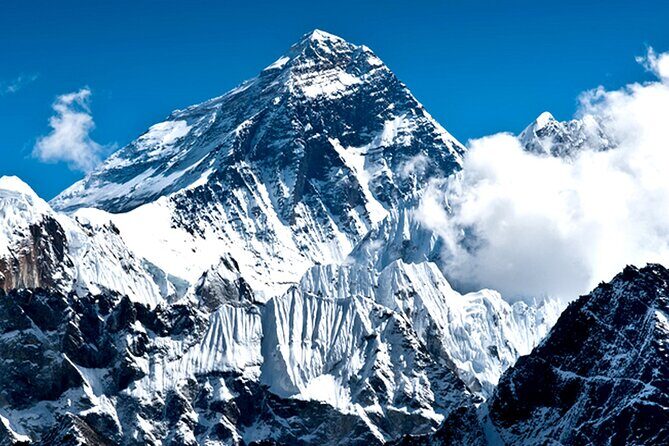
The next day is your built-in acclimatization break in Namche. The goal is simple: give your body time to adjust before you climb higher. That means you’re not spending the day “pushing through.” You’re resting, eating well, drinking water, and letting the altitude settle.
There’s an optional hike up toward Everest View Hotel for panoramic views of Everest and surrounding peaks. Even if you don’t go all the way, this kind of option is the smart version of sightseeing. You get the visual reward while keeping your exertion controlled.
I like that the itinerary treats acclimatization as a real day, not a loose suggestion. It’s one of those quiet differences that can make a bigger impact than people expect, especially if it’s your first time above 3,000m.
Sagarmatha National Park day: big peak views plus forest walking
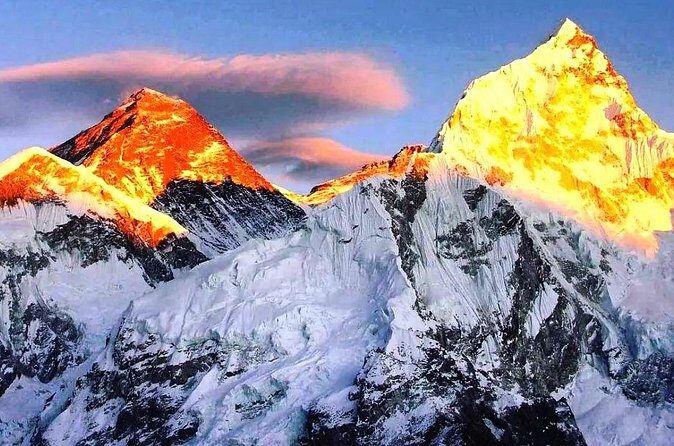
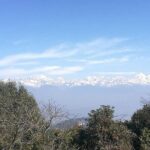
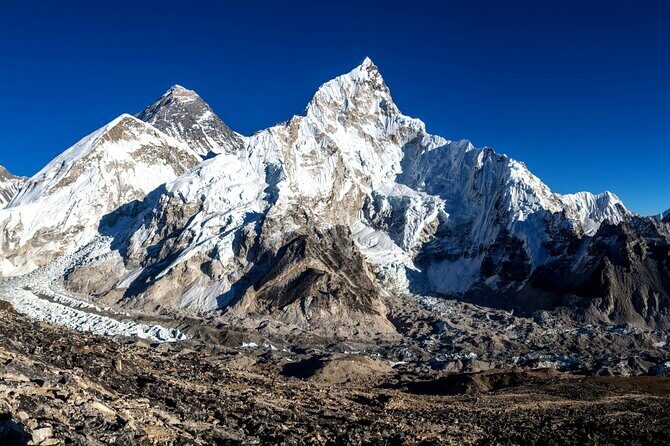
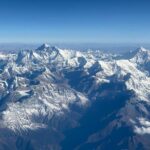
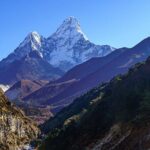
As you continue, you’ll pass through Sagarmatha National Park, and the trail gives you repeated chances for panoramic views of Everest, Nuptse, and Ama Dablam. On days like this, I think it’s easy to get distracted by the view and forget to keep your pace slow. Don’t. Mountain air has a way of turning fast footwork into early fatigue.
The route also includes a descent through rhododendron forest for about two hours, then you climb again afterward. That up-down pattern matters: your body needs to get used to changing terrain, and your knees need time to adapt. If you’ve never hiked on steep switchbacks, this is where you’ll feel it.
The upside is that the day feels like more than “another trekking block.” You’re changing ecosystems and viewpoints, and the park context makes the whole experience feel official and protected, not random backcountry.
Dingboche and the altitude reality check: why this day is worth your energy
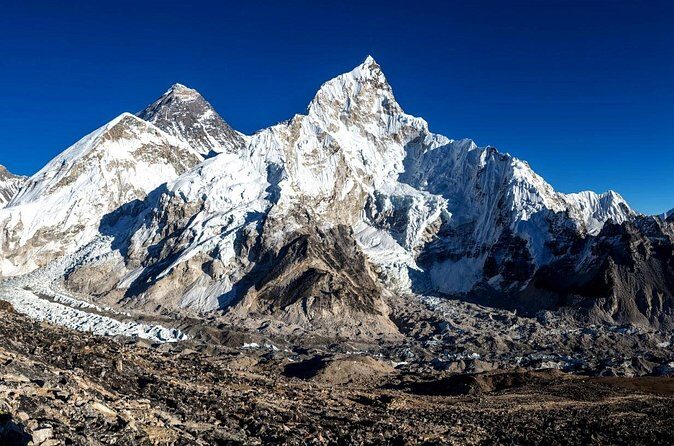
Dingboche is where the Khumbu Valley really starts to show its character. The walking can include alpine forest and more exposed, barren-feeling terrain. You’ll also see how the villages get higher and the air gets thinner, even when you’re not doing anything extreme that day.
Then comes a dedicated acclimatization day in Dingboche. This is the smart part: instead of adding miles, the plan gives your body time to adjust. Options like a hike toward Nagarjun Hill or Chukhun (listed as options) are the kind of movement that helps without exhausting you.
I’m a fan of this approach because it teaches you a key EBC rule: progress isn’t just vertical. It’s also how well you recover. You’ll get more out of this trek if you treat rest days as part of the training, not a pause button.

Khumbu Glacier day: rocky terrain and glacial moraine scenery
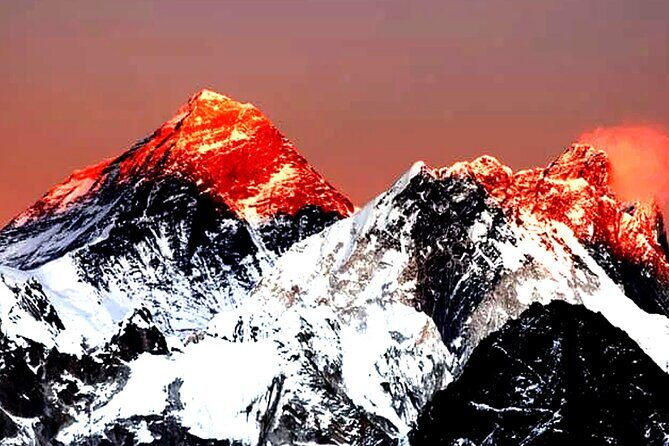
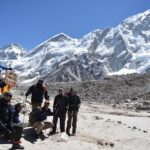
Day 7 is an early start day. You’ll cross the Khumbu River, then ascend gradually through rocky terrain and glacial moraines. This is one of those days where the trail begins to feel like it’s “headed somewhere serious,” even before you reach higher camps.
You’ll be rewarded with views of the Khumbu Glacier and surrounding peaks. Even if clouds roll in later, this kind of day has a strong payoff because the terrain itself looks different from the earlier village sections.
From a comfort perspective, it also helps to be mentally prepared for that “rocky and uneven” feeling. Long after you forget how far you walked, you’ll remember how your feet felt on those uneven steps. Having meals organized and teahouses arranged reduces stress, and stress reduction at altitude is not a small benefit.
Lobuche to Gorak Shep to Everest Base Camp: the classic EBC arc
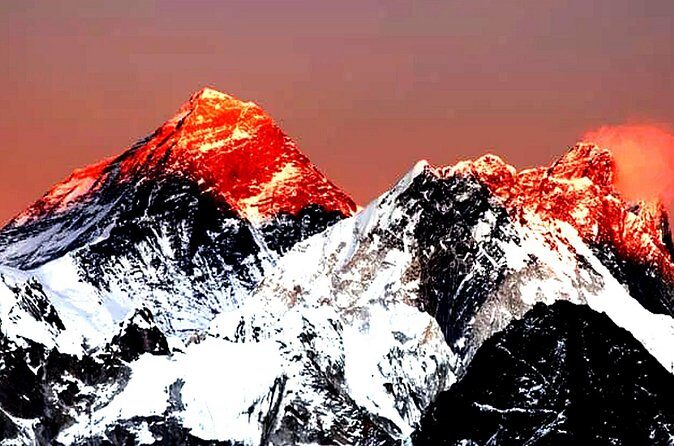
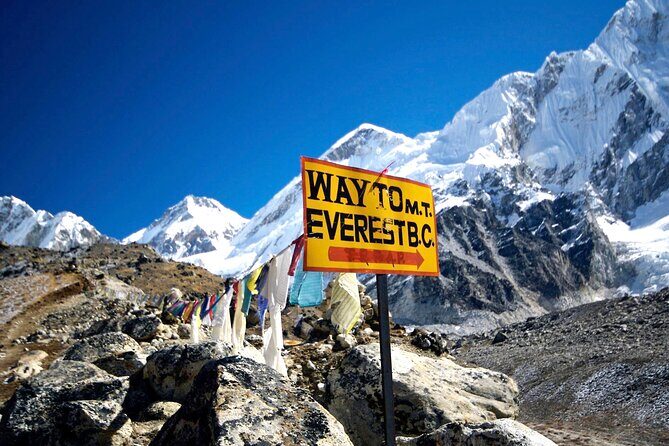
On Day 8, you’ll trek from Lobuche to Gorak Shep, the final settlement before Everest Base Camp. You reach there, have lunch, settle your bags, and then continue onward to Everest Base Camp. That lunch-and-reset structure is good. It keeps you from arriving at Gorak Shep and rushing straight to EBC without fuel.
When you reach Everest Base Camp, you’re getting the reason you came: the feeling of being in the orbit of the world’s biggest peaks. Even if your brain is screaming for rest, you’ll still want to spend time exploring the area and taking in the scale.
I like that the plan doesn’t just treat Everest Base Camp like a photo stop. It gives you time to actually be there before moving on toward sunrise efforts later. It’s one of those moments where the experience becomes less about “route completion” and more about presence.
Kala Patthar sunrise: where patience turns into the sharpest view
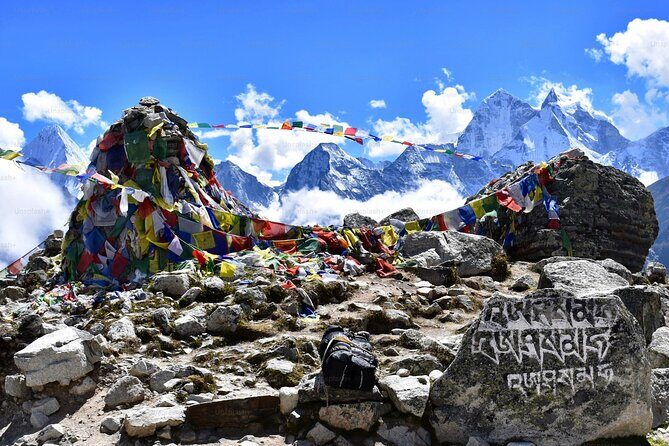
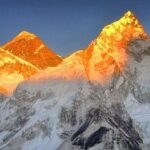
Day 9 is an early morning highlight centered around Kala Patthar. It’s widely considered one of the best places for a strong view of Mt. Everest, with Lhotse and other peaks often visible around it. The point is sunrise timing: you hike in the dark or early light, then hope the sky cooperates.
The hike up to Kala Patthar is demanding because it’s early and it’s high. This is where you’ll be glad you practiced pacing earlier in the trek. If you rush here, you’ll pay for it later.
Afterward, you return to Gorak Shep. This is also where you need to shift from “view energy” back to “recovery mode.” The altitude makes everything feel slower after sunrise because your body is processing cold and effort at once.
Even if you don’t get the perfect sky, Kala Patthar is still valuable because it’s a viewpoint with serious terrain behind it. You can feel that you’re in the high Himalaya, not just walking to a landmark.
Heading down from the high country: careful steps and knee-friendly thinking
Days 10 and 11 are about descending and finishing the trek. Descending can feel easier than climbing, but it can be rough on your knees and balance. The plan reminds you to watch your steps, and that’s good advice. The trail doesn’t care about your confidence.
You’ll also spend time again within Sagarmatha National Park on the way down. The context stays with you: you’re still trekking through a protected area, so it feels less like “leaving for good” and more like moving through a living mountain region one last time.
Day 11 is a final trekking day with a shorter trek included. That’s the psychological trick that helps people finish well. You get the chance to celebrate the fact that you’re done climbing, without needing one more marathon push.
And yes, there’s a celebration vibe at the end. You’ll be sharing the win with your guide, porters (if used), and fellow trekkers. Even if your group is small, it’s a nice human moment after days of focusing on steps and breathing.
Back to Kathmandu: flights, rest, and a farewell dinner
On Day 12, you take an early flight back to Kathmandu. Then you transfer to your hotel and get some leisure time. The trek ends with a farewell dinner, and there’s even mention of relaxing options like foot and body messages, which is exactly what your legs are begging for.
This final day is about resetting. You’ll likely want to eat more normally, drink more water, and stretch out gently. If you’re feeling tired, that’s normal. Everest Base Camp isn’t just a destination. It’s an altitude and effort education.
Also, Kathmandu is a good place to decompress because the day is less about logistics. You’ll have time to walk around on flatter streets and remember what easy movement feels like.
Price and value: what you’re really paying for at $1,399
At $1,399 per person, the pricing makes more sense when you look at what’s included. The biggest value items are the round-trip domestic airfare between Kathmandu (or Ramechhap during peak season) and Lukla, plus all meals during the trek, and teahouse lodging in twin-sharing rooms.
Add in the licensed English-speaking guide (including their salary, meals, accommodation, equipment, and insurance). That’s not just “someone who speaks English.” It’s route knowledge, safety oversight, and day-to-day decision support when weather changes.
Permits also matter. The trek includes Sagarmatha National Park permit and the TIMS card, which reduces admin stress before you ever reach Nepal.
What’s not included is equally important for planning: international flights, Nepal entry visa fee, travel and medical insurance, tips/gratuities, and personal expenses like snacks, drinks, laundry, Wi-Fi, and hot showers. If you forget those later, the final cost can surprise you.
My take: the price feels fair for people who want a guided, all-planned version of Everest Base Camp without having to coordinate permits, flights to Lukla, and daily logistics. If you enjoy heavy self-planning and already know your route, you might pay less going solo. But most first-timers will value what’s taken off their plate.
Who this Everest Base Camp trek fits best
This trek is designed for people with moderate physical fitness. You don’t need to be a mountaineer, but you do need to handle long hiking days and altitude. The itinerary includes acclimatization days, which helps, but it doesn’t eliminate the need to be steady on your feet.
It’s a strong match if you:
- Want a guide-led route with permits, meals, and teahouse stays handled
- Prefer a private-group format where your group travels together rather than mixing into a large crowd
- Like the idea of structured acclimatization in Namche and Dingboche
- Care about practical altitude support, like the included pulse oximeter
It might be a tough fit if you:
- Struggle with steep walking for hours, even at a moderate pace
- Can’t tolerate early starts (like the sunrise push for Kala Patthar)
- Don’t have room in your budget for things not included, like tips and insurance
Should you book Blissful Himalayas for Everest Base Camp?
If your goal is Everest Base Camp with clear planning, included permits, and a guide who can keep you calm when altitude and logistics get real, I think this is a solid choice. I especially like the combination of domestic flight access to Lukla, planned teahouse structure, and acclimatization time that isn’t squeezed out of the schedule.
Before you book, do your homework on two things: your fitness for long days and your flexibility for weather and flight timing. Also make sure your travel plan covers what’s not included, especially medical/travel insurance and the visa.
If you want Everest Base Camp without turning it into an admin project, this is the kind of trek that can make the hard parts feel manageable and the views feel worth it.
FAQ
What does the tour price include?
It includes round-trip domestic airfare between Kathmandu (or Ramechhap during peak season) and Lukla, 1 night in a deluxe hotel in Kathmandu with breakfast, twin-sharing teahouse accommodation during the trek, all trek meals (breakfast, lunch, dinner, plus tea/coffee with breakfast), a licensed English-speaking guide, all necessary permits (Sagarmatha National Park permit and TIMS card), ground transportation with airport pickup and drop-off, and a basic first aid kit with a pulse oximeter.
Are international flights and travel insurance included?
No. International airfare to and from Kathmandu is not included, and travel and medical insurance are also not included (though they’re highly recommended).
What permits are covered for the trek?
The trek includes the Sagarmatha National Park permit and the TIMS card.
Is there a guide and how is the group set up?
Yes. You’ll have a licensed, experienced English-speaking trekking guide. The experience is listed as private, so only your group participates.
What about altitude and medical support?
The package includes a basic first aid kit with a pulse oximeter to monitor altitude-related oxygen levels.
Can I cancel for a full refund?
Yes. You can cancel up to 24 hours in advance for a full refund, with cancellation cutoff times based on local experience start time. The trek also requires good weather, and if it’s canceled due to poor weather, you’ll be offered a different date or a full refund.