REVIEW · KATHMANDU
20 Days Annapurna Circuit Trek
Book on Viator →Operated by The Great Adventure Treks & Expedition - Private Day Tours · Bookable on Viator
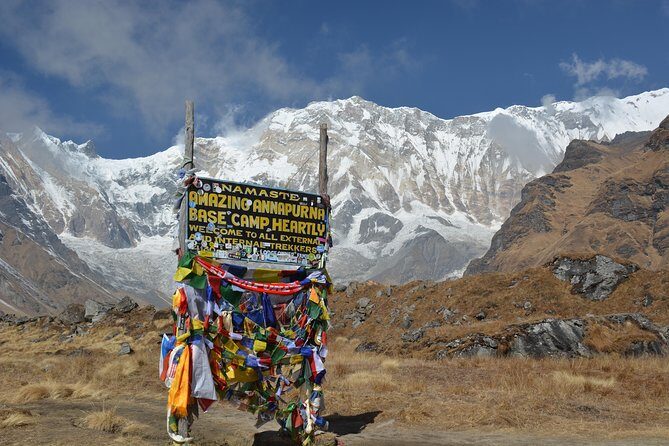
One pass. Big sky. The Annapurna Circuit strings together forests, farms, and high-altitude desert, and I love the way it’s built around government-licensed guiding and the earned drama of Thorong La (5,416m). The main thing to consider is that this is serious trekking: cold, altitude, and long walking days can test even good fitness.
What makes this version practical is the front-to-back planning—airport pickup and drop, Kathmandu sightseeing, and a guide plus porter so you’re not juggling logistics while also trying to breathe. I also like that it’s private, so your group travels at the pace the schedule allows, not someone else’s pace.
You’ll get culture along the way (temples in Kathmandu, villages in the circuit, and the sacred stop at Muktinath), but the real payoff is the changing scenery as you climb and then peel back down the other side. One possible drawback: temple entry fees and drink money are not included, so budget a bit beyond the trek cost.
In This Review
- Key things I’d zero in on before you book
- First days in Kathmandu: temples, stupa peace, and getting your bearings
- Road to the trailhead: Syange and why a long drive isn’t wasted
- Trek Days 4–7: Dharapani to Pisang through farms, forests, and village life
- Manang acclimatization day: why resting here is part of the plan
- High-country walk to Yak Kharka and the Thorong High Camp viewpoints
- Thorong La Pass and Muktinath: cold wind, big payoff
- Marpha to Tatopani: the Kali Gandaki valley and the vegetation flip
- Ghorepani and Poon Hill sunrise: where the mountains get dramatic fast
- Pokhara recovery and lake time: switching gears after the pass
- Price and what you really get for $1,200
- Who should choose this trek, and how to prepare smartly
- Should you book this 20-day Annapurna Circuit trek?
- FAQ
- What does the 20-day Annapurna Circuit trek cost?
- Is airport pickup and drop included?
- What permits are included?
- Are meals included during the trek?
- Do I need to pay entry fees for temples?
- How much will the porter carry?
Key things I’d zero in on before you book
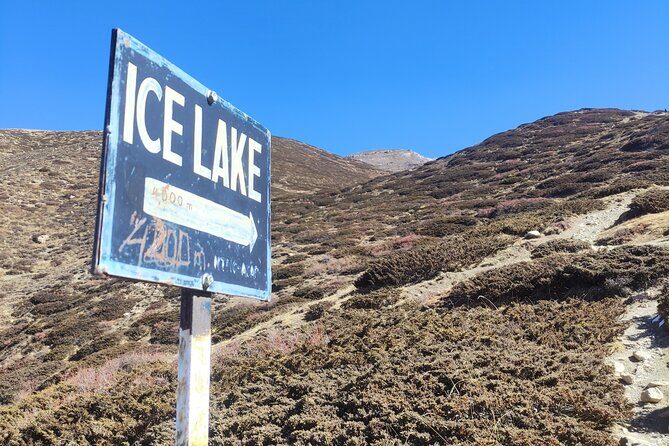
- Thorong La timing: an early start so you reach the pass before colder winds hit
- Acclimatization in Manang: a full day to explore and adjust rather than rushing upward
- Permits handled: ACAP (Annapurna Conservation Area Project) and TIMS included in the package
- Private group setup: only your group participates, with a guide and porter support
- Pokhara recovery day: lake time and sightseeing after the hardest hiking days
First days in Kathmandu: temples, stupa peace, and getting your bearings
Kathmandu is where the trip finds its rhythm. You land at Tribhuvan Airport, meet your company representative outside the terminal, and head straight to your hotel—no wandering, no guesswork.
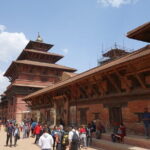
Then you’re set up with a guided sightseeing run by car, hitting Pashupatinath Temple, Boudhanath Stupa, and Kathmandu Durbar Square. These stops matter because they give you context for what you’ll see in trekking villages: Nepalese spirituality isn’t a side show. It’s part of how people live, and it helps you read the places you pass later.
Plan for temple fees. Pashupatinath and Boudhanath have entry charges listed, and Kathmandu Durbar Square also has a separate fee for foreign nationals/Saarc/Bimstec nationals. If you’re trying to keep costs tidy, set aside a small amount in local currency before the trek begins.
You can also read our reviews of more hiking tours in Kathmandu
Road to the trailhead: Syange and why a long drive isn’t wasted
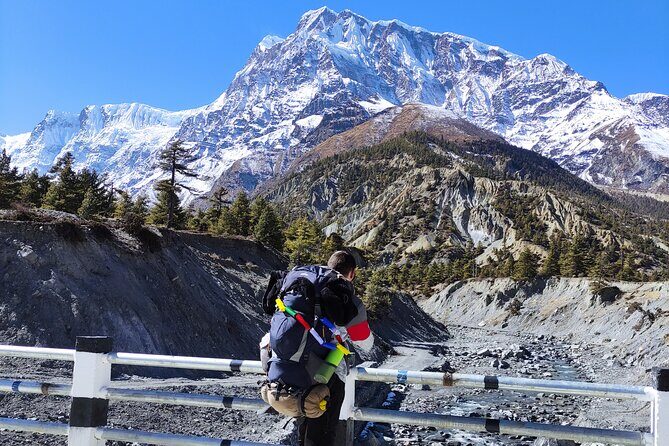
After breakfast, you take a scenic drive that moves you from Kathmandu toward the Pokhara highway area and eventually into trekking country. You overnight in Syange (823m), and the driving time is long enough that it genuinely feels like day one of the journey, not just a transfer.
On the Annapurna Circuit, you’ll learn quickly that Nepal loves a gradual build. That long drive helps because it gets you out of the Kathmandu valley’s busyness and closer to where the trail starts to feel real. If you’re prone to motion sickness, bring what works for you—because you’ll do multiple road segments before the first full day of hiking.
Trek Days 4–7: Dharapani to Pisang through farms, forests, and village life
Your first trek stretch begins at Besisahar and heads toward Dharapani. This early section is steep for a short time, then you move through lush farm terraces and get your first taste of the big gorge-and-waterfall scenery that defines this region. It’s a good way to start: enough challenge to wake your legs up, not so technical that you feel broken.
From Dharapani to Chame, the air cools and the vegetation changes. You’ll trek through forests and reach Bagarchhap, then continue toward Chame. This “cooler, higher, quieter” shift is a key theme on the circuit, and it’s one reason this trek feels like a full journey instead of repeating the same scenery.
Chame to Pisang continues that rhythm. The hike is about 5–6 hours, and you’ll follow the northern bank along the way. When you reach Pisang, you start to feel the high-country walls closing in—more open views, more exposure, and a noticeable drop in humidity compared to the earlier days.
Then Pisang to Manang brings more constant peak views, plus a steeper climb early on after a gradual walk out of Pisang. By the time you arrive, you’re in the zone where the air feels different and the mountains look bigger than the map ever shows.
Manang acclimatization day: why resting here is part of the plan
You don’t just pass through Manang. You spend a full day acclimatizing there and exploring the village. Manang sits at a height where it can feel tempting to “save energy” by doing less—but the reality is that acclimatization buys you safety later.
The village has a distinctive look, with about 500 flat-roofed houses, and it’s set among striking views of the Annapurna area. Even if you keep it easy, you’ll feel the value: you get time to breathe, hydrate, and notice how your body reacts before the big push toward the pass.
If you’re the type who wants to see everything, use this day to do just enough walking to feel awake. Keep the pace gentle. Altitude doesn’t reward heroics; it rewards smart timing.
High-country walk to Yak Kharka and the Thorong High Camp viewpoints
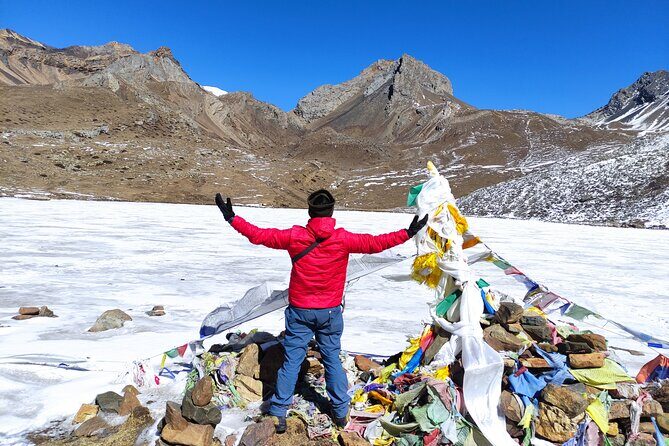
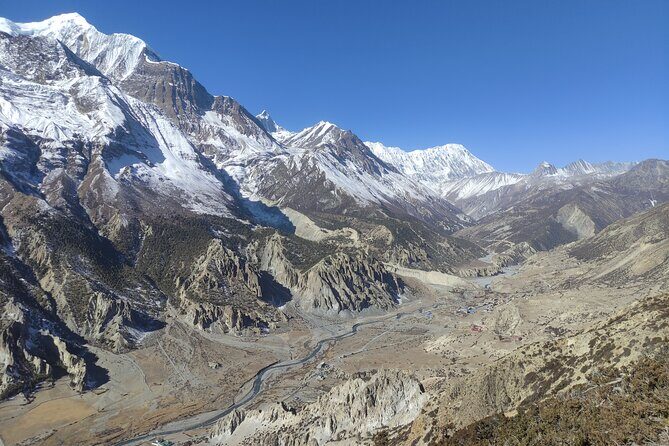
From Manang, the trek turns into a steady climb toward Yak Kharka. This section is described as a slow climb with inspiring views of peaks like Annapurna II, Gangapurna, Tilicho, and close views of Chuli peaks. The trail heads into barren windy stretches, which can feel harsh—but that’s part of why the circuit is so memorable. The terrain starts to look like a different world.
Yak Kharka onward is about gaining position for your eventual pass day. From Yak Kharka to the Thorong High Camp viewpoint area, you climb slowly to reach the last settlement of Ledar, then wind upward with big views along the way.
This stage is important for two reasons. First, you’re building altitude gradually rather than rushing. Second, you’re learning where the cold really starts to matter. Even when the sun is out, the air can cut fast once you’re higher and exposed.
Pack layers you’ll actually use. If you wait until you’re shivering, you’ve already lost the battle.
Thorong La Pass and Muktinath: cold wind, big payoff
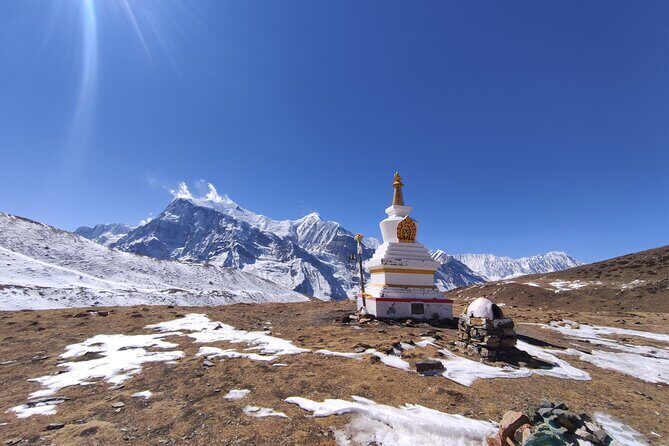
You start early on the day you cross Thorong La, so you can reach the top before cold winds kick up. That early timing isn’t a small detail. It’s one of the biggest practical safety choices on the trek.
The climb toward the pass is described as strenuous at the start with a steep trek. Expect slow going at first, then a rhythm. At this altitude, the effort feels less like speed and more like steady control—small steps, regular breath, and staying focused.
Crossing Thorong La (5,416m) is the headline moment. But what makes it satisfying is what comes immediately after: the descent leads you down to Muktinath Temple at around 3,800m, making this one of the longest-feeling days in the trek.
The descent is also where you refuel. The route notes that there are teahouses for refreshment once you reach the bottom. It’s not luxury, but it’s a real reset: hot drinks, a meal, and the chance to feel human again before the next day’s walking.
Marpha to Tatopani: the Kali Gandaki valley and the vegetation flip
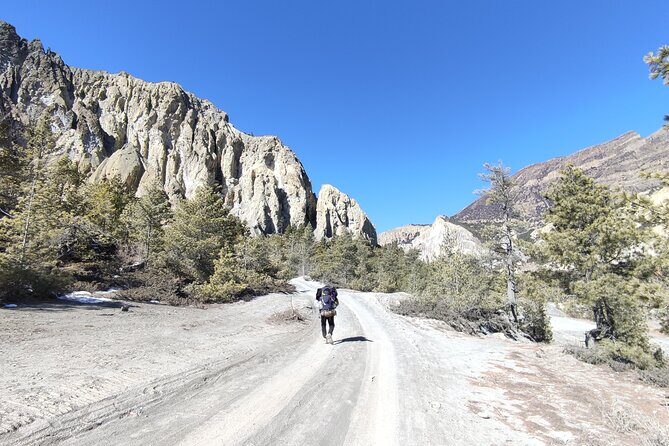
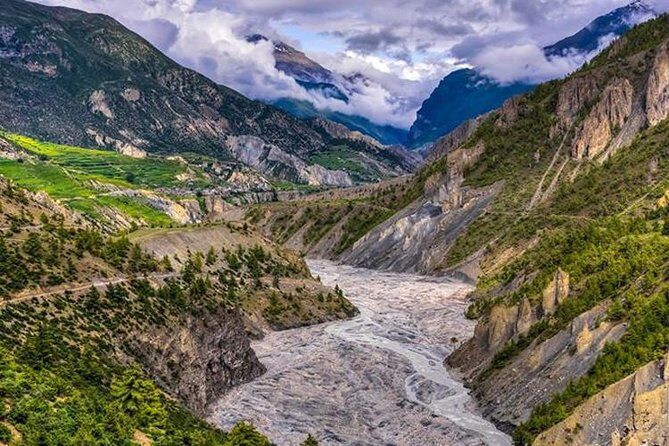
After Muktinath, the trek descends about 1,200m down to the Kaligandaki river valley floor. You’ll stop briefly at Ekale Bhatti, a small lonely teahouse settlement. Those little stops are more than breaks—they help you understand the scale of the valley. There are long stretches where there’s no town energy, just trail, wind, and the next curve in the canyon.
From Marpha to Lete, you follow the Kali Gandaki river downstream toward Tukuche village. This stretch is described as enjoyable, and the views include towering Tukuche and Dhaulagiri. The vibe here is calmer than the pass approach. It feels like you’re traveling through a long valley story rather than pushing against it.
Then you reach Tatopani. Here the trek makes a sharp environmental shift: the dry, arid desert world transitions into pine and conifer forests. The trail also travels between the giant peaks of Dhaulagiri and Annapurna, which makes for a dramatic “two worlds at once” feeling when the weather is clear.
Tatopani also gives you a psychological boost because it’s a place you can recover. When you’ve been high and exposed, forests feel like relief, even if you’re still walking.
Ghorepani and Poon Hill sunrise: where the mountains get dramatic fast
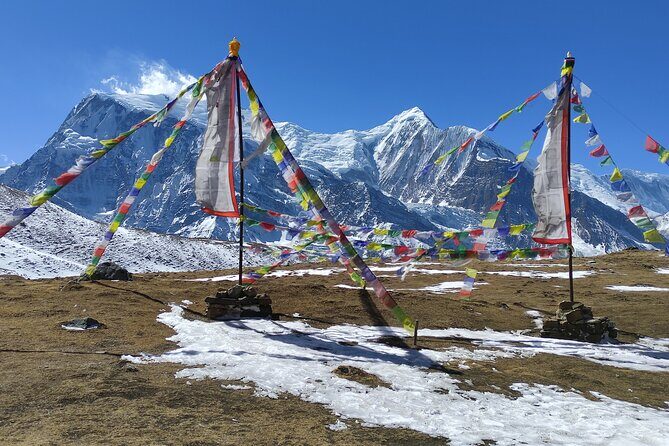
After Tatopani, you walk to Ghorepani, about 6–7 hours, and you cross a suspension bridge over the Kali Gandaki river. Bridges like this are one of those small things that stand out on the circuit because they prove you’re not just watching geography—you’re moving through it.
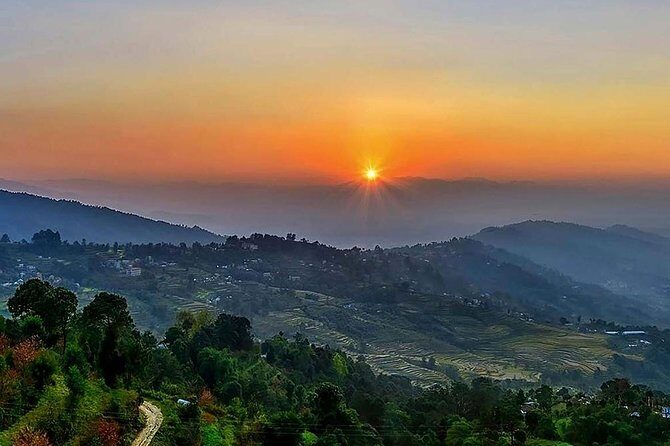
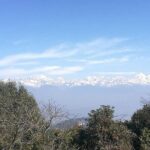
Ghorepani is also your gateway to a classic sunrise option. From Tikhedhunga, weather permitting, you can hike about one hour up to Poon Hill (3,195m) for sunrise views stretching across mountain ranges including Dhaulagiri, Annapurna, and even Mt. Manaslu range.
Here’s the practical part: sunrise hikes can be cold and early, and “weather permitting” is real. If clouds roll in, don’t be surprised. Still, even partial visibility at Poon Hill can be worth it because the mountains look close and layered.
Pokhara recovery and lake time: switching gears after the pass
You get a trek day that brings you to Pokhara via rural farm villages and nearby cascading waterfalls. After days of steep climbs and thin air, Pokhara feels like someone turned the volume down.
You then have a leisure day in Pokhara. You can head to lakes like Phewa Lake, Begnas Lake, and Rupa Lake. This isn’t just a break from trekking. It’s also where you process what you just did: the pass, the long valley stretches, and the gradual shift from one climate zone to another.
If you like an easy plan, lake time works well here. You’ll want your body to cool down, reset sleep, and catch your breath in normal air.
Price and what you really get for $1,200
At $1,200 per person for about 20 days, this trek isn’t the cheapest option—but it’s also not the “pay a fortune for nothing” kind of deal. You’re paying for organized logistics and on-trail support.
What’s included that usually costs money elsewhere:
- Airport pickup and drop
- Kathmandu sightseeing by car
- Ground transport from Kathmandu toward Besisahar and then onward to Syange by sharing jeep
- A professional trekking guide (government licensed) and a porter (with a 2 guest to 1 porter setup and a 25 kg max carried by the porter)
- Permits: ACAP and TIMS
- Meals: breakfast is included on 18 mornings, plus lunch (15) and dinner (15)
What’s not included (and you should budget for):
- Drinks (soft and hard)
- Visa and international flight ticket
- Tips for staff
- Rescue and evacuation costs
- Any special accommodation
- Temple entry fees for Pashupatinath, Boudhanath, and Kathmandu Durbar Square
If you compare the all-in support—guide, porter, permits, and most meals—this price starts to look like value for a long, high-altitude itinerary. The biggest “extra” costs you’ll likely feel are drinks, tips, and temple fees, plus any personal expenses.
Who should choose this trek, and how to prepare smartly
This trek is best for people with moderate physical fitness who want a real adventure without needing technical gear. You should be comfortable with long walking days and uneven elevation changes. The pass day is the hardest day, but the lead-up matters too.
Your preparation should focus on four things:
- Cardio base and leg endurance (you’ll hike for hours nearly every day)
- Layering for cold winds, especially around Thorong La
- Hydration habits that you can keep even when you’re tired
- A realistic pace mindset on steep sections
Also, because drinks are not included, think about how you’ll handle hydration and small snacks. Carry what you can, but avoid overloading your own pack if you’ll use the porter.
Finally, remember this is private for your group only. That’s great for comfort and pacing, but you’ll still want to follow the guide’s calls—especially on pass timing and acclimatization.
Should you book this 20-day Annapurna Circuit trek?
If you want the full Annapurna Circuit feel—subtropical-to-desert changes, village culture, a real pass accomplishment, and a smooth transition into Pokhara—this package is a strong choice. I’d book it if you value guided support, permits handled for you, and a porter setup that keeps your hike enjoyable rather than punishing.
I’d hesitate if you’re sensitive to cold, altitude stress, or early starts. This trek gives you the big moments—Thorong La and Poon Hill—but it doesn’t hide the work required to get there.
FAQ
What does the 20-day Annapurna Circuit trek cost?
The price is $1,200.00 per person.
Is airport pickup and drop included?
Yes. You get airport pickup and transfer back to the international airport at the end of the trek.
What permits are included?
The package includes the Annapurna Conservation Area Project Permit (ACAP) and a TIMS card.
Are meals included during the trek?
Breakfast is included on 18 days, and lunch (15) and dinner (15) are included during the trek days listed in the package.
Do I need to pay entry fees for temples?
Yes. Pashupatinath Temple, Boudhanath Stupa, and Kathmandu Durbar Square entry fees are not included.
How much will the porter carry?
The porter support is listed as 2 guests to 1 porter, with a maximum of 25 kg per porter.