REVIEW · KATHMANDU
Everest 5-Day Trek from Kathmandu
Book on Viator →Operated by Cordial Trek Pvt. Ltd. · Bookable on Viator
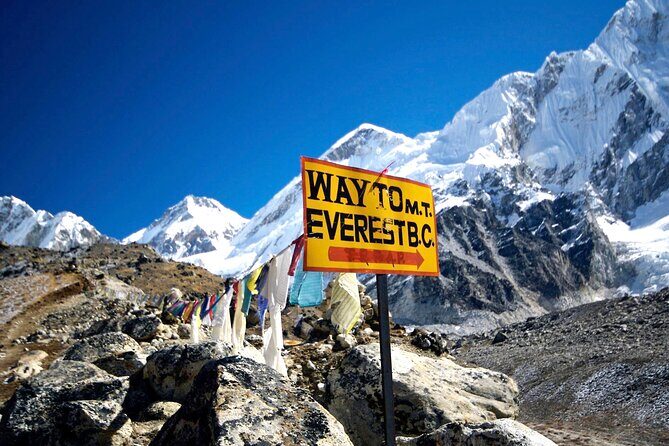
Everest in five days feels almost unfair. I love the Lukla flight and the fact you get real payoff at Hotel Everest View with its huge Everest panorama. The one caution: this is a shorter route aimed at the Everest View area, not a full-on Everest Base Camp trek.
I also like that this trip runs in all four seasons, so you can choose your mountain mood. Spring brings color with wildflowers, summer tends to give clearer skies, autumn often shifts the hills to warm gold, and winter can turn everything into snow-and-ice country. As always with the Himalaya, expect altitude and changing weather, and give yourself a steady pace.
In This Review
- Key points to know before you go
- Kathmandu to Lukla: the “real start” that gets your heart going
- Day 1 to Phakding: first air, first river, first rhythm
- What to watch on Day 1
- Day 2 to Namche Bazaar: Everest gateway life and the big altitude step
- The one drawback to consider on Day 2
- Day 3: Hotel Everest View at 3,880 m and the 360-degree payoff
- Why I think this day is worth the schedule
- Day 4: back to Lukla via Manjo and Phakding villages
- A practical tip for Day 4
- Day 5: short flight to Kathmandu and a smooth landing back into normal life
- What you’re really paying for: value beyond the headline price
- What’s not included (and why you should plan for it)
- The guides make a difference: Mr Prakash and Anil style support
- Comfort at altitude: private rooms, hot shower, and why it matters
- How hard is it, really? Fitness, altitude, and season choice
- Picking your season
- Who this Everest View trek fits best
- Should you book Everest 5-Day Trek from Kathmandu?
- FAQ
- What time does the trip start?
- How long is the Everest View trek?
- Does the tour include flights?
- What places will we visit during the trek?
- Where is Hotel Everest View and what’s special about it?
- What fitness level do I need?
- Is accommodation included, and does it include hot showers?
- What equipment is included or available to borrow?
- What’s included in the meals?
- What is not included?
Key points to know before you go
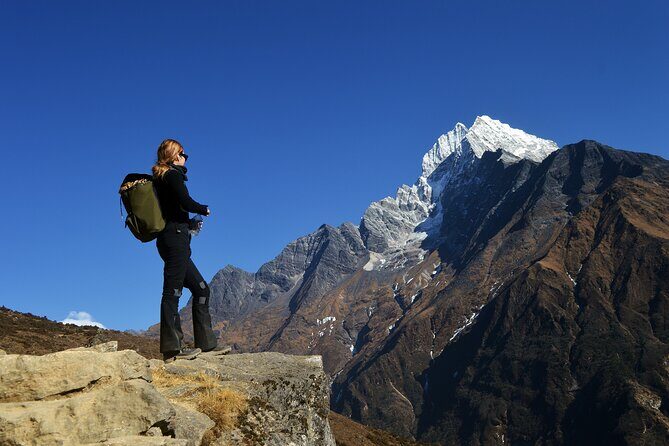
- The Lukla flight is the whole story starter: quick, dramatic, and weather-dependent in the way you’ve heard about.
- Namche Bazaar is your main cultural base: shops, cafes, and Sherpa village life at Everest scale.
- Hotel Everest View is at 3,880 m and holds the Guinness record for highest situated hotel.
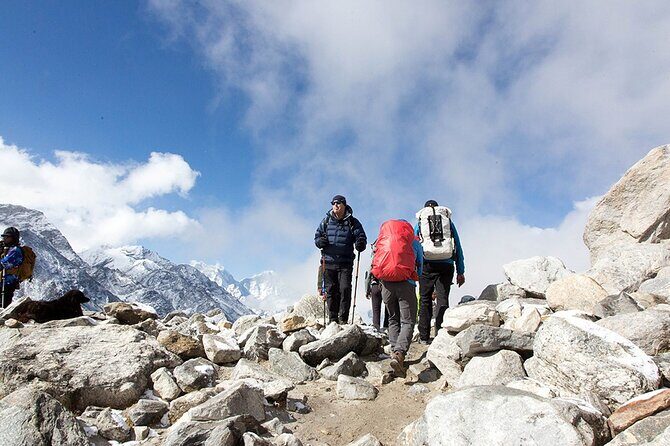
- You’re not self-guiding: you get a guide and porter, plus borrowed trekking gear to help you travel lighter.
- Comfort is planned in: private bathroom and hot shower are included at mountain guest houses.
- Expect a preview feel: this is built for views and altitude adaptation, not a long summit-style grind.
Kathmandu to Lukla: the “real start” that gets your heart going
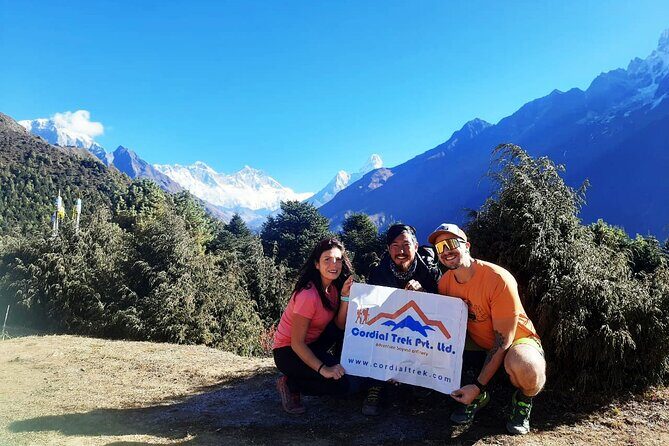
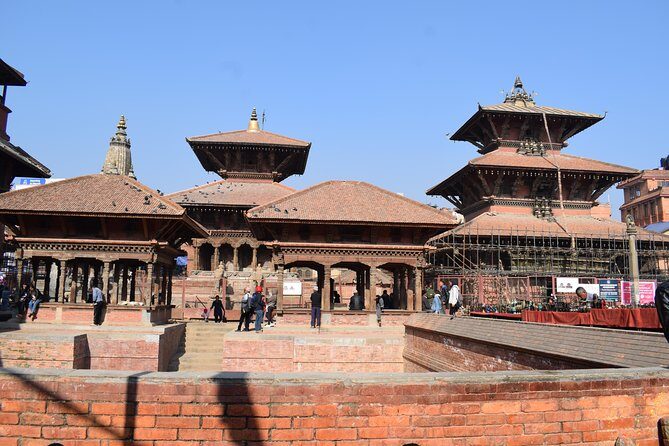
Your morning begins early. You’ll meet at 5:45 am, then get picked up from your hotel and transferred to Tribhuvan International Airport in Kathmandu for the domestic process. This is one of those trips where the day starts before the city fully wakes up, so you’ll want to sleep well the night before and skip any late dinner plans.
Then comes the reason most people sign up: the flight to Lukla. Lukla’s airport is famous for being challenging, and that reputation matters because you’ll feel it the moment you’re there. The payoff is that your trekking begins almost immediately after arriving—no long road march, no slow build. It’s a fast handoff from city life to high-mountain routines.
You can also read our reviews of more hiking tours in Kathmandu
Day 1 to Phakding: first air, first river, first rhythm
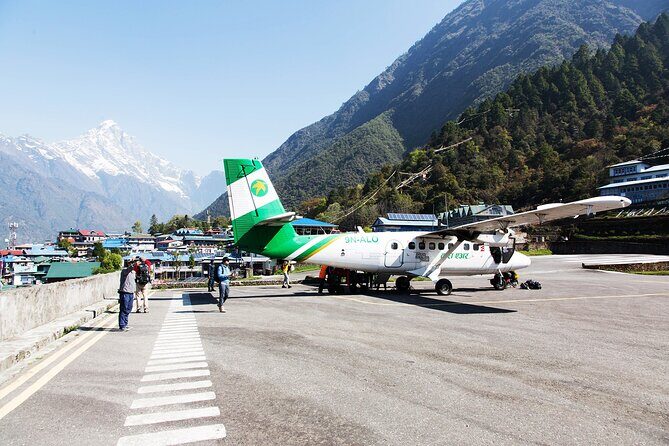
After landing, the trek segment is a downhill-to-level rhythm: you’ll head to Phakding for about 3–4 hours. Phakding sits by the Dudhkoshi River, so the trail has that sound-in-the-background feel that makes the hike feel less empty.
You’ll notice you’re already learning the altitude basics without getting hit too hard. The day is meant to be manageable, and you get time to settle before the bigger climbs. If you want a small detour, the area includes monasteries worth a look, and even a quick stop can make the day feel more local and less like just trekking mileage.
What to watch on Day 1
Even if Day 1 feels easy on paper, don’t go too fast. On these routes, your body often decides the pace for you. Also, pack essentials in the day bag your porter doesn’t carry—phones, water, and a layer you can reach quickly.
Day 2 to Namche Bazaar: Everest gateway life and the big altitude step
Day 2 is where the trek starts to feel like it’s really building. You’ll hike from Phakding to Namche Bazaar for around 6 hours, and you’ll reach a max altitude listed at 3,438 m (11,280 ft). This stretch is long enough to feel like work, but it’s still structured for a short itinerary.
Namche Bazaar is the “Everest gateway” in a very practical way. You’re not just passing through. You get time to explore Manjo-related areas and then Namche itself, which is known for its mix of Sherpa culture and services—shops, cafes, and everyday mountain life.
This is also a smart day strategically. Namche is where many trekkers start understanding how weather, crowds, and altitude are going to affect the rest of the plan. I like that the schedule gives you a chance to slow down and take it in rather than just charging upward and moving on.
The one drawback to consider on Day 2
Namche is at high altitude, and the second day can feel breath-harder than you expect. If you’re prone to overdoing it on Day 1, you’ll want to keep your steps controlled here and save energy for the next big vista.
You can also read our reviews of more tours and experiences in Kathmandu
Day 3: Hotel Everest View at 3,880 m and the 360-degree payoff
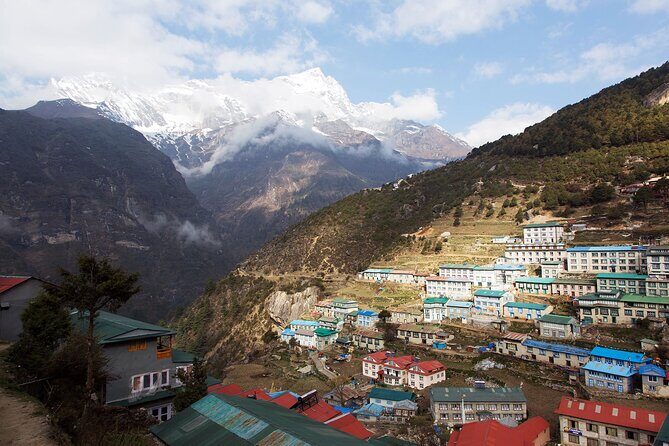
Day 3 starts with a shorter rhythm—a 3–4 hour return trip from Namche Bazaar to Hotel Everest View. This is a key part of the itinerary because it turns all that climbing effort into a clear “wow” moment.
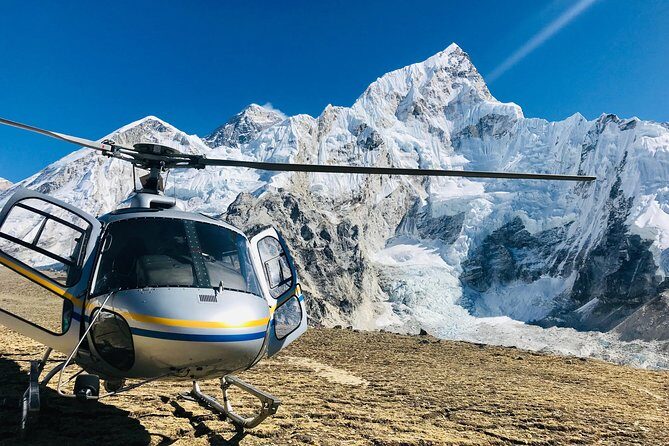
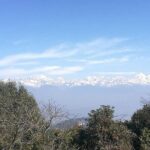
The hotel is at 3,880 m, and it’s famous for holding the Guinness World Record for the highest situated hotel. That record matters less than what you’ll feel when you arrive: air is thin, views are close, and the entire Everest range feels present instead of distant. The day description also points to a 360-degree view, which is exactly what you want when you only have five days.
After the hotel stop, you’ll return to Namche Bazaar late afternoon for market time and free time. This blend is nice. You get the big mountain sight in the morning/earlier window, then you get Namche life in the evening when the light and activity can be more forgiving.
Why I think this day is worth the schedule
Five days is short. So the trip uses Day 3 to concentrate your Everest connection into one planned window. Instead of trekking all day toward a goal you might never fully absorb, you get to be at height, look around, and then come back to a real village with real services. It’s a comfort-to-view ratio that makes sense.
Day 4: back to Lukla via Manjo and Phakding villages
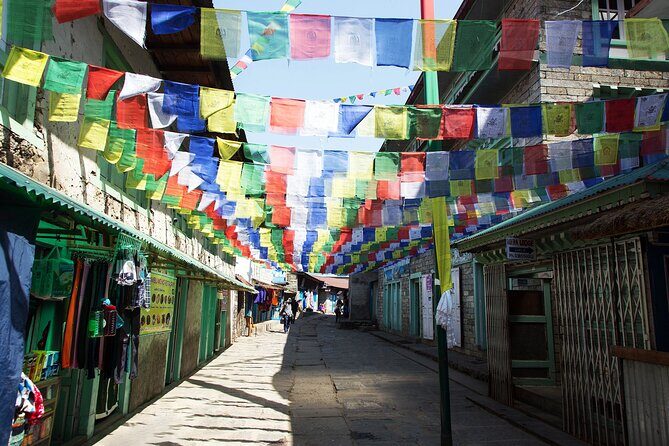
On Day 4 you’ll trek back toward Lukla, typically 6–7 hours, with routes through Manjo and Phakding villages. This is a more familiar trail experience in a way—less “first-time awe,” more “keep moving, keep your footing, enjoy the changing angles.”
The day ends with an overnight stay in Lukla at a guest house. By now, you’ve already built some altitude awareness, which helps. Still, don’t ignore your legs. Descents and uneven paths can add up fast, especially after a Day 3 that is all about getting high and staying present.
A practical tip for Day 4
You’ll feel the difference in your stride once you start down toward Lukla. Go slow enough to keep your balance. If you’re using the borrowed trekking poles, make sure you’re actually using them for braking on steeper sections, not just carrying them.
Day 5: short flight to Kathmandu and a smooth landing back into normal life
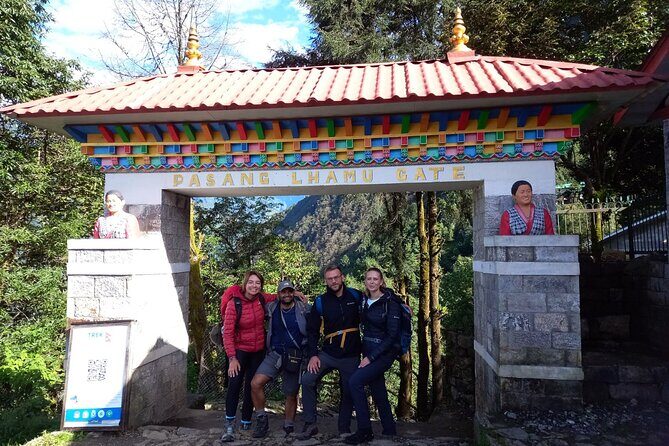
Day 5 is about getting you back down without turning the last day into another hiking day. You’ll take a short flight from Lukla to Kathmandu (about 30 minutes), then get transferred to your hotel.
This is a smart ending. It gives you closure without draining energy right before your next plans. After days of high air and early starts, arriving back in Kathmandu feels like exhaling.
What you’re really paying for: value beyond the headline price
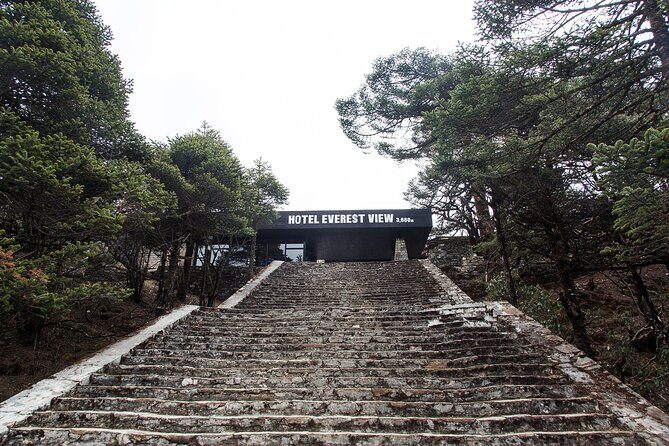
The price is $1,200 per person for the five-day experience. On paper, it can sound like a lot until you look at what’s included. Here’s what makes this feel like real value if you’re planning to keep things organized:
- Return flight tickets to and from Lukla
- Guide and porter
- National park permit and local government tax
- Accommodation at mountain guest house with private bathroom and hot shower
- Breakfast (4), lunch (4), dinner (4)
- Borrowed equipment such as a duffle bag, trekking poles, and sleeping bags
- Hotel pickup and drop in Kathmandu
- First aid, plus a company t-shirt
Then there’s the practical stuff you don’t always price correctly: coordination and reduction of stress. Even if you’re comfortable traveling independently, flight timing in the Lukla area can turn into chaos when you’re trying to manage it alone. That support matters a lot.
What’s not included (and why you should plan for it)
You’ll still want cash/card for hot/cold drinks, personal expenses, and gratuities for your guide and porter. These are normal exclusions, but they can sneak up if you assume everything is fully covered.
The guides make a difference: Mr Prakash and Anil style support
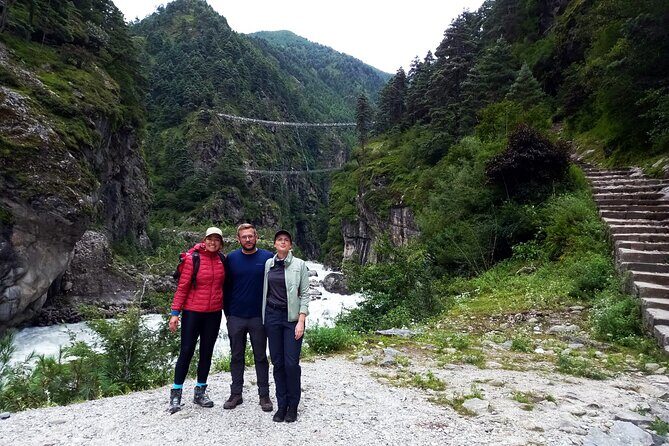
The human part shows up clearly in the feedback. One theme is how much effort guides put into making everything feel easy. Mr Prakash is specifically praised for being communicative, sharing what to expect, and knowing how to handle confusing flight situations, especially when cancellations or airport changes happen. That kind of know-how is not glamorous, but it’s the difference between a trip that feels stressful and one that feels manageable.
Another guide named Anil is praised for being helpful and caring, including making sure you can get a glimpse of Mt. Everest. That’s exactly what you want from a guide on a short itinerary: someone who pays attention, watches conditions, and checks that you’re actually doing OK as the trek goes on.
Comfort at altitude: private rooms, hot shower, and why it matters
Some Everest-style treks feel like you’re camping through the whole thing. This one is different on the comfort side. The included mountain guest house setup includes a private bathroom and hot shower. That’s not a luxury detail—it affects how well you sleep, how fast you recover, and how willing you’ll be to keep moving the next morning.
Also, you’re not carrying everything from Kathmandu. You can borrow trekking poles and sleeping bags, and you’ll have a duffle bag for the carry system. That’s a big deal when you want to travel with less bulk and still have decent gear for cold nights.
How hard is it, really? Fitness, altitude, and season choice
The trip calls for moderate physical fitness. That’s consistent with what the daily timing suggests: some days are around half-day hikes, and one of the climbs is a longer push to Namche.
Altitude is still part of the equation. You’ll move to high elevations quickly, including the Namche area and then your excursion up to 3,880 m at Hotel Everest View. The itinerary’s structure is meant to help you acclimatize without turning the trek into a multi-week ordeal.
Picking your season
Since the trek is available year-round, choose based on the kind of weather you want:
- Spring (March–May): wildflowers and color
- Summer (June–August): clearer skies tend to happen
- Autumn (September–November): golden hues in the hills
- Winter (December–February): snow and ice conditions
I like this flexibility because it lets you match your preferences to your risk tolerance. Clear skies are wonderful, but cold and snow can add real challenges even when the views are spectacular.
Who this Everest View trek fits best
This is a great option if you want the Everest region without needing weeks off work or a long, high-altitude slog.
You’ll likely enjoy it if:
- You want a five-day plan with big Everest views as the goal
- You’d rather have guide and porter support than manage logistics solo
- You care about comfort basics like a hot shower
- You’re looking for a route that’s structured for altitude and timing, not random exploration
If you want a long, day-after-day ascent schedule built toward Base Camp itself, this won’t scratch that itch. This route is built around Namche and the Hotel Everest View experience.
Should you book Everest 5-Day Trek from Kathmandu?
I’d book it if you want an efficient Everest-area trip with real payoff windows and less mental load. The included Lukla flights, the planned steps through Phakding and Namche, and the high, record-holding Hotel Everest View are the heart of the value. Add in the comfort items like private bathrooms and hot showers, and this becomes more than just a scenic hike—it becomes a workable plan.
I’d hesitate if you’re the kind of traveler who needs total certainty with flights and weather. The Lukla piece is always weather-sensitive, and the schedule can shift with real-world conditions. If you’re OK with that reality, and you want a short, organized Everest preview, this is a smart match.
FAQ
What time does the trip start?
You’ll have a meeting point start time of 5:45 am, followed by hotel pickup in Kathmandu.
How long is the Everest View trek?
It’s listed as 5 days (approx.).
Does the tour include flights?
Yes. You get return flight tickets to and from Lukla, plus a short flight from Lukla back to Kathmandu on Day 5.
What places will we visit during the trek?
The route focuses on Lukla, Phakding, Namche Bazaar, and Hotel Everest View, then back to Lukla and finally Kathmandu.
Where is Hotel Everest View and what’s special about it?
Hotel Everest View is located at 3,880 m. It’s noted for holding the Guinness World Record for highest situated hotel in the world.
What fitness level do I need?
The trip recommends moderate physical fitness.
Is accommodation included, and does it include hot showers?
Yes. You’ll stay in mountain guest houses with a private bathroom and hot shower included.
What equipment is included or available to borrow?
You can borrow necessary equipment, including a duffle bag, trekking poles, and sleeping bags.
What’s included in the meals?
The package includes 4 breakfasts, 4 lunches, and 4 dinners.
What is not included?
Not included are hot/cold drinks, personal expenses, and gratuities for your guide and porter.