REVIEW · KATHMANDU
4 Days Poon Hill Trek
Book on Viator →Operated by The Great Adventure Treks & Expedition - Private Day Tours · Bookable on Viator
Early mornings, big views, simple planning. This private Poon Hill trek keeps the altitude reasonable (3,210m) while lining up the classic sunrise viewpoint over the Annapurna area. I love that the route is designed for moderately fit hikers and can be customized to your needs, plus your guide explains Nepali culture and nature as you walk. One thing to keep in mind: the best views depend on good weather, so expect weather to be the deciding factor.
This trek walks through terraced farmland, remote villages, and dense old forests—exactly the kind of scenery you want when you only have a few days. It also works well as a family-friendly style of mountain trip, because you’re not chasing a high-altitude summit; you’re chasing that early glow across the peaks.
In practice, it’s all set up to reduce stress. You start at 9:15am with a pickup option and private transport, and you’ll get a mobile ticket. Lunch and dinner aren’t included, so you’ll want to plan for those meals each day.
In This Review
- Key highlights I’d plan around
- Why Poon Hill at 3,210m is a smart altitude sweet spot
- Private guide energy: easier navigation and better context on the trail
- The 4-day walk: Ghorepani, Poon Hill, Tadapani, Ghandruk in the mix
- Day 1: Getting into the trekking rhythm through villages and farmland
- Day 2: The sunrise push to Poon Hill and then onward
- Day 3: Forest walking and the feel of Ghandruk-style villages
- Day 4: Finishing the route and returning with private transport
- Sunrise logistics: why weather controls the whole story
- What you actually get for $405.13 (and where your money goes)
- Pace, comfort, and the “moderately fit” requirement
- Logistics and small details that make a difference
- Who should book this Poon Hill trek, and who might want something else
- Should you book the 4-day private Poon Hill trek?
- FAQ
- How high is Poon Hill on this trek?
- What time does the experience start?
- Is pickup included?
- Is lunch and dinner included?
- Is this trek private?
- What happens if the weather is bad?
Key highlights I’d plan around
- Sunrise at Poon Hill (3,210m): early viewpoint time is the main event, with wide mountain visibility.
- A guide who teaches as you walk: Nepali culture and nature are part of the route, not an afterthought.
- Private and customizable pacing: you’re not stuck with a fixed group rhythm.
- Village trails, farmland, and old forest: varied walking scenery without technical climbing.
- Logistics handled on the trail: accommodation and navigation aren’t on your to-do list.
- Real value for a 4-day trip: private setup plus transportation, with meals you can choose.
Why Poon Hill at 3,210m is a smart altitude sweet spot
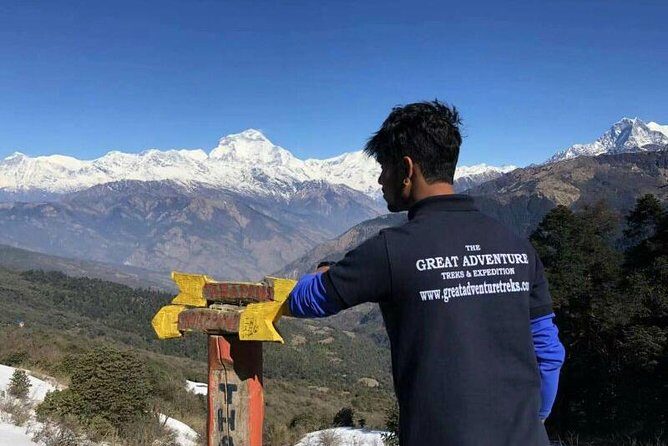
Poon Hill sits at 10,531 feet (3,210 meters). That number matters because it shapes the whole experience: you get big Himalayan payoff without the strain of a true high-altitude route.
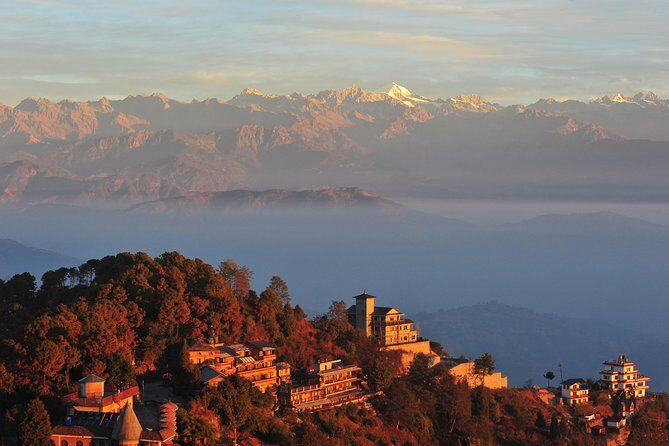
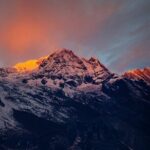
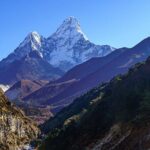
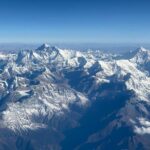
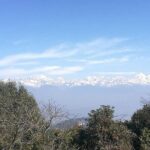
The goal is the sunrise viewpoint—when the light starts to hit the mountain wall. From here, you can see several major peaks, including Mount Annapurna, Mount Manaslu, and Mount Dhaulagiri, plus more mountains. Even if clouds roll in, you’ll still get the “I’m really in the mountains” feeling from being up on that ridge line early.
What I like about keeping it at 3,210m is that it fits a lot of people’s fitness levels. The trek is described as best suited for moderately fit travelers, and it’s also framed as relatively easy and family-friendly for a Himalayan itinerary. You’re walking, you’ll feel the effort, but you’re not signing up for a summit scramble.
Practical tip: plan your clothing for cold early hours at elevation. Even when the day later warms up, mornings at the viewpoint can feel sharp.
You can also read our reviews of more hiking tours in Kathmandu
Private guide energy: easier navigation and better context on the trail
This is a private guided trek, and that changes how your days feel. Instead of figuring out routes, timing, and where to sleep, your guide handles those decisions and keeps your walk moving.
The overview calls out a big part of the experience: you’ll learn about Nepali culture and nature from your guide. That’s more than friendly chatter. On walking days, it helps you understand what you’re seeing—terraced farmland systems, village life rhythms, and the forest patterns you pass through.
The reviews also back up that the guide is a key ingredient. Different names come up repeatedly, which is a good sign that the company isn’t just selling the trek—they’re staffing it with capable people. I saw praise for:
- Bikram for excellent English and for finding delicious local organic food, plus strong accommodation choices.
- Binod / Binod Silwal for making everything well taken care of, with helpful guidance throughout.
- Jayaram KC for providing the right support and helping make the itinerary fit the group.
- Mani mentioned in relation to clear quotes and planning, including customizing the trek before departure.
- Other guide names such as Chandra, Tobonath, and Sama also appear, linked to smooth service and professionalism.
You don’t need the details of each person’s story to benefit from this. The main takeaway is that a good guide makes a short trek feel full—because you’re not just walking, you’re learning and adjusting as you go.
The 4-day walk: Ghorepani, Poon Hill, Tadapani, Ghandruk in the mix
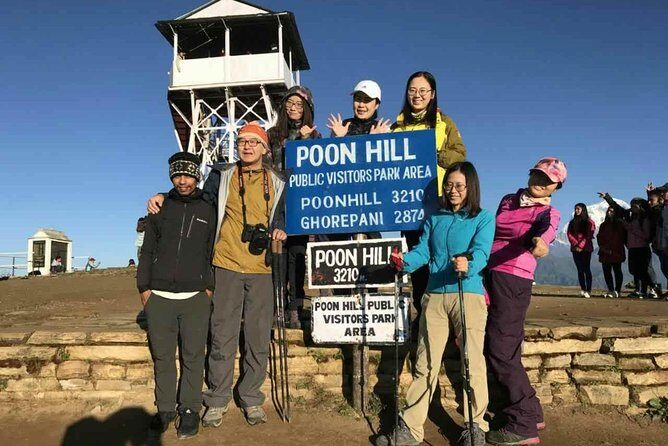
While the exact daily schedule can be customized, the classic short version of this itinerary connects Ghorepani–Poon Hill–Tadapani–Ghandruk over about 3–4 days. That matches the idea of a quick, high-impact trek from Kathmandu.
Here’s the typical flow to expect:
Day 1: Getting into the trekking rhythm through villages and farmland
You’ll start the day with pickup and private transportation from Kathmandu (start time is 9:15am). Once you’re on the trekking route, your walking takes you past terraced farmland and through village areas.
This is the day you’ll feel your legs adjust. Trails often follow older paths between settlements, so you get frequent moments to pause, look around, and spot daily life up close. If you like the slower travel style—watching how people live more than just taking photos—Day 1 is where that lands.
Day 2: The sunrise push to Poon Hill and then onward
This is the signature day. You’ll head toward Poon Hill for sunrise from 3,210m. The viewpoint is why this trek exists.
You should expect early timing and a short, focused climb from where you’ve slept. The payoff is the view across the Annapurna region and far beyond, with the chance to spot Annapurna, Manaslu, and Dhaulagiri (weather permitting).
After sunrise, the day turns into forward motion again—moving on from the viewpoint area toward the next overnight stop, commonly Tadapani in this classic loop.
You can also read our reviews of more tours and experiences in Kathmandu


Day 3: Forest walking and the feel of Ghandruk-style villages
From Tadapani, you continue downhill and along village-and-forest sections toward Ghandruk (in the classic version of this route). Reviews mention dense old forests on the way to Poon Hill, and that vibe shows up again on later hiking days too: shaded sections, quieter footpaths, and the sense that you’re moving through something lived-in rather than staged for tourists.
This is often the day where tea houses feel extra appealing. One review notes that tea houses were lovely with incredible views, which matches what tends to happen when the walking days end in settled village spots.
Day 4: Finishing the route and returning with private transport
The tour is based in Kathmandu, and private transportation is included. So on the final day, you should plan for a descent and a return transfer back toward Kathmandu to wrap up the trek.
Since the itinerary is described as customizable, your exact walking distance on Day 4 can vary. The safe approach is to pack for a bit of walking plus some transport time.
Reality check: on short treks, you’ll feel the schedule more than the altitude. That’s not bad—it just means you’ll want to rest in the evenings and keep your pace steady rather than trying to turn it into a race.
Sunrise logistics: why weather controls the whole story
Poon Hill is the sunrise viewpoint at 3,210m, and the experience requires good weather. That matters because mountain views are the main draw, and clouds can soften or erase what you’re hoping to see.
The good news: the tour is set up with a contingency if conditions are poor. If the experience is canceled due to weather, you’ll be offered a different date or a full refund.
If you want the best odds, keep your mindset flexible. Sunrise hikes are worth it, but you’re not forcing the mountain to cooperate. I treat weather-dependent treks like a film festival: you go for the chance, and you’re ready if the director changes the plan.
Practical tip: bring warm layers for the pre-dawn and early-morning chill, plus something comfortable for walking during the day. Your body will want warmth before you move and cool comfort after sunrise.
What you actually get for $405.13 (and where your money goes)
The price is $405.13 per person for an approx. 4-day private trek, starting from Kathmandu. On paper, that number is easy to compare. The better question is what you’re buying.
You’re getting:
- Private transportation (plus pickup offered)
- A private guide (with cultural and nature interpretation)
- A setup that handles navigation and accommodation planning, so you’re not stuck arranging everything yourself
- A mobile ticket and communication that supports a smoother experience
What’s not included:
- Lunch and dinner
So the value equation looks like this: you pay for reduced friction. Instead of coordinating everything for a short Himalayan itinerary, you get someone to manage the route, help you choose places to stay, and keep you on track.
Is that worth it? If you’re short on time, not fluent in the local logistics, or you want a worry-free trek where you can focus on the walk, it usually is. If you’re highly confident in self-guided trekking planning, you could potentially spend less. But you’ll trade that convenience for your own time and coordination energy.
Also, this trek is popular. The booking window averages around 158 days in advance, which suggests demand stays strong—so if you have specific travel dates, plan ahead.
Pace, comfort, and the “moderately fit” requirement
This trek is positioned for moderately fit hikers. That’s useful language because it tells you how to judge your own readiness.
You don’t need to be an ultra-athlete. But you should be comfortable with:
- Daily hiking hours
- Uneven paths
- Getting going early on sunrise day
The altitude stays lower than many Himalayan routes, but 3,210m still affects your body, especially around dawn and during climbs. The private format also helps: you can move at a pace that works for your group.
In reviews, the tone is consistent: the itinerary runs smoothly when the guide is responsive and supportive. A big part of that smoothness is pacing—stopping when needed, keeping the schedule realistic, and making sure you reach the right place for tea breaks and overnight stays.
Logistics and small details that make a difference
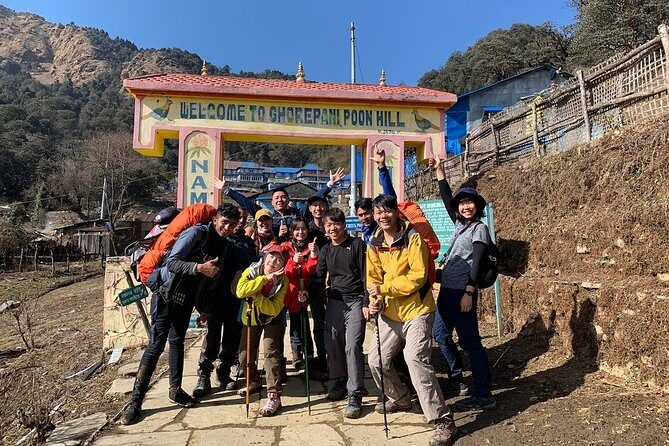
A few specifics may sound minor, but they affect how you plan your days:
- Start time is 9:15am. That’s your anchored moment in Kathmandu.
- Pickup is offered, and private transportation is included.
- The meeting point is described as near public transportation, which can help if you’re already planning to get around the city on your own.
- You’ll receive a mobile ticket, which reduces paper fuss.
And remember the meal gap: lunch and dinner aren’t included. In trekking regions, meals often come with tea house choices, so this can be flexible. Just don’t count on your cost covering every food purchase.
Who should book this Poon Hill trek, and who might want something else
This is a great choice if you:
- Want a short Himalayan trek with a clear highlight (Poon Hill sunrise)
- Prefer a guide to handle navigation and accommodation planning
- Like the idea of learning about Nepali culture and nature while walking
- Are moderately fit and want a manageable altitude ceiling
You might skip this one if you:
- Want a long, deep multi-week route with more dramatic altitude gains
- Prefer to self-plan every detail and don’t want a private guide structure
- Have very tight date limits and can’t shift plans if weather forces a change
For many people, a 4-day Poon Hill itinerary is the sweet spot: enough hiking to feel the mountains, not so much that you lose your trip to logistics.
Should you book the 4-day private Poon Hill trek?
If your main goal is a sunrise viewpoint at 3,210m with classic Annapurna-area views, this trek is built for that. The private format, guide support, and smooth organization are the big reasons it tends to feel easy in real life—even when you’re up early.
I’d book if you want:
- Guided clarity on where to go and when
- A route that mixes farmland, villages, and forests
- A manageable Himalayan height for a short trip
I’d think twice if:
- You can’t handle the reality of weather uncertainty around sunrise
- You dislike trekking schedules and want lots of free, unstructured time
If you’re reading this, you’re probably already leaning toward it. Just go in knowing the mountain will call the shots on the view, and you’ll enjoy the rest even if the sunrise isn’t perfect.
FAQ
How high is Poon Hill on this trek?
Poon Hill is 10,531 feet (3,210 meters). The trek is designed around sunrise from that altitude.
What time does the experience start?
The start time is 9:15am.
Is pickup included?
Pickup is offered, and private transportation is included.
Is lunch and dinner included?
No. Lunch and dinner are not included.
Is this trek private?
Yes. It’s a private tour/activity, and only your group participates.
What happens if the weather is bad?
The experience requires good weather. If it’s canceled due to poor weather, you’ll be offered a different date or a full refund.