REVIEW · KATHMANDU
Kathmandu UNESCO Heritage Tour with Local Food Tasting
Book on GetYourGuide →Operated by Adventure Himalaya Nepal Pvt. Ltd. · Bookable on GetYourGuide
Monkey Temple views beat the traffic. In one 5-hour outing, you’ll visit Swayambhunath and other UNESCO sites while also building in time for snacks and stories that make Kathmandu click.
I especially love the way guide Rajan connects the places to lived culture, including the chance to spot the Kumari (Living Goddess). I also love that the food part is planned for you, with multiple tastings so you can eat without guessing what to try next.
The only real drawback is the pace. With three major stops packed into one morning/afternoon block, a slow, long-temple linger might feel tight on time.
In This Review
- Key highlights worth your attention
- From Thamel pickup to a hilltop start you can actually breathe on
- Swayambhunath (Monkey Temple): prayer flags, quiet moments, and city views
- Kathmandu Durbar Square: temples, woodwork, and a window for Kumari
- Asan Market lanes: spices, grains, and what people actually buy
- The food tasting plan: what you’ll eat and how not to overdo it
- Guide and comfort matters more than you think in Kathmandu
- Price and value: is $64 per person a smart deal?
- Should you book this Kathmandu UNESCO and food tasting tour?
- FAQ
- What’s the duration of the Kathmandu UNESCO Heritage Tour with Local Food Tasting?
- How much does the tour cost?
- Where do you get picked up?
- Where do you drop off at the end?
- Which places does the tour include?
- Is the guide English-speaking?
- What food is included in the tasting?
- What’s included in the price, and what’s not?
Key highlights worth your attention
- Rajan’s storytelling: He explains what you’re seeing in a way that feels practical, not just memorized facts.
- UNESCO stops, tightly grouped: You cover Swayambhunath and Kathmandu Durbar Square in one day without bouncing all over the city.
- Kumari sighting: The tour includes a chance to see the Living Goddess at her window during the Durbar Square visit.
- Asan Market as local life: Spices, grains, brassware, textiles, and day-to-day trade—not just photo stops.
- Food tastings built into the route: You get multiple Nepali favorites and a lassi to balance the flavors.
- Private group comfort: Even in a busy city, you’ll have a smaller, more controllable experience.
From Thamel pickup to a hilltop start you can actually breathe on
Most Kathmandu days begin fast, with Thamel’s busy lanes full of trekking gear, small shops, and a mix of cultures passing through. This tour keeps things smart: you get picked up from Thamel or from Kathmandu and then head toward the calm counterpoint of the hilltop.
That contrast matters. Kathmandu can hit you all at once—sounds, smells, traffic, and crowds. Starting with an organized plan helps your brain lock onto what’s important: how the city’s heritage still functions in everyday life, and why these sacred places matter to Nepalis beyond tourism.
You’ll also have an English-speaking guide with you the whole time, plus transportation. That combo is one of the best parts of a short tour: you spend your energy looking and tasting, not figuring out routes, names, and timing.
And yes, the day is centered on walking. You’re moving between sites and market streets, with short breaks built into the schedule. If you like structured sightseeing with space for real street experiences, this format fits.
You can also read our reviews of more food & drink experiences in Kathmandu
Swayambhunath (Monkey Temple): prayer flags, quiet moments, and city views
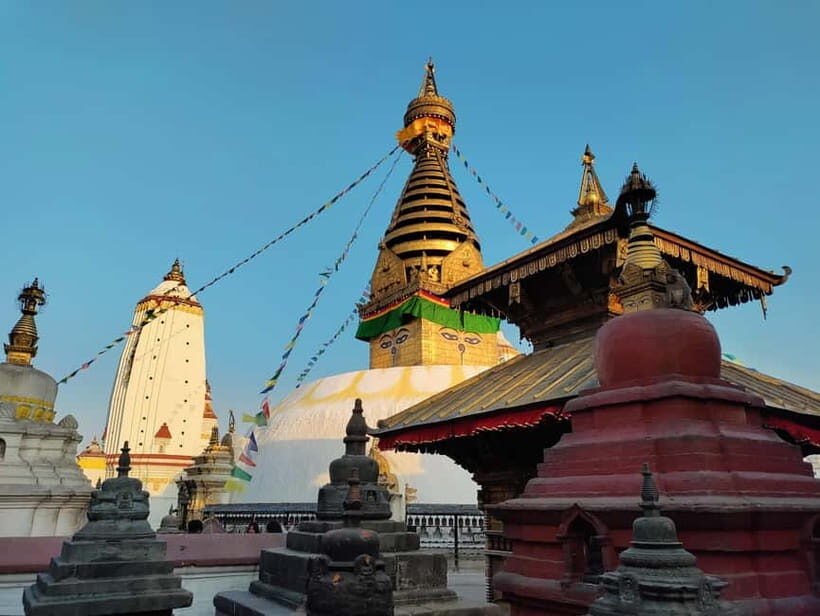
The first major stop is Swayambhunath, commonly called the Monkey Temple, perched above Kathmandu. Even if you’ve seen temple photos before, the approach up to the stupa changes the mood. You go from city noise to something more meditative once you’re near the complex.
What I like here is how the guide frames the place. You’re not just looking at a famous landmark. You learn about Buddhist culture and history tied to the stupa—then you notice the details yourself: the prayer flags, the chanting you might hear, and the way worshippers move through the space.
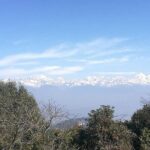
Swayambhunath is also a built-in viewpoint. From up there, you get a sense of Kathmandu Valley spread below. The city looks different when you’re higher—less like traffic and more like a map of neighborhoods, hills, and heritage areas.
Practical tip: go with the expectation of a few changes in atmosphere. You’ll be in a high-visitor area, but the stupa zone itself often feels calmer. Keep your phone handy, sure, but don’t let photos replace observation. The best moments tend to be the ones you slow down for.
Kathmandu Durbar Square: temples, woodwork, and a window for Kumari
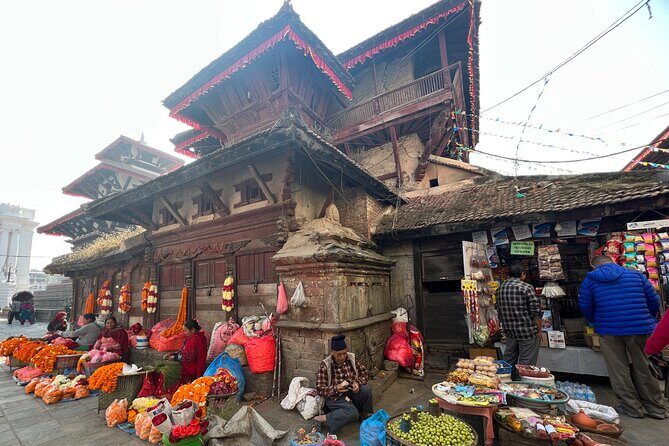
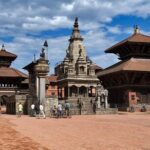
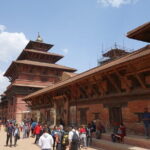
Next comes Kathmandu Durbar Square, a UNESCO World Heritage site where older Kathmandu still shows up in architecture and daily tradition. The key thing here is density: you don’t just see one temple. You move through a cluster of sacred spaces where carvings and iconography tell the story.
Your guide walks you through what you’re seeing and why it matters. This is where the tour becomes more than a checklist. You learn about the symbolism behind the sites and you get context for the major figures associated with the square.
One of the biggest moments is the chance to see the Kumari, the Living Goddess of Nepal, at her window. That sight is the kind of experience people remember because it feels both ceremonial and real—like something the city is continuing to observe, not just something staged for tourists.
You’ll also hear about sacred icons such as Kal Bhairav and Swet Bhairav. If you’re the type who normally skips explanations, don’t here. Those names help you read the space instead of just scanning for the most impressive building.
Timing note: the Durbar Square portion is guided and focused, so you’ll get meaning without spending half the day trying to decode it yourself. It’s a good match for a five-hour tour.
Asan Market lanes: spices, grains, and what people actually buy
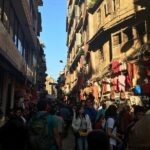
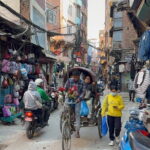
After temples, the tour swings to the streets at Asan Market. This stop is a real-life Kathmandu contrast: trading and buying, everyday errands, and the scents of spices and food ingredients that feel instantly familiar even if you’ve never cooked Nepali before.
Asan is especially useful when you want to understand culture through shopping. Traders have sold staples here for generations—spices, grains, traditional goods—and the market shows you what households and businesses depend on.
Your guide helps connect the dots between what you see and what you’ll eat later. That makes the market more than a photo walk. You notice details: piles of goods, different types of packaging and wares, and the mix of people who come here with specific needs.
You’ll also have some free time for browsing and shopping. If you want small souvenirs, this is often a better place to look than tourist-only streets because you’ll see what’s traded locally, not just what’s packaged for travelers.
One more point: markets can overwhelm your senses. If you’re sensitive to crowds, keep your pace steady and use the guided moments as anchors. Your guide’s job is to keep you moving without losing context.
The food tasting plan: what you’ll eat and how not to overdo it
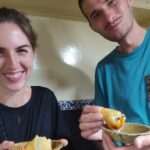
This is where the tour earns its keep. The food is not random street snacking; it’s a structured tasting list, and it’s included. You get to sample multiple Nepali specialties, with the idea that you can eat as much as you like during the tasting portion.
Here’s what you can expect to try:
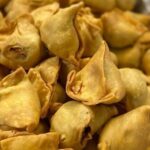
- MoMo (Nepali dumplings)
- Newari Samaybaji (a ceremonial platter with beaten rice, marinated meat, fried eggs, and pickles)
- Yomari (sweet steamed dumpling filled with jaggery)
- Bara (savory lentil pancake)
- Chatamari (rice flour crepe, often called Nepali pizza)
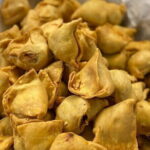
- Gwaramari (crispy fried bread)
- Indrachowk lassi (a refreshing drink to balance the flavors)
The smartest approach is to taste, then pause. With several items on the list, it’s easy to stack too much at once—especially if you’re enjoying everything. I’d recommend taking small bites first, then going back for the items you like most.
Also, don’t ignore the drink. The lassi helps with richness and spice levels across the dishes, so you can keep enjoying bites instead of bouncing out early.
Good to know: entrance fees, local food, and a bottle of drinking water are part of the package. That’s real value on a short day because you aren’t doing mental math at each stop.
You can also read our reviews of more tours and experiences in Kathmandu

Guide and comfort matters more than you think in Kathmandu
This is a private group experience with an English-speaking guide, which is a huge advantage in Kathmandu. Even when you’re excited, navigating names, meanings, and temple details on your own can turn into stress fast.
What you gain with a guide like Rajan is not just facts—it’s flow. The day moves from stupa to Durbar Square to market streets with explanations that help you see what you’re looking at. That’s why the tour works so well for first-timers: it reduces the guesswork.
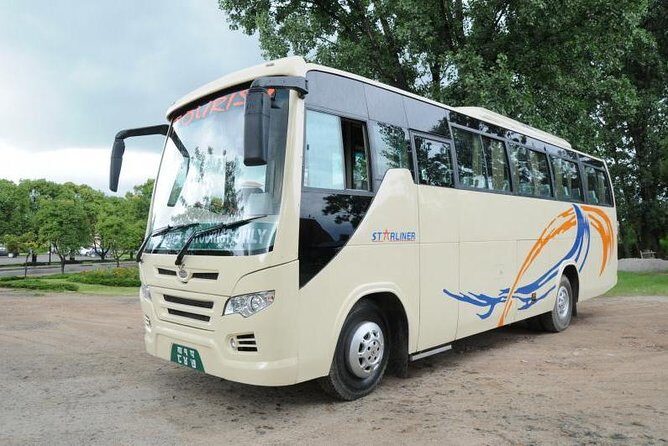
You also get transportation included, plus pickup and drop-off options in Thamel or Kathmandu. For a five-hour window, that matters. You keep your time focused on the experiences rather than spending it in transit.
In the reviews I’ve read, the guide’s flexibility is mentioned as a plus. That’s worth taking seriously: if something changes on the ground—crowds, timing at the square, or simple comfort needs—having a guide who can adjust makes the experience feel less rigid.
Price and value: is $64 per person a smart deal?
At $64 per person, this tour is priced like an efficient half-day. You’re paying for several things at once:
- entrance fees for the heritage sites
- guided time at Swayambhunath and Kathmandu Durbar Square
- a guided walk through Asan Market
- a planned local food tasting spread
- transportation, plus a bottle of drinking water
- government taxes
On a short trip, that bundle is what you should look for. The alternative is piecing it together yourself: guide fees, entrance costs, food stops, and transport all add up quickly, often with more uncertainty about what you’re actually eating.
Private group also affects the value. Even if you’re traveling solo, you’re not squeezed into a large group where you struggle to hear context. You can ask the questions that make the day stick.
If you’re only in Kathmandu for a day, this is a strong use of time. If you have multiple days, it can still be great as an orientation-style heritage + food intro.
Should you book this Kathmandu UNESCO and food tasting tour?
Book it if you want:
- a focused heritage day without complicated planning
- a chance to see Kumari during the Durbar Square stop
- a real food tasting list that saves you from indecision
- an English-speaking guide who explains what you’re seeing
- pickup and drop-off from Thamel or Kathmandu
Skip it if:
- you prefer long solo time in places, with no schedule pressure
- you want a deeper, multi-day temple-only itinerary instead of a mix of heritage and market life
- you don’t want to walk at all in crowded areas
If you like doing Kathmandu in a smart, bite-sized way, this is a very solid choice. And if flexibility matters, you’ll also like that free cancellation up to 24 hours in advance is available, plus reserve now and pay later.
FAQ
What’s the duration of the Kathmandu UNESCO Heritage Tour with Local Food Tasting?
The tour lasts 5 hours.
How much does the tour cost?
It costs $64 per person.
Where do you get picked up?
Pickup is available from either Thamel or Kathmandu.
Where do you drop off at the end?
Drop-off is available in either Thamel or Kathmandu.
Which places does the tour include?
You’ll visit Swayambhunath Stupa, Kathmandu Durbar Square, and walk through Asan Market.
Is the guide English-speaking?
Yes, the tour includes a live English-speaking guide.
What food is included in the tasting?
Food tastings include MoMo, Newari Samaybaji, Yomari, Bara, Chatamari, and Gwaramari, plus Indrachowk lassi.
What’s included in the price, and what’s not?
Included are entrance fees, local food, an English-speaking guide, transportation, drinking water, and government taxes. Personal expenses are not included.