REVIEW · KATHMANDU
4 UNESCO City Sightseeing in Kathmandu
Book on Viator →Operated by Epic Adventures Pvt. Ltd. · Bookable on Viator
Four UNESCO sites, one Kathmandu day. This is a smart way to see the big names of the UNESCO sites in the Kathmandu Valley without losing hours to routing and timing, and it does it in an small-group setup. You get a guide who explains what you’re looking at, so the day feels like more than just checking boxes.
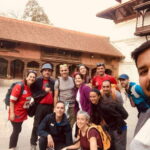
I loved the pace and the clarity from our guide, Saru, who was both friendly and compassionate while keeping the cultural context grounded and useful. One thing to plan for: admission tickets and lunch are not included, so you’ll want a bit of extra cash beyond the $50.50.
With pickup and drop-off from your hotel, plus a private, air-conditioned vehicle, this works well even when Kathmandu traffic and distances could otherwise slow you down. The group size stays small (maximum 15), and you’ll use a mobile ticket, which cuts down on last-minute paperwork.
In This Review
- Key things I’d circle before you go
- Why this Kathmandu UNESCO day plan works when time is short
- Kathmandu Durbar Square: royalty, power, and a 12th-century centerpiece
- Swayambhunath Stupa: a hilltop viewpoint with a long legend
- Pashupatinath Temple: one of Shiva’s most sacred anchors
- Boudhanath Stupa: Tibetan Buddhism’s major center in Nepal
- Getting between sites without wasting your day
- Price and value: what $50.50 buys you (and what it doesn’t)
- Guide quality is the difference between seeing and understanding
- Who this tour suits best (and who might want something else)
- Tips to make the most of the day
- Should you book 4 UNESCO City Sightseeing in Kathmandu?
- FAQ
- What UNESCO sites are included in the Kathmandu tour?
- How long does the sightseeing take?
- Is hotel pickup and drop-off included?
- Are admission tickets and lunch included in the price?
- What’s the group size limit?
- How does cancellation work?
Key things I’d circle before you go
- Four major Kathmandu Valley UNESCO sights covered in about 6–7 hours
- Hotel pickup and return plus private air-conditioned transport
- Max 15 people, which keeps questions and attention easy
- Saru’s guide style: warm, knowledgeable, and focused on meaning
- Tickets and lunch not included, so budget a little extra up front
Why this Kathmandu UNESCO day plan works when time is short
Kathmandu’s top heritage sites are spread across the valley, and going solo can turn into a logistics puzzle: where to start, how to sequence the sites, and how to avoid burning the day just getting around. This tour solves that by bundling the most important places into one guided route, with comfortable transport between stops.
I like tours that trade stress for structure. Here, the structure is simple: you move between four standout sites, and each one gets a focused visit rather than a quick pass-and-photos kind of outing. The total experience runs about 6–7 hours, which is long enough to feel satisfying but not so long that you’re completely wiped out.
The small-group size matters. When the group stays under 15, you’re not just another body in line—you can actually hear the guide, ask a question, and adjust your own pace without holding up everyone.
You can also read our reviews of more city tours in Kathmandu
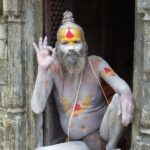
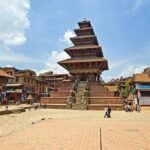
Kathmandu Durbar Square: royalty, power, and a 12th-century centerpiece
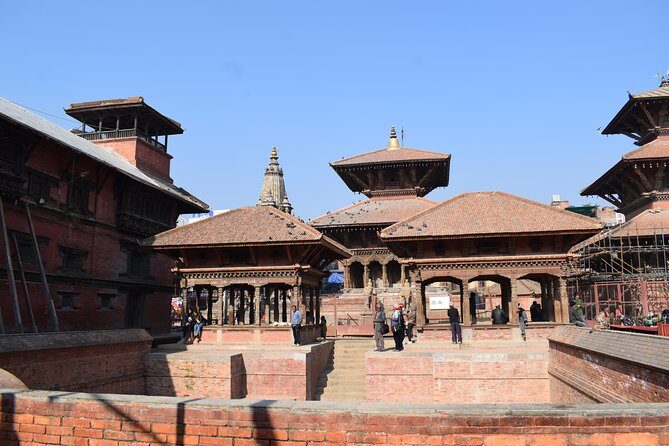
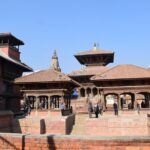
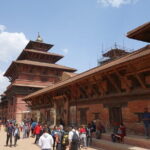
Your day begins at Kathmandu Durbar Square, a historic complex that once served as the royal palace of the Malla kings and later the Shah dynasty. It dates back to the 12th century, so even if you’re not a “dates and dynasties” person, the scale and age of the place makes the story feel real fast.
This isn’t just one building. It’s a whole heritage complex that historically functioned as a seat of power—where major political and ceremonial moments took place. A good guide does something important here: they help you connect the carvings, courtyards, and monumental layout to what these spaces were for.
The visit is allotted about two hours, which gives you room to slow down. This is also where you’ll likely see the strongest contrast between “this is ancient” and “this is still a functioning part of the city’s identity.” It’s an open museum feel, in the best way.
Practical note: the admission ticket isn’t included for this stop, so you should expect an additional cost at entry. Also, plan for some walking and standing while you take in the details—this is a heritage site built for centuries of foot traffic.
Swayambhunath Stupa: a hilltop viewpoint with a long legend
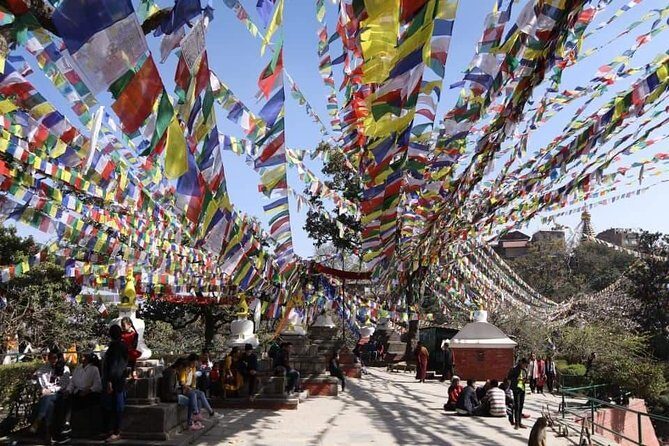
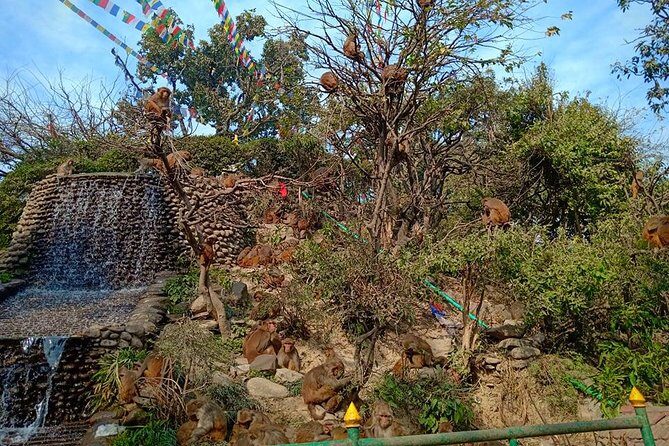
Next comes Swayambhunath Stupa, a hilltop site believed to be founded over 2,000 years ago. There’s a famous legend tied to its origin—one involving a lotus flower—and that kind of story is exactly the sort of cultural context a guide helps you make sense of while you’re there.
This stop runs about one hour, which is a reasonable amount of time for understanding the place and soaking in its atmosphere without feeling rushed. Because it’s a hilltop, it’s also a natural “reset” moment: you shift from a palace complex into a religious vantage point that changes how you think about the city’s geography.
What I like most about a guided visit at Swayambhunath is how the guide connects legend to lived religion. Instead of treating the stupa like a postcard, you start understanding it as a landmark people return to again and again, generation after generation.
Just like Durbar Square, admission tickets are not included here. You’ll want to keep a little budget aside for entrances so the day stays easy instead of becoming a mid-tour financial scramble.
Pashupatinath Temple: one of Shiva’s most sacred anchors
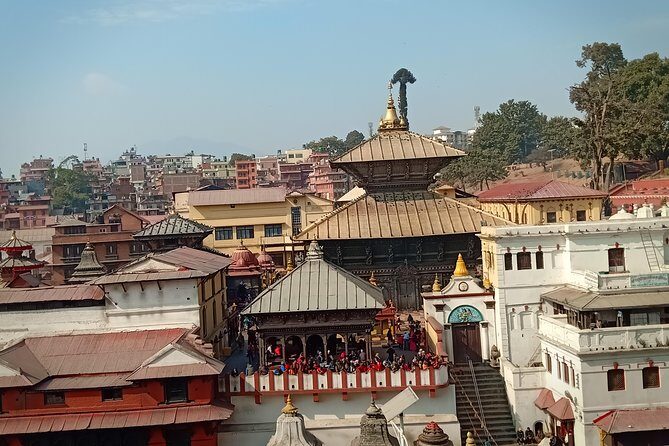
Pashupatinath Temple is dedicated to Lord Shiva and dates back to 400 A.D., which is why it’s often described as one of the oldest and most sacred Hindu temples in the world. It later underwent major rebuilding in the 17th century by King Bhupatindra Malla, giving the temple a layered timeline—ancient roots plus later restoration.
This stop is about one hour, and that’s enough time to grasp why the site draws devotion from far beyond Nepal. A guide’s job here isn’t to lecture you; it’s to explain what you’re seeing and what matters inside a religious setting—so you can behave appropriately and interpret the scene with more confidence.
A practical consideration: Pashupatinath is a working, living temple environment. You’ll want to move calmly and follow any directions given on-site. Even if you don’t know the religious traditions in advance, a good guide helps you understand what to focus on and how to keep your visit respectful.
As with the other major stops, admission tickets aren’t included. If you’re budgeting tightly, this is one of the stops where it’s worth knowing you’ll likely pay an entrance fee.
Boudhanath Stupa: Tibetan Buddhism’s major center in Nepal
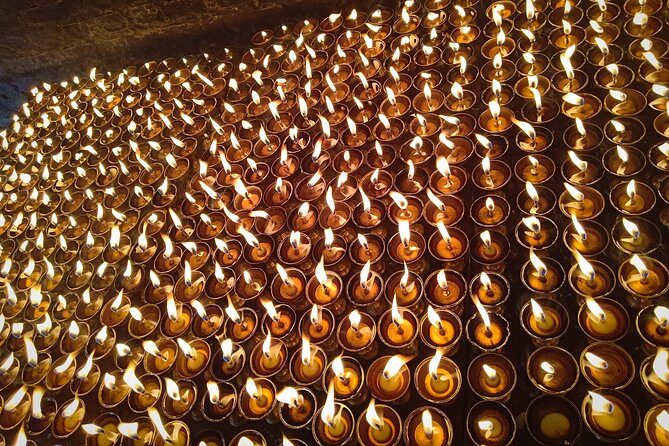
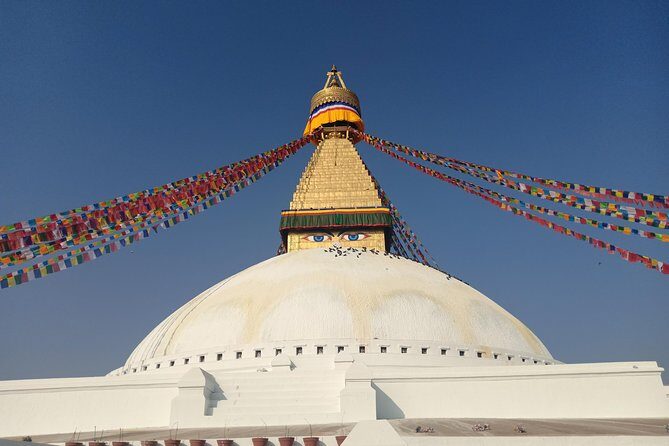
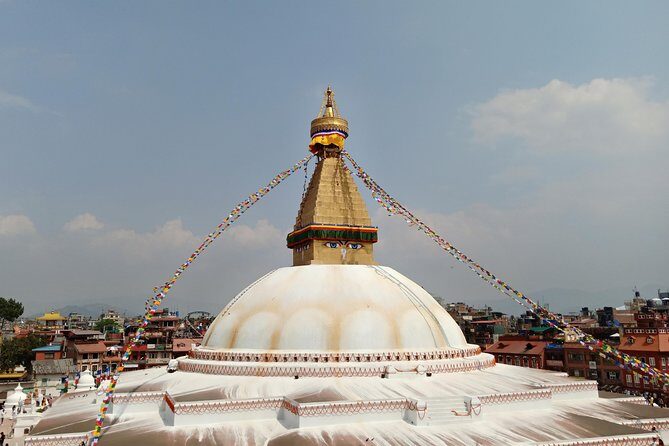
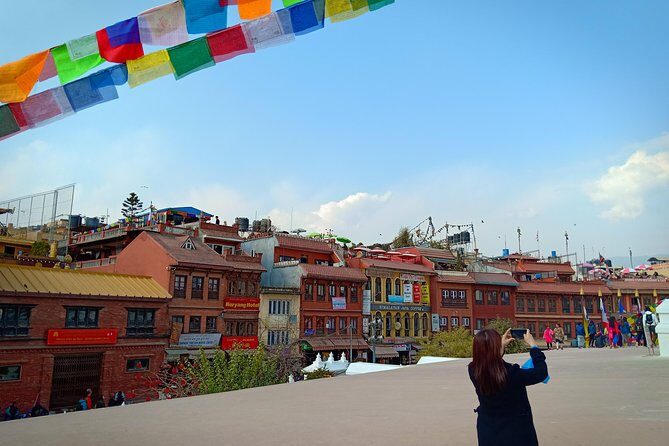
Boudhanath Stupa rounds out the day, and it’s one of the most recognizable stupa silhouettes in Kathmandu. It was built in the 5th century after the Mughal invasions and later became a key center for Tibetan Buddhism after refugees fled to Nepal. The stupa’s history is tied to movement—political upheaval, displacement, and community-building.
It’s also described as one of the largest stupas in the world, which instantly explains why this is such a major pilgrimage and cultural anchor. Your visit here is about one hour, and that time is usually best spent on orientation: understanding what makes the site important and how the Tibetan Buddhist community shaped its role in Kathmandu.
A guided stop helps because it turns scale into meaning. Instead of just admiring size, you start understanding why this particular stupa became central and how history links to current religious life.
Admission tickets aren’t included for this stop either, so again, plan for that extra out-of-pocket cost.



Getting between sites without wasting your day
The tour uses a private vehicle and includes air-conditioning, which matters more than it sounds when you’re moving across a big city in real traffic conditions. You’ll get round-trip transfer from your hotel, so you’re not spending your morning figuring out transport or getting split up by a chaotic meeting point.
Comfort is also part of why the experience feels good for a first visit. In one day, you go from Durbar Square to a hilltop stupa to a major Shiva temple to a giant stupa tied to Tibetan Buddhism. That’s a lot of “change of setting,” and a comfortable ride makes the switches easier.
Time-wise, the stops are varied: about two hours at Durbar Square, then about one hour at each of the other three sites. That pacing is realistic. It prevents the day from being dominated by one location, while still giving Durbar Square enough time to matter.
Group size stays capped at 15. In practice, that means you can ask questions without turning the visit into a long, one-person conversation. You also tend to get more attention from the guide than you would on a busier, larger-group format.
Price and value: what $50.50 buys you (and what it doesn’t)
At $50.50 per person, this tour is priced like a practical sightseeing package: you’re paying for guided visits, private transportation, and hotel transfers—not just for the destinations themselves. The value is strongest if you want four UNESCO sites covered in one day without building a route from scratch.
What’s not included is also key. Admission tickets aren’t included for the stops, and lunch isn’t included either. That means the true total you spend depends on your entry fees and what you choose to eat.
Still, the overall value holds for a lot of people because you’re getting:
- a professional guide
- private transportation (not shared shuttles)
- air-conditioning
- round-trip pickup and drop-off
- a structured route across distances that are tough to manage independently
Another small detail that affects value: tours like this are commonly booked ahead. On average, it’s booked about 28 days in advance. If your dates are tight, it’s smart to plan early so you don’t end up doing a scramble for a different time slot.
Guide quality is the difference between seeing and understanding
The best part of this experience isn’t just the sites—it’s how they’re explained. In particular, our guide Saru stood out for being excellent at sharing cultural background while also being friendly and compassionate. That kind of guide presence changes how you experience religious places: you don’t just look, you understand why people care.
You also get in-depth context that helps each stop connect to the others. For example, when you learn what Durbar Square meant as a seat of power and then shift to the sacred function of Pashupatinath, the day becomes a story about Kathmandu’s religious and historical layers—not a list of monuments.
If you enjoy asking questions, a small group helps you do that without feeling like you’re disrupting a timetable. And if you prefer a quieter experience, the guide can still help you read the spaces without turning everything into a lecture.
Who this tour suits best (and who might want something else)
This is ideal if you’re visiting Kathmandu for the first time, or if your schedule is short and you want the biggest heritage hits without stretching your day into a complicated DIY plan. It’s also a good fit if you prefer structure: four stops, clear pacing, and transport handled.
You’ll likely appreciate it if you enjoy cultural context and want your guide to connect history, religion, and place. The day is built for that kind of sightseeing.
On the other hand, if you know you want to linger much longer at a single site, or if you dislike guided time limits, this might feel a bit tight. The stops are set (with defined durations), and you’re moving fairly steadily across the valley.
Tips to make the most of the day
This isn’t a tour where you can treat every stop like a separate vacation. The winning strategy is to treat it like a curated circuit: show up ready to focus, and use the hour allocations well.
A few practical things to keep the day smooth:
- Bring extra cash or payment options for entrance tickets since they’re not included.
- Plan to eat on your own since lunch isn’t included.
- Wear footwear that works for heritage-site walking and standing.
- Use the hotel pickup so you can relax before the sightseeing starts.
Also, don’t be shy about asking your guide what to look for at each site. When the guide has time to explain, you’ll often understand more in 10 minutes than you would have from an hour of reading on your phone.
Should you book 4 UNESCO City Sightseeing in Kathmandu?
If you want a high-value day that covers Kathmandu’s most important heritage landmarks without messing around with transport logistics, I’d book this. The combination of private air-conditioned transport, hotel transfers, a small group capped at 15, and an attentive guide like Saru makes it a genuinely efficient way to see a lot and understand more.
Book it especially if you’re visiting for the first time and want to get your bearings fast. Just make sure you budget for entrance fees and lunch, because those are the main extras you’ll handle yourself.
If your travel style is slow and highly independent, or if you already know you want to spend a lot of time at only one or two places, you might prefer a longer, single-site-focused plan. For most people juggling limited time, this one-day UNESCO circuit is a strong call.
FAQ
What UNESCO sites are included in the Kathmandu tour?
The tour covers Kathmandu Durbar Square, Swayambhunath Stupa, Pashupatinath Temple, and Boudhanath Stupa.
How long does the sightseeing take?
It runs about 6 to 7 hours.
Is hotel pickup and drop-off included?
Yes. You get round-trip transfer from your hotel, and you’ll also be dropped back after the tour.
Are admission tickets and lunch included in the price?
No. Admission tickets and lunch are not included.
What’s the group size limit?
The tour has a maximum of 15 travelers.
How does cancellation work?
Free cancellation is available up to 24 hours in advance for a full refund. Cancel less than 24 hours before start time, and you won’t get your money back.