REVIEW · KATHMANDU
Kathmandu: Traditional Momo Making Class & Pickup
Book on GetYourGuide →Operated by Kathmandu Cooking Academy · Bookable on GetYourGuide
Momo is the easiest Nepal flex. This Kathmandu momo making class pairs a quick ingredient hunt with real, hands-on dumpling practice. You’ll learn how Nepalis make momo day after day, not just how to follow a recipe on paper.
I love the small group size (limited to 10), because you get personal help while you’re shaping and steaming. I also like the choice of fillings: veggie, vegan, or chicken, plus an option to make regular momos or try soup momo.
One consideration: it runs around the early afternoon (starting at 1 PM and lasting about 1.5–2 hours), so if you want slow pacing and lots of photos, plan to work at class speed.
In This Review
- Key things I’d mark on your mental map
- How the Kathmandu Momo Class Works (2 Hours, Real Food Skills)
- The Ingredient Market Stop: Choosing What Goes Inside Your Momos
- Dough, Filling, and Shaping: Where You Actually Learn Momo
- Steam Time and the Regular vs Soup Momo Choice
- Tasting Session: What You Eat After All That Folding
- Price, Pickup, and Logistics Around Kathmandu (Thamel to the Academy)
- Who Should Book This Momo Making Class (And Who Might Want Another Option)
- Should You Book Kathmandu: Traditional Momo Making Class & Pickup?
- FAQ
- What time does the Kathmandu momo making class start, and how long is it?
- Can I choose veggie, vegan, or chicken momo?
- Does the class offer hotel pickup in Kathmandu Valley?
- Where do I meet for the class?
- Is the instructor teaching in English?
- What should I bring to the class?
- Is this class suitable for children or very elderly people?
Key things I’d mark on your mental map
- Market tour for fresh momo ingredients so you cook with what’s actually used locally
- Hands-on shaping and steaming step by step, even if your first fold feels awkward
- Fillings you can choose: veggie, vegan, or chicken
- Regular vs soup momo option so you learn two serving styles
- Tasting + Nepali masala tea as a payoff while things are still hot
- Optional hotel pickup in Kathmandu Valley for an easier start
How the Kathmandu Momo Class Works (2 Hours, Real Food Skills)
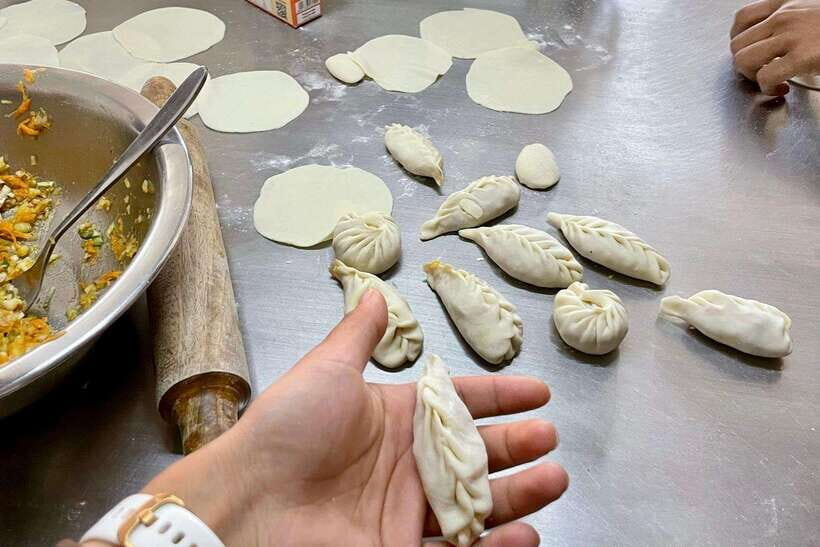
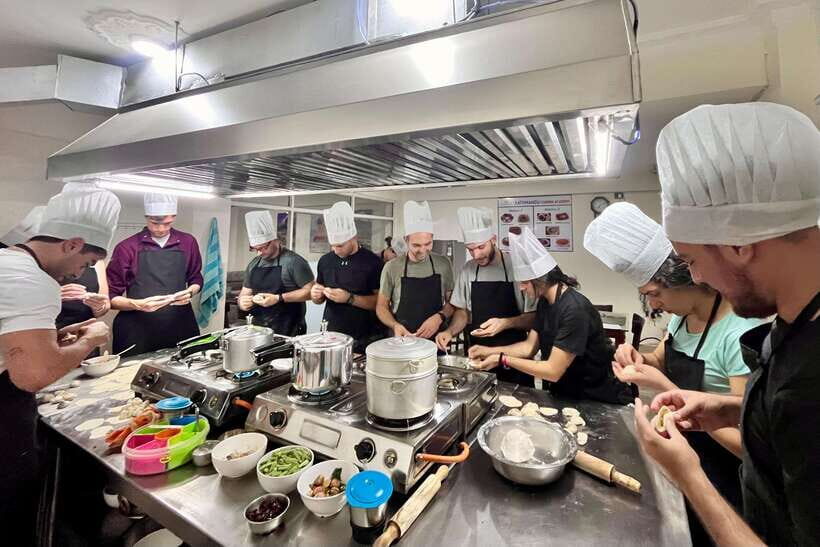
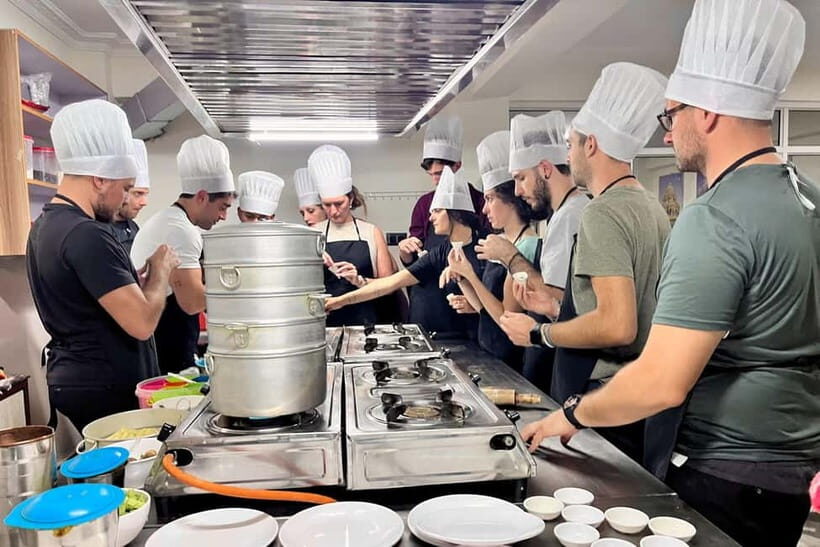
This is a short, practical class designed to get you cooking fast. You spend the time doing the work: dough, filling, shaping, and steaming—then you eat what you make. The focus stays on momo, so you’re not juggling a long menu of random dishes.
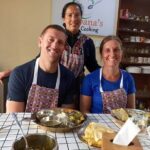
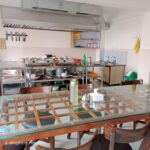
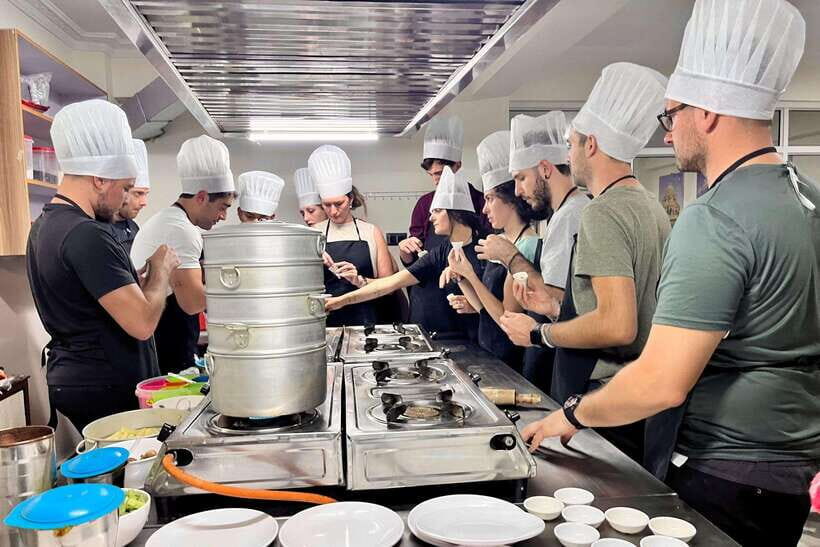
You’ll cook in an academy setup with the right tools and accessories provided, which matters. It means you’re learning technique, not fighting for basic equipment. The class is led in English, and the group is capped at 10, so questions don’t get lost in the crowd.
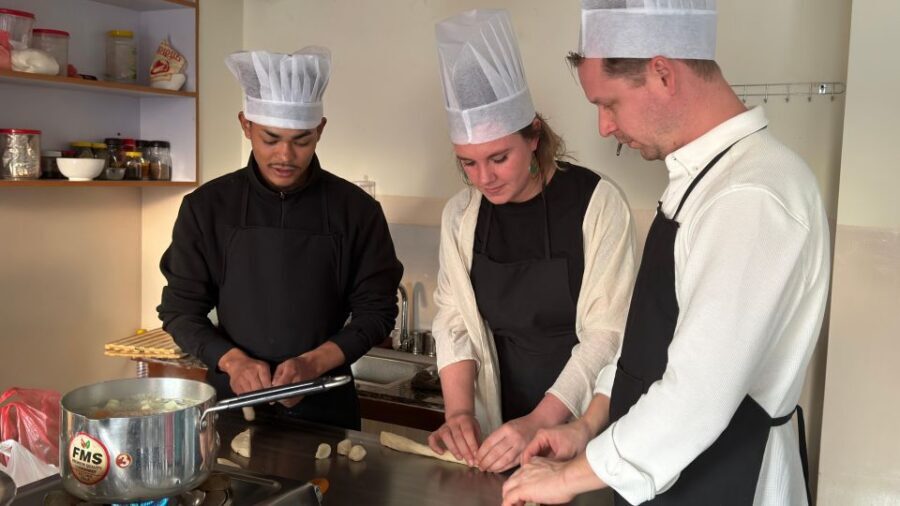
The vibe is straightforward: you’ll see what to do, copy it, and get corrected when needed. In past sessions, instructors like Bikram have been patient with brand-new cooks, including groups spanning ages, which tells me the teaching style is made for beginners.
You can also read our reviews of more tours and experiences in Kathmandu

The Ingredient Market Stop: Choosing What Goes Inside Your Momos
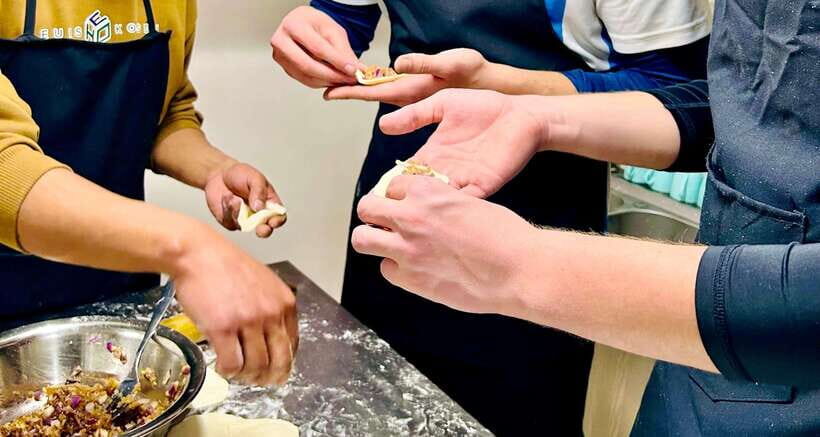
Before you start cooking, you head out for a guided market/shop stop. The goal is simple: pick the fresh ingredients you’ll use for your momo filling.
Why this part is worth it: momo tastes like the filling you build. If you start with good aromatics and properly chosen vegetables (or chicken, if you opt for that), the final dumplings don’t have to work so hard. You’re also seeing how ingredients are chosen in Kathmandu instead of guessing what you’d buy at home.
The market tour is tied to your filling choice (the class notes ingredient selection for veggie or chicken). So if you’re set on vegan or a specific veggie option, tell the organizers ahead of time so the plan matches what you want to cook.
Practical note: if you have dietary restrictions or allergies, flag them early. The class specifically asks you to inform them ahead of time for smoother adjustments.
Dough, Filling, and Shaping: Where You Actually Learn Momo
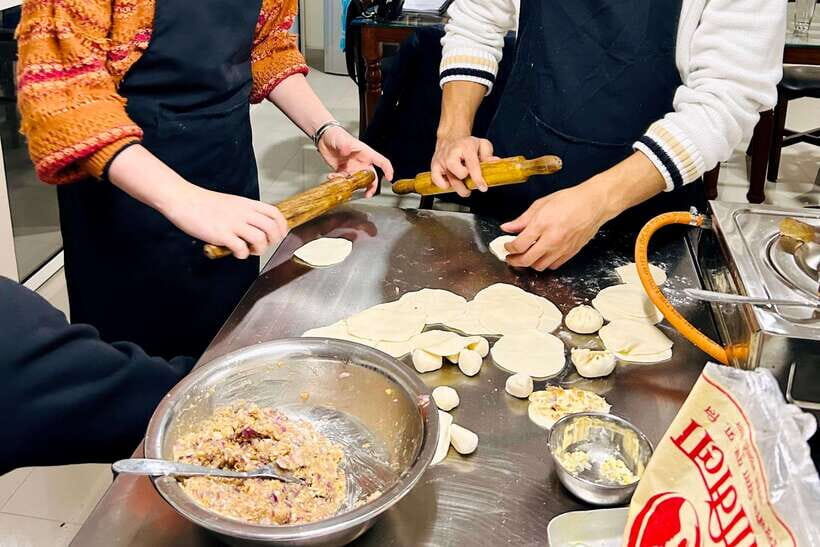
Once you’re back at the cooking space, you move into the core skills. You’ll learn to make momos from scratch, including the dough, how to portion and season the filling, and the hands-on shaping process that turns dough rounds into recognizable dumplings.
This is the part most people worry about. The good news is that the class structure is step by step, so you’re not thrown into full technique from the start. You’ll get guidance as you chop, mix, and shape—then you’ll steam what you make.
Based on the teaching experiences shared by past participants, the instructors’ best skill is pacing you through the tricky bits. Some chefs, including Birfan, have been called out for using fresh ingredients and local recipes and for making the workflow smooth. Even when the momo shape goes sideways at first, the class approach is designed to bring you back to the basics until it clicks.
My advice: treat shaping like a skill drill, not an artistic test. Expect a few uneven edges on your first round. You’re learning the fold and seal, and that improves quickly with repetition.
Steam Time and the Regular vs Soup Momo Choice
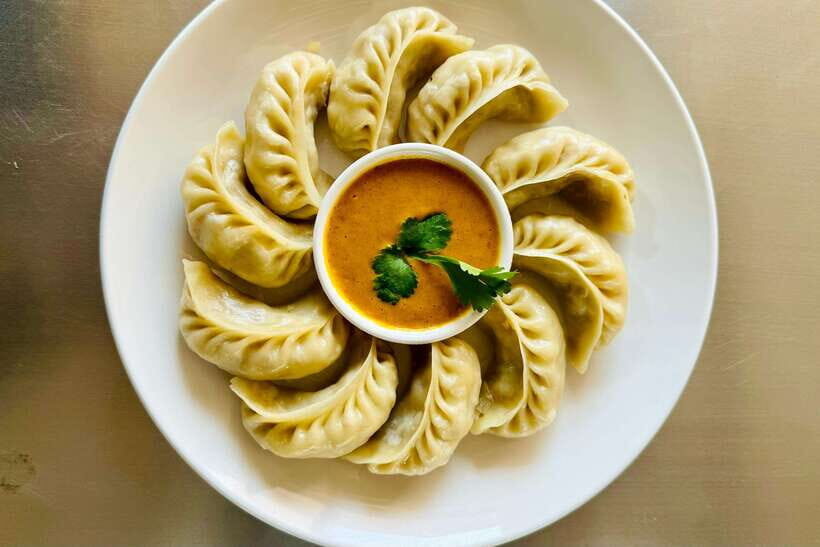
Momos aren’t only about folding. They’re also about how you finish them, and this class gives you options.
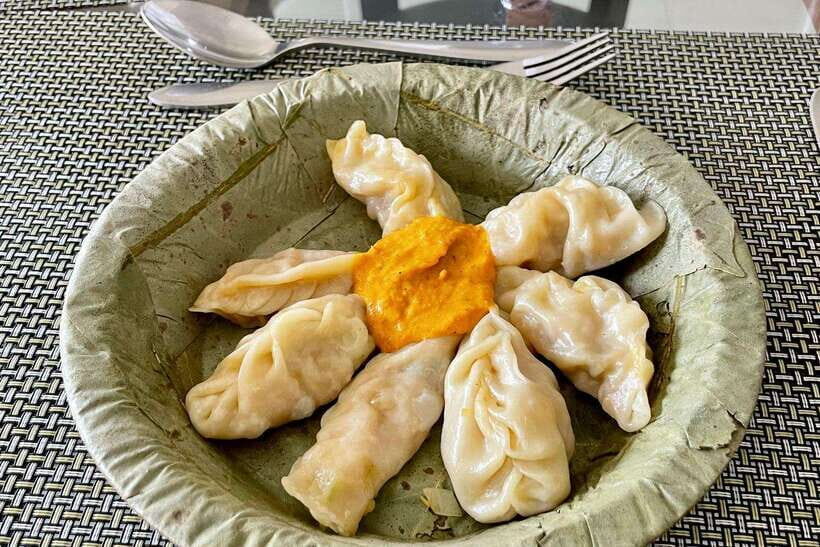
You can make regular momos—the classic steamed dumplings. Or you can go for soup momo, which changes the end result from dumplings you dip to dumplings that play with broth-style serving. That difference is a big part of why momo is so loved in Nepal: the same basic dumpling idea shows up in different forms.
Steaming is where technique turns into texture. If the momo are sealed well, they hold their shape. If the filling is mixed and seasoned properly, you get flavor in every bite. The class keeps you focused on what matters for steam results, since all necessary equipment is provided and you’re working in a controlled teaching environment.
If you’re the type who likes seeing how a dish changes with one twist, soup momo is the sweet spot. It’s a practical way to understand momo beyond one single version.
Tasting Session: What You Eat After All That Folding
At the end, you’ll taste the dumplings you made, while everything is still warm. This isn’t just a token snack; it’s the moment where technique shows up on your plate.
You also get a complimentary cup of Nepali masala tea with the tasting. Tea is a smart pairing here because it cools your palate and gives you a break between bites, especially if you’re tasting multiple momo variations.
One tip I’d give before you arrive: bring a notebook mindset. Some classes provide recipe notes, but you might notice small gaps or mismatches in written instructions. If you want to recreate the flavor at home, jot down how much you used of key ingredients and any adjustments you were taught during class.



Price, Pickup, and Logistics Around Kathmandu (Thamel to the Academy)
The price is listed at $4.00 per person, with the class lasting about 2 hours. For Kathmandu, that’s the kind of low-cost activity where you’re paying for a focused food skill rather than a long guided tour. You also get extra value built in: market ingredient selection, equipment, and the tea and tasting.
Pickup is optional. If you choose it, you’ll get hotel pickup and drop-off within Kathmandu Valley. This is a real time-saver if you’re staying outside the most walkable areas or if you’d rather not navigate streets mid-day.
If you’re going on your own, the academy is about a 10–15 minute walk from Thamel. That’s helpful because Thamel is where most first-timers base themselves. The meeting point is at the Kathmandu Cooking Academy, and you’ll look for a signboard outside a building.
What to bring is simple: a camera. If you plan to photograph hands while cooking, hold your camera low and keep space for the instructor to guide you.
Who Should Book This Momo Making Class (And Who Might Want Another Option)
This class is a strong fit if you:
- Want a hands-on Kathmandu food experience you can complete in a half-day window
- Are curious about Nepali dumplings beyond just ordering them in restaurants
- Like the idea of learning shaping technique, then eating your results right away
- Prefer a small group setting with English instruction
It may be less ideal if:
- You need a fully relaxed, slow-paced cooking experience. The class is scheduled and structured for a 1.5–2 hour finish.
- You’re very sensitive to hands-on work or quick transitions. You’ll be chopping, mixing, folding, and steaming in one run.
Age suitability is also clearly stated: it’s not recommended for children under 5 or people over 95.
If you’re traveling with kids, check ages carefully. One past group experience showed the class can accommodate mixed ages when everyone can participate, but the official guideline still stands.
Should You Book Kathmandu: Traditional Momo Making Class & Pickup?
I think you should book this if your goal is simple: learn how momo is made in Kathmandu, not just how it tastes. The market stop, the step-by-step hands-on shaping, and the choice between regular and soup momo make it feel like you’re getting more than one small “food stop.”
The value stacks up because the class includes everything that usually costs extra in a cooking workshop: guidance, equipment, fresh ingredients selection, and a tasting with masala tea. At $4, the risk is low and the skill payoff is high.
Book it if you want a practical souvenir in the form of a dumpling routine you can repeat. And if you care about your filling style—veggie, vegan, or chicken—message your preferences ahead of time so your class matches the version you actually want.
FAQ
What time does the Kathmandu momo making class start, and how long is it?
It starts at 1 PM and runs for about 1.5 to 2 hours.
Can I choose veggie, vegan, or chicken momo?
Yes. The class offers options for veggie, vegan, or chicken fillings, and you can also choose between regular momos and soup momo.
Does the class offer hotel pickup in Kathmandu Valley?
Yes. Hotel pickup and drop-off within Kathmandu Valley is optional. You’ll need to provide your hotel details in advance if you choose pickup.
Where do I meet for the class?
You meet at the Kathmandu Cooking Academy. It’s roughly a 10–15 minute walk from Thamel, and you should look for the signboard outside the building.
Is the instructor teaching in English?
Yes. The instructor is listed as English.
What should I bring to the class?
Bring a camera.
Is this class suitable for children or very elderly people?
It is not suitable for children under 5 and not suitable for people over 95.