REVIEW · KATHMANDU
Kathmandu: Private City Guided Tour
Book on GetYourGuide →Operated by Green Valley Nepal Treks & Research · Bookable on GetYourGuide
Four UNESCO stops, one easy plan. This private 6-hour loop threads Kathmandu’s Hindu and Buddhist worlds—from Patan Durbar Square to Swayambhunath—with a guide who keeps the story clear and the timing smooth.
I love that you get English-speaking guidance in a private car, so you can ask why places look the way they do, not just what to photograph. I also like the built-in Everest View Hotel stop for a closer look at the mountain, before you head back for lunch; keep in mind monument entry fees and meals are extra since tickets aren’t included.
In This Review
- Key things I’d clock before you go
- How a 6-hour private loop saves you in Kathmandu
- Getting picked up around Kathmandu: fewer hassles, more sight time
- Patan Durbar Square: Newari architecture with a royal spine
- Swayambhunath (Monkey Temple): 2,500 years above the valley
- Boudhanath Stupa: Tibetan devotion in full rotation
- Pashupatinath Temple: Shiva, Bagmati smoke, and cremation reality
- The UNESCO factor: why these stops belong together
- Everest View Hotel stop: a closer look, if weather cooperates
- Lunch and local food: how to make the meal part feel worth it
- Price and what you should budget (so it doesn’t surprise you)
- What to bring, and the tiny details that matter
- Who this tour is best for
- Should you book this Kathmandu private city guided tour?
- FAQ
- What’s included in the Kathmandu private guided tour?
- How long is the tour?
- Do monument entry fees cost extra?
- Where does the tour start and end?
- Which religious sites are visited?
- Is the guide available in multiple languages?
- Is this tour suitable for wheelchair users?
Key things I’d clock before you go
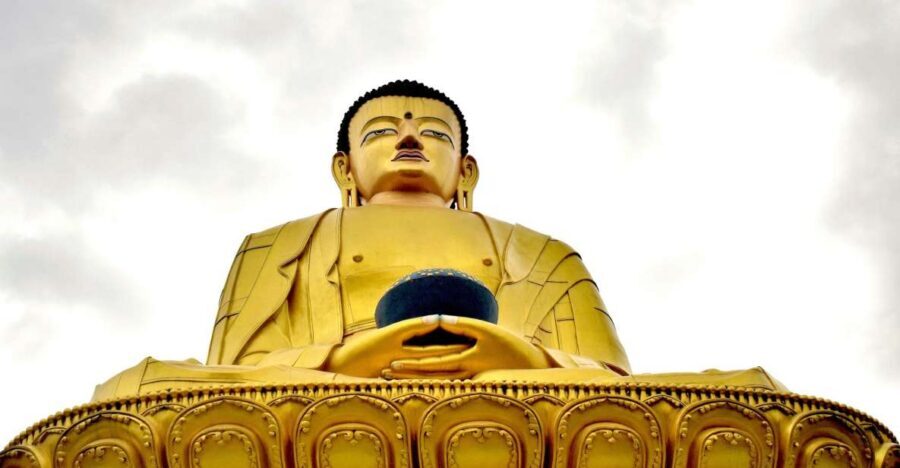
- UNESCO in one compact day: Patan Durbar Square plus major Kathmandu Valley religious sites
- Two Buddhist giants: Swayambhunath and Boudhanath, each with a very different vibe
- Shiva at the Bagmati River: Pashupatinath, where you may witness cremation rituals (strongly cultural)
- Everest View Hotel stop: a chance at closer mountain viewing than most Kathmandu walks offer
- Custom pace in a private group: guides often adjust time based on what you care about
- Bring cash for tickets: monument entry fees are separate, and prices can vary by nationality
How a 6-hour private loop saves you in Kathmandu
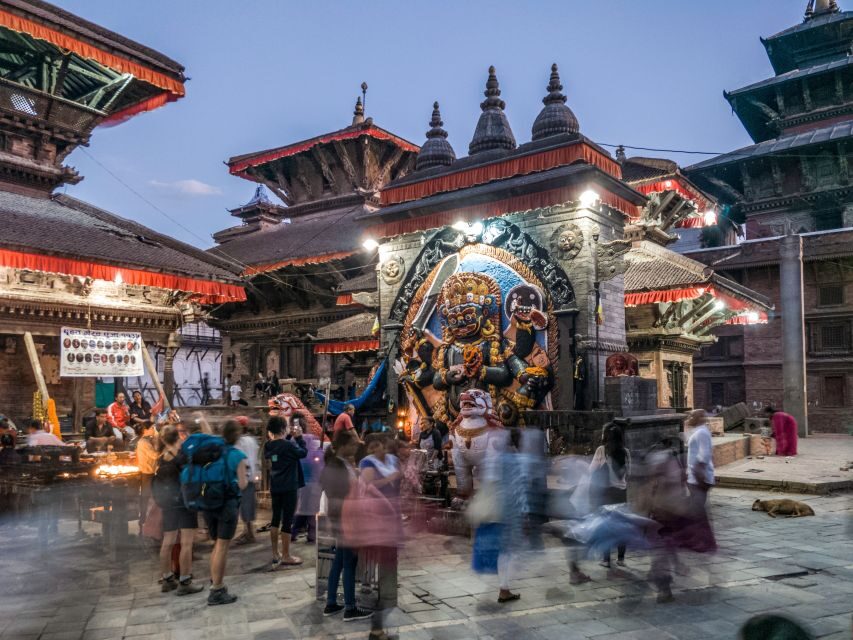
Kathmandu can feel like two worlds at once: loud streets down in the city, and then suddenly silence—prayer flags, painted eyes, smoke from rituals, and stone courtyards that have held meaning for centuries. This tour works because it focuses on the “big anchors” of the Kathmandu Valley story rather than spreading you thin across a long list.
You’re also not stuck on a rigid group schedule. In practice, I like that the guide role is interactive. Guides such as Kapil Pandey and Saru (among others) are repeatedly praised for answering questions and adjusting time so you can linger where you want—like spending longer at a temple, or changing priorities if you’d rather not tackle a lot of steps.
The biggest catch is simple: you’ll pay separate monument entry fees on the spot, and meals aren’t included. That doesn’t make the tour bad value—it just means you should budget for it rather than assuming $40 covers everything.
You can also read our reviews of more guided tours in Kathmandu
Getting picked up around Kathmandu: fewer hassles, more sight time
One underrated win here is convenience. You can choose among several pickup areas—Thamel, Lazimpat, Naya Bazaar, Lalitpur, Boudha, Ekantakuna, and Kathmandu itself—then get dropped back at a matching set of locations. That’s the difference between “I’ll see a lot” and “I’ll lose half my day navigating.”
Transport is private, too, in a sedan, SUV, or minivan based on your group size. Some cars are reported with air conditioning, which matters because Kathmandu days can feel warm even when mornings start cool.
Also plan for traffic. One traveler flagged that real driving time can run longer than apps predict. In a city like Kathmandu, a good guide will build breathing room so you don’t end up sprinting between stops.
Patan Durbar Square: Newari architecture with a royal spine
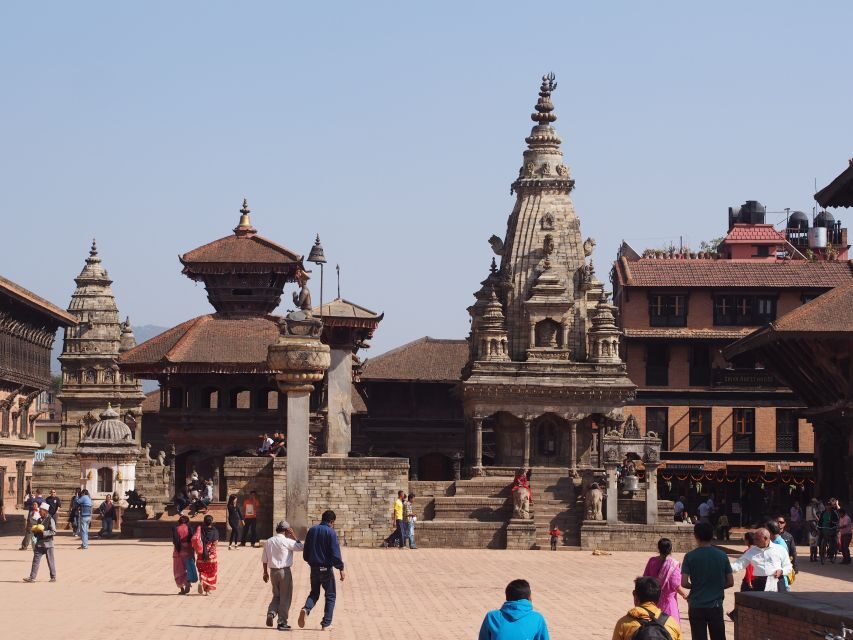
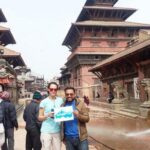
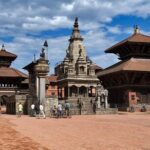
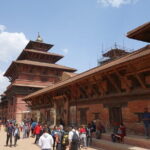
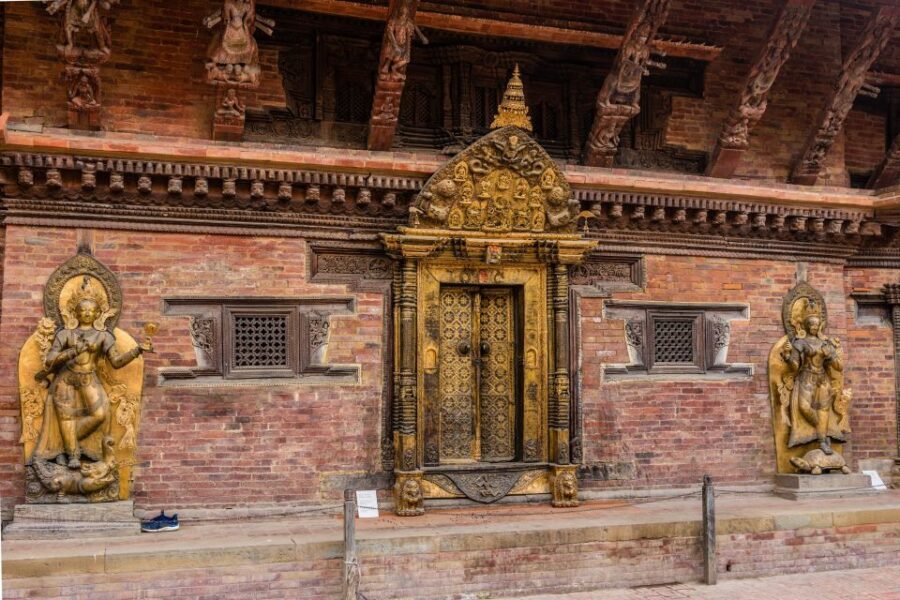
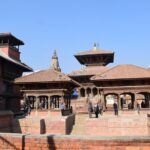
Patan Durbar Square is one of the three Durbar Squares in Kathmandu Valley, and it’s often the most photogenic because the Newari craftsmanship is right there in front of you. This stop centers on Patan’s former royal family legacy, expressed through temples, courtyards, and carved stone detail.
What you’ll specifically notice:
- Krishna Temple with 21 golden pinnacles: it’s the kind of landmark your eye keeps returning to
- Rudra Varna Mahavihar, a Buddhist monastery area housing local treasures
- Mul Chowk, the central courtyard that helps you understand how space was meant for gatherings and everyday movement
A practical thing: Durbar Squares can mean uneven ground and stairs. If you want less stair climbing, tell your guide early. One traveler noted they tweaked the plan to match mobility needs without losing the core experience.
Value for you: this is where the tour connects architecture to local life. You’re not just walking past buildings; you’re learning how Kathmandu’s heritage was designed to function as a living cultural system.
Swayambhunath (Monkey Temple): 2,500 years above the valley
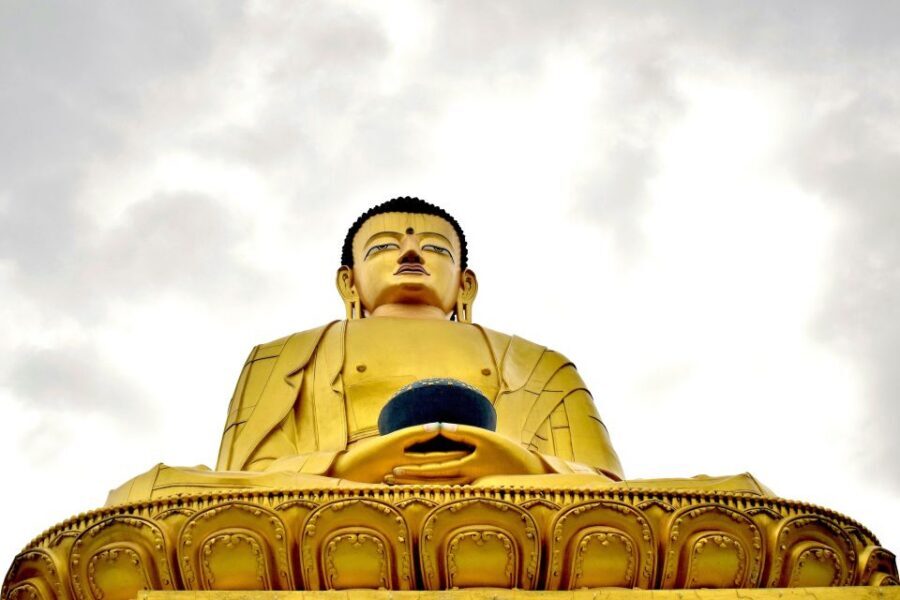
Swayambhunath sits on a hillock about 77 meters above ground level, and that elevation is the point. You get big views over the Kathmandu Valley while also walking through one of the oldest religious complexes in the city.
Key features to look for as you climb in:
- The stupa is about 2,500 years old
- The dome has painted eyes on four sides, often described as the Buddha’s all-seeing symbolism
- The complex includes Buddhist monasteries and a shared-worship element: a temple of Haratima where both Buddhists and Hindus worship
- There are short walks to Manjushree Temple and Anandakuti Bihar, which can add a calmer, less crowded feel depending on timing
Why I think this stop is a must: it’s one of the few places where you feel both the spiritual meaning and the everyday geography of Kathmandu at the same time. You’re seeing the city’s layout from above, while people below live their rituals.
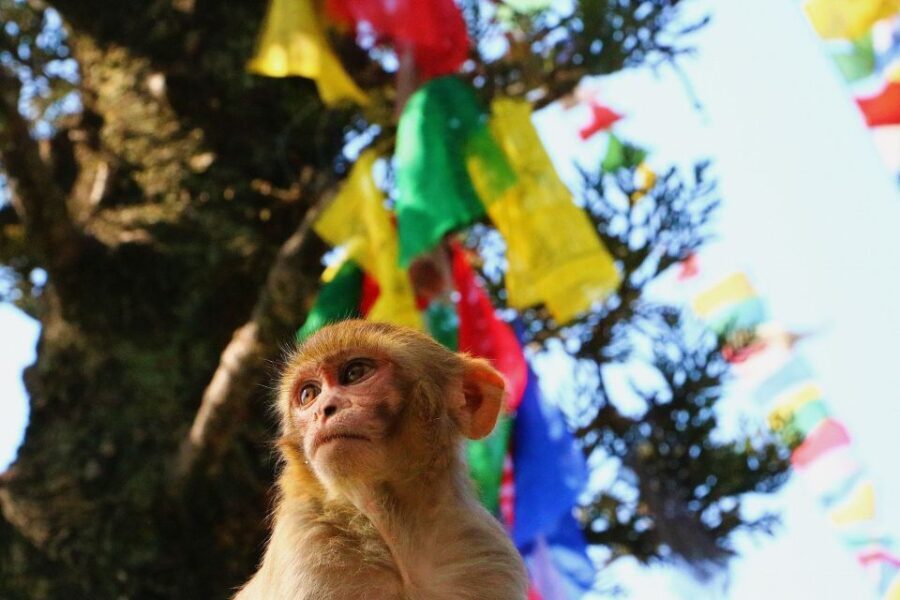
One consideration: the name Monkey Temple is not just a marketing label. There can be monkeys around the area, so keep small items secured and don’t encourage them. Comfortable shoes matter here too because the approach involves steps.
Boudhanath Stupa: Tibetan devotion in full rotation
Boudhanath Stupa is about 6 km east of Kathmandu, and it’s believed to date back to the 5th century AD. This is one of the biggest Buddhist stupas in the world, and the scale hits fast when you finally see the full ring.
What makes this stop different from Swayambhunath is its atmosphere. Swayambhunath gives you hilltop sweeping views; Boudhanath gives you a “ring of ritual.” The stupa is surrounded by Buddhist lamas and monasteries, and Tibetan Buddhists come here in large numbers, especially in winter.
How to enjoy it:
- Watch the stupa area as a working spiritual neighborhood, not a photo backdrop
- Take note of the surrounding monastery vibe—there’s a sense of community activity around the stupa
For your timing: if you’re sensitive to crowds, go with patience. The significance attracts visitors, especially around certain seasons, and the energy can be intense in the best way.
You can also read our reviews of more city tours in Kathmandu
Pashupatinath Temple: Shiva, Bagmati smoke, and cremation reality
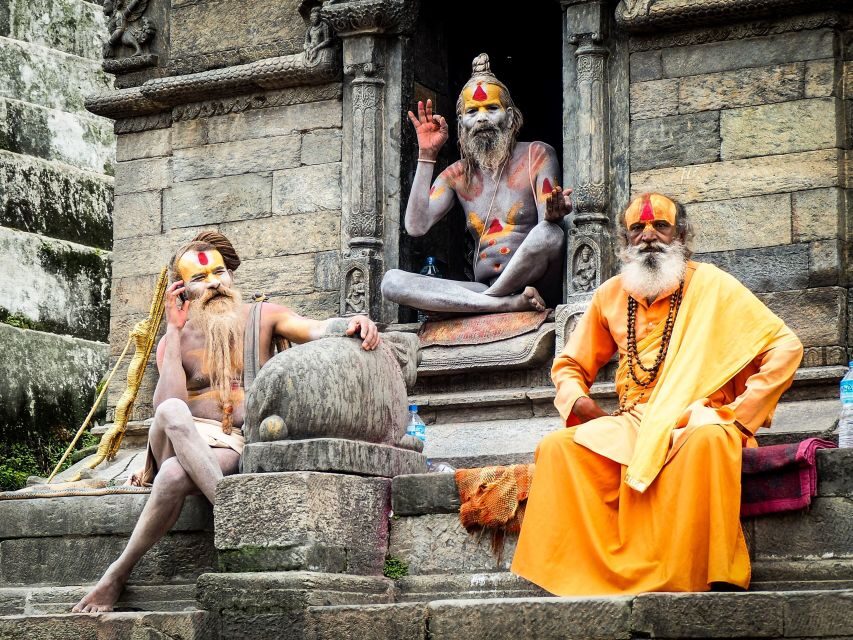
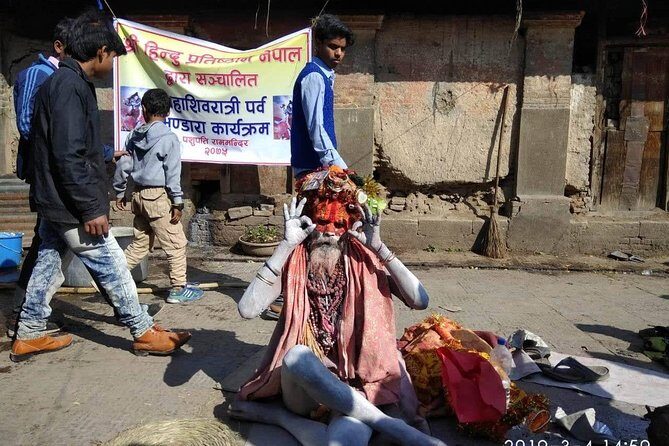
Pashupatinath Temple is dedicated to Lord Shiva and sits about 5 km east of Kathmandu on the Bagmati River. Two golden roofs and four silver doors make it visually striking, but the emotional weight comes from what happens by the river.
This is a major pilgrimage site, drawing tens of thousands of Hindu pilgrims each spring. And along the Bagmati’s banks, you can observe the cremation ritual of Hindus. That’s not tourist theater—it’s a real cultural practice that may involve smoke, chanting, and strong smells.
A key practical point: ask your guide what to expect and whether you’ll be near the cremation activity. One traveler mentioned their guide provided masks due to smoky conditions and explained what was coming so they could choose how close to be. That’s exactly the kind of preparation you want from your guide.
If you might feel overwhelmed by ritual smoke or the subject matter, you’re not wrong to protect your comfort. You can still see the temple’s architecture and understand its role without forcing yourself to stand in uncomfortable conditions.
The UNESCO factor: why these stops belong together
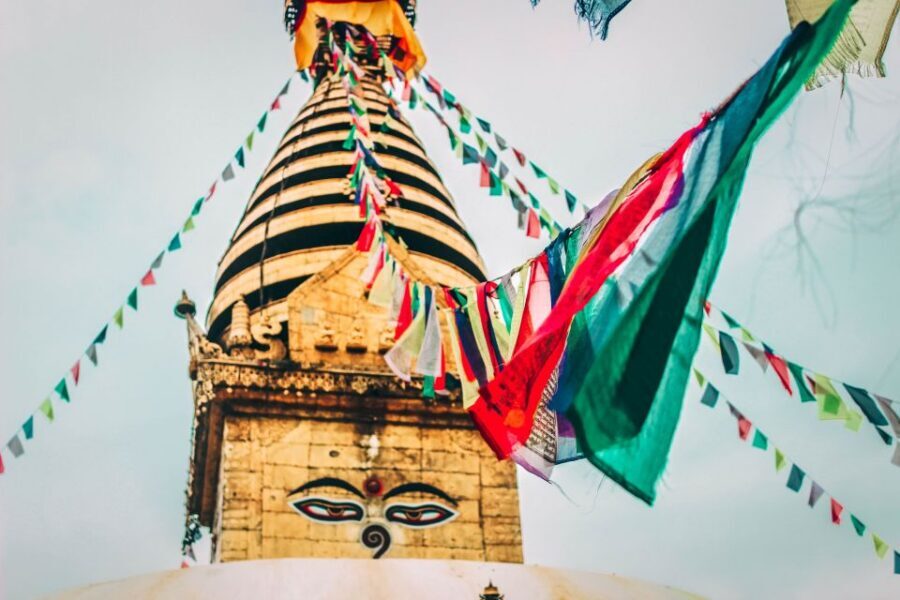
It’s tempting to think of “UNESCO” as just a label. In Kathmandu, it means something more practical. These sites are the clearest places to understand how Buddhism and Hinduism share space, influence art styles, and shape daily movement.
Patan Durbar Square shows Newari royal-era architecture and Buddhist links through areas like Rudra Varna Mahavihar. Swayambhunath gives you a long-running stupa tradition with symbolic eyes and shared worship elements. Boudhanath brings Tibetan Buddhist practice into the mix. Pashupatinath anchors the Hindu pilgrimage story and the real-life Bagmati river rituals.
Seen together in a single day, you start to notice patterns:
- how courtyards and steps create spiritual choreography
- how art and symbolism repeat across different traditions
- how location and view matter, not just the temple itself
That’s why a guided loop is so efficient. You get context fast, then you can decide how much time to spend at each place.
Everest View Hotel stop: a closer look, if weather cooperates
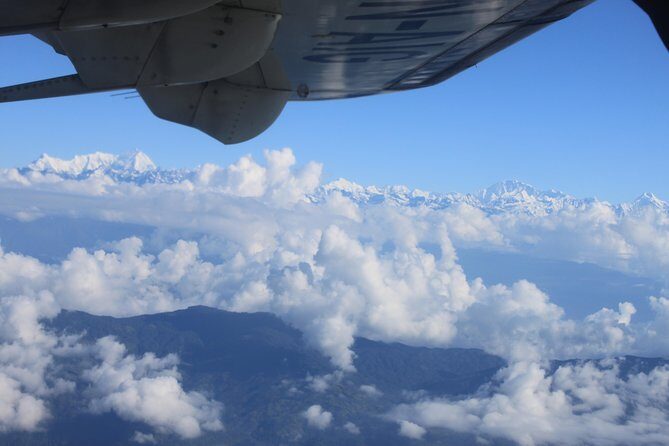
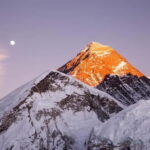
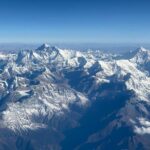
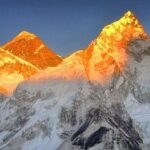
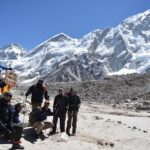
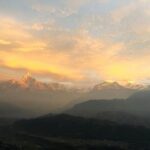
One highlight included with this tour is a stop at Everest View Hotel for a closer look at Mount Everest. The tour notes this as a helicopter stop, which suggests you’ll build in a quick, high-value viewpoint experience rather than just looking from Kathmandu streets.
I treat this as a “time-saving miracle” option. Without a structured plan, it’s hard to fit an Everest viewing experience into a tight Kathmandu schedule. With this tour, you’re getting a dedicated moment aimed at mountain sightlines.
Weather matters here, of course. If visibility isn’t great, ask your guide what you can realistically expect and how long to spend on the viewing side. A good guide will help you make the most of the time you’re given.
Lunch and local food: how to make the meal part feel worth it
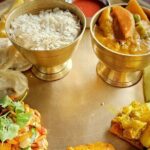
Meals and drinks aren’t included, but the tour is designed to leave room for food. In practice, guides often recommend and take you to a lunch spot that matches the day’s energy.
What I like about this setup: you can choose between a quick sit-down or a longer lunch depending on your pace. One traveler described a rooftop lunch with a view near the Boudhanath area, which is the kind of added value you only get when the guide knows what’s around.
Since you’re eating in Nepal, keep it simple:
- drink water you trust
- pace yourself after temple climbing
- try a mix of savory and sweet dishes if that’s your style
Price and what you should budget (so it doesn’t surprise you)
At $40 per person for a 6-hour private tour, the base price buys you the essentials: hotel pickup and drop-off, a private car, and an English-speaking guide.
What’s not included is where your total will rise:
- Monument entry fees of NPR 2700 per person (about US$22, as listed)
- Meals and drinks
Also note: entry prices can differ for nationals in the South Asian Association for Regional Cooperation countries and Chinese nationals. That means your ticket cost may not be identical to the headline number, so check at the counter before paying.
So is it good value? Yes, if you account for it like this:
- You’re paying for a tight, guided “greatest hits” cultural circuit with private transport
- You’re also saving energy and time versus figuring out each stop solo
- A strong guide is where the value really shows, especially at sites like Pashupatinath where context changes how you experience what you’re seeing
If you’re traveling with a group, or you hate wasting time moving between multiple locations, private guidance usually pencils out well.
What to bring, and the tiny details that matter
Bring:
- Passport or ID card
- Comfortable shoes
- Water
- Cash
- Face mask or protective covering
Those items sound basic, but Kathmandu will remind you quickly why they matter—especially shoes (steps at stupa and temple areas) and cash (tickets on the spot).
For temple respect, you might also want a light covering for your head or shoulders if that helps you feel comfortable. One traveler mentioned using a head scarf out of respect, and it’s a smart, low-effort choice.
One more note: pets aren’t allowed.
Who this tour is best for
This is a strong fit if you:
- have limited time in Kathmandu and want a serious cultural overview in one day
- care about understanding Buddhism and Hinduism through real places, not just facts on a page
- like private pacing, with room to ask questions and adjust time at each stop
It’s less of a fit if you:
- need wheelchair accessibility, since the tour is listed as not suitable for wheelchair users
If you’re the kind of traveler who likes one big orientation day before exploring on your own, this tour can be a great starting point. It gives you the names, symbols, and religious meaning you’ll keep noticing later.
Should you book this Kathmandu private city guided tour?
If your plan is to see Patan Durbar Square, Swayambhunath, Boudhanath, and Pashupatinath without wrestling transport or ticket logistics, I’d say this is a good booking. The private car, English-speaking guide, and the chance to add an Everest View Hotel stop make it feel like more than a simple checklist tour.
Book it if you want context and a steady flow between sites, and you’re okay budgeting extra for entry fees and meals. Skip it (or adjust expectations) if you don’t want to deal with temple steps, or if the Bagmati cremation setting sounds like it may be too much for your comfort.
If you do book, message your guide early about your pace and any sensitivities—especially around Pashupatinath—and bring cash and good shoes. That’s how you turn a “tour day” into a day that actually sticks with you.
FAQ
What’s included in the Kathmandu private guided tour?
The tour includes hotel pick-up and drop-off, a private car, and an English-speaking live guide.
How long is the tour?
It runs for 6 hours.
Do monument entry fees cost extra?
Yes. Monument entry fees are NPR 2700 per person (about US$22) and must be bought on the spot. Meals and drinks are not included.
Where does the tour start and end?
You’ll be picked up from and dropped off at multiple options around Kathmandu, including Thamel, Lazimpat, Naya Bazaar, Kathmandu, Boudha, Ekantakuna, and Lalitpur.
Which religious sites are visited?
The tour includes Patan Durbar Square (UNESCO), Swayambhunath (Monkey Temple), Pashupatinath Temple, and Boudhanath Stupa.
Is the guide available in multiple languages?
Yes. The live guide can work in English, Hindi, and Nepali.
Is this tour suitable for wheelchair users?
No. The tour is listed as not suitable for wheelchair users.