REVIEW · KATHMANDU
Kathmandu: Kailash Mansarovar Yatra Tour 2025
Book on GetYourGuide →Operated by Peregrine Treks and Expedition P Ltd · Bookable on GetYourGuide
Kailash changes your pace fast. This Kathmandu to Tibet tour is built around the Kailash Kora (circumambulation) and the quiet awe of Lake Mansarovar, plus a Nepal warm-up before you cross into Tibetan terrain.
I also really like how the trip balances spirit and logistics. You get temple time in Kathmandu, classic heritage stops, then days focused on sacred space and the Droma La Pass trek—serious altitude, but guided. The main drawback: the high-altitude trek demands real fitness and you should expect weather to mess with plans.
In This Review
- Key highlights you’ll feel on this Kailash Mansarovar Yatra
- Kathmandu to Kailash: why this route feels so different
- Kathmandu Day 1 and the UNESCO run that actually helps
- Patan, Bhaktapur, and Nagarkot: using an easy hike to get your legs ready
- Rasuwagadhi to Kerung: the border drive and why timing matters
- Saga and the run-up to Mansarovar
- Lake Mansarovar: where the trip stops feeling like travel
- Darchen and the start of the Kora: preparing for the walk around Kailash
- Derapuk to Zutulpuk: Kora trekking and what Droma La Pass really means
- Completing the Kora and returning to Saga through Kerung
- Price and logistics: what $4,013 buys you (and what to budget beyond that)
- Guides, group size, and the human support that matters
- Safety, altitude, and the packing list you’ll actually use
- Cultural rules in Tibet: respect, and know what you’re not allowed to carry
- Who should book this, and who should skip it
- Should you book the Kathmandu: Kailash Mansarovar Yatra Tour 2025?
- FAQ
- How long is the Kathmandu: Kailash Mansarovar Yatra Tour 2025?
- What is the group size limit and language of the guide?
- What part of the trip involves Droma La Pass?
- Are porter services or pony hiring included?
- What Chinese visa cost is listed for American, Canadian, and British passport holders?
- Is lunch and dinner included during the Kailash tour?
Key highlights you’ll feel on this Kailash Mansarovar Yatra
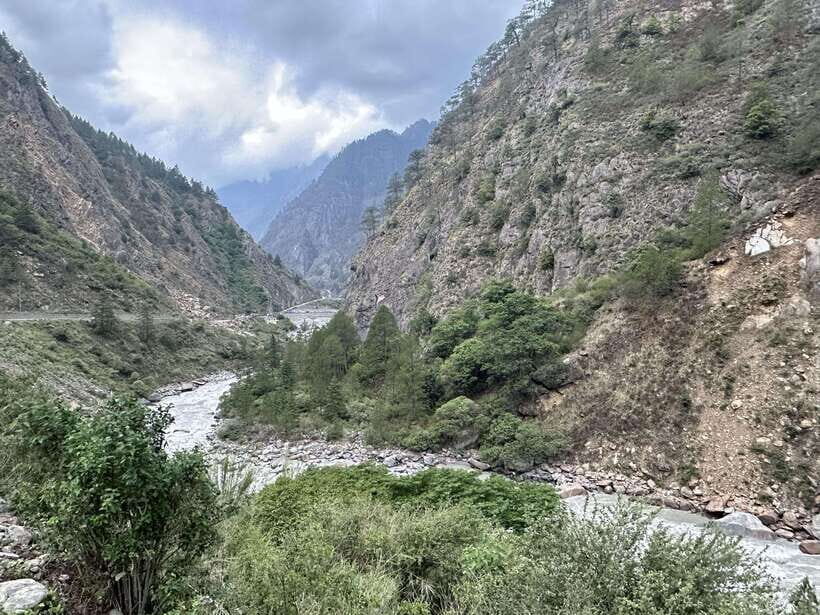
- Kailash Kora on foot with treks to Derapuk and onward through Zutulpuk.
- Lake Mansarovar rituals and lake-front stillness that make the whole effort feel worth it.
- Droma La Pass crossing as the toughest spiritual and physical milestone.
- A Nepal-to-Tibet flow: UNESCO sites first, then Rasuwagadhi, Kerung, Saga, and back.
- Small group size (up to 10) with an English-speaking guide, so questions don’t get lost.
Kathmandu to Kailash: why this route feels so different
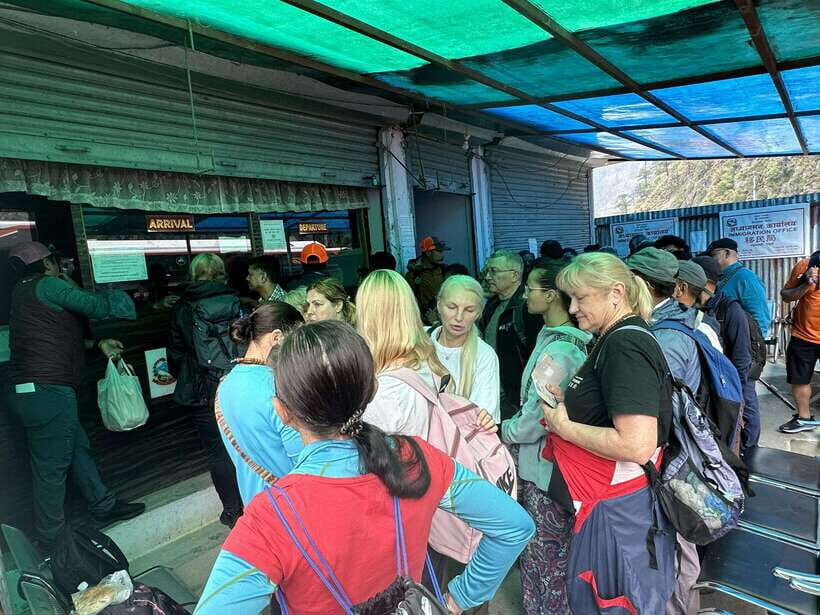
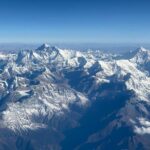
This is not a sightseeing-only trip. You start in Kathmandu, but the farther you go, the more the journey shifts from city sights to a slow rhythm of altitude, devotion, and sparse landscapes. In practical terms, that matters: you’ll be spending days adapting—physically and mentally—so the big moments land harder.
I like that the program doesn’t rush you from Nepal straight into hard trekking. You get acclimatization time and structured travel days. And you’re not doing it alone in a big bus crowd; it’s limited to 10 participants, which usually keeps the pace more human and the communication clearer.
You can also read our reviews of more tours and experiences in Kathmandu.
Kathmandu Day 1 and the UNESCO run that actually helps
Your trip begins with arrival at Tribhuvan International Airport and a private transfer to your 3-star hotel with breakfast. That sounds basic, but it’s a lifesaver on a long-haul flight—no hunting for transport, no guesswork.
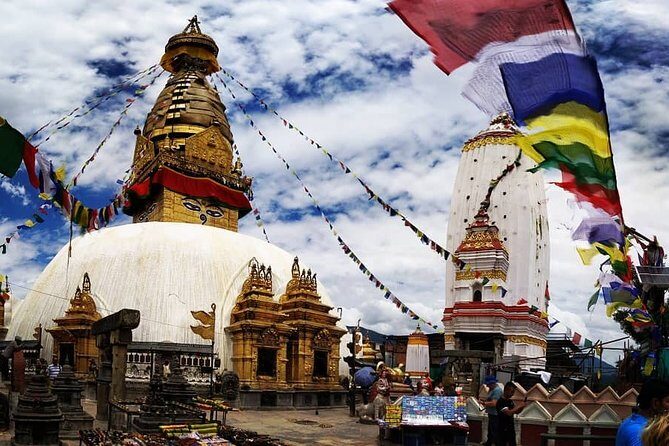
Next, you tackle four UNESCO World Heritage Sites in Kathmandu: Kathmandu Durbar Square, Swayambhunath (Monkey Temple), Boudhanath Stupa, and Pashupatinath Temple. You also handle visa processing steps in Kathmandu (your passport gets submitted for the necessary visa work). This part is valuable even if you’re not a “temple person” because it gives you context: Hindu practice, Buddhist symbolism, and Nepal’s religious geography set the stage for what comes later.
If you’re wondering whether it will feel like checklist tourism: it can, if you try to cram it all mentally. But if you take it slowly—early visits, mindful walking, and a few moments of quiet at each site—it becomes a gentle way to get into the mindset of the Yatra.
Patan, Bhaktapur, and Nagarkot: using an easy hike to get your legs ready
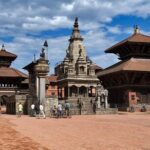
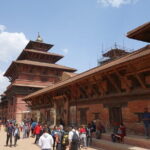
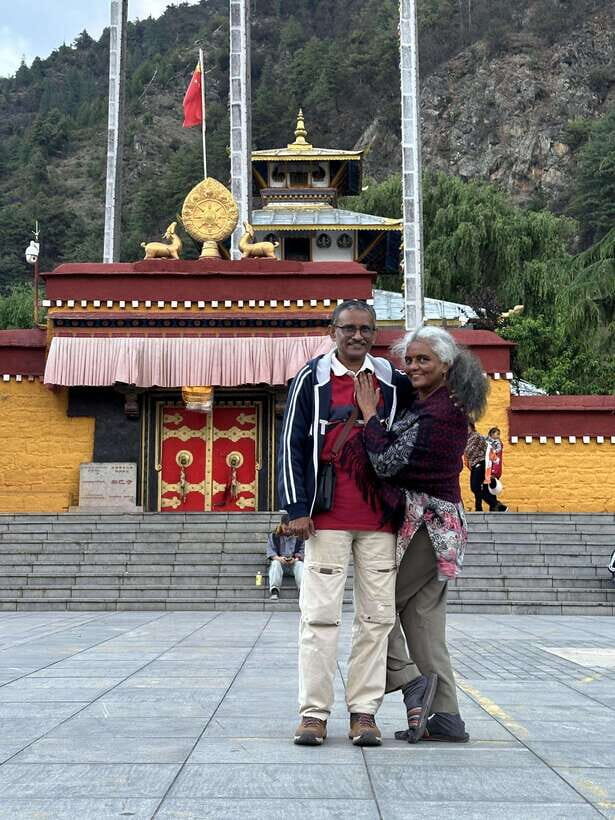
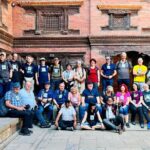
After Kathmandu, you head to Patan and Bhaktapur Durbar Squares. The focus here is Newari architecture and craftsmanship, which is different from the main Kathmandu vibe. It’s also a nice change of pace before the border crossing days.
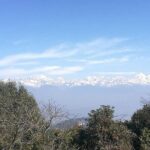
Then comes a practical “warm-up” hike: Bhaktapur to Nagarkot (with an English-speaking guide and entrance fees included). Even though it’s not the Kailash trek, it teaches you the basics you’ll need later—how your body reacts to walking at elevation, what your feet feel like over several hours, and how quickly you get cold when temperatures drop.
One small caution: the roads and timing around Kathmandu can be slow. Build in flexibility in your own planning so you’re not rushing from one Nepal stop to the next.
Rasuwagadhi to Kerung: the border drive and why timing matters
You leave Kathmandu by private jeep toward Rasuwagadhi, the Nepal-Tibet border town. The drive runs through the Langtang region, and it’s a classic reminder that travel in this corridor is not smooth-motorway travel. Think turns, climbs, and the occasional rough stretch—very doable, but you’ll feel it.
Once you cross into Tibet, you continue to Kerung and spend time exploring the town and local temples. This is one of the most important “transition” days because it changes your environment fast: language, architecture, pace, and the feeling of being on a plateau-world all shift quickly.
Here’s the real value of this day: you arrive at a calmer baseline before deeper travel. You’re not jumping straight into the hardest trekking without a buffer.
Saga and the run-up to Mansarovar
From Kerung you drive to Saga, deeper into the Tibetan plateau region. You’ll see big open views, including the Brahmaputra River area along the way. These driving days can feel long if you’re expecting constant stops, but they do something useful: they acclimate you to the scale of Tibet.
Saga is also a “settle” point. In a Yatra like this, you’ll do best when you avoid last-minute panic. Having these structured drive segments gives you time to hydrate, keep warm, and stick to the pace your guide sets.

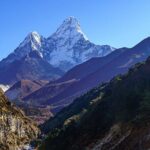
Lake Mansarovar: where the trip stops feeling like travel
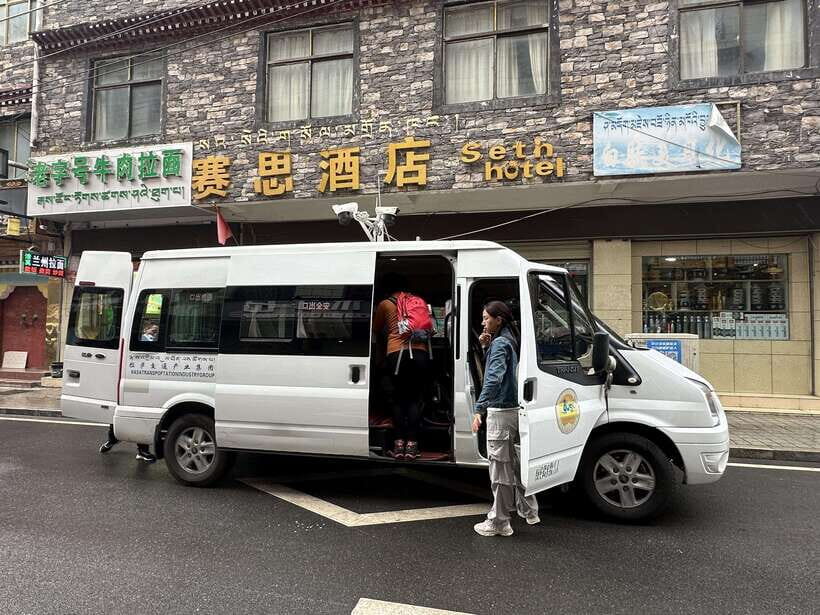
Reaching Lake Mansarovar is the emotional pivot. You drive to the lake, participate in spiritual rituals there, and spend time in the serene lake environment. In a recent experience shared by a past participant, the moment stood out for the “crystal-clear water” feel, combined with the strong spiritual atmosphere.
In other words, this is where your effort starts making sense. It’s not just a photo stop. It’s the kind of place where even practical thoughts—like staying warm, pacing yourself, and keeping your mind quiet—feel part of the experience.
Practical tip from the real world: the tour includes breakfast in Tibet, but meals beyond that depend on what’s scheduled and what you choose personally. If you have dietary needs, plan ahead rather than assuming you’ll find the exact food you want.
Darchen and the start of the Kora: preparing for the walk around Kailash
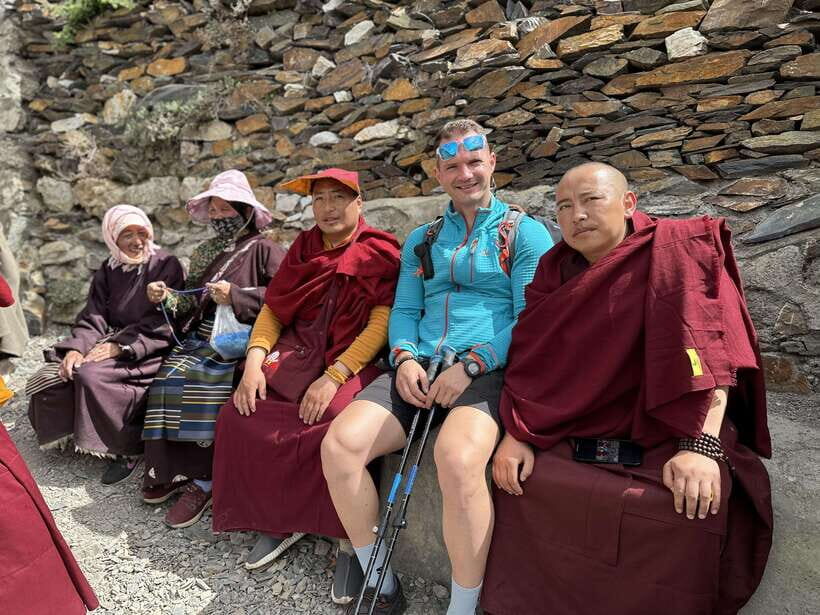
A short drive takes you to Darchen, the base area for Mount Kailash preparations. This is where you shift from “tour mode” into “pilgrimage mode.” Your group prepares for the Kora (circumambulation), and you’ll be thinking about your clothing layers, your pace, and how you’ll manage altitude fatigue.
From a value standpoint, this preparation time is smart. The Kora isn’t a casual walk. You’re walking through a landscape where your breathing, temperature, and stamina all matter. Having the guide support and the structured progression reduces the chance of going out too fast.
Derapuk to Zutulpuk: Kora trekking and what Droma La Pass really means
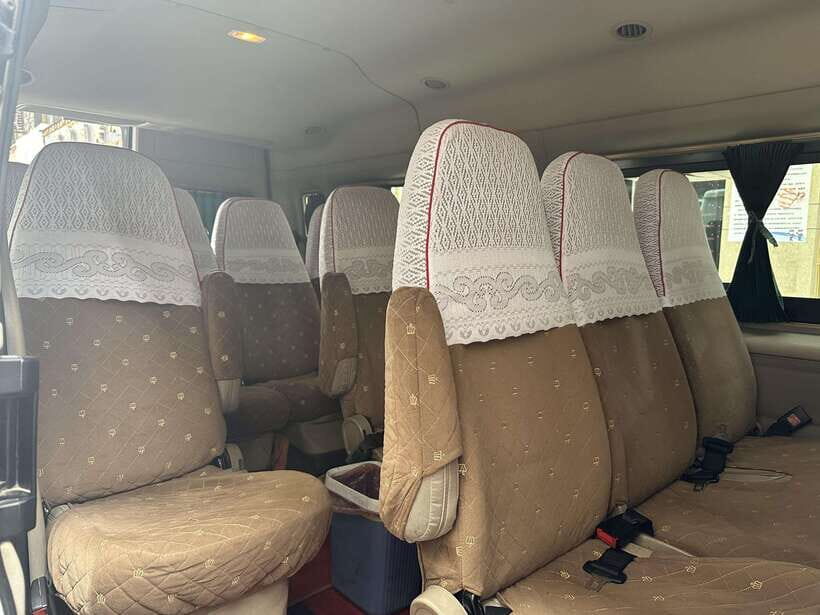
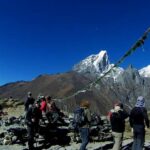
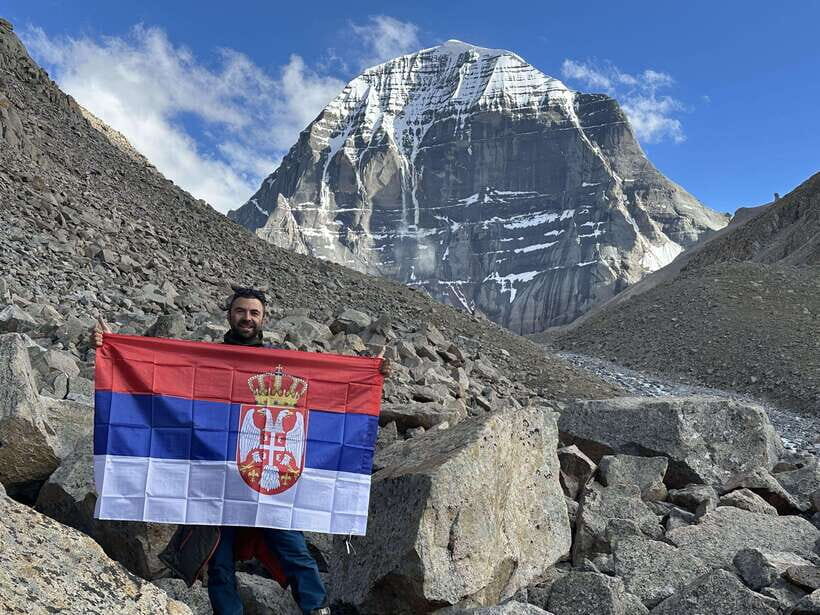
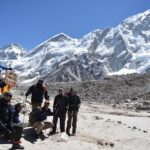
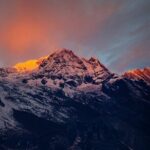
The trekking begins on the Kora route with a trek to Derapuk, with standout views of Mount Kailash’s north face. You’re not just moving between camps—you’re moving through a spiritual circuit. Many people feel that the views make the physical effort click into place.
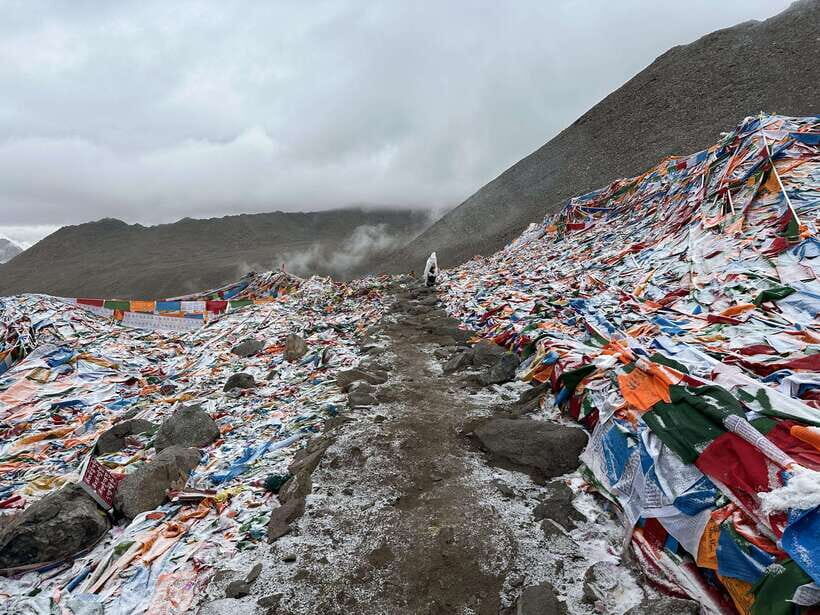
Then you reach the key challenge: trekking to Zutulpuk via Droma La Pass. This is the highest point on the trek in the program and a major reflective milestone. You’ll visit Zutulpuk Monastery as part of this section, which helps the day feel purposeful rather than just grueling.
This is where I’d be honest about the trade-offs. One participant noted that the trail from Darchen to Zutulpuk can be tough, especially over Droma La Pass. Another shared that weather and rain can affect what happens day-to-day. That doesn’t mean you should fear it—it means you should respect it.
Also note the lodging reality. Accommodation at key guest house areas during the Kailash portion is described as basic. If you’re the type who needs comfort to sleep well, plan to manage expectations. You can still have a great experience; you just need to decide what matters more to you: comfort or the pilgrimage setting.
Completing the Kora and returning to Saga through Kerung
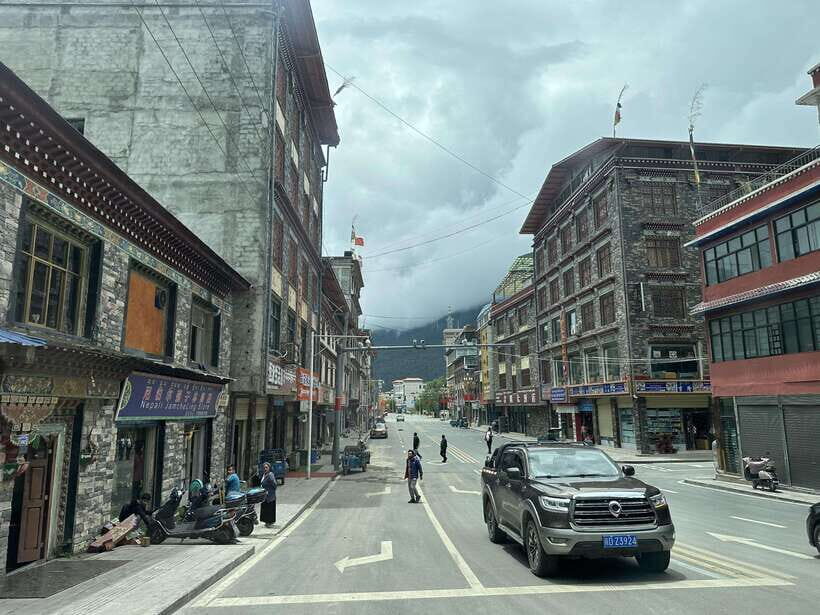
After you complete the Kora, you trek back to Darchen and drive to Saga. This is a big mental shift: you go from focused endurance to recovery mode. You’ll have time to reflect, and the driving days help you settle your body after the walking days.
The return journey takes you back toward the border via Kerung, then back to Kathmandu. One past participant shared that a landslide caused an extra day in Kerung and they covered extra expenses themselves. That’s the kind of real-world variable you should plan for—natural disruptions can happen in remote corridors.
Price and logistics: what $4,013 buys you (and what to budget beyond that)
At $4,013 per person for 15 days, this is a premium-priced trip. But you’re paying for more than a guide and hotels.
What’s included:
- Nepal airport transfers (2 times) by private vehicle
- Kathmandu 3-star hotel with breakfast
- Kathmandu UNESCO touring by private vehicle with driver, fuel, and entrance fees
- Nagarkot day hike: private vehicle, English-speaking guide, entrance fees
- Private jeep transport: Kathmandu to Rasuwagadhi and back, plus all Tibet transport per the route
- Tibet lodging: 9 nights total (six nights in 3-star hotels, three nights in shared guest houses at Mansarovar, Darchen, and Zutulpuk)
- Breakfast for all nine mornings in Tibet
- English-speaking Tibetan tour guide, plus permits and entrance fees, including the Tibet Travel Permit
- Nepal and Tibet government taxes
What’s not included (important for your budget):
- International airfare, travel insurance, and Nepal visa fees
- Chinese visa: USD 250 for American, Canadian, and British passport holders
- Kathmandu meals beyond breakfast, plus Kathmandu food and beverages
- Lunch and dinner during the Kailash tour
- Porter services (USD 350 for three days, carries 12 kg including food and accommodation)
- Pony hiring (USD 600 for three days, if needed)
- Helicopter option from Kathmandu to Rasuwagadhi: USD 1,600 private or USD 320 shared
- Any extra costs due to natural or political reasons
Here’s how I’d judge value if I were picking for myself: this price becomes “good value” if you want a full-service, permit-covered Nepal-Tibet program with transport locked in. If you’re trying to keep costs ultra-low or you know you’ll need frequent add-ons (like porters/ponies), then do the math early. For some people, the optional support can turn the trek from stressful to manageable.
Guides, group size, and the human support that matters
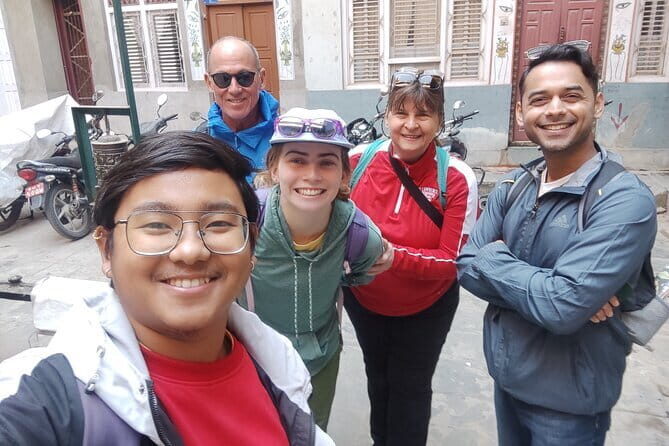
This trip runs with an English-speaking live guide and a small group limited to 10 participants. That matters on a pilgrimage route where questions come fast: weather, timing, health concerns, gear issues, and customs rules.
One review highlighted the support from Peregrine Treks, including help from Mr. CarKey with pre-trip guidance and in-tour smooth running. That matches what you want from a company here: someone who can prevent problems before they become emergencies.
In Kathmandu, you also have local guiding/driver support for UNESCO sites and the Nagarkot hike, which keeps your time efficient.
Safety, altitude, and the packing list you’ll actually use
The high-altitude trek requires good fitness, and acclimatization days are included. Still, don’t treat acclimatization as a magic shield. Your job is to follow your guide’s instructions and pace yourself.
Weather can change rapidly. You’ll want warm clothing, layered warmth, and a hat. Comfortable shoes matter more than almost anything else you own on a trekking circuit. Bring sunscreen and water, and don’t forget simple snacks—small energy support helps keep you steady.
Also plan financially for cash. ATMs may not be available, and personal expenses come up when you least expect them (souvenirs, extra drinks, or emergency needs).
Cultural rules in Tibet: respect, and know what you’re not allowed to carry
This is a pilgrimage with strict rules. Alcohol and drugs aren’t allowed. Littering is also not allowed.
There are also Tibet-specific restrictions related to content and certain items. While on your Tibet tour, you’re strictly forbidden to carry items such as photos, books, CDs, DVDs, or digital devices related to the Dalai Lama or other Tibetan leaders. You’re also prohibited from sharing or posting any content about the Dalai Lama on social media platforms like Facebook, Twitter, or YouTube.
That sounds like paperwork, but it’s real. If you’re the type who documents everything on your phone, clear your setup before departure and don’t bring sensitive materials into Tibet.
Who should book this, and who should skip it
Best fit:
- Adults who are comfortable with altitude trekking and can handle multi-day walking
- People who want a structured, guided Kailash Kora and Mansarovar experience rather than improvising
- Travelers who like culture stops (Kathmandu, Patan, Bhaktapur, UNESCO sites) before going quiet and serious in Tibet
Not suitable for:
- Children under 10
- Pregnant women
- People with back problems
- People with heart problems
- Wheelchair users
If you have medical concerns or borderline fitness, be extra honest with yourself. This is not the place to “try it and see” if your body is unreliable.
Should you book the Kathmandu: Kailash Mansarovar Yatra Tour 2025?
If your dream is Kailash Kora on foot and you want Lake Mansarovar done properly—with permits, transport, and an English-speaking team—then yes, this is a strong option. The structure (acclimatization days, paced drives, organized trekking segments) is exactly what reduces stress on a trip where weather and altitude can’t be controlled.
I’d book this if you can commit to the trek honestly: good shoes, warm layers, patience with basic guest houses, and a flexible attitude toward delays. That flexibility matters most in remote corridors, where rain or road issues can shift timing.
I’d think twice if you hate uncertainty, demand hotel-level comfort during guest-house nights, or you can’t manage altitude trekking over Droma La Pass. In that case, the helicopter option exists for the Kathmandu to Rasuwagadhi segment, but the trek portion is still part of the experience.
FAQ
How long is the Kathmandu: Kailash Mansarovar Yatra Tour 2025?
The tour lasts 15 days.
What is the group size limit and language of the guide?
It’s a small group limited to 10 participants, with an English live tour guide.
What part of the trip involves Droma La Pass?
The trek to Zutulpuk via Droma La Pass is part of the Kailash Kora segment.
Are porter services or pony hiring included?
No. Porter services (USD 350 for three days) and pony hiring (USD 600 for three days, if needed) are not included.
What Chinese visa cost is listed for American, Canadian, and British passport holders?
The Chinese visa cost listed is USD 250 for American, Canadian, and British passport holders.
Is lunch and dinner included during the Kailash tour?
No. Lunch and dinner during the Kailash tour are not included.