REVIEW · KATHMANDU
Kathmandu Valley City Day Tour
Book on Viator →Operated by Pariwar Holidays Pvt Ltd · Bookable on Viator
Four UNESCO stops, one smooth day. This private vehicle tour is a smart way to see Kathmandu’s big Hindu and Buddhist landmarks in a UNESCO-heavy circuit, starting and ending at A1 Business complex.
I love the realistic pacing. You get about an hour at each main site, which means you can actually look, not just rush. I also like the tour guide component, because places like Pashupatinath and Boudhanath can feel overwhelming until someone explains what you’re looking at and why locals do what they do.
One consideration: entrance fees and lunch aren’t included in the $60 price, so you’ll want to budget for ticket costs at the sites and plan for a meal break.
In This Review
- Key Highlights Worth Your Attention
- A Private UNESCO Loop Works So Well in Kathmandu
- Price Breakdown: What $60 Covers (and What You Pay at the Gates)
- Your Day at a Glance: The 5–7 Hour Timing
- Kathmandu Durbar Square: Where Royal History Meets Busy Streets
- Swayambhu Mahachaitya (Monkey Temple): Hilltop Views and Sacred Stupas
- Pashupatinath Temple: Bagmati River Rituals and Sacred Hindu Architecture
- Boudhanath Stupa: Big Buddhist Faith in a Temple-Community
- Getting the Most Out of Your Guide (and Why Names Matter)
- Practical Tips for a Smooth Day (No Guesswork)
- Should You Book This Kathmandu Valley City Day Tour?
- FAQ
- How long is the Kathmandu Valley City Day Tour?
- What does the $60 price include?
- Are entrance fees included for the sightseeing stops?
- What about lunch or drinks?
- Is this tour private or shared?
- Where does the tour start and end?
- Will I receive a ticket on the day?
- What is the cancellation policy?
- Is this tour suitable for children?
Key Highlights Worth Your Attention
- UNESCO World Heritage focus in one day across four major, different-feeling places
- Private vehicle + parking + fuel means less time stuck in traffic and more time at the monuments
- Guides like Padam, Rita, Manoj, Santosh, and Dinesh are repeatedly praised for clear explanations
- Hindu and Buddhist sites back-to-back so you understand Kathmandu’s spiritual balance
- Mobile ticket and confirmation at booking make it easier to keep things simple
A Private UNESCO Loop Works So Well in Kathmandu
If you’re only in Kathmandu for a short window, this tour format is hard to beat. You’re not negotiating public transport, and you’re not trying to stitch together far-flung sites with guesswork. You’ll move in a private vehicle with a driver and tour guide, which is especially valuable when streets are busy and schedules are tight.
This is also a great “start here” day. The Kathmandu Valley’s major monuments don’t feel like a single museum stop. They feel like living places—temples, courtyards, stupa areas—where rituals and daily life happen at the same time. With a guide, you get a thread to follow so the day doesn’t just become a checklist.
And because this is a private tour (only your group), you can set a comfortable pace. You don’t have to compete for attention with strangers or keep up with a large group. That matters a lot on uneven temple steps and crowded courtyards.
You can also read our reviews of more city tours in Kathmandu
Price Breakdown: What $60 Covers (and What You Pay at the Gates)
The tour price is $60 per person, and it’s backed by a solid set of included basics: driver, transport by private vehicle, fuel surcharge, parking fees, and a tour guide.
Where costs can rise is at the gates. Admission to the sightseeing points isn’t included, and lunch isn’t included either. That’s totally common for monument-heavy tours, but it’s worth planning for so the final day budget doesn’t surprise you.
So the real value question is this: you’re paying for convenience, interpretation, and transport coverage. You’re not paying for entrance tickets or meals. If you’re the type who hates hunting down prices in a new country, the “everything else is handled” part is a big win.
Your Day at a Glance: The 5–7 Hour Timing
The day runs about 5 to 7 hours, with roughly one hour at each of the four big stops. There’s also a quick start at the operator’s meeting location (Pariwar Holidays), then you’re on the circuit.
That timing usually works well because:
- You don’t burn half the day in transit.
- One hour at each stop is enough to see the main areas and notice details like worship practices, architecture, and the way people move through the space.
- You have room to pause for photos without feeling like you’re on a sprint.
A small practical note: temple and stupa areas often feel busy. If you know you get tired in crowds, you’ll want to take short breaks during the transitions between stops.
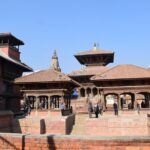
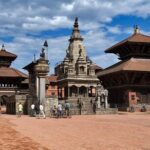
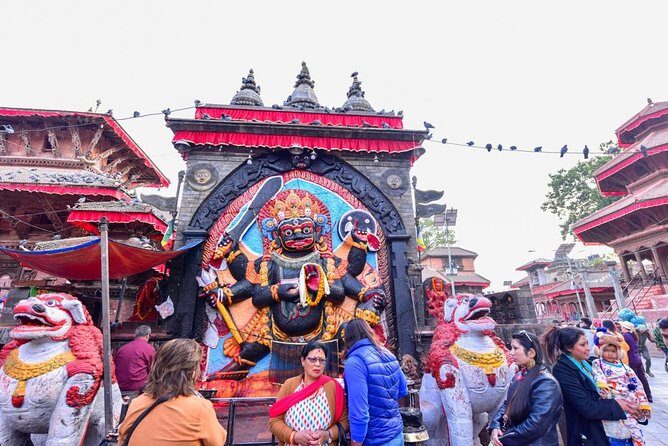
Kathmandu Durbar Square: Where Royal History Meets Busy Streets
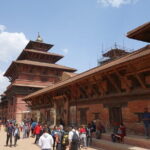
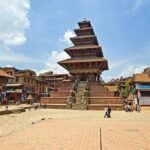
Kathmandu Durbar Square is your first major “wow” moment, and it sets the tone for the rest of the day. It’s a historical place with the kind of atmosphere where you feel the layers of Kathmandu’s past without it turning into a dead, empty stage set.
Expect a mix of architecture and human activity. Even when you’re focused on carvings, courtyards, and old structures, you’ll be sharing space with regular movement through the square. That’s part of what makes it interesting: you’re not just touring ruins. You’re seeing how a heritage site lives alongside everyday life.
Drawback to consider: this stop is often more crowded and more visually dense than people expect. If you’re the type who gets overwhelmed by too much happening at once, plan to let your guide “sort the story” for you first—then you’ll enjoy the details more.
Swayambhu Mahachaitya (Monkey Temple): Hilltop Views and Sacred Stupas
Next up is Swayambhunath, often called the Monkey Temple, and your stop is at Swoyambhu Mahachaitya on the hill. This place has a different energy than Durbar Square. You’re climbing to a religious complex, and the whole site is organized around the stupa and the surrounding sacred spaces.
The name Monkey Temple isn’t just a fun label—it hints at the presence of monkeys around the area. You don’t need to be scared, but you should treat the space like you’re sharing it with animals that are used to visitors. Keep an eye on personal items and avoid sudden actions near them.
Why this stop is worth your time: a hillside religious site can give you instant perspective on Kathmandu’s scale. Even if you’re focused on the monuments, you’ll likely notice how the city spreads below.
Possible consideration: hill sites can feel tiring. If you have mobility limits or get winded easily, mention it to your guide at the start of the day so your pacing can be adjusted.

Pashupatinath Temple: Bagmati River Rituals and Sacred Hindu Architecture
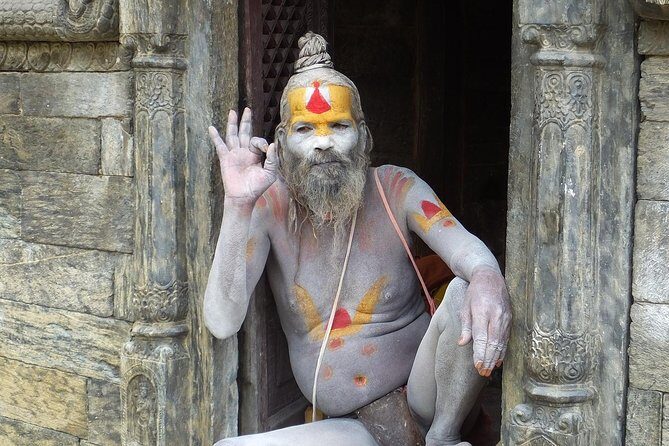
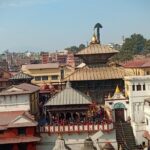
Pashupatinath is one of the most important Hindu temple complexes in Kathmandu, and your tour includes time here at the old Hindu temple complex by the Bagmati River.
This is where the tour’s “cultural heritage” goal becomes real. Temples like this aren’t just architecture. They’re performance spaces for devotion—people come with intentions and routines, and the river setting adds its own meaning to what you see.
A good guide makes a difference here. Pashupatinath can feel intense if you don’t know what you’re watching. You’ll get more out of the visit if your guide explains the symbolism behind key areas and the general flow of worship at the complex.
Possible drawback: it can be crowded and very active, especially when ceremonies are happening. If you want quieter sightseeing, come prepared to spend time in busier zones and focus on what you can observe respectfully.
Boudhanath Stupa: Big Buddhist Faith in a Temple-Community
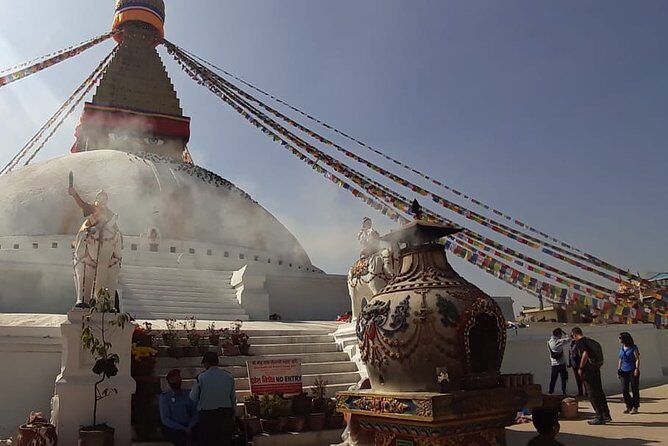
Boudhanath is your final UNESCO-style heavyweight stop: the biggest Boudha Stupa in Kathmandu. This place feels different from the Hindu temples because the center of gravity is the stupa itself and the surrounding religious community.
A stupa isn’t only something you look at. It’s something people move around, pray toward, and return to. When you’re here with a guide, you’ll likely understand why the area’s layout supports that kind of devotion.
If you want a strong visual payoff, Boudhanath delivers. Even before you start learning, the sheer scale of the stupa pulls your attention. With explanation, that size becomes more than dramatic—it becomes meaningful.
Possible consideration: like other major religious sites, this one can be busy. If you’re sensitive to crowds, plan to take breaks, and don’t worry about seeing every corner. Seeing the main stupa area with context is often the best use of your time.
Getting the Most Out of Your Guide (and Why Names Matter)
This tour lives or dies by how good your guide is at turning monuments into understanding. The positive feedback around this operator repeatedly points to English-speaking guides who make religious and cultural topics feel clear and human—not like a lecture.
In particular, you’ll see names such as Padam, Rita, Manoj, Santosh, and Dinesh mentioned for friendly, organized, and culture-focused guidance. That doesn’t guarantee you’ll get the exact same person, but it’s a good sign that guides are chosen for communication and day-of organization.
How to take advantage of that, practically:
- Ask a question early, not halfway through. For example, ask what to notice at the first stop so the rest of the day feels connected.
- Let your guide set the order of priorities once you arrive—this is more efficient than trying to figure out the story yourself while you’re walking.
- Use the transitions between sites. If you wait until you’re at the crowded courtyard, it’s harder to absorb explanations.
Practical Tips for a Smooth Day (No Guesswork)
A few simple preparations can make a big difference, especially in Kathmandu where weather and crowd levels can shift.
Budget for tickets and meals. Entrance fees aren’t included, and lunch isn’t included. Build in some flexibility so you’re not searching for money at the wrong time.
Wear for temples and stairs. Even if the tour is “only” a few hours, you’ll likely deal with steps and uneven ground. Comfortable, secure footwear helps. Dress modestly enough that you feel comfortable at sacred sites.
Bring small essentials. A water bottle, sun protection, and a light layer can help. Also keep your phone and wallet secure, especially around areas where animals or busy foot traffic can make things feel chaotic.
Keep a flexible mindset about timing. Even with a clear schedule (about one hour per major stop), crowds and ceremony activity can affect pacing. A private guide typically helps you adapt, but you’ll enjoy the day more if you expect some normal-world variation.
Should You Book This Kathmandu Valley City Day Tour?
I think you should book it if you’re a first-timer who wants a high-value overview of Kathmandu’s spiritual heritage without spending your day figuring out transport. It’s especially good if you care about comfort and context: private vehicle, guide-led interpretation, and a lineup that moves from Durbar Square to Swayambhunath to Pashupatinath to Boudhanath.
Skip it (or at least compare options) if you’re trying to do everything for the absolute lowest possible price. Since entrance fees and lunch aren’t included, your total day cost will rise once you add tickets and food. Also, if you hate crowds and hills, you’ll want to manage expectations at hilltop and major monument areas.
For most people, though, this is a strong “get your bearings fast” day: structured, guided, and focused on the sites that define Kathmandu’s cultural identity.
FAQ
How long is the Kathmandu Valley City Day Tour?
It runs about 5 to 7 hours.
What does the $60 price include?
The tour includes a driver, transport by private vehicle, fuel surcharge, parking fees, and a tour guide.
Are entrance fees included for the sightseeing stops?
No. Admission to the attractions is not included in the price.
What about lunch or drinks?
Lunch and drinks are not included. Alcoholic drinks are available to purchase.
Is this tour private or shared?
It’s private. Only your group participates.
Where does the tour start and end?
The meeting point is A1 Business complex, Kathmandu 44600, Nepal, and the tour ends back at the same meeting point.
Will I receive a ticket on the day?
You’ll have a mobile ticket.
What is the cancellation policy?
You can cancel for a full refund if you cancel up to 24 hours in advance of the experience’s start time.
Is this tour suitable for children?
Children must be accompanied by an adult. Child rate applies only when sharing with 2 paying adults.