REVIEW · KATHMANDU
7 Days Langtang Valley Trek from Kathmandu
Book on Viator →Operated by Nomad Mountain Club - NMC · Bookable on Viator
Langtang feels closer than most Himalayan treks. You start with a 6:30 am pickup in Kathmandu and a ride toward Shyabrubesi, so you waste less time on transport and more time walking in real mountain air. That setup makes this trek feel practical, even if you’re not taking a week off just for the drive.
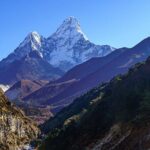
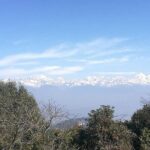
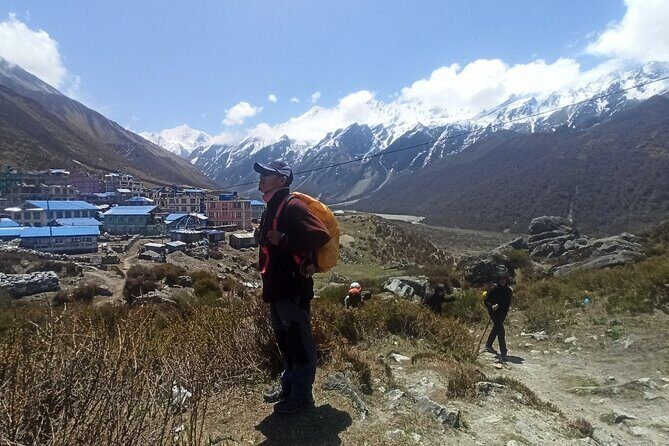
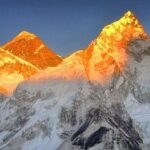
I love two things most: the Kyanjin Gompa experience and the mountain views that keep showing up at different angles. You’ll walk through Tamang and Tibetan-influenced villages, see prayer monuments like chortens, and then get an early start for sunrise views from Kyanji viewpoint near 4,800 m / 16,404 ft.
One consideration: the trek includes guest house stays, and comfort levels are basic. If you expect top-tier food and hotel-style rooms every night, you might feel disappointed.
In This Review
- Top things you’ll notice on this Langtang trek
- Why Langtang Feels Easier to Start Than Other Treks
- Price and logistics: what $410 gets you (and why it’s fair)
- Your 7 days on foot: Shyabrubesi to Lama Hotel to Kyanjin Gompa
- Day 1: Arrival and transfer to Shyabrubesi (Hotel Garden Inn Shyfru Bensi)
- Day 2: Lama Hotel via the Langtang Khola river
- Day 3: Deeper into the valley with views of Langtang-Lirung
- Day 4: Yak pastures and the spiritual pull of Kyanjin Gompa
- Day 5: Kyanji viewpoint sunrise, then downhill back to Lama Hotel
- Day 6: The return to Syabrubensi (Hotel Garden inn Shyfru Bensi)
- Day 7: Drive back to Kathmandu and time to rest (Thamel area)
- The real payoff: Kyanjin Gompa, prayer stones, and high-mountain views
- Guides, pace, and what safety support looks like on this trek
- Guest houses and food: what to expect, and how to make it better
- Who this Langtang Valley Trek suits best
- Should you book this Langtang Valley Trek from Kathmandu?
- FAQ
- What time do you get picked up in Kathmandu?
- What’s included in the price besides the trekking guide?
- Are there guest houses on the trek, or do I camp?
- Is this a group tour or private?
- What’s the highest point mentioned on the itinerary?
- What should I budget for that’s not included?
Top things you’ll notice on this Langtang trek
- 6:30 am pickup from Kathmandu keeps your trail time high and road time low
- Lama Hotel to Kyanjin Gompa route mixes woodland walking with classic high-alpine views
- Kyanji sunrise at 4,800 m gives you a strong reason to rise early
- Crossing a big Mani divider and seeing chortens adds spiritual stops to the hike
- Guide-led pace with a first aid kit helps you manage a moderate trek with confidence
- Guest house nights keep the experience simple and trail-focused, not luxury-heavy
Why Langtang Feels Easier to Start Than Other Treks
A lot of Himalayan trekking dreams collapse under one problem: getting there. Langtang is different because it’s accessible from Kathmandu. You meet your representative in the morning, then you’re transferred by shared bus toward the trail starting area. Translation: you get more usable hours on foot, and you don’t burn days just traveling to the mountains.
That matters for your energy. By the time you begin Day 2 trekking, you’re already in the trekking rhythm: shorter logistics, more time adjusting to altitude slowly, and fewer long travel stretches that can drain you before the hike even starts. It’s also why Langtang is a great choice if you want a real trek without the kind of travel day overhead that other regions can demand.
You can also read our reviews of more hiking tours in Kathmandu
Price and logistics: what $410 gets you (and why it’s fair)
The tour price is $410 per person for about a week. What makes it feel reasonable is what’s included, not just the number.
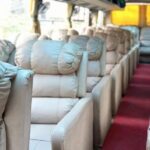
You get hotel pickup and drop-off, a professional English-speaking guide, and guest house accommodation during the trek. You’re also covered for the Langtang National Park / Conservation Area Permit and a TIMS card. On top of that, the plan includes a first aid kit carried by the guide and transportation by shared bus to and from the starting point.
In practice, this saves you headaches. You won’t need to coordinate permits last-minute, arrange separate transfers, or figure out what to do if you get stuck negotiating your way through the early stages. For a trek with limited room for mistakes, that kind of structure is a real value.
You should also know this is listed as a private trip with only your group participating. If you’re traveling with friends or family, that private format often means less waiting around and more room for your guide to pace the day the way your group needs. (If you’re booking as part of a larger group, you can also ask about any group discount options.)
Your 7 days on foot: Shyabrubesi to Lama Hotel to Kyanjin Gompa
This trek is built around gradual progress: woodland trails, river crossings, then a climb that starts to feel more serious as you approach Kyanjin Gompa and the higher viewpoint. Expect 5 to 6 hours of walking most trekking days, with a shorter downhill day on the return.
Day 1: Arrival and transfer to Shyabrubesi (Hotel Garden Inn Shyfru Bensi)
You start early. Your representative collects you at your Kathmandu hotel at 6:30 am, then you head out on a drive through lush green forest and winding hills toward the first overnight stop: Hotel Garden inn Shyfru Bensi.
This day is mostly about getting oriented and staying comfortable enough to trek the next morning. It’s also your first taste of Nepal outside the city—roads, greenery, and the feeling that the mountains are pulling you upward. The walking starts later, so you can use the time to settle in and get your layers ready.
A small heads-up: the itinerary lists a long day with 7 hours indicated, so plan for a full morning to evening stretch, not a short transfer.
Day 2: Lama Hotel via the Langtang Khola river
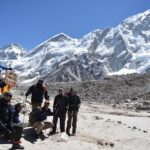
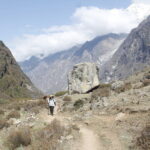
Day 2 is your true trail start. You follow the Langtang Khola (river), moving through thick woodlands and crossing suspension bridges. You’ll pass tea houses along the way, which matters because it gives you places to pause, refuel, and keep your pace steady.
The trail can look steep from photos or quick glances, but you’re told it isn’t that testing. Still, don’t treat that as permission to power-walk. Langtang works best when you walk consistently, not aggressively.
This is also one of the best days to focus on small wins: bridge crossings, shaded forest sections, and keeping your breathing smooth. If you do that, the upcoming days feel easier.
You can also read our reviews of more tours and experiences in Kathmandu
Day 3: Deeper into the valley with views of Langtang-Lirung
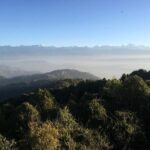
Day 3 continues along thick woods and brings in stronger mountain visuals. You’ll enjoy grand views of Langtang-Lirung, and the route includes interesting “life along the way” stops.
You pass water factories, watch chortens, and see hills with a mix of cultures and traditions. Even if you’re focused on walking, these moments keep the trek from feeling like a single long stair climb. They remind you you’re moving through real communities, not only scenery.
This day is a great time to drink regularly and keep your pack comfortable. With 6 hours on the trail, your body starts asking for small decisions: a better water schedule, an adjusted pace, and a quick snack before you feel hungry.
Day 4: Yak pastures and the spiritual pull of Kyanjin Gompa
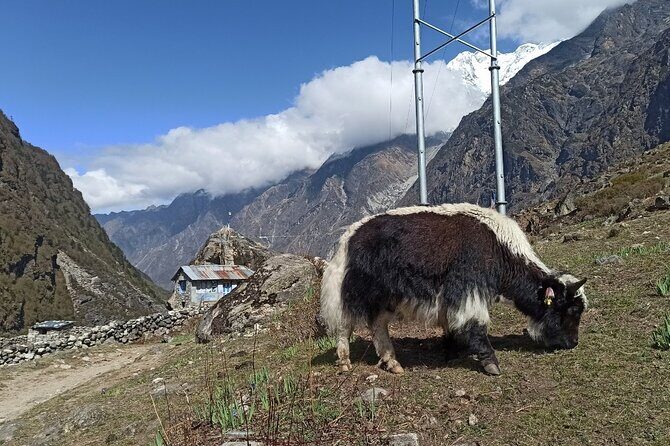
Day 4 is where the trek’s identity sharpens. You head toward Kyanjin Gompa, with the route passing through yak pastures. That alone gives you a different visual feel than the forest and tea-house rhythm of earlier days.
You’ll also cross the biggest Mani divider in Nepal and move through sections with wooden scaffolds. It’s a reminder that the trail is alive and maintained, not frozen in time. Once you reach higher elevations, you may start to feel the difference. Your breathing and body temperature can change faster than you expect.
If you like religious architecture and cultural landmarks, this is a strong day. Gompas aren’t just photo spots here—they’re a big part of how people understand place, weather, and daily life.
Day 5: Kyanji viewpoint sunrise, then downhill back to Lama Hotel
This is your early-morning payoff day. You visit Kyanji viewpoint at about 4,800 m / 16,404 ft for sunrise views. The plan is to do that before breakfast, which means you’ll start with purpose rather than rolling out slowly.
After breakfast, you continue back down to Lama Hotel. The walk is described as downhill and about 4 to 5 hours. Downhill can still be hard on knees, so keep your steps short and controlled. Think less speed, more stability.
This day is a nice mental reset. You get high-altitude views early, then shift into a gentler rhythm as you work your way down.
Day 6: The return to Syabrubensi (Hotel Garden inn Shyfru Bensi)
Day 6 is another downhill day, bringing you back toward Syabrubensi. The trek takes about 5 hours, with a simple downhill path through lush green vegetation. When you arrive, you stop for lunch.
There’s often spare time after lunch on a return day, and this itinerary suggests you may have some downtime before the final transfer day. Use it for slow walking, stretching, and dry clothes. You’ll feel it later if you skip recovery basics.
Day 7: Drive back to Kathmandu and time to rest (Thamel area)
You wrap up with a drive back to Kathmandu and a transfer to your hotel. The rest of the day is yours—designed for recovery and normal life again.
For many people, this final day is the emotional landing strip: you’re back in the city, but your body is still thinking about the trail. It’s a good day to keep plans light, hydrate, and do laundry.
The real payoff: Kyanjin Gompa, prayer stones, and high-mountain views
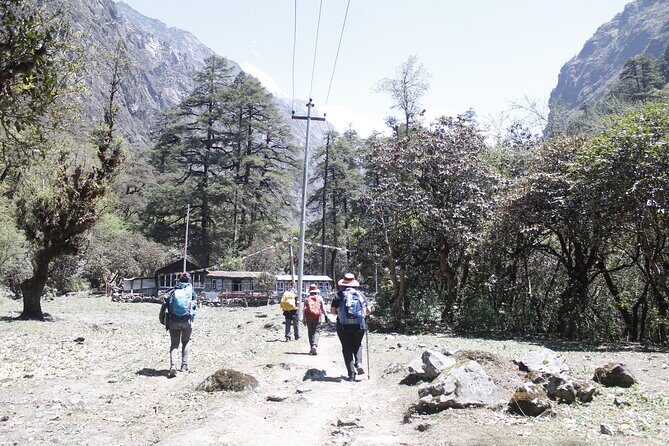
The Langtang Valley Trek earns its reputation in two ways.
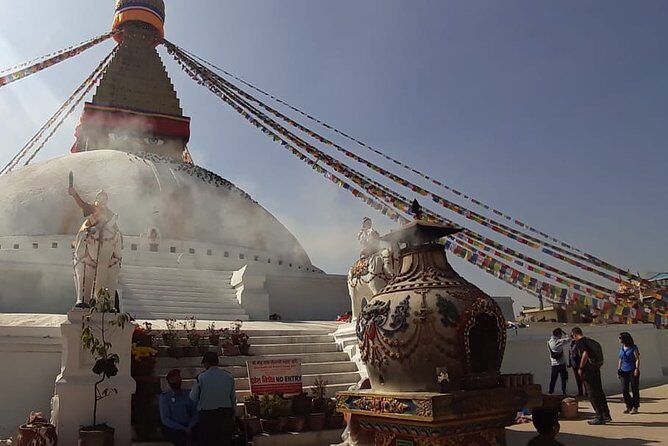
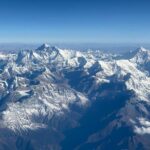
First, the views keep arriving in phases. You get earlier mountain sightlines during the woodland days, then bigger, cleaner angles as you approach Kyanjin Gompa and the Kyanji viewpoint. Second, the trek doesn’t treat culture as a side note. You’ll see chortens on the trail, cross a major Mani divider, and visit Kyanjin Gompa, which is the kind of destination that turns a hike into a memory you can recall years later.
Kyanjin Gompa also acts like a checkpoint for your trek day. Once you’re there, you understand why the walk is worth the effort. Even if you’re not a “monastery person,” you’ll feel the change in atmosphere once you reach that area.
And that sunrise viewpoint is practical as well as beautiful. Going early makes your day start with momentum. You’re not just reacting to weather. You’re planning for the light and showing up when conditions are usually best.
Guides, pace, and what safety support looks like on this trek
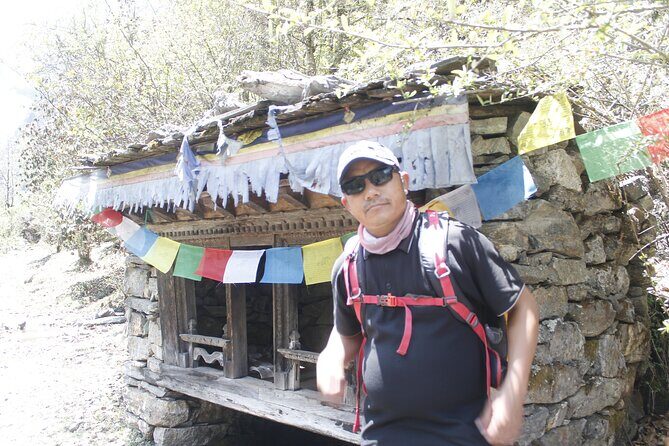
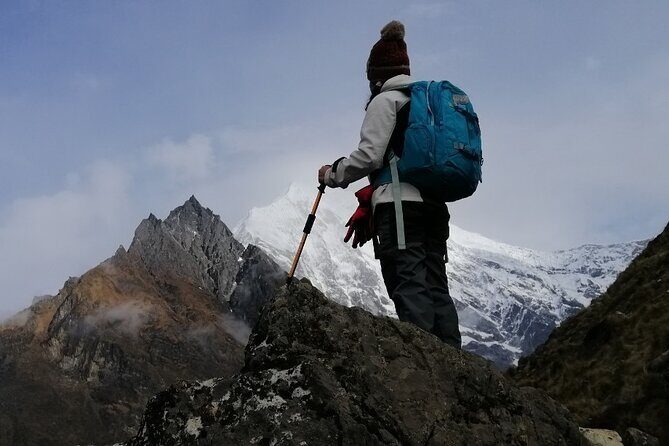
This tour includes a professional English-speaking guide, plus a first aid kit carried by the guide. That matters more than people think. With a moderate physical requirement and some altitude exposure, the guide’s job isn’t only storytelling. It’s pace control, timing decisions, and making sure your group stays comfortable and moving safely.
In feedback tied to Nomad Mountain Club, guide names like Biru and Amrit show up with consistent themes: warm support, local know-how, and constant attention to safety and comfort. You don’t need a fancy itinerary when the guide helps you handle the real stuff: breaks, footing, and the emotional ups and downs of a multi-day trek.
Your daily walking hours are also a clue about the pacing style. Most days are listed around 5 to 6 hours, which gives you time for the trail without turning each day into a forced march. That’s the sweet spot for a trek that’s challenging but still enjoyable.
Guest houses and food: what to expect, and how to make it better
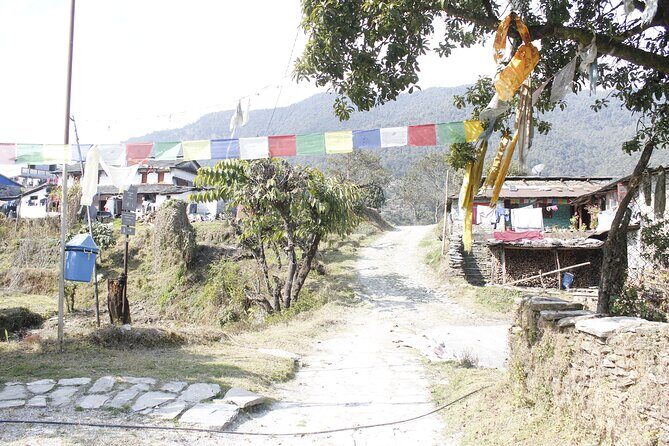
The itinerary includes accommodation in guest houses during the trek. One review note called the accommodation and food average, but the trek itself still delivered strongly because the views and the overall experience were worth it.
So here’s my practical advice: plan for simple meals and basic rooms. Bring a flexible mindset and you’ll be happier. The mountains do the heavy lifting here, not the dining experience.
To make your nights easier, pack what helps you sleep and recover. Think about a warm layer, a way to keep yourself clean, and anything you need for gentle comfort after a full day. And keep your hydration steady because guest house days can feel fine until you realize how dry the air is and how tired your body gets.
Who this Langtang Valley Trek suits best
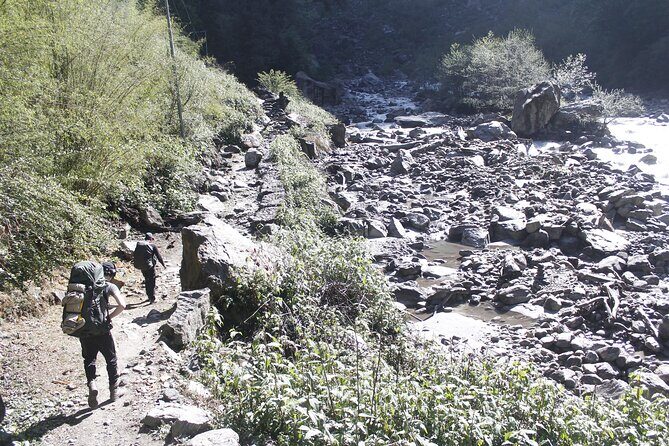
This is a fit for you if you want:
- A moderate fitness challenge rather than an extreme expedition
- A trek that starts near Kathmandu, so your logistics are manageable
- Real cultural stops like Kyanjin Gompa and prayer monuments
- Big mountain views without spending your entire trip stuck on the road
It’s also ideal if you like a guided approach. With permits (Langtang National Park / Conservation Area Permit and TIMS), a first aid kit, and a schedule that’s already mapped, you’re not doing the heavy organizing yourself.
And because it’s set up as a private activity where only your group participates, it tends to work well for families and small friend groups who want the guide to tailor pacing.
Should you book this Langtang Valley Trek from Kathmandu?
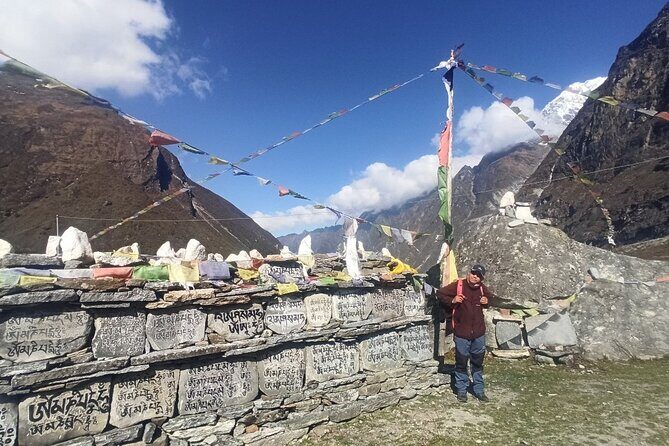
If your priority is time on the trail, this booking makes sense. The Kathmandu-to-trail access is a major advantage. You get a real trekking week with classic elements—woodland hiking, bridges, yak pastures, a key monastery stop at Kyanjin Gompa, and a sunrise viewpoint near 4,800 m.
I’d also book it if you value good guide support. Names like Biru and Amrit come up in feedback for a reason: the experience can feel smoother and safer when someone is actively managing the day.
I’d hesitate only if you’re expecting high-comfort lodges and excellent food every night. This trek uses guest houses, and the overall level of comfort is simpler by design.
If you want a trek that’s epic but still practical, Langtang is a strong choice. Plus, the plan offers free cancellation up to 24 hours in advance for a full refund, which is helpful when weather or work schedules shift.
FAQ
What time do you get picked up in Kathmandu?
You’re picked up at your hotel at 6:30 am in Kathmandu.
What’s included in the price besides the trekking guide?
The price includes hotel pickup and drop-off, a professional English-speaking guide, guest house accommodation during the trek, shared bus transportation to and from the starting point, the Langtang National Park / Conservation Area Permit and TIMS card, and a first aid kit carried by the guide.
Are there guest houses on the trek, or do I camp?
This tour includes accommodation during the trek in guest houses.
Is this a group tour or private?
It’s set up as a private tour/activity, so only your group participates.
What’s the highest point mentioned on the itinerary?
The itinerary specifically includes the Kyanji viewpoint at 4,800 m / 16,404 ft.
What should I budget for that’s not included?
The tour does not include personal expenses and gratitude (optional).