REVIEW · KATHMANDU
3-Day Chitwan Jungle Safari Tour from Kathmandu
Book on Viator →Operated by Liberty Holidays · Bookable on Viator
Chasing wildlife in Chitwan starts with an early bus. I love how this tour pairs real nature time with Rapti river canoe riding and Tharu cultural visits. You also get a tight rhythm of sights over just 3 days, which is great if you’re short on vacation days, but it can feel long if you’re sensitive to travel time.
The big trade-off: you’ll wake up early and spend a noticeable chunk of the day on the road. The good news is everything is bundled—hotel transfers in Kathmandu and Chitwan, meals, park fees, and a guide—so you’re not juggling tickets and logistics at the last minute.
In This Review
- Chitwan in 3 Days: What This Trip Feels Like
- Key Things I Think You’ll Like a Lot
- The Itinerary: Day-by-Day, With Practical Takeaways
- Day 1: Traveling to Chitwan and a Tharu Village Visit
- Day 2: Rapti River Bird Watching and Canoe Time, Then the Jeep Safari
- Day 3: A Short Wildlife Wrap, Then Back to Kathmandu
- Where You’ll Stay: 3-Star Lodges and What That Means
- Wildlife Reality Check (And Why This Trip Still Works)
- The Bus Time: The Part You Can’t Ignore
- Clothing and Heat: How to Prepare for Terai Weather
- Money and Value: Is $392 a Good Deal?
- Logistics That Deserve Your Attention
- If You Want the Best Chances of Seeing Animals
- Who This Tour Suits Best
- Should You Book This Chitwan Safari?
- FAQ
- What time does the tour start in Kathmandu?
- Where do I meet for this tour?
- How long is the tour?
- What meals are included?
- What activities are included in Chitwan?
- What type of hotel do you stay in?
- What is included in the price, and what is not?
- How far in advance do I need to cancel for a full refund?
Chitwan in 3 Days: What This Trip Feels Like
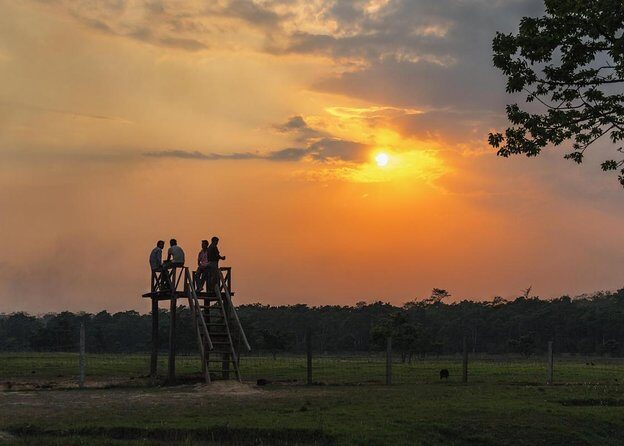
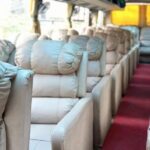
This is a fast, packed Chitwan National Park experience designed for people who want wildlife odds without turning the trip into a full week. You’ll travel from Kathmandu to Chitwan by tourist coach, sleep two nights in a 3-star hotel/resort, and follow a schedule that mixes vehicle safari time with river time and cultural programming.
The tour is sold as all-inclusive for the essentials: park fees and conservation fees, guided activities, and meals (breakfast, lunch, and dinner). You’ll also be traveling with a group, but the operator notes it’s a private tour/activity, meaning your party should not get mixed into other travelers’ groups for the core experience.
Key Things I Think You’ll Like a Lot
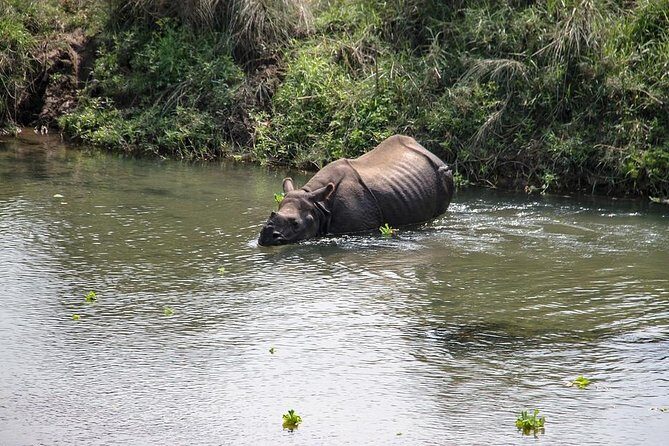
You’ll get both land and water wildlife time. Canoes on the Rapti River and a jeep safari give you two different ways to spot animals, which increases your chances on a short schedule.
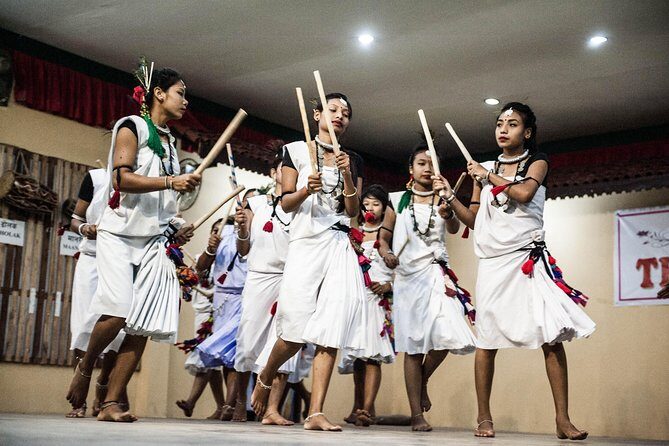
The Tharu cultural stop adds meaning. Chitwan isn’t only about animals. A visit to a Chitwan Tharu village with a cultural performance and museum time helps you understand who lives around the park and how the region’s traditions connect to the land.
You’re not paying extra for park access. National park and conservation area fees are included, so you can budget confidently.
Expect early starts. Day 2 begins before sunrise with wake-up call, morning tea, and breakfast before the day’s activities. If you like slow mornings, this may not be your ideal pace.
You can also read our reviews of more tours and experiences in Kathmandu
The Itinerary: Day-by-Day, With Practical Takeaways
Day 1: Traveling to Chitwan and a Tharu Village Visit
Day 1 is about getting you out of Kathmandu and into the park region, then grounding the trip in local culture. You’ll be picked up from your hotel in Kathmandu city ring-road areas, or otherwise start from the meeting point at Liberty Holidays Corporate Office, Trishakti Marg. The start time listed is 7:00 am.
After pickup, you’ll transfer to the tourist bus park and head toward Chitwan. Once you arrive, the highlight on Day 1 is Chitwan Tharu Village, which includes admission. This is where you’ll see a mix of cultural learning and performance-style storytelling. It’s not just a stop for photos—it helps you connect the wildlife you’ll chase over the next two days with the people who live nearby.
What to watch for on Day 1: it’s a long day. One version of the Day 1 day-length shown is around 12 hours, so plan for meals to arrive on schedule and don’t count on lots of free time to wander.
Day 2: Rapti River Bird Watching and Canoe Time, Then the Jeep Safari
Day 2 is the heart of the wildlife portion. Your day begins with a wake-up call at 6:00 am, followed by morning tea and buffet breakfast at 6:30 am.
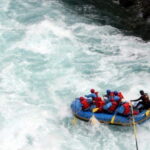
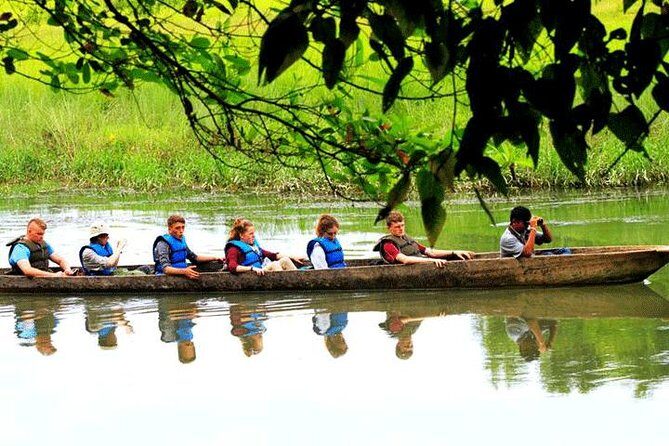
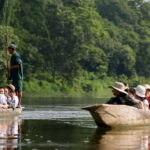
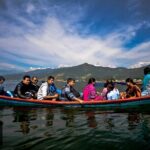
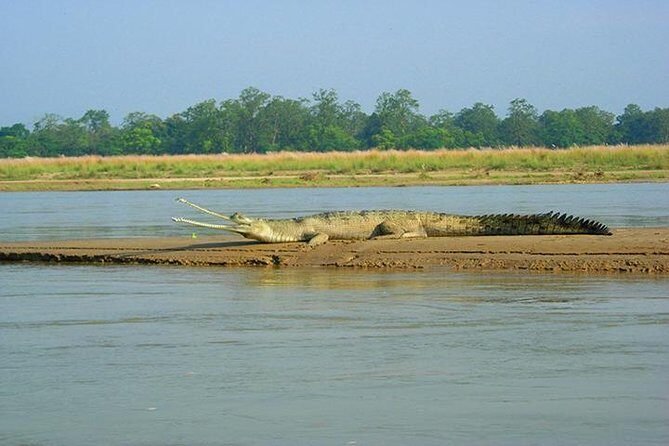
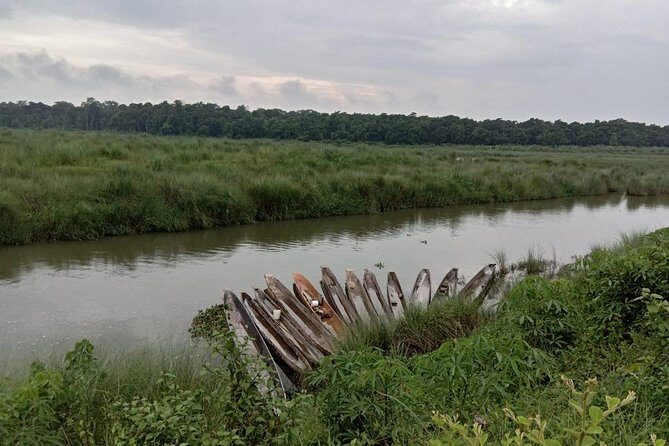
Then you head out for bird watching and canoe riding along the Rapti River. This matters because Chitwan wildlife isn’t only about what you see from a road. A canoe puts you lower to the water and changes your perspective—perfect for crocodile country and shoreline activity.
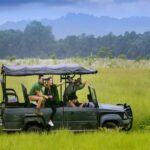
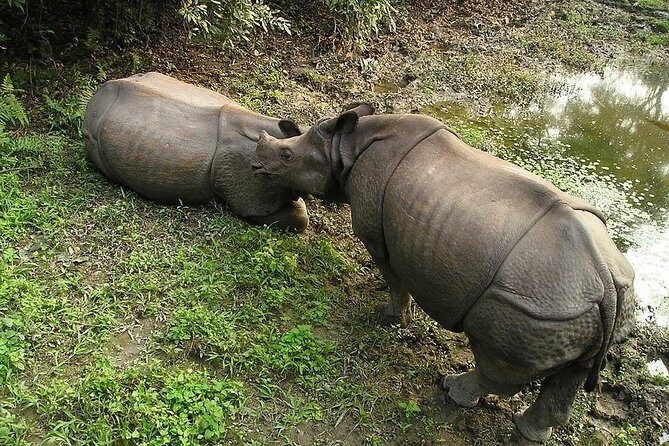
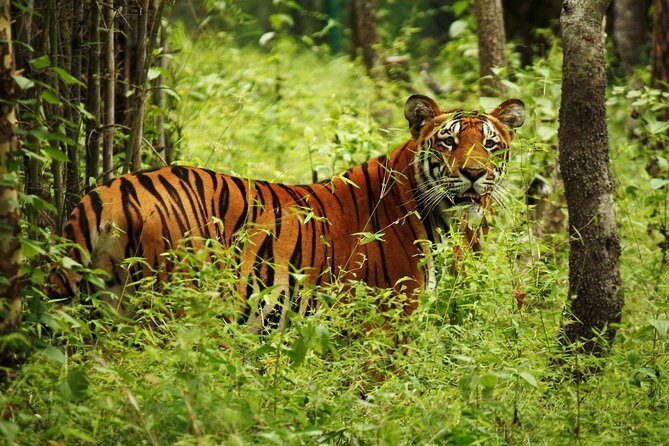
After that, the schedule centers on jeep safari-style searching. The tour is designed to give you a chance to spot animals that are famous in this region: deer, rhinos, crocodiles, and sometimes tigers. Of course, wildlife sightings are never guaranteed, but the structure is built to maximize time in the right habitats.
What I like about this format: it’s not just one “go look for animals” block. You get multiple styles of searching in one day, and that usually makes the experience feel more complete.
Day 3: A Short Wildlife Wrap, Then Back to Kathmandu
Day 3 stays in Chitwan briefly and then shifts back to travel. You’ll start with a morning routine and continue within the park area for a bit. Then you return to Kathmandu by tourist bus, with the day listed as about 6 hours for the return leg.
Lunch is not provided on Day 3 once you’re back in Kathmandu, so you’ll want to be prepared to buy something simple near your arrival point. Dinner is included, but plan on a lighter “re-entry” day in the city.
A small but important note: if your Kathmandu hotel is outside the ring-road pickup area, additional charges may apply for pickup/drop-off. For ring-road hotels, transfers are part of the package.
You can also read our reviews of more tours and experiences in Kathmandu
Where You’ll Stay: 3-Star Lodges and What That Means
You’ll sleep two nights in a 3-star category hotel or resort in Chitwan, such as Chitwan Paradise Hotel or a similar property. Rooms run on a twin/double sharing basis, and solo travelers get a single room.
From past on-the-ground experiences, the lodges in this tier are typically quiet enough for a real sleep, and meals are usually “reasonable” rather than fancy. One example stay mentioned was Maruni Sanctuary Lodge, noted for being clean and calm with decent food.
What you should expect from a 3-star lodge in Chitwan:
- simple rooms, practical showers, and a place to recharge
- meals timed to match safari schedules
- less “hotel glamour,” more “you’re here to go outside”
Wildlife Reality Check (And Why This Trip Still Works)
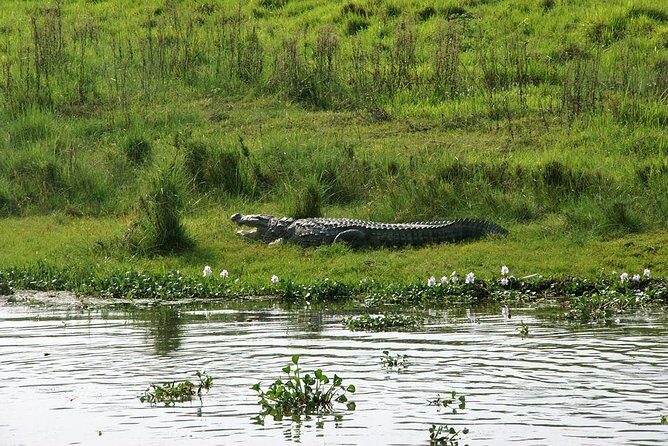
This tour promises a chance at wildlife—deer, rhinos, crocodiles, and even tigers. That language matters. In Chitwan, animal sightings depend on season, weather, water levels, and luck.
Still, the itinerary is built around high-probability viewing windows:
- morning hours, when animals are often active
- a canoe on the Rapti River, ideal for crocodile country
- jeep safari time to cover bigger ground
If you go in expecting proof every day, you’ll be disappointed. If you go in curious and patient, you’ll likely come away satisfied—especially because you also get Tharu culture, not just “sit and wait.”
The Bus Time: The Part You Can’t Ignore
This tour is efficient, but it’s not a quick hop. Plan for a fair amount of time on the road. One practical tip from experience: if you have time for a longer version (like a 4-day option), you’ll get more actual park time and less transport squeeze.
For the 3-day plan, you should:
- pack snacks and water if allowed (drinks aren’t included unless specified)
- wear layers so you’re comfortable on long journeys
- bring something to pass time, because you may not get much flexibility
Clothing and Heat: How to Prepare for Terai Weather
The Chitwan region (Terai) can run very hot in summer, with temperatures exceeding 37°C in some areas. In winter, it’s cooler, roughly 7°C to 23°C.
Also: the tour suggests you avoid bright-colored clothing and busy patterns, because they can attract attention and scare wildlife. Stick to greens, browns, and khakis so you blend into the environment.
This is one of those small rules that can actually improve your experience. When animals stay relaxed, you see more behavior.
Money and Value: Is $392 a Good Deal?
At $392 per person, this is not a budget sprint, but it also isn’t just “transport to the jungle.” Your price covers:
- two-night stay in a 3-star hotel/resort
- hotel pickup and drop-off (within Kathmandu ring-road coverage)
- Kathmandu–Chitwan–Kathmandu by tourist coach
- guide services for the trip activities
- park fees and conservation fees
- meals: two breakfasts, two lunches, and two dinners
- room setup: twin/double sharing; single room for solo travelers
The main things you’ll still pay separately are drinks, tips, personal expenses, travel insurance, and the lunch on Day 3 back in Kathmandu.
My take: if you compare this to piecing together transport, hotel, and park access yourself, the bundled fees are often what make it feel fair. You pay for convenience and structure, which is exactly what you want on a short wildlife trip.
Logistics That Deserve Your Attention
A smooth tour depends on details—especially around pickup on the way back. The company states hotel transfers are included in Kathmandu and Chitwan, but there’s an example where the return pickup from the bus stop to a hotel wasn’t handled as expected, leading to waiting time.
So before you go, do two simple things:
- double-check where the bus will drop you in Kathmandu
- confirm who coordinates the pickup and what time you should expect them
It’s not dramatic. It’s just smart. On safari days, you don’t want to spend your last hour in the city trying to decode where to meet.
Also, note the minimum age is 13 years, and you should share any dietary requirements at booking.
If You Want the Best Chances of Seeing Animals
You can’t control wildlife, but you can control your behavior:
- keep your voice low during wildlife activity blocks
- follow your guide’s instructions on when to move and when to wait
- stay patient during the quieter stretches of the safari
- dress in the suggested earth-tone colors to avoid startling animals
And one gentle warning: if you see optional add-ons advertised that involve animal handling—like elephant rides—skip them. Chitwan’s best moments come from watching animals in their own space, not forcing encounters.
Who This Tour Suits Best
This is a strong match if you:
- want a 3-day wildlife hit without planning every moving piece
- like early mornings and don’t mind bus travel
- care about local culture, not only spotting animals
- travel as a small group or couple and want a guide-led schedule
It may be less ideal if you:
- hate long transport days
- need lots of downtime between activities
- dislike waking up before sunrise
Should You Book This Chitwan Safari?
I’d book it if you want a structured, good-value way to experience Chitwan in a short time. The combination of canoe time on the Rapti River, jeep safari searching, and Tharu village culture makes the trip feel more complete than a single-activity tour.
I’d pause and ask extra questions if your hotel is outside the Kathmandu ring-road pickup area or if you’re worried about meeting coordination on the return day. Get the drop-off point clear, then you’ll likely have a smooth finish.
If your goal is wildlife with minimal hassle, this is a practical choice—and with the included meals and fees, it’s easier to keep your budget in check.
FAQ
What time does the tour start in Kathmandu?
The meeting start time is listed as 7:00 am, with pickup available for hotels inside the Kathmandu city ring road areas.
Where do I meet for this tour?
The meeting point is Liberty Holidays Corporate Office, Trishakti Marg, Kathmandu 21255, Nepal. The tour ends back at the meeting point.
How long is the tour?
It’s a 3-day tour, approx., including travel between Kathmandu and Chitwan.
What meals are included?
The tour includes breakfast (2), lunch (2), and dinner (2). Lunch is not provided on the third day when you’re back in Kathmandu.
What activities are included in Chitwan?
The program includes things like bird watching, canoe riding along the Rapti River, jeep safari-style wildlife searching, and a Tharu cultural experience plus a local museum visit.
What type of hotel do you stay in?
You stay two nights in a 3-star hotel or resort category in Chitwan, such as Chitwan Paradise Hotel or a similar property.
What is included in the price, and what is not?
Included: guide, accommodations, transport between Kathmandu and Chitwan, park and conservation fees, taxes/service charges, and the itinerary activities plus meals as listed. Not included: drinks (unless specified), personal expenses, optional extras, tips, and travel insurance.
How far in advance do I need to cancel for a full refund?
You can cancel up to 6 days in advance of the experience for a full refund (you must cancel at least 6 full days before the start time).