REVIEW · KATHMANDU
8 Days Special Nepal Tour Package
Book on Viator →Operated by Welcome Nepal Treks P.ltd · Bookable on Viator
Three Nepal moods in one smooth circuit. You get Kathmandu culture, Chitwan’s park life, and Pokhara’s mountain views in a single 8-day package that’s built for easy logistics and real variety. The itinerary also leans on solid local guiding, and names like Hari and Nawa show up in past feedback for being clear and helpful.
I especially like the way this plan groups big sightseeing blocks with rest and simple meal coverage, so you’re not constantly solving food or transport. In Kathmandu, you get a guided run at major sights like Pashupatinath and the stupa areas, then in Pokhara you’re sent to Sarangkot for a sunrise-and-Himalaya style payoff.
One thing to consider: the driving days add up. You’ll spend long stretches on the road between Kathmandu, Chitwan, and Pokhara, and Day 6’s early start for sunrise is part of the deal, not optional.
In This Review
- Key Things I’d Focus On Before You Go
- Kathmandu, Chitwan, Pokhara: Why This Route Works
- Price and Value: What $1,066.67 Buys You
- Day 1: Arrival in Kathmandu, Thamel Market at Night
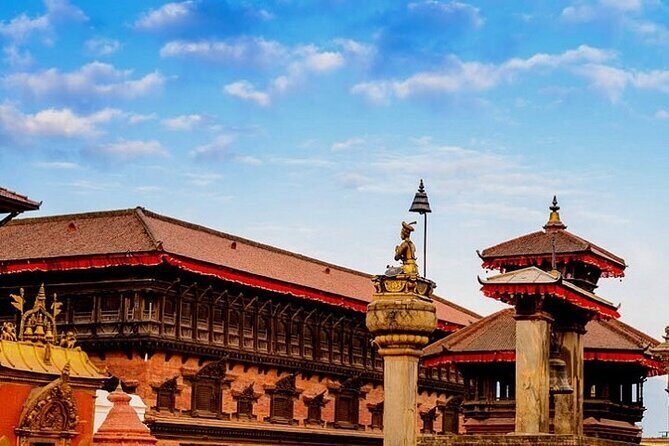
- Day 2: Kathmandu’s Big Three—Pashupatinath, Boudhanath, Swayambhunath
- Day 3: Chitwan Transfer + Tharu Village Culture Program
- Day 4: Canoeing, Jungle Walking, and a Jeep Safari in Chitwan
- Day 5: Drive to Pokhara, Then Lakeside Time
- Day 6: Sarangkot Sunrise and Pokhara Highlights (Davis Falls, Cave, Pagoda)
- Day 7: Back to Kathmandu, Farewell Nepal Cuisine and Dancing
- Day 8: Free Time in Kathmandu, Then Private Transfer to the Airport
- Hotels, Meals, and Transport: The Nuts-and-Bolts That Make or Break It
- Who This Tour Is Best For
- Should You Book This 8-Day Special Nepal Tour Package?
- FAQ
- What places does the 8-day tour cover?
- How long is the tour?
- What meals are included in the package?
- What activities are included in Chitwan?
- What sights are visited in Pokhara?
- Which major sites are visited in Kathmandu?
- Is there a guide in Kathmandu?
- What transportation is included?
- What is the group size limit?
- Is free cancellation available?
Key Things I’d Focus On Before You Go
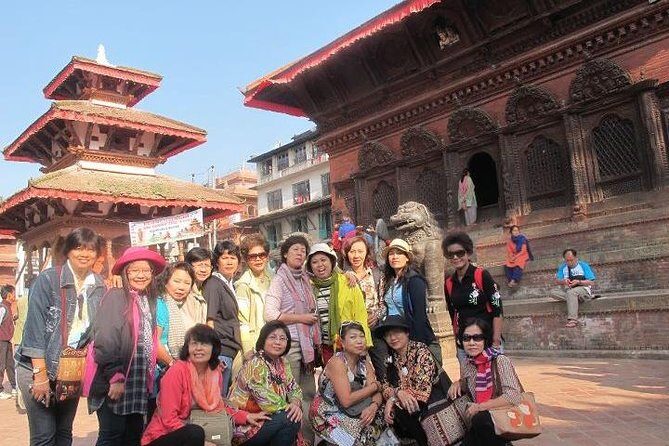
- Three-region itinerary: Kathmandu heritage, Chitwan park activities, Pokhara lakes and views.
- Guided Kathmandu city tour with entrances handled in the program.
- Chitwan day mix: Tharu village/culture, canoeing, jungle walking, plus a Jeep safari.
- Pokhara morning payoff: Sarangkot for Himalaya views and sunrise.
- Meals taken care of in Chitwan (full board), plus set breakfasts/lunches/dinners.
Kathmandu, Chitwan, Pokhara: Why This Route Works
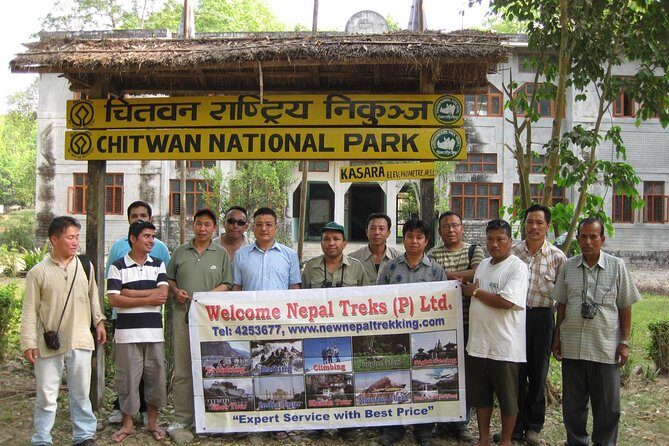
This is a classic Nepal triangle for a reason. Kathmandu covers the spiritual and architectural sights people come for. Pokhara brings the calmer pace—lakeside downtime plus mountain viewing. Chitwan adds the contrast: flatland bushy-forest terrain and wildlife-style park activities, even if you never feel like you’re on a strict nature documentary schedule.
You also get a practical rhythm. Most days start with something structured (breakfast + a main activity) and end with an easier evening: a Thamel market stroll on Day 1, Tharu culture at night in Chitwan, lakeside hang time in Pokhara, and a farewell Nepal dinner with dancing back in Kathmandu.
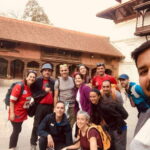
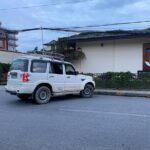
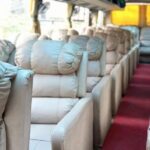
The group size cap is up to 15 people, which usually means you’re not stuck in a huge crowd shuffle all day. And because the tour uses an air-conditioned vehicle for the route legs, you’re not dealing with open-air chaos during long transfers.
You can also read our reviews of more tours and experiences in Kathmandu.
Price and Value: What $1,066.67 Buys You
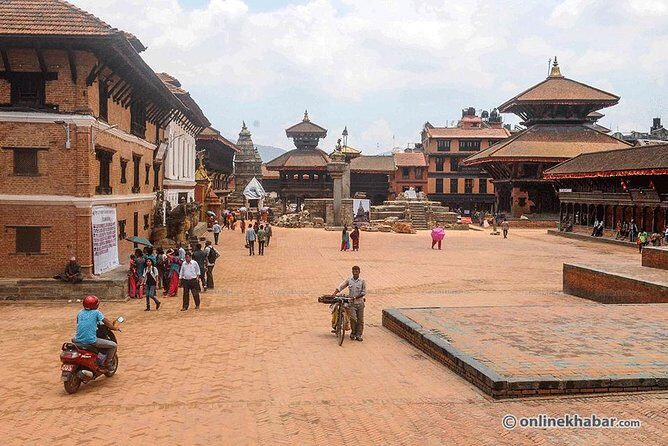
At $1,066.67 per person, the big question is whether this is “cheap and cheerful” or “you’re paying for fewer headaches.” Based on what’s included, you’re paying for the latter.
Here’s what your package includes:
- Accommodation in hotels on a double or twin sharing basis for all nights (DBL/twin).
- Air-conditioned transport for the whole tour.
- Sightseeing entrance fees according to the program.
- A Kathmandu city tour with a city guide.
- A traditional Nepali dinner with culture program.
- Chitwan full board meals (breakfast, lunch, dinner).
- A schedule of breakfasts (7), lunches (2), and dinners (2) overall.
- Taxes, VAT, and service charges.
What you don’t get is also clearly defined: any meals not listed (snacks, mineral water, and extra lunches/dinners) are on you. Tipping is expected by guides/drivers but listed as not mandatory.
So you’re buying convenience: hotels + transport + guides + entrances + a chunk of meals pre-solved. That’s a strong value setup if you want to spend your energy on sightseeing instead of coordinating.
Day 1: Arrival in Kathmandu, Thamel Market at Night
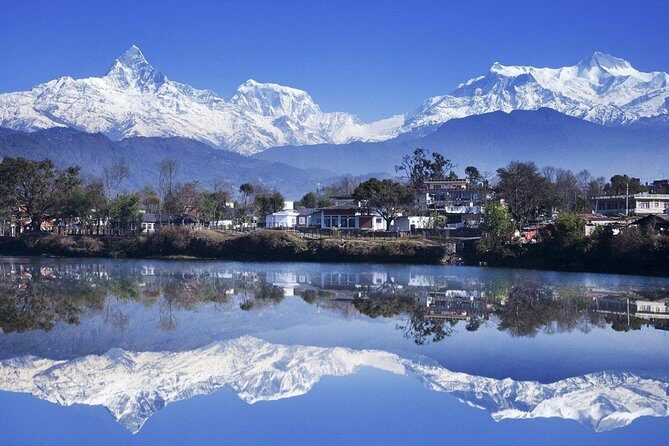
Day 1 starts with the airport handoff. You arrive at Tribhuvan International Airport, then you’re picked up and transferred to your hotel. You’ll check in, get a welcome drink, and have some breathing room before you head out.
In the evening, you visit a tourist market in Thamel. It’s about getting your bearings fast—street energy, shops, and an easy first taste of Kathmandu without committing to a big cultural site the moment you land.
Practical thought: Thamel is lively. If you’re sensitive to noise after a flight, you’ll appreciate the “short and sweet” plan for Day 1. You can wander, then call it early.
Day 2: Kathmandu’s Big Three—Pashupatinath, Boudhanath, Swayambhunath
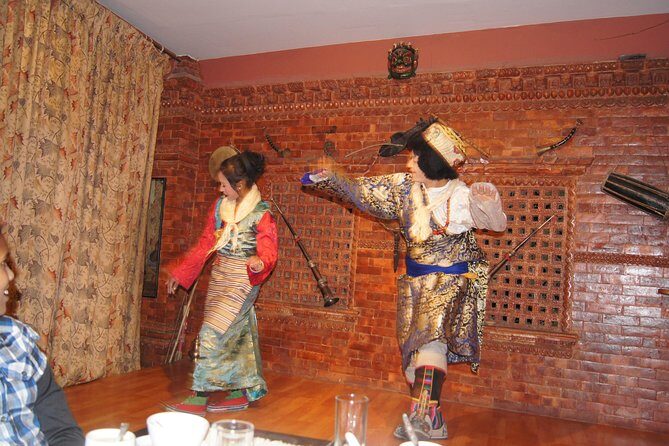
After breakfast, the day shifts into heritage mode. This Kathmandu sightseeing block focuses on three major spiritual areas:
- Pashupatinath Area: a Hindu temple complex that draws worshippers and visitors. Expect a meaningful, active place—plan your time and keep respectful clothing.
- Boudhanath Stupa: a major Buddhist site (the program frames it as Buddha city), with a strong sense of ceremony.
- Swayambhunath Stupa: an older Buddhist stupa area with lots of history. You should expect classic viewpoint energy—people gather for the outlook and the atmosphere.
This day is scheduled as a 4-hour sightseeing block. That pacing matters. It’s enough time to see the key sights, but not so packed that you feel worn out for the next transfer day.
Also, entrance fees are handled in the program, which saves time. In cities like Kathmandu, that small convenience can be the difference between a smooth day and a day with unnecessary lines.
Day 3: Chitwan Transfer + Tharu Village Culture Program
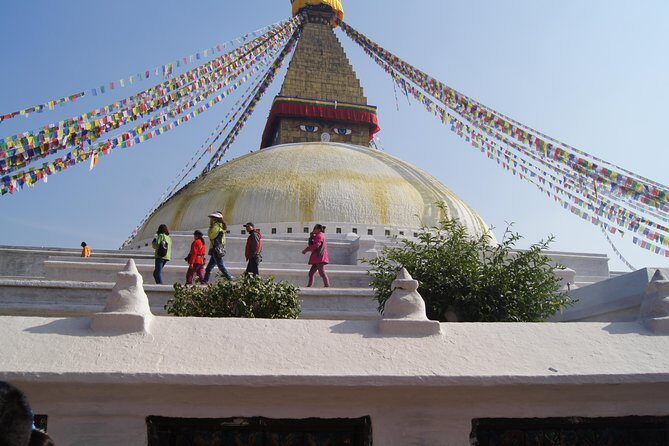
Day 3 is travel day plus a cultural evening. After breakfast, you drive to Chitwan, around a 4–5 hour ride. That’s a chunk of time in the vehicle, but it positions you for an enjoyable park-style day the next morning.
In the evening, you’re taken to a Tharu village tour and a Tharu culture program. This is a smart choice for the first evening in Chitwan because you haven’t yet gotten “in the woods” with early starts. Instead, you ease into the region’s human side: how local communities live and celebrate.
If you like cultural context, this helps your Chitwan days feel less like only transport-plus-safari. It also gives you something memorable even if animal sightings aren’t the focus of the night program (and park outcomes can’t be guaranteed).

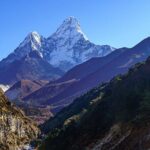
Day 4: Canoeing, Jungle Walking, and a Jeep Safari in Chitwan
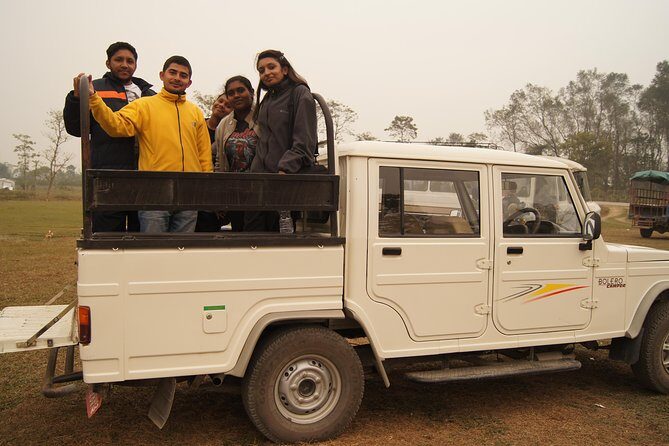
Day 4 is where Chitwan turns from cultural intro into active park time.
The schedule goes like this:
- Canoeing
- Jungle walking
- Jeep safari after lunch
This mix is useful because it hits different viewing styles. Canoeing tends to feel slower and more scenic. Jungle walking is more up-close, and the Jeep safari adds a broader, route-based search style.
A key consideration: you’ll want to wear comfortable shoes and plan for uneven ground. The walking portion is included, so you’ll get what you pay for—this isn’t a “sit back only” day.
And you’ll appreciate that meals are handled here (Chitwan full board is included). That means fewer stops, fewer decisions, and more time on the activities that are already scheduled.
Day 5: Drive to Pokhara, Then Lakeside Time
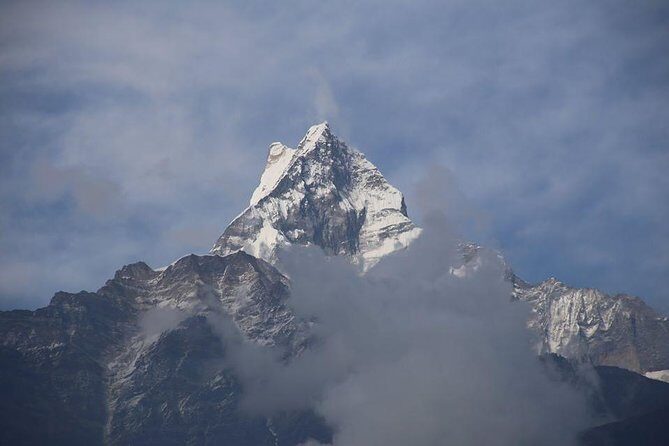
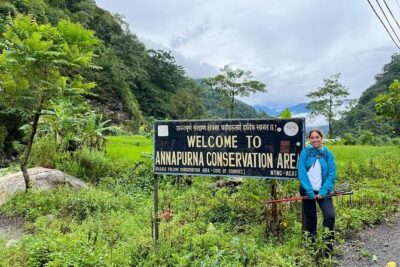
After breakfast, you drive from Chitwan to Pokhara, about 5 hours. This is another long-road day, so it’s worth viewing it as the “transition” portion of the tour—less about ticking boxes, more about getting to the place where the mountains do their best work.
Once you arrive, the evening is intentionally open. You can hang around the lakeside in Pokhara. That loose time is more valuable than it sounds. Pokhara is where people decompress, stroll, take photos, and get dinner without rushing.
If you want a simple travel win: use Day 5 evening to do a light walk and find your favorite dinner spot. Then you’re not making big choices after a full sightseeing day.
Day 6: Sarangkot Sunrise and Pokhara Highlights (Davis Falls, Cave, Pagoda)
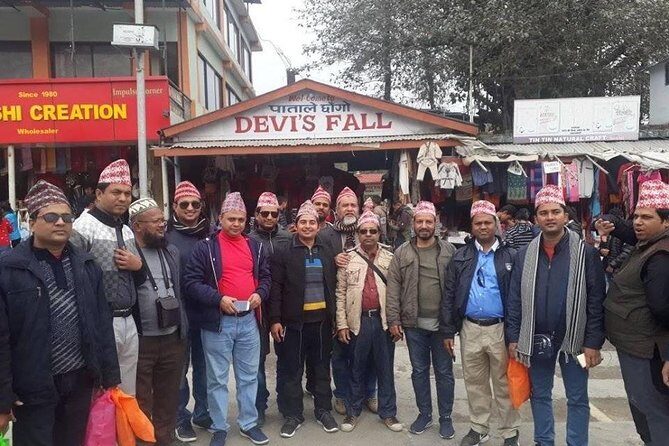
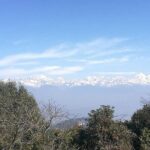
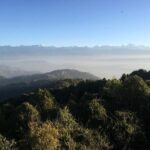
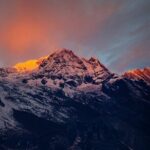
This is the day most people will remember. You get up early and drive to Sarangkot for Himalaya views and sunrise. The itinerary clearly calls out sunrise, so plan for an early start.
After you return, you have breakfast and then go sightseeing in Pokhara:
- Davis Falls
- Guptesore Cave
- Tibetan Camp
- World Peace Pagoda
This is a nice blend. Sarangkot gives you the big sky-and-mountain moment. Then the rest of the day balances nature attractions (the falls and cave) with cultural touchpoints (the Tibetan camp) and a viewpoint-style stop (World Peace Pagoda).
Also, your time on this day is set as about 4 hours for sightseeing after breakfast. It’s structured, but not exhausting. That matters because you’ll likely feel the early morning in your legs and your head.
Day 7: Back to Kathmandu, Farewell Nepal Cuisine and Dancing
Day 7 is a return to Kathmandu, approximately 6 hours by road. The itinerary notes you can enjoy Himalayas nature on the way, which is travel-day code for: you’ll want a window seat when you can.
In the evening, you get a farewell dinner with Nepal cuisine and dancing. This is a nice close to the tour because it gives you a social, upbeat last night without adding another major sightseeing rush.
If you prefer “one last big night” rather than packing in one more temple visit, this fits your style. It also rounds out the cultural side you saw earlier in Chitwan.
Day 8: Free Time in Kathmandu, Then Private Transfer to the Airport
After breakfast, you’re free to choose your own activities. Then you check out and get departure to the airport by private vehicle.
This is the kind of last day that helps you avoid the classic travel problem: being too scheduled on the day you need to catch a flight. You get a buffer to pick up small gifts, do a final walk, or simply rest.
Also note a practical detail: the start time listed is 12:15am at the airport area. That may not match what you expect for an arrival day, so I’d strongly recommend you confirm the timing with the operator once your flights are known. The itinerary is clear about the meeting point; it’s the timing that you’ll want to double-check.
Hotels, Meals, and Transport: The Nuts-and-Bolts That Make or Break It
This package runs on logistics. You’re covered on:
- Hotel nights (double/twin sharing)
- Air-conditioned transport
- Entrance fees for the listed sights
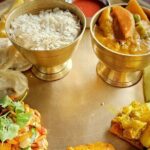
- Meals coverage that includes full board in Chitwan, plus scheduled breakfasts/lunches/dinners
That last part is worth emphasizing. Nepal travel can be great, but it can also mean deciding where to eat every day, especially when you’re moving between cities. Here, a lot of meals are already built into the schedule.
You should still expect extra spending for anything not specifically included, like snacks or mineral water. And you’ll likely want a small cash buffer for personal purchases and anything you decide to add on in the free evening/time blocks.
Who This Tour Is Best For
This is a strong fit if you:
- Want an 8-day Nepal sampler that hits three different regions without extra planning.
- Prefer set activities (temples, stupa areas, park time, falls/cave/pagoda) over building your own itinerary.
- Like having a local guide for the big city day—Kathmandu is where that guidance pays off quickly.
- Travel with a moderate pace and don’t mind long road segments between regions.
It’s less ideal if you hate driving days. Day 3, Day 5, and Day 7 include substantial transfer time.
One more practical note: it’s listed as not suitable for pets, so plan accordingly.
Should You Book This 8-Day Special Nepal Tour Package?
If your goal is to see Kathmandu, Chitwan, and Pokhara in one organized circuit with guides, entrances, and lots of meals handled, then this is an easy yes. The strongest reasons to book are the combination of structured sightseeing in Kathmandu, full Chitwan meal coverage plus active park activities, and Pokhara’s Sarangkot sunrise set against a calmer lakeside evening.
I’d only pause if you know you’re sensitive to early mornings and long drives. If that’s you, you might still enjoy it, but you’ll want to mentally prepare for the road segments and the sunrise start.
FAQ
What places does the 8-day tour cover?
It covers Kathmandu, Chitwan National Park, and Pokhara.
How long is the tour?
The duration is about 8 days.
What meals are included in the package?
The package includes Chitwan full board meals (breakfast, lunch, and dinner) and also includes 7 breakfasts, 2 lunches, and 2 dinners overall, based on the program.
What activities are included in Chitwan?
Chitwan activities include a Tharu village tour and Tharu culture program, plus canoeing, jungle walking, and a Jeep safari.
What sights are visited in Pokhara?
Pokhara sightseeing includes Sarangkot for Himalaya views and sunrise, Davis Falls, Guptesore Cave, Tibetan Camp, and World Peace Pagoda.
Which major sites are visited in Kathmandu?
Kathmandu sightseeing includes Pashupatinath area, Boudhanath Stupa, and Swayambhunatha (Swayambhunath) Stupa.
Is there a guide in Kathmandu?
Yes. The package includes a Kathmandu city tour with a city guide.
What transportation is included?
You get an air-conditioned vehicle for the whole tour, and departure to the airport is by private vehicle.
What is the group size limit?
The tour has a maximum group size of 15 travelers.
Is free cancellation available?
Yes, free cancellation is available up to 24 hours in advance of the experience start time for a full refund.