REVIEW · KATHMANDU
Annapurna Base Camp Trek – 10 Days
Book on Viator →Operated by Himalayan Recreation Treks & Expedition Pvt.Ltd · Bookable on Viator
One trail, three big payoffs: temples, views, and a summit-scale finish. This Annapurna Base Camp trek gives you a real taste of Nepali village life while working toward 4,130m in a structured, supported way.
I especially like the way this trip is built for comfort and momentum: hotel time in Kathmandu and Pokhara, then tea-house accommodation on the trek. One thing to keep in mind is the altitude and weather reality—this isn’t a casual hike, and you’ll want to plan for slow days and cold nights.
From the start, you’re not guessing. You land in Kathmandu, meet your guide, and get a clear plan from city sights (like Pashupatinath) to your trail day rhythms—then the team keeps the logistics tight as you climb toward Annapurna Base Camp. Still, if you’re chasing a super laid-back pace, you may find some trekking days on uneven trails and stone steps a bit demanding.
In This Review
- Key highlights to look for
- Annapurna Base Camp: why this 10-day plan works
- Kathmandu orientation: temples, Thamel, and a real meet-your-guide day
- The Pokhara transition plus viewpoint time
- Day 3 to 4: Chhomrong and Sinuwa, where your legs learn the route
- Day 5 to 6: reaching Annapurna Base Camp and then retracing smart
- Day 7 to 8: Jhinu Danda back to Pokhara, then lake views and Sarangkot
- Day 9 to 10: Patan and final Kathmandu sights before airport drop-off
- The team: professional guides, local porters, and why it shows
- Price and value: what $699 covers, and what to budget beyond it
- Altitude, weather, and the safety reality at 4,130m
- What kind of traveler this fits best
- Should you book this Annapurna Base Camp trek?
- FAQ
- What is the highest altitude on the trek?
- What’s included in the price?
- Are lunch and dinner included during the whole trip?
- Do I need travel insurance?
- How big is the group?
- Can I cancel for a full refund?
Key highlights to look for
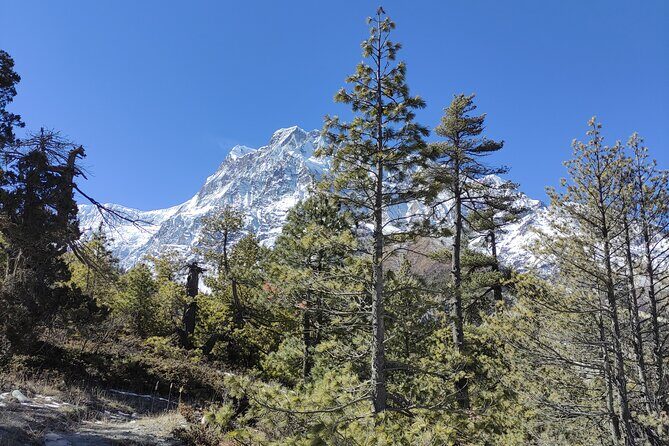
- Licensed, first-aid trained trekking guide to help keep the trip safe and organized
- Tea-house nights so you’re not carrying everything, just your daypack
- Small-group size (max 12) with a focus on team support
- ABC altitude goal at 4,130m with time to adjust along the way
- Support from guides and local porters, with names like Santosh, Asok, Rash, Dibo, and Varat showing up in positive feedback
- City-to-trail flow: Kathmandu and Pokhara sightseeing paired with the trek, not tacked on randomly
Annapurna Base Camp: why this 10-day plan works
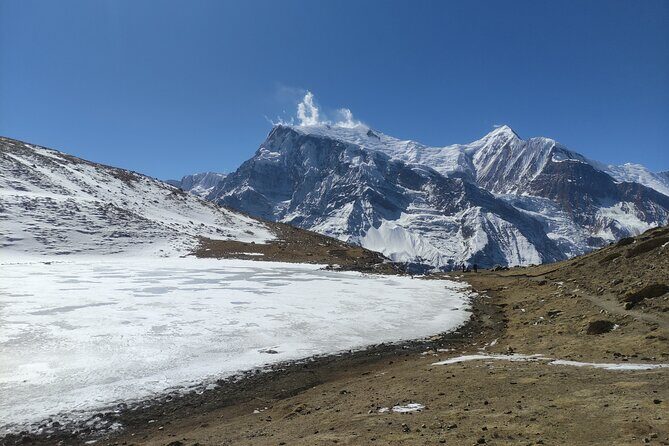
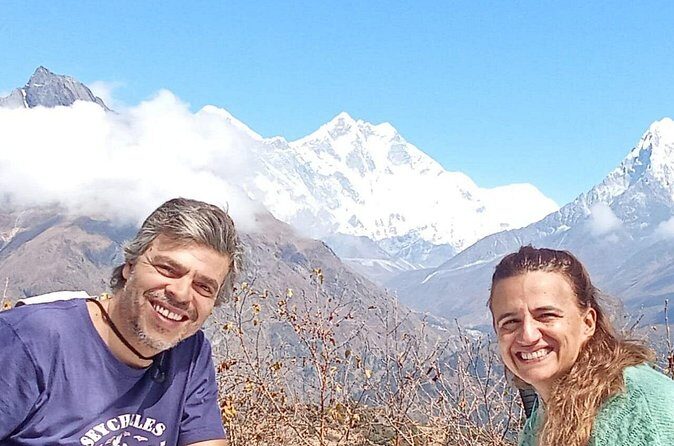
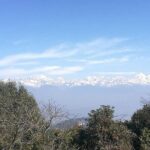
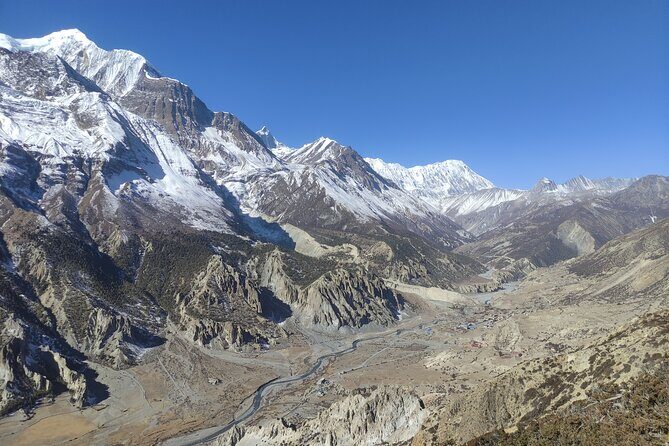
Annapurna Base Camp is one of those destinations where the payoff feels earned. The trek walks you through different terrain and village stops, then eventually into high-mountain territory where weather can change fast and quiet takes over.
What makes this specific itinerary feel good is the pacing logic. You’re not jumping straight from low altitude to the base camp goal. You gain elevation across several days, reach ABC, then come back with the kind of retracing that helps many trekkers keep their legs (mostly) attached.
You can also read our reviews of more hiking tours in Kathmandu
Kathmandu orientation: temples, Thamel, and a real meet-your-guide day
Your trip starts in Kathmandu with airport pickup and a hotel stay so you can land, breathe, and get squared away. After you’re greeted at Tribhuvan International Airport, you’ll get help getting to your hotel, then meet your guide for the trip briefing.
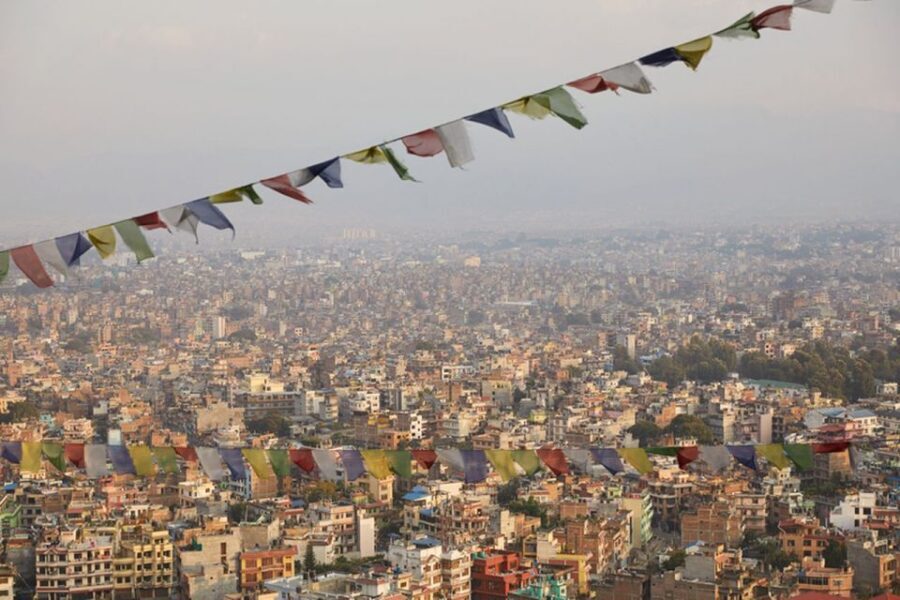
On your Kathmandu day, you’ll hit classic sights: Thamel for that first Nepal pulse, Kathmandu Durbar Square, and Pashupatinath Temple. You’re not just sightseeing here. These stops help you understand what you’re looking at once the trek starts—religion, daily life, and the city energy that sits underneath all the mountain dreaming.
Tip for your first day: keep your evening light. Big food, early sleep, and a little water attention goes a long way before the travel day toward Pokhara.
The Pokhara transition plus viewpoint time
Getting to Pokhara is part travel, part scenery. In the plan, you travel by bus from Kathmandu toward Nayapul (with views along the river route), then you connect into Pokhara lakeside for your base in the outdoor city.
The schedule also lists time around Swayambhunath and Chandragiri Hills. Even if you treat them as short stops rather than all-day missions, they’re worth it because they remind you how varied the Nepal experience is: temples, city views, and hill vantage points before the real climbing begins.
Once you’re in Pokhara, you’re setting up for that next phase: a trek that starts working its way uphill-and-downhill through villages and forests, then gradually pushes higher.
Day 3 to 4: Chhomrong and Sinuwa, where your legs learn the route
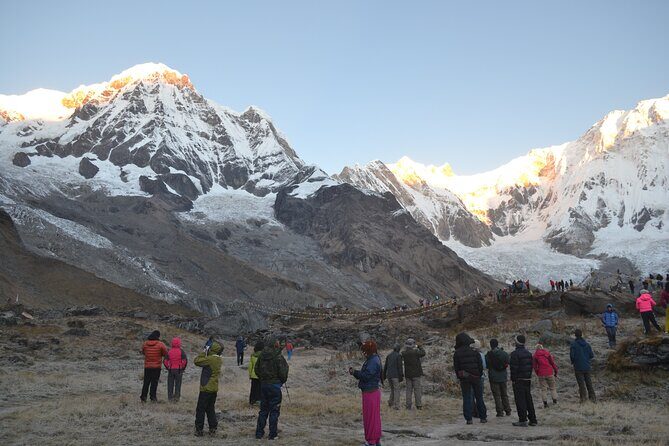
Day 3 is built around moving from the lower trekking zones into Chhomrong, via Ghandruk. The trail here can be uneven, and the plan flags it as a tougher day on the way to Chhomrong. You’ll be dealing with repeated ups and downs, plus forest walking that can feel pleasantly cool when the sun is strong.
Chhomrong matters because it’s a major “gear shift” moment for many people. It’s where the trek starts feeling more serious, and the mountain scenery starts to become the main character.
Day 4 continues toward Sinuwa, crossing the river and climbing a noted chunk of stone steps (the plan calls out about 2,500 steps carved into the hillside). This is one of those days where you’ll feel every step—so keep a steady pace and don’t race the stairs.
For a viewpoint break, the itinerary also lists Poon Hill around the Pokhara days. That’s helpful if you want one last taste of iconic Himalayan viewpoints without waiting until the base camp goal.
Day 5 to 6: reaching Annapurna Base Camp and then retracing smart
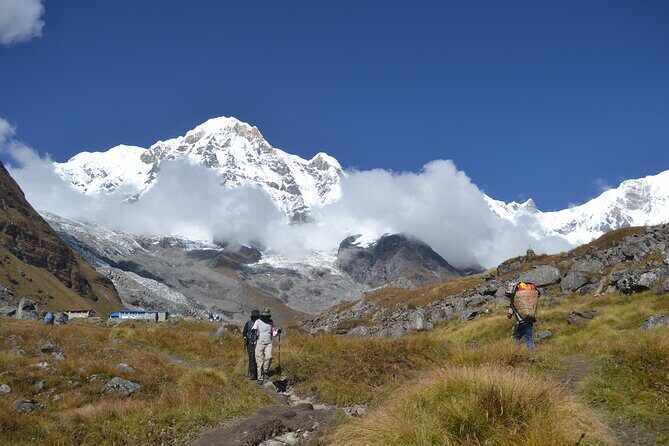
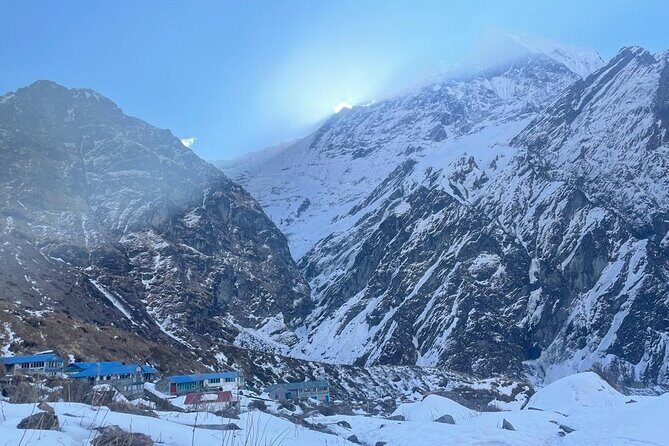
Day 5 is the big milestone: trekking to Annapurna Base Camp at 4,130m. The plan describes walking gently alongside a riverbed, then working your way toward Bagar and onward on the route with references to Machhapuchhre Base Camp along the way. Expect this day to feel strenuous, even if you’ve trained a bit—altitude has a way of turning steps into thoughts.
This is also where your guide makes a difference beyond logistics. A good guide doesn’t just point the way. They help you keep your pace realistic, check how you’re feeling, and manage expectations when weather shifts.
Day 6 is a return day, going from Annapurna Base Camp back toward Sinuwa, passing through areas like bamboo and the Annapurna sanctuary terrain. Coming down helps your body recover, and it also changes the feel of the journey because the air is cooler and the trail rhythm becomes simpler.
If you’re hoping to squeeze extra magic out of the day, focus on the small wins: warm tea at the right moment, good posture on descents, and taking photos while you still have breath for it.

Day 7 to 8: Jhinu Danda back to Pokhara, then lake views and Sarangkot
Day 7 shifts again, moving from bamboo toward Kuldighar, then descending toward Chhomrong Khola. The itinerary mentions climbing the stone steps back to Chhomrong, then continuing trekking through countryside routes. By this stage, you’re already doing the mental math of how many days you’ve got left—so the best strategy is consistency, not extra pushing.
Day 8 brings you back down toward Nayapul, with countryside trekking and distant Annapurna views described alongside rice farms. After all those days on the trail, this is where you get your legs back in a softer way.
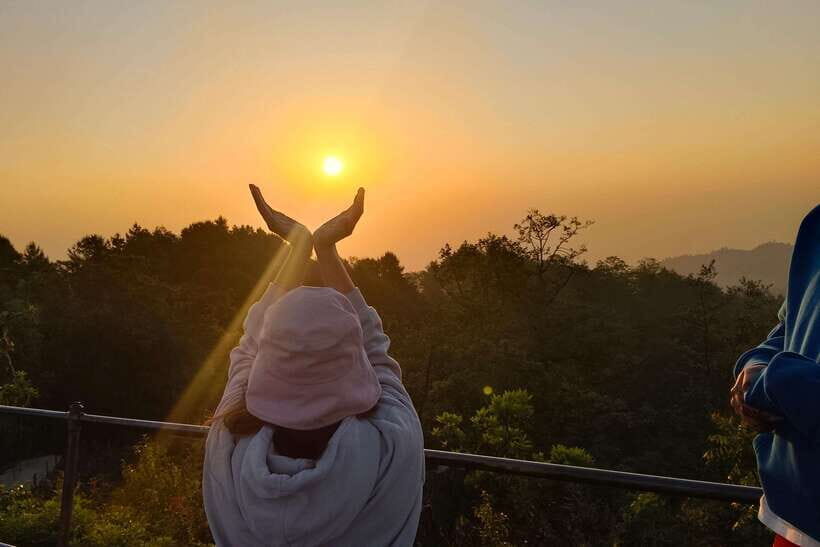
In Pokhara, the plan includes relaxing time around Phewa Tal and Sarangkot. These aren’t just postcards. They’re the kind of places where you can recover, eat well, and let the mountain memories settle into something lasting instead of rushing past you.
Day 9 to 10: Patan and final Kathmandu sights before airport drop-off
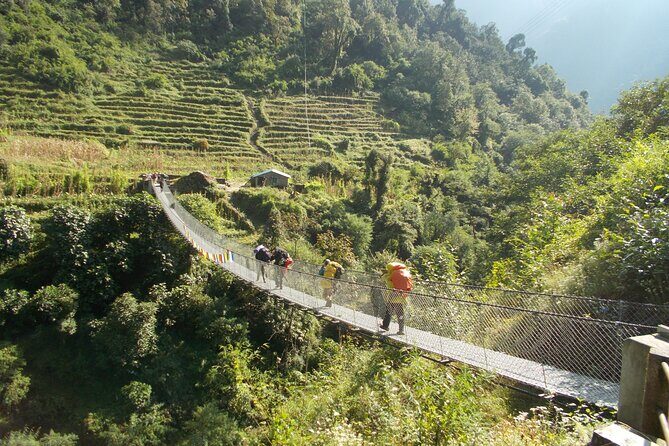
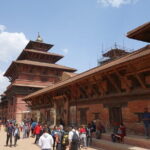
On Day 9, you head back to Kathmandu from Pokhara by vehicle. The schedule includes time at Patan Durbar Square in the Kathmandu Valley, which is a nice change of pace from the trek reality and a good way to close the loop on Nepal’s craft and heritage.
On Day 10, you get a final Kathmandu day with Garden of Dreams and Narayanhiti Palace Museum listed, plus a transfer to Tribhuvan International Airport for your departure. The plan also includes support for last-minute preparations and a farewell from the team.
If you’ve got time after sightseeing, don’t cram. You’ll be returning from altitude, and that’s not the time for an exhausting schedule.
The team: professional guides, local porters, and why it shows
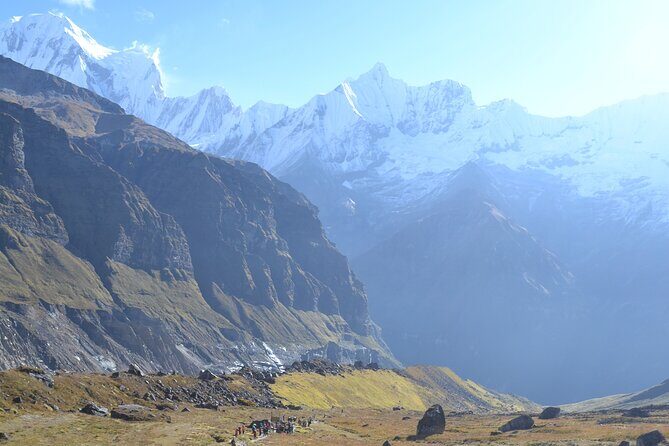
This is one of the strongest areas in the feedback you shared. Many experiences highlight professional support and friendly, capable guidance—especially for first-time Nepal trekkers and solo travelers.
Names that stand out from the positive notes include Santosh and Asok (mentioned in support during the trek), plus Raju Simkhada—often called Rash—showing up for personal care and companionship during the ABC journey. Other acknowledgments include Dibo and Varat as part of the support team.
Why you should care: at ABC altitude, you need more than route knowledge. You need someone who helps with pacing, keeps your safety radar on, and handles the little problems that can wreck a trekking mood—like confusion over timing, weather shifts, or finding the right tea-house setup.
This trip also states that the trekking guide is a government license holder and that leaders have basic first aid training plus a first aid kit is on hand. It’s not the same thing as “no risk,” but it does mean you’re not out there with guesswork.
Group size is capped at 12 people, and it notes this is a private tour/activity for your group. That usually matters because it reduces delays and makes it easier for your guide to manage pacing for everyone.
Price and value: what $699 covers, and what to budget beyond it
The listed price is $699 per person for an ~10-day trek. For ABC, that’s a value-driven structure because it includes the expensive stuff you’d otherwise pay separately: Kathmandu and Pokhara lodging, multiple transport legs, the guide, and tea-house accommodation during the trekking days.
From the included items, you get:
- Transfers from and to the airport
- 2 nights in Kathmandu and 2 nights in Pokhara (3-star hotels with breakfast are stated)
- 6 nights in tea houses during the trek
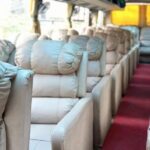
- Kathmandu–Pokhara–Kathmandu by luxury tourist bus
- Pokhara–Nayapul–Pokhara by private car
- A licensed trekking guide with support listed (food, drinks, accommodation, insurance, salary, equipment, transportation, and local tax)
- A farewell dinner with cultural show
- Breakfast (listed as 9 breakfasts) and dinner included
What’s not included is where you should plan your money:
- Lunch and dinner in Kathmandu and Pokhara are listed as $150 per person
- Gratuities are listed as $50 per person
- If you prefer an additional guide for another language, there’s an extra $200 per group
When I think about value, the key is that this plan reduces your need to organize the basics on the ground. You’re buying a ready system: lodging, guide coverage, transportation, and tea-house nights. If you like traveling with fewer moving parts, this kind of package can feel like good deal arithmetic.
Altitude, weather, and the safety reality at 4,130m
The trip notes moderate fitness and flags the altitude clearly: walking at altitudes around 4,130m with possible extreme variations in weather. It also states that adverse health effects can happen regardless of age or gender, and it recommends talking with your doctor before departure.
That’s not a scare tactic. It’s a reminder to respect the process. Your best defense is pacing, hydration, and treating every stop as a chance to steady your breathing before you feel rushed.
This also matters emotionally. If you get hit with cold, reduced appetite, or headaches, the right response is slower movement and honest communication with your guide. Since the plan includes first aid training for leaders and local medical closeness awareness, you’ll have a clearer path if something goes off-plan.
What kind of traveler this fits best
This trek works well if you want a classic ABC experience with structure and a team around you. The highlights call out flexibility to customize your itinerary, and the trip is described as romantic, which makes sense for couples who want shared milestones and mountain views without planning everything themselves.
I’d also consider it strongly if you’re traveling solo but still want support. Several comments you provided mention first-time trekking in Nepal and appreciation for friendly, professional care.
The main “no” is for anyone who expects an easy stroll. Even with a guide, some days include uneven trails and big step sections, and altitude adds effort fast.
Should you book this Annapurna Base Camp trek?
If you want the ABC goal with real support, this is the kind of trek that makes sense. You’re paying for systems—lodging, guide coverage, transport coordination, tea-house nights, and a team that seems genuinely focused on people (names like Santosh, Asok, Rash, Dibo, and Varat show up in the feedback for a reason).
I’d book if:
- you’re okay with a moderate fitness level and a steady trekking pace
- you want fewer logistics headaches and more time to enjoy the trail
- you value guided support at altitude, not just route notes
I’d rethink it if:
- you’re looking for a low-effort hike with minimal cold and minimal stair stress
- you’re unsure about altitude risk and haven’t talked with a doctor yet
If you do book, pack like you’re traveling to cold weather at altitude, and take the first days slowly. The treks that feel magical are usually the ones where you don’t try to win them.
FAQ
What is the highest altitude on the trek?
The itinerary states you’ll walk at demanding altitudes of approximately 4,130m / 13,550 feet at Annapurna Base Camp, with possible extreme weather changes.
What’s included in the price?
Included items list airport transfers, 2 nights in Kathmandu and 2 nights in Pokhara with breakfast, 6 nights in tea houses during the trek, luxury tourist bus for Kathmandu–Pokhara–Kathmandu, private car for Pokhara–Nayapul–Pokhara, a licensed trekking guide with support items, a farewell dinner with cultural show, plus meals including dinner and breakfast.
Are lunch and dinner included during the whole trip?
No. The tour data says lunch and dinner in Kathmandu and Pokhara are not included, with an extra $150 per person for those meals. Dinner and breakfasts are listed in included items for the trek portion.
Do I need travel insurance?
Yes. The trip requires travel insurance that covers medical expenses and emergency repatriation, and you must show proof of insurance to the tour leader on the first day.
How big is the group?
The maximum is 12 people per booking, and it notes this is a private tour/activity for your group.
Can I cancel for a full refund?
Yes. The policy says free cancellation is available if you cancel at least 24 hours in advance, which allows a full refund.