REVIEW · KATHMANDU
Annapurna Base Camp Trek 12 Days
Book on Viator →Operated by Adventure Glacier Treks & Expedition · Bookable on Viator
One day, the mountains hit you back.
This 12-day Annapurna Base Camp trek runs from Kathmandu to Pokhara and back, with lodge-based comfort and a focus on safe trail decisions in the higher, more serious sections.
What I like most is that you’re not just chasing a summit. You get the cultural texture of the region—especially through Gurung and Magar villages—and you also get a plan that accounts for real-world conditions, like route changes near avalanche-prone terrain.
The main drawback to consider: accommodation in Kathmandu and Pokhara (beyond daily breakfast) isn’t included, so you’ll want to budget those nights separately.
In This Review
- Key highlights (the good stuff that matters)
- Kathmandu to Pokhara: the ramp-up that sets your legs up
- Day-by-day: how the Annapurna route unfolds (and why each stop helps)
- Day 1: Thamel, Kathmandu briefing day
- Day 2: Pokhara Lakeside (drive day, easy start)
- Day 3: Nayapul trail start into Tikhedhunga
- Day 4: Ulleri’s steps into Ghorepani
- Day 5: Poon Hill sunrise at ~3,200m
- Day 6: Chhomrong village and the Gurung corridor
- Day 7: Dovan and the approach toward Annapurna Sanctuary
- Day 8: Deurali and the altitude reality check
- Day 9: the Annapurna Base Camp approach and the Modi River routing
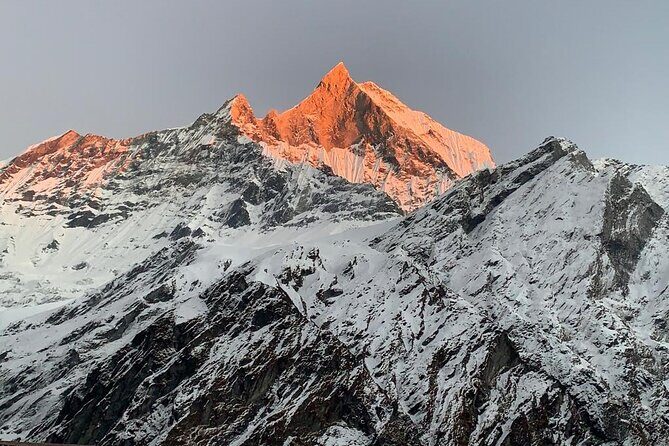
- Day 10: sunrise over the Annapurnas, then down toward Dovan
- Day 11: Sinuwa Hill and a lodge night in the quieter stretches
- Day 12: Jhinu hot springs and the ride back to Pokhara
- Price ($799) and value: what’s included versus what you still pay
- Guides and problem-solving: the support that earns its place
- What the “moderate fitness” note really means for you
- The best fit: who should choose this trek
- Should you book it?
- FAQ
- What is the duration of the Annapurna Base Camp trek?
- Where does the tour start?
- How much does it cost?
- Is airport pickup and drop-off included?
- Are permits included?
- What meals are included?
- Do I need to arrange my own porter?
- Does the tour include accommodation?
- Can I cancel for a full refund?
Key highlights (the good stuff that matters)
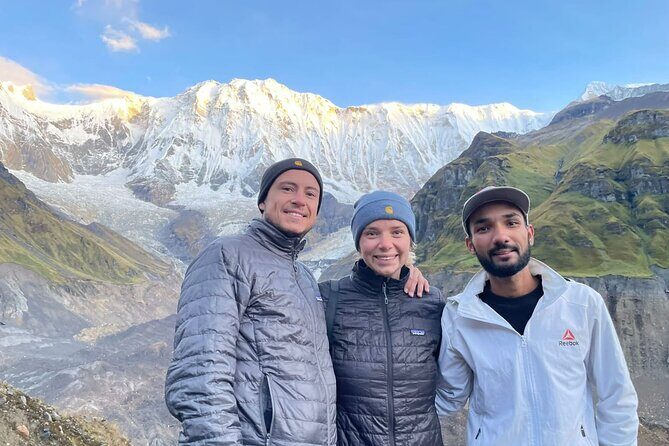
- Safety-minded routing near Base Camp where the trail crosses the Modi River depending on conditions and season
- Sunrise payoff built into the route, including a Poon Hill morning at about 3,200m
- Cultural stops with Gurung and Magar communities, not just tea houses
- Real value in what’s included: permits (ACAP and local), guide support, ground transport, and most meals
- Support that handles disruption, with staff like Dil Prasad Sapkota noted for pre-trip guidance and last-minute problem-solving
Kathmandu to Pokhara: the ramp-up that sets your legs up
Most trekking disasters start before the first step. Not because people can’t walk, but because the trip “logistics” feel chaotic. This one keeps things orderly.
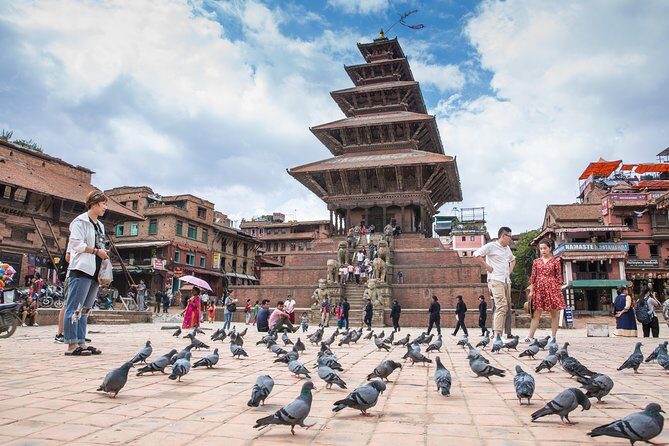
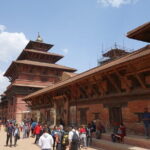
You’ll meet an airport representative at Tribhuvan International Airport in Kathmandu and get transferred to a hotel in Thamel. Thamel is touristy, but that’s the point: it’s where you can handle gear questions, buy a few missing basics, and get your briefing without feeling lost.
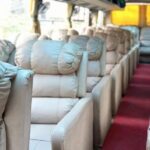
Then you’ll head to Pokhara by tourist bus (typically leaving around 7:00 a.m.). The drive is about 6–7 hours depending on road conditions, and it’s a useful primer for what’s coming—long sitting, changing scenery, and the occasional Nepali-road surprise.
Why this matters for you: when the trek starts, your body already knows the rhythm: eat, rest, walk, repeat. You’re not arriving exhausted and improvising.
You can also read our reviews of more hiking tours in Kathmandu
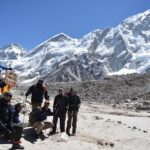
Day-by-day: how the Annapurna route unfolds (and why each stop helps)
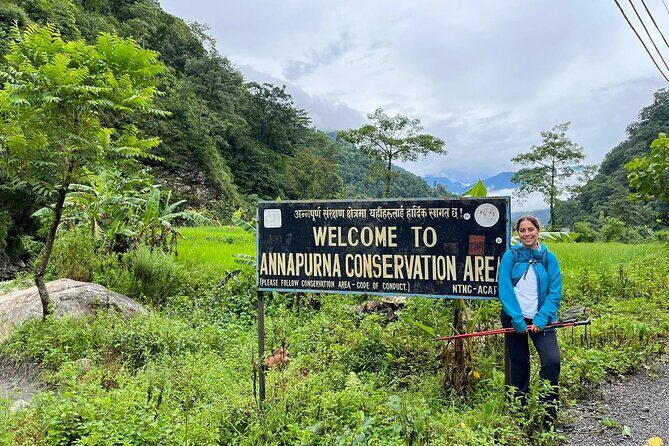
This trek is built around progressive hiking days. Each one gives you a reason to go a little further, but also a chance to adjust to the pace and elevation.
Day 1: Thamel, Kathmandu briefing day
You’ll arrive, get picked up, and settle into a hotel. After that you’ll have a briefing—important, because Annapurna has plenty of choices and small decisions that affect comfort later (timing, pace, how you handle acclimatization).
Even if you’re an experienced trekker, I like briefing days. They help you stop thinking and start moving.
Practical note: this is where you’ll want to ask any final questions about your fitness, clothing layers, and whether you want a porter (porters aren’t included automatically).
Day 2: Pokhara Lakeside (drive day, easy start)
After breakfast, you’ll ride to Pokhara. Once you arrive, you’ll rest and reset. Pokhara is a good “breather” city: you get services, views, and a calmer pace than Kathmandu.
What you shouldn’t do here: rush around all afternoon. Save your energy. Your first real hiking day is coming.
Day 3: Nayapul trail start into Tikhedhunga
You’ll leave Pokhara after breakfast, travel by private vehicle to Nayapul, then step onto the trail network. The route follows scenic countryside and climbs you into the trekking mindset.
Tikhedhunga is a common early base in the Annapurna region. It’s not the big-altitude thrill yet, but it’s exactly where you want your pace to feel controlled.
What to watch: if you start too fast, your legs pay later. Keep it easy today.

Day 4: Ulleri’s steps into Ghorepani
This day is the classic leg-burner. The trail climbs uphill to Ulleri, with about 3,000 stone steps. It takes around two hours for many people, and it can feel relentless if you sprint it.
From Ulleri, the trail continues toward Ghorepani. Ghorepani is where you settle into the rhythm of trekking lodges—teahouses, warm drinks, and the quiet “we’re in this now” feeling.
Why this stop is valuable: it conditions you for the rest of the trek without throwing you into severe altitude right away.
Day 5: Poon Hill sunrise at ~3,200m
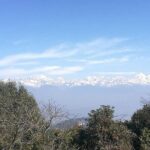
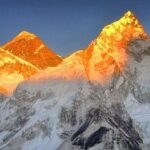
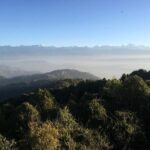
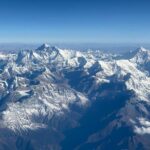
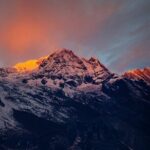
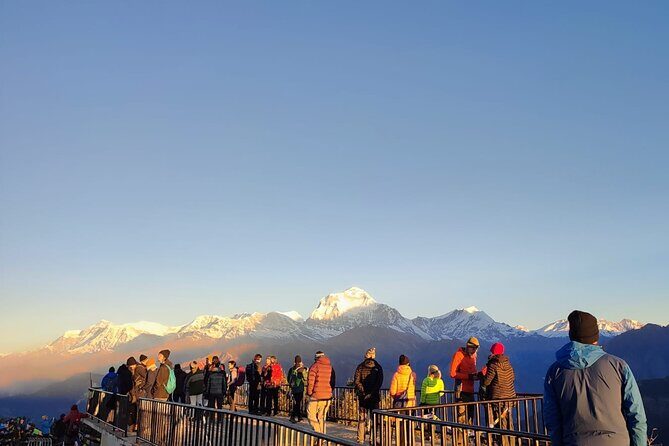
If you want one morning that makes the whole trek feel worth it, this is it. You’ll walk about 50 minutes to Poon Hill at around 3,200m for sunrise views of the Himalayas. Conditions can vary, but when visibility is good, this is the kind of panorama that changes how you remember the trail.
Afterward, you’ll continue through the day back down or onward to the next village stop.
Tip for your comfort: start slowly. Cold + elevation + early mornings can make your breathing feel harder than it should.
Day 6: Chhomrong village and the Gurung corridor
From Tadapani, you’ll descend about 900m to the Gurjung River valley, then gradually climb along the ridge toward Chhomrong. Chhomrong sits high on the ridge and is described as a large Gurung village in the Annapurna corridor.
This is where the trek shifts from “walking in the mountains” to “meeting the region.” Gurung villages usually feel lived-in: local rhythms, local names, and a sense that you’re passing through a community, not just a tourist route.
Possible challenge: ridge walking can feel longer than it is. Expect steady effort.
Day 7: Dovan and the approach toward Annapurna Sanctuary
You’ll trek down Chhomrong Khola and then go up Sinwa for about three hours. From there, the route enters a steep valley leading toward Annapurna Sanctuary, with Annapurna South and Fishtail in view.
This day starts to feel more dramatic. The valley approach narrows your sense of space and makes the higher terrain feel closer.
Why this matters: you’re not just walking uphill—you’re getting your mind ready for the Base Camp zone.
Day 8: Deurali and the altitude reality check
Above Dovan, you’ll enter an area where the altitude effect is felt. The plan is a slow ascent, reaching another Himalayan hamlet in about two hours.
This isn’t a “race day.” The best strategy at Deurali is patience. Move steadily, drink water, and keep your breathing calm.
Why I like how this day is framed: it signals to you that pace becomes more important than distance.
Day 9: the Annapurna Base Camp approach and the Modi River routing
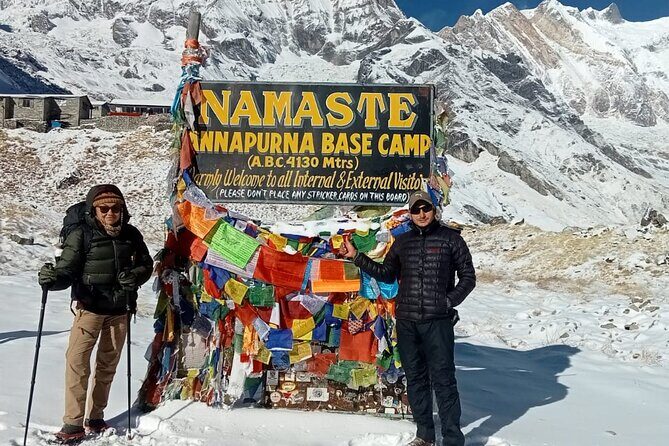
This is the day that turns your effort into the big payoff. The trail from Deurali toward the Base Camp/Fishtail Base Camp area is described as avalanche-prone. Because of that, the route can change across the Modi River depending on situation and season.
That sentence is a big deal. It means your guides aren’t running a rigid script; they’re making route decisions based on conditions.
You’ll count roughly two hours to reach the fishtail base area.
What to know for your planning: you’ll want to feel mentally ready—this zone rewards focus, not rushing.
Day 10: sunrise over the Annapurnas, then down toward Dovan
After sunrise over the Annapurnas, you’ll hike back toward Doban/Dovan. The first part can be steep, then it turns into more gradual downhills.
Dovan is described as a river junction of two streams—so expect a wetter, cooler feel. Down days can be tough on knees, but the slower angles tend to feel manageable when you keep your steps light.
My practical advice: take downhill carefully. A controlled descent is how you arrive tomorrow with energy.
Day 11: Sinuwa Hill and a lodge night in the quieter stretches
You’ll follow the path along the river and into peaceful forest with waterfalls, sounds, and birds. Then you’ll take an easy hike up toward Sinuwa Hill and overnight at a trekking lodge at Sinuwa.
This is a nice change from the big climbing push days. It’s the kind of walk that feels scenic without demanding your best hill-attack.
Why this stop is smart: it sets you up for an easy final day, instead of tiring you out.
Day 12: Jhinu hot springs and the ride back to Pokhara
Today you’ll trek about two hours to Jhinu, the natural hot spring area. You’ll spend time bathing there, have lunch, then drive back to Pokhara (or you can continue trekking longer before returning).
Hot springs are a classic trekking reward for a reason. They can’t erase every bruise, but they do help your body feel human again.
If you feel tight: keep the bath time moderate and hydrate afterward.
Price ($799) and value: what’s included versus what you still pay
At $799 per person for a 12-day Annapurna Base Camp trek, the big question is: what are they covering, and what’s on you?
Here’s what’s included:
- Lodge accommodation en route
- Three meals a day during the trek (breakfast, lunch, dinner) with tea/coffee en route
- Ground transportation (including Kathmandu ↔ Pokhara by transport)
- Professional guide (with their expenses including insurance and equipment)
- Airport pickup/drop
- Permits and fees, including ACAP and local permits
- Most of the daily structure that can otherwise cost money and time when you DIY
What’s not included:
- Beverages
- Tips for your guide
- Your travel insurance
- Porter costs if you need one
- Meals in Kathmandu and Pokhara, except daily breakfast
- Accommodation in Kathmandu (nights before/after the trek)
Value take: the permit coverage + guide + meals + lodge stays + transport is where the money is actually saved. You’re not just paying for a “walk.” You’re paying for a system that handles paperwork, scheduling, and meal logistics so you can focus on hiking.
If you already have insurance and you’re not planning to drink a ton of bottled beverages, this tends to feel like a fair deal for Nepal’s mid-range trekking market.
Guides and problem-solving: the support that earns its place
One of the most praised parts of the experience is the human support behind the scenes.
Adventure Glacier Treks & Expedition has been associated with staff like Dil Prasad Sapkota, credited with helping in the weeks leading up to the trek—plus handling reroutes when weather disrupts flights to Pokhara. That’s not trivia. If your travel plan changes, you need someone who can react fast and keep the trek timetable intact.
Guides named in feedback include Arjun and Sudip, with porters such as Krishna and Mr Ram also mentioned. That matters because a good guide doesn’t just lead—you want a guide who can manage pace, explain what to expect, and make safe decisions in higher terrain.
Also, this is described as a private tour, meaning only your group participates. Private doesn’t mean fancy—it usually means you’ll get clearer communication and less time wasted waiting for the slowest person in a mixed group.
What the “moderate fitness” note really means for you
The trip asks for moderate physical fitness. Translation: you should be comfortable walking daily for hours, with uphill/downhill and some steep sections (especially the Ulleri steps and portions of the trek near the Sanctuary approach).
If you can:
- walk 60–90 minutes continuously on a normal day, and
- handle stairs without losing your form, and
- keep your pace steady
…you’ll likely enjoy the rhythm.
If you’re injury-prone or you hate descents, plan to take downhill slowly and use poles if you have them. Knee strain is the common “I got through it but I paid for it” issue on these routes.
The best fit: who should choose this trek
This tour is a strong match if you want:
- A classic Annapurna Base Camp experience with sunrise moments
- Cultural contact, especially around Gurung and Magar areas
- A guided trek that handles permits, meals, and route decisions for safety
- A private-group feel without jumping to luxury pricing
It’s not ideal if:
- you want a fully self-guided experience,
- you don’t like early starts,
- or you prefer to have Kathmandu lodging fully included.
Should you book it?
I’d book this trek if you want a well-run Annapurna Base Camp route that takes safety seriously near the higher-zone terrain and keeps daily logistics simple. The price is competitive because it covers the heavy basics: meals on trek, lodge stays en route, permits, and ground transport.
I’d hesitate only if Kathmandu and Pokhara lodging costs would be a problem for your budget, or if you’re looking for a trek that’s fully customizable day-by-day without any structure. This one is planned for a reason—and that planning includes smart decisions near avalanche-prone areas.
If that sounds like your style, Adventure Glacier Treks & Expedition is worth putting on your shortlist.
FAQ
What is the duration of the Annapurna Base Camp trek?
The trek is listed as 12 days (approx.).
Where does the tour start?
The meeting point is Tribhuvan Airport (Kathmandu, Nepal).
How much does it cost?
The price is $799.00 per person.
Is airport pickup and drop-off included?
Yes. Airport Pick up/drop is included.
Are permits included?
Yes. The trip includes ACAP and local permits and applicable fees.
What meals are included?
The trek includes three meals a day (breakfast, lunch, and dinner) with tea/coffee en route while you’re trekking. Meals in Kathmandu and Pokhara are not included except daily breakfast.
Do I need to arrange my own porter?
A trekking porter is not included, though you can choose one if you need it.
Does the tour include accommodation?
You’ll have accommodation at lodges en route. Accommodation in Kathmandu is not included.
Can I cancel for a full refund?
Yes. Free cancellation is available up to 24 hours in advance for a full refund. If you cancel less than 24 hours before the start time, the amount paid isn’t refunded.