REVIEW · KATHMANDU
Annapurna Base Camp Trekking
Book on Viator →Operated by himalayan sanctuary adventure private limited · Bookable on Viator
Himalaya mornings start early here. This private Annapurna Base Camp trek is interesting because logistics are handled (airport pickup, Kathmandu and Pokhara stays, tourist coach transfers), and you’re not doing meal math every day with accommodations and meals included on the trek. One thing to plan for: some add-ons cost extra, like sightseeing entrance fees and extras such as hot water and drinks.
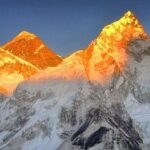
I also like the sequence: you don’t rush straight to the trail. You start with major UNESCO World Heritage sites in Kathmandu, then head to Pokhara and go for the Poon Hill sunrise push, where you get big mountain-range views of Annapurna and Dhaulagiri.
In This Review
- Key Points That Make This Trek Worth Your Time
- Kathmandu Warming Up: UNESCO Sites Before You Earn the Trail
- The Ride to Pokhara and Why the Timing Matters
- Day 4 to Day 6: Ulleri, Ghorepani, and the Poon Hill Sunrise Mission
- Ulleri (Day 4)
- Ghorepani (Day 5)
- Poon Hill and Tadapani (Day 6)
- Tadapani to Chhomrong to Dovan: Forests, Bridges, and the Annapurna Feel
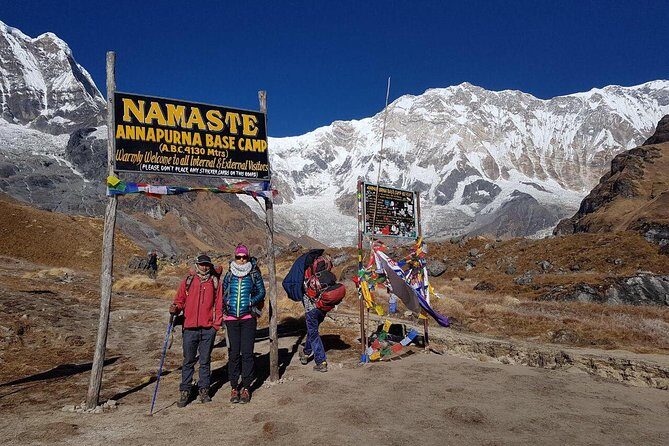
- Deurali and Annapurna Base Camp: Steady Altitude Work and Big-Mountain Day
- The Return Descent: Bamboo to Jhinu Danda Hot Springs
- What’s Actually Included (and What You’ll Still Pay For)
- Price and Value: $899 for a Private ABC Trek Setup
- Who This Tour Fits Best (and Who Might Find It Frustrating)
- Should You Book This Annapurna Base Camp Trek?
- FAQ
- What’s the meeting time for the tour?
- Does the trip include airport pickup in Kathmandu?
- Are hotels included before the trek?
- Is teahouse lodging and meals included during the trek?
- Will I have a guide and porters?
- What permits are handled for the trek?
- Which Kathmandu sightseeing stops are included?
- Does the itinerary include Poon Hill sunrise?
- What is not included in the price?
Key Points That Make This Trek Worth Your Time
- Private guide + porter ratio (2 trekkers : 1 porter) takes the edge off carrying and pacing
- Meals and teahouse lodging included during the trek, so you spend less time figuring out logistics
- Kathmandu UNESCO sightseeing first, then you actually earn the mountain scenery with a real trekking start
- Poon Hill at 3,210m for sunrise (early start, but very much the moment people remember)
- Annapurna Base Camp day with a proper downhill return, not just a single straight shot
- Guide team experience in real-world comfort, including people referenced by name like Bishnu Bhatta and Vishnu
Kathmandu Warming Up: UNESCO Sites Before You Earn the Trail
Your trip begins in Kathmandu with an airport pickup and a straightforward transfer to your hotel. No drama. No hunting for your ride after a long flight—just a clean start so your jet lag doesn’t also become a navigation problem.
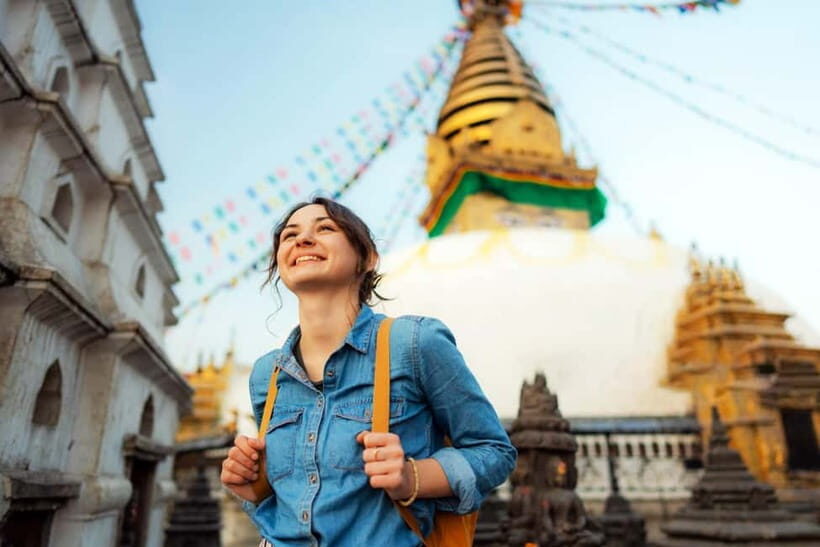
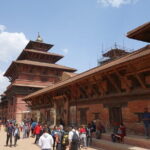
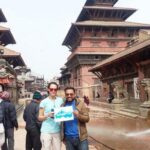
Day 2 is your Kathmandu primer, hitting several top UNESCO World Heritage spots: Pashupatinath Temple, Boudhanath Stupa, Patan Darbar Square, and Swayambhunath (the Monkey Temple). What I like about this order is that it gives you two different kinds of Nepal right away: sacred Hindu and Buddhist landmarks, plus the busy cultural layers of the valley.
This is also the best time to get your gear and body ready before the mountains start asking for your attention. You’ll want to be comfortable walking on uneven streets, climbing stairs, and spending time outdoors—even before you reach the Himalayas.
If you care about pacing, this day matters. You’re not trekking yet, but you are building the rhythm you’ll need later: short walks, frequent breaks, and keeping your energy for the climb.
You can also read our reviews of more hiking tours in Kathmandu
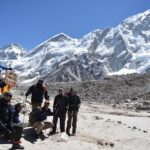
The Ride to Pokhara and Why the Timing Matters
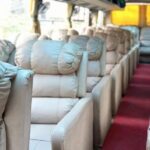
Next you take a tourist bus from Kathmandu to Pokhara, typically leaving around 7:00–7:30am, with the drive taking about 5–6 hours. Pokhara is where the air feels different, and the valley vibe helps you shift from city mode into trekking mode.
The route is part of the value here. You’re not just getting to the trailhead—you’re given time to settle in and prepare. Pokhara also gives you the practical advantage of being the region’s launch pad for the Annapurna area, so you’ll see what trekking life looks like before you enter it.
On Day 3, your trekking staff picks you up from the hotel early and escorts you to the bus station. That may sound minor, but it reduces stress in a place where timing matters.
You’ll also appreciate having the whole process bundled: transfers are included, and you’re traveling with your guide and team rather than juggling separate tickets and local transport.
Day 4 to Day 6: Ulleri, Ghorepani, and the Poon Hill Sunrise Mission
Then you start the trek from Nayapul, after about an hour drive from Pokhara. You’ll do a short warm-up along the Modi Khola before stepping into your first real climbing day.
Ulleri (Day 4)
Your walk takes you from the village area near Birethanti up toward Hille and then Tikhedhunga. This day is a “get your legs working” kind of day—shorter in distance, but you’ll feel the altitude slowly reminding you that you’re no longer at sea level.
What makes this start smart is that it’s not a full-burn climb right away. You’re getting used to the tea-house routine, the trail feel, and the way your breath changes with elevation.
Ghorepani (Day 5)
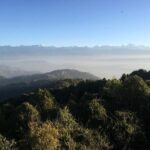
Today you move toward Ghorepani (around 2,840m), passing through a mix of terraced village areas and forest trails. Expect the day to include a steep climb section near Ulleri and then a gentler ascent through oak and rhododendron forests.
You’re also gaining elevation in a way that sets you up for the next day’s sunrise effort. It’s one of those practical pacing choices that can make the difference between enjoying the hike and feeling like you’re “just surviving.”

Poon Hill and Tadapani (Day 6)
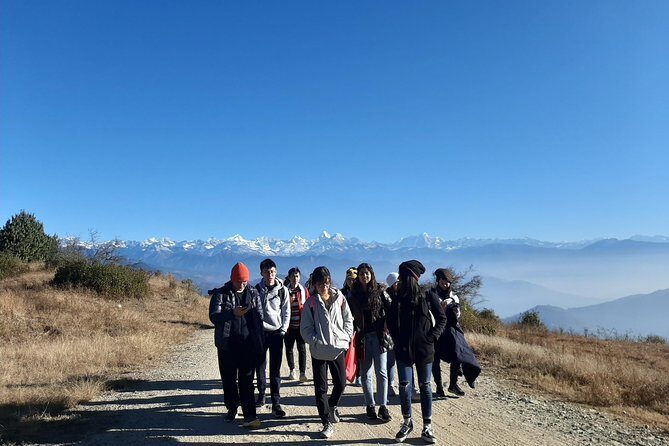
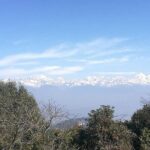
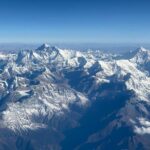
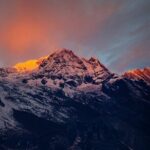
This is the big one: you start early to hike up to Poon Hill (3,210m) for sunrise. The tour schedule is built around the timing, because sunrise isn’t something you can improvise. When it works, the views over Annapurna and Dhaulagiri ranges are the kind of reward that makes the early wake-up feel fair.
After sunrise, there’s a cup of coffee and then a trek back down to Ghorepani for breakfast. From there you continue toward Tadapani (around 2,700m), with trails that include rhododendron forests and waterfall scenery before you settle in for the night.
One consideration: early starts can be tough if you’re not used to hiking at altitude. If your sleep gets light, pack an eye mask and keep your expectations simple: wake up, hike, see sunrise, then recover.
Tadapani to Chhomrong to Dovan: Forests, Bridges, and the Annapurna Feel
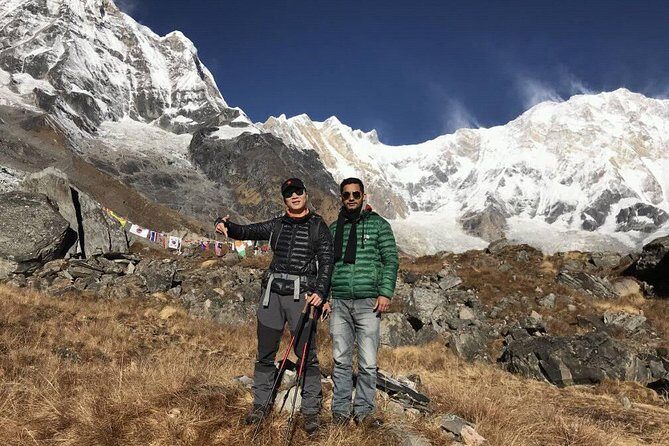
Day 7 moves you from Tadapani to Chhomrong. This segment is known for rhododendron forest scenery and a downhill start that quickly turns into more trekking work. You’ll reach the terraces and pass a suspension bridge, then continue toward Chhomrong, a village right below the massive Annapurna wall.
Chhomrong is a “checkpoint village.” It gives you a sense of progress and a real feeling of being inside the Annapurna region, not just approaching it.
Day 8 continues to Dovan. The trail includes bamboo forest areas that can feel damp and cold, then later you gain sun and better views as the vegetation changes. You’ll also pass through sections near Himalaya Hotel and Hinku Cave, and reach Dovan with views toward the Dhaulagiri direction.
This day matters because it’s where the trek starts to feel more serious. Your legs will notice each ups-and-downs rhythm. The upside is that the scenery also tightens up—valleys look deeper, and the mountain presence becomes more constant.
Deurali and Annapurna Base Camp: Steady Altitude Work and Big-Mountain Day
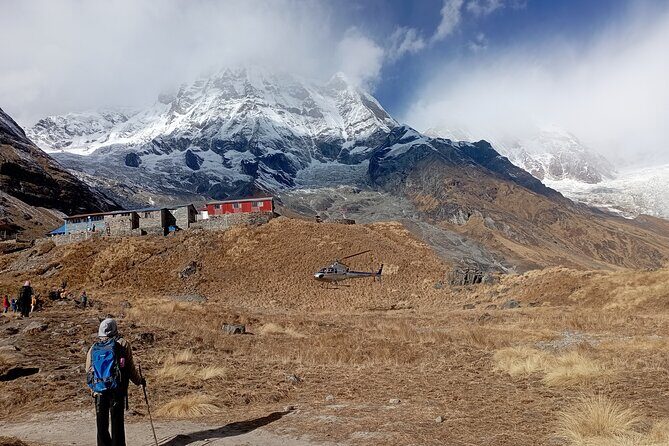
Day 9 takes you from Dovan to Deurali with a steady climb along a valley trail. Expect rocky cliff sections and some steep moments. This is the kind of day that rewards patience. If you go too fast, you’ll pay for it later.
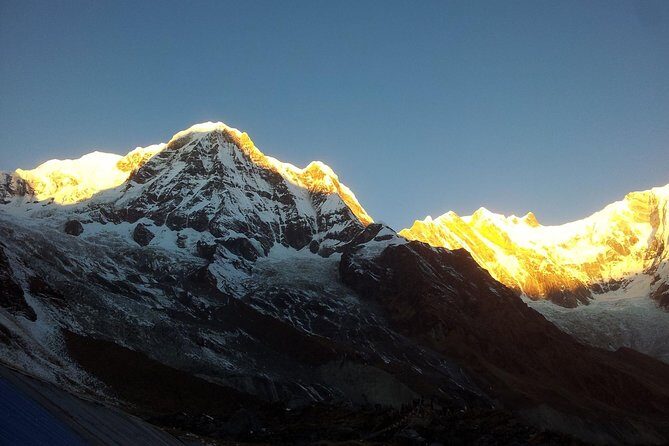
Day 10 is your main push toward Annapurna Base Camp. The route climbs to the base camp area, and you’ll have a long day that’s less about speed and more about mental focus. Even if you feel great, don’t turn it into a race. This is one of those treks where walking slower makes the day better.
After reaching the base camp area, your itinerary includes a downhill return segment on the following day(s). You’ll come back down past important waypoints like Machhapuchhre Base Camp, Deurali, Himalayan Hotel, and Doban, before continuing toward Bamboo. That downhill work can be tiring too, but in a different way—it asks for strong knees and smart foot placement.
The Return Descent: Bamboo to Jhinu Danda Hot Springs
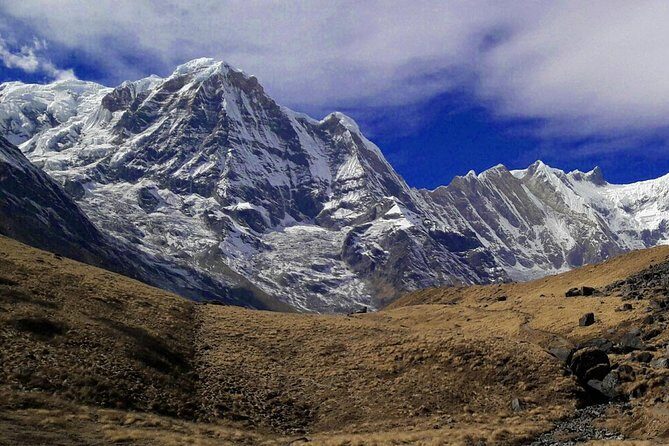
Once you start descending, the trek becomes about rhythm and repetition. Day 11 (the return direction) brings you back from the higher zones toward Bamboo, passing places you recognized earlier—meaning your brain gets a break. You’ve done the hard work once; now you get the familiar trail flow back.
Day 12 heads toward Jhinu Danda, with a 5-hour trek and the famous extra reward: time at the hot springs. This is one of the reasons I like this specific Annapurna Base Camp route—after days of cold air, you get a warm reset that helps your body recover. It’s not a spa, but it’s a practical one.
Day 13 brings you back toward Nayapul and then into Pokhara by drive. You’re done with the mountain effort for now, which makes the drive feel like a transition instead of a second chore.
Finally, Day 14 returns you to Kathmandu after breakfast, normally with a tourist bus that can take about 7–9 hours.
What’s Actually Included (and What You’ll Still Pay For)
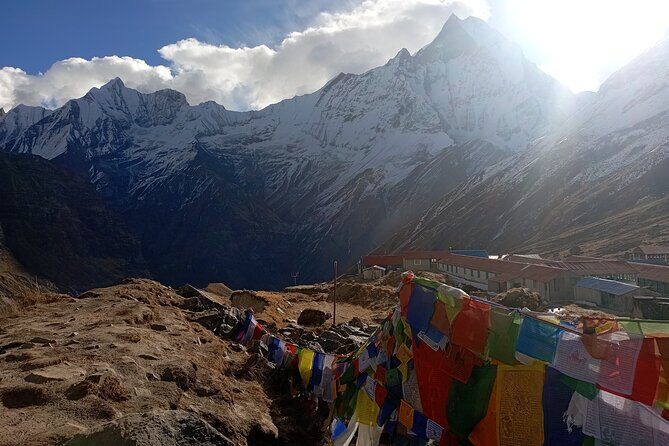
This tour is structured to take the “where do we sleep and eat tonight?” stress out of your hands.
Included basics:
- Airport pickup in Kathmandu
- 3-star category hotels in Kathmandu and Pokhara including breakfast
- Teahouse accommodation during the trek with breakfast, lunch, and dinner
- Tourist coach transportation Kathmandu–Pokhara–Kathmandu
- An experienced English-speaking trekking guide plus porters (2 trekkers : 1 porter)
- Permits and paperwork (ACAP and TIMS) and related taxes
- Pickups and transfers and the necessary local arrangements
Not included items you should plan for:
- Hot water and cold drinks, plus things like soda and bottled/mineral water
- Phone calls, laundry, beer/bar bills
- Entrance fees for Kathmandu sightseeing
- Lunch and dinner in Kathmandu and/or Pokhara
- Tips for guides and porter
- Some comforts like battery recharge, tea/coffee, and shower-related costs
Practical takeaway: when budgeting for the trip price, assume you’ll spend extra on personal comfort items. The trekking base is handled for you, but you still control your preferences when it comes to drinks and small convenience purchases.
Price and Value: $899 for a Private ABC Trek Setup
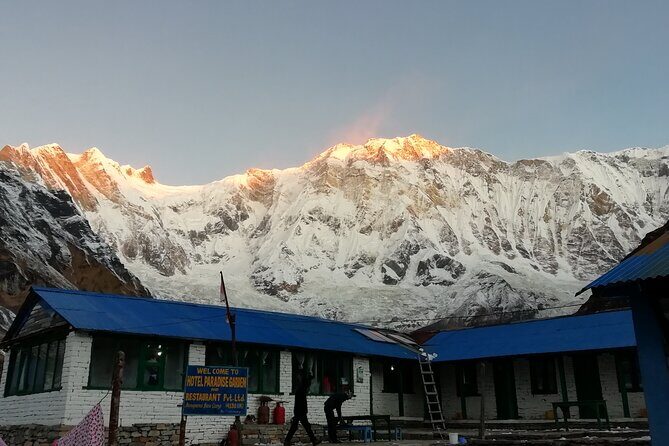
At $899 per person for an about 14-day private trek package, the value comes from what’s bundled. You’re not just paying for a route and a guide—you’re paying for the structure: Kathmandu sightseeing, hotel nights, teahouse meals, transportation to Pokhara and back, plus permits like ACAP and TIMS.
The private guide angle matters. A group trek can work, but private is where you often get calmer pacing and more direct help when altitude or trail conditions slow you down. And the porter ratio (2 trekkers : 1 porter) is the kind of support that turns the trek into an experience, not a carry-test.
One more value point: teahouse food being included reduces your decision fatigue. On trekking days, that matters more than people think. You can focus on walking and resting, not negotiating your next meal.
If your goal is to do Annapurna Base Camp without spending extra time planning logistics, this price level fits that aim. If you want maximum freedom to build your own schedule and handle every booking yourself, a DIY approach could be cheaper—but it’s also more work.
Who This Tour Fits Best (and Who Might Find It Frustrating)
This is a moderate fitness trek. That’s good news for many first-time trekkers, but it’s still altitude and still long walking days.
You’ll likely love it if:
- You want a guided trek with less logistics stress
- You prefer a clear schedule (and the option to tweak your itinerary)
- You’d like porter support so you can keep your energy for the views
- You want a smoother start with Kathmandu UNESCO sightseeing before trekking
You might want to rethink it if:
- You dislike early mornings (Poon Hill does require that)
- You don’t want to handle extra on-the-side costs like entrance fees and hot water
- You struggle with steep steps or rocky sections, since some trail stretches are described as steep and occasionally challenging
Also, this setup fits well for couples or small groups who want privacy. The tour is described as private, meaning only your group participates.
Should You Book This Annapurna Base Camp Trek?
If you want Annapurna Base Camp with a guide-led, organized flow, I’d call this a strong option. The mix of included hotels, teahouse meals, private guidance, and porter support is exactly what keeps an ABC trek from feeling like a logistics project.
Book it if your priority is comfort and clarity: you want the mountain moments, not the planning headaches. And pack for cold mornings and extra costs for small creature comforts, because that part isn’t included.
If you’re the type who loves total DIY freedom, you might still find it valuable—but the included support is the real reason to choose this style of tour.
FAQ
What’s the meeting time for the tour?
The tour start time is 6:45am.
Does the trip include airport pickup in Kathmandu?
Yes. There’s pickup from Tribhuvan International Airport to transfer you to the hotel.
Are hotels included before the trek?
Yes. You stay in 3-star category hotels in Kathmandu and Pokhara, including breakfast.
Is teahouse lodging and meals included during the trek?
Yes. Teahouse accommodation is included along with breakfast, lunch, and dinner during the trekking days.
Will I have a guide and porters?
Yes. You get an experienced English-speaking trekking guide and porters, with a stated ratio of 2 trekkers to 1 porter.
What permits are handled for the trek?
The tour includes necessary paper work and permits including ACAP and TIMS, plus government and local taxes.
Which Kathmandu sightseeing stops are included?
The included sightseeing includes Pasupatinath Hindu Temple, Boudhanath Stupa, Patan Darbar Square, and Swayambhunath.
Does the itinerary include Poon Hill sunrise?
Yes. There’s an early morning hike to Poon Hill at about 3,210m for sunrise views.
What is not included in the price?
Not included items include hot water, cold drinks, phone calls, laundry, beer and bar bills, entrance fees for sightseeing, lunch and dinner in Kathmandu and/or Pokhara, and tips for guides and porters.