REVIEW · KATHMANDU
Kathmandu: Local Women-Led Nepali Cooking & Momo Class
Book on GetYourGuide →Operated by Relax Getaways Pvt. Ltd · Bookable on GetYourGuide
Flour on your hands. Spice on your sleeves. This Kathmandu class is a practical way to learn Nepali home cooking, starting with a market run and ending with food you made yourself. I like that it is built around hands-on technique and not just watching. I also like that it is taught by English-speaking local instructors in a small group where you can actually ask questions. One thing to consider: the kitchen area involves stairs, so it is not a good fit for wheelchair users.
You get the classic Nepali staples, especially momo and dal bhat, plus the option to add other dishes depending on what you choose. I love that the day teaches the “why” behind flavor, like how to pick ingredients and balance spices, not just the steps. A possible drawback is that the class focus stays anchored on momo and dal bhat, so if you want only one niche dish, you’ll have to plan your menu choices carefully.
Key points I think you’ll care about
- Market visit first: shop vegetables, spices, and ingredients before you cook
- Momo from scratch: dough, fillings (chicken or vegetarian), shaping, and dipping sauce work
- Dal bhat as the anchor meal: rice, lentil curry, and how it’s meant to be eaten
- Menu flexibility: you can choose additional dishes like chatamari, bara, thukpa, and desserts
- Small-group feel: lots of attention while you cook, not just a quick demo
In This Review
- Why Thamel’s momo class is more than a cooking show
- Price and value: what $4 really buys you in Kathmandu
- Getting there: pickup optional, but stairs are real
- The market walk: how ingredient shopping teaches flavor
- Hands-on momo: dough, fillings, and the sauce that makes it work
- Filling choices (chicken or vegetarian)
- Sauce and seasoning
- Dal bhat basics: rice, lentils, and curry balance
- Beyond the core: chatamari, bara, thukpa, choila, and sweets
- Lunch or dinner, plus masala tea (and sometimes extra snacks)
- Taking recipes home: PDF version and how to actually practice
- Who this class suits best (and who should skip)
- Should you book the Kathmandu Local Women-Led Nepali Cooking & Momo Class?
- FAQ
- FAQ
- How long is the cooking class?
- Is hotel pickup included?
- What dishes are the class mainly focused on?
- Can I choose vegetarian dishes?
- Does the class include a market/shop tour?
- Is the class taught in English?
- What will I get to eat at the end?
- Is masala tea included?
- Do I get recipes after the class?
- What should I bring?
Why Thamel’s momo class is more than a cooking show
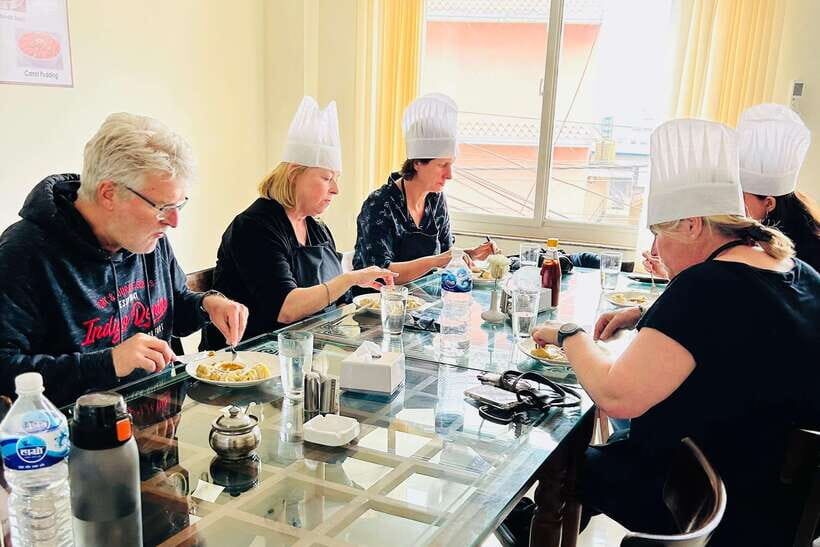
Kathmandu has plenty of things to see. But a cooking class like this does something a normal stop can’t: it turns food into a skill you can repeat later. You start with ingredients. Then you learn what you’re doing with them. Finally, you eat the results while it’s still hot.
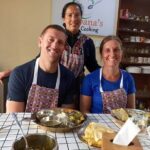
I especially like the structure. You’re not just copying recipes on a screen. You’re working with real tools, real dough, and real spice blends in a kitchen in Thamel, with an instructor guiding the steps. Names you may hear a lot include Nish and Nishma, along with chefs/instructors such as Bikram or Vikram (and sometimes other team members like Jojo). That matters because clarity and patience make or break a class when you’re learning dumpling technique.
Price and value: what $4 really buys you in Kathmandu
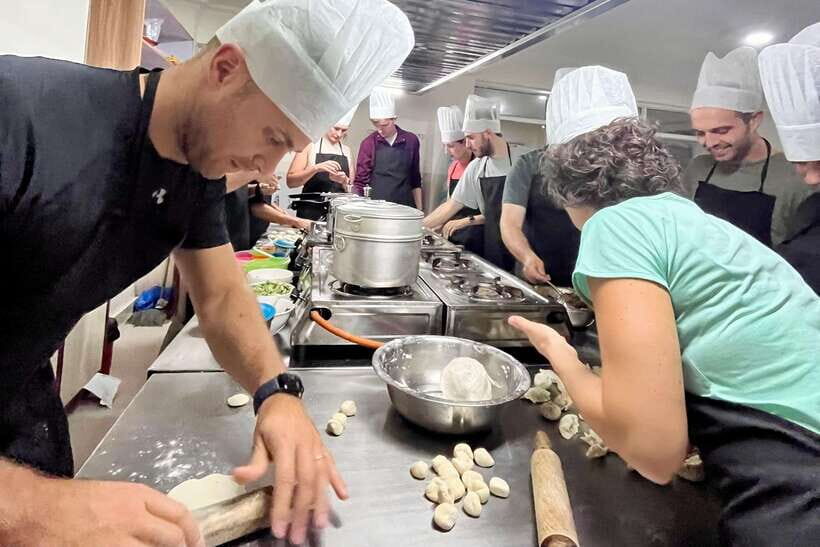
At $4 per person for a 2–4 hour experience (around 3 hours), this is one of those prices that makes you double-check the details. The value isn’t just the cost. It is what comes with it: a market/shop tour, step-by-step cooking instruction, use of equipment and accessories, and a tasting session of what you cook. You also get Nepali masala tea during the lesson.
Here’s why that matters for you:
- A market visit is usually where good cooking classes separate from cheap ones. You learn what to buy and why.
- Momo and dal bhat aren’t one-trick meals. You practice core skills: dough texture, filling seasoning, and balancing a curry.
- The tasting is not an afterthought. You eat the food you just made, which helps you understand what “right” tastes like.
The one catch to keep in mind: the menu focus centers on momo and dal bhat, with additional dishes chosen from options. So the class is flexible, but it has a core plan.
You can also read our reviews of more cooking classes in Kathmandu
Getting there: pickup optional, but stairs are real
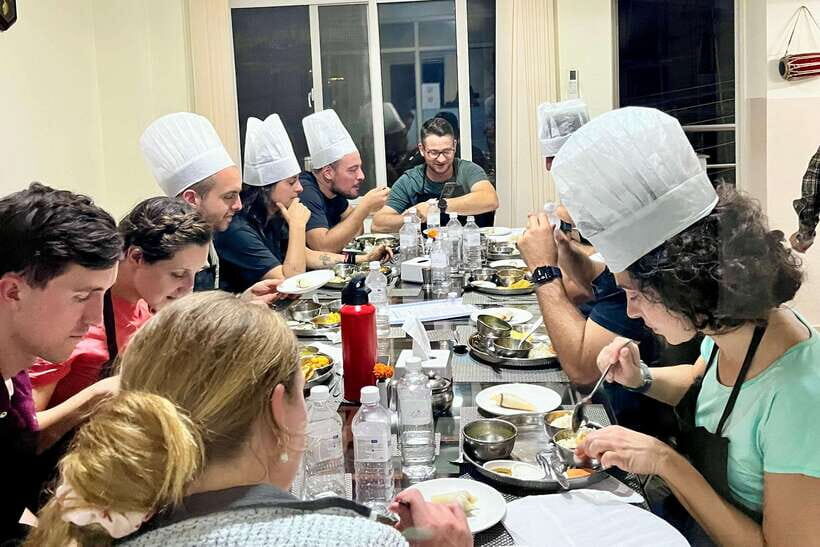
This class happens in Thamel, and pickup is optional if you’re staying within Kathmandu. If you choose pickup, you coordinate your hotel details when booking. If not, you’ll meet at a meeting point that can vary by option.
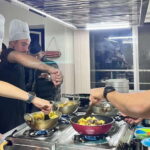
Wear comfortable clothes. You’ll be standing and working with your hands, and kitchen mess is part of the deal. Aprons and cooking equipment are provided, which is nice because you don’t need to show up dressed like you’re moving into a restaurant kitchen.
One practical note from the info you should respect: the experience is not suitable for wheelchair users, and it’s also not designed for people with visual impairments. Reviews also mention stairs and steep hills in the area depending on where you’re arriving by taxi or on foot.
The market walk: how ingredient shopping teaches flavor
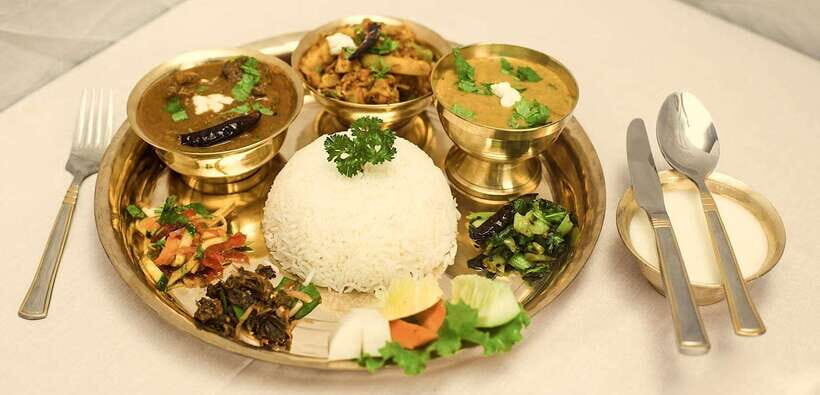
Before you cook, you go to shop for the main ingredients. This is where you learn fast, even if you’re not a “food person” on day one. Instead of memorizing a list, you see how the choices get made.
You’ll be picking items like:
- vegetables
- spices
- and meat or vegetarian ingredients (depending on your menu)
The best part is the mindset shift. You start thinking like a Nepali home cook: what’s fresh, what’s fragrant, and what works together. Spices are a big deal in momo and dal bhat, and the market part helps you understand why the final dishes taste balanced instead of just salty or just hot.
If you’re the type who loves learning, this is also where you’ll get your easiest “recipe intuition.” You’ll recognize flavors later when you’re shaping dumplings or building a curry base.
Hands-on momo: dough, fillings, and the sauce that makes it work
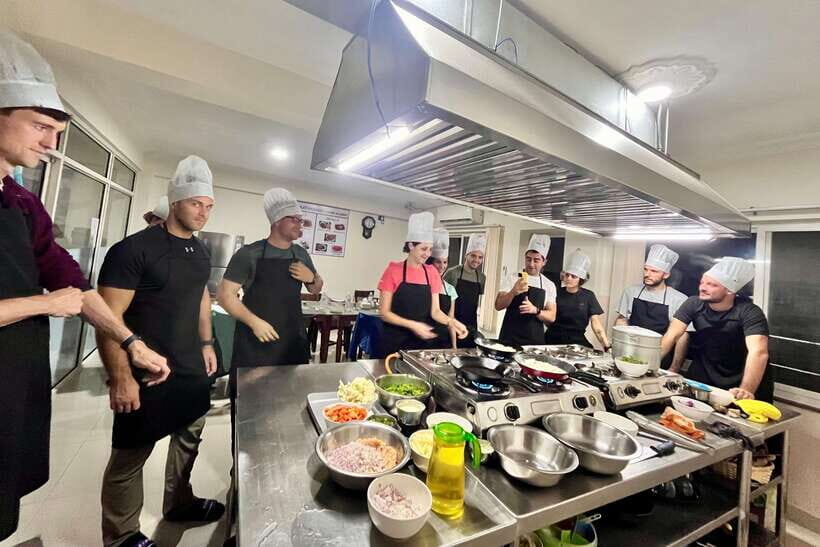
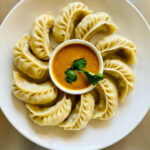
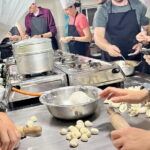
Momo is the star here, and the class is built around learning it from scratch. That usually means you’ll work through the full process: making dough, preparing fillings, shaping, and cooking. Then you get a tasting of what you made (and yes, you’ll likely eat more than you planned).
Filling choices (chicken or vegetarian)
You can choose chicken or vegetarian momo fillings. Vegetarian options matter because momo dough and technique are the same, but the seasoning and filling structure change. The class setup makes it easy to stay in your comfort zone.
You can also read our reviews of more tours and experiences in Kathmandu
Sauce and seasoning
Momo isn’t just dumplings. The dipping sauce is where things snap into place. You’ll learn how the sauce is built and how the flavors should hit together—tang, heat, and spice clarity.
What you’ll remember most is technique. A lot of people leave confident because the steps are explained clearly and slowly enough to keep up. Reviews repeatedly mention instructors being patient and making sure nothing gets rushed—exactly what you want when your first dozen dumplings might look… homemade.
Dal bhat basics: rice, lentils, and curry balance
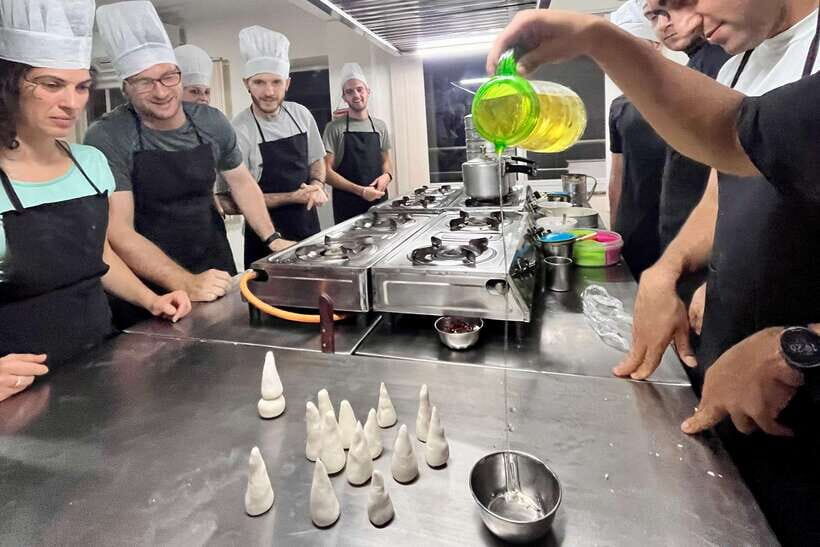
Dal bhat is the other core. The idea is simple: rice plus lentil curry, served as a complete meal. But “simple” doesn’t mean “easy.” The teaching focuses on what makes it taste right—especially the spice balance and the way lentils should feel and cook.
You’ll learn:
- how to treat the rice and curry as a combined meal
- how the dal portion gets its depth
- what makes the flavors feel Nepali, not just generic “Indian-style curry”
If you’ve ever eaten dal bhat in Nepal and thought, I could never recreate that, this is the kind of class that helps you close that gap. You’re not chasing a fancy ingredient. You’re practicing how everyday components get treated.
Beyond the core: chatamari, bara, thukpa, choila, and sweets
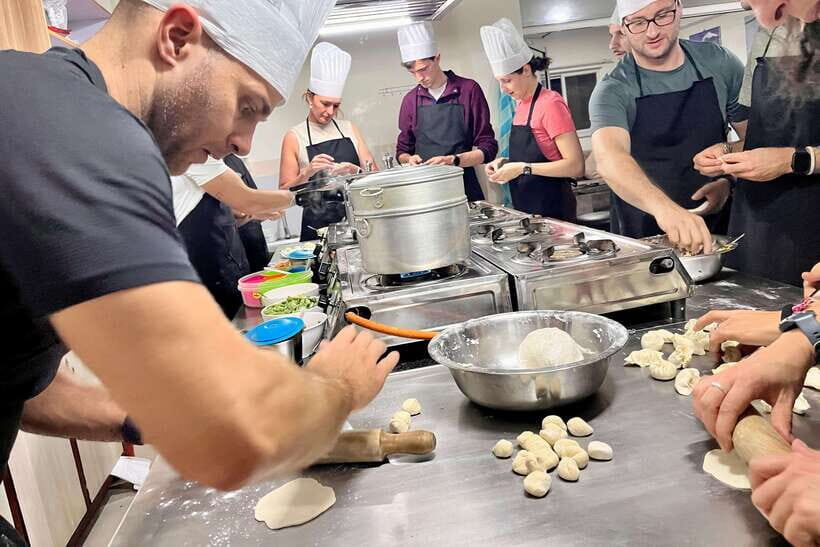
This is where you can customize. Depending on what you select, you may cook several additional dishes alongside momo and dal bhat.
Here are some options you should know about:
- Chatamari: often described as a Nepali pizza—flatbread topped with ingredients and meant to be eaten fresh.
- Bara: deep-fried lentil patties with a crisp outside and tender inside.
- Thukpa: a hearty noodle soup with roots in Tibetan cuisine, but fully embraced in Nepal.
- Mushroom Choila: spicy marinated mushroom dish that highlights bold seasoning.
- Yomari: a sweet dumpling filled with jaggery and sesame seeds.
- Carrot pudding / kheer-style desserts: sweet finish options like carrot pudding show how Nepali sweets work, especially with texture and spice.
Also: you’ll often get options for snacks and drinks. Masala tea is included, and many people note it as a comforting break during the cooking grind.
One useful way to choose your extra dishes: match your appetite to your energy. If you love dumplings, add more dumpling work. If you want variety, pick one snack item (like bara) plus one soup (like thukpa). You’ll leave full without feeling like you powered through a food factory.
Lunch or dinner, plus masala tea (and sometimes extra snacks)
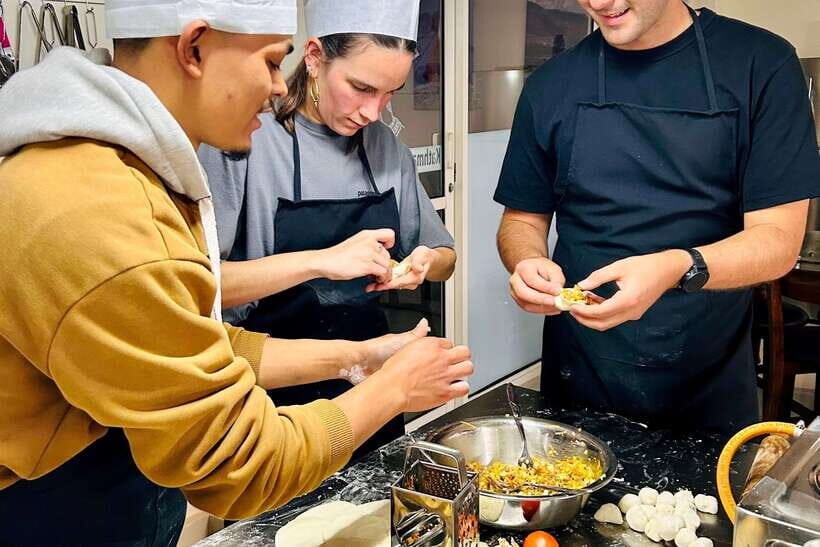
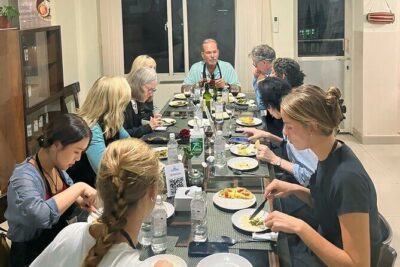
Your meal includes what you cook, plus a tasting session. In practice, that means you’re eating soon after you make the dishes, when everything is at its best.
You can expect the experience to end with a proper plate, not a token sample. Many people also mention getting plenty of food, and in some cases a goody bag if they couldn’t finish everything.
Masala tea is part of the routine. It’s included in the lesson, and it helps reset your palate while you keep cooking and tasting.
Taking recipes home: PDF version and how to actually practice
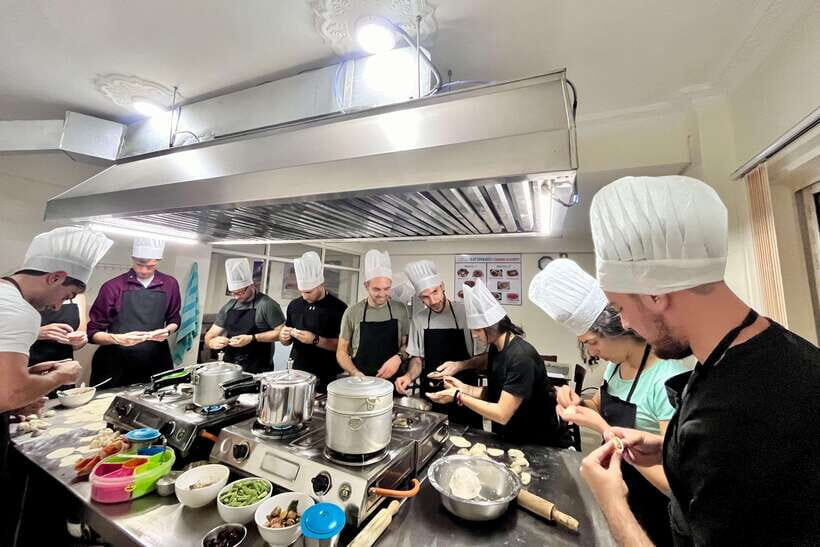
A nice touch: you can request a recipe book in PDF form after the class by WhatsApp. Physical books may also be available for purchase for an added cost.
Here’s what I’d do with it if you want results at home:
- Pick one dish to master first—momo or dal bhat.
- Practice the dumpling shaping technique before you chase complicated fillings.
- Use the recipe PDF as a checklist for spices and steps, not as a “perfect replica” demand.
Also, bring a camera. You’ll want photos of the steps and the finished food. Those visuals make it much easier to follow the recipe later.
Who this class suits best (and who should skip)
This experience fits best if you want real skill-building and a fun, social format. It’s a solid choice for:
- beginners who need clear instructions
- food lovers who want a practical window into Nepali cooking
- people who enjoy market-to-kitchen experiences
- anyone traveling in a group who likes relaxed conversation during cooking
You might not love it if:
- you have mobility limits and can’t handle stairs
- you want a strictly non-cooking food tour
- you prefer very specialized dishes only (because momo and dal bhat are the main focus)
Should you book the Kathmandu Local Women-Led Nepali Cooking & Momo Class?
If you’re choosing between another walk-through activity and a hands-on food class, I’d lean toward booking this one. The reason is simple: for the cost, you get the market, the technique, and the meal. That’s the whole package.
Book it if you:
- want to learn momo technique you can repeat at home
- like the idea of customizing your menu with additional dishes like chatamari or thukpa
- appreciate small-group attention and English instruction
Skip it if:
- stairs are a problem for you
- you’re not comfortable with cooking activities
- you’re expecting a class where everything focuses on one single dish
FAQ
FAQ
How long is the cooking class?
The class lasts about 2–4 hours, with the experience commonly running around 3 hours. That includes the market visit, cooking session, and meal tasting.
Is hotel pickup included?
Pickup is optional. If you choose it, hotel pickup and drop-off within Kathmandu are included.
What dishes are the class mainly focused on?
The class focuses mainly on momo and dal bhat, with options to select additional Nepali dishes.
Can I choose vegetarian dishes?
Yes. There are vegetarian and meat options for dishes like momo, and you can let the organizers know your dietary preferences in advance.
Does the class include a market/shop tour?
Yes. You’ll visit local shops to buy ingredients like vegetables, spices, and meat or vegetarian items needed for the cooking.
Is the class taught in English?
Yes. The instructor provides instruction in English.
What will I get to eat at the end?
You’ll have a tasting session of the food you prepare, including an authentic Nepali meal such as momo and dal bhat, plus any additional dishes you select.
Is masala tea included?
Yes. Nepali masala tea is included during the lesson.
Do I get recipes after the class?
You can request a PDF recipe book after the class by WhatsApp. Physical books may also be available for purchase for an extra cost.
What should I bring?
Bring a camera. Comfortable clothing helps since you’ll be cooking with your hands. Aprons and equipment are provided.