REVIEW · KATHMANDU
Beginner-Friendly Rafting Adventure on the Trishuli River
Book on GetYourGuide →Operated by Sobit - Bold Himalaya · Bookable on GetYourGuide
Rafting on the Trishuli is a loud, sunny win. I love the beginner-friendly Class I–III feel (with a chance to taste bigger water) and the private door-to-door ride from Kathmandu that keeps the day simple. The possible drawback: it’s still a long day, and the Kathmandu drive can feel tiring before you even splash.
This trip is built around the Trishuli River’s big contrast: wide, calm stretches for learning, then the fun stuff—narrow channels, steep walls, and the iconic Trishuli gorge energy. I also like how the crew keeps it practical: a clear safety briefing, real paddling instruction, and a safety kayak on the water.
In This Review
- Key Highlights You Should Know
- Why the Trishuli River Works for First-Time Rafters
- Kathmandu to Charaudi: the Private Ride and the Pre-Rafting Setup
- On the Water: Paddling Lessons, Class I to III, and Real Beginner Support
- The River Stops for You: Lunch by Shaped Boulders
- Trishuli Gorge: Narrow Channels, Steep Walls, and Frequent Excitement
- What’s Included (and What You’ll Want to Budget For)
- What to Bring for Comfort (Not Just for Photos)
- Who This Day Trip Suits Best (and Who Should Skip It)
- The Real-World Feel: Crew, Safety, and How Fun Actually Happens
- Should You Book This Tour on the Trishuli River?
- FAQ
- FAQ
- How long is the rafting experience?
- What is the starting location for pickup?
- Where do you raft from?
- What river difficulty level can I expect?
- Is lunch included?
- What rafting gear is included?
- Will there be an English guide?
- Is a safety kayak provided?
- What should I bring?
- Are drinks included?
Key Highlights You Should Know
- Trishuli’s rapids mix: gentle practice water plus Class I to IV excitement
- Langtang Himal origins: the river’s flow comes down from central Nepal’s mountain roots
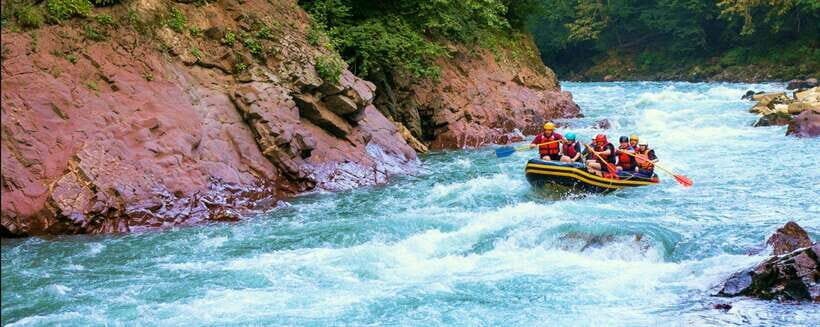
- Trishuli gorge scenery: narrow passages and steep canyon walls make even normal paddles feel fast
- Lunch on a river beach: boulder-filled shoreline breaks up the day nicely
- Safety-first setup: self-bailing rafts, life jackets, helmets, first-aid equipment, and a safety kayak
- English guidance: live English guide with English audio support
Why the Trishuli River Works for First-Time Rafters
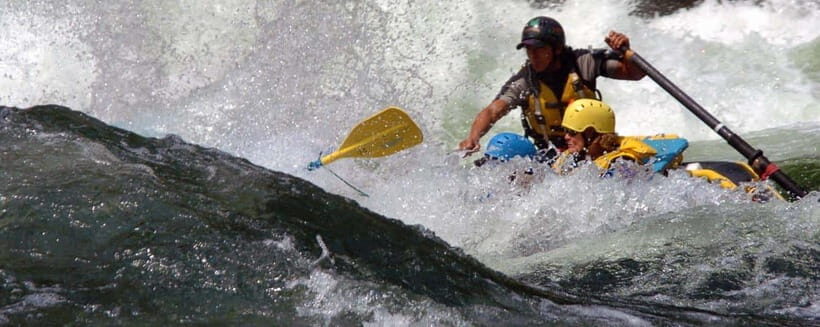
The Trishuli River is one of Nepal’s most popular rafting options for a reason: it’s not a one-note thrill ride. You get stretches that help you get comfortable in the boat, then rapids that teach you how to react. The overall route is described as Class I to IV, which means you’ll see variety, not just one mood.
Even better, the scenery does a lot of the work for you. The river originates from the Langtang Himal and then drops through valleys and gorges. So as you paddle, you’re not only watching water—you’re also moving through rural Nepal scenes, forested riverbanks, and canyon moments that feel dramatic without requiring advanced skills.
You can also read our reviews of more tours and experiences in Kathmandu.
Kathmandu to Charaudi: the Private Ride and the Pre-Rafting Setup
You’ll start with pickup from your Kathmandu location and head to Charaudi, the put-in point. Expect a scenic drive of about 3 hours to get there, and treat it like part of the experience: it’s your transition from city time to river time.
When you arrive, you’re not thrown into chaos. Locals and the crew are ready, and you’ll go through the basics: raft prep, a safety briefing, and paddling lessons. This is where your confidence gets built. The more clearly you listen here, the more fun you’ll have once the current starts talking back.
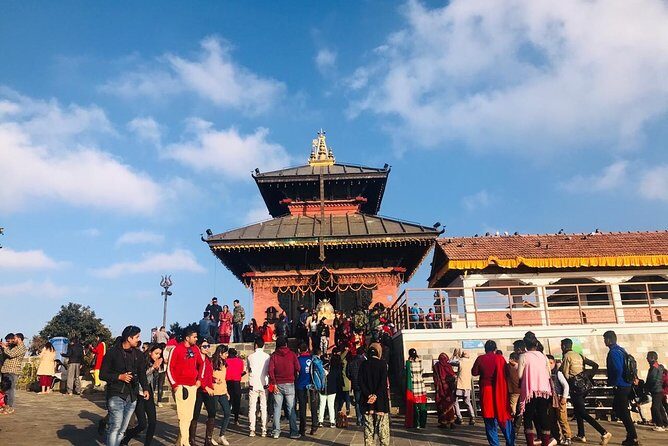
One nice bonus: the area can include a view of the Manakamana cable car (the one serving the famous Hindu temple). It’s not the main event, but it adds a distinctly Nepal touch—this is adventure day, but the wider culture is still visible through the drive and around the river area.
On the Water: Paddling Lessons, Class I to III, and Real Beginner Support
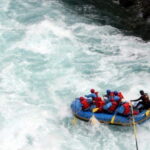
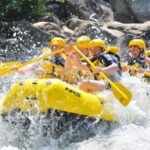
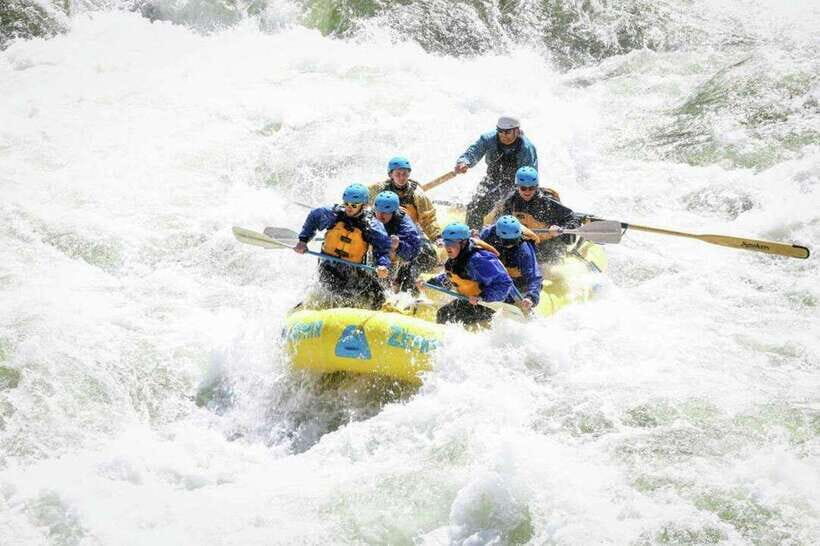
Once you push off, the trip follows a learning curve you can feel. You start with Class I to Class III rapids, so you can focus on the basics: paddling together, keeping your balance, and listening for crew calls.
The raft setup is also built for confidence. You’ll use self-bailing rafts, plus life jackets and helmets. You paddle with plastic paddles, and you’ll get a dry bag for your gear. There’s also mention of camera barrels, which matters if you want photos without gambling your phone to the river.
This is where I think the trip earns its beginner label. The rapids you’ll face are exciting, but they’re not presented as a test you have to pass. If you’re a nervous first-timer, pay attention during the first push into moving water. If you’re already comfortable, use the early rapids to lock in timing so the later gorge sections feel like you’re riding with the current instead of fighting it.
The River Stops for You: Lunch by Shaped Boulders
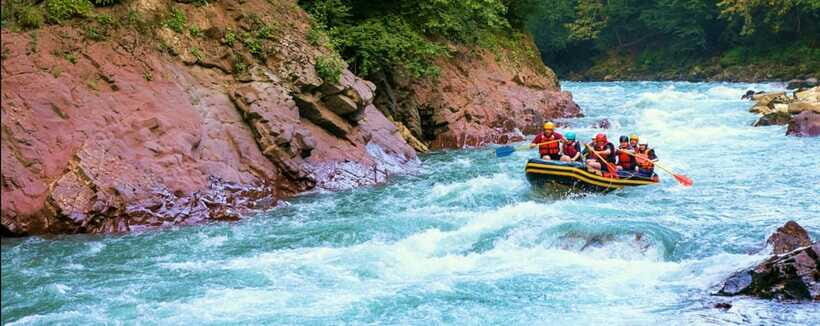
About two hours on the river, you’ll reach a beach area with uniquely shaped boulders. This is your lunch break, and it’s not a small detail. Rafting days can blur together, and a proper pause helps you enjoy the rest instead of just surviving it.
The included meal is served outdoors, which is part of the charm. You’re still right on the river, so you’re watching water even while you eat. That said, treat lunch as a reset: rehydrate, apply sunscreen again, and switch into a calmer mindset before you head back into the next stretch of excitement.
If you plan to swim at the riverside resort time (it’s included as free time), remember that water shoes or solid footwear can make life easier—just don’t assume your flip-flops will survive the day.
Trishuli Gorge: Narrow Channels, Steep Walls, and Frequent Excitement
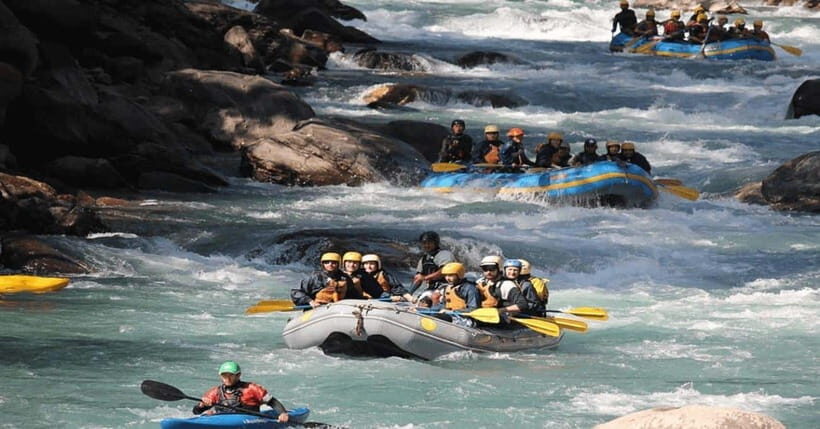
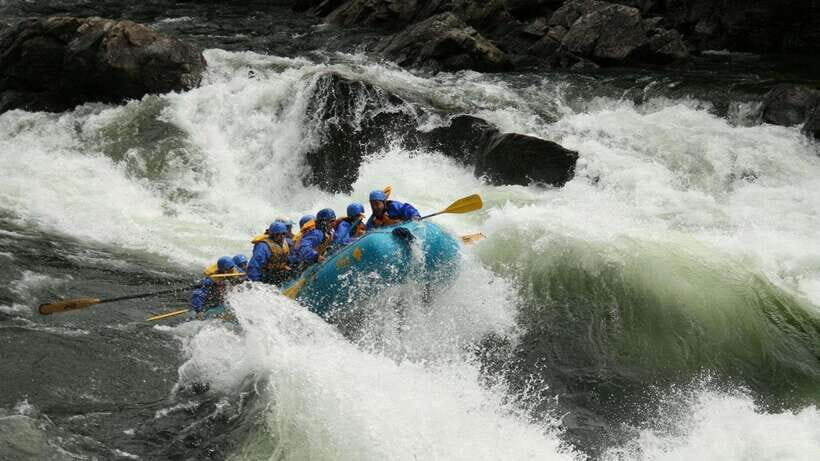
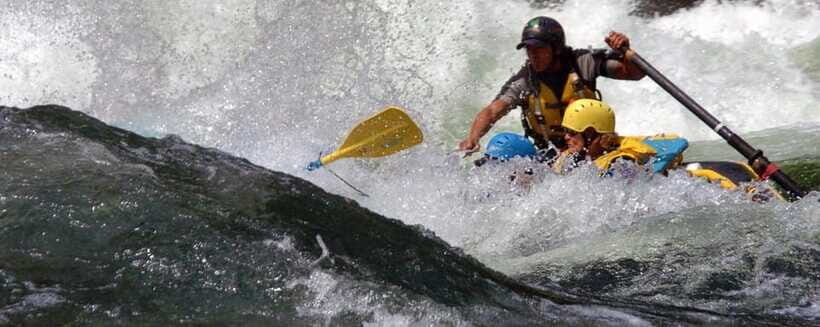
After lunch, the river run turns more dramatic as you continue downstream through the Trishuli gorge. Here, the description is clear: narrow passages and steep canyon walls. That geometry changes everything. When the canyon tightens, the water feels quicker and more forceful even when you’re doing the same paddling you did earlier.
You can expect the rapids here to be exhilarating and frequent. This is the part where first-timers usually go from thinking about safety to thinking about how fast the river is moving past the rock walls.
Practical tip: keep your eyes up and forward, not only down at your paddle. The gorge segments are where you’ll feel the boat getting guided through tighter space. Good raft teamwork matters more here, so listen to the crew and keep your rhythm steady.



What’s Included (and What You’ll Want to Budget For)
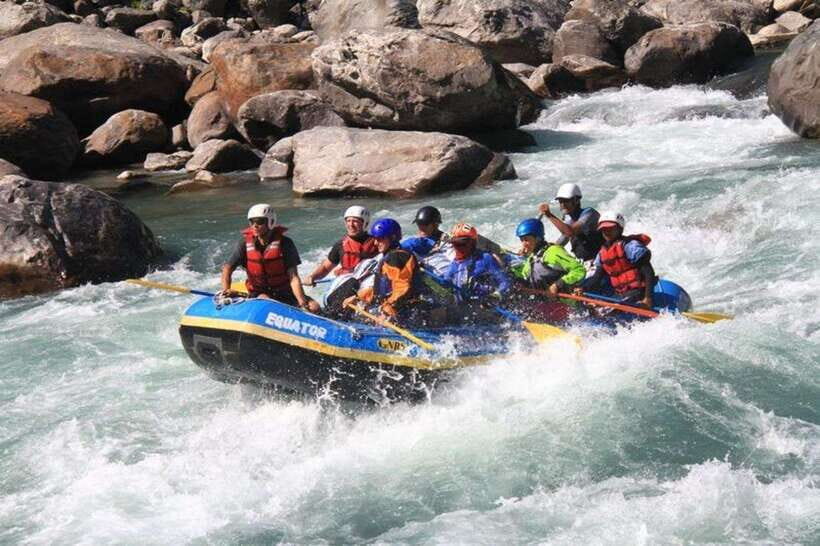
This trip is priced at $63 per person, and the value comes from what’s bundled—not just the rafting itself. You’re getting Kathmandu-to-Charaudi round-trip by private transportation, meals (with lunch during the rafting trip), and the river permit. You’re also getting the full safety gear kit: self-bailing raft, life jackets, helmets, plastic paddles, dry bag, and the safety and medical setup.
A big practical inclusion: a safety kayak. That’s not just a nice-to-have. It signals that the crew has a plan for support on the water, which makes the whole day feel more controlled.
What you should plan for because it’s not included:
- Mineral water, cold drinks, and alcohol during the whole trip
If you get thirsty easily, bring money or plan to buy water where possible. The river day burns energy fast.
Also note what’s not included: hotel accommodations and meals if you stay during the trip, emergency evacuation, personal items, member insurance, and international airport pickup/drop-off.
What to Bring for Comfort (Not Just for Photos)
Your comfort depends on sun, water, and quick changes. The provided list is solid, so use it as your packing guide.
Bring:
- Comfortable shoes
- Sunglasses and a sun hat
- Swimwear and a change of clothes
- Sunscreen (including biodegradable sunscreen)
- Waterproof camera options (or a waterproof case)
- Comfortable clothes for after rafting
- A face mask or protective covering
One small suggestion: bring a dry, sealed layer for your ride back. River spray and wet gear can make a long return feel colder or more unpleasant than you expect.
During some winter conditions, wetsuits may be provided only during winter on certain rivers. If you’re rafting in cooler months, confirm what you’ll get. If you’re rafting in warmer season, you’ll likely rely more on swimwear and quick-dry clothing.
Who This Day Trip Suits Best (and Who Should Skip It)
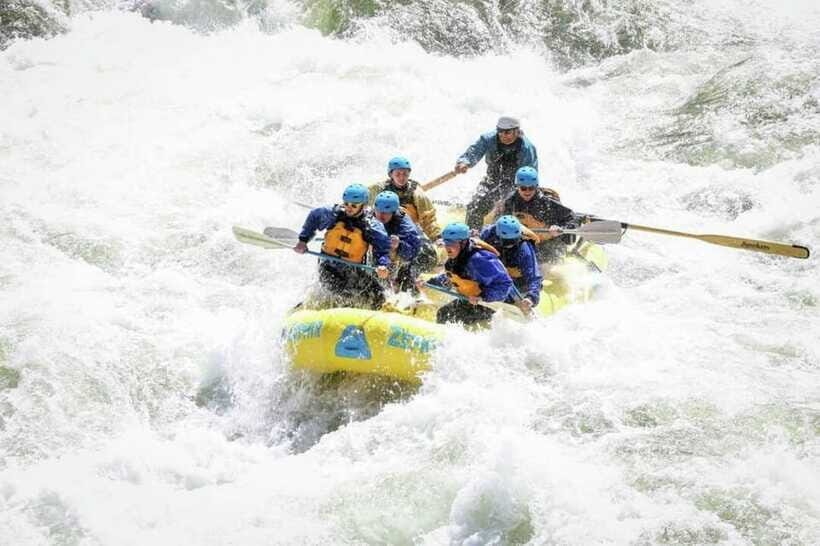
This is a strong choice if you want adventure without needing expert rafting skills. The mix of gentle stretches and Class I–IV water is ideal for first-timers who want to learn in real conditions. It’s also attractive for nature lovers because the trip ties movement on the river to constant views—forests, waterfalls, villages, and gorge walls.
It’s also a good fit if you dislike logistics. The private vehicle takes the pressure off finding transport or timing buses. A German guest (Stefan) specifically noted that the arrival from Kathmandu is a bit challenging, but that the private car made it tolerable. That matches what I’d tell a friend: the day is long, but the ride helps.
You should skip this if you’re over 70 years, since the trip isn’t suitable for that age group.
The Real-World Feel: Crew, Safety, and How Fun Actually Happens
The best part isn’t the river alone—it’s how the trip runs on the ground and on the water. The crew does the prep work, provides safety support, and keeps instruction clear. That’s exactly what you want for beginner rafting.
In the verified feedback I saw, the team came up again and again. Stefan from Germany rated it 5 out of 5 and called the team on the raft perfect, while also flagging the drive as the only real friction point. Another 5-out-of-5 review from David (Spain) summed it up as fantastic, which fits the overall vibe: people tend to leave smiling because the day is built to succeed.
If you want the same result, do two things: show up ready to listen for the safety briefing, and keep your energy for the gorge section after lunch.
Should You Book This Tour on the Trishuli River?
If you’re in Kathmandu and you want a high-value, beginner-friendly rafting day, I’d book this. You get real rafting time, meaningful scenery through the gorge, and a package that handles the big items—transport, permits, meals, safety gear, and English guidance.
I’d think twice if you hate long travel days or you know you’re sensitive to car rides. Also, if you’re the type who needs bottled drinks throughout the day, plan ahead since mineral water and cold drinks aren’t included.
FAQ
FAQ
How long is the rafting experience?
It’s a 1-day trip.
What is the starting location for pickup?
Pickup is from Kathmandu.
Where do you raft from?
You go to the put-in point at Charaudi.
What river difficulty level can I expect?
The rafting is described as ranging from Class I to IV, and the trip notes include Class I to Class III rapids during the river time.
Is lunch included?
Yes. Lunch is included during your rafting trip, and meals are provided during the experience.
What rafting gear is included?
You’ll receive self-bailing rafts, life jackets, helmets, plastic paddles, and a dry bag for your gear, along with safety and medical equipment. Wetsuits are mentioned as being used only during winter on certain rivers.
Will there be an English guide?
Yes. You’ll have a live tour guide in English, and English audio support is included.
Is a safety kayak provided?
Yes, a safety kayak is included.
What should I bring?
Bring comfortable shoes, sunglasses, a sun hat, swimwear, a change of clothes, sunscreen (biodegradable is recommended), and a waterproof camera option. A face mask or protective covering is also listed.
Are drinks included?
Mineral water, cold drinks, and alcoholic beverages are not included.