REVIEW · KATHMANDU
Bhaktapur Durbar Square 4-Hour Tour
Book on GetYourGuide →Operated by Cordial Trek Pvt. Ltd. · Bookable on GetYourGuide
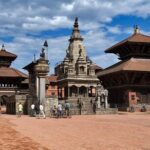
Bhaktapur Durbar Square feels like a living museum. You get a focused, private guided walk through the former Malla royal heart, plus time at major squares and monuments that show off Newari building skill, carved wood, and temple design. I especially love how the route strings together key visual moments, starting at the Golden Gate and moving into the palace courtyards and pagoda skyline in a logical order.
The main thing to watch is cost creep: entrance fees aren’t included, so you’ll want cash ready (and count on paying a bit extra on the day).
Key things I’d circle on your plan
- Golden Gate + 55 Jhyale Durbar for an up-close look at Malla-era carved detail
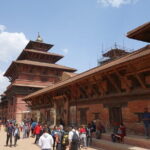
- Nyatapola Temple (1702) at Taumadhi Square, Nepal’s tallest pagoda-style temple
- Pottery Square to see traditional making and buy practical Newari handicrafts
- Dattatraya Square as a quiet landing point after the big sights
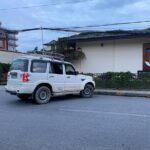
- Private vehicle + hotel pickup/drop means less hassle than self-guided roaming
- English guiding with guides like Nilakantha Acharya and a capable driver team (including Hari)
In This Review
- A Smooth Kathmandu-to-Bhaktapur Timing Win
- Entering the Bhaktapur Royal Core Through the Golden Gate
- The Wood Carving Moment: Why Malla Craft Still Matters
- Taumadhi Square and Nyatapola Temple’s 1702 Backbone
- Pottery Square: A Craft Stop That’s More Than Souvenirs
- Dattatraya Square: The Calm End Point That Helps It Click
- Price and Value: What You’re Really Paying For
- Who This Tour Fits Best (And Who Should Reconsider)
- What Makes the Guiding Feel Like a Real Experience
- Should You Book This Bhaktapur Durbar Square 4-Hour Tour?
- FAQ
- How long is the Bhaktapur Durbar Square tour?
- Where does the tour start in Kathmandu?
- Is hotel pickup and drop-off included?
- Is this tour private or shared?
- What language is the tour guide?
- Is entrance fee included?
- Are meals included?
- Does the tour include bottled drinking water?
- What should I bring?
- Is it wheelchair accessible?
A Smooth Kathmandu-to-Bhaktapur Timing Win
This is a 4-hour private format, and it works because you get vehicle time without turning the trip into a half-day chore. You start with pickup from your Kathmandu hotel, then you head out toward Bhaktapur—a one-hour drive that sets the stage: the city gets quieter, and the architecture starts to feel more intentional.
Once you arrive, you’re not just wandering. You’re following a route that hits the Durbar Square highlights in the order that makes sense for sightlines and walking flow, so you don’t end up backtracking across courtyards. The tour also includes an express-style security process, which helps when you’re dealing with peak visitor flow.
If you care about details—wood carvings, temple tiers, and how squares connect—this structure is a big deal. It keeps your time efficient while still giving you room to look slowly and ask questions in English.
Entering the Bhaktapur Royal Core Through the Golden Gate
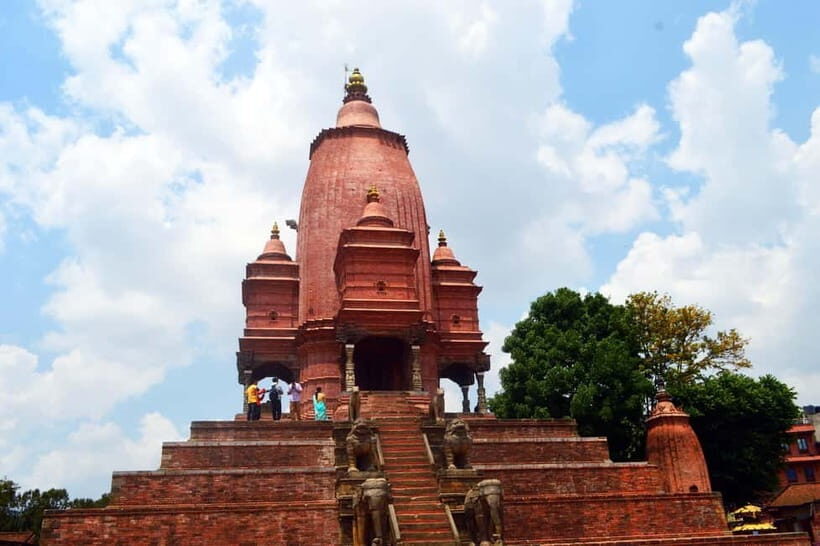
Your walk starts at the Golden Gate, the kind of entrance that makes you slow down right away. In this complex, it’s not just a decorative threshold—it’s your first clue that Bhaktapur’s Durbar Square was built for power, ceremony, and daily life wrapped into one space.
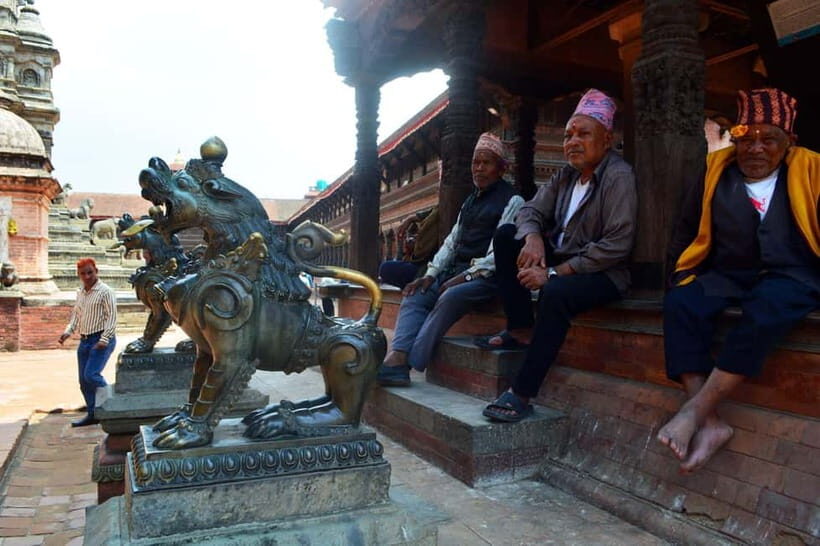
From there, you move into the area of 55 Jhyale Durbar—the Palace of Fifty-Five Windows. The standout here is the craftsmanship. You get to see how carved wooden elements shaped the look of the palace world during the Malla era, and you’ll notice that the carvings aren’t random. They’re part of a larger design language: patterns, depth, and texture created to be seen up close and at multiple angles as you walk.
This is also where the tour’s value shows up if you’re not just chasing photos. You’ll be able to connect the building forms to the story of who ruled here—from the Malla kings in the 14th and 15th centuries through later Bhaktapur royalty up until the late 18th century. Today, the palace grounds are no longer a royal residence; they include government offices, educational institutions, and private homes. That mix gives the square a real, lived-in feel, not a staged one.
One practical tip: bring your camera early. The Golden Gate and the palace façade areas are the kind of places where good angles disappear as you move on, especially in busy light.
You can also read our reviews of more tours and experiences in Kathmandu.

The Wood Carving Moment: Why Malla Craft Still Matters
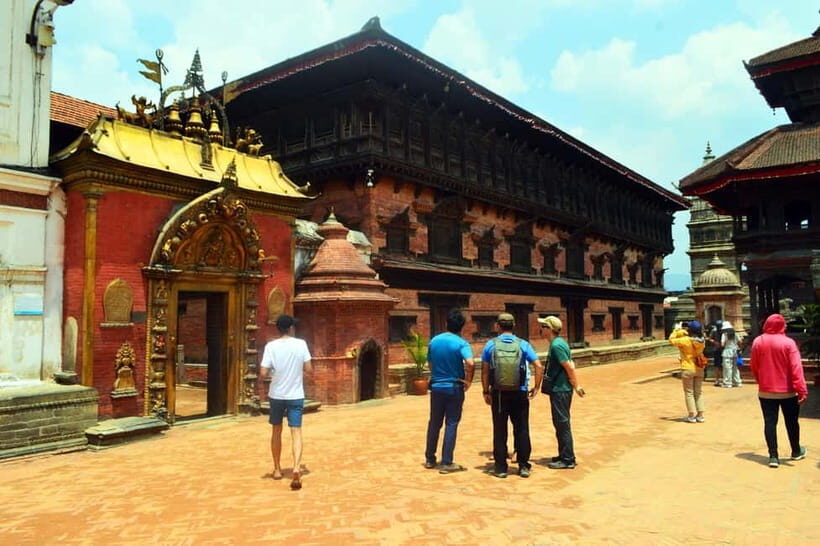
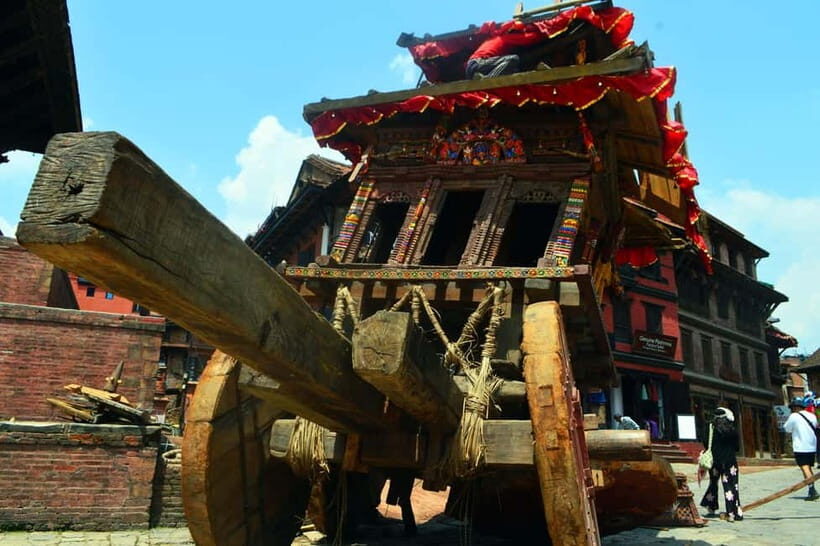
Bhaktapur’s carved-wood reputation isn’t just a brag line. When you’re guided through Malla-era detailing, the craftsmanship becomes easier to appreciate because someone puts it into context for you—what it was meant to communicate and how it fits the wider architecture.
The tour route is built to keep you in the right areas long enough to actually see the carving work. You’ll spend time looking at woodwork in different historic monuments within the palace courtyards, not just one stop. That makes the experience more than a quick glance-through.
I like that this approach helps you notice the difference between simple decoration and architectural carving that affects how a space feels. If you enjoy hands-on crafts—woodwork, temple design, even how tools shape materials—you’ll leave with more than a checklist. You’ll have a stronger sense of why these details were worth the effort.
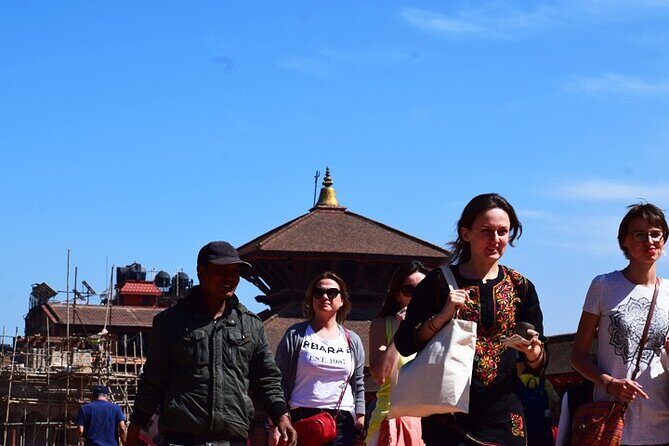
If you’re visiting during peak hours, the square can still feel busy around the main points. A private guide helps you time your looking so you can step aside, get a cleaner view, and keep moving at your own pace.
Taumadhi Square and Nyatapola Temple’s 1702 Backbone
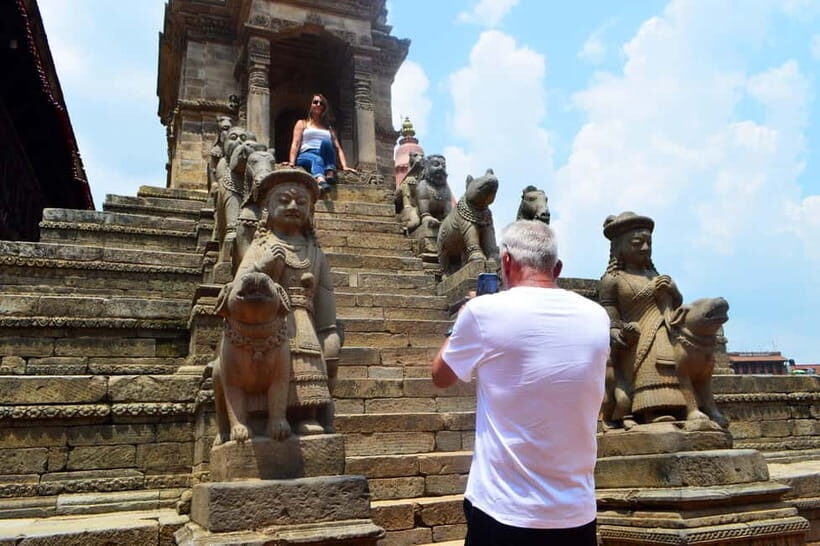
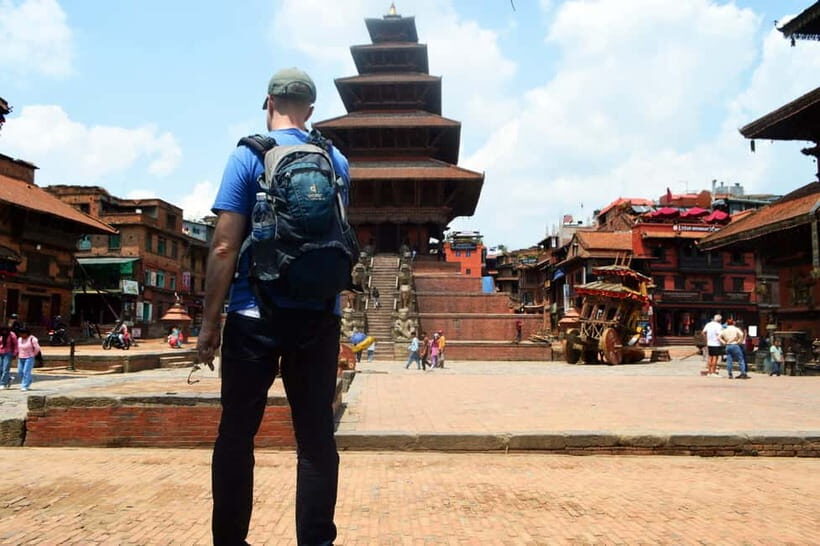
Next is Taumadhi Square, and it brings the vertical drama: Nyātāpola Temple rises as a five-tiered pagoda-style structure. It’s described as Nepal’s tallest of this temple style, and when you stand there, you understand why that matters. The design doesn’t just reach upward; it creates a visual ladder that pulls your eyes through each level.
The tour also links the temple to its creator: it was the vision of King Bhupatindra Malla and completed in 1702. That detail changes how you see the building. Instead of looking at it as a pretty skyline piece, you can view it as a project with ambition and time behind it—something planned to last.
One of the best parts of this stop is how the square setting supports the temple. You’re not only seeing the main façade; you’re also getting chances to observe the temple within the context of surrounding space. That helps you understand how Durbar Square landmarks relate to movement—where people likely gathered, how sightlines work, and why squares are designed like stages.
Timing-wise, this is the part where I’d expect you to slow down. The temple is built to reward looking from multiple distances. If you rush, you’ll miss the tier-to-tier transitions that make it feel so distinct.
Pottery Square: A Craft Stop That’s More Than Souvenirs
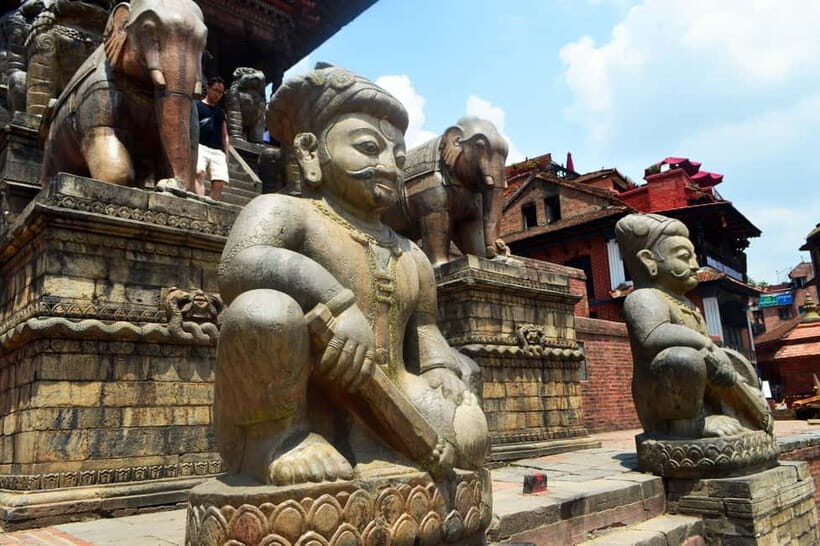
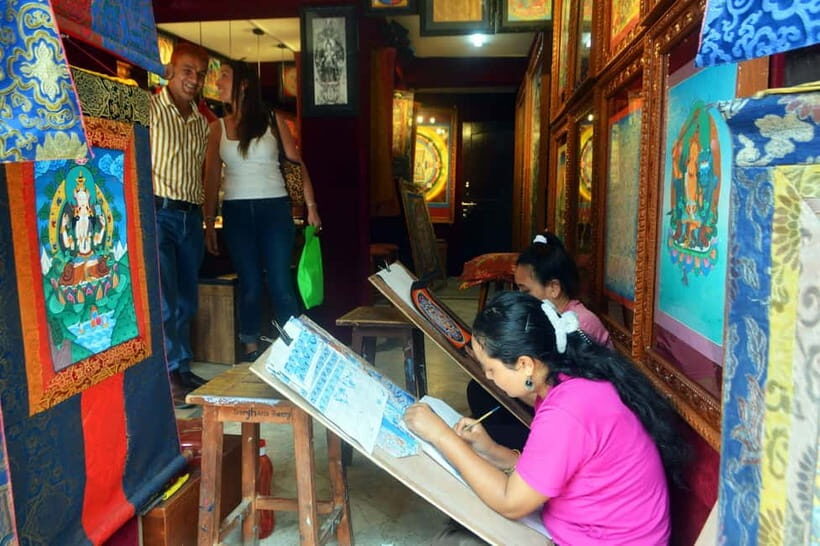
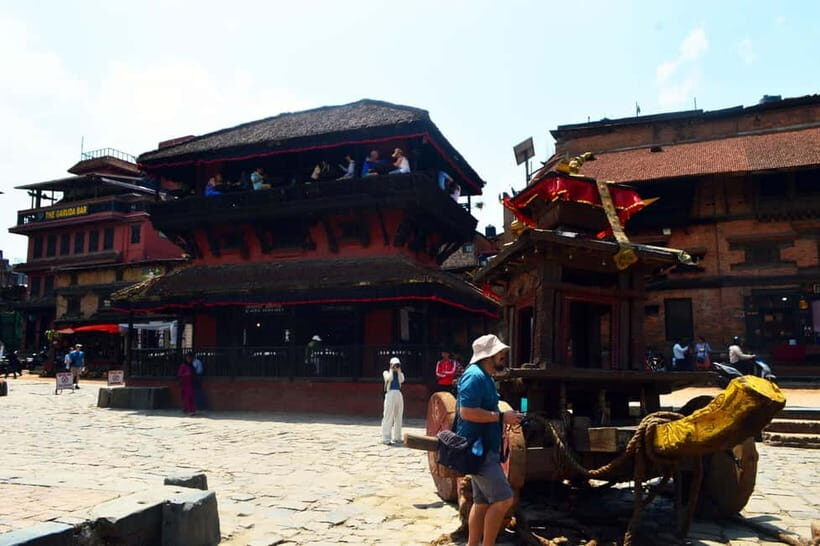
After the temples and palace zones, you head toward Pottery Square, a smaller, more workshop-like area. This is where Newari craft becomes practical and immediate.
Here, the focus is on traditional pottery making. You don’t have to be an expert to appreciate what’s happening—you’ll see that the craft is not only an art, but also a working knowledge of materials, shapes, and methods passed through time. And yes, you can often pick up handmade items and authentic Nepalese handicrafts instead of settling for mass-produced trinkets.
This part of the tour is valuable because it balances the architecture-heavy stops with something tactile. Temples are stone and wood; pottery is about earth and fire and form. Seeing both in one outing makes your understanding of Newari culture feel more complete.
If you plan to buy anything, keep cash handy. The tour notes it directly as something to bring, and it’s also smart for small purchases when entrance fees or guided add-ons come up.
Dattatraya Square: The Calm End Point That Helps It Click
Your tour wraps up at Dattatraya Square, and this final square works as a natural landing after the bigger hits. Think of it as the moment where you consolidate what you saw: palace courtyards, temple tiers, craft spaces—and now a sacred square that ties the day together.
By the time you’re here, you’ll likely notice how Bhaktapur’s layout is designed around more than one type of experience. You’ve seen civic life and royal symbolism woven into the same space. You’ve also seen how craft and craftsmanship sit close to the monuments people came to honor. When the tour ends at Dattatraya Square, it feels less like an abrupt stop and more like you’re leaving a connected system, not a random set of photo spots.
You’ll then return comfortably to Kathmandu with hotel drop-off.



Price and Value: What You’re Really Paying For
At $3.94 per person for a 4-hour private tour, this is priced in a way that’s hard to beat—especially because it includes hotel pickup and drop-off, a private vehicle, and an experienced English guide, plus bottled drinking water.
Here’s how to judge value in your own head:
- You’re paying for time saved (pickup, driving, guidance, and a route that prevents wasted wandering).
- You’re paying for context (the story of the palace period, why certain structures matter, and what to pay attention to).
- You’re paying for convenience (express security check and a private group setup).
What’s not included is important: meals and entrance fees are extra, and entrance fees can change the day’s final cost. Still, the base price covers the hard parts of logistics, so your main variable becomes how much you spend onsite and what you buy in craft areas.
If you’re traveling with limited time in Kathmandu and you want Bhaktapur without the stress of planning the route yourself, this format fits nicely.
Who This Tour Fits Best (And Who Should Reconsider)
This works best if you want a high-impact cultural route in a short window. If you like architecture and cultural craft—especially carved wood, temple tiers, and Newari workmanship—you’ll get plenty to chew on.
It’s also a good choice if you’re visiting with someone who benefits from structure. A guide keeps the experience moving so you’re not stuck figuring out what matters most while you’re tired from travel time.
One note to consider: the activity information includes both wheelchair access language and a statement that it’s not suitable for people with mobility impairments. If mobility is a concern, you should confirm details directly with the provider before booking so the ground realities match what you need.
What Makes the Guiding Feel Like a Real Experience
The best part of a guided Bhaktapur visit isn’t the speech—it’s the way the guide helps you notice things you’d otherwise miss. In the experience setup here, the guiding team includes English-speaking guides like Nilakantha Acharya, and the driving support can include professionals such as Hari, which matters more than people think. A smooth driver helps you arrive with time and calm, and it keeps the day from feeling rushed.
You’ll get a lot of information tied to specific monuments: what you’re looking at, why it’s shaped that way, and how the palace-era story connects to today’s squares. The result is a tour that feels organized and paced, not chaotic.
That organization shows up in small ways: getting started on time, moving between sites efficiently, and ending where it makes sense rather than cutting corners.
Should You Book This Bhaktapur Durbar Square 4-Hour Tour?
I’d book it if you want the highlights without the stress of independent navigation. It’s short enough to fit into a busy Kathmandu stay, but it still covers the big visual anchors: Golden Gate, 55 Jhyale Durbar, Nyatapola Temple (1702), Pottery Square, and Dattatraya Square.
I wouldn’t book it only if you hate guided structure or you’re the type who needs hours and hours at one spot. This is built for a compact route, not for slow wandering for its own sake.
Do it if you’re arriving with moderate time and high curiosity. Bring your camera and cash, show up ready to look up and look closer, and you’ll come away with a stronger sense of how Bhaktapur’s sacred spaces and crafts were built to function together.
FAQ
How long is the Bhaktapur Durbar Square tour?
The total duration is 4 hours.
Where does the tour start in Kathmandu?
Pickup is from your hotel in Kathmandu.
Is hotel pickup and drop-off included?
Yes, hotel pick up and drop are included.
Is this tour private or shared?
It’s a private group tour.
What language is the tour guide?
The tour guide provides live guidance in English.
Is entrance fee included?
No. Entrance fees are not included, and an add-on option may be available.
Are meals included?
No, meals are not included.
Does the tour include bottled drinking water?
Yes, bottled drinking water is included.
What should I bring?
You should bring your passport, camera, and cash.
Is it wheelchair accessible?
The information lists wheelchair accessible and specially abled friendly, but it also states it is not suitable for people with mobility impairments, so it’s best to confirm your needs directly with the provider.