REVIEW · KATHMANDU
Bhaktapur & Patan Durbar Square Day Tours
Book on Viator →Operated by Himalayan Travel Consultant · Bookable on Viator
Three squares, two cities, one great guide.
This Bhaktapur and Patan loop is one of those rare days where Bhaktapur’s everyday street life and Patan’s carved-stone artistry sit side by side. I like the focus on real places you can walk through slowly, not just a quick photo stop parade—plus Patan Durbar Square gives you plenty of details to study.
Two things I especially like: you get a guided explanation that connects the buildings to how kings and communities lived, and the tour is paced for sightseeing without feeling rushed. Your guide, Rajendra Manandhar, is specifically called out as kind and patient, and he’s also willing to answer the random questions that pop up once you’re standing in front of the monuments. One thing to consider: monument entrance tickets are not included, so you’ll want to budget a little extra depending on what you choose to enter.
In This Review
- Key Highlights You’ll Actually Feel
- A 6–8 Hour Loop of Bhaktapur’s Palace Squares and Patan’s Courtyards
- Price and Value: $50 That Works If You Plan Your Extras
- Morning Logistics: Pickup, Mobile Ticket, and a Practical Start Time
- Bhaktapur’s Dattatraya, Taumadhi, and Durbar Squares: Read the City Like a Script
- Dattatraya Square: A Strong First Landing Spot
- Taumadhi Square: Courtyards and Palace-Era Details
- Bhaktapur Durbar Square: The Centerpiece Feeling
- What to watch for (and what to skip)
- Patan Durbar Square’s Wood Carving and Old Courtyards: Where Details Pay Off
- A quick reality check on photos
- The Golden Temple from the 12th Century: Finish with a Time Anchor
- What the Guide Adds: Rajendra Manandhar’s Calm, Question-Friendly Style
- Who This Tour Suits Best (and Who Might Want Something Different)
- Practical Tips to Make the Day Feel Easier
- Should You Book This Bhaktapur and Patan Day Tour?
- FAQ
- What time does the tour start, and how long is it?
- Is pickup included?
- What’s included in the $50 price?
- What’s not included?
- Is this a private tour or a group tour?
- Can I cancel for a full refund?
Key Highlights You’ll Actually Feel
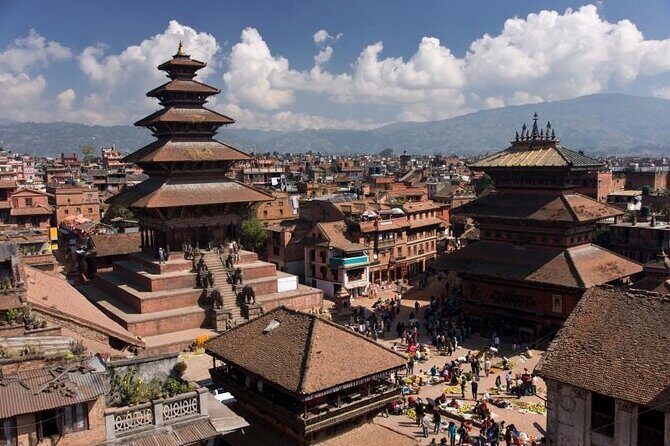
- Three Bhaktapur squares in one day: Dattatraya Square, Taumadhi Square, and Durbar Square
- Patan Durbar Square’s wood carving and courtyards: this is where you slow down and look closely
- Golden Temple stop tied to the 12th century: a strong closing chapter to the day
- Private, air-conditioned vehicle with a local English-speaking guide: smoother logistics, better storytelling
- Rajendra Manandhar’s guide style: calm, patient, and good at answering questions (and taking pictures)
- Mobile ticket + group discounts + pickup: practical extras if you’re organizing multiple people
A 6–8 Hour Loop of Bhaktapur’s Palace Squares and Patan’s Courtyards
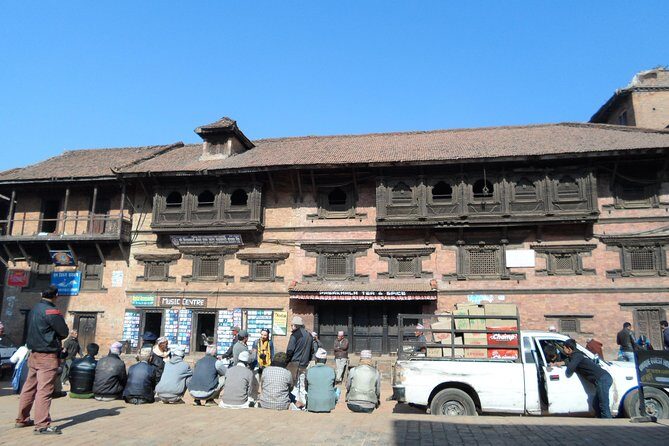
This is a classic Kathmandu-day adventure: you start in the morning, visit Bhaktapur’s three main squares, then move on to Patan Durbar Square, and finish with the Golden Temple area. The total time runs about 6 to 8 hours, which is long enough to feel like you covered two cities, but short enough that you’re not stuck sightseeing until dark.
What makes the route feel smart is how the stops build on each other. Bhaktapur gives you the “how people lived around the palace spaces” feeling, and Patan shifts the mood toward craftsmanship—especially the old courtyards and wood carving details. If you’re the type who likes to understand what you’re looking at, this structure works well.
The tour is also listed as a private experience, meaning it’s just your group. That matters. You can ask questions without competing with a big crowd, and you can adjust your walking pace if someone needs a short break.
You can also read our reviews of more tours and experiences in Kathmandu.


Price and Value: $50 That Works If You Plan Your Extras
At $50 per person, this tour is priced like a mid-range city sightseeing day—especially because it includes a private air-conditioned vehicle and a local English-speaking guide. For me, the value comes down to this: you’re paying for transportation plus interpretation, not just for someone to point at monuments.
Two costs to keep in mind:
- Monument entrance tickets are not included, so your final spend will depend on what you enter.
- Food and drinks are not included, so plan to eat before or bring snacks if you’ll get hungry during the day.
Also, this tour tends to be booked in advance (on average, 75 days ahead). That’s a sign of demand. If you’re traveling during peak season or weekends, I’d lock it in early so you’re not stuck with a less convenient guide time.
If you want a good deal, go as a small group and ask about group discounts. The private format can still feel cost-effective when you’re splitting the vehicle and guide time.
Morning Logistics: Pickup, Mobile Ticket, and a Practical Start Time
The tour begins at 9:15 am. That’s a solid start: early enough to beat the worst crowds, late enough that you’re not waking up while the city is still yawning.
Pickup is offered, and the tour is noted as being near public transportation. Even if you’re using a ride-share or local transport, that “near public transport” detail usually makes meeting up simpler.
You’ll also receive a mobile ticket. That’s one less thing to worry about in a day full of walking, stairways, and narrow lanes.
One small consideration: because you’re moving between multiple squares, the day is easier if you’re comfortable with uneven paving and short transitions between viewpoints.
Bhaktapur’s Dattatraya, Taumadhi, and Durbar Squares: Read the City Like a Script
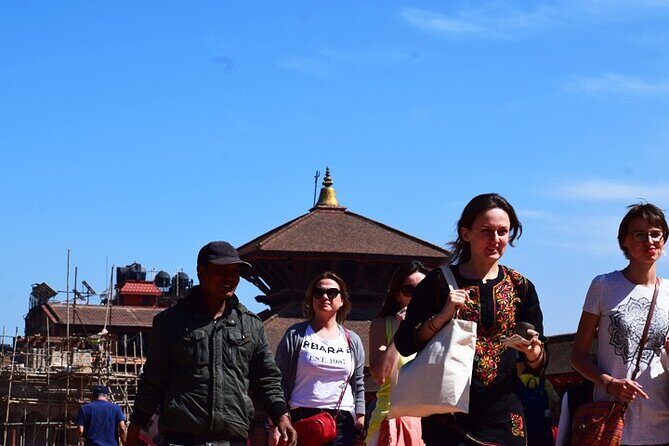
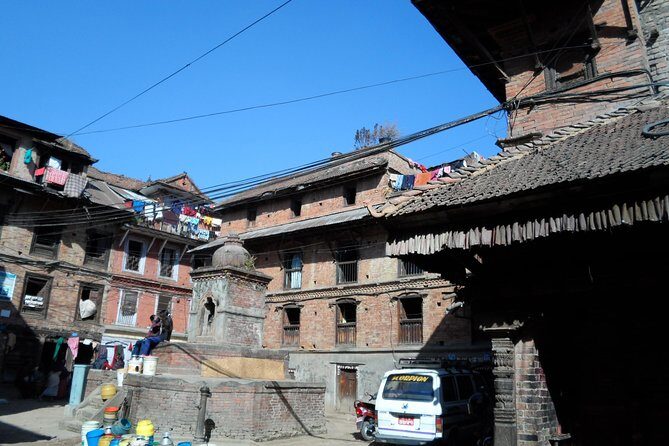
Bhaktapur is the part of the day where you’ll likely feel the “lived-in” side of palace-area sightseeing. Instead of treating the squares like isolated museum pieces, this route frames them as places where power, faith, and everyday life intersect.
Here’s how the three stops typically work in a way that helps you enjoy them:
Dattatraya Square: A Strong First Landing Spot
Starting at Dattatraya Square is useful because it sets your orientation early. You’ll be able to notice rhythms in the space—how people move, where they pause, and how surrounding buildings relate to the square.
If you like starting with a “base view,” this is the one. It’s a good place for your guide to explain what you’re about to see next.





Taumadhi Square: Courtyards and Palace-Era Details
Taumadhi Square tends to pull your attention toward the relationship between open space and the structures facing it. This is where the tour’s “how kings were lived” angle starts to feel real: you’re not just seeing ornate work, you’re seeing how the space shapes daily routines.
Bhaktapur Durbar Square: The Centerpiece Feeling
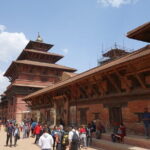
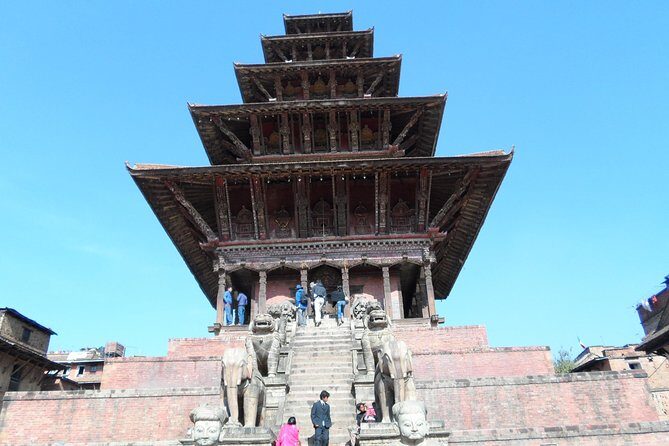
Then you reach Bhaktapur Durbar Square, the part most people picture when they imagine a durbar square. This is where you’ll likely slow down more, because the buildings and carved elements reward close looking.
Even if you only spend a short time at each square, having three in a row helps. You start spotting repeating motifs and layout choices, and your guide can point out why they matter.
What to watch for (and what to skip)
- Watch for carved details and the way courtyards connect to the main square areas. Those connections are part of the story.
- If you’re tired, don’t force it. Bhaktapur is best when you keep your walking steady, not sprinting for photos.
Patan Durbar Square’s Wood Carving and Old Courtyards: Where Details Pay Off
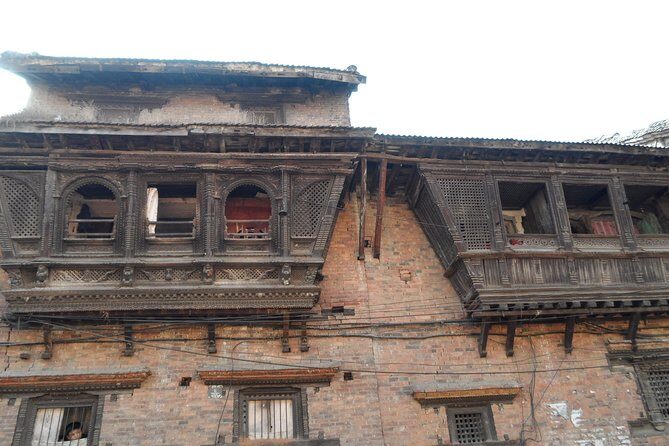
After you finish Bhaktapur, the tour heads to Patan Durbar Square, a stop described as famous for wood carving and old courtyards. This is the shift in the day: Bhaktapur leans more toward palace-era life and square layout, while Patan leans more toward craftsmanship and built atmosphere.
The biggest payoff here is that you get multiple “micro-views.” Courtyards let you step back from the main square and study the layers—how buildings frame space, how carvings show up at eye level, and how the complex feels more like a set of connected rooms than one single monument.
This stop also includes a chance to see what the tour presents as the richest monastery in Patan. Even if you’re not religious, monasteries usually come with a kind of architectural focus—quiet corners, religious symbolism, and places meant for reflection rather than crowds.
A quick reality check on photos
You’ll take photos anywhere in Patan, but you’ll get better ones if you pause and let your guide tell you where to look. The best guide habit here is simple: ask him to point out one specific detail rather than trying to capture everything at once.
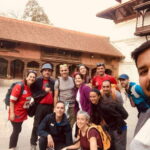
Rajendra Manandhar gets praised for being patient and for taking photos of the group, which is a practical gift—someone else handles framing while you focus on looking.
The Golden Temple from the 12th Century: Finish with a Time Anchor
The day continues to the Golden temple, described as dating back to the 12th century. Ending with a time anchor like this helps the whole tour click into place. You stop thinking in terms of separate stops and start seeing the longer thread linking the palace squares and Patan’s religious power.
This last phase is also a good moment to slow down. Earlier in the day you’re moving square to square; at the end you can spend a bit more time soaking in the mood and architectural focus around the temple area.
If you’re someone who likes to understand context, ask your guide to connect what you saw earlier to this final stop. The tour angle is basically saying: palace life and temple life weren’t separate worlds in historical Nepal.
What the Guide Adds: Rajendra Manandhar’s Calm, Question-Friendly Style
One of the clearest themes in the feedback is the guide. Rajendra Manandhar is highlighted as kind, patient, and deeply aware of the history and meaning behind what you’re seeing.
That matters because Bhaktapur and Patan can feel overwhelming if you don’t know what you’re looking at. A good guide turns the day from sightseeing into understanding. You’re not just passing monuments; you’re learning why the spaces were shaped the way they were.
I also like that his style seems built for real questions. Once you’re inside a square or near carved wood, you’ll naturally wonder about how things worked, who lived where, and what symbols mean. A guide who can handle random questions makes the day feel more like a conversation than a lecture.
Who This Tour Suits Best (and Who Might Want Something Different)
This works best if you:
- Want a structured day that covers Bhaktapur + Patan without planning every route yourself
- Enjoy walking through squares and courtyards and noticing carvings and layouts
- Like having a local English-speaking guide to put meaning behind the monuments
- Prefer a private format where your group is the only one participating
It might be less ideal if you:
- Only want a very light walking day and dislike uneven stone
- Don’t want to pay extra for entrance tickets (since they are not included)
- Prefer food-focused days rather than architecture and monuments
The good news: the tour is listed as something most travelers can participate. So unless you have mobility limits that prevent steady short walks, you should be able to manage it.
Practical Tips to Make the Day Feel Easier
This is a day of walking and looking up—literally—so a little prep goes a long way.
- Wear comfortable shoes with decent grip. Durbar squares and courtyard stone can be slick or uneven.
- Bring a small water bottle. Food and drinks aren’t included, so you’ll want a simple plan to stay comfortable.
- If you care about photography, tell your guide early. The guide approach here includes taking pictures of your group, which helps you avoid awkward arm-stretching.
- Budget for monument entrance tickets. Even if you skip some entries, having the money set aside avoids last-minute stress.
If you’re traveling with friends or family, consider asking about group discounts. With a private vehicle and guide time, it can become a smarter deal as your group grows.
Should You Book This Bhaktapur and Patan Day Tour?
I’d book it if you want one day that feels like two cities done properly: Bhaktapur’s palace squares for atmosphere and layout, Patan Durbar Square for wood carving and old courtyards, and the Golden temple to close with a strong historical anchor.
It’s also a great choice if you value a calm, patient guide. When Rajendra Manandhar is the one leading, you’re more likely to leave with real context—not just photos.
On the downside, you’ll need to budget for entrance tickets, and the day runs 6 to 8 hours, so plan for a steady walking pace.
FAQ
What time does the tour start, and how long is it?
The tour starts at 9:15 am and runs about 6 to 8 hours.
Is pickup included?
Yes. Pickup is offered, and the start area is noted as near public transportation.
What’s included in the $50 price?
The price includes a private air-conditioned vehicle and a local English-speaking tour guide.
What’s not included?
Monument entrance tickets, tips, and food and drinks are not included.
Is this a private tour or a group tour?
It’s a private tour/activity, so only your group participates.
Can I cancel for a full refund?
Yes. You can cancel for a full refund if you cancel at least 24 hours before the experience’s start time.