REVIEW · KATHMANDU
Everest Base Camp Heli Tour
Book on Viator →Operated by Outshine Adventure Pvt Ltd · Bookable on Viator
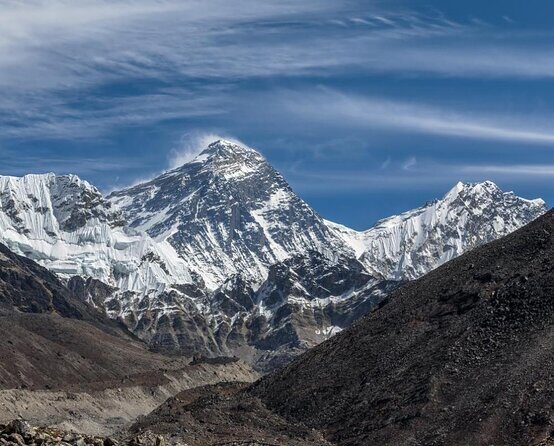
Everest Base Camp by helicopter beats the early alarm. In a single day, you’re up above the Khumbu in minutes for bird-eye views of glaciers, icefalls, and big peaks like Everest and Lhotse, with an overfly of Everest Base Camp and Kala Patthar. You also may land at Syangboche (around 13,000 feet) near Everest View Hotel, and depending on time, you’ll get aerial looks at places like Lukla and Tengboche monastery.
What I like most is how much scenery you actually get for the effort: the full window-seat setup (often in small groups up to 5) makes it easy to enjoy the view without craning your neck or sharing a sliver of glass. Second, I like the practical side: airport transfers are handled by private car, and the operator uses mobile tickets so you can focus on the day instead of paperwork. The trade-off is cost and timing—this is weather-dependent, and routes/stops can shift based on what’s possible that day.
In This Review
- Key Things to Know Before You Go
- Why This Heli Tour Feels Like a Shortcut (Without Feeling Random)
- From Kathmandu Airport to the Helicopter: Transfers and Seat Setup
- The Big Sky Moment: Everest, Icefalls, Glaciers, and Those Razor Views
- Landing at Syangboche and the Everest View Hotel Area
- Lukla and Sherpa Villages: Culture When Timing Allows
- Tengboche Monastery: A Spiritual Landmark From Above
- Price and Logistics: Is $1,675 Actually Good Value?
- What to Pack and How to Stay Comfortable at Altitude
- Weather Rules and the Day-Flow Reality
- Who Should Book This Heli Tour
- Should You Book the Everest Base Camp Heli Tour?
- FAQ
- Where does the Everest Base Camp Heli Tour start and end?
- How long is the tour?
- How much does it cost?
- What’s included in the price?
- What is not included?
- What is the flight time?
- Do I get a window seat?
- Is there a weight limit?
- Do I need good weather for this to run?
- What is the cancellation policy?
Key Things to Know Before You Go
- Overfly of Everest Base Camp and Kala Patthar so you see the goal area even without a trek day on foot
- Small groups (max 5) with a window-seat focus so the views feel personal, not squeezed
- Syangboche around 13,000 feet is a real altitude waypoint (plan for cold and bring warm layers)
- Sherpa villages and culture time can be included when timing allows
- Tengboche monastery views add a human, cultural anchor to the big-mountain scenery
- Good weather is required, so your day’s itinerary depends on skies cooperating
Why This Heli Tour Feels Like a Shortcut (Without Feeling Random)
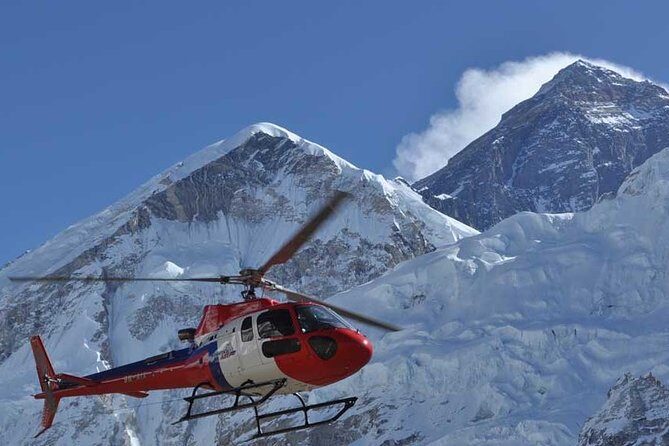
If your Nepal trip budget and time are tight, this style of experience makes sense. The total outing is listed as about 4 to 9 hours, and the actual airborne segments are brief—flight time is given as roughly 3 to 4 minutes at a time—so you’re not spending the day stuck in transit or fighting for hours on a crowded trail.
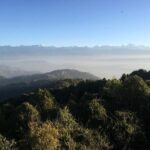
What you’re really buying here is a change in perspective. From the ground, Khumbu beauty is strong, but it’s limited by valleys, ridges, and what you can reach on foot. From the air, you connect the dots fast: forests of rhododendron and pine, rivers and streams cutting through the valleys, and scattered villages that would take days to visit by any normal travel route.
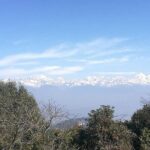
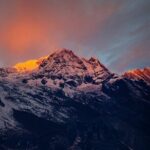
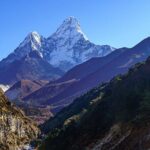
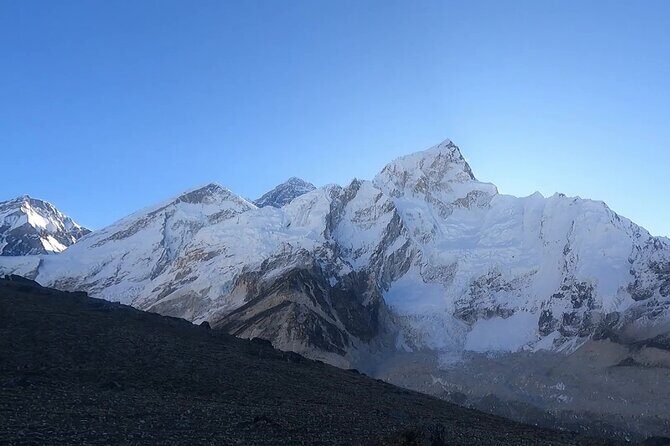
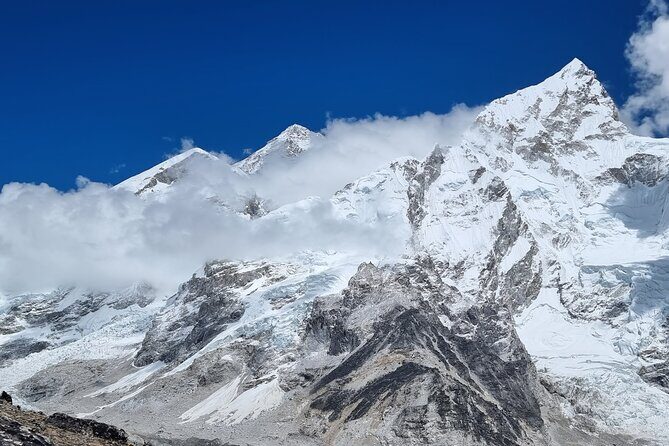
And then you get the Everest-heavy moments: panoramic views of Mt. Everest, plus neighbors like Mt. Lhotse, Mt. Cho Oyu, Mt. Makalu, Mt. Ama Dablam, Island Peak, Mt. Nuptse, and Mt. Pumori. Even if you already know these names from postcards, the aerial scale is what makes them click.
You can also read our reviews of more tours and experiences in Kathmandu.
From Kathmandu Airport to the Helicopter: Transfers and Seat Setup
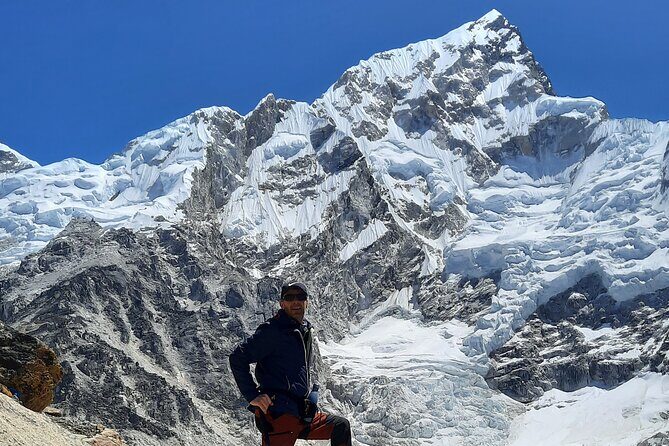
This tour starts in Kathmandu, with pickup by private car from the airport area. The start point is listed in Kathmandu (44600, Nepal), and the activity ends back at the meeting point—so you don’t need to worry about where to meet later.
A small detail that matters: you’ll use a mobile ticket. That’s helpful because it reduces the “where is my paper?” stress that can turn a calm morning into a frantic one.
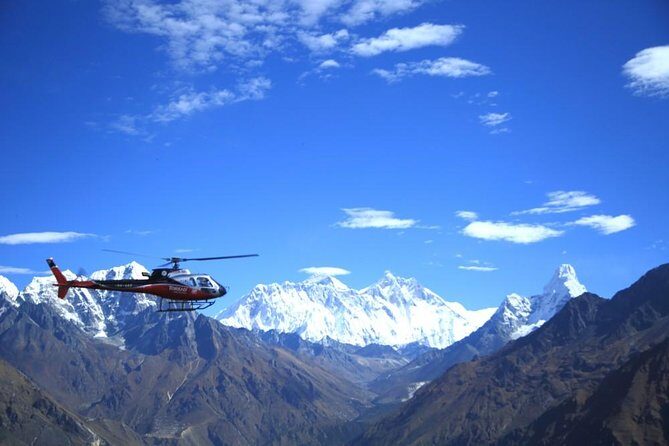
Group size is capped at 5 travelers, and the operator provides sharing seating arrangements for up to 5 pax on the helicopter day flight. The important part for most people is that you’re set up for viewing—full window seats are specifically mentioned for groups like 2, 3, and 4 (and up to 5 depending on arrangement). Translation: you’re likely to spend the day looking out, not negotiating eye-level with the person next to you.
One more practical note: the tour lists a maximum passenger weight of 198 lbs per person. If you’re above that limit, this one won’t work for you, even if the views are your top priority.
The Big Sky Moment: Everest, Icefalls, Glaciers, and Those Razor Views
The helicopter part is the whole reason to book, so it deserves realistic expectations. You’re looking at some of the world’s most extreme terrain from a short hop perspective. That means the best approach is to commit to fast framing: spot a peak, then lock in your view before you lose it to the next turn.
The highlights you should expect to see include:
- Khumbu Icefalls and surrounding glaciers
- Panoramic angles on Everest and multiple neighboring giants
- A bird-eye sweep that shows how rivers, streams, ridgelines, and village clusters fit together
You’ll also get a look at the “life below altitude.” The description specifically calls out green alpine forests—rhododendron, pine trees, plus scattered settlements. That matters because it makes the scenery feel lived-in, not just dramatic rock.
If you’re a photo person, treat the day like a quick switch-hands workout. The best photos usually come when you’re ready before the helicopter banks. Bring any camera basics you’ll need (the tour suggests a camera, sunglasses, cap, and gloves), and plan to shoot in bursts.
Landing at Syangboche and the Everest View Hotel Area
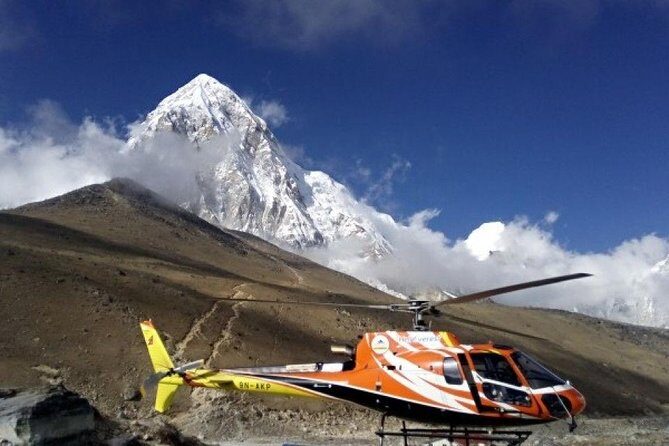
One of the most intriguing elements is the possibility of landing at Syangboche around 13,000 feet near Everest View Hotel. This is where the tour moves from pure overflight to a true “you’re there” moment. You get a pause that feels bigger than a quick window-view photo stop.
Syangboche is high and cold by nature, so this is where warm gear becomes non-negotiable. The tour explicitly recommends warm clothes and warm walking shoes, and it also lists items like gloves and a cap. Even if you think you’ll only be outside briefly, plan for wind and chill. Short time doesn’t mean comfortable time at altitude.
Breakfast at Everest View Hotel is described as optional and not included, so you may need to budget extra if you want that meal. One practical strategy: if you’re planning to eat there, bring cash or make sure you’ll be able to pay on-site, since the day is short and you won’t want to spend your precious time figuring out payment logistics.
Lukla and Sherpa Villages: Culture When Timing Allows
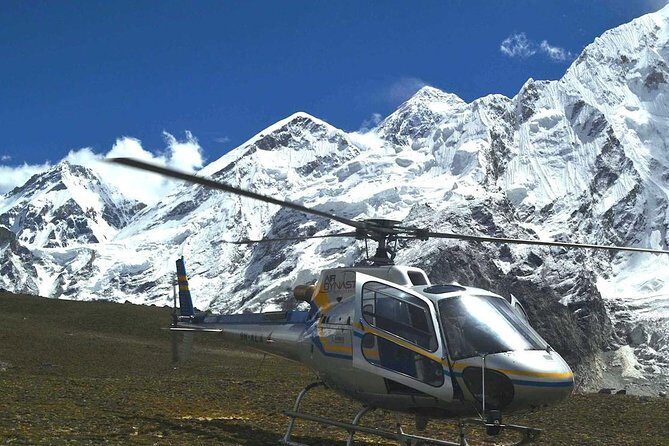
This tour is built around a big aerial itinerary, but it also offers a cultural layer. Depending on time, you may visit Syangboche and Lukla (the description mentions Lukla and a Sherpa-culture look).
Lukla is your first glimpse of the Khumbu’s everyday rhythm. The tour notes you can observe daily lifestyle, culture, and traditions of local residents. In practice, that’s the difference between simply seeing mountains and feeling like you’re in a real place with real routines.
One important reality check: these ground stops are time-dependent. That doesn’t make them worse—it makes them honest. You’re riding the line between what weather and flying conditions allow and what the schedule can fit.
If you’re traveling with someone who doesn’t care about long hikes but still wants humanity in the mix, this is a solid compromise: you get village context without the multi-day physical commitment.

Tengboche Monastery: A Spiritual Landmark From Above
Another highlight is the Tengboche monastery area. The description calls it the oldest monastery of the Khumbu region and says you’ll get helicopter views of it.
From the air, monasteries can look small, but that’s part of the point. You see the scale of the mountains around them, and you can spot how communities anchor their lives near spiritual and social centers—then you’re back to the big views again.
If you’re the kind of traveler who likes meaning with your scenery, this stop helps your day feel more balanced. You’re not only chasing altitude; you’re also seeing why places matter.
Price and Logistics: Is $1,675 Actually Good Value?
The price is listed as $1,675.00 per person, and on average it’s booked about 27 days in advance. That might sound steep at first, but with heli tours, value comes from what you eliminate: trekking time, multiple transport days, and a lot of weather-risk across many hiking legs.
Here’s what’s included:
- Airport transportation by private car
- Helicopter fares
- On the helicopter day flight: sharing seating arrangements for up to 5 pax
- Mobile ticket
What’s not included:
- Everest National Park, Airport Tax, and Khumbu entrance fees
- Personal equipment (warm clothes, warm shoes, camera, sunglasses, cap, gloves, etc.)
- Breakfast at Everest View Hotel (optional)
So the real budgeting question is: can you handle paying extra for park-related fees and your own gear? If yes, the price starts making sense as a shortcut for the views.
Also remember this: this experience is weather-dependent. A sunny day can turn the flight into a clear, crisp series of angles. Cloudy weather can reduce visibility, and the provider may need to adjust timing or offer a different date. That’s not a unique weakness of this tour—it’s just how Everest-area flight days work.
What to Pack and How to Stay Comfortable at Altitude
Your comfort plan should be simple: dress for cold, protect your eyes, and plan to be outside more than you expect.
The tour recommendations are straightforward:
- Warm clothes
- Warm walking shoes
- Camera
- Sunglasses
- Cap
- Gloves
That list is short because the real goal is to keep your hands and face usable. In the air, wind is real, and it can make a warm jacket feel like it isn’t enough.
If you’re bringing a camera, consider how you’ll hold it while wearing gloves. A quick glove check before you leave home saves you from hunting around for the right grip at the worst possible moment.
And if you’re sensitive to altitude chill, treat Syangboche time as the priority for warming up. Cold air plus wind is a fast combo.
Weather Rules and the Day-Flow Reality
This experience requires good weather. That’s in the fine print, and it’s also the practical truth. Since you’re flying and sometimes landing at high altitude, the day is not something you can force.
The bright side: the provider offers free cancellation up to 24 hours in advance for a full refund, and if it’s canceled due to poor weather, you should be offered a different date or a full refund. So if you’re arriving in Kathmandu with a bit of flexibility, you can usually manage risk better than you would with a fixed, non-adjustable plan.
But keep your expectations grounded: even with the best planning, Everest-area conditions decide what’s possible.
Who Should Book This Heli Tour
I’d point this toward people who:
- Want the Everest Base Camp / Kala Patthar area view but don’t want (or can’t do) a full trek
- Have limited time in Nepal and want a strong “Everest hit” in a short window
- Are okay with a day that depends on weather and time-on-task flying
- Appreciate a small group (max 5) and a view-first setup
It’s not ideal if you:
- Need a strictly guaranteed itinerary with no changes
- Fall above the stated 198 lbs passenger weight limit
- Don’t like cold, because Syangboche/elevated time means you’ll want real layers
Should You Book the Everest Base Camp Heli Tour?
If you want maximum Everest viewing with minimum time on foot, this is a smart pick. The overfly of Everest Base Camp and Kala Patthar, plus the chance of Syangboche near Everest View Hotel, delivers the main payoff fast. I also like the small-group structure and the way the day is set up for window-seat viewing, not just transportation.
I’d only hesitate if your schedule is inflexible or your budget can’t handle additional park and tax fees. Also, if you’re not comfortable in cold conditions, plan your clothing like you mean it.
Bottom line: book it if you’re chasing the Everest view experience and you can accept weather as the boss. For a lot of people, that’s exactly the right way to do Everest—short, focused, and worth every minute you’re in the air.
FAQ
Where does the Everest Base Camp Heli Tour start and end?
It starts in Kathmandu (meeting point listed as Kathmandu 44600, Nepal) and ends back at the same meeting point.
How long is the tour?
The tour duration is listed as approximately 4 to 9 hours.
How much does it cost?
The price is $1,675.00 per person.
What’s included in the price?
Included are airport transportation by private car, helicopter fares, and sharing seating arrangements for up to 5 pax on the helicopter day flight, plus a mobile ticket.
What is not included?
Not included are Everest National Park fees, airport tax, and Khumbu entrance fees, as well as personal equipment (like warm clothes and shoes). Breakfast at Everest View Hotel is also not included (it’s optional).
What is the flight time?
The flight time is listed as 3 to 4 minutes.
Do I get a window seat?
The tour description indicates full window seats for enjoyment during the heli tour for small groups (2, 3, 4, and up to 5 with the sharing seating arrangement).
Is there a weight limit?
Yes. The total weight per passenger is listed as 198 lbs.
Do I need good weather for this to run?
Yes. The experience requires good weather. If it’s canceled due to poor weather, you’ll be offered a different date or a full refund.
What is the cancellation policy?
You can cancel up to 24 hours in advance for a full refund. If you cancel less than 24 hours before the start time, the amount paid will not be refunded.